


Analyze Durable SPC Hybrid Flooring Price and WPC Cladding
When evaluating the cost-effectiveness of modern architectural surfacing, professionals often analyze the spc hybrid flooring price relative to its lifelong durability and maintenance requirements. In the realm of high-performance building materials, the shift toward Wood Plastic Composites (WPC) and Stone Plastic Composites (SPC) reflects a growing demand for solutions that bridge the gap between natural aesthetics and industrial resilience. For commercial developers and residential designers, the primary challenge is finding a material that resists environmental degradation without requiring constant chemical treatments or sanding.
Our advanced WPC Exterior Wall Cladding serves as a prime example of this evolution, offering a robust alternative to traditional timber. By integrating recycled polymers with wood fibers, this cladding system addresses the critical failure points of outdoor facades—specifically moisture absorption and UV degradation. Whether specified for a boutique hotel exterior or a private residential retreat, the objective is to maximize architectural appeal while minimizing the total cost of ownership over a decade of exposure.

Engineering Resilience: The Composition of Premium Wood Plastic Composites
The structural integrity of our outdoor cladding is rooted in a sophisticated blend of premium Wood Plastic Composites (WPC). Unlike conventional wood, which is porous and susceptible to biological attacks, this engineered material is designed to be fundamentally waterproof and moisture-proof. This solves the recurring problem of rotting, expansion, and deformation that typically occurs when organic timber is exposed to humid or rainy environments.
From a technical standpoint, the integration of high-grade polymers ensures that the cladding acts as a barrier against insects and termites, effectively eliminating the need for toxic pesticides. Furthermore, the material is engineered for extreme thermal stability, maintaining its shape and performance in temperatures ranging from -40°C to +60°C. This versatility makes it an ideal choice for global exports to diverse climates in North America, Europe, and the Middle East.
- Moisture Immunity: Prevents swelling and warping in high-humidity zones.
- Biological Resistance: Naturally repels termites and fungal decay.
- Thermal Range: Stable performance across a 100-degree Celsius spectrum.
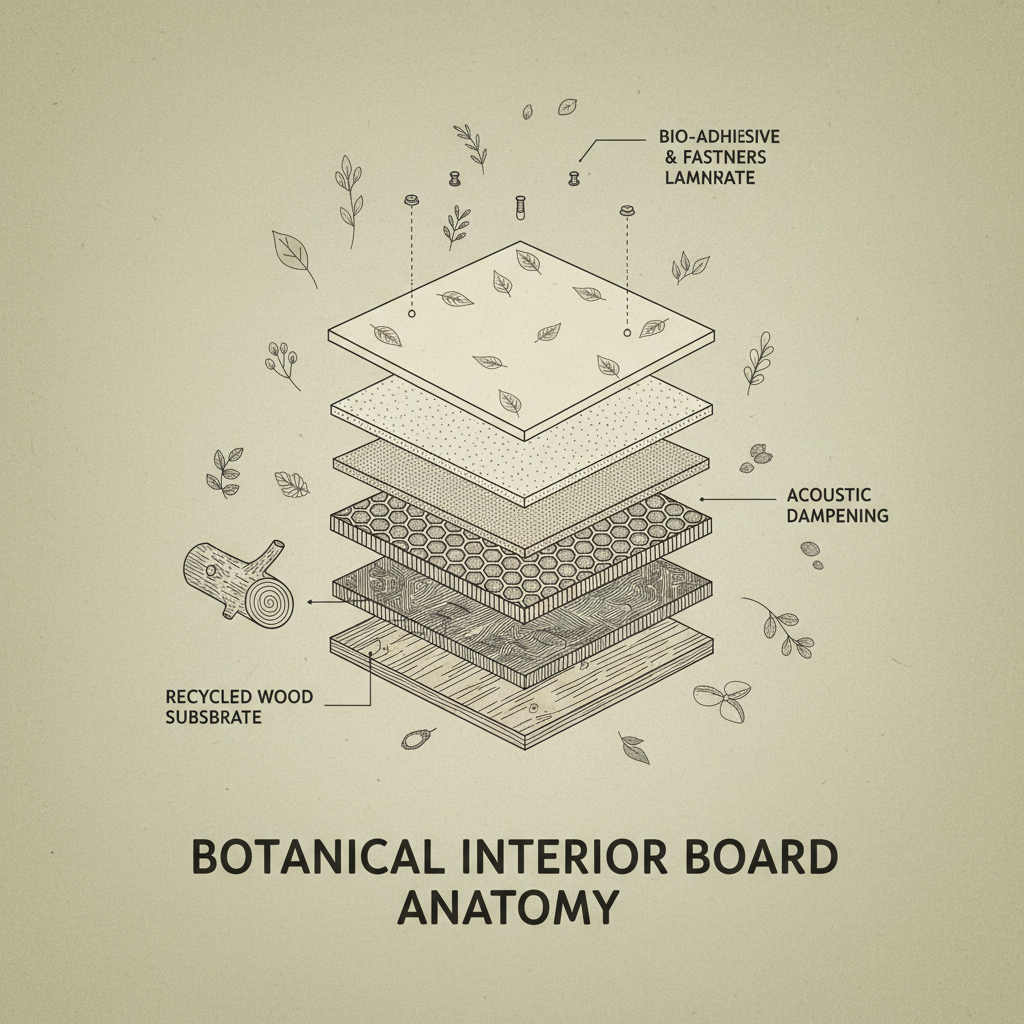
- Eco-Composition: Utilizes recycled materials to reduce the carbon footprint of construction.

Application Logic: Transforming Commercial and Residential Facades
Implementing WPC cladding is not merely an aesthetic choice but a strategic operational decision. In commercial settings such as cafes, retail environments, and public parks, the high traffic and exposure to pollutants demand a surface that is easy to clean and resistant to scratching. The sophisticated design of these panels allows them to be used for accent walls, full facades, or decorative barriers, providing a unified professional look that impresses clients and visitors alike.
For residential projects, the value lies in the "low-maintenance" promise. Traditional wood requires seasonal staining and sealing; conversely, WPC cladding maintains its color and texture with minimal intervention. Our intuitive interlocking system further optimizes the installation process, significantly reducing labor expenses and project timelines. This efficiency is critical for contractors looking to deliver a professional finish without the overhead of specialized timber craftsmanship.
Moreover, the adaptability of the material allows for personalized modeling. With strong plasticity, architects can realize complex geometric designs and customized color palettes that reflect the individual character of a building while ensuring the structure remains protected from UV exposure and moisture ingress.
Procurement Intelligence: Evaluating Quality and Long-term Value
When procurement managers assess the spc hybrid flooring price or cladding costs, they must look beyond the initial invoice to the "Lifecycle Cost Analysis." High-quality WPC reduces the frequency of replacement cycles and eliminates the recurring cost of maintenance chemicals. A product that is self-extinguishing and flame-retardant, like our cladding, also contributes to building safety and potentially lowers insurance premiums for commercial properties.
Key evaluation criteria should include the material's machinability—the ability to be planed, sawn, and drilled—and its environmental certification. As sustainability becomes a mandate in modern construction, opting for recycled composite materials helps developers meet green building standards and reduce their overall carbon footprint.
It is also essential to verify the supplier's export experience. Shijiazhuang Sothink Trading Co., LTD. leverages over a decade of expertise in serving the North American and European markets, ensuring that the products meet international standards for durability and performance. This experience translates to better quality control and more reliable delivery schedules for large-scale projects.
Comparative Performance Matrix: WPC vs. Traditional Materials
| Evaluation Metric | Natural Timber | Traditional PVC | Sothink WPC Cladding | Impact on Project |
|---|---|---|---|---|
| Moisture Resistance | Low (Prone to rot) | High | Exceptional | Longer Life Cycle |
| Maintenance Needs | High (Annual Seal) | Low | Very Low | Reduced OpEx |
| Eco-Friendliness | Medium (Deforestation) | Low | High (Recycled) | Green Certification |
| Thermal Stability | Medium | Low (Warps) | High (-40 to +60°C) | Climate Versatility |
| Fire Performance | Combustible | Varies | Self-extinguishing | Enhanced Safety |
Technical Specifications and Installation Efficiency
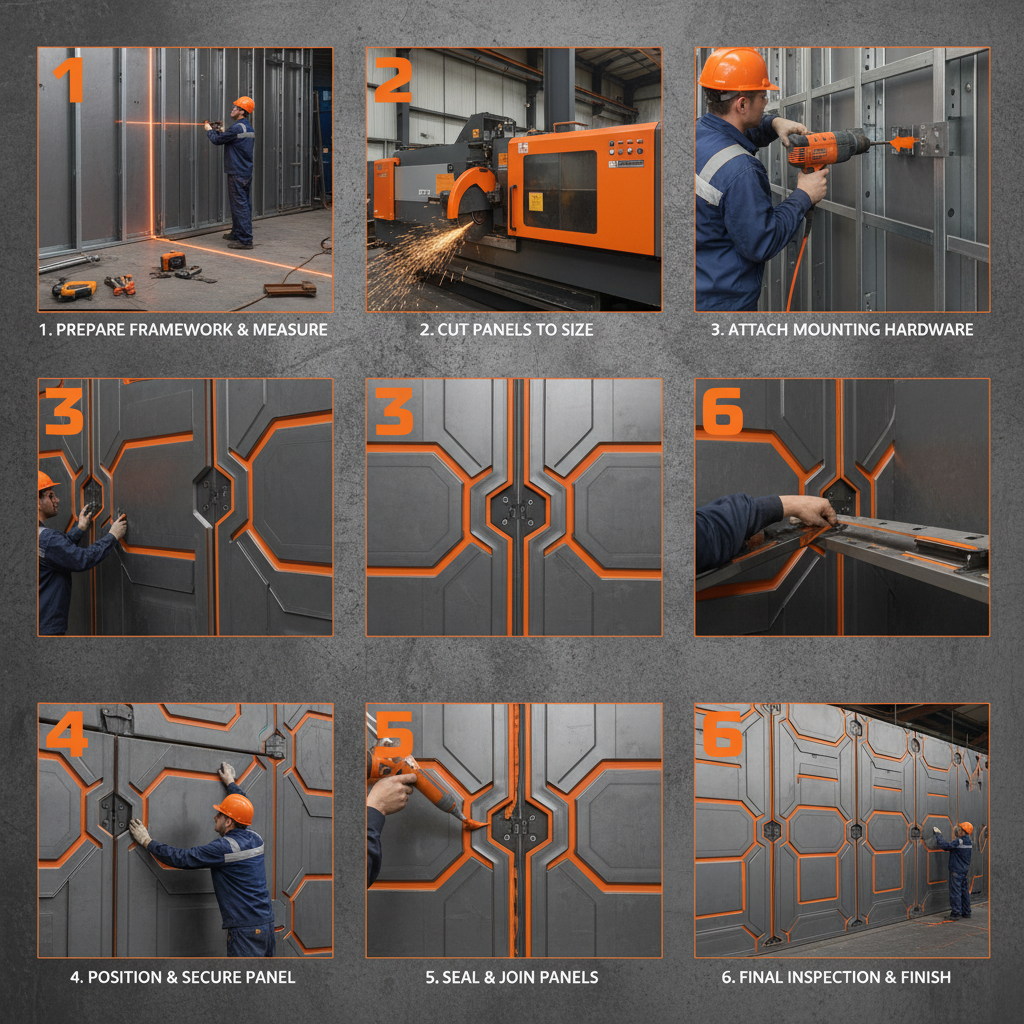
The efficiency of a cladding system is measured by its "Installation-to-Performance" ratio. Our WPC panels are engineered with a precision interlocking system that ensures a flawless fit and a seamless transition between boards. This mechanism not only accelerates the construction phase but also ensures that the cladding remains tight and secure, preventing moisture from seeping behind the panels and damaging the primary structure.
From a machining perspective, the material behaves similarly to wood, allowing for standard drilling and sawing techniques. This means existing contractor toolsets can be used without additional investment in specialized equipment. The surface is also compatible with various paints if customization beyond the standard color array is required, offering unparalleled flexibility for architectural branding.
Safety is further reinforced through high fire resistance. The material is designed to be an effective flame retardant, ensuring that in the event of a fire, the cladding does not contribute to the rapid spread of flames and does not emit toxic gases, making it compliant with stringent safety regulations for commercial public spaces.
Sustainable Trends in Plastic Building Component Manufacturing
The construction industry is currently undergoing a paradigm shift toward "Circular Economy" principles. The move away from conventional timber toward recycled composite materials is a direct response to the global need for sustainable forestry. By utilizing waste polymers and wood by-products, WPC cladding reduces the pressure on natural forests while offering a product with a service life several times longer than ordinary wood.
Future trends indicate a move toward "Smart Facades" where materials must not only be durable but also thermally efficient. The inherent insulating properties of wood-plastic composites help in regulating internal building temperatures, potentially reducing HVAC energy consumption. This synergy of form and function ensures that the building remains aesthetically pleasing while operating efficiently.
For distributors and wholesalers, the trend is toward integrated solutions. Providing a complete package—from PVC marble sheets and SPC flooring to WPC exterior cladding—allows for a unified design language across a project. Shijiazhuang Sothink is committed to this all-round service, ensuring that the technical level of our products meets the evolving expectations of the global architectural community.
Expert Insights: Frequently Asked Questions About WPC Cladding
How does WPC cladding differ from traditional wood in terms of maintenance?
Unlike traditional wood, which requires periodic sanding, staining, and sealing to prevent rot and UV damage, WPC cladding is virtually maintenance-free. It does not crack, expand, or deform, and its moisture-proof nature eliminates the need for chemical preservatives, significantly reducing long-term upkeep costs.
Is the material suitable for extremely cold or hot climates?
Yes, our WPC cladding is engineered for high weatherability and remains stable in temperatures ranging from -40°C to +60°C. This ensures that the panels will not warp in extreme heat or become brittle in freezing conditions, making them suitable for a wide variety of global regions.
Can these panels be installed on existing commercial facades?
Absolutely. The interlocking system and the material's good machinability allow it to be installed over various substrates. It is ideal for accent walls, facades, and decorative barriers in cafes, retail stores, and residential homes, providing a professional appearance with minimal labor.
What are the fire safety characteristics of WPC wall panels?
Our panels are designed with high fire resistance. They act as effective flame retardants and are self-extinguishing in the event of a fire. Crucially, they do not produce toxic gases during combustion, enhancing the safety profile of the building.
Are there customized color options available for specific architectural styles?
Yes, we offer a vibrant array of colors and textures that replicate the natural allure of wood. Beyond the standard options, the material's strong plasticity and compatibility with paint allow for personalized modeling and customized colors to match specific project requirements.
How does the use of recycled materials impact the product's strength?
The use of recycled materials does not compromise strength; in fact, the fusion of polymers and wood fibers creates a composite that is often stronger and more durable than natural wood. It specifically eliminates the weaknesses of timber, such as susceptibility to pests and moisture-induced decay.
Technical References and Industry Standards
- Wood Plastic Composite Material Standards
- ISO Standards for Building Materials
- ASTM International Material Testing Guides
- EPA Guidelines for Sustainable Construction Materials
Selecting the right architectural materials requires a balance of aesthetic vision and technical pragmatism. By prioritizing durability, sustainability, and ease of installation, developers can ensure their projects stand the test of time. For detailed specifications or a customized quote, please contact Shijiazhuang Sothink Trading Co., LTD.
Related Articles


 +86 31185293045
 qian@ss711.com