



3mm Marble Sheet – Lightweight Natural Stone for Modern Use
3mm Marble Sheet: A Lightweight Classic for Contemporary Applications
Having spent a fair share of years knee-deep in the industrial equipment and materials space, I’ve developed a real appreciation for the materials that blend style with real-world practicality. 3mm marble sheet is one such product that caught my attention – not because it’s new, but because it perfectly bridges timeless aesthetics with modern manufacturing needs.
The 3mm thickness might sound almost delicate to some – “Is a sheet that thin really durable enough for serious use?” I often hear that question. Frankly, it depends. What makes these ultra-thin marble sheets fascinating isn’t just the stone itself but how it’s engineered and backed by substrate layers. You get the visual luxury of marble without the cumbersome weight and installation challenges of traditional slabs.
Industries from interior design to furniture manufacturing have been gravitating toward this material, especially as trends shift toward lighter, more versatile components. Notably, it has made waves in kitchen splashbacks, wall cladding, and even some machine enclosures — applications where weight matters but looks still count.
Understanding the Product – What Sets 3mm Marble Sheets Apart?
When I first handled a 3mm marble sheet, it felt almost like a hybrid between stone and engineered composite. Though the marble veneer is obviously real stone, it’s often bonded to a composite backing or aluminum honeycomb to beef up strength without bulk. This layered construction means you can utilize marble’s natural veins and patterns while avoiding the traditional issues like cracking or hefty load on supporting frameworks.
If you’re involved in specifying materials or sourcing products, these specs usually give you a clearer picture:
| Specification | Detail |
|---|---|
| Material Type | Natural marble veneer + composite backing |
| Thickness | 3mm total (approx. 2-3 mm marble layer) |
| Weight | 4-6 kg/m² (varies by backing) |
| Surface Finish | Polished, honed, or matte options |
| Customization | Custom sizes and edge profiles available |
While specs paint a good picture, the real value lies in how these sheets perform on-site. I recall a project where architects needed a thin marble veneer for a retrofitted office wall – minimal frame reinforcement, maximum visual impact. The 3mm sheets fit the bill perfectly, impressing even the most cautious structural engineers.
Vendor Comparison: Selecting the Right Supplier for Your Project
Choosing the supplier can be just as crucial as the product itself. Oddly enough, not all vendors offer consistent backing materials or finishing standards. I’ve worked with at least a half-dozen vendors over the years and developed some indicators to watch for. Here’s a quick comparison of three notable suppliers I’ve encountered:
| Supplier | Backing Material | Finish Options | Lead Time | Typical MOQ |
|---|---|---|---|---|
| StoneCraft Industries | Aluminum honeycomb | Polished, honed | 3-4 weeks | 50 m² |
| MarbleLite Corp | Fiberglass reinforced | Polished, matte | 2-3 weeks | 30 m² |
| EcoStone Select | Composite resin | Honed, matte | 4-5 weeks | 100 m² |
The takeaway? If you want a quicker turnaround, MarbleLite Corp’s fiberglass backing tends to speed things along a bit. But for sheer durability, aluminum honeycomb from StoneCraft gives you extra rigidity, and frankly, it feels more premium once installed.
Final Thoughts on Using 3mm Marble Sheets
In real terms, this material often surprises people — especially architects or engineers who expect marble to be heavy and unwieldy. The thin-layer approach means less structural reinforcement, easier handling on site, and often a pretty reasonable price-point compared to thick slabs. It’s easy to fall into the trap of thinking thinner means “fragile,” but these sheets generally ship and install well, provided standard handling protocols are followed.
Also, the ability to customize edge profiles and finishes makes it really versatile. I remember a client who needed a sleek, polished marble facade for a boutique storefront – 3mm sheets delivered that high-end marble look without the project breaking budget or schedule.
This is why many engineers and designers, myself included, keep 3mm marble sheet on their shortlist when balancing aesthetics, weight, and cost.
If you’re exploring materials for your next interior or industrial project, these sheets deserve a closer look. They marry the natural artistry of stone with modern-day engineering, and in my experience, that kind of harmony brings the best results.
– John M., Industrial Materials Consultant
References:
1. "Engineered Stone Veneers," Journal of Industrial Finishes, 2022.
2. Sothinkdecor Product Manuals, 2023.
3. “Lightweight Marble: Trends in Architecture,” Build Tech Quarterly, 2023.
-
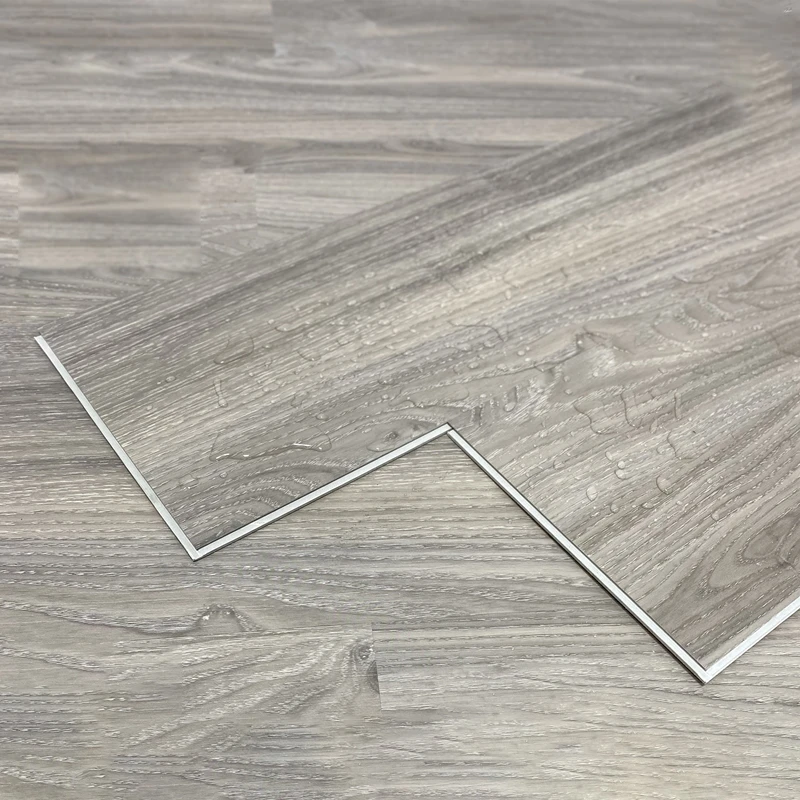
 Ultimate Guide to Durable Waterproof SPC Vinyl Flooring StyleWhen renovating a modern home or commercial space, the flooring choice often defines the entire atmosphere. waterproof spc vinyl flooring has emerged as a revolutionary solution for those who refuse to compromise between aesthetic elegance and rugged performance. Standing for Stone Plastic Composite, SPC flooring is engineered to withstand the toughest environments, from moisture-prone bathrooms to high-traffic living rooms. In this comprehensive guide, we will explore why this material is dominating the interior design market and how it can transform your space into a sanctuary of style and resilience.Read More >
Apr 16 2026
-
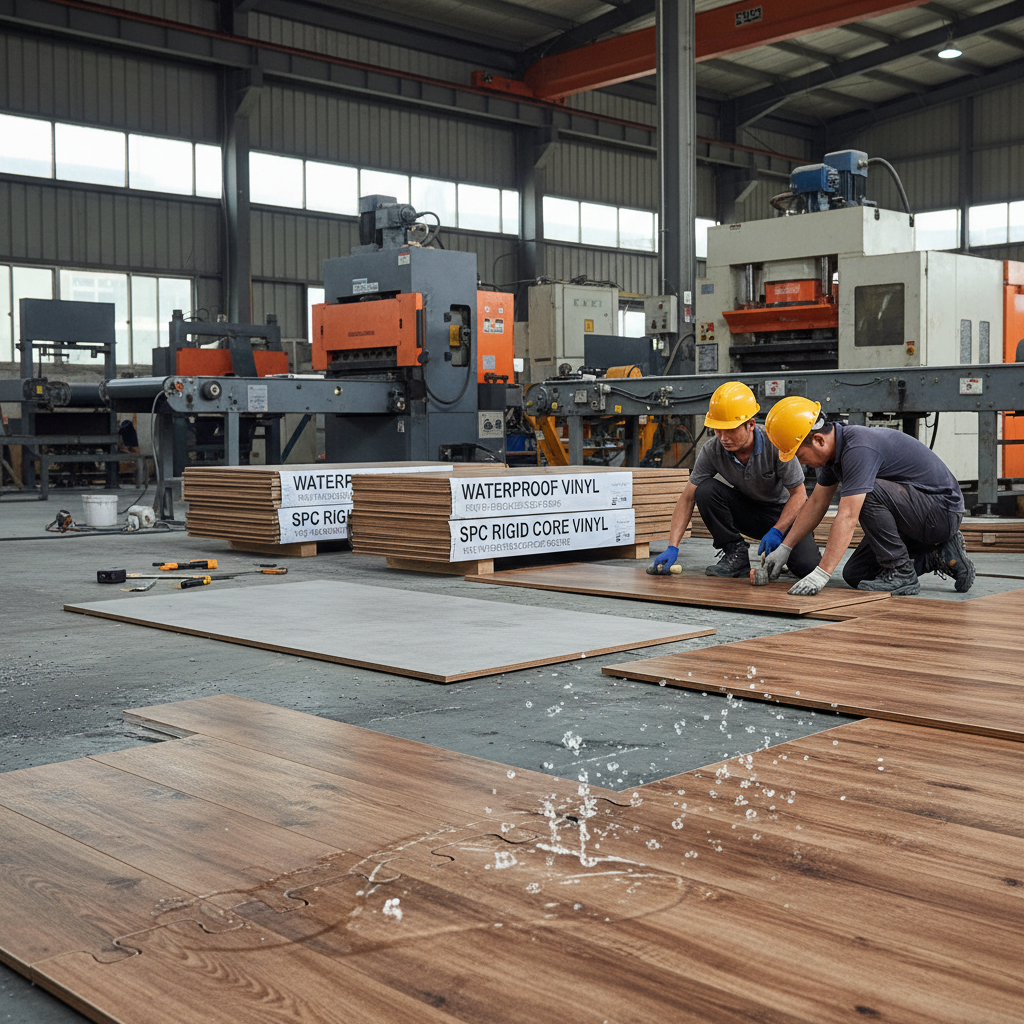 Ultimate Guide to Durable Waterproof SPC Rigid Core Vinyl FlooringChoosing the right flooring for a modern home or commercial space requires a balance between aesthetics and endurance. waterproof spc rigid core vinyl has emerged as a game-changer in the interior design world, offering the timeless look of hardwood with the unmatched resilience of stone polymer composite. Whether you are dealing with high-traffic hallways, moisture-prone bathrooms, or pet-friendly living rooms, this flooring solution provides a stable, waterproof, and scratch-resistant surface. In this comprehensive guide, we will explore why this innovative material is replacing traditional laminate and luxury vinyl planks in contemporary construction.Read More >
Apr 09 2026
-
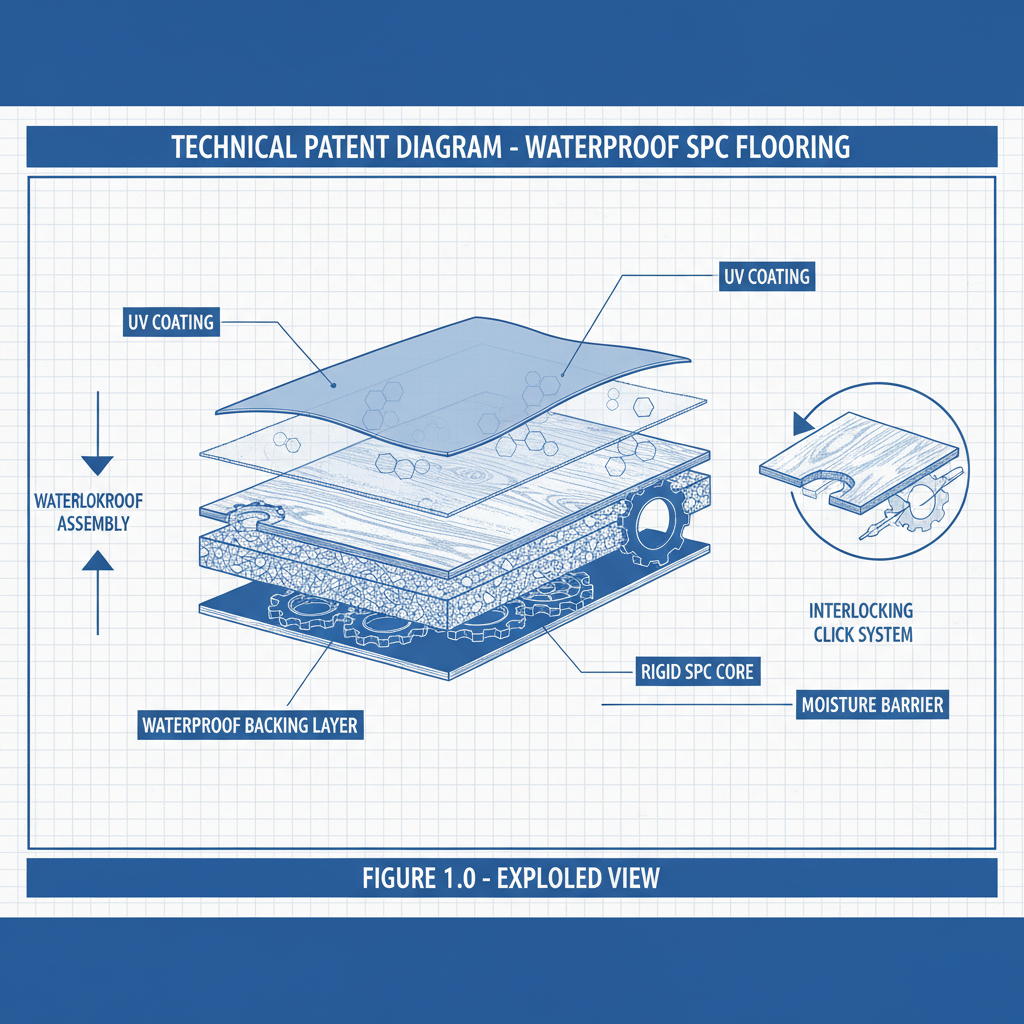 Comprehensive Guide to Waterproof SPC Flooring Durability and InstallationChoosing the right flooring for your home or business is a significant decision. Waterproof SPC flooring has emerged as a popular option due to its durability, affordability, and ease of installation. This article provides an in-depth look at waterproof SPC flooring, covering its benefits, installation process, maintenance, and comparisons with other flooring types. Understanding these aspects will help you determine if SPC flooring is the right choice for your project.Read More >
Apr 07 2026
-
 Discover the Durability and Style of Vinyl SPC Rigid Flooring SolutionsLooking for a durable, waterproof, and stylish flooring solution? Vinyl SPC rigid flooring is quickly becoming the go-to choice for homeowners and businesses alike. This article provides a comprehensive overview of this innovative flooring type, covering its benefits, installation, maintenance, and more. We’ll help you determine if SPC rigid vinyl flooring is the right fit for your project.Read More >
Apr 04 2026
-
 Comprehensive Guide to Durable Vinyl SPC Click Flooring Options and BenefitsChoosing the right flooring for your home or business is a significant decision. Vinyl SPC click flooring has emerged as a popular and durable option, offering a blend of aesthetic appeal and practical benefits. This article will explore the key features, advantages, installation process, and applications of SPC flooring, helping you determine if it's the right choice for your project. From its waterproof nature to its ease of installation, we'll cover everything you need to know.Read More >
Mar 31 2026
 +86 31185293045
  qian@ss711.com

Shijiazhuang Sothink trading Co., LTD.
Our company focuses on product development, production, sales and other all-round services, and is committed to providing customers with high-performance products and high-quality services.