


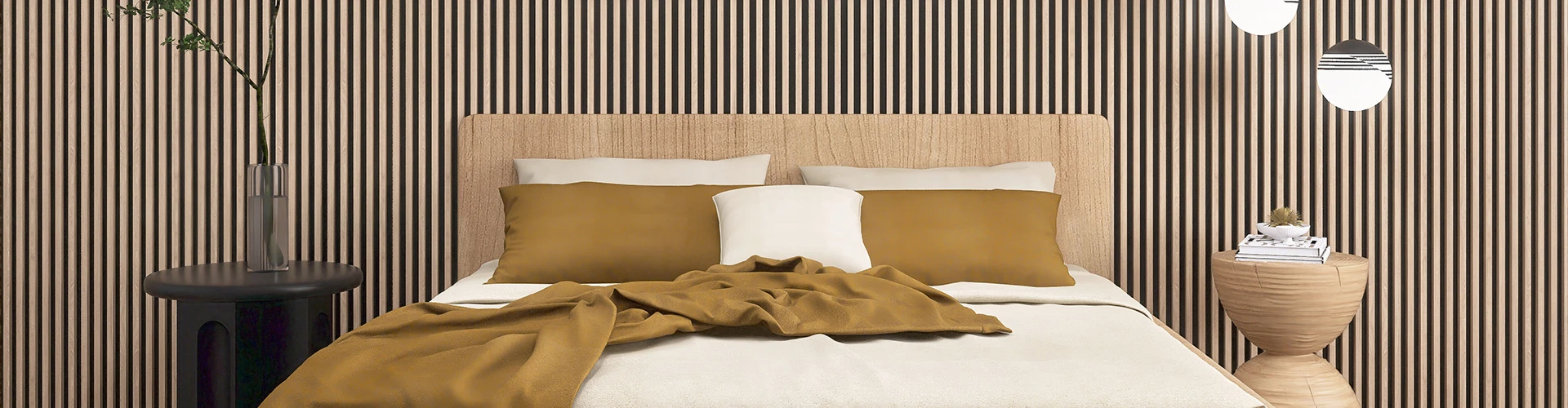
Artificial Marble Sheet: Durable, Sustainable Surfaces for Modern Construction
Understanding the Artificial Marble Sheet: A Modern Material Shaping the World
Artificial marble sheet isn't just a fancy building material tossed around in design circles — it’s a vital, increasingly popular surface used globally across industries. Frankly, given the planet’s pressing need for sustainable alternatives to natural stone, materials like artificial marble are stepping into the spotlight. This sheet material offers key benefits like cost efficiency, durability, and design flexibility. Knowing how it works and where it fits in construction or decor helps anyone from architects to humanitarian workers make smarter choices.
The Global Context of Artificial Marble Sheet
Let’s zoom out for a moment. According to the United Nations Environment Programme, the global demand for sustainable building materials is skyrocketing as urbanization climbs rapidly — the world population hit 8 billion in 2023, and cities are growing at an annual rate of about 1.8%. Natural stone quarries, as beautiful as marble is, can do ecological damage and aren’t always feasible everywhere. This is where artificial marble sheets come into play. They’re engineered to simulate the look and feel of natural marble, but with less environmental footprint and better scalability.
Challenges like high costs, supply shortages, and environmental concerns push the construction and interior design industries to embrace alternatives. Artificial marble sheet answers these challenges by providing a consistent, durable surface that's easier to transport and install worldwide.
What Exactly Is an Artificial Marble Sheet?
In its simplest form, artificial marble sheet is a synthetic surface material made from a combination of resins, natural stone powders (like calcium carbonate or crushed marble), and pigments. The mixture is cured into sheets that mimic the appearance of real marble, often with stunning accuracy. These sheets are typically thin, lightweight, and flexible compared to quarried slabs, making them easier to handle on-site.
It’s not just decoration, either—these sheets have industrial and humanitarian relevance. In settings where quick deployment of durable surface materials matters, such as temporary shelters or mobile clinics, artificial marble sheets provide a practical alternative. They balance aesthetics with functionality in places that simply can’t accommodate bulky natural stone.
Key Factors that Define Artificial Marble Sheet
Durability
The sheets resist stains, scratches, and heat remarkably well compared to many natural stones. Manufacturers often include UV stabilizers to prevent fading, which is great if the sheets are used for outdoor cladding or countertops.
Cost Efficiency
Natural marble is notoriously expensive—not just the material but the mining, shaping, shipping, and installation. Artificial marble sheets reduce costs significantly without sacrificing much in beauty.
Design Versatility
Because they’re manufactured, these sheets come in an almost infinite array of colors and patterns, even beyond what's naturally possible. This flexibility allows designers to create bespoke looks.
Lightweight & Scalability
Weighing less than quarried slabs, artificial marble sheets simplify transport logistics and ease installation labor, especially in remote or disaster-affected areas.
Eco-Friendliness
Using synthetic materials might raise eyebrows, but many companies now use recycled components, and producing sheets consumes less energy and water than quarrying marble.
Maintenance
Unlike porous natural stone requiring sealants and special care, artificial marble sheets are generally non-porous and easier to clean.
Basic Product Specification: Typical Artificial Marble Sheet
| Specification | Details |
|---|---|
| Material Composition | Resin, Calcium Carbonate, Pigments |
| Sheet Thickness | 2 - 6 mm |
| Sheet Size | 1200 x 2400 mm (standard) |
| Weight | ~15 kg/sheet |
| Surface Finish | Matte/Semi-Glossy/Glossy |
| UV Resistance | Yes, up to 600 hours |
Global Applications & Use Cases
Artificial marble sheets have made waves in several sectors:
- Residential & Commercial Interiors: countertops, wall panels, and flooring substitutes that offer luxury looks with practical advantages.
- Hospitality Industry: hotels and restaurants appreciate the easy maintenance and customizable aesthetics.
- Disaster Relief & Temporary Housing: their lightweight and easy handling allow quick setup of hygienic surfaces in mobile clinics or shelters.
- Remote Industrial Zones: where supply chains are tricky, these sheets reduce transport load and installation downtime.
- Public Infrastructure Projects: airport lounges, museums, and government buildings seeking a marble look without budget blowouts.
Countries in Asia-Pacific, Europe, and North America lead adoption, but growing urban markets in Africa and Latin America are starting to see interest due to cost and sustainability perks.
Advantages & Long-Term Value
It’s easy to dwell just on looks, but artificial marble sheets bring tangible value over time:
- Lower Installation & Maintenance Costs: saving money and manpower (and frankly, patience) in the long haul.
- Environmental Benefits: reduced quarrying means less habitat destruction and lower carbon emissions.
- Reliability: engineered for durability, they stand up well to everyday wear and harsh conditions, reducing the need for premature replacements.
- Emotional Impact: they enable safer, more dignified living and working spaces where good-looking, clean surfaces matter (think hospitals or schools).
For architects and engineers, this combination of logic and sentiment makes artificial marble sheet a smart, future-proof choice. Innovation meets feel-good factors; that’s winning in real terms.
Vendor Comparison: Selected Artificial Marble Sheet Suppliers
| Supplier | Thickness Range | Price Range (USD/m²) | Lead Time | Eco Certification |
|---|---|---|---|---|
| Sothink Decor | 2 – 6 mm | $25 - $38 | 2-3 weeks | ISO 14001 |
| Marblex Innovations | 3 – 7 mm | $28 - $40 | 3-4 weeks | LEED Certified |
| GreenStone Sheets | 2.5 – 5 mm | $22 - $35 | 1-2 weeks | EcoLabel |
Future Trends & Innovations
The future looks shiny for artificial marble sheets. Industry experts predict advances such as:
- Enhanced Sustainability: integration of bio-based resins and recycled stone powders will reduce carbon footprints further.
- Digital Customization: computerized pattern printing enabling bespoke designs on demand.
- Smart Surfaces: embedding antimicrobial properties or self-cleaning coatings to boost hygiene—a must in healthcare and public spaces.
- Automation in Production: faster manufacturing cycles ensuring cost competitiveness.
As green building standards tighten globally, these innovations will elevate artificial marble sheets from a nice-to-have to an essential.
Challenges & Solutions
Of course, no material is perfect. Common hurdles with artificial marble sheets include:
- Susceptibility to Impact Damage: while durable, thin sheets can crack or chip under heavy knocks.
- Color Matching Issues: variations between batches can be problematic for large projects needing uniformity.
- Environmental Concerns: dependence on petroleum-based resins raises questions.
Industry leaders tackle these challenges with better composite formulations, strict quality control, and ongoing investment in alternative, eco-friendly binders. Plus, expert installers recommend reinforcing thin sheets properly during installation to reduce breakage risk.
Frequently Asked Questions About Artificial Marble Sheet
- Q1: How does artificial marble compare to natural marble in durability?
- A: Artificial marble sheets are generally more resistant to stains, scratches, and UV fading due to their engineered composition. While natural marble can be prone to etching and requires sealing, artificial marble offers lower maintenance and better wear resistance in everyday settings.
- Q2: Can artificial marble sheets be used outdoors?
- A: Yes, many artificial marble sheets are designed with UV stabilizers and weatherproof resins, making them suitable for exterior facades or outdoor furniture. However, it's best to check manufacturer specifications for UV resistance ratings.
- Q3: Are artificial marble sheets eco-friendly?
- A: Compared to quarrying natural stone, artificial sheets generally have a lower environmental impact, especially when made with recycled content and bio-resins. Certifications like ISO 14001 or LEED help indicate eco-compliance.
- Q4: How versatile is artificial marble in design customization?
- A: Extremely versatile. Because it’s manufactured, colors, patterns, and finishes can be tailored extensively — some companies even offer digital printing for ultra-custom looks.
- Q5: Is installation of artificial marble sheet complicated?
- A: Installation is often quicker and less labor-intensive than natural stone slabs due to lighter weight and flexibility. Nonetheless, professional installation is recommended to prevent damage and ensure longevity.
Conclusion
To wrap things up, artificial marble sheet offers more than just a pretty face. It delivers on multiple fronts — from sustainability and efficiency to design freedom and resilience. For anyone invested in building better, greener spaces (or even temporary solutions in tricky settings), this engineered material is a game-changer. If you want to explore quality options and see how artificial marble sheets can transform your next project, I suggest checking out artificial marble sheet suppliers and expert advice at Sothink Decor.
References
-
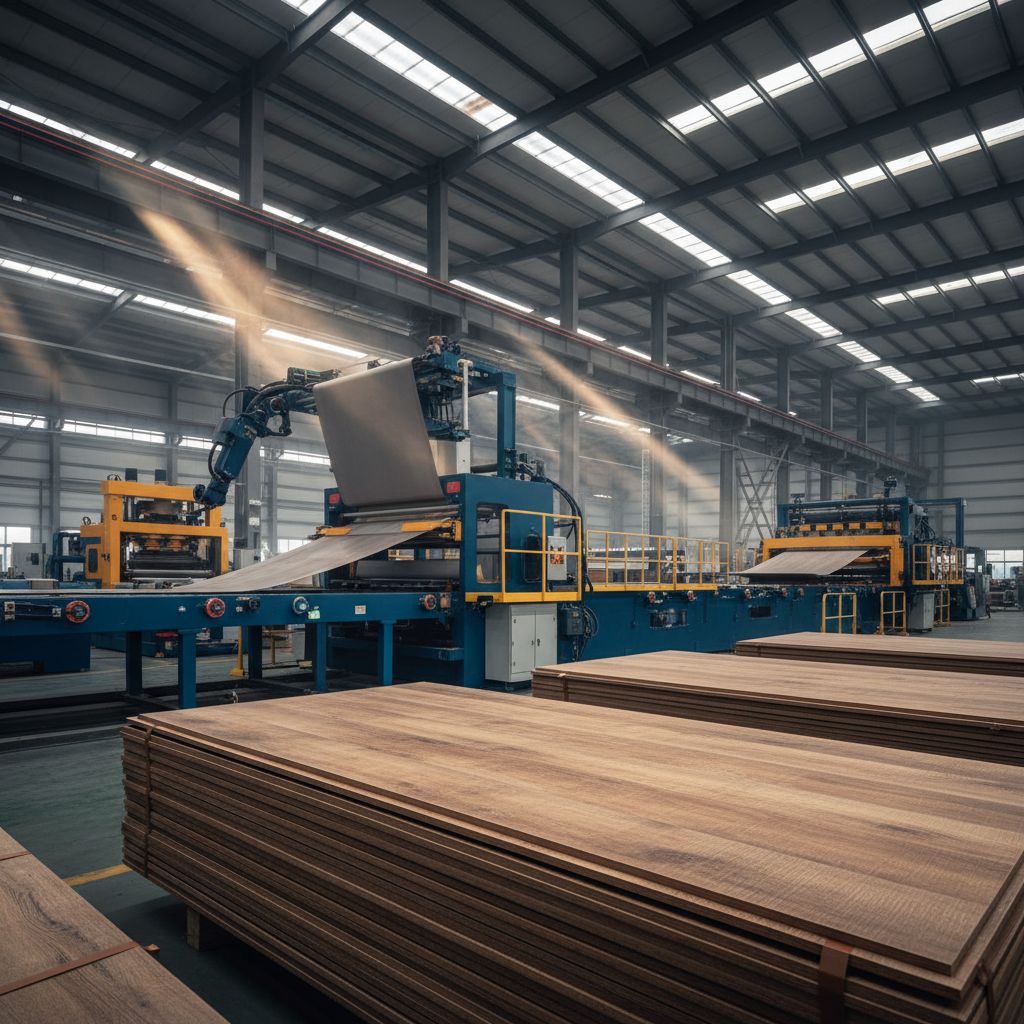 Ultimate Guide to Durable Waterproof SPC Vinyl Flooring StyleWhen renovating a modern home or commercial space, the flooring choice often defines the entire atmosphere. waterproof spc vinyl flooring has emerged as a revolutionary solution for those who refuse to compromise between aesthetic elegance and rugged performance. Standing for Stone Plastic Composite, SPC flooring is engineered to withstand the toughest environments, from moisture-prone bathrooms to high-traffic living rooms. In this comprehensive guide, we will explore why this material is dominating the interior design market and how it can transform your space into a sanctuary of style and resilience.Read More >
Apr 16 2026
-
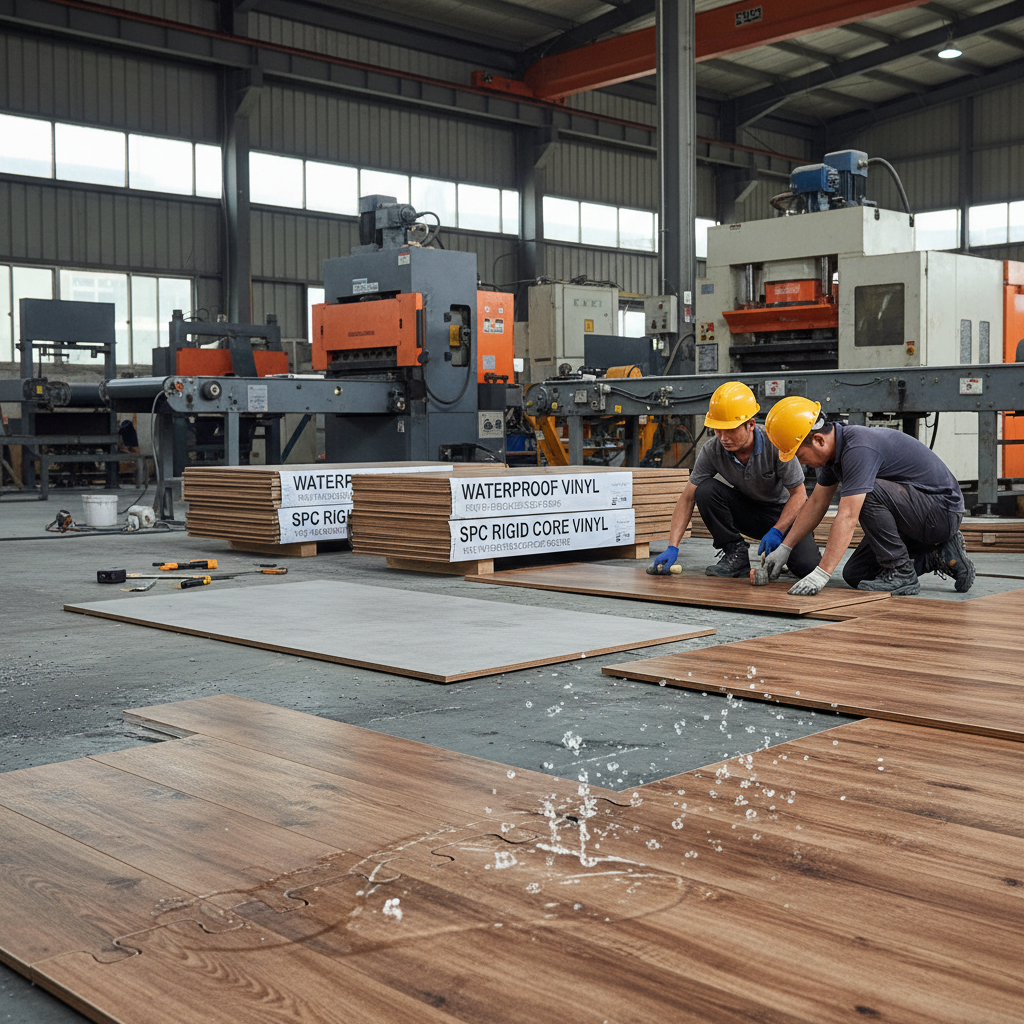 Ultimate Guide to Durable Waterproof SPC Rigid Core Vinyl FlooringChoosing the right flooring for a modern home or commercial space requires a balance between aesthetics and endurance. waterproof spc rigid core vinyl has emerged as a game-changer in the interior design world, offering the timeless look of hardwood with the unmatched resilience of stone polymer composite. Whether you are dealing with high-traffic hallways, moisture-prone bathrooms, or pet-friendly living rooms, this flooring solution provides a stable, waterproof, and scratch-resistant surface. In this comprehensive guide, we will explore why this innovative material is replacing traditional laminate and luxury vinyl planks in contemporary construction.Read More >
Apr 09 2026
-
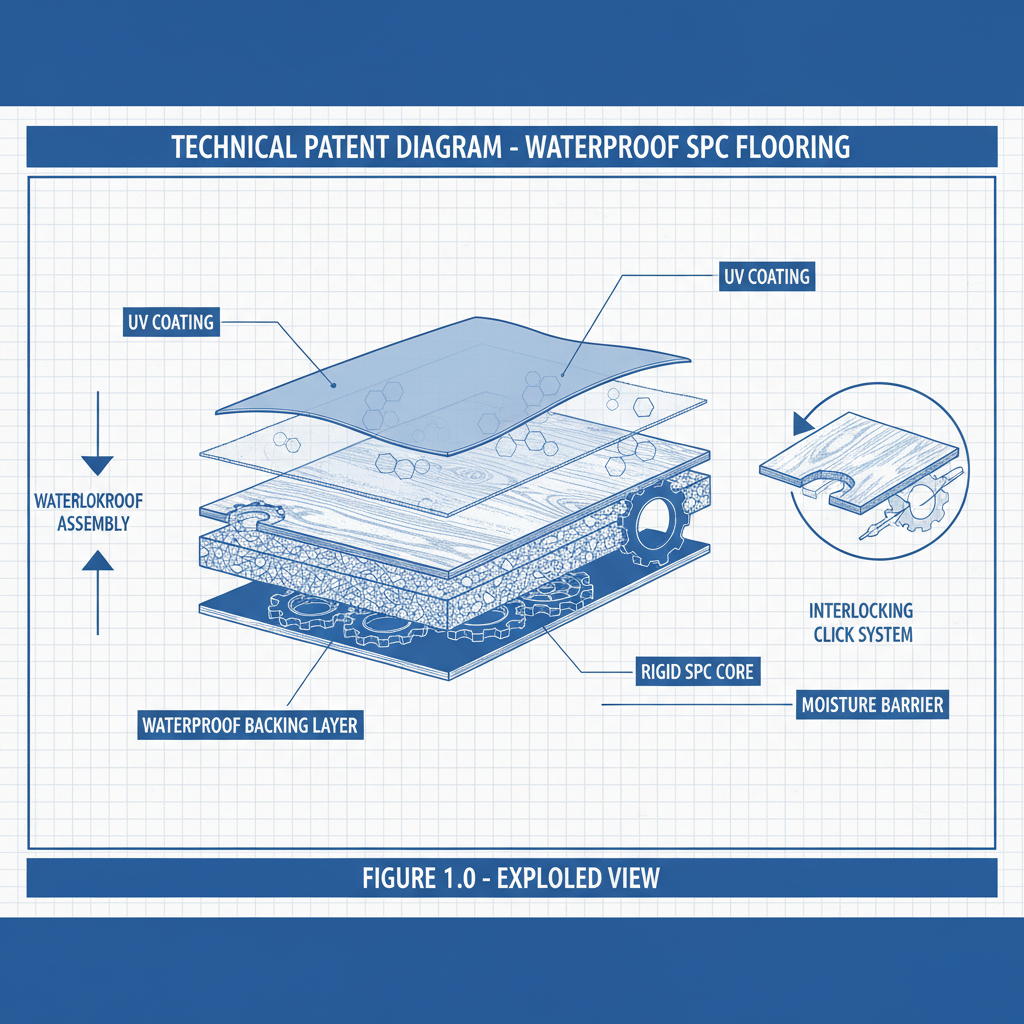 Comprehensive Guide to Waterproof SPC Flooring Durability and InstallationChoosing the right flooring for your home or business is a significant decision. Waterproof SPC flooring has emerged as a popular option due to its durability, affordability, and ease of installation. This article provides an in-depth look at waterproof SPC flooring, covering its benefits, installation process, maintenance, and comparisons with other flooring types. Understanding these aspects will help you determine if SPC flooring is the right choice for your project.Read More >
Apr 07 2026
-
 Discover the Durability and Style of Vinyl SPC Rigid Flooring SolutionsLooking for a durable, waterproof, and stylish flooring solution? Vinyl SPC rigid flooring is quickly becoming the go-to choice for homeowners and businesses alike. This article provides a comprehensive overview of this innovative flooring type, covering its benefits, installation, maintenance, and more. We’ll help you determine if SPC rigid vinyl flooring is the right fit for your project.Read More >
Apr 04 2026
-
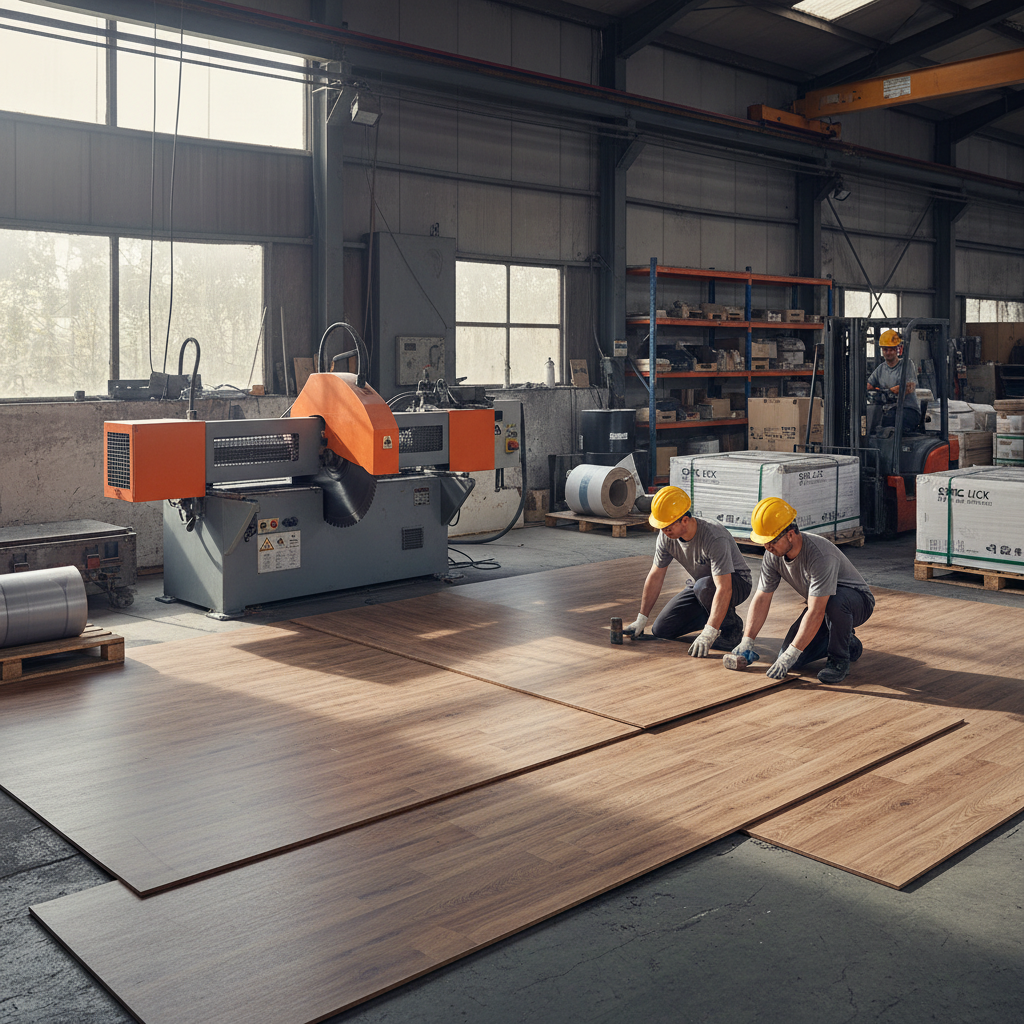 Comprehensive Guide to Durable Vinyl SPC Click Flooring Options and BenefitsChoosing the right flooring for your home or business is a significant decision. Vinyl SPC click flooring has emerged as a popular and durable option, offering a blend of aesthetic appeal and practical benefits. This article will explore the key features, advantages, installation process, and applications of SPC flooring, helping you determine if it's the right choice for your project. From its waterproof nature to its ease of installation, we'll cover everything you need to know.Read More >
Mar 31 2026
 +86 31185293045
  qian@ss711.com

Shijiazhuang Sothink trading Co., LTD.
Our company focuses on product development, production, sales and other all-round services, and is committed to providing customers with high-performance products and high-quality services.