


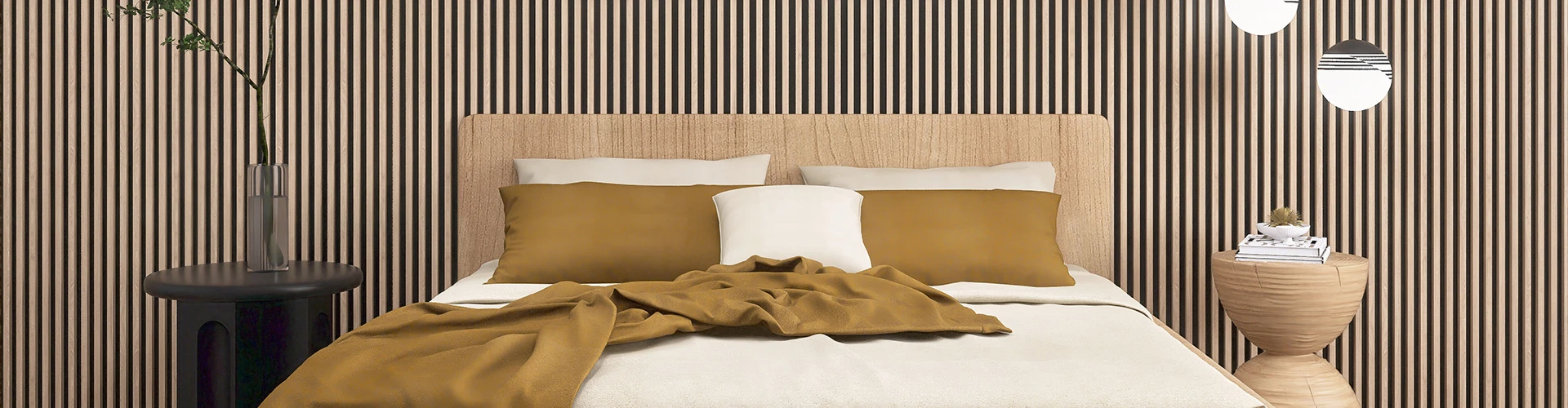
Black Marble Sheets: Durable Elegance for Global Design & Construction
Black Marble Sheets: A Global Look at Elegance and Endurance
Black marble sheets are not just luxurious aesthetic elements; they embody a blend of natural beauty, durability, and versatility that resonates globally across industries from architecture to interior design. But why do these sleek, dark stone panels matter on a global scale? Well, they answer a growing demand for materials that marry timeless style with practical benefits—they’re tough, eco-friendly, and often seen as a sustainable choice for high-end finishes.
Understanding black marble sheets unlocks their potential in everything from cutting-edge building projects to humanitarian infrastructure. Not to mention, their unique aesthetics add a touch of elegance that many cultures appreciate, making them a fascinating subject for designers and buyers alike.
Why Black Marble Sheets Have Worldwide Importance
If you look at the global stone market — which, according to the World Bank, is valued at billions annually — stone materials like black marble sheets are key players. The demand for materials that combine resilience and aesthetic appeal is soaring, especially in urban developments across Asia, Europe, and even emerging African markets.
One interesting piece of data: the International Organization for Standardization (ISO) mentions that natural stone products must meet strict durability and environmental standards these days. Black marble fits the bill, often being sourced and processed to minimize ecological impact while offering unmatched aesthetic quality.
Yet, sourcing and processing black marble sheets poses challenges—both economic (due to extraction costs) and environmental (because of quarrying impacts). This makes understanding these materials essential for project managers and sustainability advocates alike.
So, What Exactly Are Black Marble Sheets?
In the simplest terms, black marble sheets are slabs of marble with a naturally dark or black coloration, often accented by subtle veins of white, grey, or gold. Unlike granite or engineered stones, marble forms through metamorphic processes that give it its signature veiny patterns and softer texture.
These sheets are sliced thinly and polished, ready to be applied as countertops, wall claddings, tiles, or even artistic installations. Their connection to modern industry is evident in how often they appear in luxury hotels, museums, and upscale homes, marrying art with practicality.
On a humanitarian level, black marble sheets’ durability and aesthetic appeal even lend themselves to memorials or public spaces aiming to evoke reflection and dignity.
Durability: More Than Just Looks
While it’s tempting to admire black marble sheets for their striking appearance, durability remains a core factor. Although marble is softer than granite, advancements in sealing and polishing techniques offer resistance against stains, scratches, and weathering, making it quite viable in both indoor and semi-outdoor applications.
Scalability: From Small Projects to Grand Ambitions
Thanks to modern quarrying and cutting tech, black marble sheets can be produced in various sizes—from small decorative panels to massive architectural slabs. This scalability allows designers and contractors to tailor use easily, whether in a modest kitchen backsplash or a grand hotel foyer.
Cost Efficiency: Balancing Prestige with Budget
Raw black marble can be pricey, no doubt. But when weighed against its longevity and minimal maintenance needs, many architects find it a wise investment. Plus, availability from different quarries worldwide creates competitive pricing tiers.
Sustainability: A Growing Consideration
Stone is natural, meaning black marble sheets have an inherently smaller carbon footprint compared to synthetic materials. When responsibly sourced, their environmental impact plummets—and some vendors even embrace eco-friendly sealing products that preserve water quality.
Customization: Tailoring the Stone to the Space
Technology now allows marble to be cut, shaped, and finished in an array of textures and patterns. Laser cutting and CNC machinery enable intricate designs, while honed, polished, or matte finishes offer different atmospheres for any space.
Applications Around the World: Where Black Marble Sheets Shine
Across Europe—think Italy’s Tuscany or Spain’s Catalonia—black marble graces centuries-old cathedrals, modern museums, and luxury apartments, showing off its staying power. In Asia, especially in countries like India and China, it's a favorite for upscale commercial interiors and boutique hotels.
Post-disaster reconstruction zones in parts of Latin America have even experimented with black marble composites for public memorials and buildings, combining strength with solemn beauty.
Industrial zones in the Middle East leverage black marble cladding to showcase their rise despite harsh climates, using it on exteriors that resist the intense sun while looking sleek and professional.
| Specification | Details |
|---|---|
| Thickness | 10–30 mm (0.39–1.18 inches) |
| Dimensions | Up to 3000 x 1500 mm (118" x 59") |
| Weight per sqm | ~25–30 kg (55–66 lbs) |
| Finish | Polished, Honed, Matte |
| Resistance | Water, UV, Scratches (with sealant) |
Advantages That Make Black Marble Sheets Worth Considering
- Longevity: These sheets often outlast synthetic alternatives with minimal upkeep.
- Aesthetic versatility: From ultra-modern to classical, black marble adapts effortlessly.
- Eco-friendliness: Natural stone means fewer pollutants and less need for replacements.
- Value addition: Properties fitted with black marble finishes frequently see a market value boost.
- Emotional resonance: The deep black tones evoke feelings of elegance, solidity, and peace—key in public and private spaces.
Mini takeaway: When you choose black marble sheets, you’re not just selecting a surface; you’re investing in beauty that lasts.
Emerging Trends and Innovations in Black Marble Utilization
Green energy advocates and manufacturers are collaborating to reduce quarrying emissions and implement solar-powered cutting machines. Meanwhile, digital tools enable precision cuts and 3D patterned surfaces, crafting modern design marvels once impossible by hand.
On the policy side, regional sustainability certifications (like LEED or BREEAM) increasingly recognize responsibly sourced black marble, encouraging vendors to innovate their supply chains.
Common Challenges and How the Industry Tackles Them
Despite its allure, black marble is softer than some alternatives, prone to etching by acids, which can be an issue in kitchens or outdoor areas. Sealants help, but they must be regularly maintained.
Supply chain disruptions also affect availability, especially given geopolitical complexities near marble quarries.
Experts suggest combining marble with composite backing materials to enhance strength while preserving looks. Advances in logistics tech and traceability systems also help reduce delays and ensure quality.
FAQ: Your Burning Questions About Black Marble Sheets Answered
- Q: How do black marble sheets compare to granite in durability?
- A: Granite is generally harder and more scratch-resistant; however, modern sealants and finishes mean black marble sheets hold up well indoors and in low-impact settings. For heavy-use areas, extra care or composite treatments are recommended.
- Q: Are black marble sheets eco-friendly?
- Yes, when responsibly quarried and processed using green energy methods, black marble sheets have a relatively low environmental impact compared to synthetics, especially due to their longevity and lack of toxic resins.
- Q: Can black marble sheets be used outdoors?
- They can, but with caution. UV exposure and weather may cause gradual discoloration or surface wear. Proper sealing and periodic maintenance extend outdoor life substantially.
- Q: What maintenance do black marble sheets require?
- Regular cleaning with pH-neutral cleaners, avoidance of acidic substances, and resealing every 1–2 years keep the stone looking pristine.
- Q: Where can I find reliable suppliers of black marble sheets?
- Top vendors vary regionally, but international suppliers often provide comprehensive testing and certifications. See the vendor comparison table below for a rough guide.
| Vendor | Country | Price Range (USD/sqm) | Certifications | Lead Time |
|---|---|---|---|---|
| StoneLux | Italy | 150–250 | ISO 14001, LEED | 4–6 weeks |
| MarblePro | India | 100–180 | ISO 9001 | 6–8 weeks |
| BlackStone Co. | Turkey | 130–220 | ISO 14001 | 5–7 weeks |
| Global Stones Ltd. | Brazil | 140–230 | LEED, FSC | 6–9 weeks |
Wrapping It Up: Why Black Marble Sheets Might Be the Upgrade You Need
Looking back on all this, black marble sheets embody a balance of beauty and function that industries worldwide cherish. They deliver on durability, sustainability, and style—plus that emotional effect when you enter a room clad in their rich black sheen. It’s no surprise that designers keep returning to them.
If you’re eager to explore options or want to gauge how black marble sheets could elevate your next project, black marble sheets vendors like the ones above offer plenty of starting points.
And, frankly, I find something poetic about a surface that wears history with grace — even as it welcomes future innovations.
Mini takeaway: The right black marble sheet isn’t just stone. It’s a statement.
References:
1. Wikipedia: Marble
2. ISO Standards on Natural Stone
3. World Bank Environmental Data
-
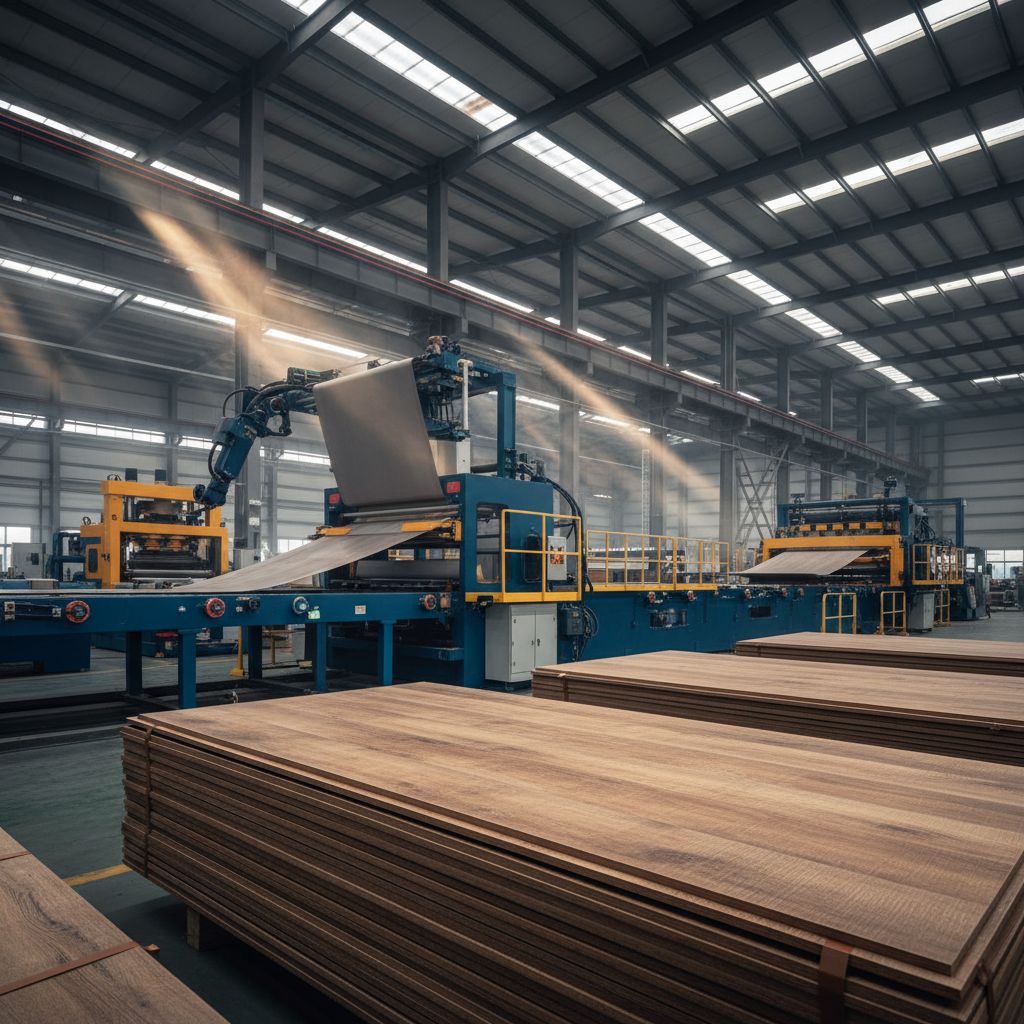 Ultimate Guide to Durable Waterproof SPC Vinyl Flooring StyleWhen renovating a modern home or commercial space, the flooring choice often defines the entire atmosphere. waterproof spc vinyl flooring has emerged as a revolutionary solution for those who refuse to compromise between aesthetic elegance and rugged performance. Standing for Stone Plastic Composite, SPC flooring is engineered to withstand the toughest environments, from moisture-prone bathrooms to high-traffic living rooms. In this comprehensive guide, we will explore why this material is dominating the interior design market and how it can transform your space into a sanctuary of style and resilience.Read More >
Apr 16 2026
-
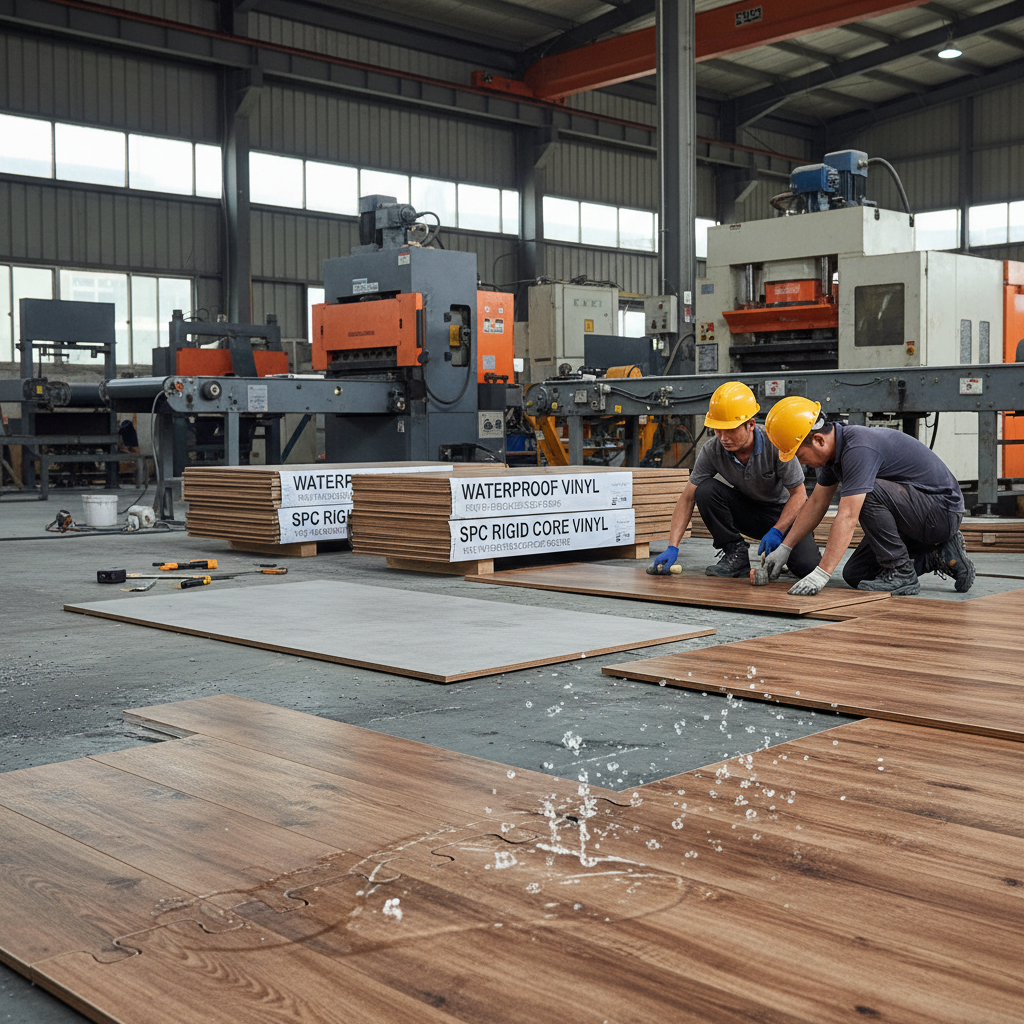 Ultimate Guide to Durable Waterproof SPC Rigid Core Vinyl FlooringChoosing the right flooring for a modern home or commercial space requires a balance between aesthetics and endurance. waterproof spc rigid core vinyl has emerged as a game-changer in the interior design world, offering the timeless look of hardwood with the unmatched resilience of stone polymer composite. Whether you are dealing with high-traffic hallways, moisture-prone bathrooms, or pet-friendly living rooms, this flooring solution provides a stable, waterproof, and scratch-resistant surface. In this comprehensive guide, we will explore why this innovative material is replacing traditional laminate and luxury vinyl planks in contemporary construction.Read More >
Apr 09 2026
-
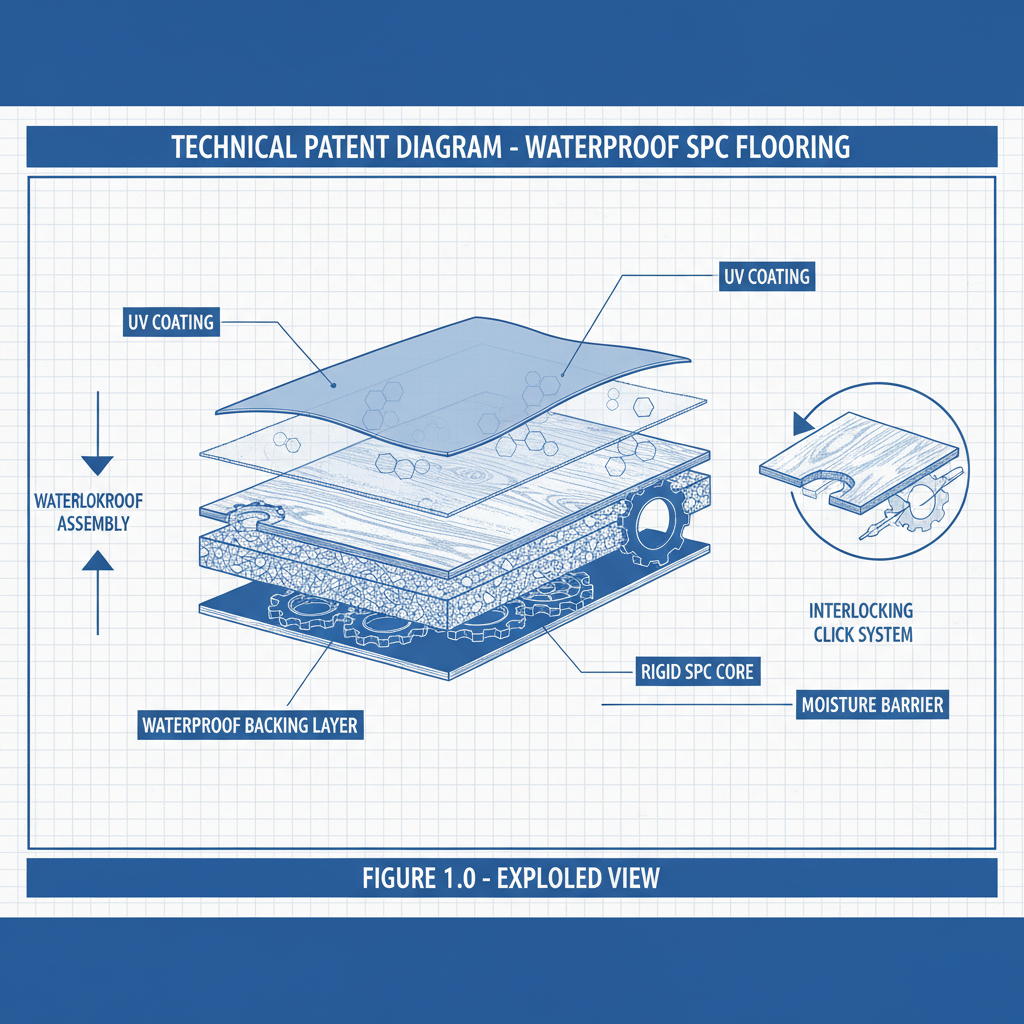 Comprehensive Guide to Waterproof SPC Flooring Durability and InstallationChoosing the right flooring for your home or business is a significant decision. Waterproof SPC flooring has emerged as a popular option due to its durability, affordability, and ease of installation. This article provides an in-depth look at waterproof SPC flooring, covering its benefits, installation process, maintenance, and comparisons with other flooring types. Understanding these aspects will help you determine if SPC flooring is the right choice for your project.Read More >
Apr 07 2026
-
 Discover the Durability and Style of Vinyl SPC Rigid Flooring SolutionsLooking for a durable, waterproof, and stylish flooring solution? Vinyl SPC rigid flooring is quickly becoming the go-to choice for homeowners and businesses alike. This article provides a comprehensive overview of this innovative flooring type, covering its benefits, installation, maintenance, and more. We’ll help you determine if SPC rigid vinyl flooring is the right fit for your project.Read More >
Apr 04 2026
-
 Comprehensive Guide to Durable Vinyl SPC Click Flooring Options and BenefitsChoosing the right flooring for your home or business is a significant decision. Vinyl SPC click flooring has emerged as a popular and durable option, offering a blend of aesthetic appeal and practical benefits. This article will explore the key features, advantages, installation process, and applications of SPC flooring, helping you determine if it's the right choice for your project. From its waterproof nature to its ease of installation, we'll cover everything you need to know.Read More >
Mar 31 2026
 +86 31185293045
  qian@ss711.com

Shijiazhuang Sothink trading Co., LTD.
Our company focuses on product development, production, sales and other all-round services, and is committed to providing customers with high-performance products and high-quality services.