



Composite Stone Flooring: Durable, Sustainable, and Versatile Flooring Solutions
What Is Composite Stone Flooring and Why Does It Matter?
If you’ve ever walked on a floor that feels both rugged and smooth, durable yet elegant, there’s a chance it was a form of composite stone flooring. This clever fusion of natural stone with synthetic binders is more than just eye candy for modern architecture—it plays an increasingly global role in sustainable construction, disaster relief, and even urban development.
Why does understanding composite stone flooring matter? Because as cities expand, and industries seek greener, cost-effective materials, this flooring innovation offers benefits that resonate across environmental, economic, and social lines. Think better thermal performance, longer life spans, and—frankly—style that won’t slow you down. That combination is rare, which is why architects and engineers keep coming back to it.
Let’s unpack what composite stone flooring really is, dig into its global story, and see what makes it tick in practical, everyday terms.
The Global Context: How Composite Stone Flooring is Taking the World Stage
Let’s start with the big picture. According to the United Nations, urban populations are expected to increase by almost 2.5 billion by 2050, and sustainable infrastructure is top priority globally (1). Naturally, materials like composite stone flooring—blending strength with sustainability—fit perfectly into this narrative.
On the industrial front, the World Bank reports a rising demand for resilient flooring solutions in harsh environments such as mining, logistics hubs, and public transit stations (2). Traditional stone floors can crack or become costly due to installation and maintenance. By contrast, composite stone flooring offers a blend of robustness and cost-efficiency that addresses many pressing challenges.
But here’s a tricky question architects face: how to maintain aesthetic value while meeting safety standards and reducing carbon footprints? Composite stone flooring promises to be an answer, albeit with some ongoing debates around manufacturing emissions and recyclability.
Defining Composite Stone Flooring in Simple Terms
So, what exactly is composite stone flooring? Simply put, it’s a flooring system made by combining natural stone fragments or powders with binding agents—often polymers or resins—to create slabs or tiles that harness the best of both worlds.
This isn’t just a fancy upgrade to stone floors but a fundamental rethink. The natural components provide texture, load-bearing capacity, and beauty, while the synthetic binders add flexibility, water resistance, and ease of installation.
In modern industry and humanitarian needs, composite stone floors offer quick deployment possibilities (think post-disaster shelters) and durable public infrastructure with lower costs and better adaptability than pure stone or concrete options.
Core Components and Key Factors of Composite Stone Flooring
Durability and Strength
Many engineers point out that composite stone flooring offers impressive compressive strength, comparable to traditional stone but often with less susceptibility to cracking. The resin or polymer binders help absorb shocks and expand-contract cycles—crucial in high-traffic areas.
Scalability and Installation Ease
Unlike quarried stone that requires heavy machinery and skilled labor, composites can be produced in controlled factory environments, enabling consistent quality and faster installation — a major factor in commercial real estate and emergency infrastructure.
Cost Efficiency
Initial costs might be a bit higher than simple concrete, but lifecycle savings from reduced repairs and maintenance add up. Plus, composites often weigh less, which... well, that has knock-on effects for transport and installation costs.
Aesthetic Versatility
The mixture approach means tiles or slabs can be customized in color, texture, and pattern, enabling architects to match any design language without compromising durability.
Environmental Impact
Composite stone flooring can incorporate recycled stone dust or industrial byproducts, cutting down on waste. However, some questions around synthetic binders’ environmental footprint remain, prompting ongoing innovation.
Product Specification Table: Composite Stone Flooring Overview
| Specification | Details |
|---|---|
| Material Composition | Natural stone aggregates + polymer resin binder |
| Thickness | 10-20 mm standard, customizable |
| Weight | Approx. 25-30 kg/m² |
| Compressive Strength | 40-70 MPa |
| Water Absorption | Less than 0.5% |
| UV Resistance | Excellent (polymer additive enhanced) |
| Typical Applications | Commercial flooring, public spaces, modular shelters |
Where in the World Is Composite Stone Flooring Making a Difference?
Composite stone flooring is no longer confined to architectural magazines or luxury homes. Industrial zones in Southeast Asia prefer it for its weather resistance, while European cities install it in libraries and museums for its aesthetic and sustainability edge.
In post-disaster relief efforts, agencies like the Red Cross use composite stone tiles to create modular, durable shelters quickly, avoiding the pitfalls of traditional materials that crack or degrade under harsh conditions. Similarly, mining operations in Australia have deployed it in portable camp floors where transportability and durability intersect.
Interestingly, composite stone flooring is gaining traction in educational institutions for safety—low slip risk and easy cleaning make it ideal for high-traffic halls where children swarm daily.
Vendor Comparison: Top Composite Stone Flooring Providers
| Vendor | Product Range | Sustainability Focus | Average Price (per m²) | Lead Time |
|---|---|---|---|---|
| StoneTech Solutions | Custom composite slabs, tiles | High (uses recycled stone waste) | $45 - $60 | 3-4 weeks |
| EcoStone Floors | Precast panels, outdoor flooring | Medium (limited polymer recycling) | $40 - $55 | 2-3 weeks |
| Duraflex Stone Co. | High-performance composites, modular kits | Low (focused on durability) | $50 - $65 | 4-5 weeks |
Advantages and Long-Term Value of Composite Stone Flooring
From a purely practical standpoint, the pricedown in maintenance alone is enough to hook you. But there’s more nuanced stuff, like how composite stone flooring can improve indoor environments by offering better temperature regulation than typical concrete floors—which means a little less dependence on air conditioning and heating.
Emotionally, there’s a serenity in stepping onto a floor that “feels” solid without the cold, sterile vibe. For places like healthcare centers or community halls, that subtle human touch matters.
Socially, choosing composite stone flooring signals investment in long-lasting infrastructure, and in many cases, it reduces the urban heat island effect due to added reflectivity — tying back into sustainability goals laid out by the ISO standards on building materials (3).
Future Trends and Innovations in Composite Stone Flooring
There’s a lot bubbling beneath the surface. Researchers are looking at bio-based resins to replace petrochemical binders, reducing the carbon footprint drastically. Others are experimenting with embedded sensors for smart flooring that can monitor foot traffic, temperature, or structural integrity in real time.
Automation of the manufacturing process could cut lead times and improve reproducibility — which would make composite stone floors competitive even for small projects that previously dismissed them for cost reasons.
And oddly enough, some makers are incorporating green energy elements within flooring systems — think integrated photovoltaic coatings capturing sunlight, an innovation that could redefine what “flooring” really does.
Challenges and Smart Solutions to Composite Stone Flooring
No product is perfect—there are some friction points here too. The biggest issues tend to be related to the sourcing and recyclability of synthetic binders, and concerns about off-gassing chemicals during curing.
Lead times, though improving, remain longer compared to simple concrete pours. Plus, heavy customization can push prices up, sometimes out of range for smaller contractors or community organizations.
Experts advise sourcing composites with low-VOC materials and demand vendors share Environmental Product Declarations (EPDs). Additionally, modular installation methods can reduce labor costs and allow phased deployment — a game changer in large projects.
FAQ: Quick Answers About Composite Stone Flooring
- Q: How durable is composite stone flooring compared to natural stone?
A: Composite stone flooring generally matches or exceeds natural stone in durability due to resin binders absorbing impact and reducing cracking, especially in high-traffic or shifting environments. - Q: Is composite stone flooring suitable for outdoor use?
A: Yes, many composites are UV-resistant and water-repellent, making them a good choice for patios, walkways, and commercial outdoor spaces. - Q: What maintenance does it require?
A: Routine cleaning with non-abrasive products is recommended. Compared to concrete or natural stone, maintenance is typically easier due to the sealed surface of composites. - Q: Can composite stone flooring be customized?
A: Absolutely. Colors, textures, and sizes can be tailored to suit interior design patterns or branding requirements. - Q: How eco-friendly is composite stone flooring?
A: Many composites incorporate recycled stone materials and low-emission binders, though full lifecycle assessments should be reviewed per product and vendor.
Wrapping Up: Why Composite Stone Flooring is a Smart Choice
Composite stone flooring is one of those innovations that checks many boxes: durability, cost-efficiency, sustainability, and design flexibility. In a world where urban growth and environmental responsibility are paramount, having flooring that can rise to these challenges is no small feat.
If you’re considering new materials for your next project, or seeking resilient solutions for emergency or industrial applications, composite stone flooring deserves a closer look. Feel free to explore options available at composite stone flooring vendors — because measuring long-term value often involves more than just dollars per square meter.
In the end, it’s about durability, yes—but also the subtle blend of beauty, innovation, and trust beneath your feet.
References:
1. United Nations, World Urbanization Prospects, 2023
2. World Bank, Infrastructure Trends Report, 2022
3. ISO 14001 Environmental Management Standards, 2020
-
 Ultimate Guide to Durable Waterproof SPC Vinyl Flooring StyleWhen renovating a modern home or commercial space, the flooring choice often defines the entire atmosphere. waterproof spc vinyl flooring has emerged as a revolutionary solution for those who refuse to compromise between aesthetic elegance and rugged performance. Standing for Stone Plastic Composite, SPC flooring is engineered to withstand the toughest environments, from moisture-prone bathrooms to high-traffic living rooms. In this comprehensive guide, we will explore why this material is dominating the interior design market and how it can transform your space into a sanctuary of style and resilience.Read More >
Apr 16 2026
-
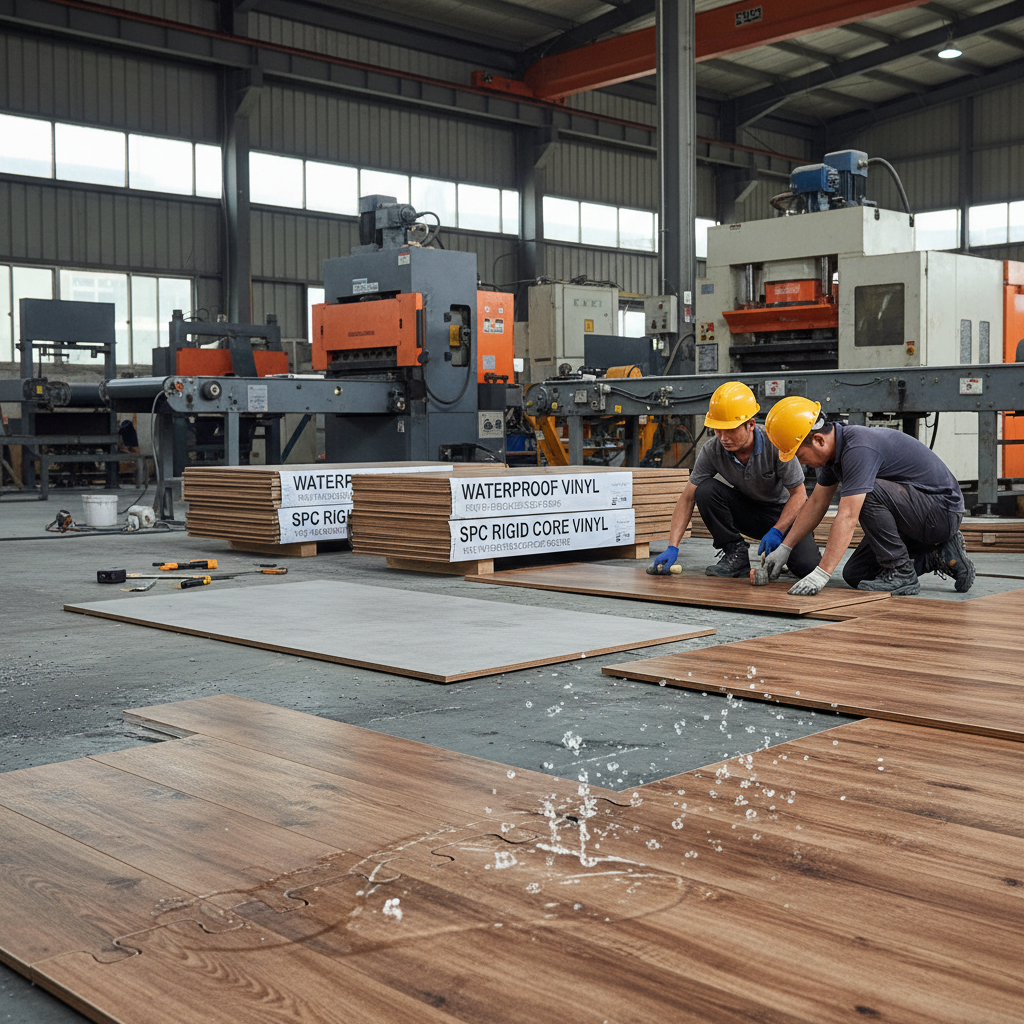 Ultimate Guide to Durable Waterproof SPC Rigid Core Vinyl FlooringChoosing the right flooring for a modern home or commercial space requires a balance between aesthetics and endurance. waterproof spc rigid core vinyl has emerged as a game-changer in the interior design world, offering the timeless look of hardwood with the unmatched resilience of stone polymer composite. Whether you are dealing with high-traffic hallways, moisture-prone bathrooms, or pet-friendly living rooms, this flooring solution provides a stable, waterproof, and scratch-resistant surface. In this comprehensive guide, we will explore why this innovative material is replacing traditional laminate and luxury vinyl planks in contemporary construction.Read More >
Apr 09 2026
-
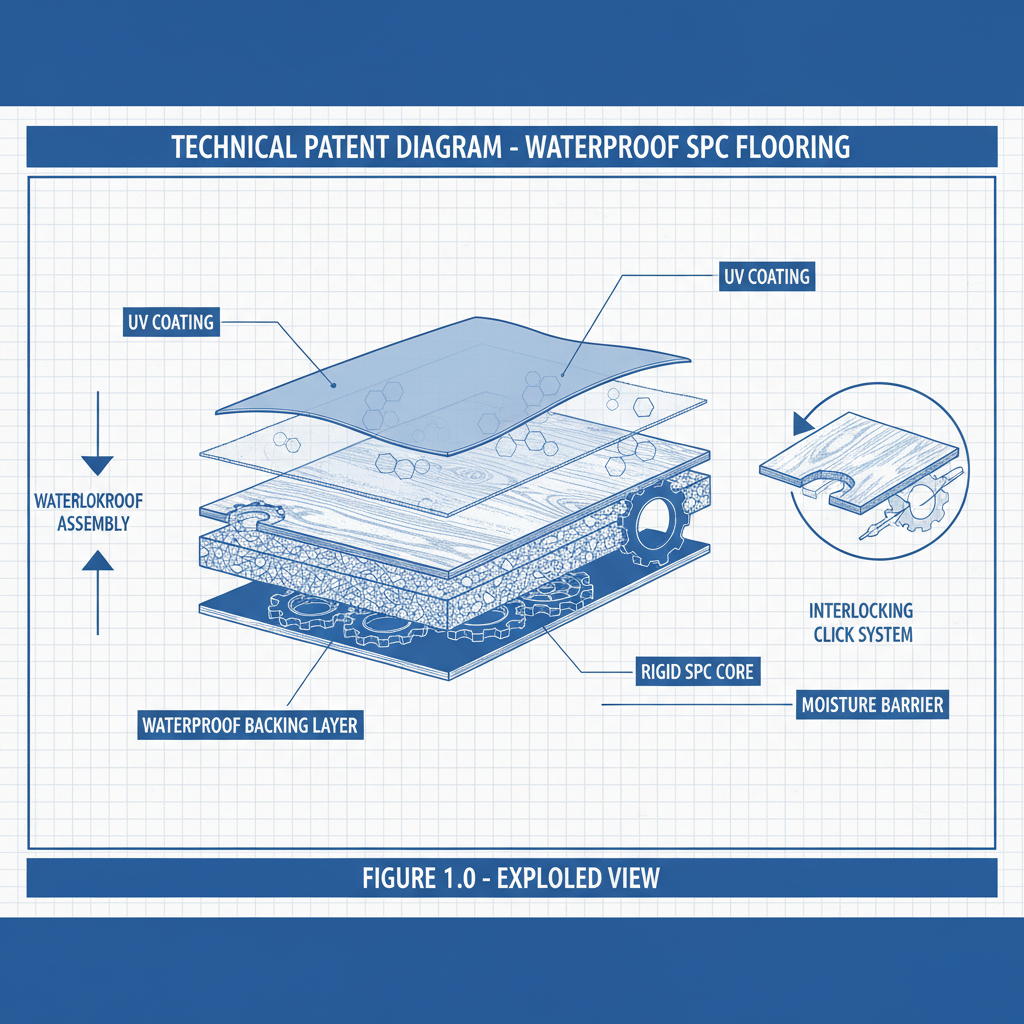 Comprehensive Guide to Waterproof SPC Flooring Durability and InstallationChoosing the right flooring for your home or business is a significant decision. Waterproof SPC flooring has emerged as a popular option due to its durability, affordability, and ease of installation. This article provides an in-depth look at waterproof SPC flooring, covering its benefits, installation process, maintenance, and comparisons with other flooring types. Understanding these aspects will help you determine if SPC flooring is the right choice for your project.Read More >
Apr 07 2026
-
 Discover the Durability and Style of Vinyl SPC Rigid Flooring SolutionsLooking for a durable, waterproof, and stylish flooring solution? Vinyl SPC rigid flooring is quickly becoming the go-to choice for homeowners and businesses alike. This article provides a comprehensive overview of this innovative flooring type, covering its benefits, installation, maintenance, and more. We’ll help you determine if SPC rigid vinyl flooring is the right fit for your project.Read More >
Apr 04 2026
-
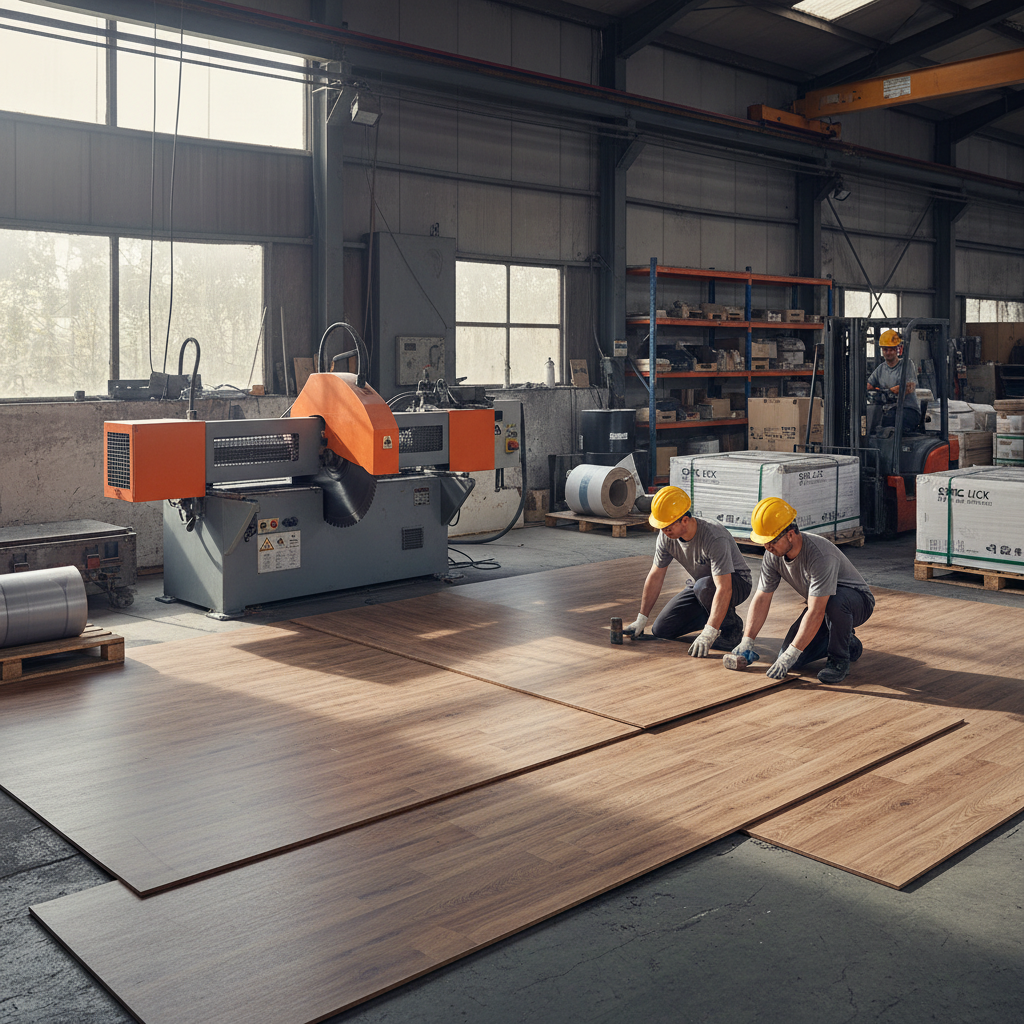 Comprehensive Guide to Durable Vinyl SPC Click Flooring Options and BenefitsChoosing the right flooring for your home or business is a significant decision. Vinyl SPC click flooring has emerged as a popular and durable option, offering a blend of aesthetic appeal and practical benefits. This article will explore the key features, advantages, installation process, and applications of SPC flooring, helping you determine if it's the right choice for your project. From its waterproof nature to its ease of installation, we'll cover everything you need to know.Read More >
Mar 31 2026
 +86 31185293045
  qian@ss711.com

Shijiazhuang Sothink trading Co., LTD.
Our company focuses on product development, production, sales and other all-round services, and is committed to providing customers with high-performance products and high-quality services.