


Deco Floor SPC: Durable, Stylish, and Sustainable Flooring Solutions for Modern Spaces
What Is Deco Floor SPC and Why It Matters Globally
Deco floor SPC (Stone Plastic Composite) represents a remarkable leap in modern flooring technology. Globally, as urban spaces expand and industries demand more resilient, eco-friendly solutions, SPC flooring has found a sweet spot. It blends stone and plastic composites to offer a product that’s not just durable but visually appealing and easy to maintain.
This matters because with soaring construction needs worldwide—driven by population growth and climate challenges—solutions like deco floor SPC aren’t just nice to have; they’re essential. Understanding what makes these floors tick can save governments, builders, and homeowners a ton of money and headaches in the long run.
Introduction: Deco Floor SPC in the Global Industry Context
Look around the globe, and you'll see rapid urbanization fueling construction like never before. According to the United Nations, about 68% of the world population is projected to live in urban areas by 2050, putting intense pressure on building materials to be both robust and sustainable. The flooring segment, especially, is shifting from traditional hardwood or ceramic tiles toward engineered composites.
Why? Well, typical materials often fail under moisture, temperature swings, or heavy foot traffic, especially in emerging markets and disaster-prone regions. Deco floor SPC answers a big part of this problem, delivering flooring that’s waterproof, scratch-resistant, and fast to install. ISO standards (ISO 10582 for SPC vinyl flooring) verify that these materials meet rigorous quality and safety benchmarks, which reassures builders and suppliers worldwide.
The Challenge It's Solving
From unpredictable climate impacts to fluctuating material costs, traditional flooring often doesn’t last. This leads to increased waste, environmental footprint, and total costs. Deco floor SPC reduces these concerns by offering an integrated solution — combining toughness, design flexibility, and sustainability.
Defining Deco Floor SPC: What It Really Means
Simply put, deco floor SPC is a type of rigid core vinyl flooring made by blending natural stone powder (like limestone), polyvinyl chloride (PVC), and stabilizers. This mixture is pressed to create a dense, waterproof, and impact-resistant core that supports a printed decorative layer topped by a wear-resistant coating.
Think of it as flooring with a stone-like backbone that’s also flexible enough for simple installation and extreme conditions. It’s become popular across commercial, residential, and humanitarian builds where quick, reliable flooring is a must.
In humanitarian terms, rough terrain and fast-paced deployments require materials that hold up under diverse stresses — deco floor SPC fits right in.
Key Factors Behind Deco Floor SPC’s Popularity
Durability
SPC floors boast excellent resistance against scratches, dents, and water. You can splash, spill, stomp, and scrub without worrying like you might with laminate or wood. Many manufacturers test their wear layers to withstand over 20,000 cycles of abrasion (EN ISO 5470-1).
Cost Efficiency
While initial costs are a bit higher than some flooring types, the long lifespan and minimal maintenance overhaul the math. No need for costly refinishings, and replacements are infrequent, which means long-term budget friendliness.
Easy Installation
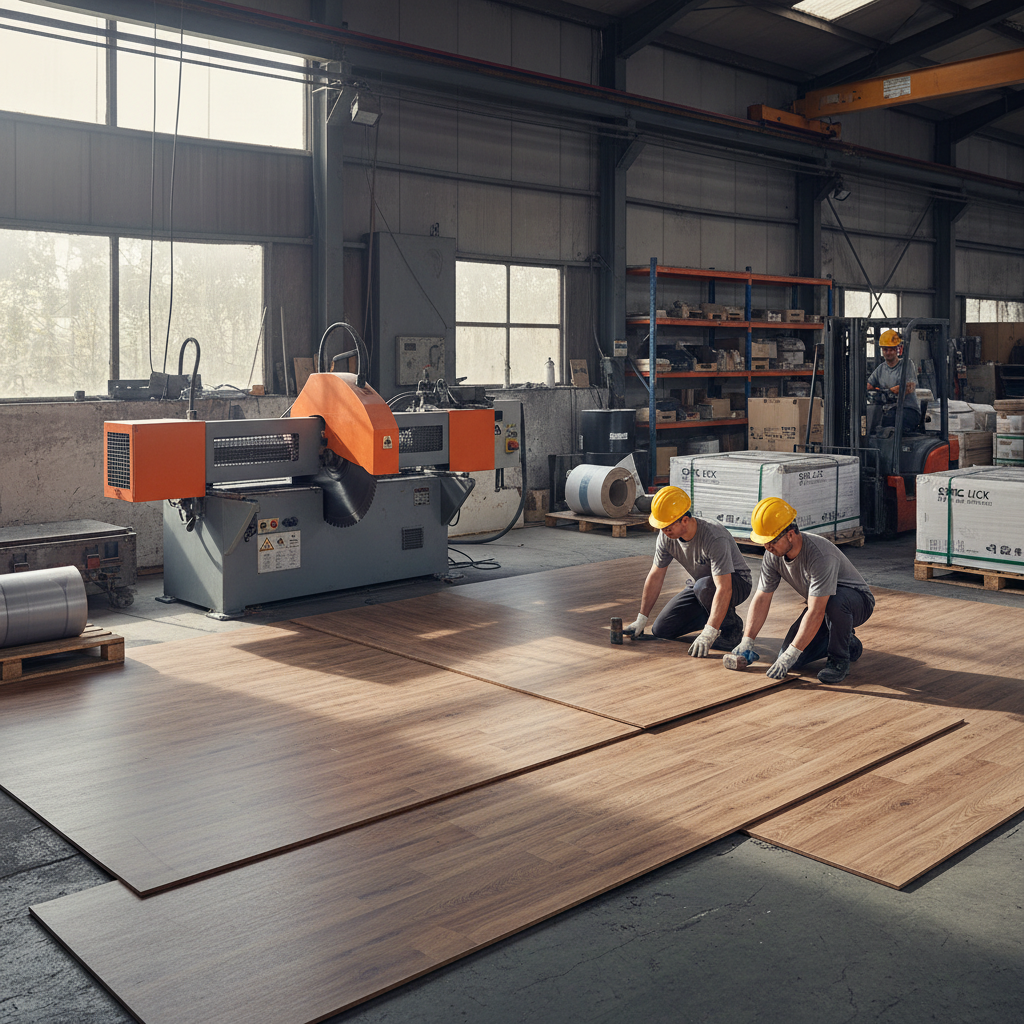
Locking systems (click or tongue-and-groove) and flexible dimensions allow installers to dramatically reduce labor time. No messy adhesives, no drying delays — often ready for use within 24 hours of installation.
Design Flexibility
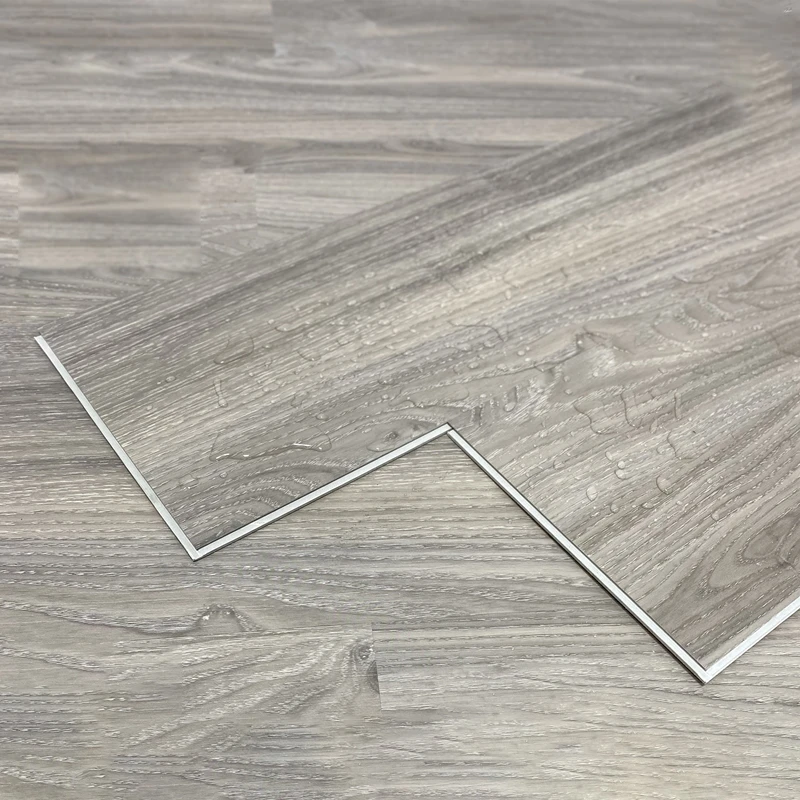
Thanks to photo-realistic printing technology, SPC can convincingly mimic natural woods, stones, or abstract patterns. It caters to nearly any style or regional taste, a huge factor in today's design-conscious construction.
Environmental Considerations
SPC floors do contain PVC, which has environmental baggage, but many suppliers have moved to lower-VOC formulations and employ recyclable production methods. Additionally, durability implies less waste generation, a subtle yet potent sustainability boost.
Global Applications & Real-World Use Cases
Deco floor SPC has spread across continents, adapting to vastly different climates and infrastructural demands.
- In post-disaster relief operations: NGOs deploy modular housing with SPC flooring for rapid, durable shelter construction in flood or earthquake zones.
- In expanding industrial zones of Southeast Asia: SPC's water and chemical resistance is prized for factory floors.
- Retail and hospitality sectors: SPC floors offer resilience against heavy footfalls while retaining elegant aesthetics.
- Residential use in colder climates: Its thermal stability stands up well to freezing and thawing cycles.
Case in point: a Scandinavian hospital upgraded its entire surgical wing’s flooring to deco floor SPC. Aside from hygienic benefits, cleaning times decreased by 30%, freeing staff for patient care.
Advantages & Long-Term Value of Deco Floor SPC
On the surface, it’s all about durability, but it soon expands to aesthetics, comfort, and trust. The emotional reassurance of a clean, modern floor—especially in homes or clinics—uplifts morale. On the financial side, low lifetime costs and limited maintenance reduce headaches.
It’s also socially responsible: Floors that don’t need frequent replacement contribute less waste. Plus, EPC (Energy Performance Certificate) conscious designers appreciate SPC’s slightly better thermal insulation over tiles, contributing to energy savings.
Product Specification Table
| Feature | Specification | Benefit |
|---|---|---|
| Core Material | Stone Plastic Composite (Limestone + PVC) | High durability & waterproof |
| Wear Layer Thickness | 0.3 - 0.7 mm | Scratch and abrasion resistance |
| Dimensions | 600mm x 180mm (typical plank) | Easy installation and scalable coverage |
| Thickness | 4-6 mm | Comfort and impact resistance |
| Water Absorption | Ideal for wet environments |
Comparing Top Deco Floor SPC Vendors
| Vendor | Price Range (USD/m²) | Warranty (Years) | Environmental Certifications | Global Delivery |
|---|---|---|---|---|
| S&P Deco Floors | 20 - 30 | 15 | FloorScore, CE | Yes |
| Global SPC Co. | 18 - 25 | 10 | ISO 14001 | Partial |
| EcoStone Floors | 25 - 35 | 20 | GREENGUARD, FloorScore | Yes |
Future Trends & Innovations in Deco Floor SPC
Manufacturers are increasingly incorporating bio-based plasticizers and recycled stone powders to reduce environmental impact. Hyper-realistic textures that make you want to reach out and touch the grain are setting new aesthetic standards. Also, automation in production lines means quicker turnarounds and less waste.
Emerging smart-floor tech integrates sensors for health monitoring or environmental controls, which frankly expands the concept of “flooring” beyond just a surface. Digital supply chain tracking is ensuring ethical sourcing of raw materials, a welcome step for conscientious builders.
Challenges & Innovative Solutions
Despite their strengths, deco floor SPC products sometimes face criticism for stiffness compared to natural wood, or concerns over PVC content's recyclability. Luckily, R&D is pushing flexible SPC cores and greener formulations.
Installation on uneven surfaces remains tricky, but improved underlayment technologies and moisture barriers help mitigate these issues. Plus, several companies offer on-site training for installers, reducing mishaps and callbacks.
FAQ: Frequently Asked Questions About Deco Floor SPC
- How does deco floor SPC compare to traditional vinyl flooring?
- Deco floor SPC offers a sturdier, more rigid core than traditional vinyl, enhancing waterproof and impact resistance. It generally lasts longer and has more realistic designs but may cost a bit more upfront.
- Is deco floor SPC suitable for outdoor use?
- While SPC is moisture resistant and durable, UV exposure can cause discoloration over time. Some specialized outdoor-rated SPC products exist, but generally, it's best for indoor or covered areas.
- Can SPC flooring be installed over concrete?
- Yes, SPC flooring can be installed over concrete, especially with a proper moisture barrier and leveling underlayment for best results. This ensures adhesion and prevents damage.
- What maintenance does deco floor SPC require?
- SPC floors need only regular sweeping and occasional damp mopping. Harsh chemicals or abrasive tools are discouraged to preserve the wear layer.
- Are deco floor SPC products environmentally friendly?
- While SPC contains PVC, many brands now adopt low-VOC, recyclable materials, and sustainable manufacturing processes to improve green credentials.
Conclusion: Why Deco Floor SPC Should Be on Your Radar
In the grand scheme, deco floor SPC offers a smart balance of durability, style, and sustainability that matches the demands of a fast-changing world. It supports builders and buyers who want dependable, attractive floors without the headaches of high upkeep or environmental compromise.
If you’re curious to explore these flooring solutions further, I recommend checking out top manufacturers and products — especially at deco floor spc. It’s where innovation meets real-world needs.
References
-
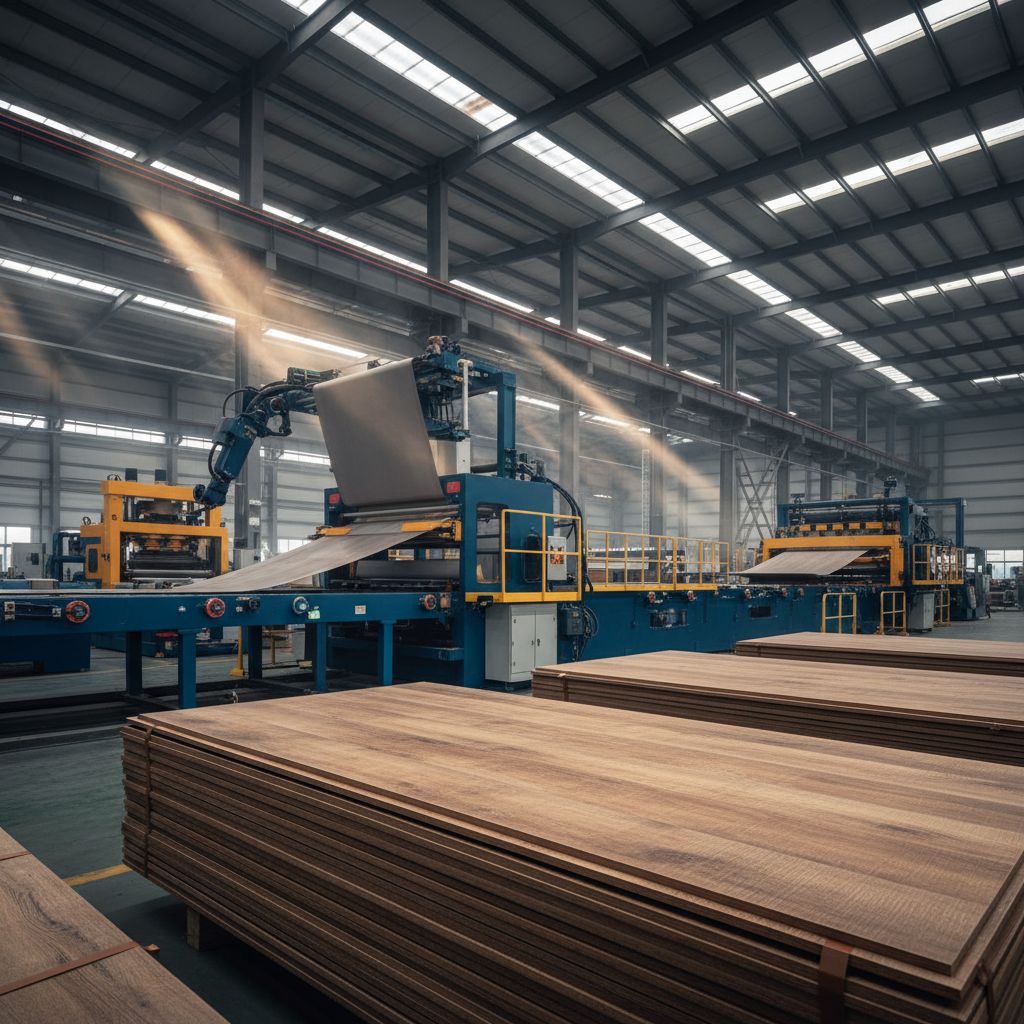 Ultimate Guide to Durable Waterproof SPC Vinyl Flooring StyleWhen renovating a modern home or commercial space, the flooring choice often defines the entire atmosphere. waterproof spc vinyl flooring has emerged as a revolutionary solution for those who refuse to compromise between aesthetic elegance and rugged performance. Standing for Stone Plastic Composite, SPC flooring is engineered to withstand the toughest environments, from moisture-prone bathrooms to high-traffic living rooms. In this comprehensive guide, we will explore why this material is dominating the interior design market and how it can transform your space into a sanctuary of style and resilience.Read More >
Apr 16 2026
-
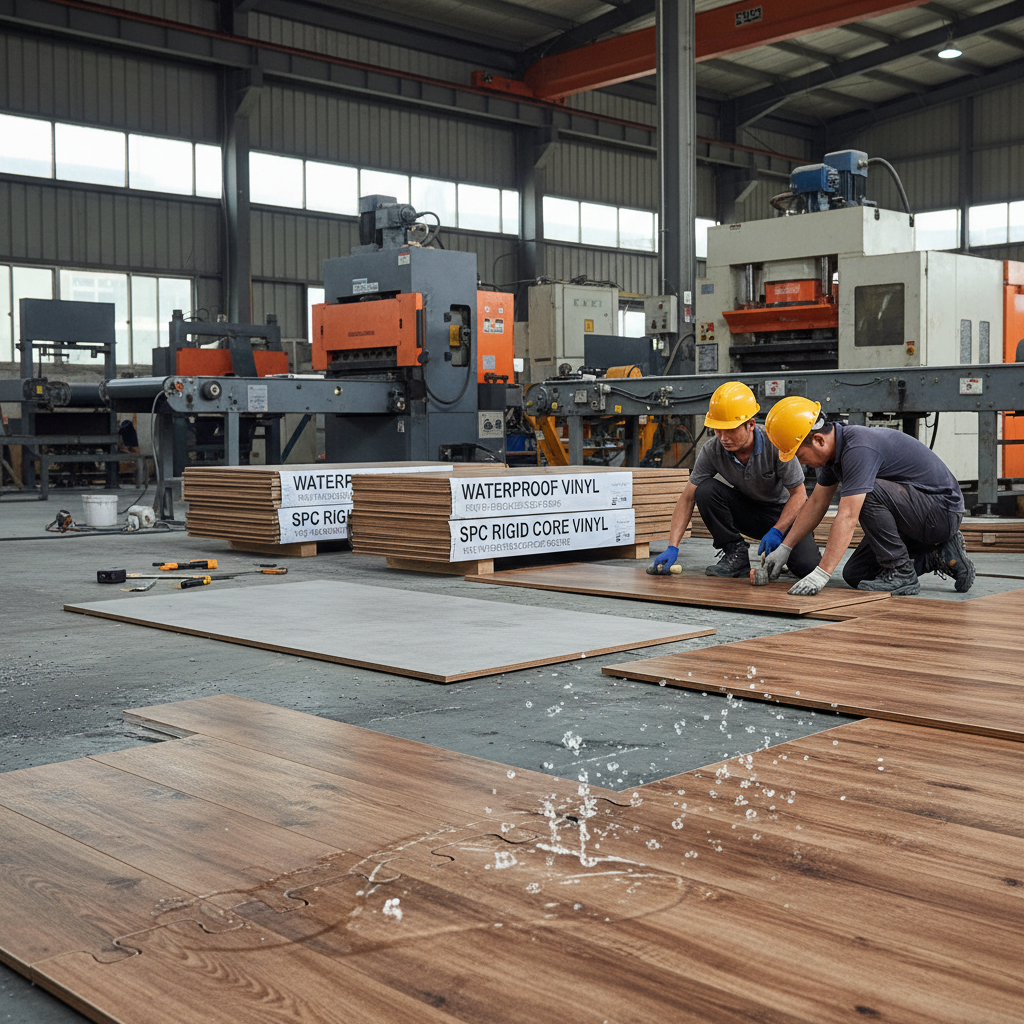 Ultimate Guide to Durable Waterproof SPC Rigid Core Vinyl FlooringChoosing the right flooring for a modern home or commercial space requires a balance between aesthetics and endurance. waterproof spc rigid core vinyl has emerged as a game-changer in the interior design world, offering the timeless look of hardwood with the unmatched resilience of stone polymer composite. Whether you are dealing with high-traffic hallways, moisture-prone bathrooms, or pet-friendly living rooms, this flooring solution provides a stable, waterproof, and scratch-resistant surface. In this comprehensive guide, we will explore why this innovative material is replacing traditional laminate and luxury vinyl planks in contemporary construction.Read More >
Apr 09 2026
-
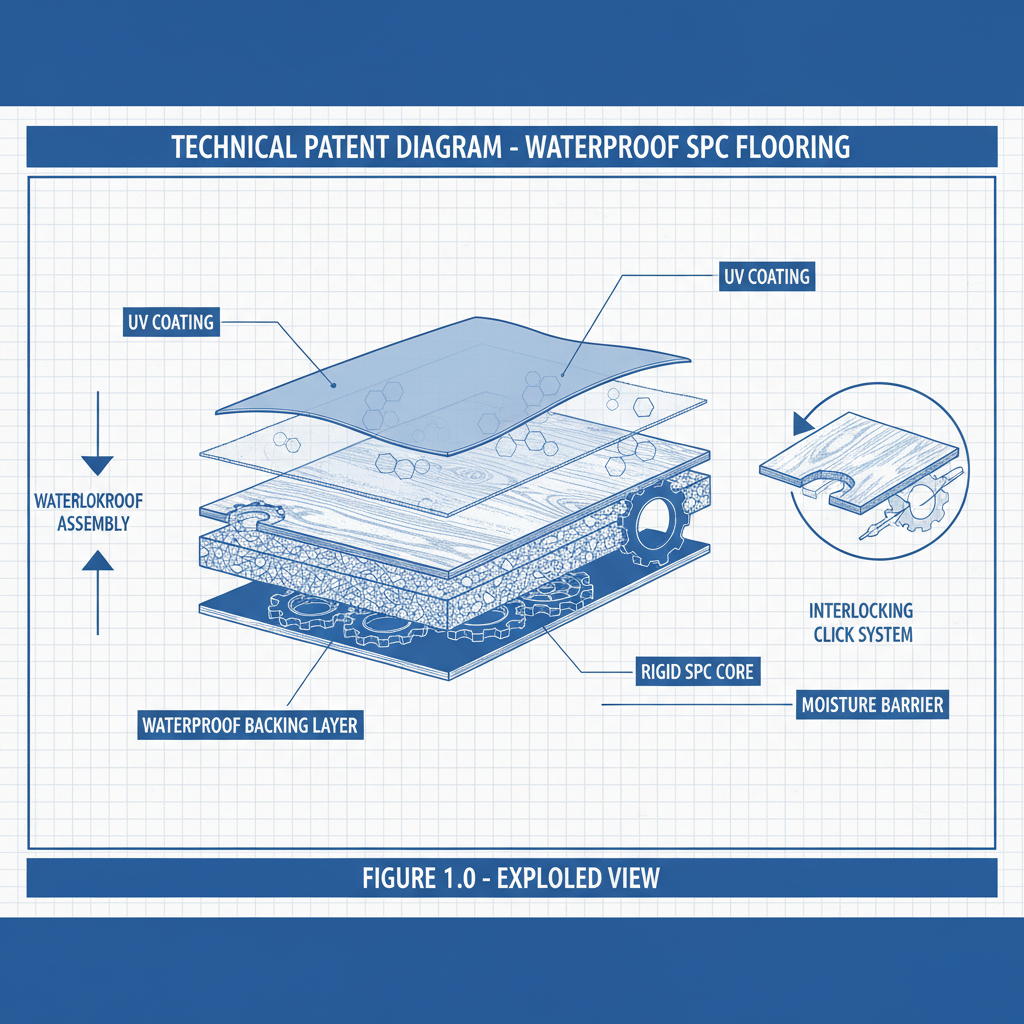 Comprehensive Guide to Waterproof SPC Flooring Durability and InstallationChoosing the right flooring for your home or business is a significant decision. Waterproof SPC flooring has emerged as a popular option due to its durability, affordability, and ease of installation. This article provides an in-depth look at waterproof SPC flooring, covering its benefits, installation process, maintenance, and comparisons with other flooring types. Understanding these aspects will help you determine if SPC flooring is the right choice for your project.Read More >
Apr 07 2026
-
 Discover the Durability and Style of Vinyl SPC Rigid Flooring SolutionsLooking for a durable, waterproof, and stylish flooring solution? Vinyl SPC rigid flooring is quickly becoming the go-to choice for homeowners and businesses alike. This article provides a comprehensive overview of this innovative flooring type, covering its benefits, installation, maintenance, and more. We’ll help you determine if SPC rigid vinyl flooring is the right fit for your project.Read More >
Apr 04 2026
-
 Comprehensive Guide to Durable Vinyl SPC Click Flooring Options and BenefitsChoosing the right flooring for your home or business is a significant decision. Vinyl SPC click flooring has emerged as a popular and durable option, offering a blend of aesthetic appeal and practical benefits. This article will explore the key features, advantages, installation process, and applications of SPC flooring, helping you determine if it's the right choice for your project. From its waterproof nature to its ease of installation, we'll cover everything you need to know.Read More >
Mar 31 2026
 +86 31185293045
  qian@ss711.com

Shijiazhuang Sothink trading Co., LTD.
Our company focuses on product development, production, sales and other all-round services, and is committed to providing customers with high-performance products and high-quality services.