



Durable and Stylish Wall Plastic Panels for Living Room | Sothink Decor
Wall Plastic Panels for Living Room: A Practical Choice with Style
Having spent over a decade working closely with industrial materials and surface finishes, I’ve seen trends come and go. But one growing favorite that seems to persist is wall plastic panels for living rooms. Honestly, it’s not just about looking sleek or modern — these panels bring a mix of durability and versatility that’s hard to beat, especially if you want something easy to maintain without sacrificing style.
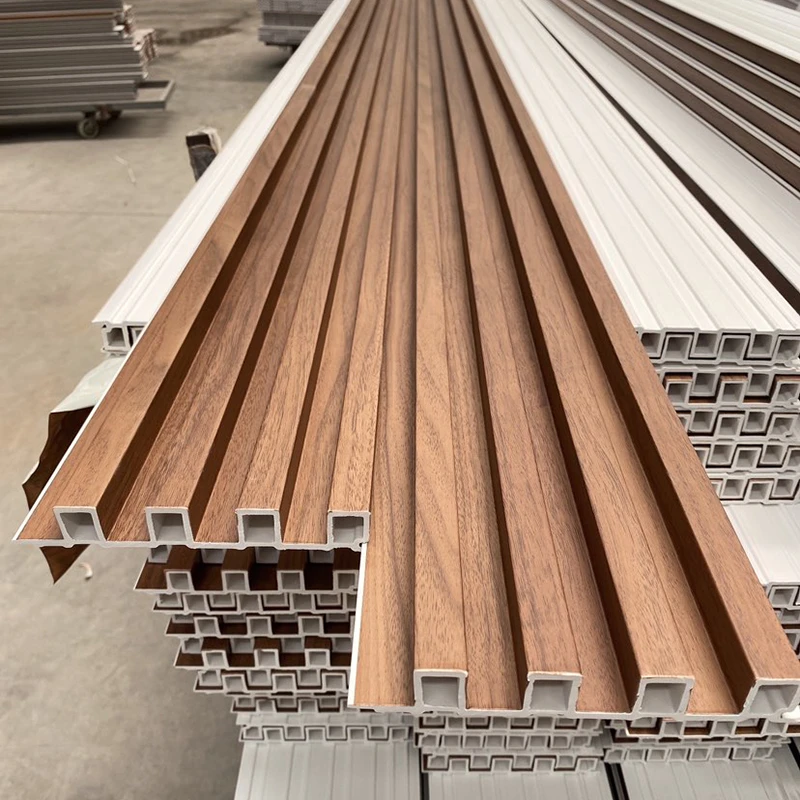
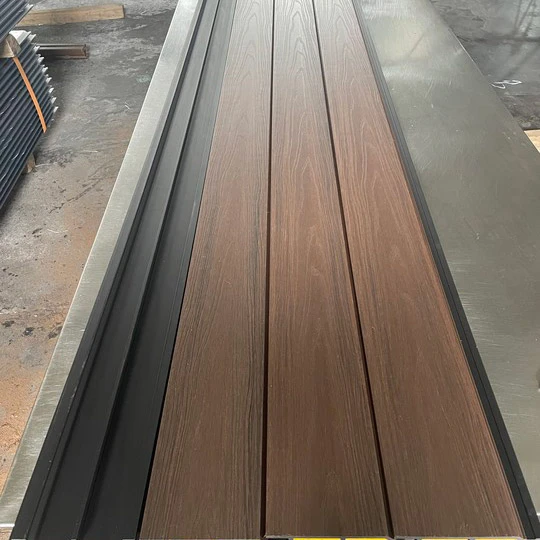
Plastic wall panels are often overlooked in residential settings, even though they started primarily as an industrial solution. I remember a project years ago where a client wanted a waterproof, impact-resistant option for a busy family area. We landed on plastic panels, and it transformed the space — no fuss, no peeling paint, and the cleaning was just a quick wipe-down. Over time, these panels have evolved to offer much richer textures and patterns that mimic wood, stone, or even fabric, which is pretty clever.
From what I've gathered, the core materials are usually PVC — polyvinyl chloride — which is lightweight and resistant to most household mishaps. These panels don’t warp or bubble like traditional wood, and they resist moisture better than drywall, making them ideal not just for kitchens or baths but increasingly popular in living rooms. There's also a green push towards using recycled plastics, which frankly is a smart move since sustainability is more than just a buzzword these days.
| Specification | Details |
|---|---|
| Material | High-grade PVC (Polyvinyl Chloride) |
| Dimensions | 600mm x 300mm panels (typical size) |
| Finish | Textured (woodgrain, stone, matte) |
| Thickness | 8 - 10 mm |
| Installation | Interlocking or adhesive mounting |
| Water Resistance | Excellent, non-porous surface |
| Maintenance | Wipe-clean with mild detergent |
One thing I often get asked is how these panels compare brand-wise. I’ve worked with several suppliers over the years — some overseas, some local — and the differences usually boil down to finish quality, warranty, and delivery times. For instance, the quality from established vendors typically ensures the lamination doesn’t peel prematurely, which can be a nightmare. I put together a little comparison from my practical experience:
| Vendor | Material Quality | Design Options | Warranty | Price Range |
|---|---|---|---|---|
| Sothink Decor | High-grade PVC, durable | Wide variety; wood & stone looks | 10 years | $$$ (mid-range) |
| Brand X | Medium grade PVC | Limited colors & textures | 5 years | $$ (budget) |
| Vendor Y | Premium material, eco-friendly | Custom textures available | 12 years | $$$$ (premium) |
Installation-wise, I noticed that many DIYers appreciate the interlocking panels. It makes for a neat, almost puzzle-like application. Of course, if you want a truly seamless look, professional adhesive mounting is usually the way to go. In real terms, this means less time worrying about nails or drilling into concrete walls — which, let’s be honest, is often a bit nerve-wracking for most homeowners.
One subtle plus? These panels offer a slight sound-dampening effect — nothing profound, but enough to notice in a noisy open-plan living room. My aunt installed them just last year and she swears the room feels cozier and somehow warmer, though that’s probably also the color choice she made.
To wrap it up, if you’re on the fence about wall plastic panels for your living room, I’d say they’re worth a serious look — especially if you want that balance of durability, aesthetic flexibility, and ease of maintenance. Plus, the environmental push towards recycled content is only making them more appealing for long-term projects. So yes, not just utilitarian walls anymore, but walls with a bit of personality and resilience.
For more solid options and to browse styles, check out Sothink Decor for inspiration and supplies.
Reflection: The evolution of wall paneling materials fascinates me because it bridges industrial innovation with everyday living spaces. Oddly enough, some of the earliest plastic panels designed for factories have turned out to be quite at home in casual, comfortable settings. Funny how technology migrates, isn’t it?
- Industry Magazine, “PVC Panels in Residential Design” (2023)
- Home Innovation Labs, “Moisture Resistance of Wall Coverings” (2022)
- Sustainability Journal, “Recycled Plastics in Construction” (2024)
-
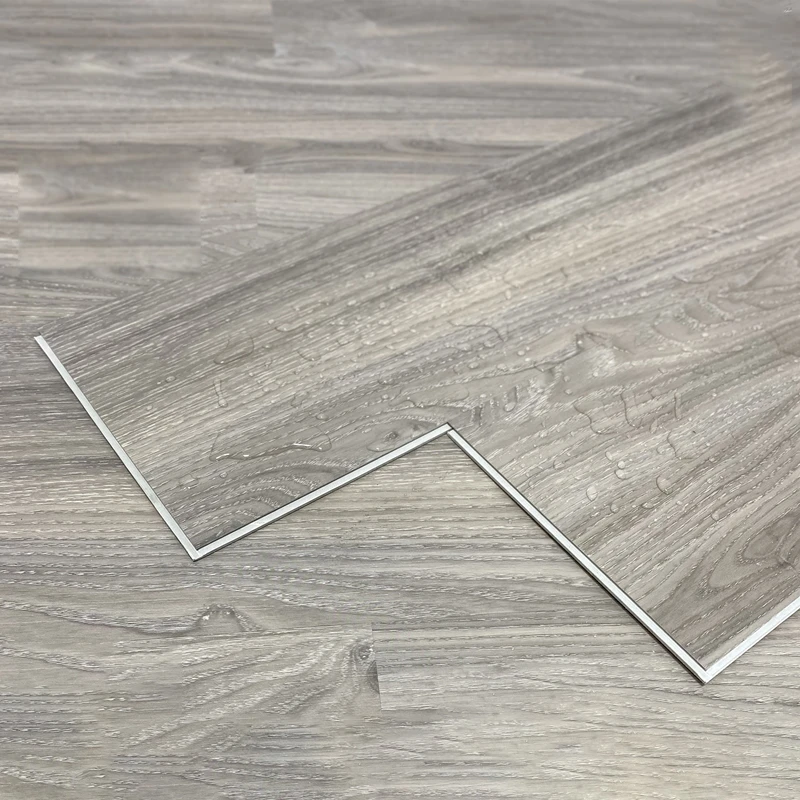
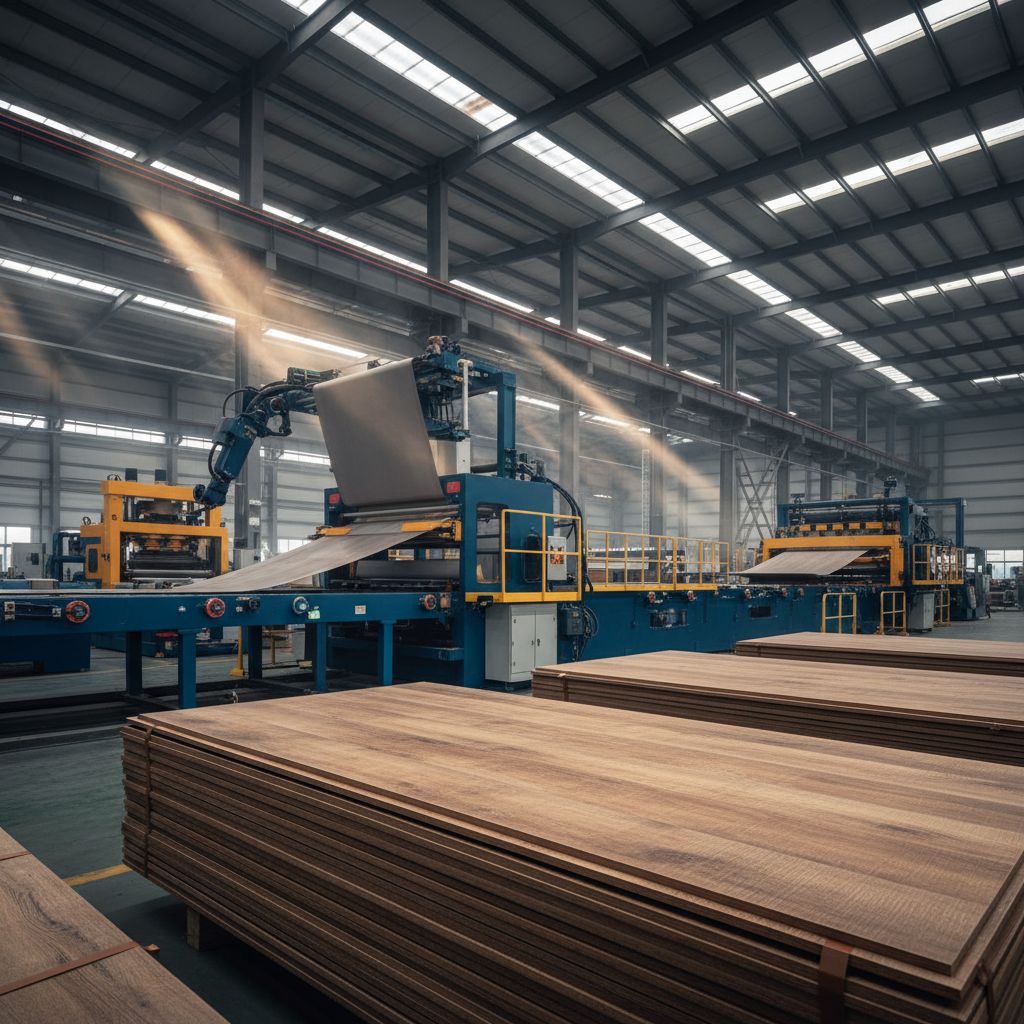 Ultimate Guide to Durable Waterproof SPC Vinyl Flooring StyleWhen renovating a modern home or commercial space, the flooring choice often defines the entire atmosphere. waterproof spc vinyl flooring has emerged as a revolutionary solution for those who refuse to compromise between aesthetic elegance and rugged performance. Standing for Stone Plastic Composite, SPC flooring is engineered to withstand the toughest environments, from moisture-prone bathrooms to high-traffic living rooms. In this comprehensive guide, we will explore why this material is dominating the interior design market and how it can transform your space into a sanctuary of style and resilience.Read More >
Apr 16 2026
-
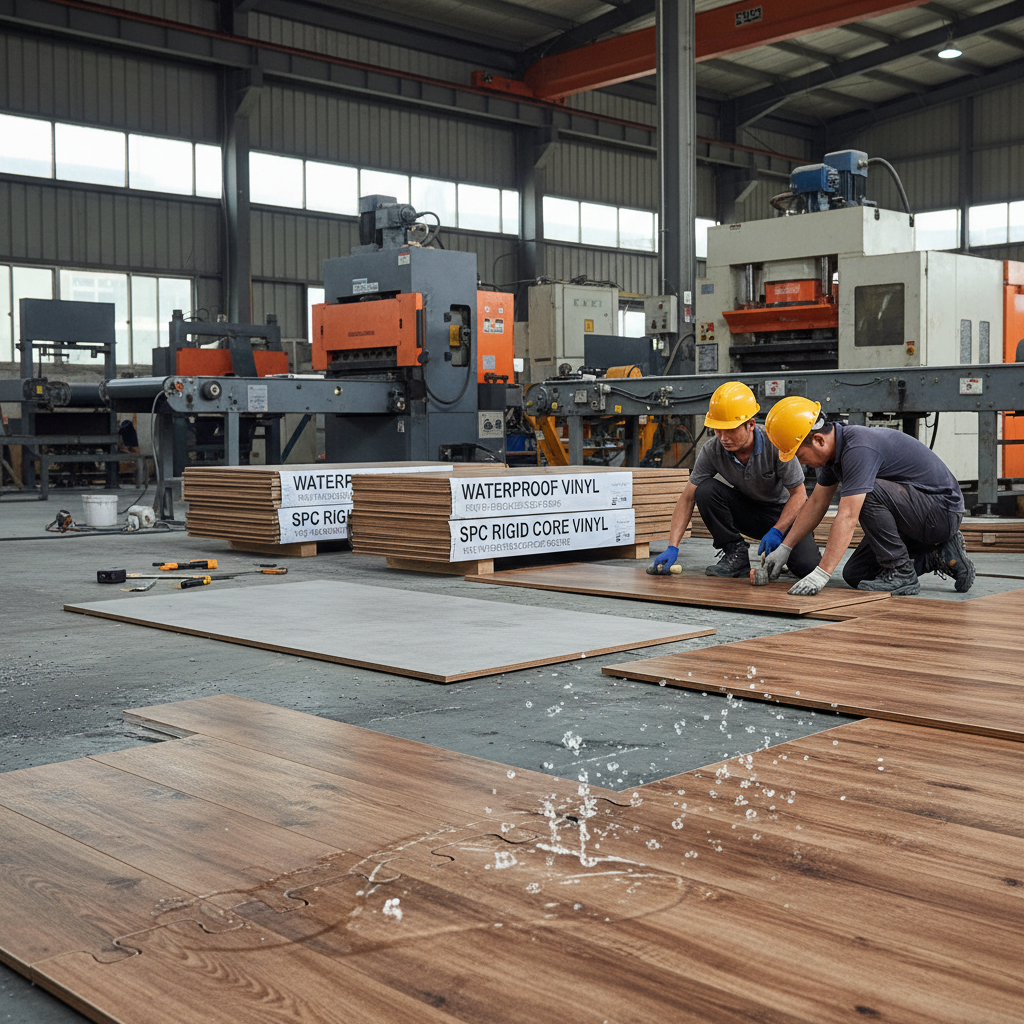 Ultimate Guide to Durable Waterproof SPC Rigid Core Vinyl FlooringChoosing the right flooring for a modern home or commercial space requires a balance between aesthetics and endurance. waterproof spc rigid core vinyl has emerged as a game-changer in the interior design world, offering the timeless look of hardwood with the unmatched resilience of stone polymer composite. Whether you are dealing with high-traffic hallways, moisture-prone bathrooms, or pet-friendly living rooms, this flooring solution provides a stable, waterproof, and scratch-resistant surface. In this comprehensive guide, we will explore why this innovative material is replacing traditional laminate and luxury vinyl planks in contemporary construction.Read More >
Apr 09 2026
-
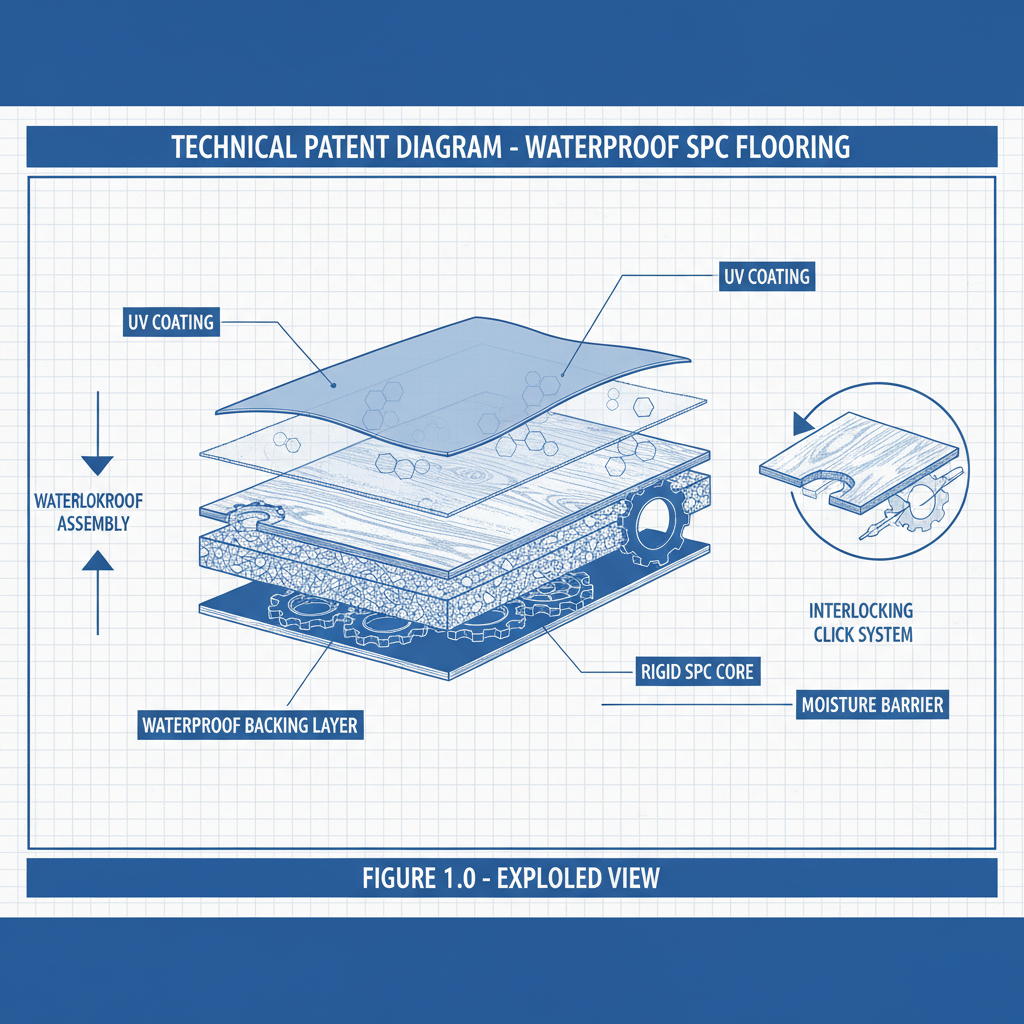 Comprehensive Guide to Waterproof SPC Flooring Durability and InstallationChoosing the right flooring for your home or business is a significant decision. Waterproof SPC flooring has emerged as a popular option due to its durability, affordability, and ease of installation. This article provides an in-depth look at waterproof SPC flooring, covering its benefits, installation process, maintenance, and comparisons with other flooring types. Understanding these aspects will help you determine if SPC flooring is the right choice for your project.Read More >
Apr 07 2026
-
 Discover the Durability and Style of Vinyl SPC Rigid Flooring SolutionsLooking for a durable, waterproof, and stylish flooring solution? Vinyl SPC rigid flooring is quickly becoming the go-to choice for homeowners and businesses alike. This article provides a comprehensive overview of this innovative flooring type, covering its benefits, installation, maintenance, and more. We’ll help you determine if SPC rigid vinyl flooring is the right fit for your project.Read More >
Apr 04 2026
-
 Comprehensive Guide to Durable Vinyl SPC Click Flooring Options and BenefitsChoosing the right flooring for your home or business is a significant decision. Vinyl SPC click flooring has emerged as a popular and durable option, offering a blend of aesthetic appeal and practical benefits. This article will explore the key features, advantages, installation process, and applications of SPC flooring, helping you determine if it's the right choice for your project. From its waterproof nature to its ease of installation, we'll cover everything you need to know.Read More >
Mar 31 2026
 +86 31185293045
  qian@ss711.com

Shijiazhuang Sothink trading Co., LTD.
Our company focuses on product development, production, sales and other all-round services, and is committed to providing customers with high-performance products and high-quality services.