


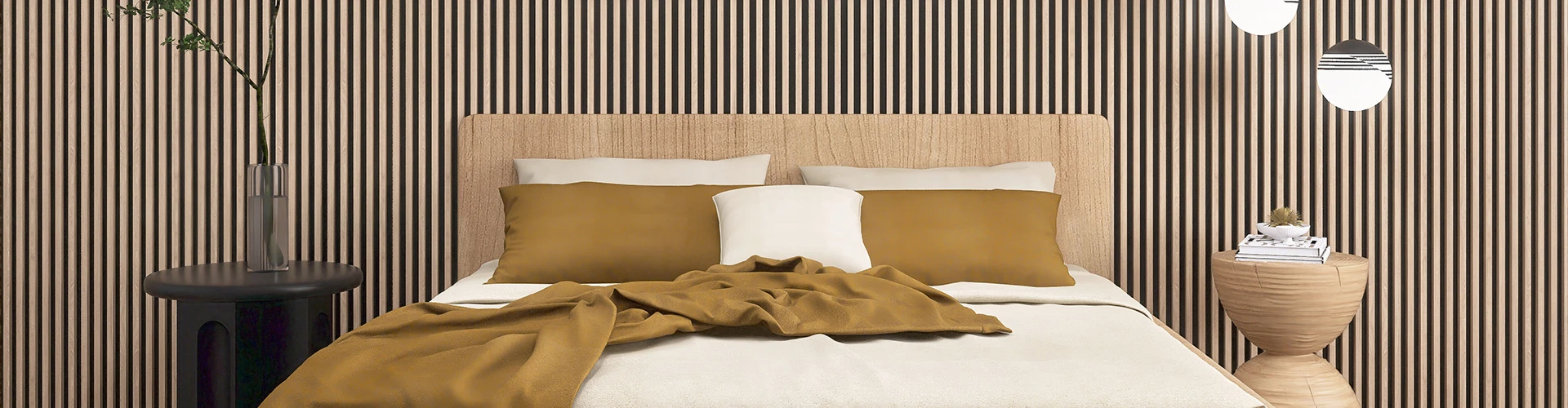
Durable and Sustainable Floor and Wall SPC Panels for Modern Construction
Floor and Wall SPC: A Modern Solution with Worldwide Impact
When you first encounter floor and wall SPC, or Stone Plastic Composite panels, you might think it’s just another construction buzzword. But honestly, understanding this technology opens a door to smarter, faster, and more sustainable building methods globally. For architects, builders, and even humanitarian agencies, SPC panels represent a way to tackle long-standing challenges — from durability to ease of installation — all while pushing environmental goals.
In real terms, knowing about these materials can literally shift how buildings come together and how communities get rebuilt after crises. So why does this matter on a global scale? Worldwide, buildings account for a huge chunk of resource use and waste (the UN estimates it’s about 40% of global energy consumption). That’s no small potatoes. Using durable, efficient materials like SPC can reduce ongoing costs, environmental impact, and the labor needed for construction.
Why Floor and Wall SPC Matter in Today's Construction Landscape
The World Bank reports that urban areas are expected to absorb 2.5 billion more people by 2050. That’s a staggering number — and all those people need housing, schools, hospitals. The challenge? Doing so quickly, sustainably, and with materials that won’t fall apart. Here is where floor and wall SPC has a starring role.
Traditionally, walls and floors rely on materials that can be heavy, difficult to insulate, or vulnerable to moisture. SPC panels combine minerals and thermoplastics to create a surface that’s stable, weather-resistant, and honestly, just easier to maintain. The ISO 10582:2017 standard for SPC flooring highlights high dimensional stability — meaning, they don’t warp or swell with humidity like wood can.
That’s especially important in regions prone to extreme weather or in temporary structures where rapid setup and long durability are equally critical. It’s a solution that finds use both in high-end residential projects and large emergency relief shelters.
What Exactly Is Floor and Wall SPC?
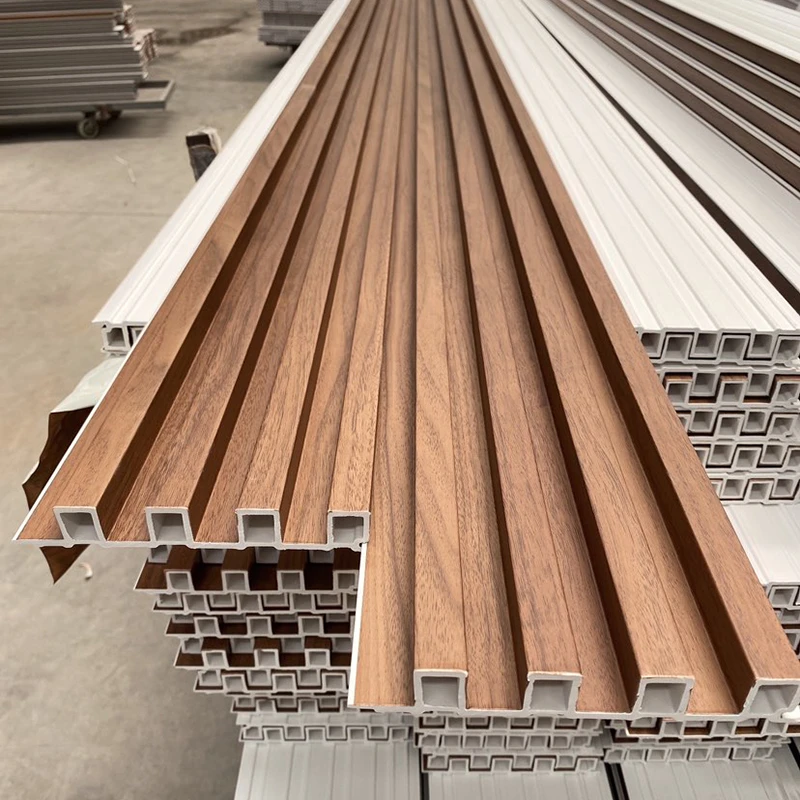
Put simply, Stone Plastic Composite panels are engineered boards made with a blend of limestone powder, polyvinyl chloride (PVC), and additives designed to enhance performance. The “stone” part is mainly calcium carbonate, making the product dense yet lightweight, and the "plastic" offers flexibility and waterproofing.
SPC’s connection to modern needs is pretty straightforward: It offers a blend of durability you’d expect from stone without the weight disadvantage, and the ease of installation typical to plastic-based panels. For builders craving efficiency and clients wanting longevity without huge maintenance costs, SPC fits the bill.
Core Features Making SPC Stand Out
Durability & Water Resistance
Many users point to SPC’s resistance to water, scratches, and stains as a major advantage. Unlike traditional wood or laminate floors, these panels stand up to humidity, spills, and everyday wear. For walls, this means reduced mold and fewer repairs — especially in kitchens, bathrooms, or commercial spaces.
Cost Efficiency
At first glance, SPC may seem a little more costly upfront compared to vinyl or tiles. But if you consider lifecycle costs — installation speed, reduced maintenance, and longevity — the total investment balances out. Plus, it requires fewer adhesives and subfloor preparations, so labor costs tend to be lower.
Scalability & Ease of Installation
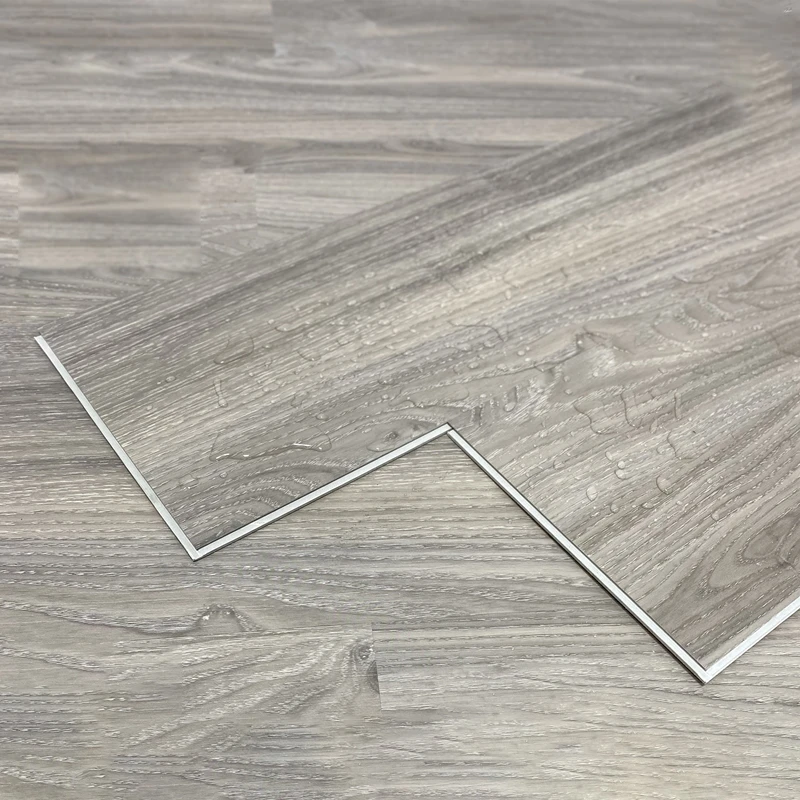
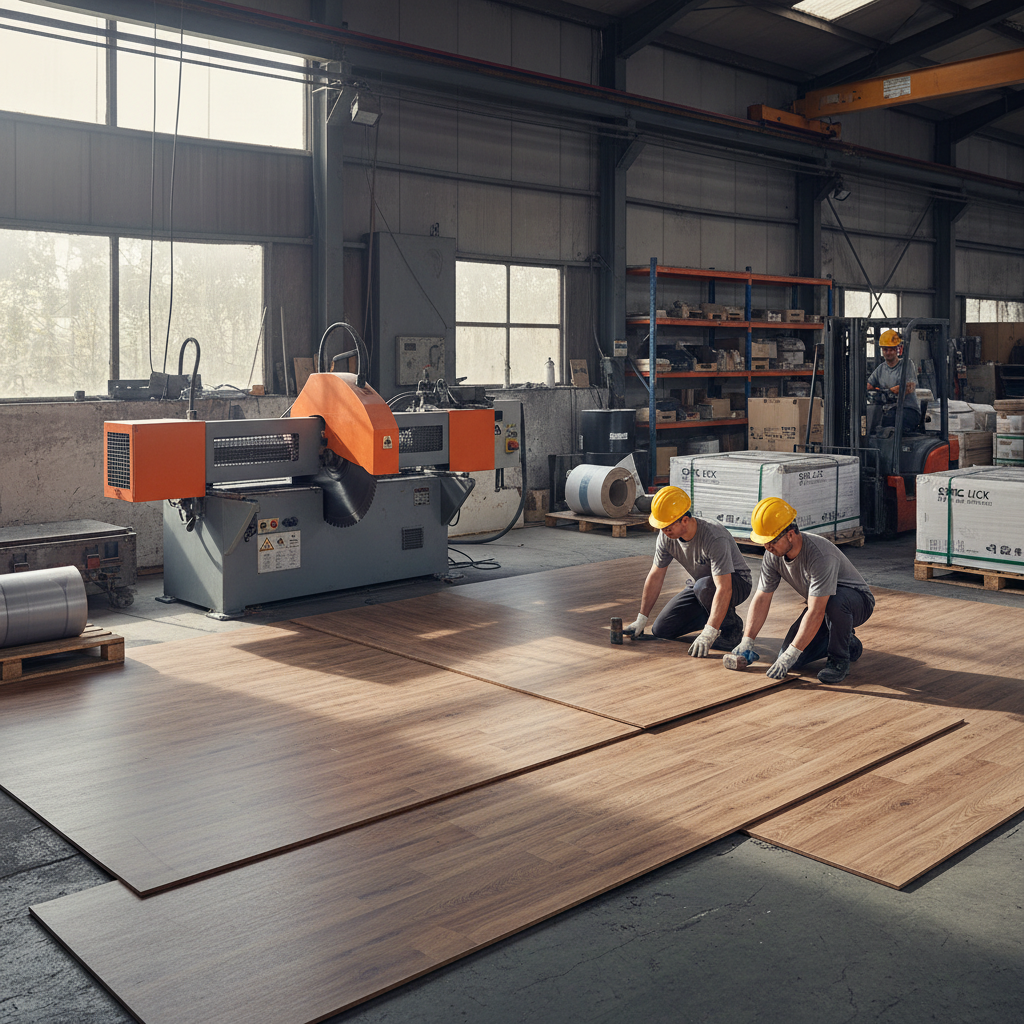
One of the neat things about SPC is how modular it is. The panels click together using a tongue-and-groove system, no complex adhesives required. This modularity benefits large-scale projects where timing is tight and helps reduce construction waste.
Environmental Sustainability
Not all plastics are created equal, but SPC manufacturers are increasingly incorporating recycled components, cutting down VOC emissions, and complying with environmental standards. This aligns with a global push for greener buildings—something developers can no longer ignore.
Design Flexibility
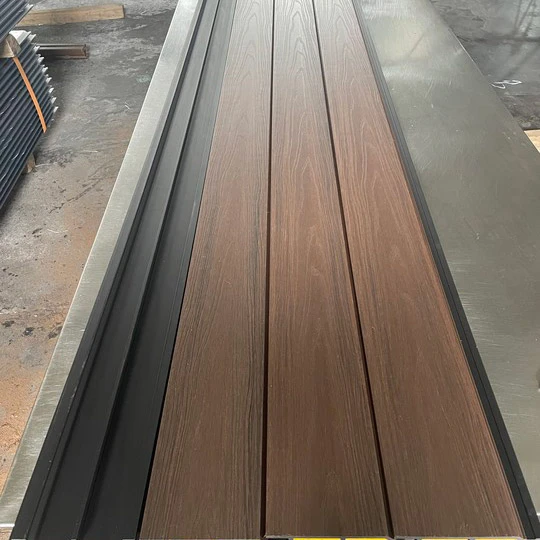
Another surprising benefit is the design versatility. Thanks to digital printing technology, SPC panels come in a range of wood grains, stones, and abstract patterns, often indistinguishable from natural materials but without the fragility.
Global Applications & Real-World Examples
SPC is already widely used across regions with varying climates and needs. In Southeast Asia, for example, where humidity is a daily challenge, these panels have become a preferred choice for residential projects and hotels. In colder European climates, they offer a reliable flooring option that is less prone to cracking due to freeze-thaw cycles.
Post-disaster relief operations are especially interesting: organizations like the Red Cross utilize SPC panels to quickly erect safe, durable shelters. The panels’ lightweight nature means easier transportation — crucial when infrastructure has been compromised.
In industrial regions — think remote mining sites or offshore facilities — SPC floors provide tough wear and chemical resistance while insulating from ground cold or heat. It’s a tough job environment, so every advantage helps.
Product Specifications at a Glance
| Specification | Typical Value |
|---|---|
| Panel Thickness | 4.0–7.0 mm |
| Panel Width | 150–220 mm |
| Wear Layer Thickness | 0.3–0.7 mm |
| Density | 1400–1500 kg/m³ |
| Water Absorption Rate | |
| Fire Rating | B1 (DIN 4102) |
Comparing Top Vendors in Floor and Wall SPC
| Vendor | Material Quality | Price Range (USD/m²) | Shipping Availability | Customization Options |
|---|---|---|---|---|
| AquaStone SPC | Premium mineral blend | $15–20 | Worldwide | Color & texture |
| EcoWall SPC | Recycled content emphasis | $12–18 | North America, EU | Limited patterns |
| BuildPro SPC | High-density core | $14–22 | Asia, Middle East | Custom sizes & finishes |
Advantages and Lasting Value of SPC Floors and Walls
On one hand, the cost savings over time are clear: less repair, less replacement, and lower labor needs. But there is also an emotional comfort here — it feels safer knowing that a home or office won’t suddenly warp or soak through with a stubborn leak. For humanitarian projects, that translates into dignity for displaced families — a shelter that feels and functions like a real home.
Environmentally, many engineers say SPC can be a game-changer. By reducing plastic usage compared to solid PVC floors and using mineral fillers, energy consumption during production drops. Plus, less waste during installation means fewer trips hauling debris away.
Glancing Toward the Future: Innovations in Floor and Wall SPC
It’s easy to imagine that SPC is a finished product, but in reality, its evolution is lively. Industry insiders talk about integrating antimicrobial surfaces, enhanced fire retardants, and even embedded sensors for smart buildings. The green push is also accelerating: suppliers explore bio-based plastics and increased recycling rates.
Digitization is another driver. With advanced 3D printing and laser engraving, it’s becoming possible to create ultra-customized patterns that cater to niche design needs and client dreams — even for off-grid projects or remote builds.
Challenges and How the Industry Is Tackling Them
Despite the positives, SPC isn’t without its hurdles. For one, initial investment can be a barrier for smaller builders or NGOs with tight budgets. Also, though SPC is water-resistant, it’s not completely impervious to standing water over very long periods, calling for proper subfloor preparations.
Logistics can also get tricky; weight and packaging add up when you ship globally. To solve these issues, some manufacturers are innovating lighter formulations and reducing packaging waste. Plus, training programs for installers are more common, easing the adoption curves for newcomers.
FAQ: Your Top Questions on Floor and Wall SPC
1. How does SPC compare to traditional linoleum or hardwood flooring?
SPC provides superior durability, moisture resistance, and ease of installation compared to linoleum or wood. It doesn’t swell in humid conditions and requires less maintenance, making it ideal in high-traffic or wet areas.
2. Can SPC panels be used outdoors or in harsh climates?
While SPC is water-resistant and durable, it’s primarily designed for indoor use. Some specially formulated versions can tolerate limited outdoor applications, but prolonged UV exposure might cause discoloration or brittleness.
3. What is the typical lifespan of SPC flooring in residential settings?
With proper care, SPC floors can last 15–20 years or more, outlasting many other synthetic floorings. Their wear layer protects against abrasion and staining over time.
4. How do humanitarian agencies benefit from utilizing SPC in disaster relief?
Agencies appreciate SPC for its fast installation, durability, and minimal maintenance. It can transform temporary shelters into more permanent, protective environments, improving safety and dignity for displaced people.
5. Is SPC flooring environmentally friendly?
Increasingly so. Modern SPC incorporates recycled materials and emits low VOCs, meeting many green building certification standards. However, as with any plastic composite, disposal and circularity remain areas for ongoing improvement.
Wrapping It Up: Why Floor and Wall SPC Deserve a Closer Look
To sum it all up, floor and wall SPC stands as a robust, flexible, and future-ready solution. Whether you’re an architect dreaming up a new downtown complex or an NGO racing to rebuild after floods, SPC brings warmth, safety, and sustainability together without breaking the bank or the timeline.
If you want to see how these panels can fit into your next project — industrial, residential, or humanitarian — head over to our website. It’s a great resource to explore product lines, technical datasheets, and get in touch with industry experts.
Mini takeaway: In a world where building faster and smarter means balancing cost, nature, and human comfort, floor and wall SPC panels seem to hit a sweet spot — a quiet revolution hiding in plain sight.
References
- ISO 10582:2017 - Resilient floor coverings
- United Nations World Urbanization Prospects
- World Bank Urban Development Overview
-
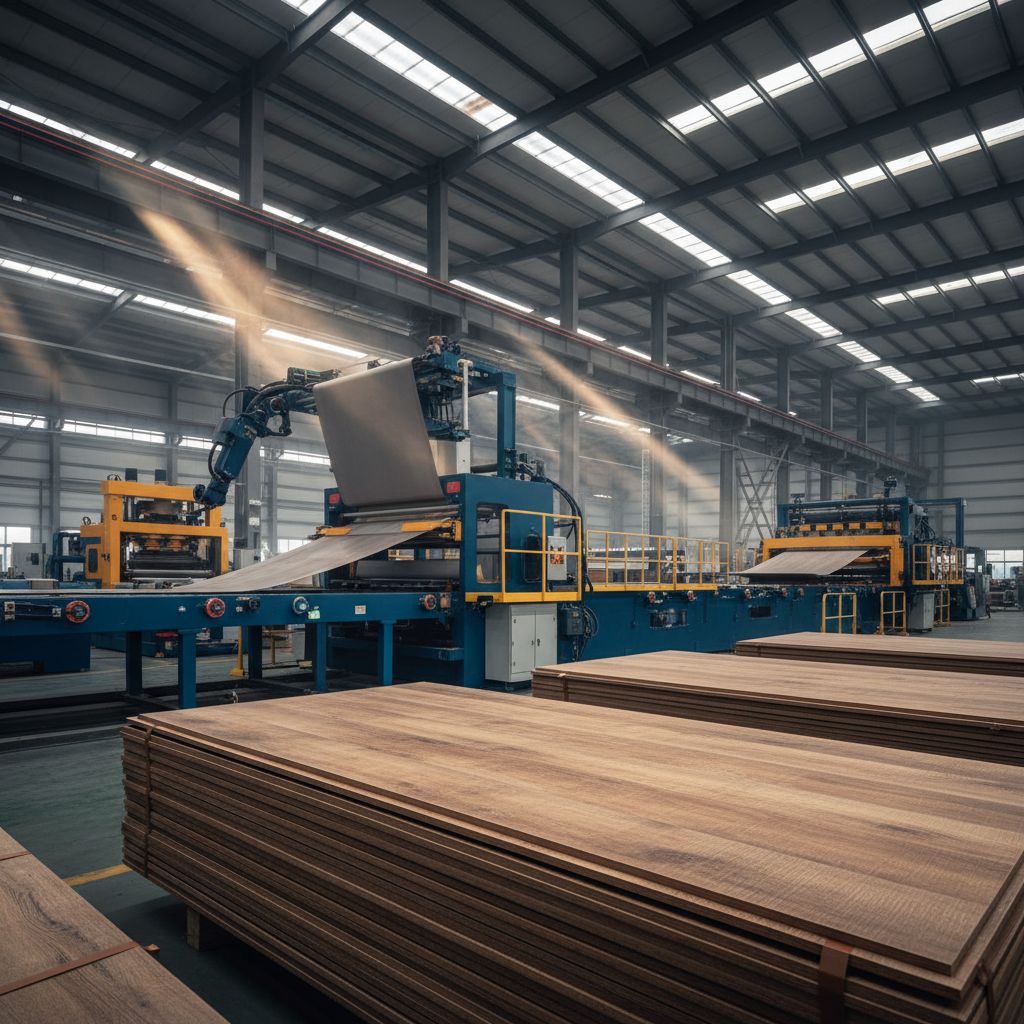 Ultimate Guide to Durable Waterproof SPC Vinyl Flooring StyleWhen renovating a modern home or commercial space, the flooring choice often defines the entire atmosphere. waterproof spc vinyl flooring has emerged as a revolutionary solution for those who refuse to compromise between aesthetic elegance and rugged performance. Standing for Stone Plastic Composite, SPC flooring is engineered to withstand the toughest environments, from moisture-prone bathrooms to high-traffic living rooms. In this comprehensive guide, we will explore why this material is dominating the interior design market and how it can transform your space into a sanctuary of style and resilience.Read More >
Apr 16 2026
-
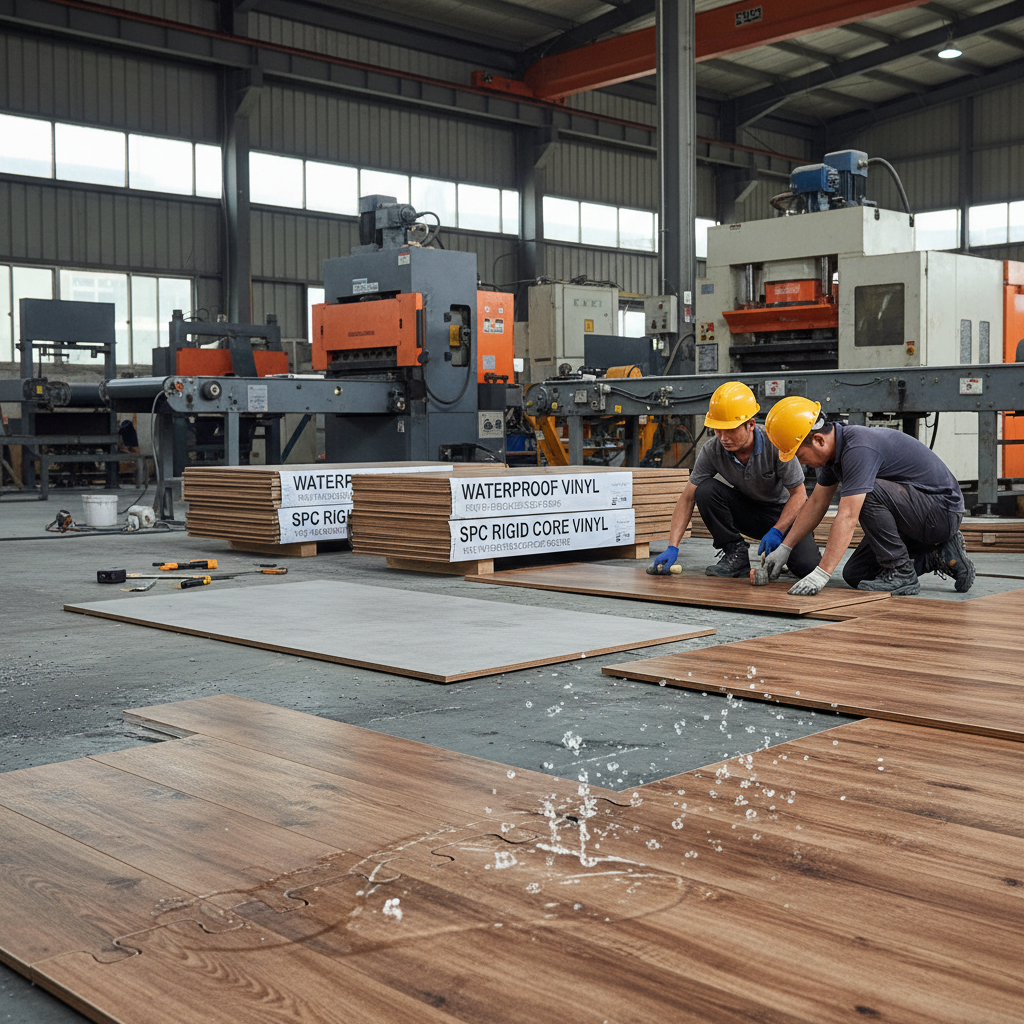 Ultimate Guide to Durable Waterproof SPC Rigid Core Vinyl FlooringChoosing the right flooring for a modern home or commercial space requires a balance between aesthetics and endurance. waterproof spc rigid core vinyl has emerged as a game-changer in the interior design world, offering the timeless look of hardwood with the unmatched resilience of stone polymer composite. Whether you are dealing with high-traffic hallways, moisture-prone bathrooms, or pet-friendly living rooms, this flooring solution provides a stable, waterproof, and scratch-resistant surface. In this comprehensive guide, we will explore why this innovative material is replacing traditional laminate and luxury vinyl planks in contemporary construction.Read More >
Apr 09 2026
-
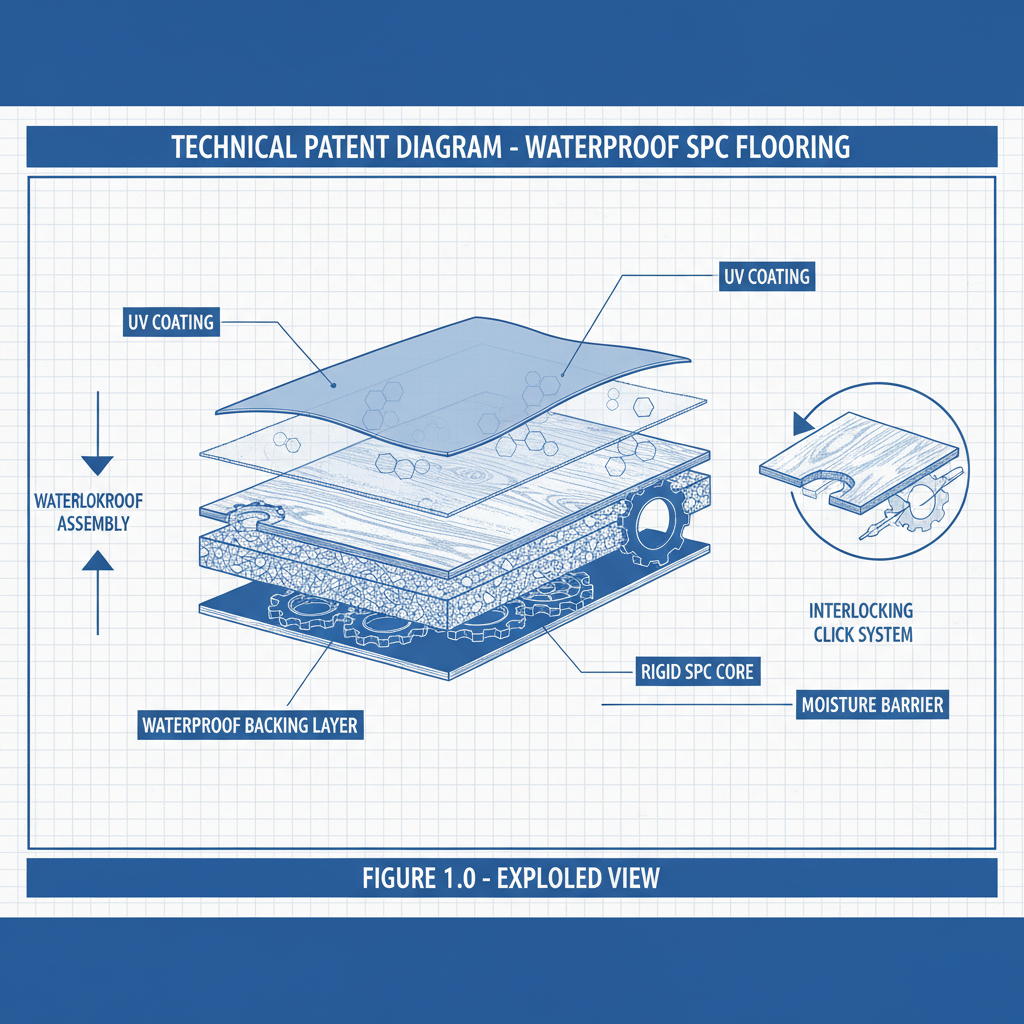 Comprehensive Guide to Waterproof SPC Flooring Durability and InstallationChoosing the right flooring for your home or business is a significant decision. Waterproof SPC flooring has emerged as a popular option due to its durability, affordability, and ease of installation. This article provides an in-depth look at waterproof SPC flooring, covering its benefits, installation process, maintenance, and comparisons with other flooring types. Understanding these aspects will help you determine if SPC flooring is the right choice for your project.Read More >
Apr 07 2026
-
 Discover the Durability and Style of Vinyl SPC Rigid Flooring SolutionsLooking for a durable, waterproof, and stylish flooring solution? Vinyl SPC rigid flooring is quickly becoming the go-to choice for homeowners and businesses alike. This article provides a comprehensive overview of this innovative flooring type, covering its benefits, installation, maintenance, and more. We’ll help you determine if SPC rigid vinyl flooring is the right fit for your project.Read More >
Apr 04 2026
-
 Comprehensive Guide to Durable Vinyl SPC Click Flooring Options and BenefitsChoosing the right flooring for your home or business is a significant decision. Vinyl SPC click flooring has emerged as a popular and durable option, offering a blend of aesthetic appeal and practical benefits. This article will explore the key features, advantages, installation process, and applications of SPC flooring, helping you determine if it's the right choice for your project. From its waterproof nature to its ease of installation, we'll cover everything you need to know.Read More >
Mar 31 2026
 +86 31185293045
  qian@ss711.com

Shijiazhuang Sothink trading Co., LTD.
Our company focuses on product development, production, sales and other all-round services, and is committed to providing customers with high-performance products and high-quality services.