


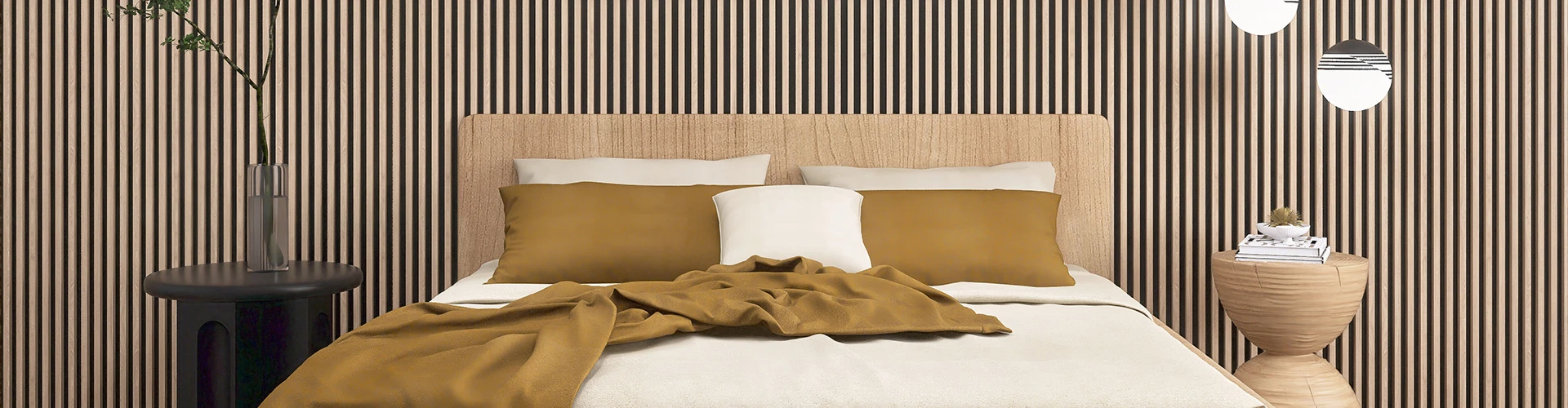
Durable WPC Exterior Wall Cladding | Low-Maintenance Outdoor Panels
Advanced Solutions in Exterior Facades: An Introduction to WPC Exterior Wall Cladding
In the contemporary construction landscape, material science innovations are continually reshaping architectural possibilities. Among these, wpc exterior wall cladding stands out as a highly engineered composite solution, offering unparalleled durability, aesthetic versatility, and sustainable performance for building envelopes. This material, a sophisticated blend of wood fibers and recycled plastics, is meticulously crafted to meet the rigorous demands of outdoor applications, providing superior resistance to weathering, pests, and decay while requiring minimal maintenance. Its growing adoption across diverse sectors—from commercial high-rises to hospitality venues and industrial facilities—underscores its effectiveness as a long-term investment for architects, developers, and property managers seeking robust, visually appealing, and eco-conscious facade solutions. This article delves into the technical intricacies, market relevance, and strategic advantages of this advanced building material.
The demand for high-performance, sustainable building materials has driven significant innovation in exterior cladding technologies. Traditional materials often present trade-offs between aesthetics, durability, and maintenance. WPC exterior wall cladding effectively addresses these challenges by combining the natural beauty of wood with the resilience of polymers. This composite material not only enhances the thermal performance and structural integrity of buildings but also contributes significantly to their overall lifecycle value through reduced operational costs and extended aesthetic appeal.
Industry Trends and Market Dynamics for WPC Wall Panels
The global market for WPC products, particularly for wpc exterior wall cladding, is experiencing robust growth, driven by increasing awareness of environmental sustainability, the need for low-maintenance building solutions, and evolving aesthetic preferences. According to market research, the global WPC decking and cladding market size was valued at USD 4.8 billion in 2022 and is projected to reach USD 9.2 billion by 2030, growing at a CAGR of 8.5% (Source: Grand View Research, 2023). This growth is primarily fueled by the following key trends:
- Sustainability Focus: A strong push towards green building initiatives and circular economy principles has accelerated the adoption of materials made from recycled content. WPC, utilizing reclaimed wood fibers and recycled plastics, perfectly aligns with these objectives, reducing reliance on virgin timber and diverting plastic waste from landfills.
- Durability and Longevity: Building owners and developers prioritize materials that offer extended service life and reduced lifecycle costs. The inherent resistance of wpc outdoor wall cladding to rot, insects, moisture, and UV degradation significantly reduces maintenance cycles and associated expenses compared to traditional wood or certain other composites.
- Aesthetic Versatility: Advancements in manufacturing technologies allow for a wide range of colors, textures, and profiles, mimicking exotic hardwoods or offering modern, uniform appearances. This design flexibility makes WPC suitable for diverse architectural styles, from contemporary to classic.
- Performance Enhancement: Continuous R&D is leading to WPC formulations with enhanced fire ratings, improved thermal insulation properties, and superior scratch resistance, further broadening their application scope in demanding environments.
- Ease of Installation: WPC panels are often designed for straightforward installation, utilizing hidden fastener systems or tongue-and-groove profiles, which can reduce labor costs and project timelines.
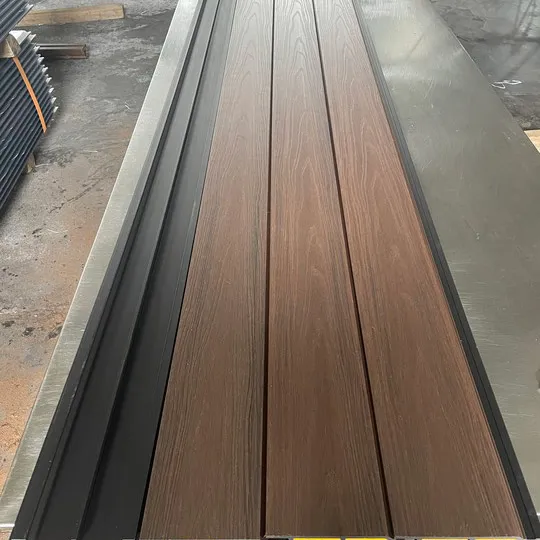
Modern architectural design showcasing the versatility of WPC exterior wall cladding.
Understanding WPC: Materials and Manufacturing Process
The superior performance of exterior wpc wall panel is rooted in its carefully selected raw materials and precision manufacturing process. Understanding this process is crucial for appreciating the product's quality and durability.
Raw Materials Composition:
- Wood Fibers/Flour (approximately 50-60%): Sourced from sustainable forestry or recycled wood waste (e.g., sawdust, wood chips). These provide the natural aesthetic and structural rigidity. Common wood types include pine, maple, or eucalyptus.
- Thermoplastics (approximately 30-40%): Typically High-Density Polyethylene (HDPE), Polypropylene (PP), or Polyvinyl Chloride (PVC). These polymers encapsulate the wood fibers, providing moisture resistance, flexibility, and binding properties. Recycled plastics are often utilized to enhance sustainability.
-
Additives (approximately 5-10%): A critical blend of chemicals that enhance specific properties:
- UV Stabilizers: Prevent degradation and color fading from prolonged sun exposure, crucial for wpc wall panel outdoor.
- Coupling Agents: Improve adhesion between hydrophilic wood fibers and hydrophobic plastic polymers, enhancing mechanical strength and moisture resistance.
- Colorants: Provide consistent and long-lasting color.
- Lubricants & Processing Aids: Facilitate smooth extrusion and molding processes.
- Fungicides/Biocides: Further enhance resistance to mold, mildew, and insect infestation.
Manufacturing Process Flow:
1. Material Preparation
Wood fibers are dried and refined. Plastic polymers are shredded or granulated. All raw materials are precisely measured.
2. Compounding & Pelletizing
Materials are mixed in high-shear mixers under controlled heat to ensure homogeneous dispersion, then extruded into composite pellets.
3. Extrusion
Pellets are melted and forced through a die to form the desired cladding profile (e.g., hollow, solid, co-extruded).
4. Cooling & Shaping
Extruded profiles are cooled in water baths to stabilize their shape and prevent warping.
5. Surface Treatment & Finishing
Panels undergo sanding, brushing, or embossing for specific textures, and may receive an additional protective cap layer (co-extrusion).
6. Quality Control & Packaging
Each batch undergoes rigorous testing against ISO and ASTM standards before cutting, inspection, and packaging for shipment.
Throughout this process, stringent quality control measures are implemented to ensure that each panel meets international standards such as ISO 9001 for quality management and ASTM standards for material properties. For instance, testing for flexural strength (ASTM D790), impact resistance (ASTM D256), and water absorption (ASTM D570) are routinely conducted. The service life of properly installed wpc exterior wall cladding often exceeds 25 years, demonstrating its long-term reliability in challenging outdoor environments.
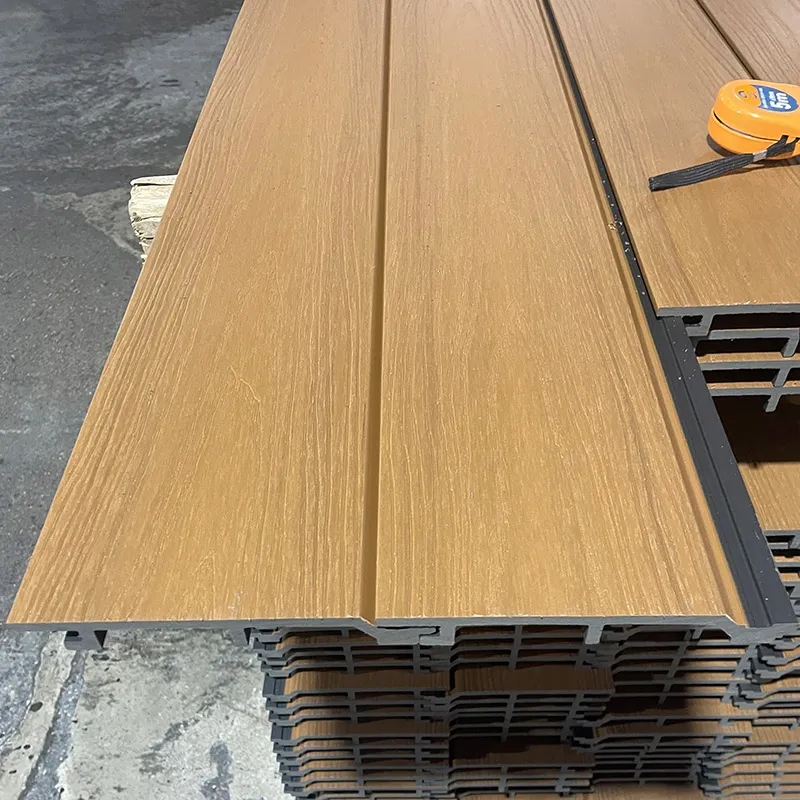
A close-up view of the intricate texture and finish of a WPC wall panel.
Technical Specifications and Performance Metrics
For B2B decision-makers and engineers, understanding the precise technical specifications of wpc wall panel exterior is paramount. These parameters dictate suitability for specific projects, longevity, and compliance with building codes. Below is a detailed table outlining typical specifications for high-quality WPC cladding.
Typical Product Specification Table for WPC Exterior Wall Cladding
| Parameter | Value/Description | Relevant Standard |
|---|---|---|
| Material Composition | Wood Fiber (55-60%), HDPE (30-35%), Additives (5-10%) | Internal QC, ISO 16135 |
| Density | 1.2 - 1.4 g/cm³ | ASTM D792 |
| Flexural Strength | > 35 MPa (typically 38-45 MPa) | ASTM D790 |
| Water Absorption Rate (24h) | Less than 0.5% (typically 0.1-0.3%) | ASTM D570 |
| Fire Rating (Reaction to Fire) | Class B (EN 13501-1) or Class A (ASTM E84) for specific formulations | EN 13501-1, ASTM E84 |
| UV Resistance | ΔE | ASTM G154 |
| Thermal Expansion Coefficient | (2.5-3.5) x 10⁻⁵ /°C | Internal Testing |
| Impact Strength (Izod notched) | > 30 J/m (typically 35-45 J/m) | ASTM D256 |
| Service Life | 20-25+ years under normal conditions | Manufacturer Warranty/Testing |
These specifications highlight the engineered precision behind wpc wall panel outdoor. For example, a low water absorption rate (below 0.5%) is crucial for preventing swelling, warping, and the growth of mold or mildew, ensuring the structural integrity and aesthetic appeal of the facade over decades. Similarly, robust UV resistance prevents color degradation and material embrittlement, maintaining the panel's visual quality even in intensely sunny climates.
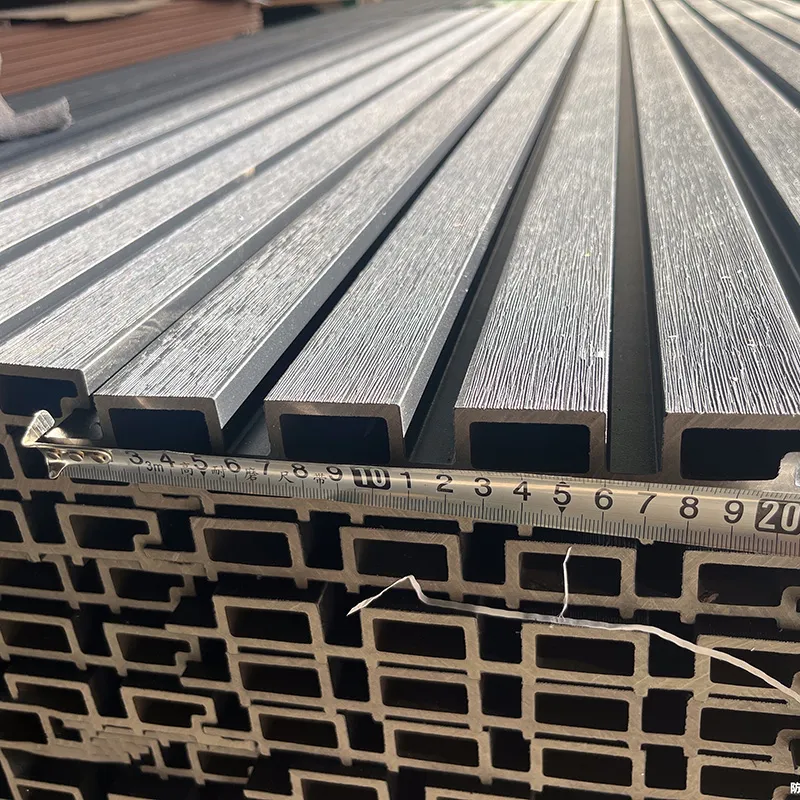
WPC panels designed for optimal thermal regulation and aesthetic integration.
Key Advantages of WPC Exterior Wall Cladding
The compelling advantages of wpc exterior wall cladding make it a preferred choice for discerning architects and builders. These benefits extend beyond mere aesthetics, impacting long-term operational costs, environmental footprint, and structural resilience.
- Exceptional Durability and Longevity: WPC is engineered to withstand harsh environmental conditions, including extreme temperatures, heavy rainfall, and intense UV radiation. Its composite nature provides superior resistance to rot, decay, termites, and fungal growth, issues commonly plaguing natural wood. This translates to a significantly longer service life and reduced need for premature replacement.
- Minimal Maintenance Requirements: Unlike natural wood that demands regular sanding, staining, painting, or sealing, WPC cladding requires only occasional cleaning with soap and water to maintain its appearance. This drastically lowers maintenance budgets and frees up resources for other critical facility operations.
- Superior Aesthetic Versatility: Available in a vast array of colors, textures, and profiles, WPC can faithfully replicate the look and feel of various natural woods (e.g., teak, oak, redwood) or provide modern, sleek finishes. This design flexibility allows for creative architectural expressions tailored to specific project visions.
- Enhanced Environmental Sustainability: By incorporating recycled wood fibers and plastics, WPC contributes to waste reduction and sustainable resource management. Many WPC products are recyclable at the end of their long life cycle, further minimizing their environmental impact. Choosing WPC can also contribute to LEED certification points for green building projects.
- Energy Saving Properties: The dense composition and potential for air gaps in ventilated cladding systems can contribute to improved thermal insulation, reducing heating and cooling loads on buildings. This leads to quantifiable energy savings over the building's lifespan.
- Corrosion Resistance: Unlike metal cladding which can be susceptible to rust and galvanic corrosion in certain environments, WPC is inert to most chemical corrosion, making it suitable for industrial zones or coastal areas with high salinity.
- Consistent Quality and Color Stability: Manufactured under controlled conditions, WPC panels exhibit excellent consistency in dimensions, color, and finish, ensuring a uniform and professional facade. UV stabilizers are integral to preventing significant color fade over time.
Application Scenarios Across Industries
The robust characteristics and aesthetic versatility of wpc wall panel exterior make it ideal for a multitude of application scenarios across various target industries. Its ability to perform reliably in diverse climatic conditions while maintaining visual appeal is a key factor in its widespread adoption.
- Commercial Buildings: High-rise offices, retail centers, and corporate campuses benefit from WPC's modern aesthetic, durability, and low maintenance. It creates an inviting and professional exterior that enhances corporate image and reduces long-term operational costs.
- Hospitality Sector (Hotels, Resorts): WPC cladding provides a sophisticated and natural appearance for hotel facades, resort villas, and outdoor amenity areas. Its resistance to moisture and UV ensures the pristine look is maintained despite heavy guest traffic and exposure to elements, a critical aspect for brand reputation.
- Residential Developments (Luxury Condos, Multi-Family Homes): For upscale residential projects, WPC offers a premium facade solution that combines the warmth of wood with superior longevity and minimal upkeep, appealing to homeowners seeking enduring quality and reduced property management efforts.
- Educational Institutions: Schools and universities utilize WPC for its robust nature and safety features, including good fire ratings and splinter-free surfaces. Its durability withstands heavy use and varying weather, providing a long-lasting, attractive campus environment.
- Industrial & Infrastructure Projects: Even in demanding environments such as certain sections of petrochemical plants (non-direct contact), metallurgy facilities (away from extreme heat/corrosives), or water supply & drainage pumping stations, WPC's corrosion resistance and structural stability provide a protective and aesthetic exterior, where traditional wood would quickly degrade. Its use ensures energy saving through better insulation and reduced need for frequent repairs.
- Public Spaces & Community Centers: Parks, community centers, and libraries can leverage WPC for its aesthetic appeal, safety, and resistance to vandalism and wear, contributing to inviting and durable public infrastructure.
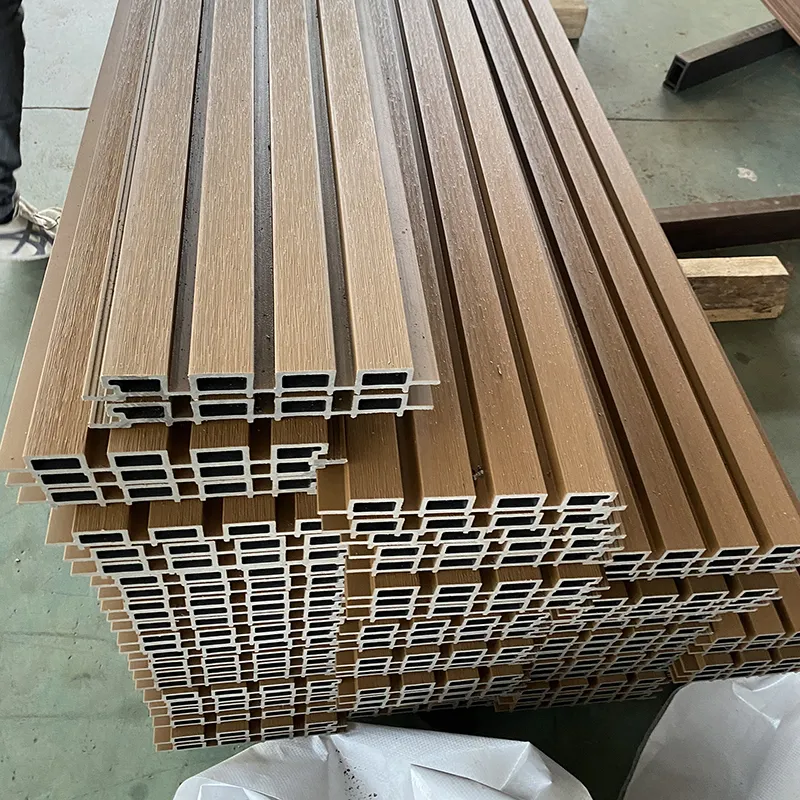
WPC cladding enhancing the modern aesthetic of a commercial facade.
Vendor Comparison and Selection Criteria
Selecting the right supplier for wpc exterior wall cladding is a critical decision that impacts project success, longevity, and cost-effectiveness. A thorough evaluation based on specific criteria is essential for B2B procurement.
Key Criteria for Vendor Evaluation:
- Certifications & Standards Compliance: Verify ISO 9001 (Quality Management), ISO 14001 (Environmental Management), CE Mark (European Conformity), and adherence to ASTM or EN standards for WPC materials.
- Experience & Reputation: Assess the vendor's years in service, track record with similar B2B projects, and customer feedback. A vendor with decades of specialized experience in WPC manufacturing often provides superior product quality and technical support.
- Product Range & Customization: Look for a diverse portfolio of profiles, colors, and finishes. The ability to provide customized solutions (e.g., specific dimensions, fire ratings, or unique textures) is a significant advantage.
- Technical Support & Installation Guidance: Comprehensive pre-sales consultation, detailed installation guides, and readily available technical support are crucial for smooth project execution.
- Warranty & After-Sales Service: A robust warranty (e.g., 15-25 years against material defects, rot, and termites) and efficient after-sales support demonstrate confidence in product quality.
- Sustainability Practices: Inquire about the source of wood fibers (FSC certified) and recycled plastic content, and the recyclability of the finished product.
WPC Cladding Vendor Comparison
| Feature/Criterion | Sothink Decor WPC Cladding | Generic WPC Alternative |
|---|---|---|
| Manufacturing Process | Co-extruded (cap layer for enhanced protection), precision extrusion | Standard extrusion, no cap layer |
| UV Resistance | Excellent (Advanced UV stabilizers, cap layer protection, ΔE | Good (Basic UV stabilizers, ΔE 3-5 after 2000 hrs) |
| Warranty Period | 20-25 Years Limited Warranty | 5-15 Years Limited Warranty |
| Material Sourcing | Sustainable wood fibers (FSC available), high-grade recycled HDPE | Varies, often mixed-grade recycled materials |
| Fire Rating Options | Available with Class A (ASTM E84) / Class B (EN 13501-1) options | Generally Class C or lower |
| Customer Support | Dedicated technical support, CAD integration assistance, sample delivery | Standard product support only |
Customized Solutions and Design Flexibility
One of the significant advantages of modern wpc exterior wall cladding systems is their inherent design flexibility and the availability of customized solutions. This allows architects and designers to realize unique visions and meet specific project requirements without compromising on performance or durability.
- Profile and Dimensions: Manufacturers can produce WPC panels in a variety of profiles (e.g., solid, hollow, tongue-and-groove, shiplap, rainscreen profiles) and custom dimensions to minimize waste and optimize installation efficiency for specific building designs.
- Color Matching: Custom color formulations can be developed to match brand guidelines, existing architectural elements, or specific design palettes, ensuring seamless integration into complex projects.
- Surface Textures and Finishes: Beyond standard smooth or wood-grain textures, specialized finishes such as deep embossing, wire-brushed, or even patterned surfaces can be achieved, offering tactile and visual uniqueness.
- Performance Enhancements: For projects in extreme environments, WPC cladding can be engineered with enhanced properties, such as higher fire resistance ratings (Class A), increased anti-slip characteristics (for horizontal elements), or superior impact resistance through modified polymer blends and co-extrusion technologies.
- Integrated Systems: Many manufacturers offer complete cladding systems, including matching trim, corners, fasteners, and sub-framing components, ensuring a cohesive and structurally sound installation.
By partnering with experienced WPC manufacturers, project stakeholders can leverage these customization options to create distinctive and high-performing building envelopes that stand the test of time and climate.
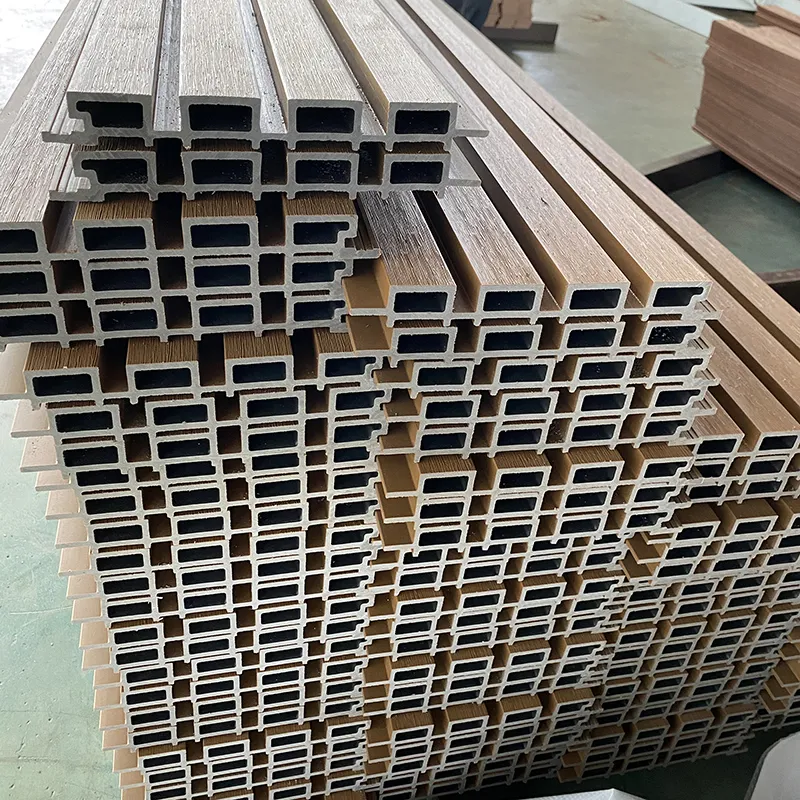
Customizable WPC panels offering diverse design possibilities for modern architecture.
Real-World Application Case Studies
The proven track record of wpc wall panel outdoor in various high-profile projects underscores its reliability and performance. Here are illustrative examples of its application:
-
Case Study 1: Luxury Coastal Resort Facade
Challenge: A prominent luxury resort located in a harsh coastal environment required an exterior cladding solution that could withstand high humidity, salt spray, intense UV exposure, and frequent wind-driven rain, while maintaining a sophisticated, natural wood appearance. Traditional wood cladding would require constant maintenance and likely succumb to degradation quickly.
Solution: Co-extruded WPC exterior wall cladding with enhanced UV stabilizers and a robust cap layer was selected. The material was custom-colored to match local timber aesthetics.
Result: The WPC cladding delivered exceptional resistance to weathering and corrosion, ensuring the facade remained pristine for over 10 years with minimal cleaning. The resort significantly reduced maintenance costs and upheld its high-end brand image. -
Case Study 2: Eco-Friendly Corporate Headquarters
Challenge: A multinational corporation aimed for LEED Platinum certification for its new headquarters, requiring sustainable, energy-efficient, and durable building materials. The facade needed to convey an image of environmental responsibility and innovation.
Solution: WPC cladding made from high percentages of recycled wood and plastic, featuring a ventilated installation system, was chosen. The specific profile and color contributed to the building's contemporary, eco-conscious design.
Result: The WPC cladding significantly contributed to the building's thermal envelope, reducing energy consumption for HVAC. Its sustainable composition helped secure multiple LEED points, achieving the desired certification while providing a striking, maintenance-free facade. -
Case Study 3: Industrial Pumping Station Refurbishment
Challenge: A municipal water supply and drainage pumping station required a durable, corrosion-resistant, and aesthetically improved exterior. The existing metal facade showed signs of rust and required frequent repainting due to the humid and sometimes chemically exposed environment.
Solution: WPC cladding known for its superior moisture and chemical resistance was installed. The panels were designed for quick installation, minimizing downtime for the critical infrastructure.
Result: The WPC facade provided a long-term, maintenance-free solution, eliminating rust issues and the need for frequent repainting. The enhanced insulation also contributed to improved energy efficiency for the internal machinery, demonstrating its advantages even in non-traditional construction sectors.
Ensuring Trust: Certifications, Warranty & Support
For B2B partners, trust is built on verifiable quality, clear commitments, and reliable support. High-quality WPC cladding suppliers prioritize these aspects.
Certifications and Authoritative References:
- ISO 9001:2015 Certification: Demonstrates a robust Quality Management System in manufacturing processes, ensuring consistent product quality.
- ISO 14001:2015 Certification: Confirms an effective Environmental Management System, underscoring sustainable production practices.
- CE Mark: Indicates conformity with health, safety, and environmental protection standards for products sold within the European Economic Area.
- ASTM Standards Compliance: Products are rigorously tested against American Society for Testing and Materials standards for mechanical properties, weathering, and dimensional stability.
- FSC Certification (Optional): For WPC utilizing virgin wood fibers, Forest Stewardship Council certification ensures responsible sourcing.
Warranty Commitments:
Reputable manufacturers typically offer extensive warranties for their wpc exterior wall cladding. A standard warranty for premium products ranges from 15 to 25 years against material defects, severe fading (beyond specified ΔE values), rot, fungal decay, and termite damage. Specific terms and conditions apply and should be reviewed thoroughly.
Lead Time and Fulfillment:
Standard lead times for WPC cladding typically range from 2-4 weeks for stock items, and 4-8 weeks for custom orders, depending on volume and customization complexity. Expedited shipping options may be available. Project-specific timelines are confirmed upon order finalization.
Customer Support and After-Sales Service:
- Dedicated Project Managers: Ensuring a single point of contact for seamless communication.
- Technical Assistance: Expert guidance on installation, maintenance, and problem-solving.
- Sample Provision: Providing samples for architects and clients to review material quality and aesthetics.
- Documentation: Comprehensive technical datasheets, installation manuals, and certification documents readily available.
Frequently Asked Questions (FAQ)
Q1: What is the primary difference between WPC and natural wood cladding?
A: WPC (Wood Plastic Composite) combines wood fibers and recycled plastics, offering superior resistance to moisture, rot, insects, and UV degradation compared to natural wood. It requires significantly less maintenance (no painting, staining, or sealing) and boasts a longer service life, making it a more durable and cost-effective long-term solution.
Q2: Is wpc exterior wall cladding environmentally friendly?
A: Yes, it is considered highly sustainable. It typically utilizes recycled wood waste and post-consumer/industrial plastics, reducing landfill burden and reliance on virgin resources. Many products are also fully recyclable at the end of their lifecycle and can contribute to green building certifications like LEED.
Q3: How does WPC cladding perform in extreme weather conditions?
A: WPC is engineered for high performance in diverse climates. Its resistance to extreme temperatures (both hot and cold), moisture, and UV radiation, combined with robust thermal expansion properties, ensures stability and durability even in challenging environments such as coastal areas or regions with significant seasonal temperature swings.
Q4: What maintenance is required for wpc wall panel outdoor?
A: Very minimal. Unlike natural wood, WPC does not require staining, painting, or sealing. Occasional cleaning with mild soap and water is sufficient to remove dirt and grime and maintain its aesthetic appeal.
Q5: Can WPC cladding be customized for specific projects?
A: Absolutely. Leading manufacturers offer extensive customization options, including bespoke profiles, a wide range of custom colors, varied surface textures (e.g., wood grain, brushed, smooth), and specialized performance enhancements like increased fire ratings.
Conclusion
The evolution of wpc exterior wall cladding represents a significant advancement in sustainable and high-performance building materials. Its robust composition, combining the natural appeal of wood with the resilience of polymers, offers an unparalleled solution for modern architectural facades. From its meticulously controlled manufacturing process, adherence to rigorous international standards, and its demonstrable advantages in durability, low maintenance, and energy efficiency, WPC cladding is a strategic choice for B2B stakeholders. Its versatility across diverse application scenarios—from commercial and hospitality to specialized industrial installations—underscores its adaptability and value. By providing customizable options, comprehensive warranties, and dedicated support, leading suppliers ensure that WPC cladding is not just a product, but a complete, reliable, and future-proof solution for discerning building professionals worldwide.
References
- Grand View Research. (2023). Wood Plastic Composite (WPC) Decking and Cladding Market Size, Share & Trends Analysis Report.
- ASTM International. (2023). Standards for Plastics and Composite Materials.
- ISO. (2023). ISO 9001:2015 - Quality management systems.
- European Committee for Standardization. (2023). EN 13501-1: Fire classification of construction products and building elements.
-
 Ultimate Guide to Durable Waterproof SPC Vinyl Flooring StyleWhen renovating a modern home or commercial space, the flooring choice often defines the entire atmosphere. waterproof spc vinyl flooring has emerged as a revolutionary solution for those who refuse to compromise between aesthetic elegance and rugged performance. Standing for Stone Plastic Composite, SPC flooring is engineered to withstand the toughest environments, from moisture-prone bathrooms to high-traffic living rooms. In this comprehensive guide, we will explore why this material is dominating the interior design market and how it can transform your space into a sanctuary of style and resilience.Read More >
Apr 16 2026
-
 Ultimate Guide to Durable Waterproof SPC Rigid Core Vinyl FlooringChoosing the right flooring for a modern home or commercial space requires a balance between aesthetics and endurance. waterproof spc rigid core vinyl has emerged as a game-changer in the interior design world, offering the timeless look of hardwood with the unmatched resilience of stone polymer composite. Whether you are dealing with high-traffic hallways, moisture-prone bathrooms, or pet-friendly living rooms, this flooring solution provides a stable, waterproof, and scratch-resistant surface. In this comprehensive guide, we will explore why this innovative material is replacing traditional laminate and luxury vinyl planks in contemporary construction.Read More >
Apr 09 2026
-
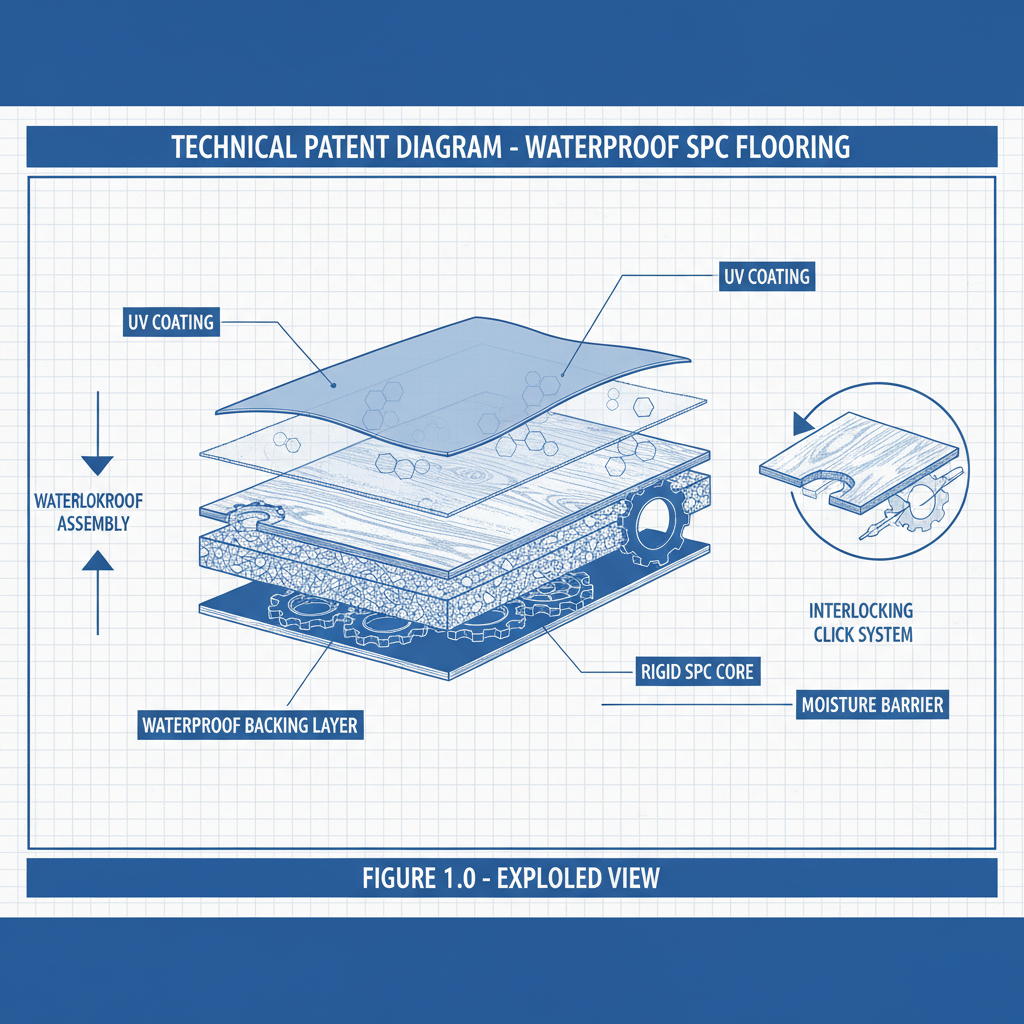 Comprehensive Guide to Waterproof SPC Flooring Durability and InstallationChoosing the right flooring for your home or business is a significant decision. Waterproof SPC flooring has emerged as a popular option due to its durability, affordability, and ease of installation. This article provides an in-depth look at waterproof SPC flooring, covering its benefits, installation process, maintenance, and comparisons with other flooring types. Understanding these aspects will help you determine if SPC flooring is the right choice for your project.Read More >
Apr 07 2026
-
 Discover the Durability and Style of Vinyl SPC Rigid Flooring SolutionsLooking for a durable, waterproof, and stylish flooring solution? Vinyl SPC rigid flooring is quickly becoming the go-to choice for homeowners and businesses alike. This article provides a comprehensive overview of this innovative flooring type, covering its benefits, installation, maintenance, and more. We’ll help you determine if SPC rigid vinyl flooring is the right fit for your project.Read More >
Apr 04 2026
-
 Comprehensive Guide to Durable Vinyl SPC Click Flooring Options and BenefitsChoosing the right flooring for your home or business is a significant decision. Vinyl SPC click flooring has emerged as a popular and durable option, offering a blend of aesthetic appeal and practical benefits. This article will explore the key features, advantages, installation process, and applications of SPC flooring, helping you determine if it's the right choice for your project. From its waterproof nature to its ease of installation, we'll cover everything you need to know.Read More >
Mar 31 2026
 +86 31185293045
  qian@ss711.com

Shijiazhuang Sothink trading Co., LTD.
Our company focuses on product development, production, sales and other all-round services, and is committed to providing customers with high-performance products and high-quality services.