



Durable WPC Fence Panels for Sale | Low-Maintenance Outdoor Solutions
Introduction to Advanced WPC Fencing Solutions
In modern architectural and landscaping projects, the demand for sustainable, durable, and aesthetically pleasing fencing solutions is continuously increasing. Wood Plastic Composite (WPC) fence panels have emerged as a superior alternative to traditional timber or metal fences, offering unparalleled benefits in terms of longevity, maintenance, and environmental impact. For discerning professionals seeking robust and visually appealing boundaries, a comprehensive understanding of wpc fence panels for sale is crucial. These innovative panels integrate the natural aesthetics of wood with the resilience of plastic, creating a product engineered for enduring performance in diverse environmental conditions. This article delves into the technical aspects, market trends, and practical applications that make WPC an indispensable material for contemporary fencing.
Industry Trends in WPC Fencing and Related Panel Systems
The market for WPC products is experiencing significant growth, driven by an increasing global emphasis on sustainable building materials and low-maintenance solutions. Key trends include:
- Eco-Consciousness: A strong shift towards recycled and recyclable materials, with WPC leading due to its composition of wood fibers and recycled plastics. This aligns with stringent environmental regulations and corporate sustainability goals.
- Enhanced Durability: Ongoing advancements in polymer science are leading to WPC formulations with superior UV resistance, improved impact strength, and enhanced color stability, ensuring longer service life even in harsh climates.
- Aesthetic Versatility: Manufacturers are offering a broader range of colors, textures, and profiles, allowing for greater design flexibility. This is evident not only in fencing but also in related products like wpc wallpanel systems, which replicate natural wood or stone finishes without the associated maintenance.
- Integrated Smart Solutions: Emerging trends include WPC panels designed for integration with smart lighting, security systems, or even solar charging capabilities, enhancing their functional value beyond mere physical barriers.
- Modular and Easy Installation: The demand for quick and efficient installation drives the development of modular WPC systems, reducing labor costs and project timelines, a significant advantage for large-scale projects and wpc wall panel wholesalers.
These trends underscore the strategic importance of investing in high-quality WPC solutions, from robust fencing to intricate interior finishes.
Manufacturing Process of WPC Fence Panels
The production of WPC fence panels is a sophisticated process involving precise material blending and advanced extrusion techniques, ensuring consistent quality and performance.
1. Raw Material Sourcing and Preparation
- Wood Fibers: Typically, finely ground wood flour or cellulose fibers from sustainably managed forests or recycled wood waste are used. Particle size and moisture content are rigorously controlled.
- Polymer Matrix: High-density polyethylene (HDPE), polypropylene (PP), or polyvinyl chloride (PVC) are common choices, often sourced from recycled plastics. The polymer provides structural integrity and water resistance.
- Additives: A range of specialized additives are incorporated to enhance specific properties: UV stabilizers for fade resistance, coupling agents to improve wood-polymer adhesion, lubricants for processing, color pigments, and anti-fungal agents.
2. Compounding and Granulation
- Mixing: Wood fibers, polymers, and additives are precisely measured and fed into high-speed mixers. Homogeneous blending is critical to ensure uniform properties in the final product.
- Extrusion (Casting/Melting): The mixed compound is then fed into a twin-screw extruder where it is heated, melted, and thoroughly homogenized under pressure. This process, akin to high-precision casting, ensures the polymer encapsulates the wood fibers.
- Granulation: The molten WPC mixture is then extruded through dies to form strands, which are subsequently cooled and cut into uniform pellets or granules. These granules serve as the feedstock for the final panel extrusion.
3. Panel Extrusion and Shaping
- Profile Extrusion: The WPC granules are re-melted and extruded through a specific die that defines the profile of the fence panel (e.g., hollow core, solid, tongue-and-groove). This stage is critical for achieving the precise dimensions and structural characteristics of the wpc fence panels for sale.
- Cooling and Calibration: Immediately after extrusion, the hot profile passes through a series of calibration plates and cooling tanks to solidify the shape and maintain dimensional stability.
4. Finishing and Quality Control
- Surface Treatment: Panels can undergo various surface treatments such as sanding, brushing, or embossing to achieve desired textures (e.g., wood grain). Co-extruded cap layers can be added for enhanced scratch and stain resistance.
- Cutting and Packaging: The continuous WPC profile is cut to specified lengths and inspected for quality before being packaged for shipment.
- Testing Standards: Throughout the process, adherence to international standards like ISO 9001 for quality management and ASTM/ANSI for material properties (e.g., flexural strength, impact resistance, water absorption) is paramount. This ensures products like the wall panel wpc meet rigorous performance benchmarks.
Service Life: High-quality WPC fence panels typically offer a service life of 15-25 years, significantly outperforming traditional wood, especially in challenging climates.
Target Applications/Industries: While not traditionally petrochemical or metallurgy, WPC finds extensive use in urban development, residential construction, commercial landscaping, and public infrastructure projects. Its corrosion resistance and low maintenance are highly valued in scenarios requiring long-term durability and minimal upkeep. For instance, in coastal regions, its resistance to salt spray is a major advantage over metal, and its imperviousness to rot makes it superior to untreated wood in high-moisture environments.
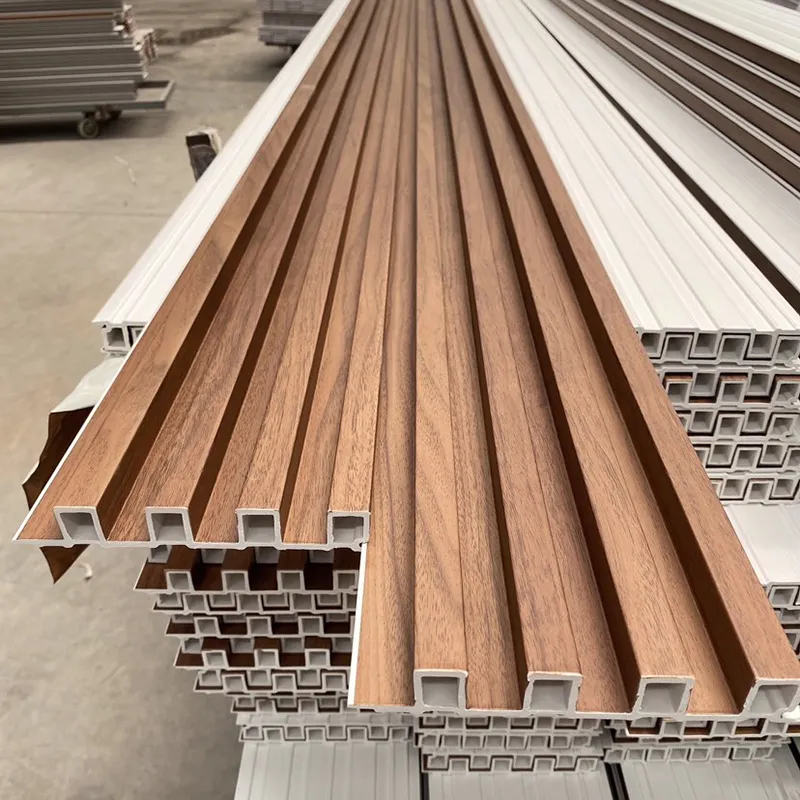
Figure 1: Illustration of WPC Panel Manufacturing Stages.
Technical Specifications and Parameters of WPC Fence Panels
Understanding the technical specifications of WPC fence panels is essential for engineers and procurement managers to select the optimal product for their project requirements.
| Parameter | Unit | Typical Value Range | Testing Standard |
|---|---|---|---|
| Material Composition | % | Wood Fiber (50-60%), HDPE/PP (30-40%), Additives (5-10%) | Internal QA/ASTM D638 |
| Density | g/cm³ | 1.0 - 1.4 | ASTM D792 |
| Flexural Strength | MPa | 20 - 40 | ASTM D790 |
| Impact Strength (Izod notched) | J/m | 80 - 150 | ASTM D256 |
| Water Absorption (24h) | % | < 1.5 | ASTM D570 |
| Thermal Expansion Coefficient | 10⁻⁶/°C | 20 - 50 | ASTM E831 |
| Fire Rating | Class | Bfl-s1 or Cfl-s1 (EN 13501-1) | EN 13501-1 |
| UV Resistance | Fade Index | < 4 (after 2000h accelerated weathering) | ASTM G154 |
These parameters are critical in determining the suitability of wpc fence panels for sale for specific environmental conditions and structural demands. High-grade panels typically exhibit low water absorption, excellent flexural strength, and superior UV stability, ensuring long-term aesthetic and structural integrity.
Application Scenarios for WPC Fence Panels and Wall Panel Systems
The versatility of WPC technology allows for a wide range of applications, extending beyond traditional fencing to various architectural elements.
- Residential Privacy Fences: Providing elegant and durable boundaries for homes, offering privacy and enhancing curb appeal without the need for constant painting or staining.
- Commercial Boundaries: Securing perimeters for office complexes, retail parks, and industrial facilities, where aesthetics and security are both paramount.
- Public Parks and Recreational Areas: Ideal for defining spaces, creating safe enclosures, and pathways due to their splinter-free nature and resistance to vandalism.
- Hospitality and Resort Settings: Utilized for dividing outdoor spaces, pool surrounds, and decorative screen elements, maintaining a pristine appearance with minimal maintenance.
- Sound Barriers: In certain configurations, WPC panels can contribute to noise reduction along busy roads or industrial zones, enhancing environmental quality.
- Vertical Gardens and Green Walls: Their moisture resistance and structural stability make them suitable as backing or framing for living wall installations.
- Related Applications - WPC Wall Panels: Leveraging similar material advantages, wpc wallpanel systems are extensively used for interior and exterior cladding. These provide excellent thermal insulation, acoustic properties, and a sophisticated finish for building facades, feature walls, and commercial interiors. This market segment also relies on robust supply chains from wpc wall panel wholesalers.
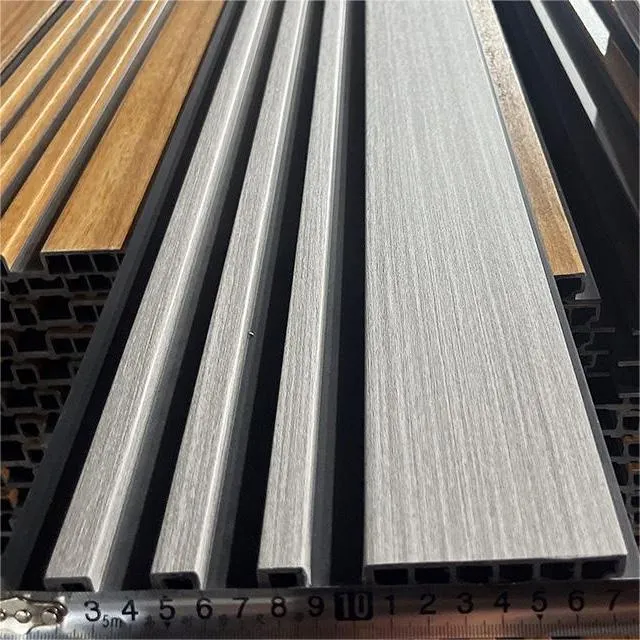
Figure 2: WPC fence panels providing aesthetic and functional boundaries in a commercial setting.
Key Technical Advantages of WPC Solutions
The technical advantages of WPC over traditional materials are significant, making it a preferred choice for long-term investments.
- Exceptional Durability and Longevity: Unlike wood, WPC does not rot, warp, crack, or splinter. Its composite nature provides superior resistance to fungal decay, insects (e.g., termites), and bacterial degradation, leading to a significantly longer lifespan.
- Superior Weather Resistance: WPC materials are engineered to withstand extreme temperatures, heavy rainfall, humidity, and UV radiation without significant degradation or fading. This makes wpc fence panels for sale suitable for diverse climatic zones.
- Low Maintenance Requirements: Eliminates the need for painting, staining, sealing, or complex repairs, saving substantial costs and labor over its service life. Regular cleaning with soap and water is typically sufficient.
- Environmental Sustainability: Composed of recycled wood fibers and plastics, WPC reduces reliance on virgin timber and diverts waste from landfills, contributing to a circular economy. Certifications like FSC (Forest Stewardship Council) for wood components or recycled content verification enhance its ecological profile.
- Corrosion Resistance: Unlike metal fences, WPC is immune to rust and corrosion, making it ideal for coastal areas or environments exposed to chemical agents.
- Aesthetic Appeal: WPC products replicate the natural look and feel of wood with consistent color and texture, offering a premium appearance without the inherent drawbacks of timber. The availability of diverse finishes allows for integration with any architectural style.
- Safety: Splinter-free and often designed with concealed fastenings, WPC panels provide a safer environment, especially in public or residential settings.
These advantages collectively contribute to a lower total cost of ownership and a higher return on investment for projects utilizing WPC materials.
Vendor Comparison and Selection Considerations
Selecting the right supplier for WPC fence panels or wpc wall panel systems is critical for project success. Key factors for vendor comparison include:
- Material Quality and Formulation: Evaluate the wood-to-plastic ratio, type of polymer (HDPE, PP, PVC), and quality of additives (e.g., UV inhibitors from reputable brands). Request material data sheets and independent test reports.
- Certifications and Compliance: Verify certifications such as ISO 9001 (Quality Management), ISO 14001 (Environmental Management), CE marking, and specific product performance standards (e.g., ASTM, EN standards for fire resistance, slip resistance).
- Customization Capabilities: Assess the vendor's ability to provide bespoke solutions in terms of panel dimensions, colors, textures, and profiles, crucial for unique project requirements.
- Technical Support and R&D: A strong vendor offers comprehensive pre-sales consultation, engineering support, and has a dedicated R&D department to ensure continuous product improvement and innovation. This is particularly important for large wpc wall panel wholesalers.
- Warranty and After-Sales Service: Understand the warranty terms (duration, coverage) and the vendor's commitment to after-sales support, including installation guidance and troubleshooting.
- Lead Time and Logistics: Evaluate the vendor's production capacity and logistical capabilities to ensure timely delivery, especially for large orders of wpc fence panels for sale.
| Feature | Vendor A | Vendor B | Vendor C |
|---|---|---|---|
| Primary Polymer | HDPE (Recycled) | PP (Virgin/Recycled) | PVC |
| UV Resistance (Fade Index, ASTM G154) | < 3 (Excellent) | < 5 (Good) | < 4 (Very Good) |
| Warranty Period (Years) | 25 | 15 | 20 |
| Customization Options | Extensive (Color, Texture, Profile) | Moderate (Color, Standard Profiles) | Limited (Standard Colors/Profiles) |
| Certifications | ISO 9001, CE, ASTM D790 | ISO 9001, ASTM D570 | ISO 9001, EN 13501-1 |
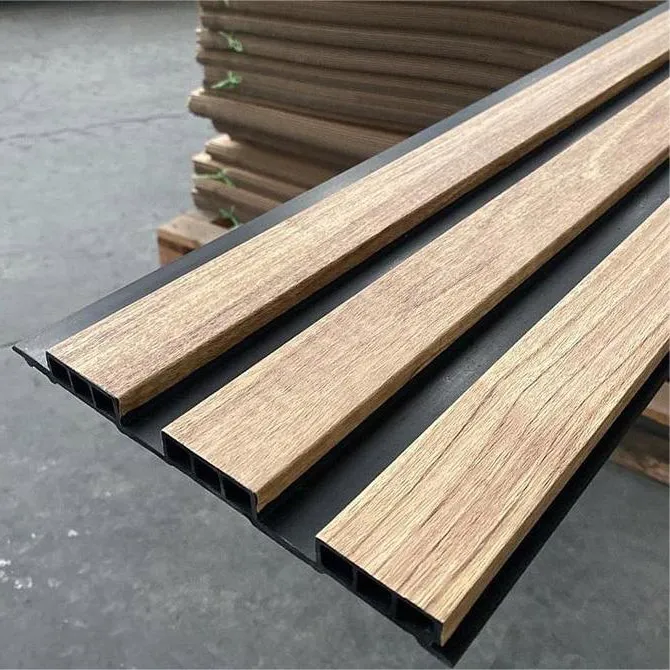
Figure 3: A diverse range of WPC fence panel profiles and colors available from leading vendors.
Customized WPC Solutions
Beyond standard offerings, many manufacturers provide customized WPC solutions to meet unique project specifications. This flexibility is a significant advantage, particularly for large-scale architectural projects or specialized landscape designs.
- Design Flexibility: Tailored dimensions, specific panel shapes, and post designs to integrate seamlessly with existing structures or unique site contours.
- Color Matching: Custom color formulations to match corporate branding, architectural palettes, or specific natural tones.
- Surface Finishes: Development of unique embossed patterns, brushed textures, or smooth finishes to achieve desired aesthetic effects. For instance, creating a specific wood grain for wpc wall panel applications.
- Material Enhancements: Engineering WPC with specific performance attributes such as higher fire resistance, enhanced slip resistance, or increased load-bearing capacity for specialized applications.
- Integrated System Components: Design and production of matching WPC gates, railing systems, or decorative elements to ensure a cohesive look.
Working with a manufacturer offering robust R&D and engineering capabilities ensures that custom requirements for wpc fence panels for sale are met with precision and technical excellence.
Real-World Application Case Studies
The proven performance of WPC in diverse projects highlights its reliability and strategic value.
Case Study 1: Coastal Resort Perimeter Fencing
A luxury coastal resort faced challenges with traditional timber fences that quickly succumbed to salt spray, humidity, and insect infestation, requiring constant replacement. The resort opted for customized wpc fence panels for sale with enhanced UV and moisture resistance. The new fences, installed three years ago, have maintained their aesthetic integrity and structural soundness without any signs of degradation. Customer feedback highlights the seamless integration with the natural environment and the significant reduction in maintenance costs. This demonstrates the critical advantage of WPC's corrosion resistance in severe environments.
Case Study 2: Urban Residential Development
A large urban residential complex required durable and aesthetically consistent boundary solutions. Over 2,000 meters of WPC fence panels were installed, featuring a dark grey finish to complement the modern architecture. The chosen WPC panels offered superior sound dampening properties and required no painting, which was a key factor for the developer aiming for low long-term operational costs. Post-installation surveys revealed high resident satisfaction with privacy and the refined appearance of the fencing. The installation also utilized expertise from leading wpc wall panel wholesalers who often carry complementary fencing lines.
Case Study 3: Interior Commercial Feature Wall
While not a fence, this case highlights the versatility of WPC. A corporate headquarters utilized wpc wallpanel systems for a prominent interior feature wall in their main lobby. The panels were custom-designed with an intricate geometric pattern and a natural wood texture. The choice of WPC was driven by its ability to provide a high-end aesthetic, excellent acoustic properties for the large space, and compliance with strict interior air quality standards (low VOCs). The project was completed on schedule, leveraging modular panel designs for rapid installation.
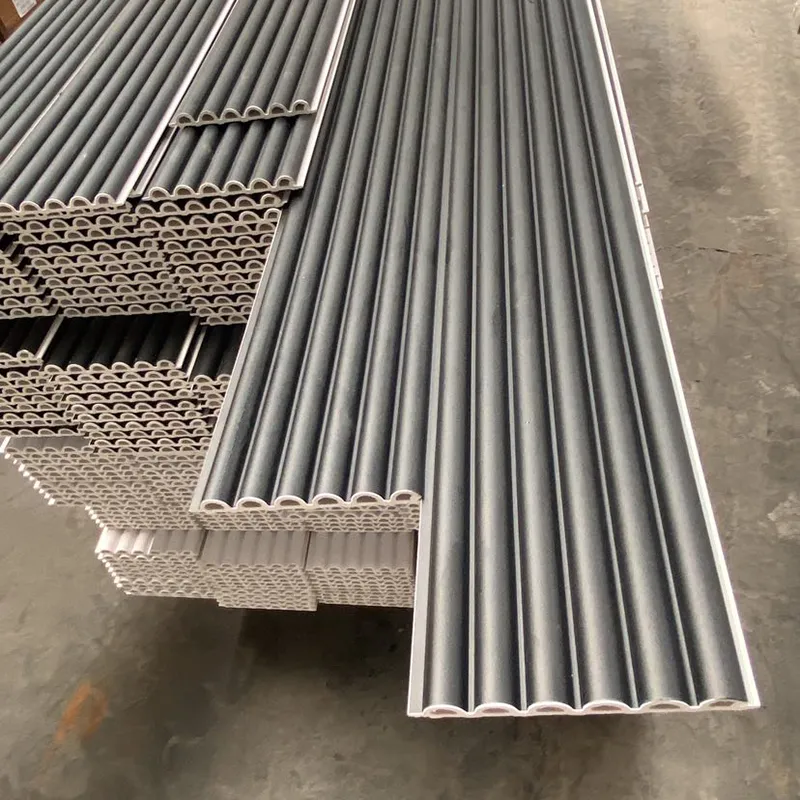
Figure 4: WPC panels integrated into an urban landscaping project, showcasing durability and modern design.
Frequently Asked Questions (FAQ)
- Q: Are WPC fence panels truly maintenance-free?
- A: WPC panels are extremely low maintenance. They do not require painting, staining, or sealing. Occasional cleaning with soap and water is generally sufficient to remove dirt or mildew.
- Q: What is the expected lifespan of WPC fence panels?
- A: High-quality wpc fence panels for sale typically have a lifespan of 15 to 25 years, often backed by extensive manufacturer warranties. This far exceeds the longevity of most traditional wood fences.
- Q: Can WPC panels withstand extreme weather conditions?
- A: Yes, WPC is designed to be highly resistant to harsh weather, including heavy rain, snow, high humidity, and significant temperature fluctuations, as well as UV radiation. Advanced formulations include stabilizers for enhanced performance.
- Q: Are WPC products environmentally friendly?
- A: Absolutely. WPC is manufactured from a blend of recycled wood fibers and recycled plastics, significantly reducing waste and the demand for virgin timber. Many manufacturers also implement sustainable production practices.
- Q: How do WPC wall panels compare to traditional materials in terms of cost?
- A: While the initial investment for wpc wall panel systems may be higher than some traditional materials, the significant savings in maintenance, repair, and replacement costs over its long lifespan result in a lower total cost of ownership.
Lead Time, Warranty, and Customer Support
Lead Time & Fulfillment
Typical lead times for standard wpc fence panels for sale range from 2-4 weeks, depending on order volume and current production schedules. For customized solutions or large-scale projects, lead times may extend to 6-8 weeks, necessitating early consultation and planning. Our efficient supply chain and robust manufacturing capacity ensure timely fulfillment, with dedicated logistics support for national and international shipments. Expedited options may be available upon request.
Warranty Commitments
All our WPC products are backed by a comprehensive 15-year limited warranty against material defects, rotting, splitting, splintering, and structural damage from insects or fungal decay. This warranty underscores our confidence in the superior quality and longevity of our WPC solutions, ensuring peace of mind for our clients. Specific warranty details, including terms and conditions, are provided with each order.
Customer Support
Our commitment extends beyond product delivery. We offer dedicated customer support, including:
- Expert Consultation: Pre-sales technical advice and project planning assistance.
- Installation Guidance: Detailed instructions and best practice recommendations for optimal installation.
- After-Sales Service: Prompt response to inquiries, troubleshooting assistance, and support for warranty claims.
- Technical Documentation: Access to product data sheets, certification reports, and maintenance guides.
Figure 5: Professional WPC fence panel installation, emphasizing precision and structural integrity.
Conclusion
The evolution of WPC technology presents a compelling solution for modern construction and landscaping needs. From the detailed manufacturing process that ensures consistent quality and performance to its broad application versatility, wpc fence panels for sale stand out as a superior choice. Their technical advantages in durability, weather resistance, and low maintenance, coupled with their environmental benefits, make them an intelligent investment for B2B decision-makers and engineers. By understanding industry trends, technical specifications, and partnering with reputable vendors, professionals can leverage WPC solutions to achieve long-lasting, aesthetically pleasing, and cost-effective outcomes for their projects. The expanding market for wpc wall panel systems further underscores the versatility and growing adoption of this advanced composite material.
References
- Wood Plastic Composites: Processing, Properties and Applications, by K. Jayaraman and K.L. Choo, Journal of Thermoplastic Composite Materials, Vol. 20, No. 3, 2007, pp. 195-208.
- Life Cycle Assessment of Wood Plastic Composites: A Review, by S. Bajwa and N. M. Hanif, Journal of Cleaner Production, Vol. 165, 2017, pp. 294-306.
- Standard Practice for Accelerated Weathering of Plastics in the Presence of UVA or UVB Light, ASTM G154, ASTM International.
- International Organization for Standardization (ISO) 9001: Quality Management Systems – Requirements.
- European Standard EN 13501-1: Fire classification of construction products and building elements – Part 1: Classification using data from reaction to fire tests.
-
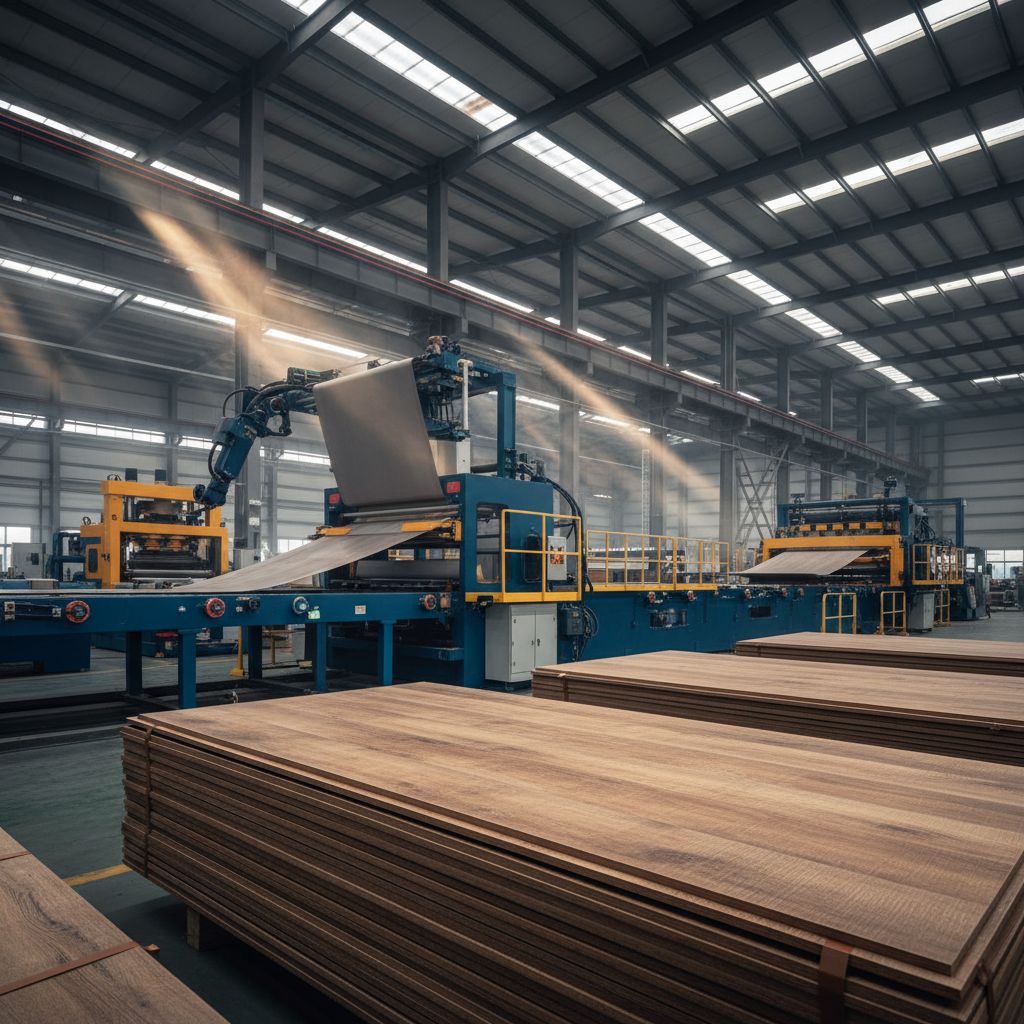 Ultimate Guide to Durable Waterproof SPC Vinyl Flooring StyleWhen renovating a modern home or commercial space, the flooring choice often defines the entire atmosphere. waterproof spc vinyl flooring has emerged as a revolutionary solution for those who refuse to compromise between aesthetic elegance and rugged performance. Standing for Stone Plastic Composite, SPC flooring is engineered to withstand the toughest environments, from moisture-prone bathrooms to high-traffic living rooms. In this comprehensive guide, we will explore why this material is dominating the interior design market and how it can transform your space into a sanctuary of style and resilience.Read More >
Apr 16 2026
-
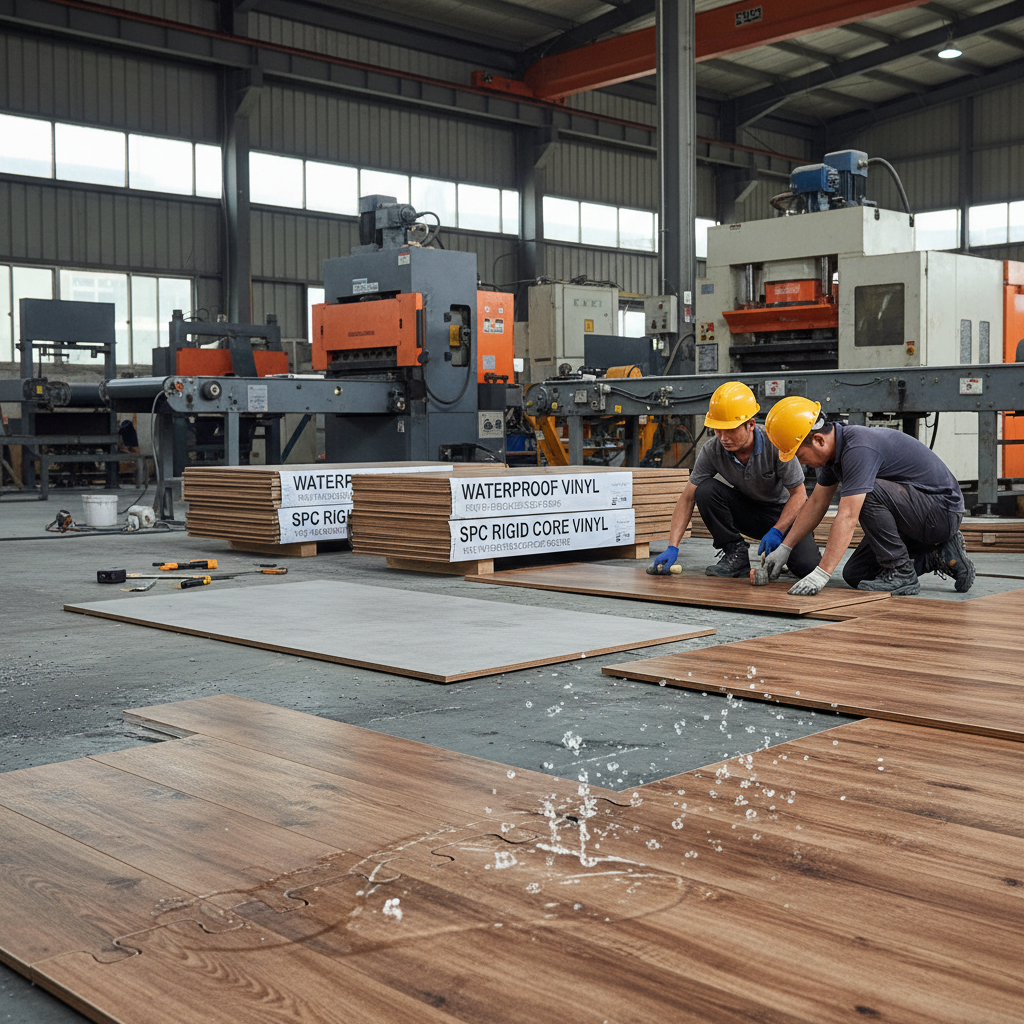 Ultimate Guide to Durable Waterproof SPC Rigid Core Vinyl FlooringChoosing the right flooring for a modern home or commercial space requires a balance between aesthetics and endurance. waterproof spc rigid core vinyl has emerged as a game-changer in the interior design world, offering the timeless look of hardwood with the unmatched resilience of stone polymer composite. Whether you are dealing with high-traffic hallways, moisture-prone bathrooms, or pet-friendly living rooms, this flooring solution provides a stable, waterproof, and scratch-resistant surface. In this comprehensive guide, we will explore why this innovative material is replacing traditional laminate and luxury vinyl planks in contemporary construction.Read More >
Apr 09 2026
-
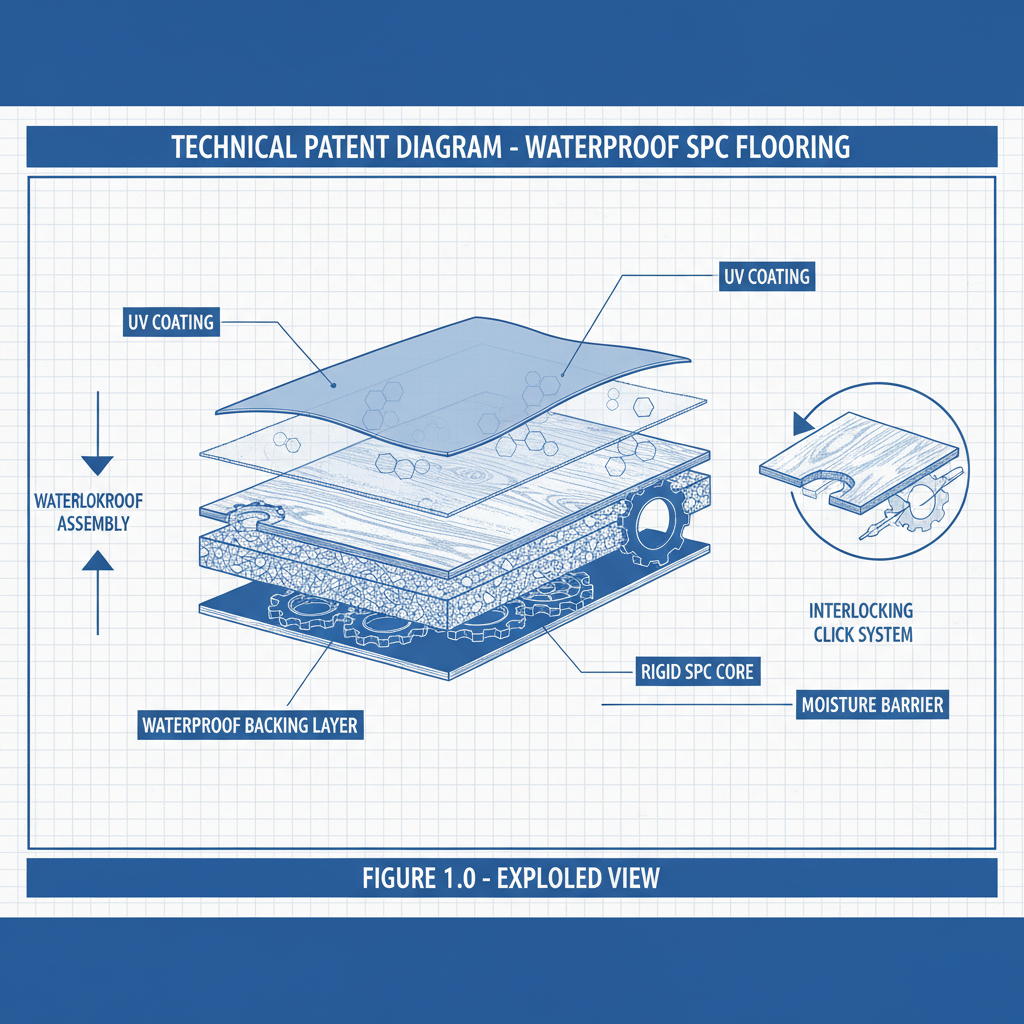 Comprehensive Guide to Waterproof SPC Flooring Durability and InstallationChoosing the right flooring for your home or business is a significant decision. Waterproof SPC flooring has emerged as a popular option due to its durability, affordability, and ease of installation. This article provides an in-depth look at waterproof SPC flooring, covering its benefits, installation process, maintenance, and comparisons with other flooring types. Understanding these aspects will help you determine if SPC flooring is the right choice for your project.Read More >
Apr 07 2026
-
 Discover the Durability and Style of Vinyl SPC Rigid Flooring SolutionsLooking for a durable, waterproof, and stylish flooring solution? Vinyl SPC rigid flooring is quickly becoming the go-to choice for homeowners and businesses alike. This article provides a comprehensive overview of this innovative flooring type, covering its benefits, installation, maintenance, and more. We’ll help you determine if SPC rigid vinyl flooring is the right fit for your project.Read More >
Apr 04 2026
-
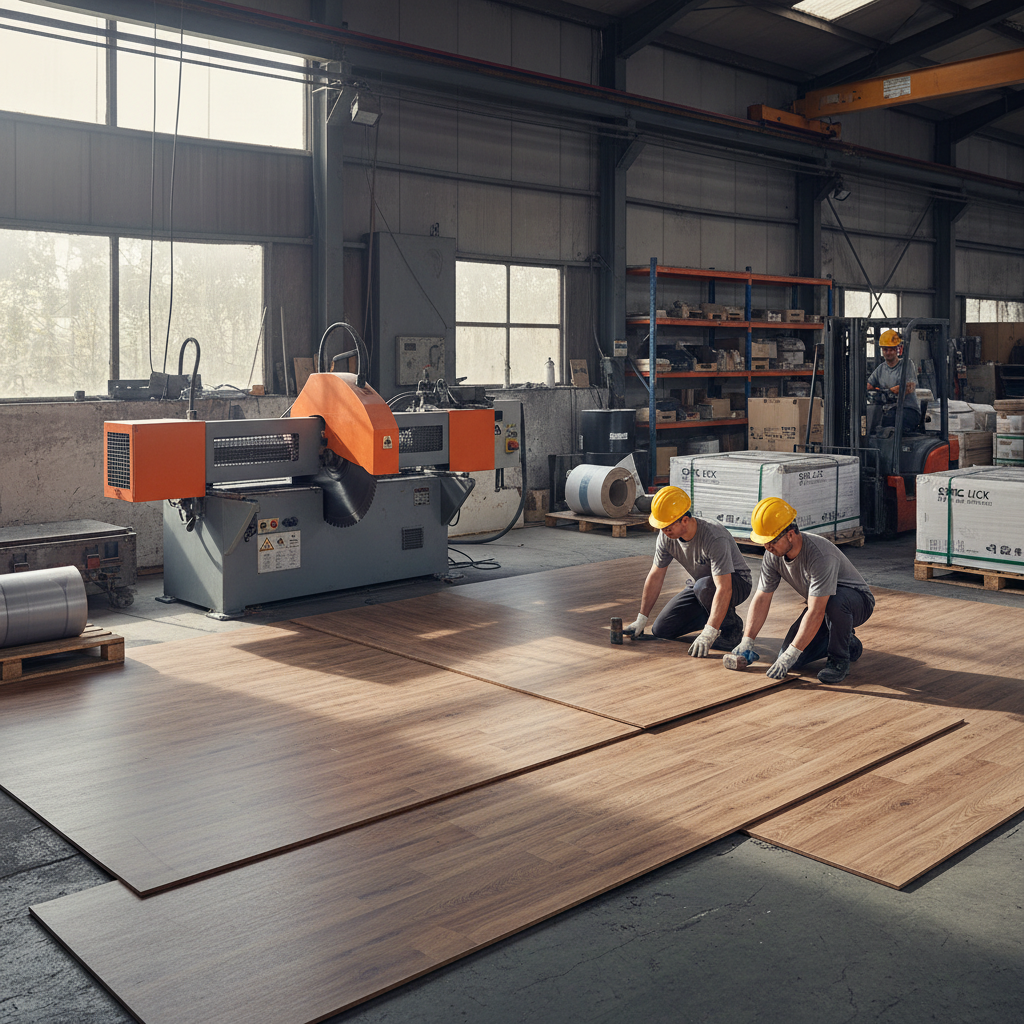 Comprehensive Guide to Durable Vinyl SPC Click Flooring Options and BenefitsChoosing the right flooring for your home or business is a significant decision. Vinyl SPC click flooring has emerged as a popular and durable option, offering a blend of aesthetic appeal and practical benefits. This article will explore the key features, advantages, installation process, and applications of SPC flooring, helping you determine if it's the right choice for your project. From its waterproof nature to its ease of installation, we'll cover everything you need to know.Read More >
Mar 31 2026
 +86 31185293045
  qian@ss711.com

Shijiazhuang Sothink trading Co., LTD.
Our company focuses on product development, production, sales and other all-round services, and is committed to providing customers with high-performance products and high-quality services.