


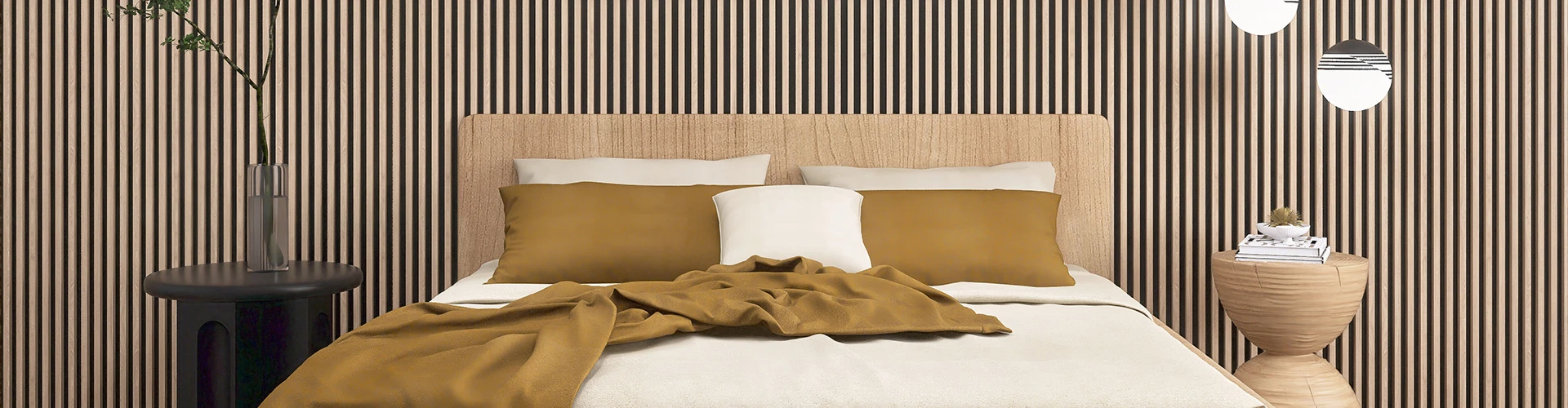
Exploring Wall Coverings Other Than Drywall: Materials, Benefits & Global Uses | SoThinkDecor
Understanding Wall Coverings Other Than Drywall: A Practical Guide
When it comes to interior walls, drywall often steals the spotlight. But there’s a whole world of wall coverings other than drywall worth exploring—a spectrum of materials and methods that can redefine spaces globally. Why care? Well, these alternatives address problems drywall can’t, from rapid deployment in crisis zones to sustainable building practices. They matter not just in homes or offices but in industries, humanitarian efforts, and innovative architecture. Let’s unpack why.
Introduction: The Global Context of Wall Coverings Beyond Drywall
The United Nations estimates that over 100 million people suffer housing deficits due to natural disasters, urbanization, or conflict. In construction and design, speed, adaptability, and sustainability have become critical. Drywall, while common, often falls short in these contexts—too fragile, not water-resistant, and sometimes off the sustainability grid. That’s where alternatives—think fiber-cement panels, wood planks, metal sheets, or even textile-based coverings—come in. Interestingly, ISO standards are evolving to encourage more eco-friendly options,1 which puts these alternatives in the spotlight.
The challenge? Balancing cost, durability, ease of installation, and environmental impact without sacrificing design or safety. Hence, experts increasingly look toward diverse wall coverings as solutions.
What Are Wall Coverings Other Than Drywall?
Simply put, these are materials applied on walls to finish or protect them, excluding drywall (gypsum board). They cover a wide range—from natural to synthetic, rigid to flexible, traditional to cutting edge. Some popular types include:
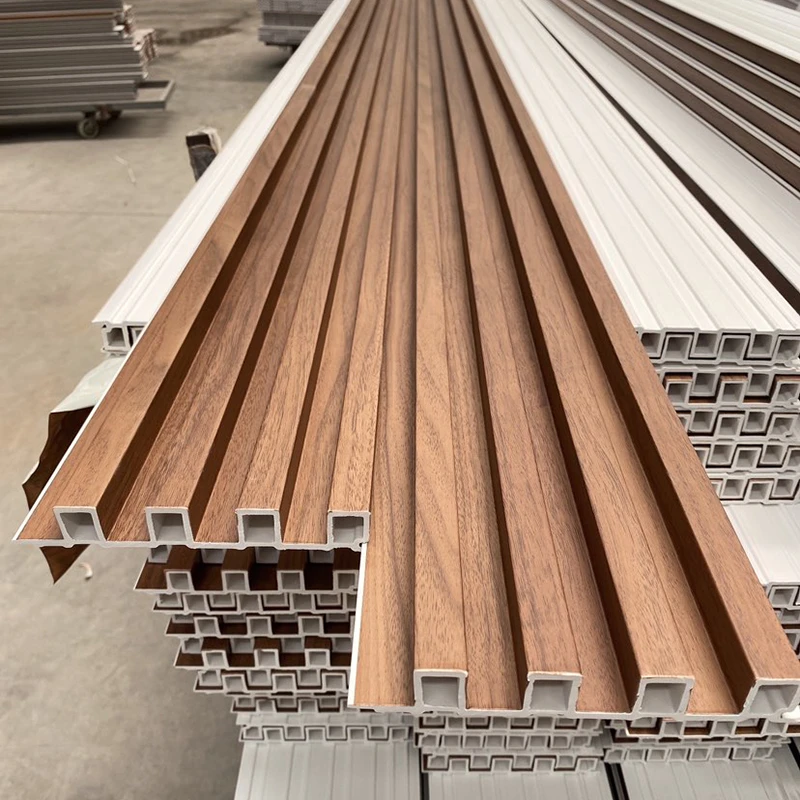
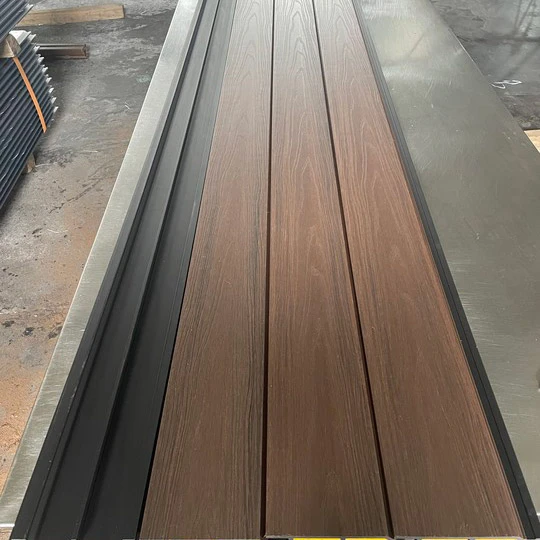
- Wood paneling: Classic, warm, and sometimes sustainable if sourced ethically.
- Fiber-cement boards: Durable and fire-resistant, suitable for harsh environments.
- Metal sheets: Industrial aesthetic with high durability.
- Textile coverings: Advanced fabrics offering insulation and acoustic benefits.
- Plastic laminates: Cost-efficient and versatile.
In modern industries—especially construction, hospitality, and healthcare—these alternatives serve both aesthetic and functional needs. Humanitarian projects often choose them for rapid assembly, durability, and sometimes reuse or recycling potential.
Key Factors That Define These Wall Coverings
Durability
Unlike drywall, many alternative coverings withstand moisture, impact, and fire better. For example, fiber-cement boards resist rot and pests, essential in tropical climates or industrial buildings.
Scalability
Materials like modular metal panels or large-format laminates allow for flexible design and easier installation, enabling projects to scale up or down quickly—think pop-up medical centers or modular offices.
Cost Efficiency
While initial costs vary, many alternatives reduce long-term expenses through lower maintenance or energy savings. Wood paneling, for instance, doubles as insulation in colder zones.
Sustainability
Environmental impact increasingly drives choice. Some fiber-based coverings use recycled fibers; bamboo panels grow fast and sequester CO2.
Aesthetic Versatility
These coverings come in myriad colors, textures, and finishes, making them a playground for designers wanting unique looks beyond flat drywall.
Installation and Maintenance
The ease of installation varies but often improves with newer panels designed for snap-fit or click systems. Maintenance tends to be lower, with some materials being washable or stain-resistant.
Product Specification Table: Sample Wall Coverings Other Than Drywall
| Material | Thickness | Durability Rating | Sustainability | Typical Use |
|---|---|---|---|---|
| Fiber-cement Board | 6 - 12 mm | High | Recyclable, Low VOC | Industrial, Exterior |
| Wood Paneling | 10 - 25 mm | Medium | Renewable, Biodegradable | Residential, Hospitality |
| Metal Sheets (Aluminum) | 1 - 3 mm | Very High | Highly Recyclable | Commercial, Industrial |
| Textile Wallcoverings | 2 - 5 mm | Medium | Varies (Eco-textiles available) | Acoustic, Interior Design |
Global Applications of Wall Coverings Other Than Drywall
Around the world, these materials play crucial roles in diverse sectors. In Southeast Asia, for example, fiber-cement boards are part of government-led affordable housing projects to ensure resilience against floods and typhoons.2 In North American hospitals, antimicrobial textile coverings help reduce infection rates. NGOs working in post-disaster zones prefer modular metal or composite panels for their rapid assembly and durability. As for the creative sector, architects are pushing the envelope using wooden or bamboo panels to create sustainable yet striking facades.
Oddly enough, even aerospace and automotive industries borrow from these innovations—installing lightweight, composite panels derived from similar principles for interiors. So the reach stretches further than one might initially imagine.
Vendor Comparison: Popular Wall Covering Providers
| Vendor | Product Range | Sustainability Certificates | Lead Time (weeks) | Typical Markets |
|---|---|---|---|---|
| GreenBuild Panels | Fiber-cement, Wood | LEED, FSC | 3-4 | Residential, Govt. |
| MetalWall Solutions | Aluminum, Steel Sheets | ISO 9001, REACH | 1-2 | Industrial, Healthcare |
| Textura Fabrics | Textile Wallcoverings | OEKO-TEX, GOTS | 4-6 | Commercial, Hospitality |
| EcoWood Panels | Bamboo, Recycled Wood | FSC, Carbon Neutral | 5-7 | Eco-buildings, Retail |
Advantages and Long-Term Benefits
One big reason many professionals lean toward wall coverings other than drywall is the balance of cost, sustainability, and versatility they offer. For instance, durable materials lower refurbishment cycles, saving money and resources over time. There’s also an emotional element—these finishes can instill a sense of safety and dignity in sensitive environments like refugee housing or health clinics.
In real terms, using sustainable wood panels or recycled composites aligns with corporate responsibility goals. And trust me, clients are starting to expect this level of conscientiousness.
Future Trends & Innovations
Technology is escalating the capabilities of these coverings. Recently, nanocoatings that improve fire retardancy or enable self-cleaning surfaces have hit the market. Meanwhile, the push for net-zero energy buildings spurs integration of wall coverings with embedded solar films or insulation layers. Digital fabrication and automation also open doors to more custom, complex panel designs that are quicker to produce and install.
Sustainability policies worldwide (think European Green Deal, or the UN Sustainable Development Goals) increasingly favor such innovative, eco-conscious materials and methods.3
Challenges and Solutions
No solution is perfect. Some alternatives come with higher upfront costs or require special skills for installation. Moisture resistance, while improved in some, can still pose problems in ultra-humid zones. Also, supply chain issues occasionally lead to delays or price spikes.
Yet, industry experts tackle these challenges through ongoing research—like developing hybrid panels combining the best properties, or improving recyclability. Training programs for builders also help bridge the skill gap. So, while challenges exist, solutions are definitely progressing.
FAQ: Your Questions About Wall Coverings Other Than Drywall
- Q: What makes fiber-cement boards better than drywall for humid environments?
A: Fiber-cement boards resist moisture, mold, and pests better than drywall, which can absorb water and deteriorate. This makes them ideal for bathrooms, kitchens, or tropical climates. - Q: Are wood panelings eco-friendly compared to drywall?
A: Yes, if sourced responsibly (e.g., FSC-certified), wood paneling is renewable and biodegradable, whereas drywall manufacturing involves mining and generates more waste. - Q: How fast can modular metal panels be installed compared to drywall?
A: Modular metal panels often utilize clip or snap systems, allowing for faster installation, sometimes cutting time by up to 50% versus drywall taping, mudding, and sanding. - Q: Can textile wall coverings improve indoor acoustics?
A: Absolutely, many textile coverings absorb sound and improve room acoustics, which drywall alone does not typically address. - Q: Where can I find more on wall coverings other than drywall for commercial projects?
A: Visit our website for curated solutions tailored to different industries, with case studies and material guides to assist your next project.
Conclusion: Why Look Beyond Drywall?
To wrap things up, while drywall has been a trusted staple, the evolving demands of construction and design call for diverse, sustainable, and adaptable wall coverings other than drywall. Whether for resilience in disaster zones, sustainability credentials, design innovation, or operational speed, these alternatives offer immense long-term value. If you’re planning your next build or renovation, it’s wise to consider these options carefully.
Curious to explore further? Visit https://www.sothinkdecor.com for an in-depth look at materials and solutions tailored to your needs.
It seems like the future of interiors is getting more layered and exciting—literally and metaphorically.
References
- International Organization for Standardization (ISO). Standards and Guidance
- United Nations Human Settlements Programme (UN-Habitat). Sustainable Housing Initiatives
- European Commission. European Green Deal
-
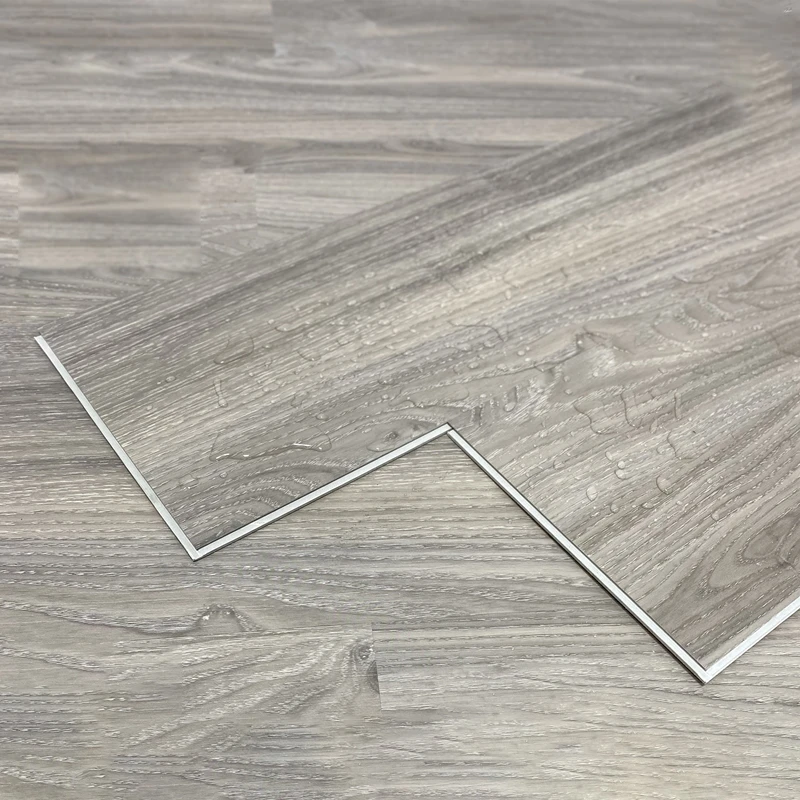
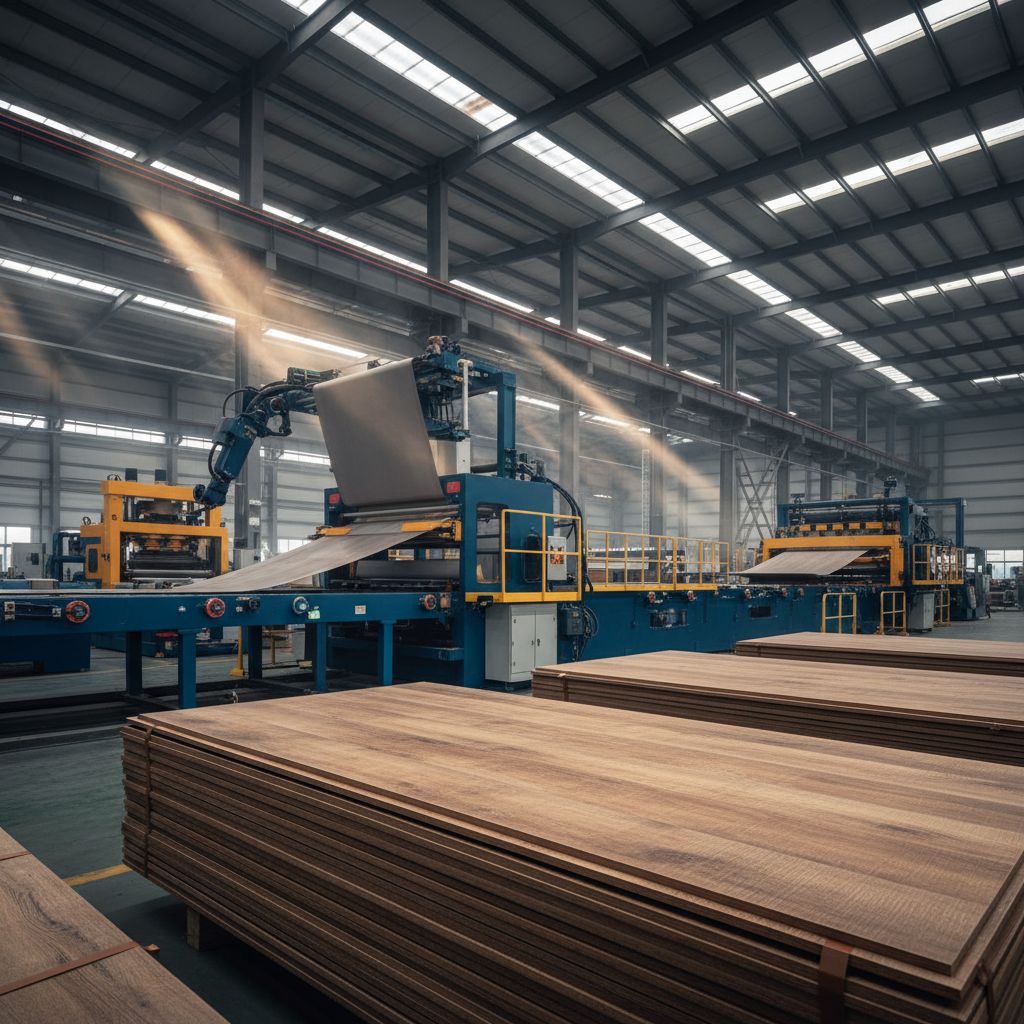 Ultimate Guide to Durable Waterproof SPC Vinyl Flooring StyleWhen renovating a modern home or commercial space, the flooring choice often defines the entire atmosphere. waterproof spc vinyl flooring has emerged as a revolutionary solution for those who refuse to compromise between aesthetic elegance and rugged performance. Standing for Stone Plastic Composite, SPC flooring is engineered to withstand the toughest environments, from moisture-prone bathrooms to high-traffic living rooms. In this comprehensive guide, we will explore why this material is dominating the interior design market and how it can transform your space into a sanctuary of style and resilience.Read More >
Apr 16 2026
-
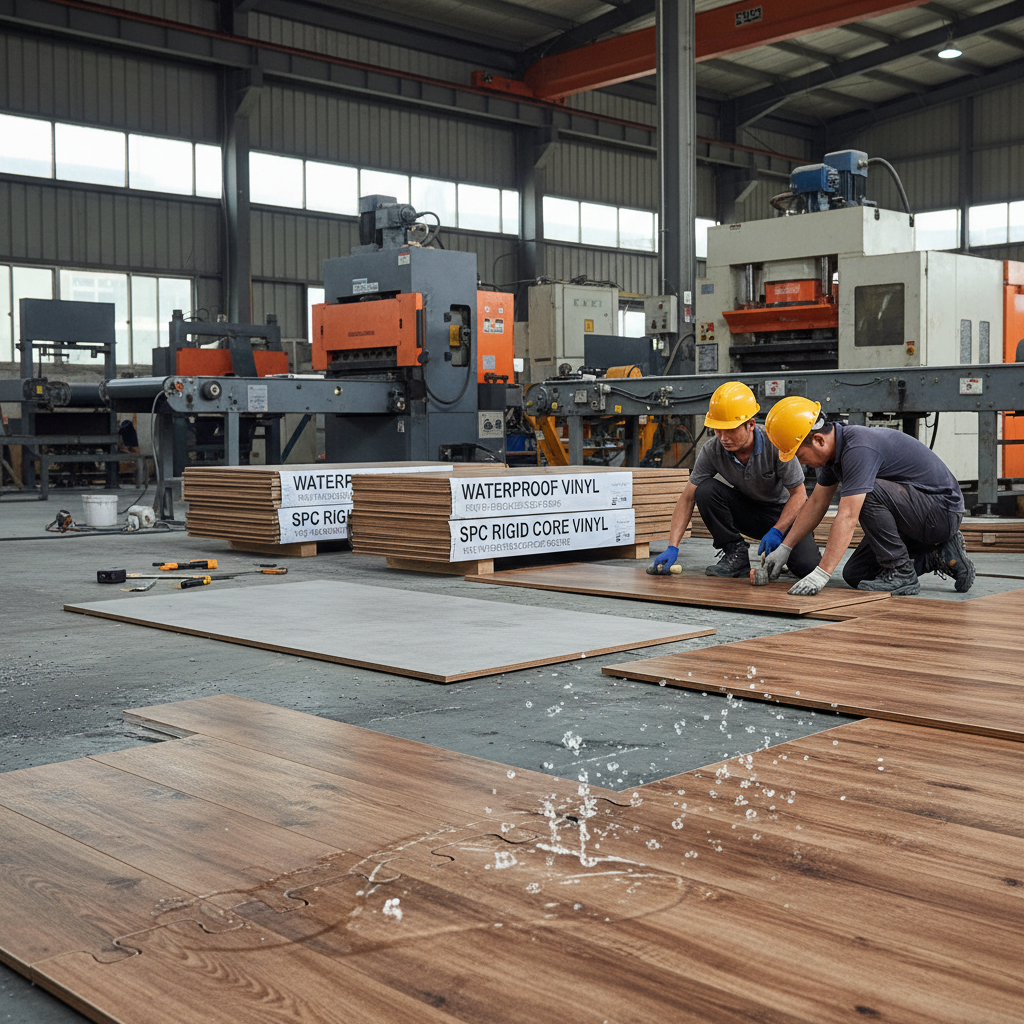 Ultimate Guide to Durable Waterproof SPC Rigid Core Vinyl FlooringChoosing the right flooring for a modern home or commercial space requires a balance between aesthetics and endurance. waterproof spc rigid core vinyl has emerged as a game-changer in the interior design world, offering the timeless look of hardwood with the unmatched resilience of stone polymer composite. Whether you are dealing with high-traffic hallways, moisture-prone bathrooms, or pet-friendly living rooms, this flooring solution provides a stable, waterproof, and scratch-resistant surface. In this comprehensive guide, we will explore why this innovative material is replacing traditional laminate and luxury vinyl planks in contemporary construction.Read More >
Apr 09 2026
-
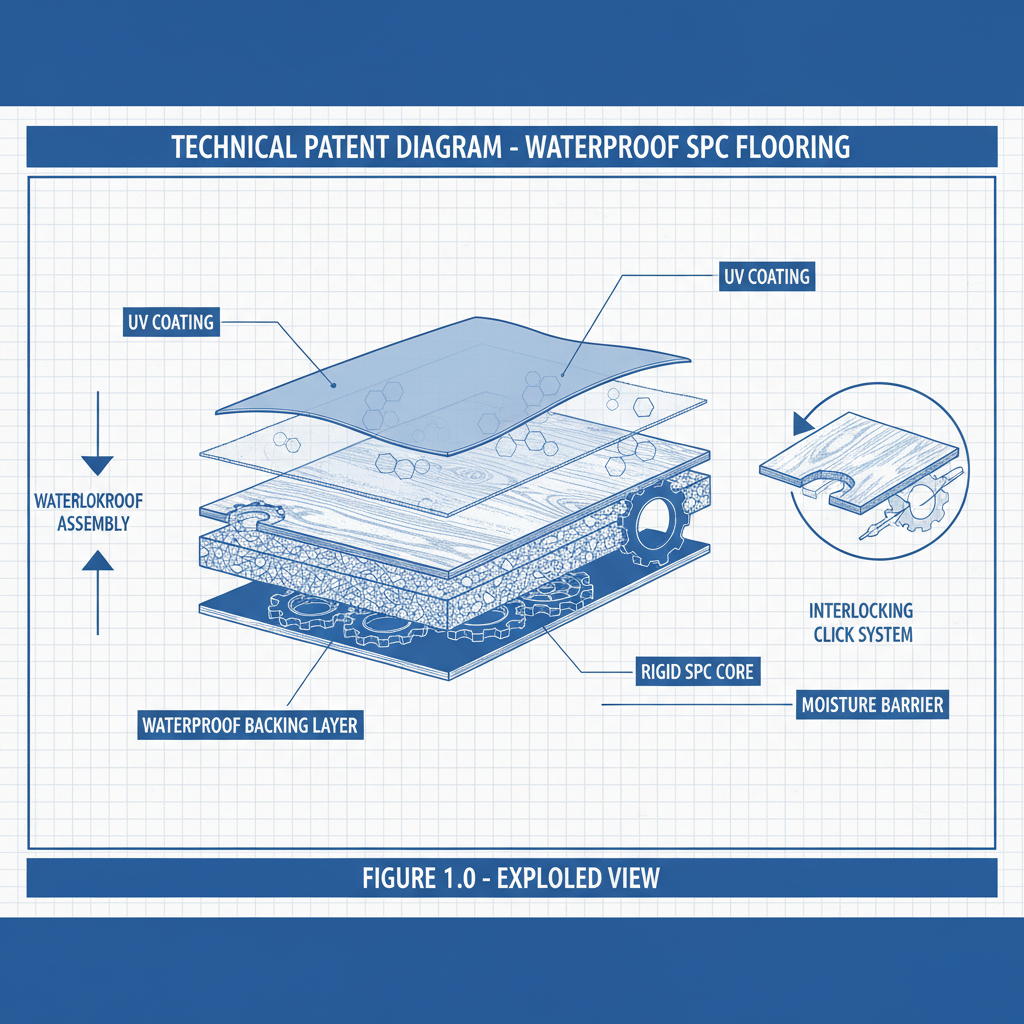 Comprehensive Guide to Waterproof SPC Flooring Durability and InstallationChoosing the right flooring for your home or business is a significant decision. Waterproof SPC flooring has emerged as a popular option due to its durability, affordability, and ease of installation. This article provides an in-depth look at waterproof SPC flooring, covering its benefits, installation process, maintenance, and comparisons with other flooring types. Understanding these aspects will help you determine if SPC flooring is the right choice for your project.Read More >
Apr 07 2026
-
 Discover the Durability and Style of Vinyl SPC Rigid Flooring SolutionsLooking for a durable, waterproof, and stylish flooring solution? Vinyl SPC rigid flooring is quickly becoming the go-to choice for homeowners and businesses alike. This article provides a comprehensive overview of this innovative flooring type, covering its benefits, installation, maintenance, and more. We’ll help you determine if SPC rigid vinyl flooring is the right fit for your project.Read More >
Apr 04 2026
-
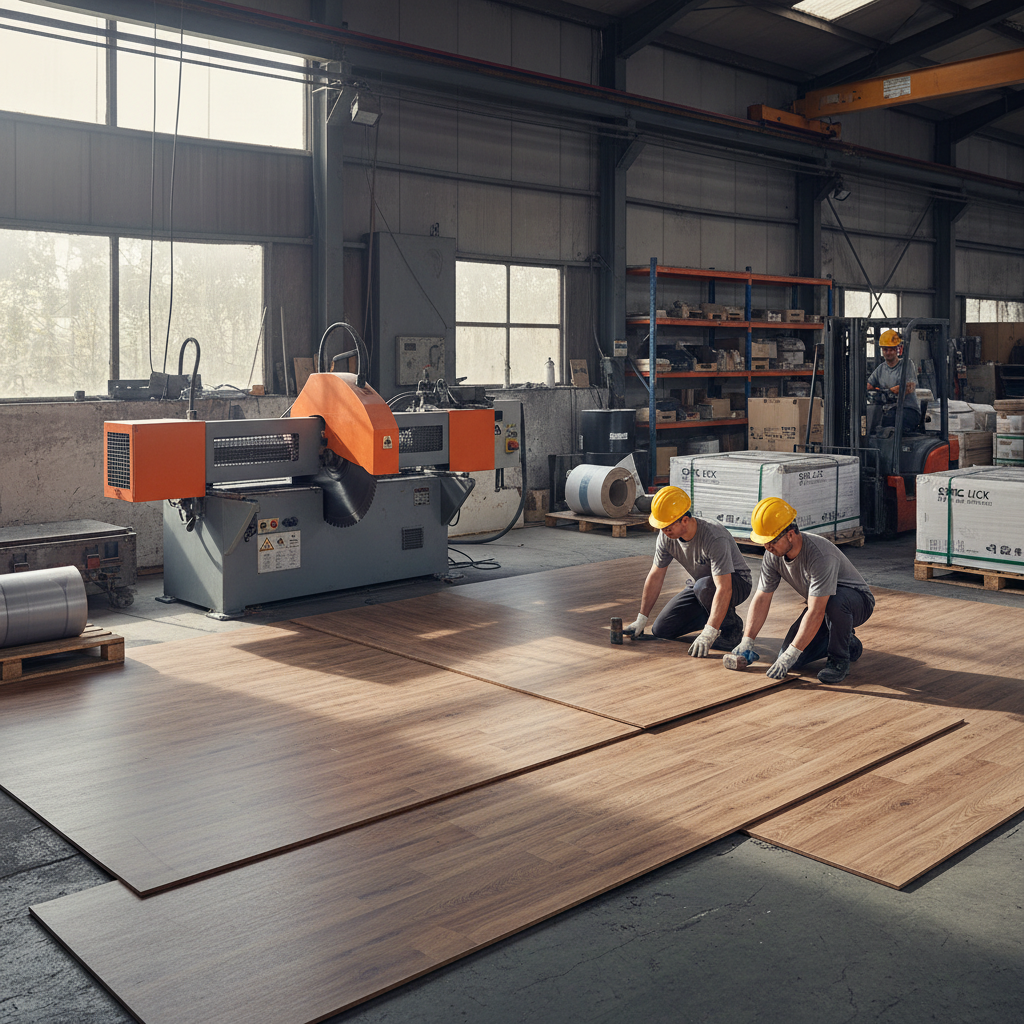 Comprehensive Guide to Durable Vinyl SPC Click Flooring Options and BenefitsChoosing the right flooring for your home or business is a significant decision. Vinyl SPC click flooring has emerged as a popular and durable option, offering a blend of aesthetic appeal and practical benefits. This article will explore the key features, advantages, installation process, and applications of SPC flooring, helping you determine if it's the right choice for your project. From its waterproof nature to its ease of installation, we'll cover everything you need to know.Read More >
Mar 31 2026
 +86 31185293045
  qian@ss711.com

Shijiazhuang Sothink trading Co., LTD.
Our company focuses on product development, production, sales and other all-round services, and is committed to providing customers with high-performance products and high-quality services.