


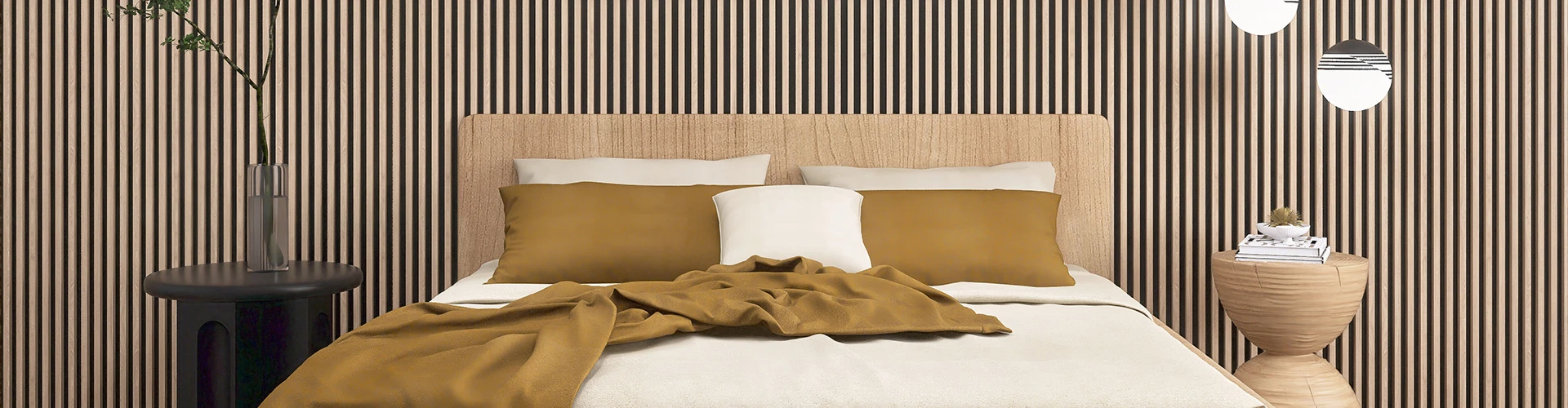
Marble Effect Plastic Panels: Durable, Sustainable, and Stylish Surface Solutions
Understanding Marble Effect Plastic Panels: Durable Elegance in Modern Surfaces
Marble effect plastic panels have carved out a fascinating niche in both industrial and decorative sectors worldwide. For anyone dabbling in interior design, architecture, or sustainable material sourcing, these panels represent a clever fusion of aesthetics, cost-efficiency, and innovation. But why exactly do they matter on a global scale? Well, the surge in eco-conscious construction combined with the need for practical, attractive, and affordable building materials has brought marble effect plastic panels into the spotlight. They offer a way to replicate luxurious marble finishes without the hefty price tag or environmental burden.
Global Context: The Rise of Sustainable Surface Materials
Did you know that the global decorative panels market is expected to reach over $24 billion by 2026? According to ISO and trade analytics, sustainability and innovation continue to drive material choices across construction and furniture manufacturing. Marble effect plastic panels address a pressing challenge: how to combine luxury looks with environmental and budget realities. Traditional marble extraction is resource-intensive and costly, often generating considerable ecological footprint. In contrast, these panels provide a light-weight, less wasteful, and durable alternative suited for varied climates and indoor/outdoor applications.
Quick takeaway: As industries and consumers prioritize green alternatives with long-lasting appeal, marble effect plastic panels emerge as a smart solution fueling both style and sustainability.
What Are Marble Effect Plastic Panels?
Simply put, marble effect plastic panels are synthetic sheets designed to mimic the unique veining and texture of natural marble. Made primarily from high-density polymers such as PVC or polypropylene, these panels are often produced with advanced printing and embossing techniques to achieve remarkably realistic finishes. They combine the visual appeal of stone with the benefits of plastic’s resilience and lightness.
Oddly enough, while they look like natural stone, their manufacturing process often results in far lower waste and can incorporate recycled materials, aligning well with circular economy principles. From building facades to countertops, they fill a niche between luxury and practicality.
Key Features of Marble Effect Plastic Panels
Durability
Unlike natural marble, which can be prone to chipping and staining, these plastic panels resist impact, moisture, and UV light much better. It’s why they’re popular in both harsh outdoor conditions and high-traffic indoor spaces.
Cost Efficiency
They come with a substantially lower price tag not just in material costs but installation as well. Lighter weight means easier handling and less structural support needed, translating to lower labor and transport expense.
Scalability & Customization
Manufacturers can tailor colors, textures, thicknesses, and sizes, allowing designers to experiment beyond traditional patterns. That versatility makes these panels attractive for creative projects or volume builds.
Sustainability
Depending on the product line, panels may use recyclable polymers or eco-friendly additives. Plus, their longevity reduces the frequency of replacement, cutting down on waste over time.
Maintenance
The panels can be cleaned easily with simple soaking or wiping—no need for harsh chemicals or professional care, which adds practical value both in homes and commercial settings.
| Specification | Details |
|---|---|
| Material | High-Density Polyvinyl Chloride (PVC) |
| Thickness | 3 mm - 10 mm |
| Weight | 600 - 1200 g/m² |
| Surface Finish | Glossy or Matt Marble Texture |
| UV Resistance | Excellent, suitable for outdoor use |
| Fire Rating | Class B1 (Flame Retardant) |
Global Applications & Use Cases
From luxury hotel lobbies in Dubai to affordable modular homes in Southeast Asia, marble effect plastic panels have proven incredibly versatile. In regions with extreme weather, their moisture resistance ensures longevity where real marble might succumb. In construction, they’re frequently used for cladding, wall partitions, false ceilings, and even signage. Industrial zones appreciate their low maintenance and ability to cover large surfaces quickly.
Humanitarian organizations have even adopted them for rapid shelter solutions following natural disasters, where speed, durability, and dignity count equally. You can almost visualize them turning drab temporary shelters into spaces with warmth and style.
Vendor Comparison: Leading Providers of Marble Effect Plastic Panels
| Vendor | Material Quality | Customization Options | Sustainability Certifications | Typical Price Range (per m²) |
|---|---|---|---|---|
| Sothink Decor | High-grade UV resistant PVC | Full color & texture customization | ISO 14001 certified production | $15 - $25 |
| Global Panels Inc. | Standard PVC, UV coated | Limited patterns, fixed sizes | None noted | $10 - $20 |
| EcoStone Panels | Recycled polymer composite | Moderate customization | FSC & LEED compliant | $20 - $30 |
Advantages & Long-Term Value
Frankly, the biggest draw is the affordability paired with near-marble luster. You get a very convincing look without worrying about fragile stone cracking or tough cleaning regimes. Plus, many users appreciate the panels’ eco-friendliness; they lean into a circular manufacturing process, and their energy-efficient production stands in contrast to quarrying.
Emotionally, it’s about more than looks — these panels can uplift spaces, creating environments with dignity and warmth. In offices, healthcare facilities, schools, or even humble homes, this touch of elegance generates trust and comfort, all while staying practical.
Future Trends & Innovations
If you ask manufacturers, green chemistry innovations are already shaping next-gen materials. Biodegradable polymers, smarter coatings that repel dirt or bacteria, and even embedded digital textures could soon make panels that heal scratches or adapt color based on lighting. Add to that the rise of automation in fabrication and installation — marble effect plastic panels might become even more accessible, bespoke, and integrated with smart building tech.
Challenges & Solutions
Of course, some challenges remain. For example, panels must balance UV resistance with flexibility — some cheaper versions become brittle over time in strong sun. Also, convincing the architecture community to adopt plastic-based materials over “authentic” stone can be tricky, especially in high-end projects.
Industry experts argue that standards and certifications (ISO 9001, 14001) coupled with transparent lab testing help ease these doubts. Meanwhile, hybrid solutions combining marble effect panels with real stone in critical areas offer a middle ground.
FAQ: Frequently Asked Questions About Marble Effect Plastic Panels
- Q: Are marble effect plastic panels waterproof enough for outdoor use?
A: Yes, most high-quality panels feature excellent UV and moisture resistance, making them suitable for external cladding and wet environments like kitchens or bathrooms. - Q: How do these panels compare in weight to natural marble?
A: Plastic panels are significantly lighter—often less than one-tenth the weight of marble—reducing installation complexity and cost. - Q: Can these panels be recycled after use?
A: It depends on the polymer type and local facilities; some manufacturers produce recyclable or partially recycled panels, aligning with circular economy principles. - Q: How do I ensure I’m buying authentic, durable marble effect panels?
A: Look for ISO-certified manufacturers with clear product testing, warranty offerings, and customization transparency.
Conclusion & Call to Action
In real terms, marble effect plastic panels offer a pragmatic, beautiful alternative to natural stone surfaces, blending cost-savings, durability, and environmental sensibility. They’re shaping modern construction, interior design, and even humanitarian responses with elegance and practicality. Whether you’re an architect, builder, or designer, exploring this material could unlock new possibilities.
Curious to see what options exist? Check out marble effect plastic panels at Sothink Decor to explore cutting-edge products that stand the test of time and trend.
Takeaway: Marble effect plastic panels are not just a material choice—they’re an expression of evolving priorities in design, sustainability, and efficiency.
-
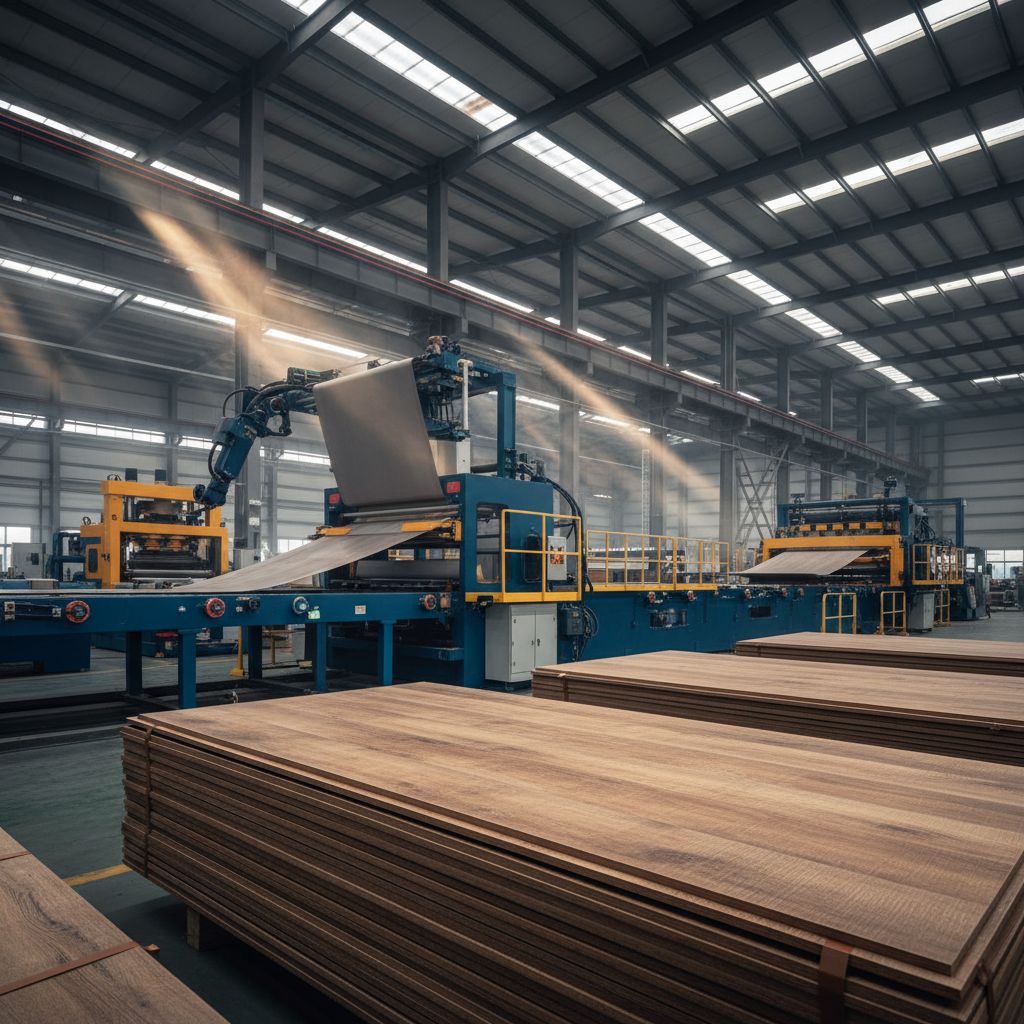 Ultimate Guide to Durable Waterproof SPC Vinyl Flooring StyleWhen renovating a modern home or commercial space, the flooring choice often defines the entire atmosphere. waterproof spc vinyl flooring has emerged as a revolutionary solution for those who refuse to compromise between aesthetic elegance and rugged performance. Standing for Stone Plastic Composite, SPC flooring is engineered to withstand the toughest environments, from moisture-prone bathrooms to high-traffic living rooms. In this comprehensive guide, we will explore why this material is dominating the interior design market and how it can transform your space into a sanctuary of style and resilience.Read More >
Apr 16 2026
-
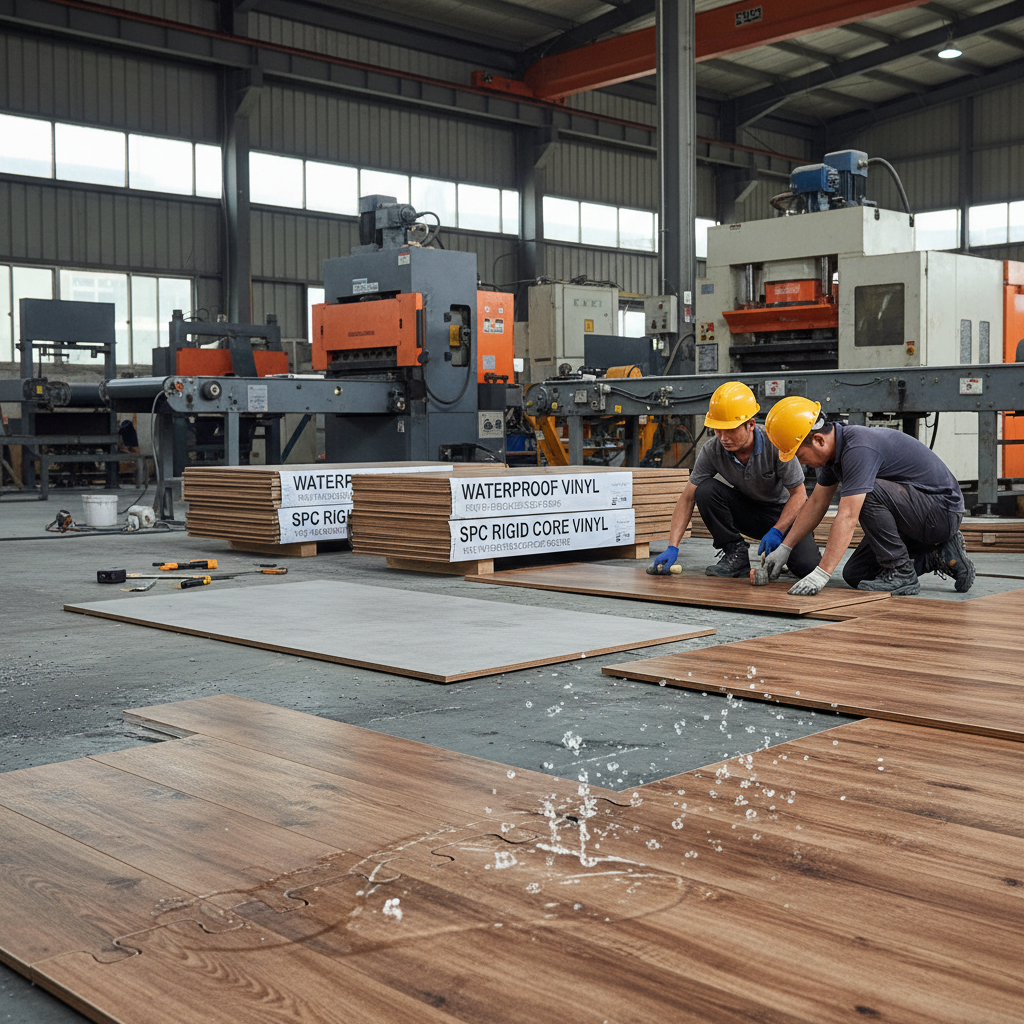 Ultimate Guide to Durable Waterproof SPC Rigid Core Vinyl FlooringChoosing the right flooring for a modern home or commercial space requires a balance between aesthetics and endurance. waterproof spc rigid core vinyl has emerged as a game-changer in the interior design world, offering the timeless look of hardwood with the unmatched resilience of stone polymer composite. Whether you are dealing with high-traffic hallways, moisture-prone bathrooms, or pet-friendly living rooms, this flooring solution provides a stable, waterproof, and scratch-resistant surface. In this comprehensive guide, we will explore why this innovative material is replacing traditional laminate and luxury vinyl planks in contemporary construction.Read More >
Apr 09 2026
-
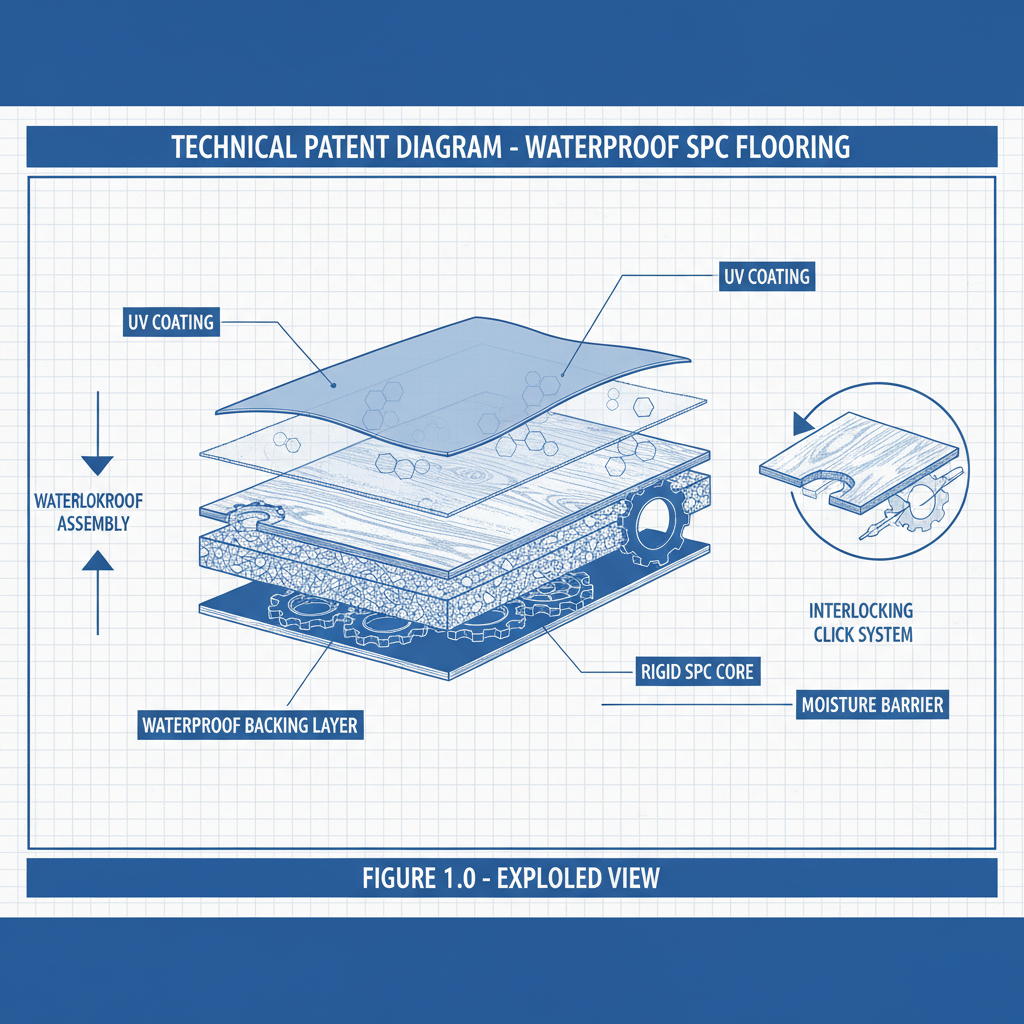 Comprehensive Guide to Waterproof SPC Flooring Durability and InstallationChoosing the right flooring for your home or business is a significant decision. Waterproof SPC flooring has emerged as a popular option due to its durability, affordability, and ease of installation. This article provides an in-depth look at waterproof SPC flooring, covering its benefits, installation process, maintenance, and comparisons with other flooring types. Understanding these aspects will help you determine if SPC flooring is the right choice for your project.Read More >
Apr 07 2026
-
 Discover the Durability and Style of Vinyl SPC Rigid Flooring SolutionsLooking for a durable, waterproof, and stylish flooring solution? Vinyl SPC rigid flooring is quickly becoming the go-to choice for homeowners and businesses alike. This article provides a comprehensive overview of this innovative flooring type, covering its benefits, installation, maintenance, and more. We’ll help you determine if SPC rigid vinyl flooring is the right fit for your project.Read More >
Apr 04 2026
-
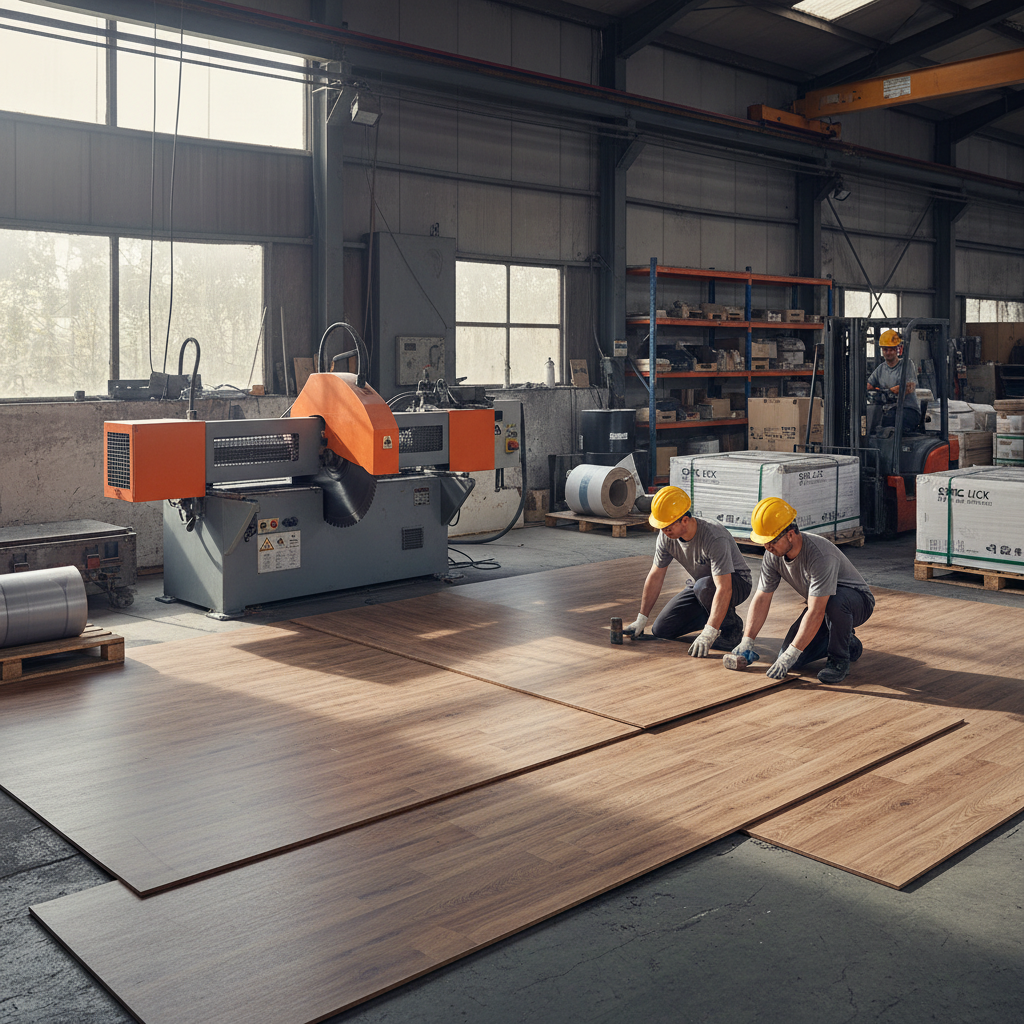 Comprehensive Guide to Durable Vinyl SPC Click Flooring Options and BenefitsChoosing the right flooring for your home or business is a significant decision. Vinyl SPC click flooring has emerged as a popular and durable option, offering a blend of aesthetic appeal and practical benefits. This article will explore the key features, advantages, installation process, and applications of SPC flooring, helping you determine if it's the right choice for your project. From its waterproof nature to its ease of installation, we'll cover everything you need to know.Read More >
Mar 31 2026
 +86 31185293045
  qian@ss711.com

Shijiazhuang Sothink trading Co., LTD.
Our company focuses on product development, production, sales and other all-round services, and is committed to providing customers with high-performance products and high-quality services.