


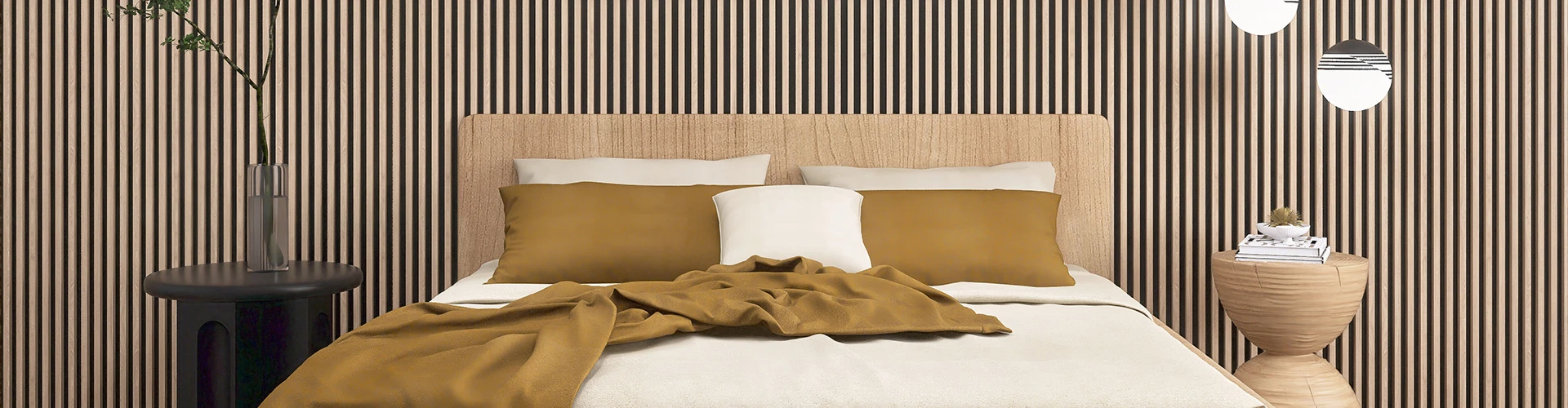
Marble Sheet Price Explained: Global Trends, Factors, and Buying Guide
Understanding Marble Sheet Price: Why It Matters Globally
Marble sheets have become a staple in modern architecture and interior design, but behind the sleek surfaces and aesthetic appeal lies a complex web of factors influencing their cost — the marble sheet price. Understanding this price isn't just about budgeting a home renovation or commercial project. It connects deeply to global supply chains, resource management, and even sustainability efforts. In a world where natural stone remains a symbol of elegance and durability, knowing what drives marble sheet pricing helps stakeholders make informed decisions, reduce waste, and promote responsible sourcing.
Globally, the marble industry plays multiple roles: it supports quarrying communities, fuels export economies (notably in countries like Italy, Turkey, and India), and answers the rising demand for natural surfaces in both residential and industrial sectors. Recognizing what goes into marble sheet price can unlock a broader understanding of how geology, transportation, labor, and innovation all intertwine — a neat reminder that something as simple as stone is actually laden with global economic and environmental stories.
The Global Context of Marble Sheet Pricing
Marble is one of the oldest building materials used by humanity—thanks to its timeless beauty and durability. According to recent UN statistics on natural resource use, global demand for natural stone has steadily increased by around 4% annually over the past decade, especially in developing countries expanding their urban infrastructure. Yet, the extraction and transportation of marble come with economic and environmental costs that often ripple worldwide.
For example, rising fuel prices and stricter international shipping regulations (think: IMO 2020 sulfur cap) have led to variations in transport costs, which play a significant role in determining marble sheet price. Combine that with currency fluctuations, labor costs in key quarrying regions, and variations in raw marble quality, and you get a landscape of pricing that’s far from static.
One major challenge this pricing addresses is the balance between affordable construction materials and ethical sourcing. As consumers and companies become more aware, marble sheet price increasingly reflects not just material and logistics costs but also how responsibly the stone was quarried and processed.
What Exactly Is Marble Sheet Price?
Simply put, the marble sheet price is the market cost to acquire a finished slab or sheet of marble, ready for installation or further fabrication. Unlike raw blocks, marble sheets are cut, polished, and sometimes treated surfaces that builders, designers, and homeowners purchase.
Prices are expressed per square foot or square meter and include several components: extraction, cutting, finishing, packaging, transport, and import duties. It is key to differentiate marble sheet price from raw block price, as additional processing adds value and cost.
Marble sheets tie into industry needs for materials that offer both strength and aesthetic versatility. Hospitals, hotels, luxury residences, and even heritage restoration projects require quality marble sheets — making their price a crucial figure for planners balancing cost against longevity and beauty.
Key Factors Influencing Marble Sheet Price
1. Quality and Grade of Marble
Not all marble is created equal. The rarity of colors and vein patterns, thickness of sheets, and material composition (like calcite content) directly impact pricing. Higher-grade marble with fewer blemishes and uniform coloration commands premium prices.
2. Thickness and Size
Thicker sheets mean more raw material used and heavier slabs, affecting cutting difficulty and transportation costs. Large-format sheets are more expensive due to handling challenges but offer seamless applications for countertops or walls.
3. Processing and Finishing Techniques
Polishing, honing, leathering, and other finishes add labor costs and time. Advanced treatments to improve durability or reduce porosity can increase the price but pay off in extended lifespan.
4. Transportation and Logistics
Marble is heavy and fragile — shipping it requires careful packaging and specialized carriers, often via sea freight or road haulage. Fuel taxes, customs tariffs, and global port congestion can shift prices unexpectedly.
5. Market Demand and Trendy Patterns
Trends in architecture and interior design also affect marble sheet price. When a particular variety—say Calacatta or Carrara—is in vogue, demand spikes, pushing prices up.
6. Sustainability Certifications
Increasingly, buyers seek marble from quarries with responsible environmental and social standards. Certification programs can add slight premiums but align with longer-term corporate responsibility goals.
Mini takeaway: Marble sheet price is not a fixed tag but a dynamic figure influenced by raw quality, craftsmanship, practicality, and market heartbeat.
Marble Sheets in Action: Real-World Applications Globally
Marble sheets make appearances everywhere—from the grand marble facades of Sydney Opera House to modest kitchens in urban apartments in Mumbai. Here’s a brief look at some applications:
- Hospitality Industry: Luxury hotels in Dubai and London use premium marble sheets for lobbies and bathrooms where durability and aesthetics meet.
- Urban Infrastructure: Metro stations and government buildings, such as those in Rome and Istanbul, depend on quality marble sheets for flooring that withstands heavy foot traffic.
- Post-disaster Reconstruction: After natural disasters, speedy but durable housing solutions often incorporate marble sheets or composites from local quarries for semi-permanent shelters.
- Custom Homes & Renovation: Homeowners in North America and Europe are opting for marble sheet surfaces to add value to kitchens and bathrooms, carefully balancing cost and lasting appeal.
Interestingly, developing regions are promoting local marble use to reduce dependency on costly imports — a trend that affects marble sheet price by localizing supply chains and empowering small industries.
Product Specifications: Typical Marble Sheet Features
| Specification | Typical Value/Range |
|---|---|
| Thickness | 10-30 mm (customizable) |
| Available Colors | White, Cream, Grey, Pink, Green hues |
| Average Weight | 27-30 kg/sq.m (for 20 mm thick) |
| Finish Options | Polished, Honed, Leathered, Sandblasted |
| Price Range | $20 - $60 per sq.ft (varies with quality & origin) |
| Certifications | ISO 14001, LEED Compliance, Local quarry sustainability labels |
Comparing Marble Sheet Vendors: What's on Offer?
| Vendor | Price Range (per sq.ft) | Origin | Sustainability | Customization |
|---|---|---|---|---|
| Marble World Inc. | $35 - $55 | Italy | ISO 14001 Certified | Yes |
| StoneCraft Ltd. | $25 - $45 | Turkey | LEED Compliant | Limited |
| Duramstone Exporters | $20 - $40 | India | Local Environmental Standards | Yes |
| Alpine Stone Corp. | $40 - $60 | Brazil | ISO & LEED Certifications | Custom Designs Available |
The Advantages of Understanding Marble Sheet Price
Breaking down marble sheet price may feel like geeky budgeting, but the benefits are surprisingly broad:
- Cost Efficiency: You know where your money goes, enabling smarter purchasing and negotiation.
- Sustainability: Choosing responsibly sourced marble helps reduce environmental damage and promote fair labor.
- Durability & Maintenance: Knowing the price-quality ratio helps avoid short-term fixes and promotes long-lasting materials.
- Design Flexibility: Awareness of costs linked to finishes and sizes opens doors to creativity without breaking the bank.
- Trust & Transparency: For businesses, having a clear view increases client confidence in quotes and material authenticity.
Frankly, it’s about blending functionality with beauty — a balance that keeps customers happy and buildings standing for generations.
Looking Forward: Trends Shaping Marble Sheet Price
Innovation doesn’t skip natural stone. The future may see:
- Green Quarrying Technologies: Electric machinery and water recycling aiming to reduce the industry's carbon footprint.
- Digital Fabrication: CNC machines and robotics providing precision cuts, reducing waste, and allowing microcustomizations.
- Composite Marble Sheets: Novel materials combining marble dust with resins to create lighter, potentially cheaper alternatives while maintaining aesthetic appeal.
- Blockchain Traceability: To prove provenance and fair sourcing, potentially impacting premium pricing.
As these trends gain traction, marble sheet price will increasingly reflect ecological responsibility and advanced craftsmanship — a shift many in the industry watch eagerly.
Common Challenges and How To Overcome Them
One major headache: price volatility. It’s a bumpy ride with fluctuating raw material availability, fuel costs, and geopolitical factors.
Another: damage during shipping. The weight and fragility mean losses or delays at ports. Many vendors now use AI-driven packaging optimization to cut this down.
Also, supply chains can be opaque, leading to ethical concerns. Certifications and transparent partnerships are gradually helping buyers navigate this maze.
Practical advice? Work closely with suppliers offering guarantees and certifications. And consider local marble sources to reduce shipping risks and costs — even if the marble might be somewhat different from global luxury standards.
FAQ: Your Questions About Marble Sheet Price
Q1: Why does marble sheet price vary so much between suppliers?
A: Variations result from factors like marble grade, finish types, quarry location, shipping distances, and certifications. Suppliers in Italy or Brazil often have higher prices due to quarrying costs and export fees, while others from India or Turkey might offer lower prices but different quality grades.
Q2: How does the thickness of marble sheets affect the price?
A: Thicker marble sheets require more raw stone and are heavier, meaning higher material and transportation costs. Typically, prices go up as thickness increases, often proportionally to weight and handling complexity.
Q3: Can I expect sustainable marble sheets to cost more?
A: Usually yes, because sustainable quarrying processes might involve higher labor standards and stricter environmental controls. However, the premiums support social responsibility and long-term resource availability.
Q4: Are marble sheets better than engineered stone for pricing?
A: Natural marble sheets often cost more upfront due to quarrying and processing, but engineered stones can offer better price consistency and durability. It depends on project needs and budgets.
Q5: Where can I check current marble sheet price info?
A: Industry portals, vendor websites, and marketplaces like marble sheet price listings update regularly. It’s wise to compare and request quotes reflecting your project’s specifics.
In Conclusion: The Value Beyond Numbers
The marble sheet price is more than a number on a tag. It’s a reflection of geology, craftsmanship, global economics, and shifting values towards sustainability and quality. Being well versed in what shapes this price empowers buyers, architects, and project managers to make choices that are financially smart and ethically sound.
If you’re considering your next project or simply curious about natural stone’s true cost, the journey to understanding marble sheet price is rich and rewarding. And for up-to-date information or to explore product options, be sure to visit https://www.sothinkdecor.com.
In the end, whether it’s a stunning stately hall or a cozy home nook, the right marble sheet at the right price can turn stone into poetry.
References
-
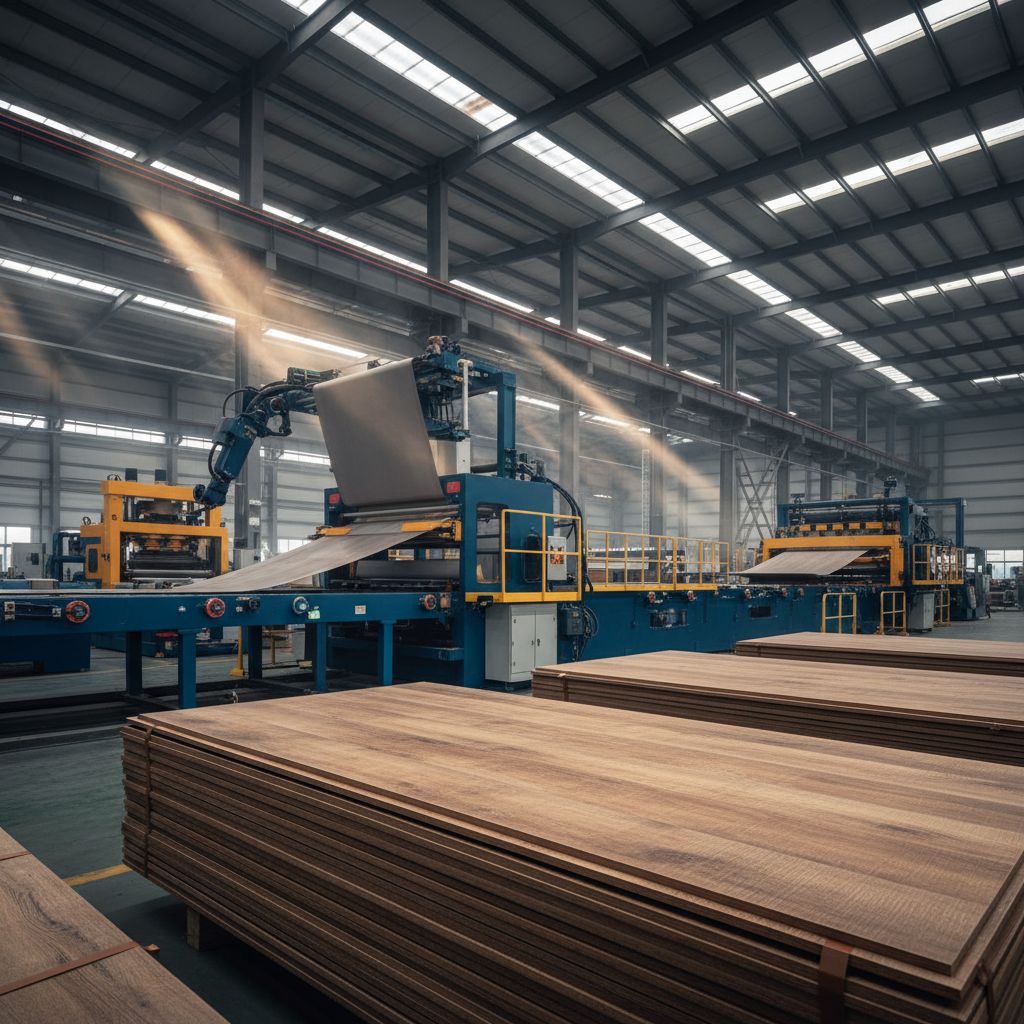 Ultimate Guide to Durable Waterproof SPC Vinyl Flooring StyleWhen renovating a modern home or commercial space, the flooring choice often defines the entire atmosphere. waterproof spc vinyl flooring has emerged as a revolutionary solution for those who refuse to compromise between aesthetic elegance and rugged performance. Standing for Stone Plastic Composite, SPC flooring is engineered to withstand the toughest environments, from moisture-prone bathrooms to high-traffic living rooms. In this comprehensive guide, we will explore why this material is dominating the interior design market and how it can transform your space into a sanctuary of style and resilience.Read More >
Apr 16 2026
-
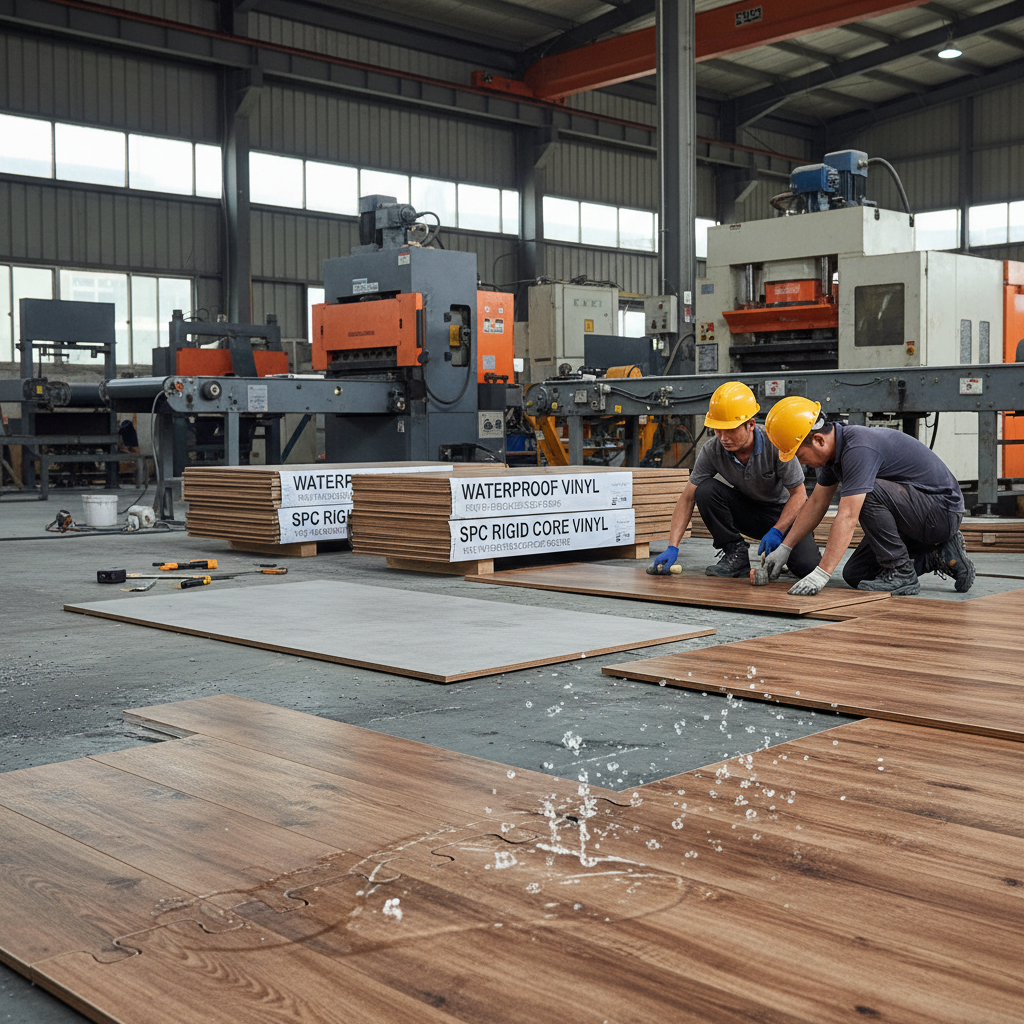 Ultimate Guide to Durable Waterproof SPC Rigid Core Vinyl FlooringChoosing the right flooring for a modern home or commercial space requires a balance between aesthetics and endurance. waterproof spc rigid core vinyl has emerged as a game-changer in the interior design world, offering the timeless look of hardwood with the unmatched resilience of stone polymer composite. Whether you are dealing with high-traffic hallways, moisture-prone bathrooms, or pet-friendly living rooms, this flooring solution provides a stable, waterproof, and scratch-resistant surface. In this comprehensive guide, we will explore why this innovative material is replacing traditional laminate and luxury vinyl planks in contemporary construction.Read More >
Apr 09 2026
-
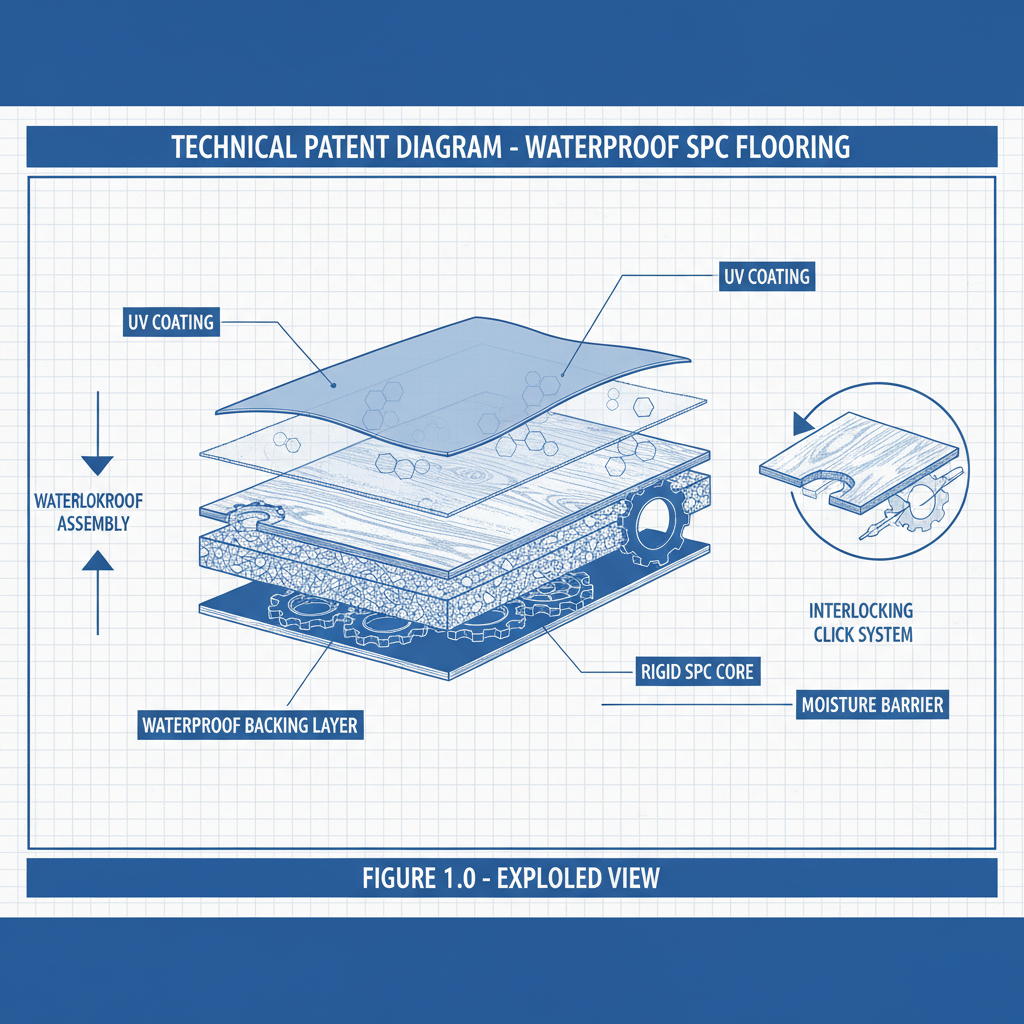 Comprehensive Guide to Waterproof SPC Flooring Durability and InstallationChoosing the right flooring for your home or business is a significant decision. Waterproof SPC flooring has emerged as a popular option due to its durability, affordability, and ease of installation. This article provides an in-depth look at waterproof SPC flooring, covering its benefits, installation process, maintenance, and comparisons with other flooring types. Understanding these aspects will help you determine if SPC flooring is the right choice for your project.Read More >
Apr 07 2026
-
 Discover the Durability and Style of Vinyl SPC Rigid Flooring SolutionsLooking for a durable, waterproof, and stylish flooring solution? Vinyl SPC rigid flooring is quickly becoming the go-to choice for homeowners and businesses alike. This article provides a comprehensive overview of this innovative flooring type, covering its benefits, installation, maintenance, and more. We’ll help you determine if SPC rigid vinyl flooring is the right fit for your project.Read More >
Apr 04 2026
-
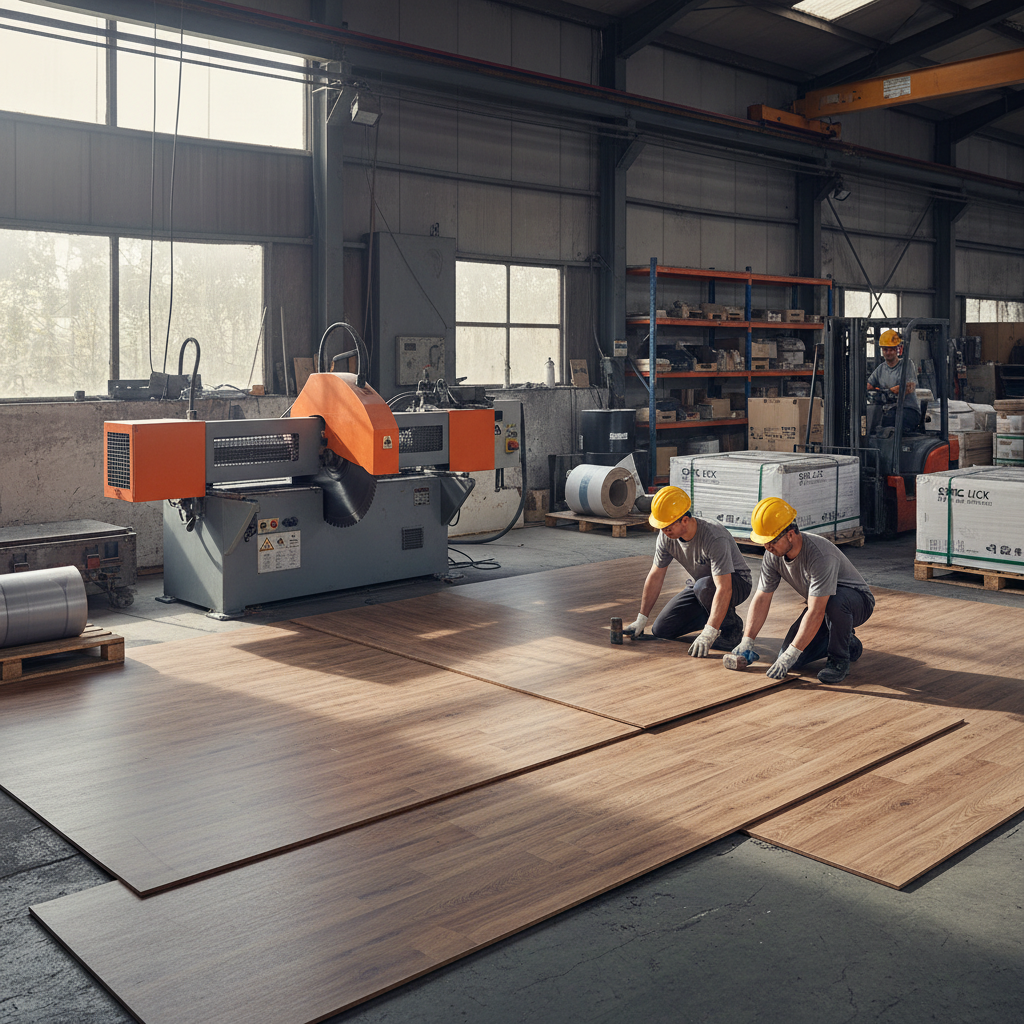 Comprehensive Guide to Durable Vinyl SPC Click Flooring Options and BenefitsChoosing the right flooring for your home or business is a significant decision. Vinyl SPC click flooring has emerged as a popular and durable option, offering a blend of aesthetic appeal and practical benefits. This article will explore the key features, advantages, installation process, and applications of SPC flooring, helping you determine if it's the right choice for your project. From its waterproof nature to its ease of installation, we'll cover everything you need to know.Read More >
Mar 31 2026
 +86 31185293045
  qian@ss711.com

Shijiazhuang Sothink trading Co., LTD.
Our company focuses on product development, production, sales and other all-round services, and is committed to providing customers with high-performance products and high-quality services.