


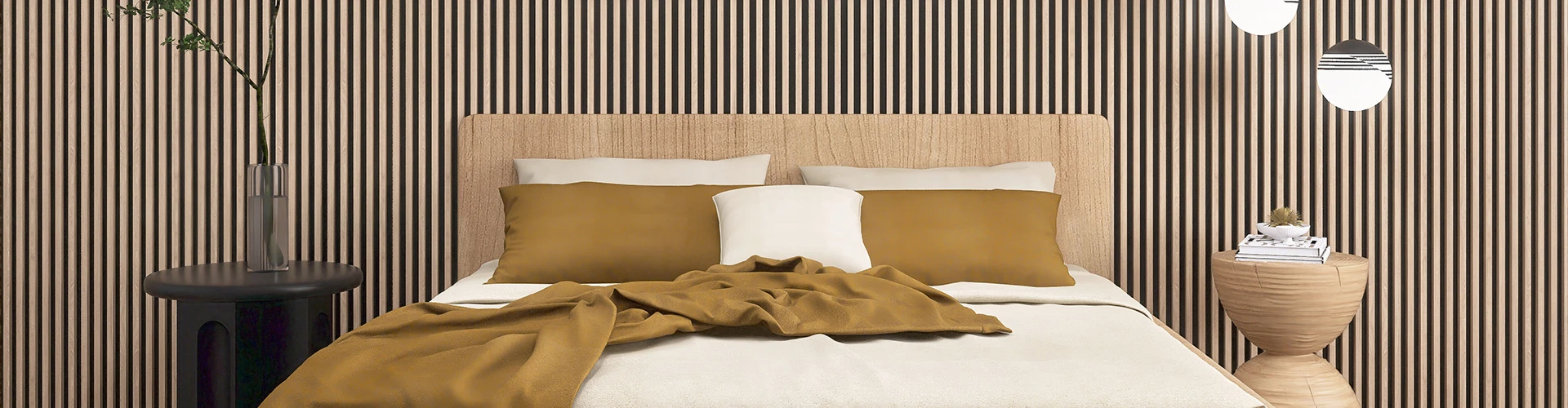
Premium WPC Exterior Wall Cladding | Durable & Low Maintenance
Introduction to WPC Exterior Wall Cladding Solutions
In the rapidly evolving landscape of modern architecture and construction, the demand for sustainable, durable, and aesthetically versatile building materials is paramount. Wood Plastic Composite (WPC) technology has emerged as a groundbreaking innovation, particularly in exterior applications. Our focus is on advanced wpc exterior wall cladding, a superior solution engineered to meet the rigorous demands of outdoor environments while offering unparalleled design flexibility. This material is a sophisticated blend of recycled wood fibers and thermoplastic polymers, providing the natural appearance of wood without its inherent maintenance challenges. It represents a strategic investment for B2B stakeholders seeking high-performance, long-lasting facade solutions for commercial, industrial, and residential projects.
Understanding the intrinsic value of WPC begins with recognizing its dual nature: combining the organic warmth of wood with the resilience and low-maintenance properties of plastic. This unique synergy makes it an ideal choice for exterior applications where resistance to weathering, pests, and rot is crucial. As architects and developers increasingly prioritize eco-friendly and robust materials, wpc exterior wall cladding stands out as a material that delivers on both performance and environmental responsibility.
Current Industry Trends in Exterior Wall Cladding
The global market for exterior wall cladding is undergoing significant transformation, driven by several key trends. Sustainability remains a dominant factor, with a growing preference for materials that are recycled, recyclable, and have a low carbon footprint. WPC exterior wall cladding aligns perfectly with this trend, utilizing recycled wood waste and plastics, thereby reducing landfill burden and conserving virgin resources. Recent market analysis indicates a compound annual growth rate (CAGR) of approximately 6.5% for the WPC market from 2023 to 2030, largely propelled by its adoption in construction sectors seeking durable and environmentally conscious facade options.
Key Trends Defining Modern Facades:
- Enhanced Durability & Longevity: Demand for materials that can withstand extreme weather, UV radiation, and biological degradation without significant maintenance. Solutions like `wpc wall panel outdoor` excel in this regard.
- Aesthetic Versatility: A move towards customizable cladding options that allow for diverse textures, colors, and profiles, enabling architects to achieve unique designs. `Exterior wpc wall panel` products offer extensive design freedom.
- Energy Efficiency: Facade systems contributing to better thermal insulation, thereby reducing heating and cooling costs in buildings. Many `wpc wall panel exterior` systems integrate insulation properties.
- Ease of Installation & Maintenance: Preference for modular, lightweight systems that simplify installation and require minimal upkeep post-installation. This lowers lifetime operational costs for property owners.
These trends underscore the strategic advantages of adopting wpc outdoor wall cladding for contemporary construction projects, offering a compelling blend of performance, sustainability, and design flexibility.
Manufacturing Process of WPC Exterior Wall Cladding
The production of high-quality wpc exterior wall cladding is a meticulous process, combining material science with advanced manufacturing techniques. Our commitment to stringent quality control at every stage ensures a product that consistently meets and exceeds industry standards.
Materials and Composition:
- Wood Fibers: Typically 30-60% by weight, sourced from sawdust, wood flour, or wood chips. These provide natural aesthetics and structural integrity.
- Thermoplastics: 30-60% by weight, usually HDPE (High-Density Polyethylene), PP (Polypropylene), or PVC (Polyvinyl Chloride). These impart durability, weather resistance, and ease of processing.
- Additives: 5-10% by weight, including UV stabilizers, coupling agents, lubricants, foaming agents, colorants, and anti-fungal agents. These enhance performance characteristics such as UV resistance, moisture repellency, and color stability.
Detailed Manufacturing Steps:
- Material Preparation: Wood fibers are dried to a specific moisture content and then milled into a fine powder. Plastics are granulated. Additives are measured precisely.
- Mixing and Compounding: The prepared wood fibers, plastic granules, and additives are thoroughly blended in a high-speed mixer. This critical step ensures uniform dispersion of all components, forming a homogenous compound.
- Extrusion (Casting): The compounded material is fed into a twin-screw extruder. Under high temperature and pressure, the material melts and is forced through a die, forming the desired profile of the WPC cladding board. This is analogous to a continuous casting process for polymers.
- Cooling and Calibration: As the extruded profile exits the die, it is cooled rapidly in water baths and calibrated to ensure precise dimensions and prevent warping.
- Cutting: The continuous profiles are cut into specified lengths based on project requirements.
- Surface Treatment: Depending on the desired aesthetic, boards may undergo sanding, embossing, or brushing to create various wood-grain textures or smooth finishes. This enhances slip resistance and visual appeal.
- Quality Control & Testing: Each batch undergoes rigorous testing to ensure compliance with international standards such as ISO 9001 (Quality Management), ISO 14001 (Environmental Management), ASTM D7032 (WPC Decking and Railing), and EN 15534 (WPC Products). Key tests include flexural strength, impact resistance, water absorption, UV stability (e.g., QUV accelerated weathering), and flame spread ratings.
The finished wpc exterior wall cladding offers an impressive service life typically ranging from 15 to 25 years with minimal degradation. Its inherent resistance to corrosion, coupled with excellent thermal insulation properties, makes it highly advantageous in demanding target industries such as petrochemical facilities (where chemical inertness is critical), metallurgy plants (withstanding harsh atmospheric conditions), and water supply & drainage infrastructure (due to its moisture resistance). For instance, in an industrial setting, the superior corrosion resistance of WPC over traditional materials translates to significantly reduced maintenance costs and enhanced operational safety. This contributes directly to energy saving by reducing heat transfer through the building envelope.
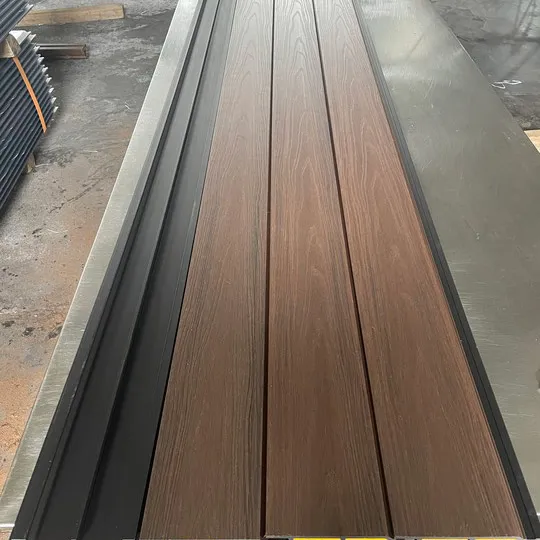
Technical Specifications and Performance Parameters
The performance of wpc exterior wall cladding is defined by a comprehensive set of technical specifications, ensuring its suitability for a wide range of demanding environments. These parameters are crucial for engineers and procurement specialists evaluating material longevity, safety, and structural integrity.
Key Product Specifications:
| Parameter | Unit | Typical Value (Sothink WPC) | Test Standard |
|---|---|---|---|
| Density | kg/m³ | 1200 - 1400 | ASTM D792 |
| Flexural Strength | MPa | ≥ 25 | ASTM D790 |
| Impact Strength (Charpy Notched) | kJ/m² | ≥ 10 | ISO 179 |
| Water Absorption (24h) | % | ≤ 1.5 | ASTM D570 |
| Thermal Expansion Coefficient | (µm/m)/°C | 30 - 50 | ASTM E831 |
| UV Resistance (Color Change ΔE, 2000h) | ΔE | ≤ 3 | ASTM G154 (QUV) |
| Fire Rating (Flame Spread Index) | Class | Class B/C (local regulations apply) | ASTM E84 |
These specifications highlight the material's robust nature, offering superior resistance to environmental stressors compared to traditional timber or even some engineered wood products. The low water absorption rate prevents swelling, warping, and fungal growth, while excellent UV resistance ensures long-term color stability. Our commitment to these stringent parameters ensures that our `wpc wall panel outdoor` solutions provide unparalleled reliability and aesthetic retention over decades.
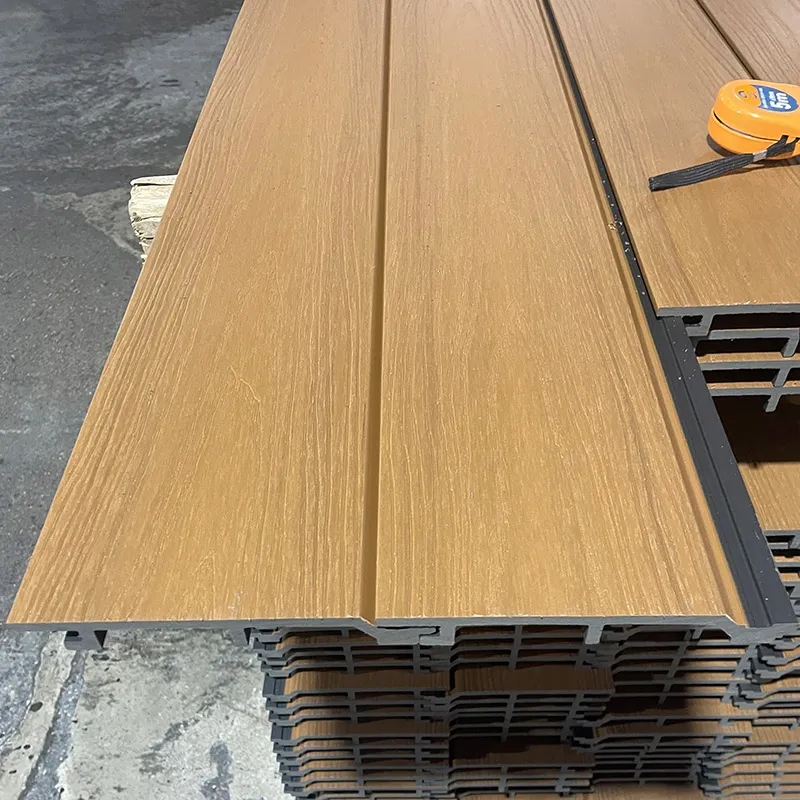
Application Scenarios and Technical Advantages
The versatility and high-performance characteristics of wpc exterior wall cladding make it suitable for a diverse range of application scenarios across various sectors. Its technical advantages address critical challenges faced by architects, developers, and facility managers.
Key Application Sectors:
- Commercial Buildings: Office complexes, retail centers, hotels, and corporate headquarters benefit from its modern aesthetic, low maintenance, and energy efficiency.
- Residential Complexes: Multi-unit dwellings, villas, and upscale residential projects utilize WPC for its durable, attractive, and eco-friendly facade.
- Industrial Facilities: Petrochemical plants, metallurgy factories, and water treatment facilities leverage its exceptional corrosion resistance, UV stability, and minimal degradation in harsh environments.
- Public Infrastructure: Museums, schools, hospitals, and transportation hubs where long-term durability, safety, and aesthetic appeal are critical.
Demonstrated Advantages in Typical Scenarios:
- Energy Saving: WPC cladding systems often incorporate air gaps or insulation layers, contributing to improved thermal performance of buildings. This reduces reliance on HVAC systems, translating to significant energy savings, particularly in climates with extreme temperature variations. A well-designed `exterior wpc wall panel` system can reduce a building's thermal transmittance (U-value) by up to 20-30%.
- Corrosion Resistance: Unlike metal cladding which can rust, or wood which can rot, WPC is impervious to moisture, acids, alkalis, and saline environments. This makes it ideal for coastal areas or industrial zones where corrosive elements are prevalent. It eliminates the need for frequent repainting or chemical treatments associated with other materials.
- Durability & Longevity: Engineered to resist warping, cracking, splintering, and insect infestation. The polymer component encases wood fibers, protecting them from moisture and UV degradation, ensuring a service life exceeding 20 years with minimal fading.
- Aesthetic Appeal: Available in a wide range of colors, textures, and profiles, mirroring the natural beauty of wood while offering consistent color and dimensional stability. This maintains a pristine facade over decades.
- Low Maintenance: Requires only occasional cleaning with soap and water, eliminating the need for painting, staining, or sealing. This drastically reduces ongoing operational costs for property managers.
- Environmental Responsibility: Manufactured from recycled materials, reducing landfill waste and demand for virgin timber. It is also recyclable at the end of its long service life, supporting circular economy principles.
For instance, a hotel developer utilizing `wpc wall panel exterior` can confidently project significantly lower maintenance budgets over the property's lifespan, combined with enhanced guest experience due to the consistently pristine facade. This translates into better return on investment and a positive brand image associated with sustainable practices.
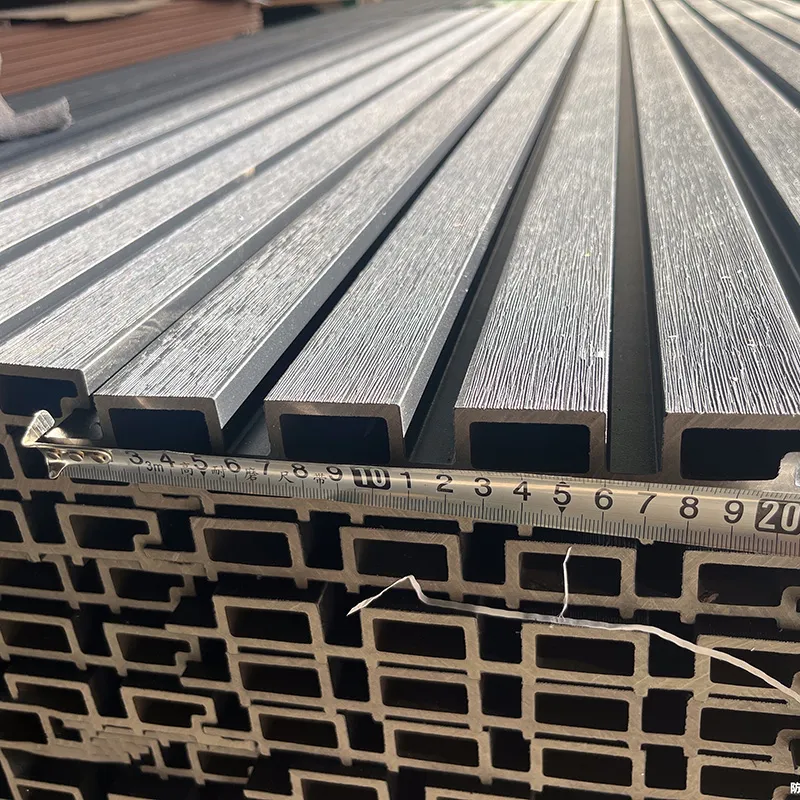
Vendor Comparison for WPC Exterior Wall Cladding
Selecting the right vendor for wpc exterior wall cladding is a critical decision that impacts project timelines, budget, and long-term performance. It requires a comprehensive evaluation beyond just price. Here's a comparative analysis focusing on key differentiators:
Key Criteria for Vendor Selection:
- Material Quality & Composition: Verify the ratio of wood to plastic, quality of polymers (e.g., virgin vs. recycled content), and type/effectiveness of additives.
- Certifications & Compliance: Ensure products meet international standards (ISO, ASTM, CE, REACH) and local building codes.
- Product Range & Customization: Evaluate variety in profiles, finishes, colors, and ability to provide tailored solutions.
- Warranty & After-Sales Support: Understand the warranty duration and terms, and the responsiveness of technical support.
- Track Record & Case Studies: Review past projects, client testimonials, and years of industry experience.
Comparative Analysis: Sothink Decor vs. Generic WPC Manufacturer
| Feature | Sothink Decor WPC Cladding | Generic WPC Manufacturer |
|---|---|---|
| Material Composition | High-grade virgin HDPE/PVC, 55-60% premium wood fiber, advanced UV stabilizers & coupling agents. Consistent batch quality. | Often mixed-grade recycled plastics, varying wood fiber content, potentially lower quality additives leading to inconsistency. |
| Certifications | ISO 9001, ISO 14001, CE, ASTM (D7032, D790, D570), REACH compliant. Tested by independent labs. | Limited or self-issued certifications. May not meet stringent international performance standards. |
| UV & Color Stability | Excellent. Delta E ≤ 3 after 2000 hours QUV accelerated weathering. Minimal fading over decades. | Moderate to poor. Significant color fade (Delta E > 5) within 1-2 years, leading to aesthetic degradation. |
| Warranty Period | 15-25 Years Limited Warranty (Performance, Fade, Stain). Comprehensive coverage. | 5-10 Years, often with numerous exclusions and limitations on performance. |
| Customization | Extensive options for profiles, sizes, colors, and surface textures. Dedicated R&D for bespoke solutions. | Limited standard offerings. Little to no flexibility for specific project requirements. |
| Technical Support | Dedicated B2B support team, CAD drawings, installation guides, on-site consultation for large projects. | Minimal; generic documentation, limited technical expertise for complex inquiries. |
Sothink Decor's commitment to quality materials, rigorous testing, and comprehensive support positions us as a premier choice for reliable wpc outdoor wall cladding solutions, ensuring peace of mind for B2B clients and long-term project success.
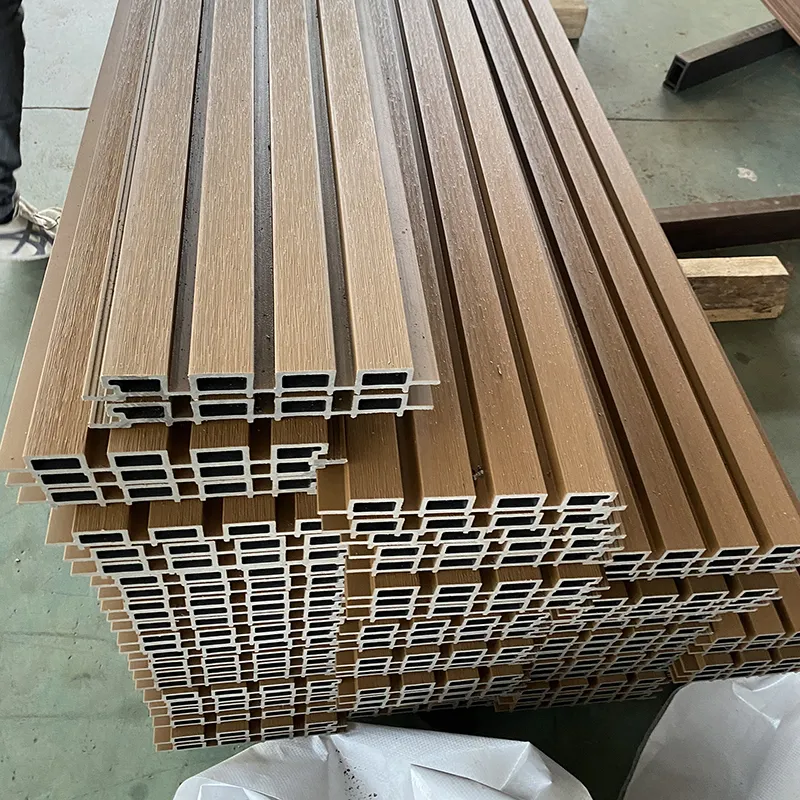
Customized WPC Exterior Wall Cladding Solutions
Recognizing that every architectural project has unique aesthetic and functional requirements, Sothink Decor specializes in providing highly customized wpc exterior wall cladding solutions. Our expertise in design and manufacturing allows us to tailor products that perfectly integrate with your project vision and technical specifications.
Our Customization Capabilities Include:
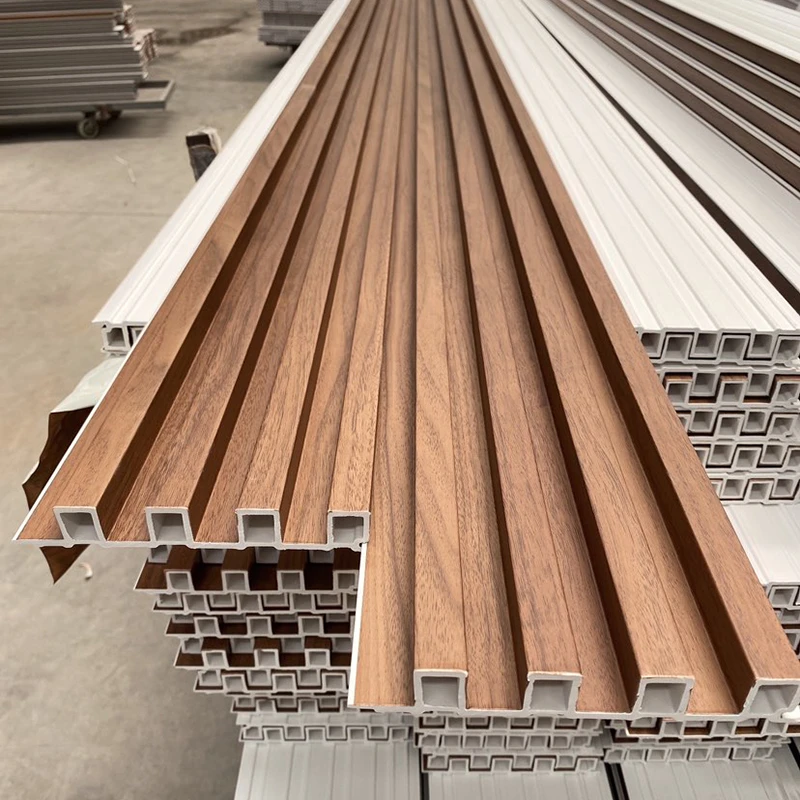
- Profile Design: Beyond standard profiles, we can develop custom extrusion dies to create unique panel shapes, interlocking systems, or specific dimensions required for complex facade designs.
- Color Matching: Utilizing advanced pigment technology, we can achieve precise color matching to architectural palettes, corporate branding, or natural wood tones, ensuring seamless integration with other building materials.
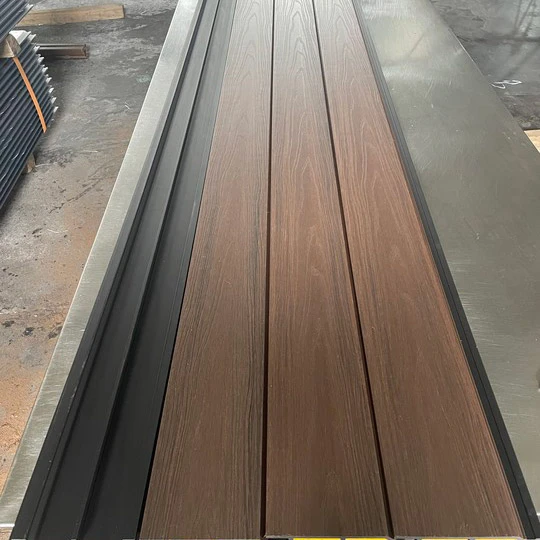
- Surface Textures: Offering a range of finishes from smooth and contemporary to deep wood-grain embossing, brushed effects, or even co-extruded caps for enhanced scratch and stain resistance.
- Length and Thickness: Production of panels in custom lengths to minimize waste and installation time, and varying thicknesses to meet specific structural or insulation needs.
- Performance Enhancements: Incorporation of specialized additives for heightened fire resistance (Class A/B), improved slip resistance, or increased thermal reflectivity for specific climatic conditions.
Our design and engineering teams work closely with clients from conceptualization through to production, ensuring that the customized `wpc wall panel outdoor` not only meets the design brief but also performs optimally in its intended application. This collaborative approach minimizes design constraints and maximizes the project's potential, providing truly bespoke facade solutions.
Real-World Application Case Studies
Our expertise in providing advanced `exterior wpc wall panel` solutions is demonstrated through a portfolio of successful projects across diverse industries. These case studies highlight the practical benefits and performance characteristics of our products in real-world applications.
Case Study 1: Commercial Office Tower - Coastal Region
- Challenge: A prominent commercial office tower located in a harsh coastal environment required a facade material that could withstand salt spray, high humidity, intense UV radiation, and strong winds, while maintaining a sophisticated aesthetic. Traditional wood required excessive maintenance, and metal cladding was prone to corrosion.
- Solution: We supplied a bespoke `wpc wall panel exterior` system, specifically engineered with enhanced UV stabilizers and a co-extruded cap layer for superior resistance to marine elements. The chosen profile offered a modern, clean line aesthetic that complemented the building's design.
- Results: After five years, the cladding shows no signs of warping, fading, or corrosion. Maintenance costs are significantly lower than projected for alternative materials, primarily involving annual pressure washing. The facade has retained its original vibrancy, confirming the longevity and resilience of the WPC solution. Client feedback emphasized the material's durability and the elimination of rot and insect issues commonly found in wood.
Case Study 2: Eco-Friendly Residential Development - Arid Climate
- Challenge: A new sustainable residential community in an arid region sought facade materials that offered excellent thermal insulation to reduce cooling loads, were resistant to extreme temperature fluctuations (day-night cycles), and aligned with green building certifications.
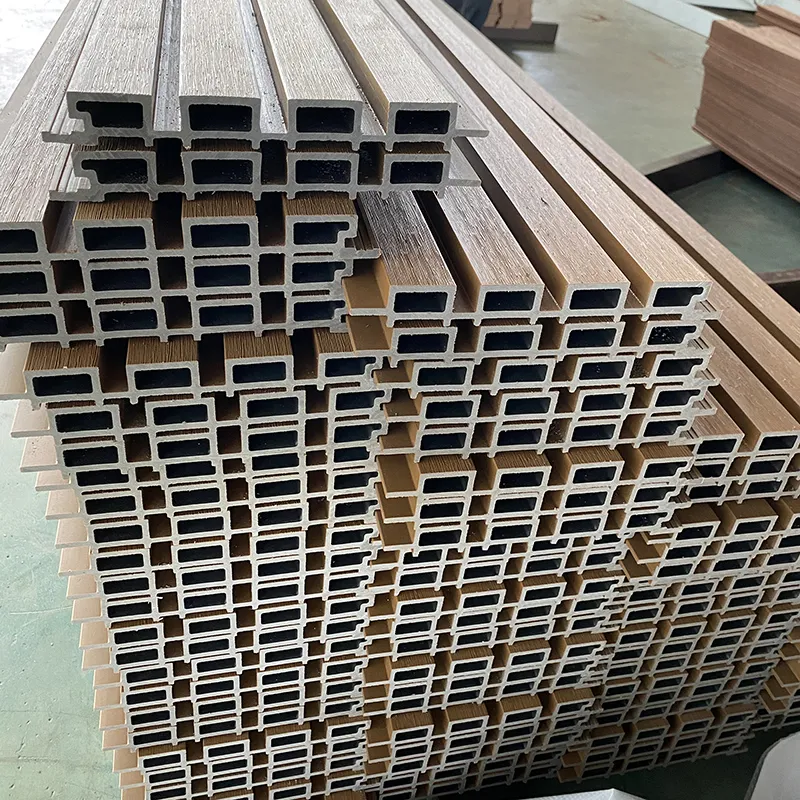
- Solution: We provided a hollow-core wpc exterior wall cladding system, which inherently offers better thermal performance due to trapped air. The color palette was selected to mimic local desert tones, and the panels were installed with a ventilated rainscreen system, further enhancing thermal efficiency and moisture management.
- Results: Post-occupancy energy audits revealed a 25% reduction in cooling energy consumption compared to similar developments using conventional cladding. The WPC panels effectively resisted cracking or deformation from the wide temperature swings, and their low emissivity contributed to a cooler building envelope. The project successfully achieved its LEED Gold certification, partly due to the sustainable attributes of the WPC cladding.
Frequently Asked Questions (FAQ)
Q1: What is the expected lifespan of wpc exterior wall cladding?
A1: With proper installation and minimal care, our WPC cladding is engineered to last between 15 and 25 years. Its advanced composition resists degradation from UV rays, moisture, and pests, significantly outperforming natural wood.
Q2: Is WPC cladding truly eco-friendly?
A2: Yes, our WPC cladding is highly sustainable. It is manufactured from recycled wood fibers and recycled plastics, reducing reliance on virgin materials and diverting waste from landfills. It is also free from harmful chemicals and recyclable at the end of its service life.
Q3: How does WPC perform in extreme weather conditions?
A3: WPC is designed for superior performance in various extreme conditions. Its low water absorption prevents swelling and cracking in humid or freezing conditions, while integrated UV stabilizers ensure color stability and material integrity under intense sunlight. It's an ideal `wpc wall panel outdoor` solution.
Q4: What maintenance does WPC exterior cladding require?
A4: Minimal maintenance is a key advantage. Unlike wood, it does not require painting, staining, or sealing. Occasional cleaning with soap and water is generally sufficient to remove dirt and grime.
Q5: Can WPC cladding be customized for specific architectural designs?
A5: Absolutely. We offer extensive customization options including unique profiles, bespoke colors, various surface textures (e.g., wood grain, brushed), and custom lengths to perfectly match architectural specifications and design aesthetics.
Lead Time, Warranty, and After-Sales Support
At Sothink Decor, we understand the importance of reliable logistics and comprehensive support for B2B clients. Our commitment extends beyond product delivery to ensure complete satisfaction throughout the project lifecycle.
Lead Time and Fulfillment:
Standard orders for wpc exterior wall cladding typically have a lead time of 20-30 business days from order confirmation, depending on volume and customization requirements. For large-scale projects or bespoke designs, our team provides a detailed production schedule and keeps clients informed at every stage, from manufacturing to shipping. We leverage an efficient supply chain and robust production capabilities to meet demanding timelines.
Warranty Commitments:
We stand behind the quality and durability of our products. Our wpc exterior wall cladding comes with a comprehensive 15-25 year limited warranty covering material defects, structural integrity, significant fading (ΔE > 5 within 5 years), and rot/splintering. Specific warranty terms and conditions are provided with each quotation, ensuring transparency and confidence in your investment.
Customer Support and Technical Assistance:
Our dedicated B2B customer support team is available to assist with technical inquiries, installation guidance, product specifications, and after-sales service. We offer:
- Expert Technical Consultation: Access to experienced engineers for project planning and problem-solving.
- Detailed Installation Guides: Comprehensive documentation and video resources for efficient and correct installation.
- CAD Drawings & Specifications: Provision of all necessary technical drawings and data for integration into architectural plans.
- Responsive Issue Resolution: A streamlined process for addressing any product-related concerns promptly and effectively.
For further assistance, please contact us via sales@sothinkdecor.com or call our technical support line. Our goal is to ensure a smooth experience and successful project outcomes for all our partners.
Authoritative References
- ISO 9001:2015 - Quality management systems — Requirements. International Organization for Standardization.
- ASTM D7032-17 - Standard Specification for Extruded Plastic Lumber Decking Boards. ASTM International.
- European Standard EN 15534-1:2014 - Wood-plastic composites (WPC) for decking and cladding - Part 1: Specifications for WPC products. European Committee for Standardization.
- "Wood-Plastic Composites: Opportunities and Challenges." Forest Products Laboratory, U.S. Department of Agriculture.
- "The Impact of Exterior Cladding on Building Energy Performance." Journal of Building Engineering.
- Market Research Report: Wood Plastic Composite Market Size, Share & Trends Analysis. Grand View Research.
-
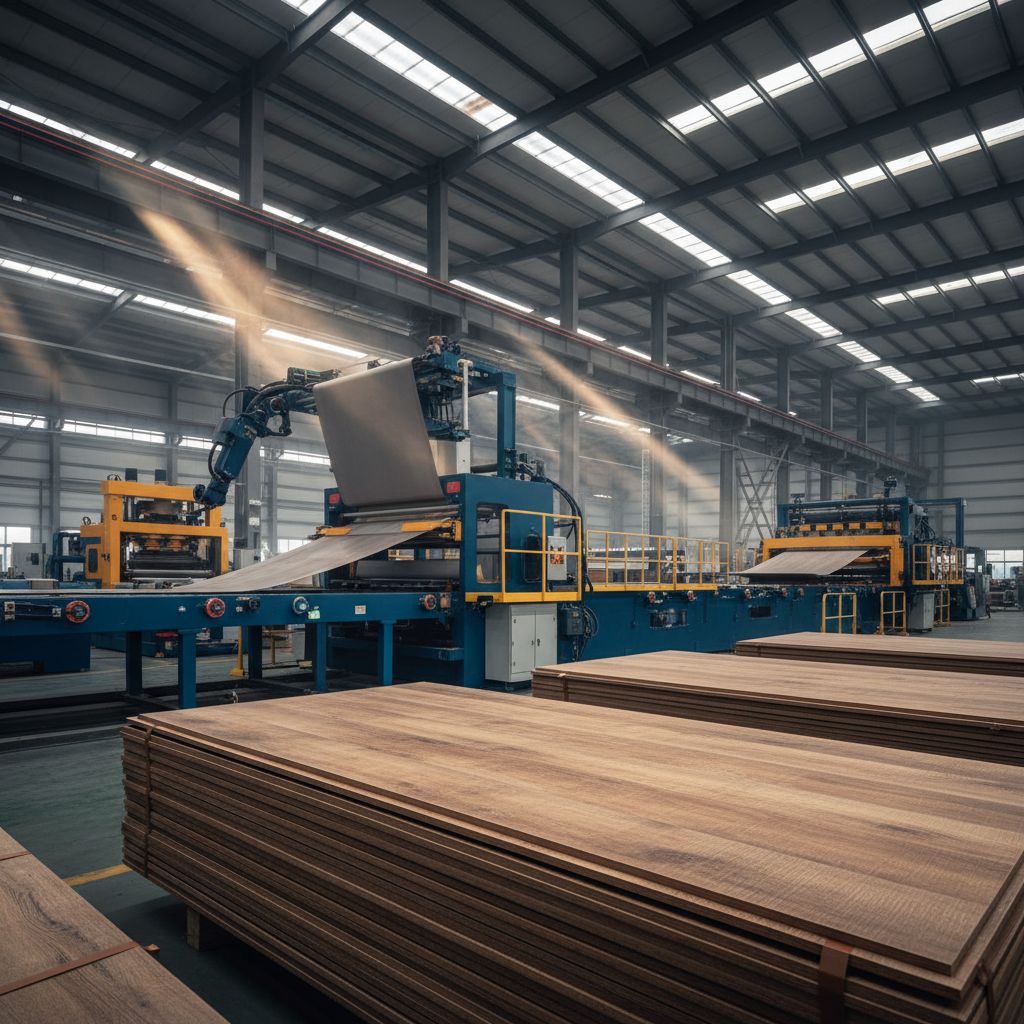 Ultimate Guide to Durable Waterproof SPC Vinyl Flooring StyleWhen renovating a modern home or commercial space, the flooring choice often defines the entire atmosphere. waterproof spc vinyl flooring has emerged as a revolutionary solution for those who refuse to compromise between aesthetic elegance and rugged performance. Standing for Stone Plastic Composite, SPC flooring is engineered to withstand the toughest environments, from moisture-prone bathrooms to high-traffic living rooms. In this comprehensive guide, we will explore why this material is dominating the interior design market and how it can transform your space into a sanctuary of style and resilience.Read More >
Apr 16 2026
-
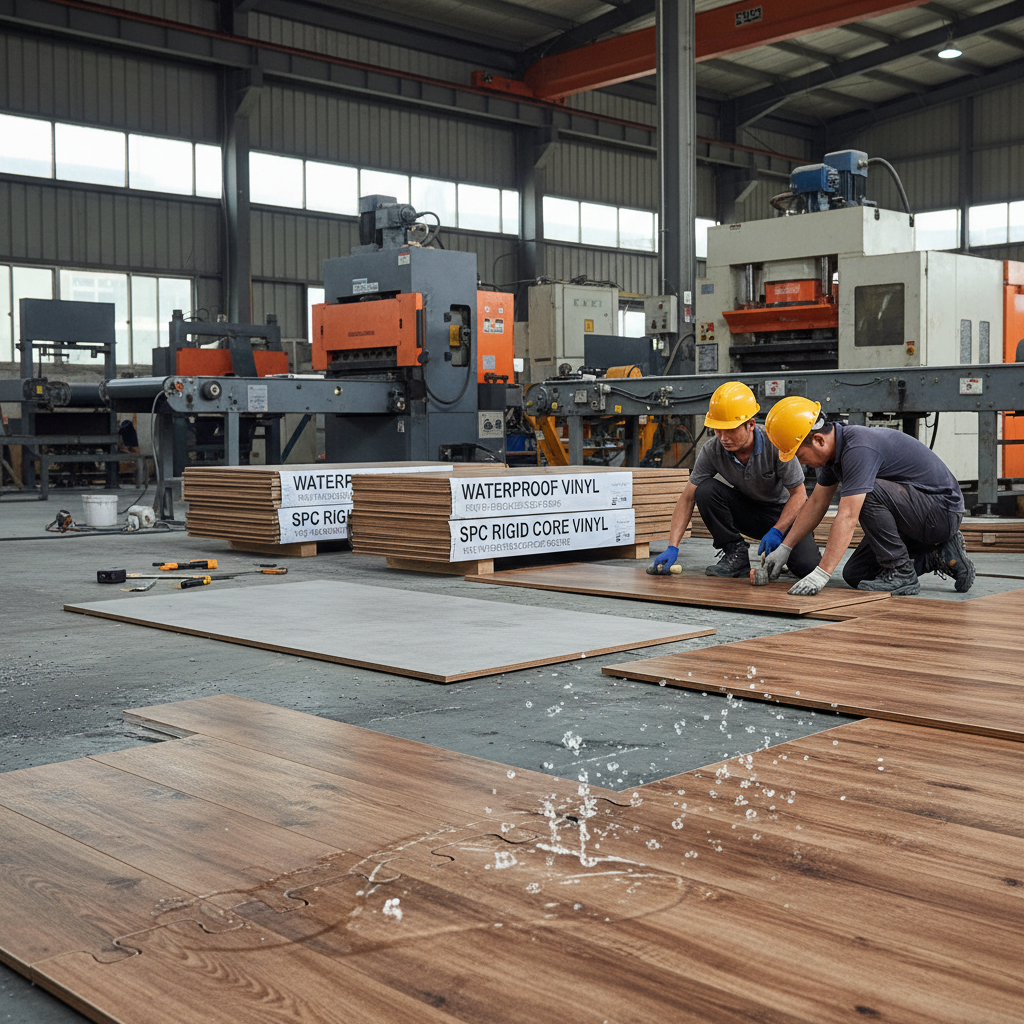 Ultimate Guide to Durable Waterproof SPC Rigid Core Vinyl FlooringChoosing the right flooring for a modern home or commercial space requires a balance between aesthetics and endurance. waterproof spc rigid core vinyl has emerged as a game-changer in the interior design world, offering the timeless look of hardwood with the unmatched resilience of stone polymer composite. Whether you are dealing with high-traffic hallways, moisture-prone bathrooms, or pet-friendly living rooms, this flooring solution provides a stable, waterproof, and scratch-resistant surface. In this comprehensive guide, we will explore why this innovative material is replacing traditional laminate and luxury vinyl planks in contemporary construction.Read More >
Apr 09 2026
-
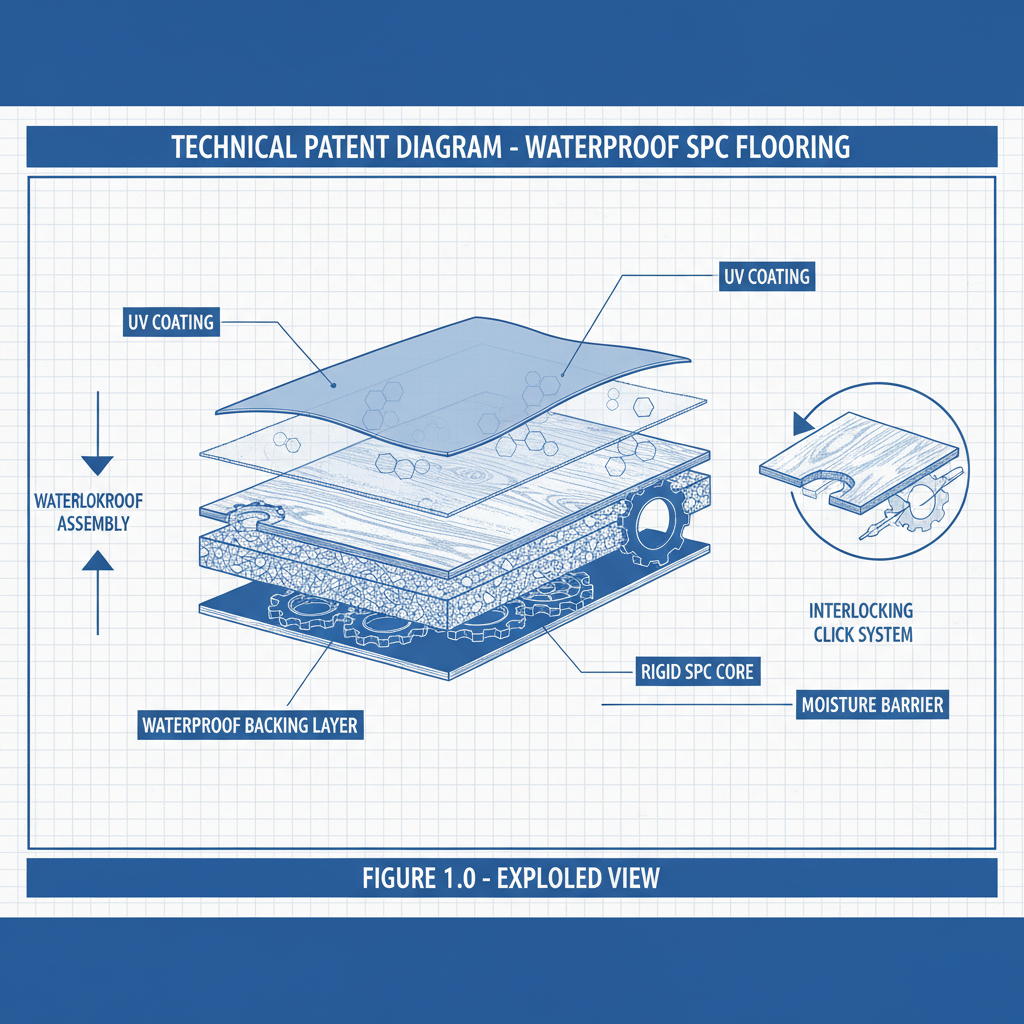 Comprehensive Guide to Waterproof SPC Flooring Durability and InstallationChoosing the right flooring for your home or business is a significant decision. Waterproof SPC flooring has emerged as a popular option due to its durability, affordability, and ease of installation. This article provides an in-depth look at waterproof SPC flooring, covering its benefits, installation process, maintenance, and comparisons with other flooring types. Understanding these aspects will help you determine if SPC flooring is the right choice for your project.Read More >
Apr 07 2026
-
 Discover the Durability and Style of Vinyl SPC Rigid Flooring SolutionsLooking for a durable, waterproof, and stylish flooring solution? Vinyl SPC rigid flooring is quickly becoming the go-to choice for homeowners and businesses alike. This article provides a comprehensive overview of this innovative flooring type, covering its benefits, installation, maintenance, and more. We’ll help you determine if SPC rigid vinyl flooring is the right fit for your project.Read More >
Apr 04 2026
-
 Comprehensive Guide to Durable Vinyl SPC Click Flooring Options and BenefitsChoosing the right flooring for your home or business is a significant decision. Vinyl SPC click flooring has emerged as a popular and durable option, offering a blend of aesthetic appeal and practical benefits. This article will explore the key features, advantages, installation process, and applications of SPC flooring, helping you determine if it's the right choice for your project. From its waterproof nature to its ease of installation, we'll cover everything you need to know.Read More >
Mar 31 2026
 +86 31185293045
  qian@ss711.com

Shijiazhuang Sothink trading Co., LTD.
Our company focuses on product development, production, sales and other all-round services, and is committed to providing customers with high-performance products and high-quality services.