


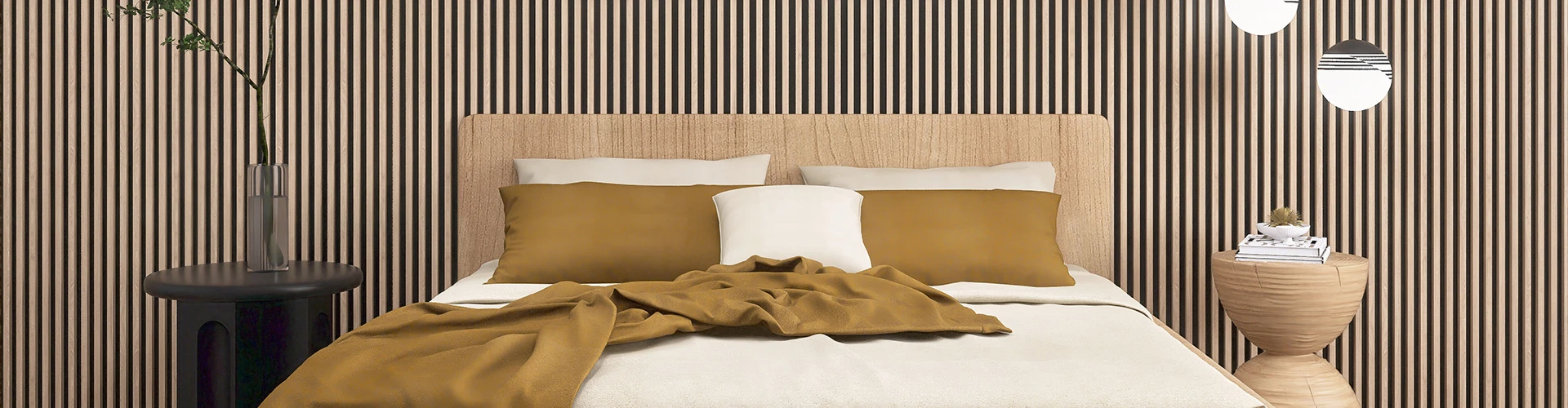
Premium WPC Exterior Wall Cladding | Durable & Low-Maintenance
Navigating the Landscape of Modern Exterior Facades
The architectural and construction industries are continually evolving, driven by demands for sustainable, durable, and aesthetically superior building materials. A significant innovation addressing these demands is Wood Plastic Composite (WPC) technology. Specifically, wpc exterior wall cladding has emerged as a preferred choice for architects, developers, and builders seeking high-performance and visually appealing solutions for building envelopes.
Current industry trends highlight a strong shift towards eco-friendly and low-maintenance materials. The global WPC market is projected to grow significantly, with applications in construction dominating market share. This growth is fueled by an increasing awareness of environmental protection, the necessity for robust weather resistance, and a desire for reduced long-term operational costs. WPC exterior wall panels, including wpc wall panel outdoor and exterior wpc wall panel systems, offer an intelligent blend of natural aesthetics and synthetic resilience, making them ideal for a diverse range of projects from commercial complexes to high-end residential developments.
This comprehensive guide delves into the intricate details of WPC exterior wall cladding, covering its manufacturing process, technical specifications, multifaceted advantages, diverse application scenarios, and key considerations for procurement and implementation. Our aim is to provide B2B decision-makers and engineering professionals with the authoritative insights necessary to make informed material selections.
The Advanced Manufacturing Process of WPC Exterior Wall Cladding
The production of high-quality wpc exterior wall cladding is a sophisticated industrial process, integrating material science with precision engineering to create a composite material that outperforms traditional alternatives. This process ensures the product's longevity, aesthetic appeal, and structural integrity.
Process Flow Overview:
- Material Preparation (Wood Fibers & Polymers):
High-grade wood fibers (e.g., wood flour, sawdust) are meticulously selected, dried to precise moisture content levels (typically less than 5%), and ground to a consistent particle size (e.g., 60-80 mesh). Concurrently, thermoplastic polymers, commonly high-density polyethylene (HDPE), polypropylene (PP), or polyvinyl chloride (PVC), are prepared. Additives such as coupling agents (e.g., maleated polyethylene), UV stabilizers, anti-oxidants, fungicides, colorants, and lubricants are weighed and batched according to proprietary formulations. These additives are crucial for enhancing material compatibility, weatherability, and dimensional stability.
- Compounding/Granulation:
The prepared wood fibers, polymers, and additives are introduced into a high-intensity mixer. This initial mixing ensures a homogeneous distribution of all components. Following this, the blend is fed into a twin-screw extruder operating at specific temperature profiles (e.g., 170-200°C for HDPE composites). The high shear forces within the extruder thoroughly melt and blend the mixture, encapsulating the wood fibers within the polymer matrix. This molten compound is then extruded through a die into strands, cooled, and pelletized into WPC granules. This granulation step ensures consistent feeding and melt uniformity for the final profile extrusion.
- Profile Extrusion (Casting):
The WPC granules are fed into another specialized extruder. Under controlled heat and pressure, the granules melt and are pushed through a custom-designed die (a metal plate with the desired profile shape). This process is akin to continuous casting, forming the distinct shape of the WPC wall panel exterior profile. The temperature, screw speed, and die design are precisely calibrated to prevent thermal degradation of the wood fibers and ensure a uniform, dense, and defect-free profile. Advanced techniques like co-extrusion may be employed to add a protective cap layer for enhanced scratch and fade resistance.
- Cooling and Calibration:
Immediately after exiting the die, the hot WPC profile enters a calibration unit, typically a vacuum sizing tank. Here, water cooling helps solidify the material while vacuum pressure ensures precise dimensional accuracy and straightness. Gradual and controlled cooling is critical to minimize internal stresses and warping, guaranteeing the final profile meets specified tolerances.
- Haul-off and Cutting:
A haul-off unit, consisting of rubber belts, gently pulls the cooled and calibrated profile at a consistent speed, preventing distortion. The continuous profile is then cut to predetermined lengths using an automatic saw, typically ranging from 2.2 meters to 5.8 meters, or as per client specifications.
- Surface Treatment & Finishing:
Depending on the desired aesthetic, the cut profiles undergo various surface treatments. Common methods include brushing (to create a wood grain texture), sanding (for a smooth finish), or embossing (to impart intricate patterns). These treatments enhance the natural appearance and tactile feel of the wpc outdoor wall cladding.
- Quality Control & Packaging:
Each batch undergoes rigorous quality control. Testing standards adhered to often include ISO 9001 for quality management, ISO 14001 for environmental management, and specific material performance tests such as ASTM D7032 for WPC decking and cladding, ASTM D6109 for flexural properties, and ISO 178 for bending. Critical parameters like density, flexural strength, impact resistance, water absorption, and UV stability are measured. Only materials meeting stringent criteria are approved for packaging and dispatch.
The precise control over each stage of this manufacturing process ensures that the resulting wpc exterior wall cladding exhibits superior characteristics suitable for demanding exterior applications. The target industries for this material are broad, including petrochemical, metallurgy, water supply & drainage facilities (for aesthetic and protective cladding), urban infrastructure, and commercial/residential construction, where energy saving through improved insulation and corrosion resistance are paramount advantages.
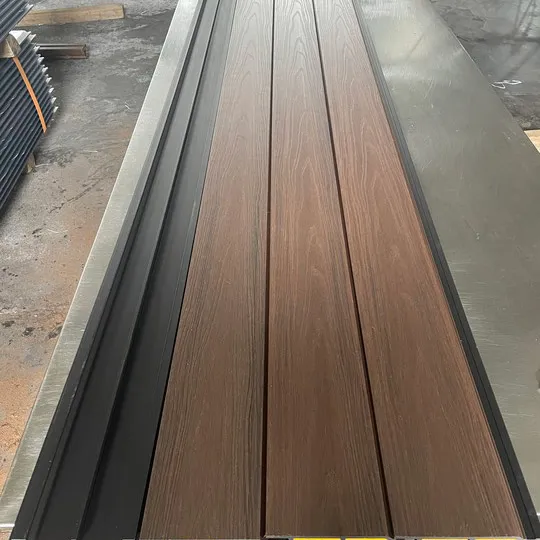
Technical Specifications of WPC Exterior Wall Cladding
Understanding the technical parameters of wpc exterior wall cladding is critical for ensuring optimal performance and compliance with project requirements. The following table provides typical specifications for high-quality WPC cladding profiles, often verified through accredited laboratory testing.
Typical WPC Exterior Wall Cladding Product Specifications
| Parameter | Value/Range | Test Standard |
|---|---|---|
| Material Composition | 60% Wood Fiber, 30% HDPE, 10% Additives | Internal Polymer Analysis |
| Density | 1.25 - 1.45 g/cm³ | ASTM D792 / ISO 1183 |
| Flexural Strength (MOR) | > 30 MPa (typical: 35-45 MPa) | ASTM D790 / ISO 178 |
| Flexural Modulus (MOE) | > 3.0 GPa (typical: 4.0-6.0 GPa) | ASTM D790 / ISO 178 |
| Water Absorption (24h) | < 1.0% (typical: 0.5-0.8%) | ASTM D570 / ISO 62 |
| Impact Strength (Notched Izod) | > 3.0 kJ/m² (typical: 4-6 kJ/m²) | ASTM D256 / ISO 179 |
| Thermal Expansion Coefficient | (2-5) x 10⁻⁵ / °C | ASTM D696 / ISO 11359 |
| UV Resistance (Color Fading) | Delta E < 3.0 after 2000h (Xenon Arc) | ASTM G154 / ISO 4892 |
| Fire Rating | Class B, C, or D (depending on formulation) | EN 13501-1 / ASTM E84 |
| Temperature Range (Operating) | -40°C to +60°C | Manufacturer Data |
| Expected Service Life | 15-25+ Years | Accelerated Weathering / Field Data |
These specifications underscore the engineered durability and performance of WPC exterior wall cladding, highlighting its suitability for rigorous outdoor conditions. The high flexural strength and modulus indicate excellent resistance to bending and deformation, while low water absorption minimizes swelling, rotting, and fungal growth. Superior UV resistance ensures long-term color stability, preserving the aesthetic integrity of the façade.
Technical Advantages of WPC Exterior Wall Cladding
The selection of an exterior cladding material profoundly impacts a building's performance, longevity, and environmental footprint. WPC exterior wall cladding offers a compelling suite of advantages that position it as a leading choice for contemporary and sustainable construction projects.
- Exceptional Durability and Service Life: WPC composites are engineered for extreme weather conditions. Unlike natural wood, they are impervious to rot, decay, insect infestation, and splintering. With an expected service life of 15-25 years or more, WPC reduces the frequency and cost of replacement cycles, offering a robust long-term solution.
- Superior Weather Resistance: Formulated with advanced UV stabilizers, WPC resists significant color fading and degradation from prolonged sun exposure. Its low water absorption rate (typically
- Low Maintenance Requirements: One of the most significant advantages for B2B applications is the minimal maintenance associated with wpc wall panel outdoor. It does not require painting, staining, or sealing, unlike natural wood. Periodic cleaning with soap and water is typically sufficient to maintain its appearance, drastically reducing operational costs over the product's lifespan.
- Energy Efficiency and Insulation: The composite nature of WPC provides inherent thermal insulation properties. When integrated into a properly designed rainscreen system, exterior wpc wall panel can contribute to a building's energy efficiency by reducing heat transfer, leading to lower heating and cooling costs. This aligns with modern green building standards and energy-saving initiatives.
- Corrosion Resistance: WPC is chemically inert to many common corrosive agents, making it suitable for industrial environments or areas exposed to pollutants where metal or natural wood might degrade. This resistance enhances its application versatility in diverse settings, including proximity to petrochemical facilities or marine environments.
- Sustainable and Eco-Friendly: Manufactured from recycled wood fibers and plastics, WPC contributes to waste reduction and resource conservation. It is often 100% recyclable at the end of its long service life, supporting circular economy principles. Choosing wpc outdoor wall cladding helps projects achieve LEED certification points for sustainable materials.
- Design Flexibility and Aesthetic Appeal: Available in a wide array of colors, textures (wood grain, brushed, embossed), and profiles, WPC offers immense design versatility. It can mimic the look of exotic hardwoods without the associated environmental impact or maintenance burden, allowing architects to achieve sophisticated aesthetic goals. Hidden fastening systems further enhance the clean, modern look.
- Structural Stability and Workability: WPC panels are dimensionally stable, resisting expansion and contraction common with solid wood. They can be cut, drilled, and fastened using standard woodworking tools, simplifying installation and reducing labor costs on site.
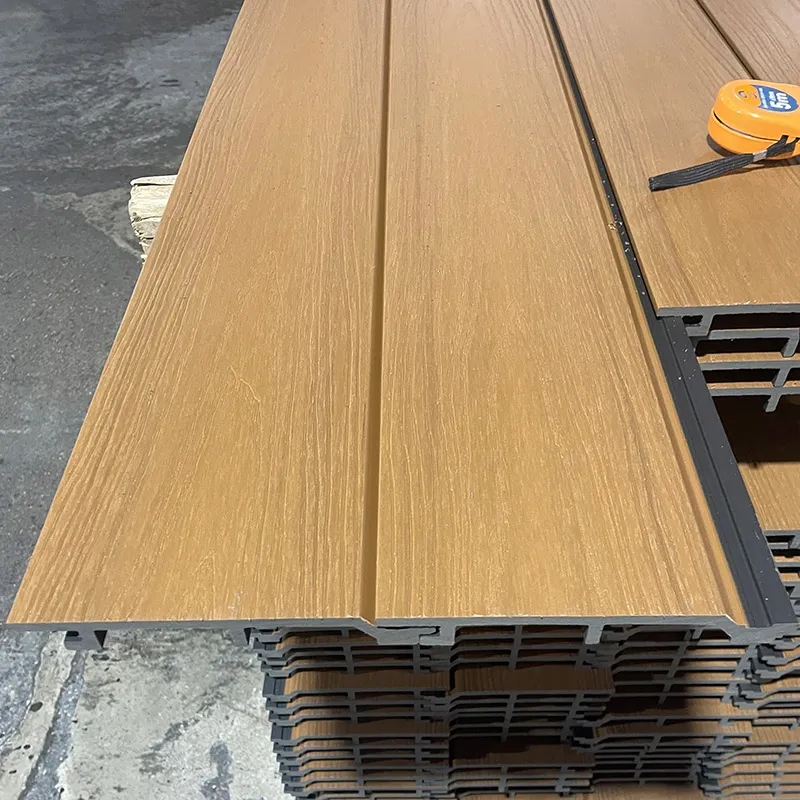
Application Scenarios for WPC Exterior Wall Cladding
The versatility and robust performance characteristics of wpc exterior wall cladding make it suitable for an extensive range of commercial, public, and high-end residential applications. Its ability to withstand harsh environmental conditions while maintaining aesthetic appeal positions it as a premier choice for various architectural styles.
- Commercial Buildings: From corporate offices and retail centers to hotels and restaurants, WPC cladding provides a sophisticated, modern, yet warm facade. Its low maintenance ensures that commercial properties retain a pristine appearance with minimal upkeep, crucial for brand image and operational efficiency.
- Residential Complexes: High-rise apartments, luxury villas, and multi-family housing units benefit from the durability and aesthetic flexibility of WPC. It offers a premium finish that enhances property value and provides long-term protection against the elements. The sound insulation properties also add to occupant comfort.
- Public Infrastructure: Libraries, museums, schools, and civic centers increasingly adopt WPC wall panel exterior for their facades. The material’s resistance to graffiti, impact, and general wear-and-tear makes it ideal for high-traffic public spaces where longevity and minimal repair are key considerations. Its use in these contexts also signals a commitment to sustainable construction practices.
- Hospitality and Leisure: Resorts, theme parks, and exterior entertainment venues utilize WPC for its ability to create inviting outdoor environments that blend seamlessly with natural surroundings. Its resistance to moisture and UV ensures that such installations remain vibrant and safe for visitors over many years.
- Industrial and Specialty Applications: While primarily aesthetic, the corrosion resistance of WPC makes it valuable in specific industrial contexts, such as cladding for non-load-bearing architectural elements within petrochemical or mining facilities where corrosive atmospheres are present, or as protective and decorative elements in water treatment plants and distribution centers. Its thermal insulation can also contribute to reducing energy loads in certain controlled environments.
- Rain Screen Systems: WPC exterior wall cladding is frequently integrated into advanced rainscreen facade systems. This design creates a ventilated cavity between the cladding and the structural wall, effectively managing moisture, improving thermal performance, and allowing for efficient dissipation of solar heat gain, contributing significantly to a building’s energy performance and structural integrity.
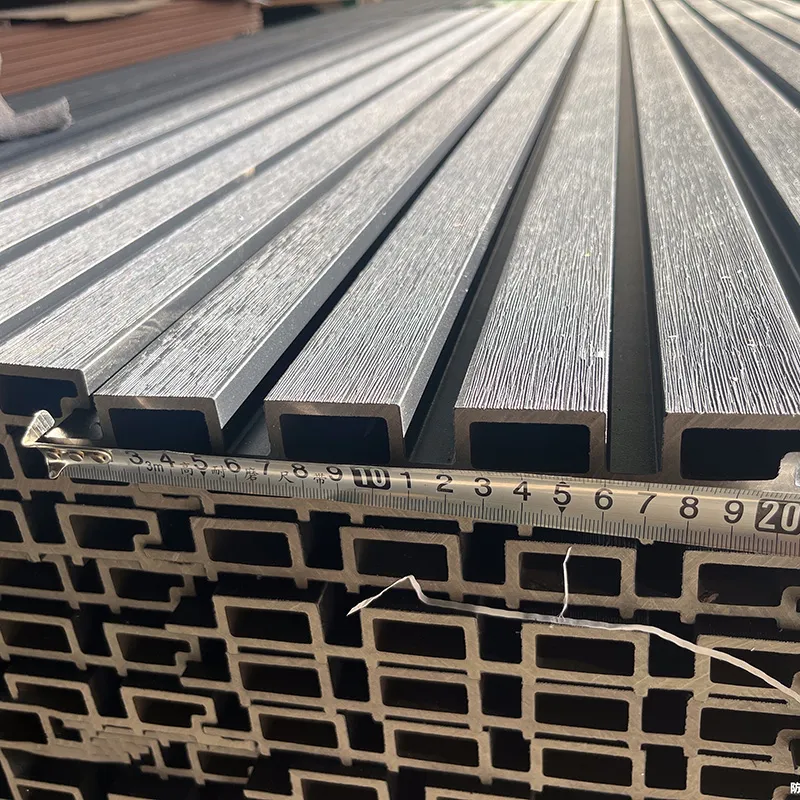
Vendor Comparison: WPC Exterior Wall Cladding vs. Traditional Materials
Selecting the right material for exterior cladding involves evaluating a multitude of factors, including initial cost, long-term maintenance, performance, and environmental impact. The following comparison highlights why wpc exterior wall cladding often represents a superior investment compared to traditional options like natural wood or fiber cement.
Material Comparison Table for Exterior Cladding
| Feature | WPC Exterior Wall Cladding | Natural Wood (e.g., Cedar, Pine) | Fiber Cement Board |
|---|---|---|---|
| Material Composition | Wood fibers, recycled plastic, additives | Solid timber (e.g., redwood, cypress) | Cement, sand, cellulose fibers |
| Durability/Lifespan | Excellent (15-25+ years), resistant to rot, insects | Good (10-20 years with maintenance), prone to rot, insects | Excellent (30-50+ years), resistant to insects, rot |
| Maintenance | Very Low (no painting/staining, occasional cleaning) | High (regular staining, painting, sealing) | Moderate (periodic painting, cleaning) |
| Weather Resistance | High (UV stable, low water absorption, frost-proof) | Moderate (prone to warping, fading, moisture damage) | High (fire, pest, moisture resistant) |
| Aesthetic Options | Diverse colors, textures (wood grain, brushed) | Natural wood grain (limited variety, changes over time) | Smooth or textured (can mimic wood, stone) |
| Environmental Impact | Sustainable (recycled materials, recyclable) | Varies (requires new timber, deforestation if not certified) | Generally low (durable, inert, but energy-intensive production) |
| Installation | Standard woodworking tools, hidden fasteners | Standard woodworking tools, visible fasteners often | Specialized tools (e.g., dust extraction), heavier |
| Cost (Lifetime) | Moderate initial, very low long-term (excellent ROI) | Lower initial, high long-term (maintenance costs) | Moderate initial, moderate long-term (painting cycles) |
This comparison clearly illustrates that while traditional materials may sometimes offer a lower initial purchase price, the total cost of ownership (TCO) for wpc wall panel exterior is significantly more favorable due to its minimal maintenance requirements and extended lifespan. Furthermore, its superior performance against environmental stressors positions it as a more reliable and sustainable choice for modern B2B projects.
Customized Solutions for WPC Exterior Wall Cladding
Recognizing the unique vision of each architectural project, leading manufacturers of wpc exterior wall cladding offer extensive customization capabilities. This flexibility ensures that designers and developers are not limited by standard offerings, but can achieve bespoke aesthetic and functional objectives.
- Profile and Dimension Tailoring: While standard profiles are readily available, manufacturers can produce custom extrusion dies to create unique panel shapes, widths, and thicknesses. This allows for distinctive shadow lines, architectural details, and integration with specific fastening systems. Projects requiring non-standard lengths to minimize cuts and waste are also accommodated.
- Color Matching and Finishes: Beyond a standard color palette, WPC cladding can be color-matched to specific Pantone or RAL codes, integrating seamlessly with corporate branding or complex design schemes. Surface finishes can range from deeply embossed wood grains that mimic natural timber to smooth, contemporary matte or high-gloss surfaces, providing tactile and visual variety for wpc wall panel outdoor applications.
- Performance Enhancements: For projects in particularly challenging environments, WPC formulations can be adjusted. This includes incorporating higher concentrations of UV inhibitors for increased solar radiation resistance in equatorial regions, adding flame retardants for enhanced fire safety ratings (e.g., achieving higher Class A/B ratings where required), or adjusting anti-fungal agents for hyper-humid climates.
- Integrated Systems: Manufacturers often work with clients to develop comprehensive cladding systems that include matching trims, corners, and specialized fastening solutions. This ensures a cohesive appearance and simplified installation process for the entire exterior wpc wall panel assembly.
- Digital Mock-ups and Prototyping: For complex custom orders, suppliers can provide digital renderings and even physical prototypes of custom profiles or color samples to ensure precise alignment with client expectations before full-scale production begins. This iterative approach minimizes risks and ensures complete satisfaction.
This commitment to customized solutions empowers B2B clients to realize ambitious architectural designs without compromising on the inherent benefits of wpc outdoor wall cladding.
Application Case Studies & Customer Experience
Real-world implementations demonstrate the tangible benefits and versatility of wpc exterior wall cladding across various sectors. These examples illustrate how technical advantages translate into successful project outcomes and positive client experiences.
Case Study 1: Luxury Residential Development (Coastal Region)
Project: A multi-unit luxury residential complex located directly on a highly corrosive coastal environment known for intense sun exposure and salt spray.
Challenge: Traditional timber cladding suffered from rapid degradation (rot, insect damage, severe fading) and required annual costly maintenance. Metal cladding options faced concerns regarding salt-induced corrosion and undesirable heat absorption.
Solution: The developers opted for a high-density wpc exterior wall cladding system with enhanced UV and moisture resistance. A custom light-grey wood-grain finish was chosen to complement the contemporary architectural style. The rainscreen installation system further improved thermal performance and moisture management.
Outcome: After five years, the WPC cladding shows virtually no signs of fading, warping, or degradation. Customer feedback consistently praises the low maintenance requirements and the sustained premium appearance, directly contributing to higher tenant satisfaction and reduced operational expenses for the property management. The investment proved significantly superior in terms of long-term value compared to previous material choices.
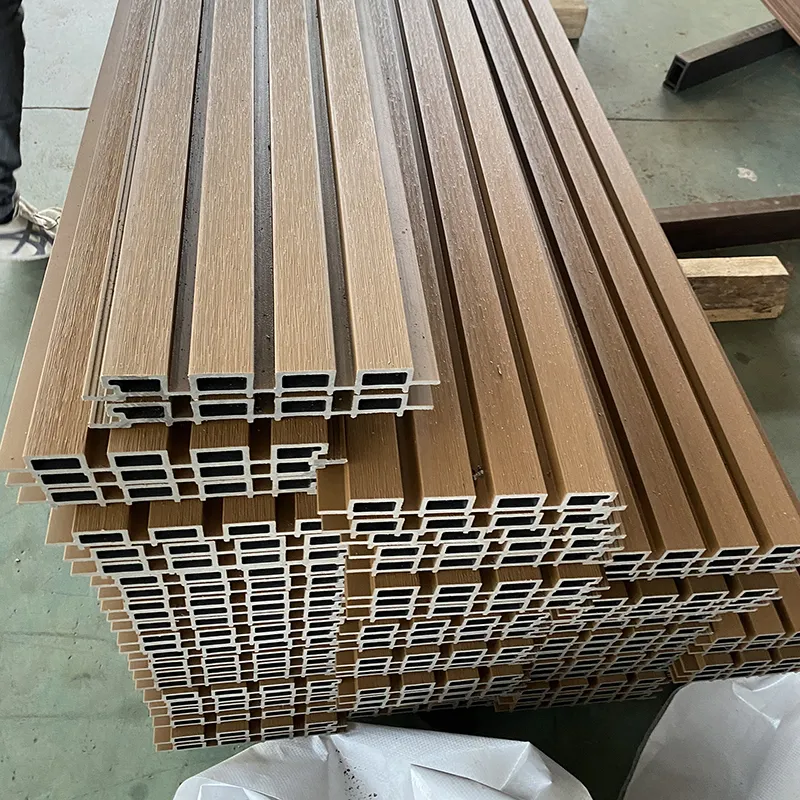
Case Study 2: Commercial Office Park Renovation
Project: Modernization of an aging commercial office park facade to improve aesthetic appeal, energy efficiency, and tenant comfort.
Challenge: The existing facade was dilapidated, offering poor insulation and a dated appearance, negatively impacting tenant attraction. The client required a solution that was quick to install, aesthetically transformative, and offered superior long-term performance.
Solution: A ventilated wpc exterior wall cladding system was chosen, featuring interlocking panels for swift installation. A dark, contemporary color was selected, paired with a subtle brushed finish to provide a sophisticated, low-gloss appearance. The WPC panels, combined with additional insulation in the rainscreen cavity, significantly enhanced the building's thermal envelope.
Outcome: The renovation dramatically improved the building's exterior, leading to a substantial increase in occupancy rates and positive tenant feedback regarding the modern aesthetic and improved indoor climate. The expedited installation minimized disruption to ongoing business operations. The property management reported a measurable decrease in energy consumption for heating and cooling, providing a strong return on investment within the first two years.
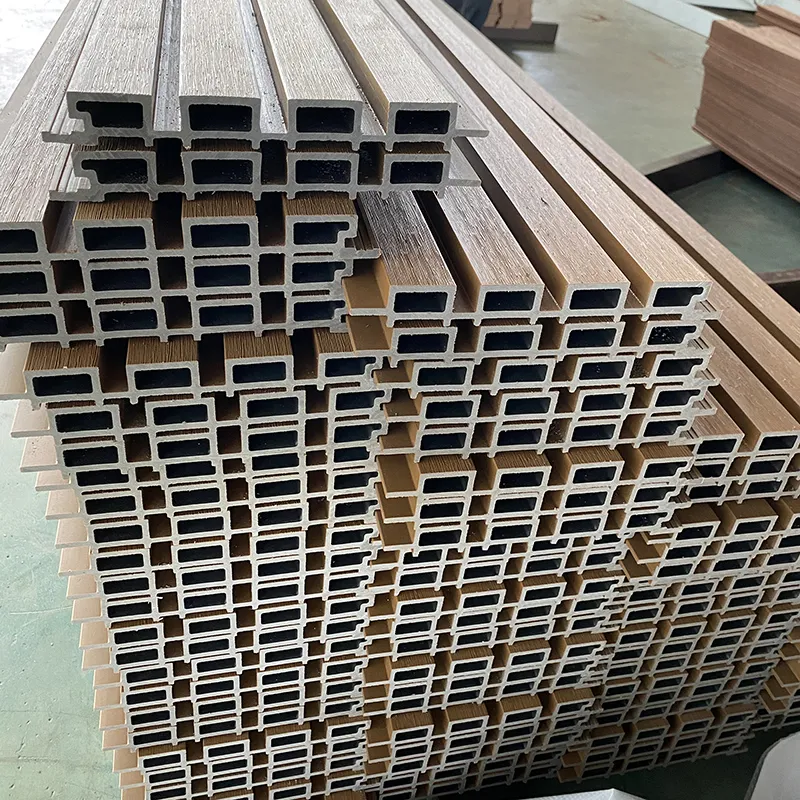
Ensuring Trustworthiness: FAQ, Lead Time, Warranty, and Support
As a professional B2B partner, we understand the importance of transparency and reliability. This section addresses common concerns and outlines our commitment to customer support for wpc exterior wall cladding solutions.
Frequently Asked Questions (FAQ)
-
Q: Is WPC cladding fire resistant?
A: WPC cladding offers varying levels of fire resistance depending on its formulation and additives. Our products typically meet Class B, C, or D fire ratings according to EN 13501-1 or ASTM E84. Specific project requirements should be discussed to ensure compliance.
-
Q: How does WPC perform in extreme temperatures?
A: Our wpc exterior wall cladding is engineered to withstand temperatures ranging from -40°C to +60°C without significant material degradation or loss of structural integrity, making it suitable for diverse global climates.
-
Q: Can WPC be painted or stained?
A: While painting or staining is generally not necessary due to the material's inherent color stability and low maintenance, WPC can be painted with certain types of paints formulated for plastics, after proper surface preparation. However, this is usually discouraged as it negates one of WPC's key advantages.
-
Q: What is the environmental impact of WPC?
A: WPC is considered an eco-friendly material as it utilizes recycled wood fibers and plastics, reducing landfill waste and demand for virgin timber. It is also recyclable at the end of its lifespan, contributing to a circular economy.
Lead Time and Fulfillment
Standard orders for wpc exterior wall cladding typically have a lead time of 15-30 business days, depending on order volume and specific customization requirements. Expedited production and shipping options are available upon request and will be quoted based on project urgency. We maintain efficient supply chain logistics to ensure timely delivery to your project site, minimizing construction delays.
Warranty Commitments
We stand behind the quality and durability of our products. Our wpc exterior wall cladding is backed by a comprehensive limited warranty, typically ranging from 10 to 15 years, covering against manufacturing defects, significant fading, rot, decay, and insect damage under normal use conditions. Full warranty details are provided with every quotation and purchase agreement.
Customer Support and After-Sales Service
Our commitment extends beyond product delivery. We offer dedicated customer support, including technical assistance for installation guidance, maintenance advice, and troubleshooting. Our team of experts is available to provide pre-sales consultation and post-sales support to ensure the successful and long-term performance of your WPC cladding system. Contact us via phone, email, or our online portal for prompt and professional assistance.
Conclusion
WPC exterior wall cladding represents a significant advancement in building material technology, offering an optimal balance of aesthetic appeal, robust performance, and environmental responsibility. Its superior durability, minimal maintenance, and versatility make it an intelligent choice for discerning B2B clients and architectural professionals. By leveraging advanced manufacturing processes and adhering to stringent quality standards, WPC cladding provides a sustainable and cost-effective solution for modern facade design, ensuring long-term value and enhancing the integrity of any structure.
The demonstrated advantages in various application scenarios, coupled with comprehensive technical specifications and dedicated customer support, affirm WPC as a reliable and forward-thinking material for the construction industry.
References
- 1. European Committee for Standardization. (2007). EN 13501-1: Fire classification of construction products and building elements - Part 1: Classification using data from reaction to fire tests.
- 2. ASTM International. (2019). ASTM D7032-19: Standard Specification for Establishing Performance Ratings for Wood-Plastic Composite Deck Boards and Guardrail Systems (Guards or Handrails).
- 3. International Organization for Standardization. (2018). ISO 178: Plastics — Determination of flexural properties.
- 4. American Society of Civil Engineers. (2020). ASCE 7-16: Minimum Design Loads and Associated Criteria for Buildings and Other Structures.
- 5. World Green Building Council. (2023). Driving Net Zero Carbon Buildings: A Global Overview.
-
 Ultimate Guide to Durable Waterproof SPC Vinyl Flooring StyleWhen renovating a modern home or commercial space, the flooring choice often defines the entire atmosphere. waterproof spc vinyl flooring has emerged as a revolutionary solution for those who refuse to compromise between aesthetic elegance and rugged performance. Standing for Stone Plastic Composite, SPC flooring is engineered to withstand the toughest environments, from moisture-prone bathrooms to high-traffic living rooms. In this comprehensive guide, we will explore why this material is dominating the interior design market and how it can transform your space into a sanctuary of style and resilience.Read More >
Apr 16 2026
-
 Ultimate Guide to Durable Waterproof SPC Rigid Core Vinyl FlooringChoosing the right flooring for a modern home or commercial space requires a balance between aesthetics and endurance. waterproof spc rigid core vinyl has emerged as a game-changer in the interior design world, offering the timeless look of hardwood with the unmatched resilience of stone polymer composite. Whether you are dealing with high-traffic hallways, moisture-prone bathrooms, or pet-friendly living rooms, this flooring solution provides a stable, waterproof, and scratch-resistant surface. In this comprehensive guide, we will explore why this innovative material is replacing traditional laminate and luxury vinyl planks in contemporary construction.Read More >
Apr 09 2026
-
 Comprehensive Guide to Waterproof SPC Flooring Durability and InstallationChoosing the right flooring for your home or business is a significant decision. Waterproof SPC flooring has emerged as a popular option due to its durability, affordability, and ease of installation. This article provides an in-depth look at waterproof SPC flooring, covering its benefits, installation process, maintenance, and comparisons with other flooring types. Understanding these aspects will help you determine if SPC flooring is the right choice for your project.Read More >
Apr 07 2026
-
 Discover the Durability and Style of Vinyl SPC Rigid Flooring SolutionsLooking for a durable, waterproof, and stylish flooring solution? Vinyl SPC rigid flooring is quickly becoming the go-to choice for homeowners and businesses alike. This article provides a comprehensive overview of this innovative flooring type, covering its benefits, installation, maintenance, and more. We’ll help you determine if SPC rigid vinyl flooring is the right fit for your project.Read More >
Apr 04 2026
-
 Comprehensive Guide to Durable Vinyl SPC Click Flooring Options and BenefitsChoosing the right flooring for your home or business is a significant decision. Vinyl SPC click flooring has emerged as a popular and durable option, offering a blend of aesthetic appeal and practical benefits. This article will explore the key features, advantages, installation process, and applications of SPC flooring, helping you determine if it's the right choice for your project. From its waterproof nature to its ease of installation, we'll cover everything you need to know.Read More >
Mar 31 2026
 +86 31185293045
  qian@ss711.com

Shijiazhuang Sothink trading Co., LTD.
Our company focuses on product development, production, sales and other all-round services, and is committed to providing customers with high-performance products and high-quality services.