



Premium WPC Fence Panels for Sale | Durable & Eco-Friendly
The Strategic Advantage of WPC Panels in Modern Infrastructure
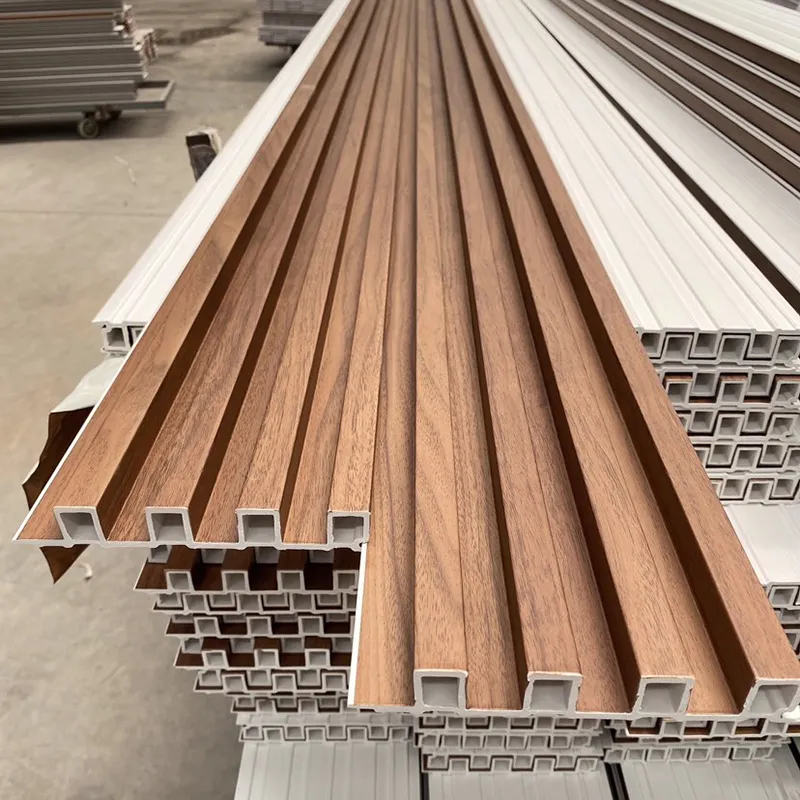
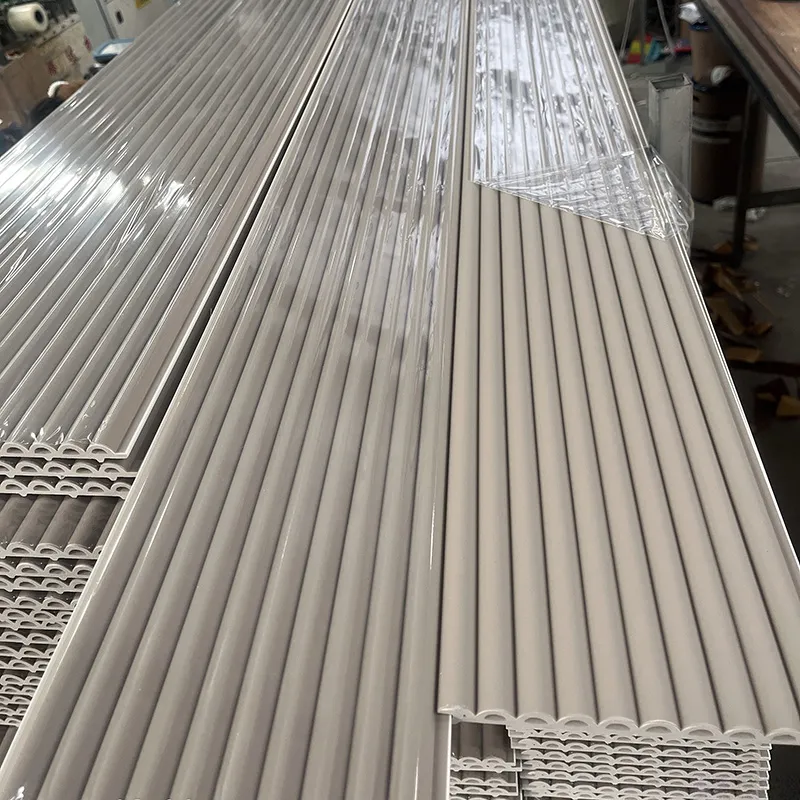
Wood Plastic Composite (WPC) panels represent a significant advancement in sustainable building materials, offering unparalleled durability, aesthetic versatility, and minimal maintenance. For B2B decision-makers and project engineers, understanding the intrinsic value of these materials is crucial for long-term investment. Specifically, the demand for high-performance wpc fence panels for sale is escalating, driven by both commercial and industrial requirements for robust, eco-friendly perimeter solutions. These panels, composed of a sophisticated blend of recycled wood fibers and thermoplastics, offer superior resistance to environmental degradation compared to traditional materials.
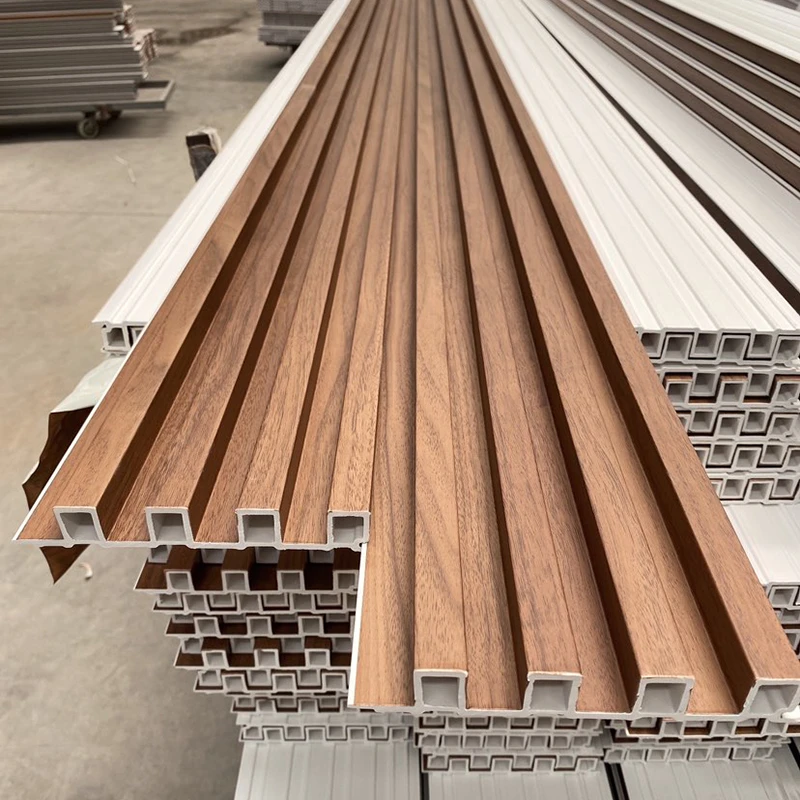
The engineered composition of WPC ensures resistance to rot, decay, insects, and moisture, making them an ideal choice for a wide array of applications, from protective fencing in industrial complexes to decorative partitioning in commercial spaces. The versatility extends to interior applications as well, with solutions such as WPC interior wall panels gaining traction for their design flexibility and acoustic properties. Leveraging advanced manufacturing techniques, modern WPC solutions are meticulously crafted to meet stringent performance benchmarks, ensuring project longevity and cost-effectiveness.
Industry Trends & Market Dynamics for WPC Solutions
The global market for WPC products is experiencing robust growth, propelled by increasing environmental consciousness, demand for sustainable building materials, and the need for low-maintenance alternatives. According to a report by Grand View Research, the global wood plastic composites market size was valued at USD 5.72 billion in 2023 and is expected to grow at a compound annual growth rate (CAGR) of 11.2% from 2024 to 2030. This upward trend directly impacts the availability and innovation within the sector, particularly for high-demand products like wpc fence panels for sale. Key drivers include:
- Sustainability Imperatives: A growing corporate commitment to green building practices and the use of recycled materials.
- Durability & Longevity: Superior resistance to weathering, rot, and pests reduces replacement cycles and operational costs.
- Aesthetic Versatility: A wide range of colors, textures, and profiles allows for greater design flexibility.
- Cost-Effectiveness Over Lifecycle: While initial investment might be comparable to or slightly higher than traditional materials, the reduced maintenance and longer service life result in significant long-term savings.
- Technological Advancements: Continuous innovation in polymer science and extrusion processes leads to enhanced material properties and new application possibilities for WPC wall panels and fencing.
The market is also seeing a rise in specialized suppliers, including wpc wall panel wholesalers, offering tailored solutions for diverse architectural and industrial projects. This competitive landscape fosters continuous improvement in product quality and service delivery, benefiting procurement professionals seeking reliable and high-performance WPC solutions. The shift towards modular construction and prefabricated components further amplifies the demand for standardized yet customizable WPC products.
Manufacturing Process of WPC Panels: Precision and Innovation
The production of high-quality WPC panels, whether for fencing or interior applications, is a sophisticated process that integrates polymer science with material engineering. This process ensures the creation of a composite material that outperforms its constituent parts in specific applications. Unlike traditional metal fabrication methods such as casting or forging, WPC panels primarily utilize extrusion and molding techniques, leveraging the thermoplastic properties of their polymer matrix.
Schematic Steps of WPC Panel Manufacturing:
-
1. Material Preparation:
- Wood Fibers: Sourced from recycled wood (e.g., sawdust, wood flour), dried to a precise moisture content (typically
- Polymer Matrix: Typically recycled thermoplastics such as PVC, HDPE, PP, or ABS. These are selected based on the desired mechanical properties and application environment (e.g., PVC for rigid structures, HDPE for flexibility).
- Additives: Critical for performance enhancement. These include coupling agents (e.g., maleic anhydride grafted polyolefins) to improve adhesion between wood and plastic, UV stabilizers for outdoor applications like wpc fence panels for sale, colorants, foaming agents, lubricants, and impact modifiers.
-
2. Compounding & Blending:
Raw materials are precisely weighed and fed into a high-intensity mixer. This step ensures homogeneous blending of wood fibers, polymers, and additives. The mixture is then typically granulated into pellets for consistent feeding into the extruder.
-
3. Extrusion or Molding:
The compounded material is fed into a twin-screw extruder. Under controlled heat and pressure, the material melts and is forced through a die to form the desired profile (e.g., hollow profiles for wall panels, solid profiles for fence posts, tongue-and-groove designs for easy installation). For specific shapes or larger components, injection molding or compression molding may be used. This process ensures the structural integrity of the final wpc wallpanel.
-
4. Cooling & Calibration:
The extruded profile is carefully cooled in a calibration unit, often using water baths, to maintain its shape and dimensional stability. This step is critical for preventing warping and ensuring precise dimensions.
-
5. Post-Processing & Finishing:
Once cooled, the WPC profiles are cut to specified lengths. Further processing can include sanding (to enhance wood grain appearance), brushing, embossing, or applying protective coatings. Quality control checks are performed at various stages, adhering to standards like ISO 9001 for quality management and ASTM standards for material properties.
Testing standards commonly applied include ISO 178 (flexural properties), ISO 527 (tensile properties), and ASTM D7031 (WPC decking and fencing). The typical service life of well-manufactured WPC panels is 15-25 years, significantly outperforming natural wood in demanding conditions.
Technical Specifications and Performance Parameters
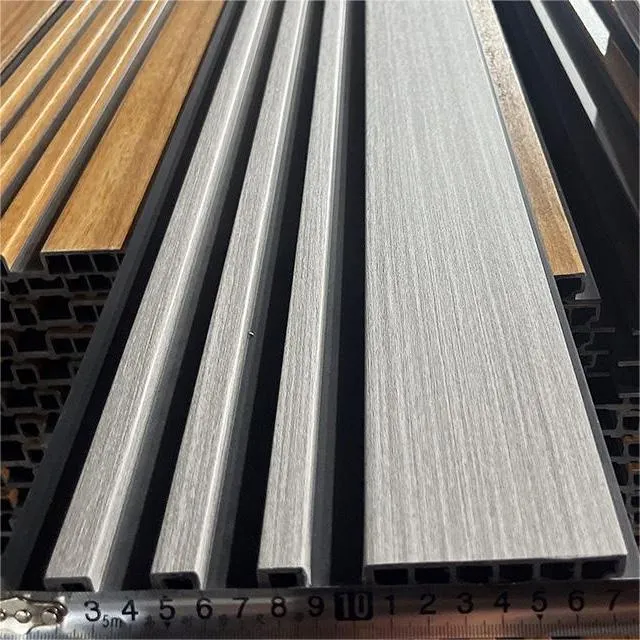
The performance of WPC panels is defined by a comprehensive set of technical specifications, ensuring their suitability for demanding B2B applications. These parameters are critical for engineers and procurement specialists to assess product quality and compliance. Below is a representative table of specifications for high-grade wpc wall panel products, including those suitable for fencing.
Typical WPC Panel Specifications
| Parameter | Unit | Typical Value (High-Grade WPC) | Testing Standard |
|---|---|---|---|
| Density | kg/m³ | 1000 – 1400 | ISO 1183-1 |
| Flexural Strength | MPa | 30 – 60 | ISO 178 |
| Tensile Strength | MPa | 20 – 40 | ISO 527-2 |
| Water Absorption (24h) | % | ISO 62 | |
| Impact Strength (Charpy) | kJ/m² | 5 – 15 (notched) | ISO 179-1 |
| Hardness (Shore D) | - | 65 – 80 | ISO 868 |
| Thermal Expansion Coefficient | µm/(m·°C) | 40 – 70 | ASTM E831 |
| Fire Rating (Bfl-s1 equivalent) | - | Class B (EN 13501-1) | EN 13501-1 |
These specifications highlight WPC's robust mechanical properties and excellent environmental resistance. High flexural and tensile strengths ensure structural integrity under load, crucial for fencing applications. Low water absorption mitigates swelling, warping, and susceptibility to fungal growth, extending service life significantly.
Application Scenarios and Target Industries
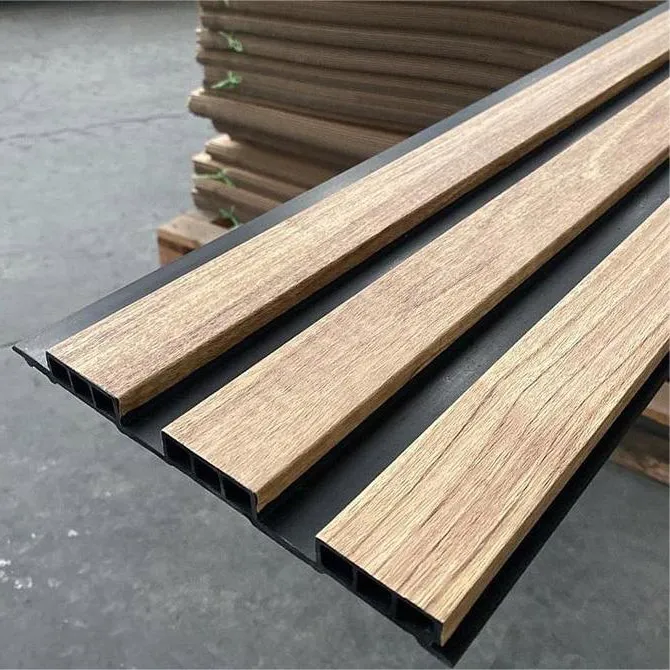
The versatility of WPC panels allows for their deployment across a broad spectrum of B2B applications, meeting the rigorous demands of various sectors. While commonly associated with residential decking, the advanced properties of modern WPC formulations make them highly suitable for industrial and commercial environments.
- Industrial Facilities: For perimeter security and demarcation, high-strength wpc fence panels for sale provide a durable, low-maintenance alternative to metal or treated lumber. In areas prone to chemical exposure (e.g., certain processing plants) or high humidity (e.g., water treatment facilities), WPC's corrosion resistance is a significant advantage.
- Commercial & Retail Spaces: WPC wall panels are extensively used for interior partitioning, decorative cladding, and shop fitting due to their aesthetic appeal, ease of installation, and durability. Their acoustic properties also contribute to a better indoor environment.
- Hospitality Sector: Hotels, resorts, and restaurants leverage WPC for exterior fencing, privacy screens, and interior design elements, benefiting from its luxurious appearance and minimal upkeep requirements.
- Public Infrastructure: Applications include boardwalks, sound barriers along highways, and decorative elements in urban parks. The resistance to vandalism and extreme weather makes WPC a pragmatic choice.
- Modular Construction: As manufacturers produce standardized, interlocking wall panel wpc systems, they become integral to rapid-deployment modular buildings, providing quick and efficient installation for both temporary and permanent structures.
In energy-saving initiatives, WPC panels can contribute to thermal insulation in building envelopes, reducing heating and cooling loads. Their robust composition also offers superior corrosion resistance in environments where traditional materials might degrade rapidly, such as coastal areas or certain industrial settings.
Technical Advantages and Performance Benefits
Opting for WPC solutions brings a multitude of technical and operational advantages for B2B enterprises. These benefits translate directly into reduced lifecycle costs, enhanced project longevity, and compliance with modern sustainability mandates.
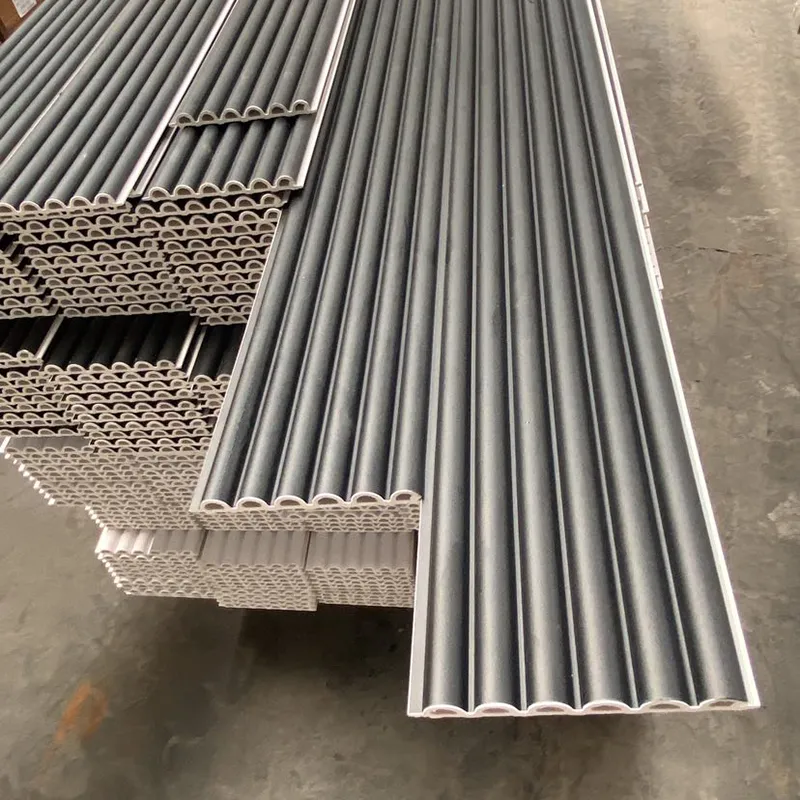
- Exceptional Durability: WPC panels are engineered to withstand harsh environmental conditions, including UV radiation, extreme temperatures, and moisture, far superior to natural wood. This makes them highly suitable for external applications like wpc fence panels for sale.
- Corrosion and Pest Resistance: Unlike wood, WPC is impervious to rot, fungal decay, and insect infestation (termites, borers), eliminating the need for chemical treatments and associated maintenance.
- Low Maintenance: WPC requires no painting, staining, or sealing. Routine cleaning with soap and water is typically sufficient, significantly reducing ongoing operational expenses.
- Eco-Friendly Composition: Utilizing recycled wood fibers and plastics, WPC contributes to waste reduction and circular economy principles, aligning with corporate social responsibility goals.
- Consistent Quality & Aesthetics: Manufactured under controlled industrial processes, WPC panels offer uniform color, texture, and dimensions, ensuring a consistent aesthetic throughout large-scale projects.
- Safety Features: Many WPC formulations are engineered with improved slip resistance and fire-retardant properties, enhancing safety in public and industrial settings.
- Installation Efficiency: Modern WPC systems are designed for straightforward installation, often featuring interlocking or modular designs, which can reduce labor costs and project timelines.
These advantages position WPC as a preferred material for projects prioritizing long-term value, environmental stewardship, and minimal operational overhead.
Vendor Comparison and Selection Criteria
Selecting the right supplier for WPC products is a critical decision that impacts project success, budget, and long-term performance. B2B purchasers should evaluate vendors beyond just price, focusing on expertise, product quality, certifications, and support services.
Key Vendor Evaluation Parameters:
| Criterion | Importance | Description & Verification |
|---|---|---|
| Product Quality & Material Composition | High | Verify wood-to-plastic ratio, additive quality (e.g., UV inhibitors), consistency in color/texture. Request samples and data sheets. |
| Certifications & Standards Adherence | High | Look for ISO 9001, CE marking, ASTM standards compliance (e.g., for fire rating, slip resistance). Authoritative references like these ensure product integrity. |
| Manufacturing Capabilities | Medium-High | Assess production capacity, technological advancements (e.g., co-extrusion), and quality control processes. This indicates reliability for bulk orders of wpc wallpanel. |
| Customization & Design Flexibility | Medium | Ability to provide custom colors, profiles, lengths, and finishes. Essential for unique project requirements. |
| Warranty & After-Sales Support | High | Clear warranty terms (10-25 years typical), technical support, and availability of replacement parts. Crucial for trustworthiness. |
| Lead Times & Logistics | Medium-High | Reliable fulfillment details, shipping options, and inventory management for large orders. |
| Reputation & Experience | High | Years in service, client testimonials, case studies, and industry recognition. Indicates expertise and reliability. |
Working with established wpc wall panel wholesalers who demonstrate a consistent track record of quality and service is paramount. They can provide essential data, technical assistance, and project-specific solutions.
Customized Solutions and Design Flexibility
One of the significant advantages of WPC technology is its inherent flexibility in customization, allowing B2B clients to achieve unique design objectives while leveraging the material's performance benefits. Manufacturers offering wpc wall panel solutions often provide extensive customization options.
- Profile and Dimensions: Custom extrusion dies can create bespoke profiles, including specific interlocking mechanisms, channel designs, or solid shapes tailored to unique architectural requirements for both interior cladding and wpc fence panels for sale.
- Color Matching: WPC can be manufactured in a vast array of colors. Advanced pigment technology allows for precise color matching to corporate branding guidelines or existing architectural palettes.
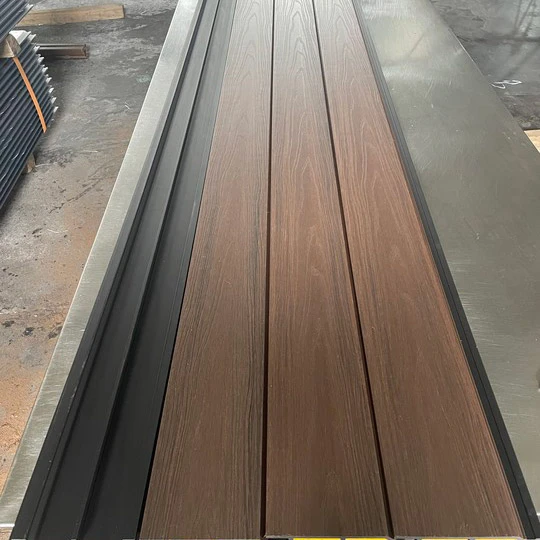
- Surface Finishes: Options include smooth, sanded, brushed (wood grain effect), embossed, or even co-extruded surfaces with a protective cap layer for enhanced durability and specific aesthetics.
- Material Composition Adjustments: For specialized applications, the ratio of wood fibers to plastic and the additive package can be optimized to enhance specific properties like fire resistance, rigidity, flexibility, or UV stability.
This ability to tailor solutions ensures that WPC panels are not just off-the-shelf products but integrated components that perfectly fit project specifications, contributing to both functional excellence and distinctive aesthetics.
Application Case Studies: Proven Performance in Diverse Environments
The practical application of WPC panels across various industries demonstrates their robust performance and long-term value. These examples highlight the tangible benefits for B2B clients.
Case Study 1: Industrial Perimeter Security
A large-scale logistics hub required a durable, low-maintenance perimeter fencing solution that could withstand severe weather conditions and deter unauthorized access. Traditional wood fencing proved too susceptible to rot and required frequent repainting, while metal fencing presented corrosion challenges in certain zones. By installing bespoke wpc fence panels for sale, the client achieved a robust, visually appealing barrier. The WPC panels, reinforced with galvanized steel posts, provided superior resistance to moisture, UV, and impact, resulting in an estimated 70% reduction in annual maintenance costs compared to previous solutions.
Case Study 2: Commercial Office Interior Revitalization
An international corporate headquarters sought to renovate its interior office spaces with materials that offered aesthetic appeal, acoustic performance, and rapid installation. The project utilized WPC interior wall panels in various meeting rooms and common areas. The tongue-and-groove design of the wpc wall panel system facilitated quick installation, minimizing disruption. The panels’ inherent sound-dampening properties contributed to an improved working environment, while their sleek, modern finish elevated the overall office aesthetic, receiving positive feedback from employees and visitors.
Case Study 3: Coastal Resort Infrastructure
A luxury resort located in a high-humidity, salt-air coastal environment needed to replace extensive wooden boardwalks and privacy screens that were deteriorating rapidly due to moisture and marine pests. Implementing specialized WPC decking and privacy screens provided a long-lasting solution. The WPC material's inherent resistance to saltwater, UV degradation, and biological attack ensured that the infrastructure remained pristine with minimal maintenance, enhancing guest experience and reducing operational expenses for the resort.
Frequently Asked Questions (FAQ)
Q1: What is the expected service life of WPC fence panels?
A1: High-quality WPC fence panels are designed for a service life of 15-25 years, often accompanied by a manufacturer's warranty. This longevity is due to their resistance to rot, insects, and harsh weather conditions.
Q2: Are WPC panels environmentally friendly?
A2: Yes, WPC panels are considered environmentally friendly. They typically incorporate recycled wood fibers and plastics, reducing demand for virgin timber and diverting waste from landfills. The manufacturing process is also designed to be energy-efficient.
Q3: How do WPC panels perform in extreme temperatures?
A3: WPC panels exhibit excellent thermal stability. While some thermal expansion/contraction may occur, especially with significant temperature fluctuations, quality formulations include additives to minimize this. They perform well in both hot and cold climates without cracking, warping, or becoming brittle.
Q4: Can WPC wall panels be customized for specific aesthetic needs?
A4: Absolutely. WPC offers extensive customization options in terms of color, texture (e.g., wood grain, smooth), profile (e.g., interlocking, ribbed), and dimensions. This flexibility allows for seamless integration into diverse architectural designs.
Q5: What certifications should I look for when sourcing WPC products?
A5: Key certifications include ISO 9001 (quality management), CE marking (European safety, health, and environmental protection standards), and adherence to relevant ASTM standards for material properties, fire ratings, and weather resistance. These validate the quality and compliance of the wall panel wpc or fence product.
Lead Time, Warranty, and After-Sales Support
Reliable logistics, comprehensive warranties, and responsive customer support are non-negotiable for B2B procurement. Reputable suppliers of wpc wall panel and fencing solutions prioritize these aspects to build lasting client relationships.
- Lead Time & Fulfillment: Standard lead times for WPC products typically range from 2-4 weeks for common profiles and colors, though custom orders or large volumes may require 6-8 weeks. Efficient suppliers maintain robust inventory management and offer flexible shipping solutions (e.g., FOB, CIF) to meet project deadlines. It is always recommended to discuss specific project timelines with wpc wall panel wholesalers during the quotation phase.
- Warranty Commitments: Most high-quality WPC manufacturers offer substantial warranties, often ranging from 10 to 25 years, against material defects, rot, splintering, and structural damage from pests. These warranties underscore the manufacturer's confidence in their product's durability and performance.
- Customer Support & Technical Assistance: Comprehensive after-sales support includes technical documentation, installation guides, troubleshooting services, and expert consultation for unique project challenges. Access to experienced technical teams ensures that any queries or issues related to the product are addressed promptly and effectively.
Conclusion: The Future of Sustainable and Durable Construction
Wood Plastic Composite panels offer a compelling blend of sustainability, durability, and aesthetic flexibility, making them an indispensable material for modern B2B construction and infrastructure projects. From robust wpc fence panels for sale providing long-term security to elegant interior WPC wall panels enhancing commercial spaces, their technical advantages are undeniable. By prioritizing quality, adhering to international standards, and partnering with experienced suppliers, businesses can leverage WPC technology to achieve superior project outcomes, reduce lifecycle costs, and meet environmental objectives. The continued innovation in WPC manufacturing ensures that these materials will remain at the forefront of sustainable building solutions for decades to come.
Citations
- Grand View Research. "Wood Plastic Composites Market Size, Share & Trends Analysis Report By Type (Polyethylene, Polypropylene, Polyvinylchloride), By Application (Decking, Fencing, Automotive), By Region, And Segment Forecasts, 2024 - 2030." grandviewresearch.com
- ISO International Organization for Standardization. "ISO 9001:2015 Quality management systems – Requirements." iso.org
- ASTM International. "Standard Practice for Establishing Performance Ratings for Wood-Plastic Composite and Plastic Lumber Decking Boards and Guardrail Systems (Guards or Handrails)." astm.org
- European Committee for Standardization. "EN 13501-1: Fire classification of construction products and building elements - Part 1: Classification using data from reaction to fire tests." cen.eu
- The WPC Association. "Understanding Wood Plastic Composites." wpc-info.com
-
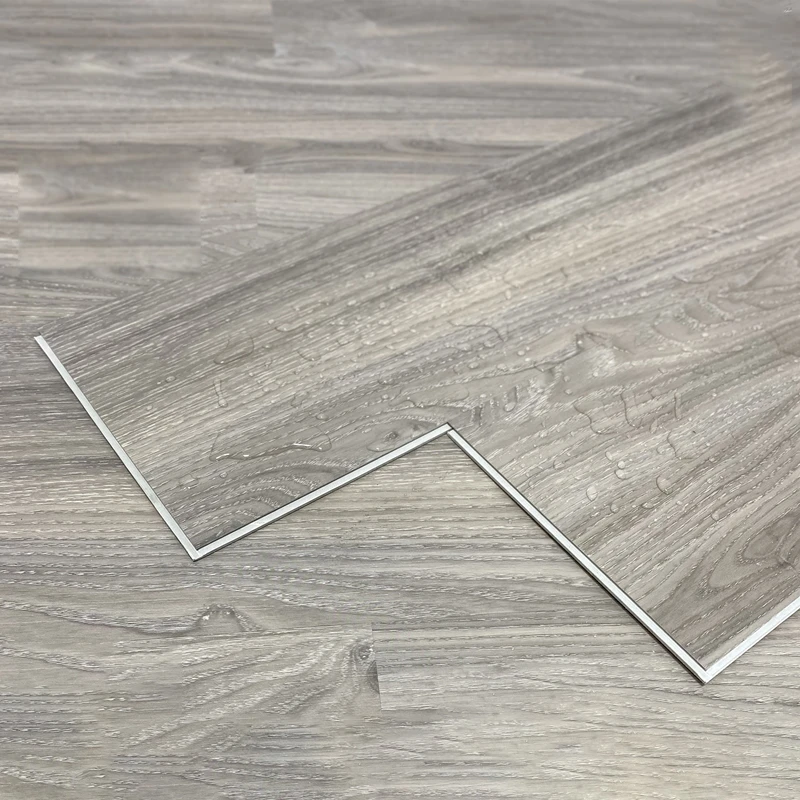
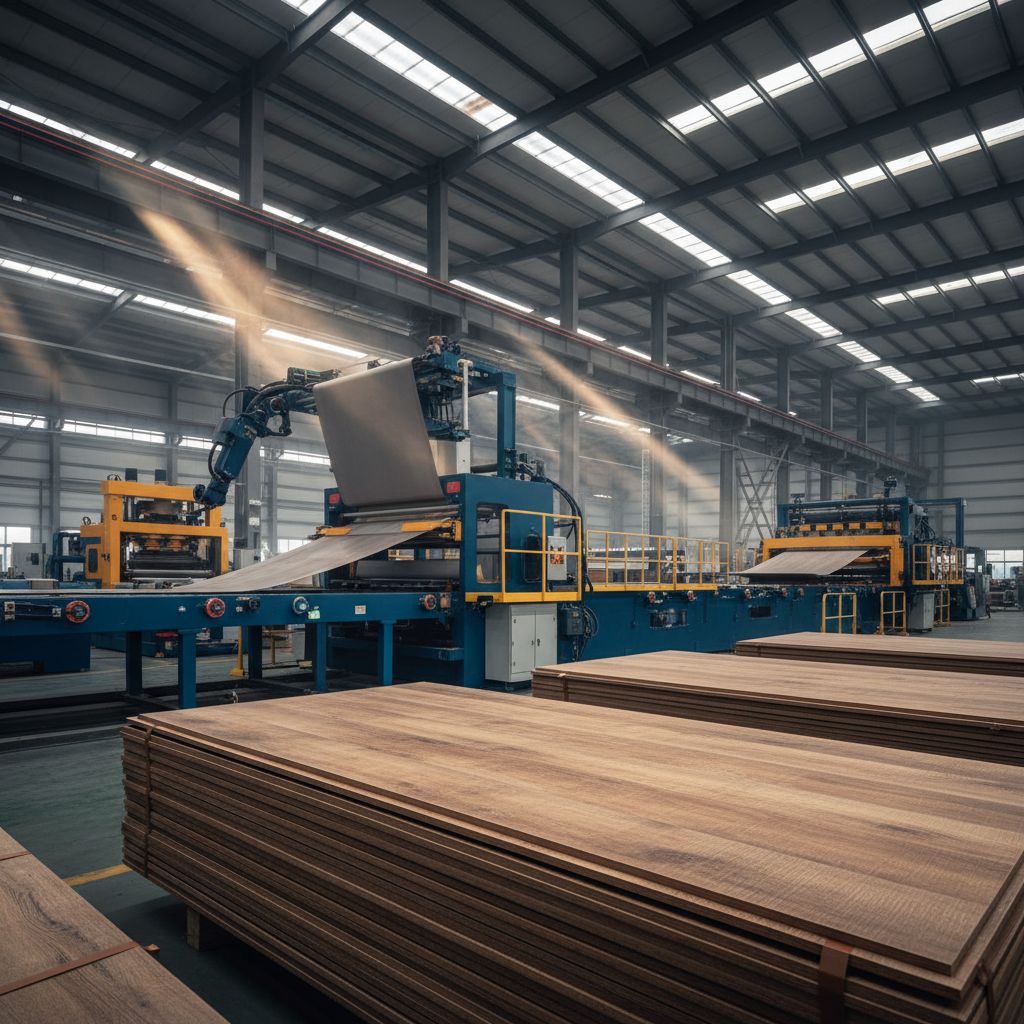 Ultimate Guide to Durable Waterproof SPC Vinyl Flooring StyleWhen renovating a modern home or commercial space, the flooring choice often defines the entire atmosphere. waterproof spc vinyl flooring has emerged as a revolutionary solution for those who refuse to compromise between aesthetic elegance and rugged performance. Standing for Stone Plastic Composite, SPC flooring is engineered to withstand the toughest environments, from moisture-prone bathrooms to high-traffic living rooms. In this comprehensive guide, we will explore why this material is dominating the interior design market and how it can transform your space into a sanctuary of style and resilience.Read More >
Apr 16 2026
-
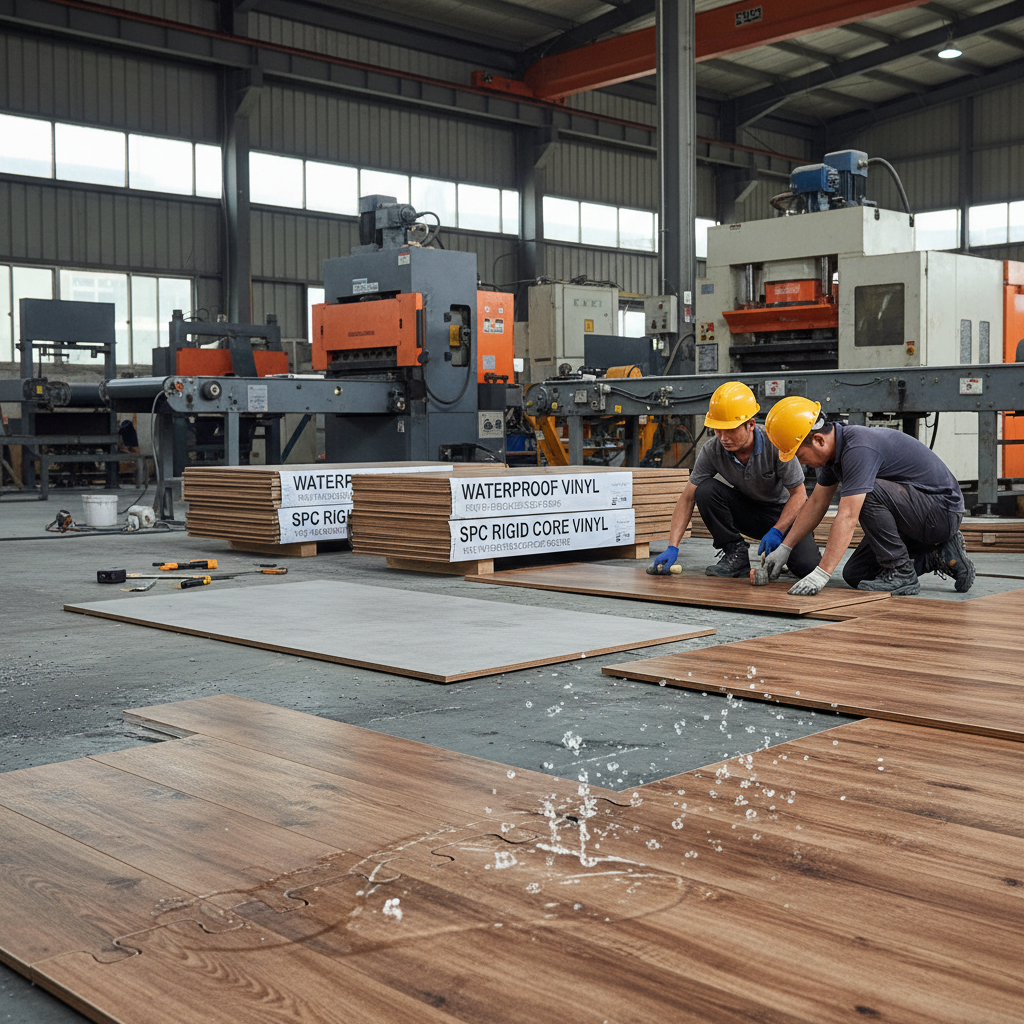 Ultimate Guide to Durable Waterproof SPC Rigid Core Vinyl FlooringChoosing the right flooring for a modern home or commercial space requires a balance between aesthetics and endurance. waterproof spc rigid core vinyl has emerged as a game-changer in the interior design world, offering the timeless look of hardwood with the unmatched resilience of stone polymer composite. Whether you are dealing with high-traffic hallways, moisture-prone bathrooms, or pet-friendly living rooms, this flooring solution provides a stable, waterproof, and scratch-resistant surface. In this comprehensive guide, we will explore why this innovative material is replacing traditional laminate and luxury vinyl planks in contemporary construction.Read More >
Apr 09 2026
-
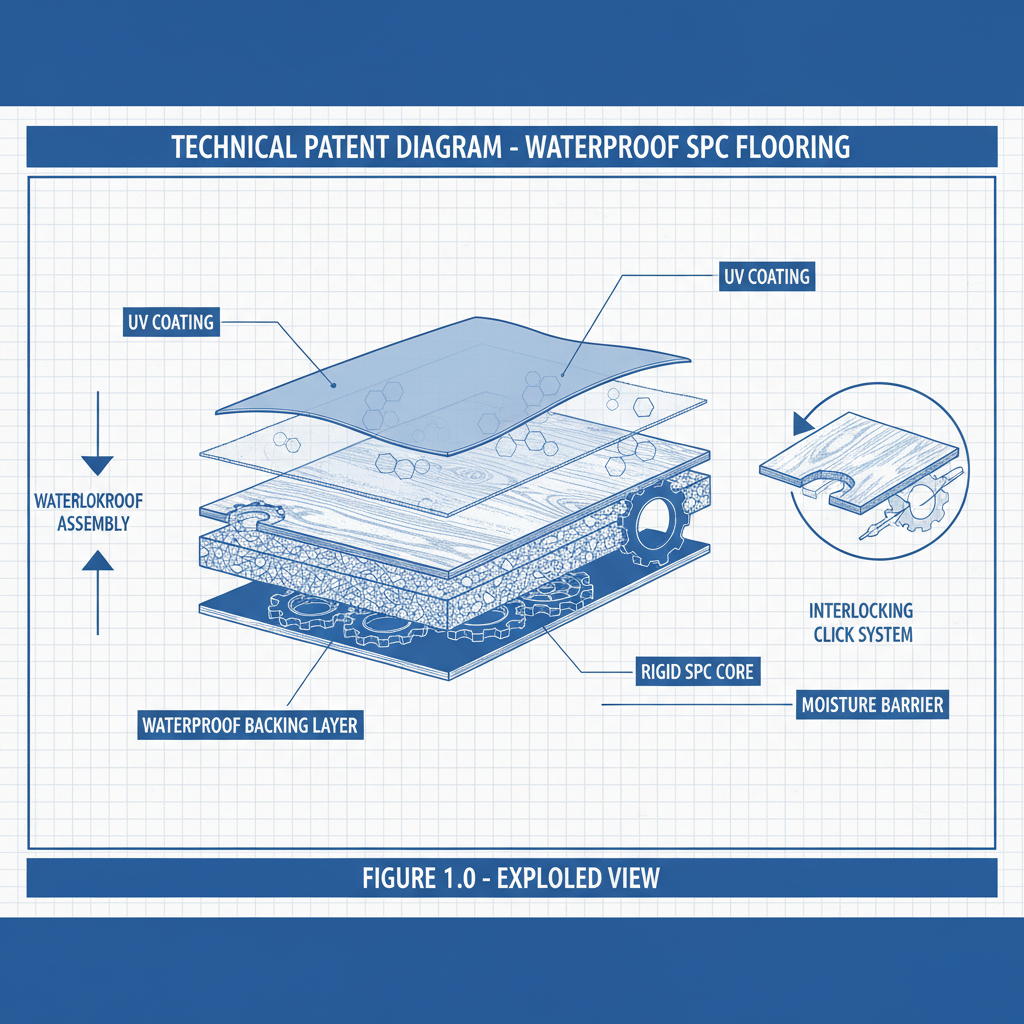 Comprehensive Guide to Waterproof SPC Flooring Durability and InstallationChoosing the right flooring for your home or business is a significant decision. Waterproof SPC flooring has emerged as a popular option due to its durability, affordability, and ease of installation. This article provides an in-depth look at waterproof SPC flooring, covering its benefits, installation process, maintenance, and comparisons with other flooring types. Understanding these aspects will help you determine if SPC flooring is the right choice for your project.Read More >
Apr 07 2026
-
 Discover the Durability and Style of Vinyl SPC Rigid Flooring SolutionsLooking for a durable, waterproof, and stylish flooring solution? Vinyl SPC rigid flooring is quickly becoming the go-to choice for homeowners and businesses alike. This article provides a comprehensive overview of this innovative flooring type, covering its benefits, installation, maintenance, and more. We’ll help you determine if SPC rigid vinyl flooring is the right fit for your project.Read More >
Apr 04 2026
-
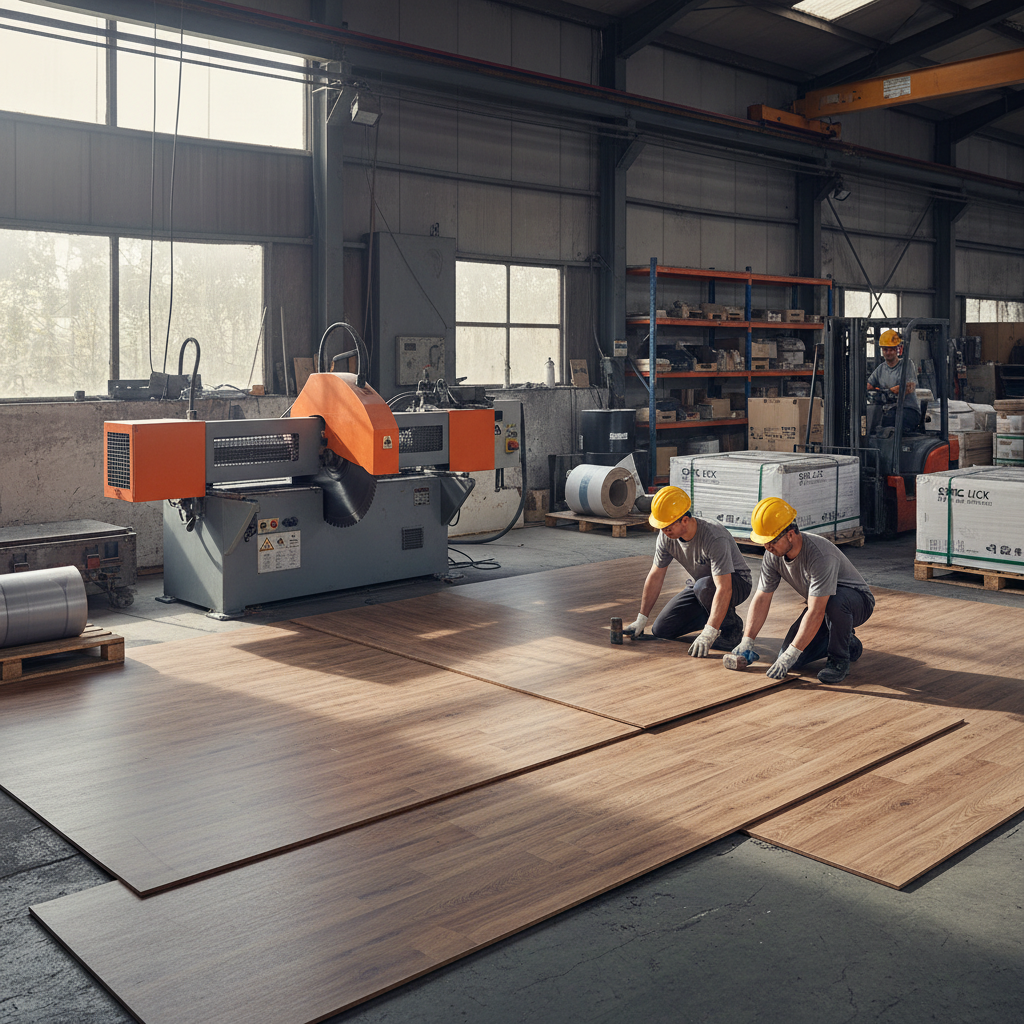 Comprehensive Guide to Durable Vinyl SPC Click Flooring Options and BenefitsChoosing the right flooring for your home or business is a significant decision. Vinyl SPC click flooring has emerged as a popular and durable option, offering a blend of aesthetic appeal and practical benefits. This article will explore the key features, advantages, installation process, and applications of SPC flooring, helping you determine if it's the right choice for your project. From its waterproof nature to its ease of installation, we'll cover everything you need to know.Read More >
Mar 31 2026
 +86 31185293045
  qian@ss711.com

Shijiazhuang Sothink trading Co., LTD.
Our company focuses on product development, production, sales and other all-round services, and is committed to providing customers with high-performance products and high-quality services.