


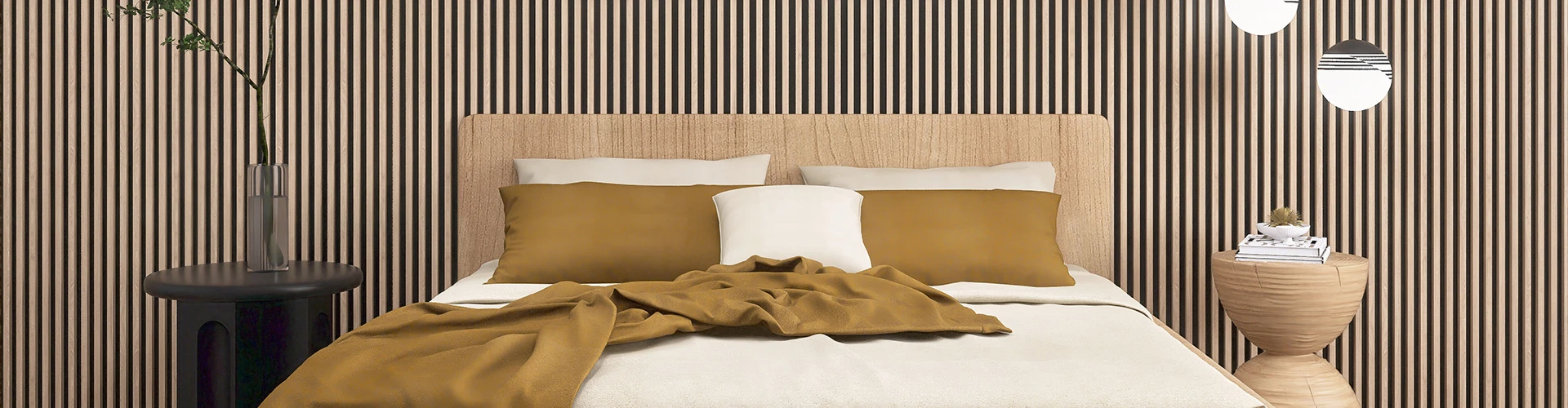
PVC Sheet for Wall Design: Durable, Cost-Effective & Stylish Wall Solutions
Understanding PVC Sheet for Wall Design: A Modern Solution Transforming Interiors
Whether you’re redesigning a cozy café or outfitting an office, pvc sheet for wall design is fast becoming an unsung hero of interior architecture. But why exactly does it matter globally, and what makes it such a smart choice for wall applications? Frankly, this material blends durability and flexibility with aesthetics, offering a winning combo that’s hard to beat.
Globally, with urban spaces expanding and a keen push toward sustainable building practices, the demand for versatile, cost-effective wall materials has climbed — not just in commercial hubs but also in remote or disaster-affected areas. Understanding the benefits and characteristics of PVC sheets for wall design helps designers, architects, and even humanitarian agencies adopt smarter solutions that save time, money, and environmental resources.
Introduction: The Global Context of PVC Sheet for Wall Design
The use of PVC (Polyvinyl Chloride) sheets in construction has skyrocketed over the last decade. The global rigid PVC market was valued at approximately 45 billion USD in 2022, reflecting the material’s vast industrial reach (source: Statista). What’s especially interesting is its role in wall designs, where conventional materials like wood, plaster, and ceramic tiles often fall short in terms of moisture resistance, durability, or ease of installation.
This industry shift also responds to environmental regulators worldwide pushing for materials that are recyclable and have lower embodied carbon. While PVC itself has faced criticism, advancements in formulations have improved its environmental footprint, such as incorporating recycled content or additives enhancing longevity. PVC sheet for wall design thus surfaces as a solution addressing a pressing challenge: how to make wall surfaces that are robust, aesthetically pleasing, and environmentally considerate.
What Is PVC Sheet for Wall Design?
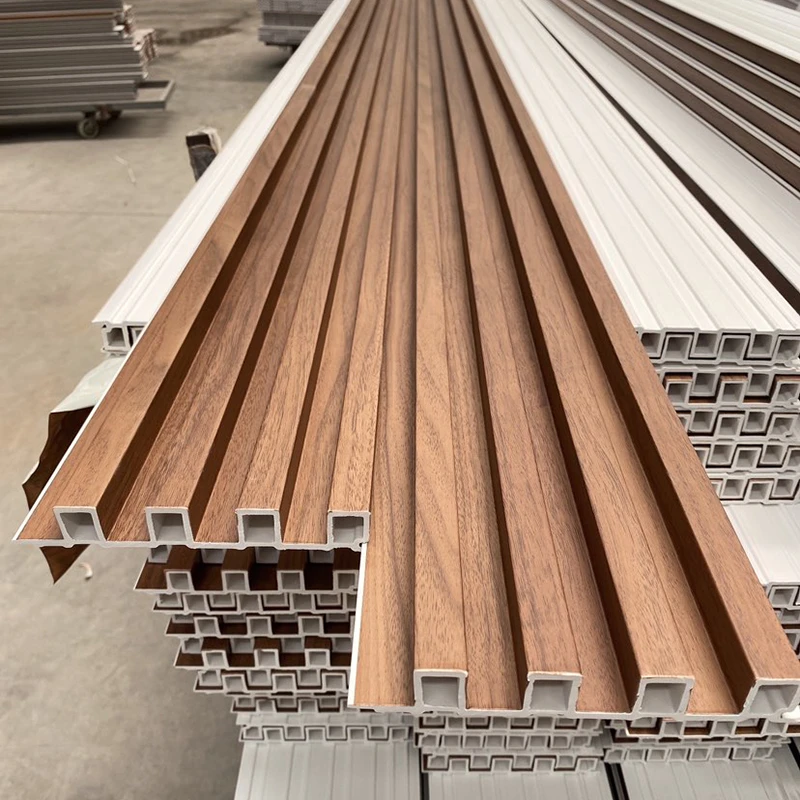
At its core, PVC sheet for wall design refers to flat, manufactured panels made from polyvinyl chloride plastic that are used as wall claddings or coverings. These sheets come in various thicknesses, textures, and finishes, enabling users to mimic wood grain, stone, or even high-gloss surfaces depending on the need.
What connects PVC sheets to modern industry and humanitarian contexts is their adaptability. In rapidly changing environments—whether an urban showroom or a makeshift medical clinic post-disaster—these sheets provide fast, clean, and lightweight wall protection or decoration that’s resistant to water, mold, and chemical damage.
Key Factors That Make PVC Sheet a Popular Wall Solution
1. Durability
PVC sheets are impressively resilient. Resistant to scratches, impacts, and moisture, they retain their structural integrity in kitchens, bathrooms, and even industrial settings. This longevity reduces the frequency and costs associated with wall repairs or replacements.
2. Cost Efficiency
Compared to natural materials like wood veneer or stone finishes, PVC sheets offer a budget-friendly alternative with lower installation costs. In addition, their lightweight nature means less labor and time are needed on site.
3. Design Flexibility
Thanks to printing and embossing technologies, designers can select from a broad palette of colors and patterns. This includes UV-resistant coatings that keep colors fresh even in sunlit areas.
4. Water and Chemical Resistance
A key factor, especially in humid climates or lab environments. PVC won’t warp or rot when exposed, unlike many wood-based panels.
5. Easy Maintenance
A quick wipe with mild detergent is usually all that’s needed to keep PVC sheets looking prime. This reduces downtime in commercial spaces and enhances hygiene.
Product Specifications at a Glance
| Feature | Specification | Benefits |
|---|---|---|
| Thickness | 2mm - 10mm | Customizable for application & strength |
| Weight | Lightweight (approx. 1.4 g/cm³ density) | Easy transport & installation |
| Color/Finish | Glossy, matte, wood grain, stone look | Versatile aesthetics |
| Fire Rating | Class B1 (flame retardant) | Safety in public spaces |
| Environmental | Contains recycled material option | Eco-conscious choice |
Global Applications & Use Cases
PVC sheets have found their way from traditional interior design studios to the most unexpected places. In Asia, where humid climates wreak havoc on wood wall panels, pvc sheets for wall design thrive by resisting moisture and termite damage.
Oddly enough, humanitarian agencies working in emergency shelters often prefer PVC sheets to insulate and protect temporary clinic walls — because they’re lightweight and easy to ship along with medical supplies. For example, during the 2021 floods in South Asia, relief groups deployed PVC sheet panels to quickly establish hygienic treatment spaces.
Meanwhile, industries such as hospitality and healthcare benefit from PVC’s easy-to-clean surfaces, which meet stringent hygiene standards without breaking the bank. Even trendy restaurants have jumped on using patterned PVC walls to create design statements.
Vendor Comparison: PVC Sheet Suppliers
| Supplier | Material Quality | Design Variety | Price Range | Lead Time |
|---|---|---|---|---|
| Sothink Decor | Premium grade, flame retardant | Extensive (wood, stone, plain, textured) | $$ | 2-3 weeks |
| Generic PVC Co. | Standard grade | Limited (mostly plain colors) | $ | 1-2 weeks |
| Elite Wall Panels | High-end composite blends | Custom designs (patented tech) | $$$ | 4-6 weeks |
Advantages & Long-Term Value
To cut right to it, PVC sheets bring a durable, affordable, and easy-to-maintain solution to any wall design. From a logical perspective, this means fewer replacements, less labor, and better project budgets. Emotionally, spaces feel safer and cleaner—thanks in part to enhanced fire resistance and mold-free surfaces. Employees and customers alike enjoy bright, fresh interiors that reflect well on businesses.
Sustainability-wise, it’s a step ahead compared to traditional PVC manufacturing; many suppliers now incorporate recycled content and design for recyclability. This aligns with ISO 14001 environmental management standards, which are gaining traction in the construction sector globally (source: ISO).
Future Trends & Innovations in PVC Wall Materials
Innovators are exploring biobased additives and next-gen composites to reduce PVC’s carbon footprint further. Additive manufacturing techniques are also enabling personalization on demand, from command centers in smart buildings to residential homes looking for unique Panelling.
Increasing integration with digital design software makes it easier to visualize and order custom PVC panels online — speeding workflows and slashing errors. Sustainability regulations will undoubtedly shape the future too, rewarding those who innovate in recyclability and non-toxic formulations.
Challenges and Solutions
Despite their many perks, PVC sheets face challenges—primarily related to environmental impact and disposal. The presence of chlorine means careful recycling is necessary to avoid hazardous byproducts. Luckily, advances in mechanical recycling and chemical treatment processes are being refined. Additionally, uptake of greener alternatives like bio-PVC is still limited but promising.
On-site, improper installation can cause issues with panel warping or seams showing. That’s why choosing experienced suppliers and installers (hint: companies like sothinkdecor.com) who understand the material nuances makes a real difference.
FAQ: Frequently Asked Questions About PVC Sheet for Wall Design
- Q: How does PVC compare to traditional drywall for wall protection?
A: PVC sheets are waterproof and resistant to impacts, unlike drywall which can easily absorb moisture and dent. For areas like kitchens or bathrooms, PVC is often preferred for durability. - Q: Can PVC wall sheets be used outdoors?
A: Yes, but only specific grades designed for UV resistance and weatherproofing. Using indoor PVC outdoors might lead to discoloration or brittleness over time. - Q: Are PVC sheets recyclable?
A: Many PVC sheets contain recyclable content and can be recycled at specialized facilities. However, recycling availability varies by region, so check local guidelines. - Q: How long does a typical PVC wall panel last?
A: With proper installation and maintenance, PVC wall panels can last upwards of 15-20 years, often outlasting painted or wood alternatives. - Q: What are key maintenance tips for PVC sheets?
A: Simply wipe down with mild detergent and avoid abrasive cleaners. Inspect for damage periodically, especially at cut edges or seals.
Conclusion: Why PVC Sheet for Wall Design Is a Smart Choice
Looking at the bigger picture, pvc sheet for wall design offers a blend of durability, design versatility, and cost-effectiveness that’s rare to find all at once. It meets an urgent global need for materials that keep up with modern interior demands and environmental goals — a balancing act that’s tricky but vital.
If you’re considering a wall solution that’s practical, stylish, and future-ready, I’d suggest diving deeper with suppliers like sothinkdecor.com. They offer a comprehensive range, solid expertise, and are up to speed on the latest innovations.
Why not explore their catalog today to see how these innovative PVC sheets could transform your next project?
Mini takeaway: PVC sheets for wall design blend aesthetic appeal with durability and sustainability, making them a top contender for interiors worldwide.
References
-
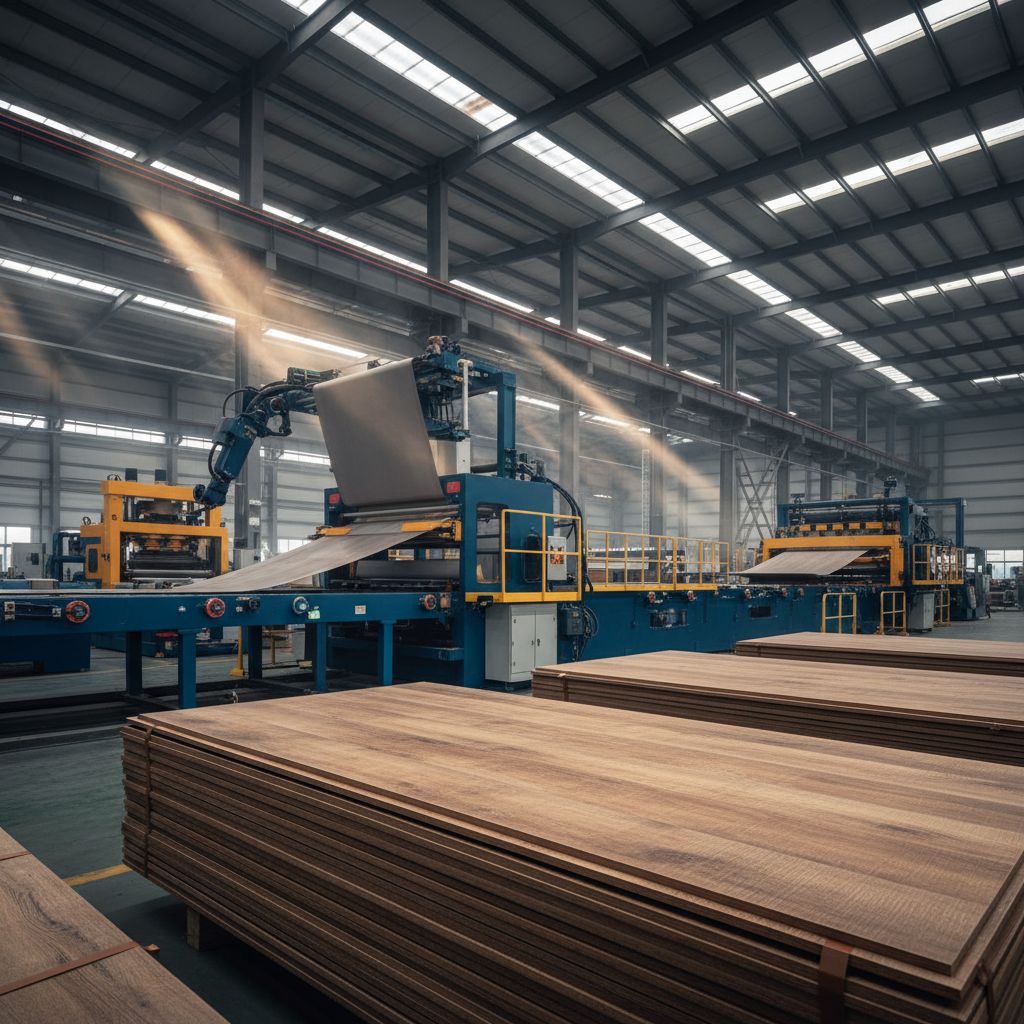 Ultimate Guide to Durable Waterproof SPC Vinyl Flooring StyleWhen renovating a modern home or commercial space, the flooring choice often defines the entire atmosphere. waterproof spc vinyl flooring has emerged as a revolutionary solution for those who refuse to compromise between aesthetic elegance and rugged performance. Standing for Stone Plastic Composite, SPC flooring is engineered to withstand the toughest environments, from moisture-prone bathrooms to high-traffic living rooms. In this comprehensive guide, we will explore why this material is dominating the interior design market and how it can transform your space into a sanctuary of style and resilience.Read More >
Apr 16 2026
-
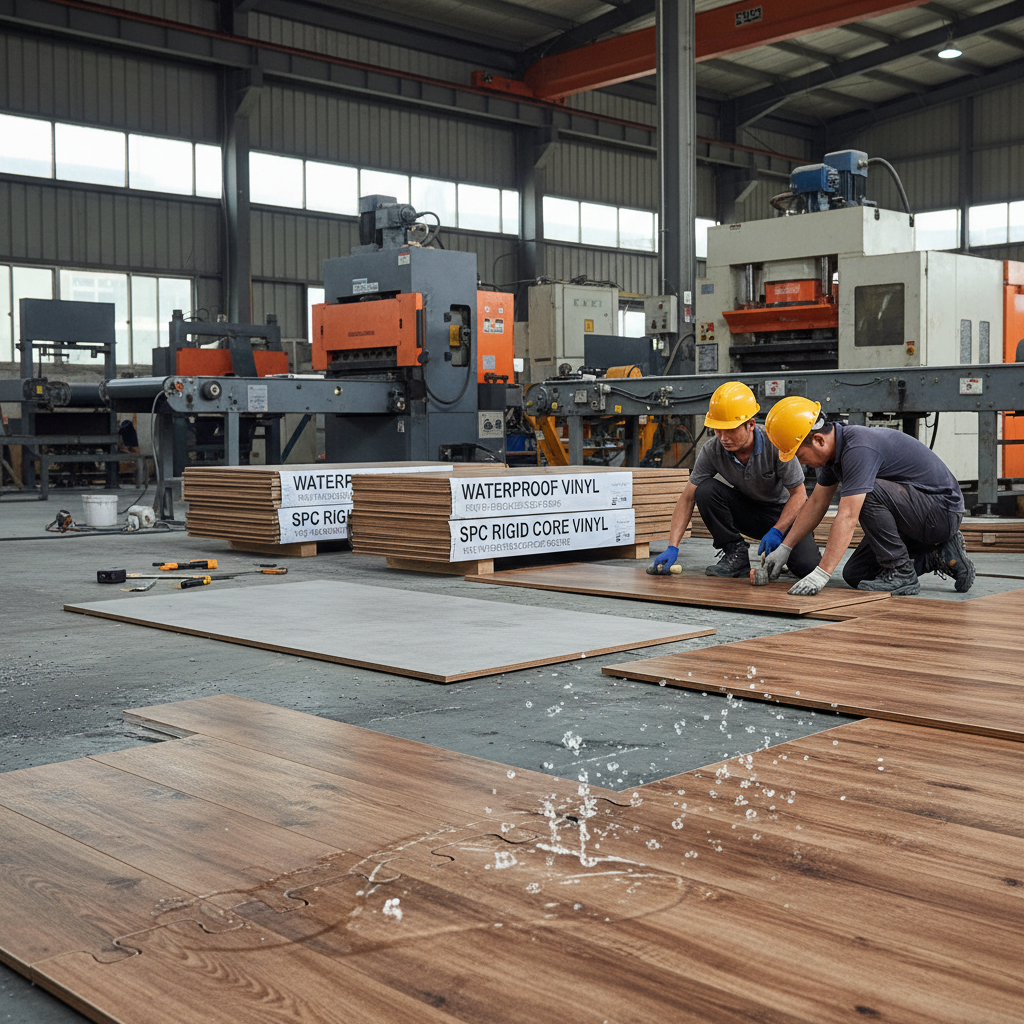 Ultimate Guide to Durable Waterproof SPC Rigid Core Vinyl FlooringChoosing the right flooring for a modern home or commercial space requires a balance between aesthetics and endurance. waterproof spc rigid core vinyl has emerged as a game-changer in the interior design world, offering the timeless look of hardwood with the unmatched resilience of stone polymer composite. Whether you are dealing with high-traffic hallways, moisture-prone bathrooms, or pet-friendly living rooms, this flooring solution provides a stable, waterproof, and scratch-resistant surface. In this comprehensive guide, we will explore why this innovative material is replacing traditional laminate and luxury vinyl planks in contemporary construction.Read More >
Apr 09 2026
-
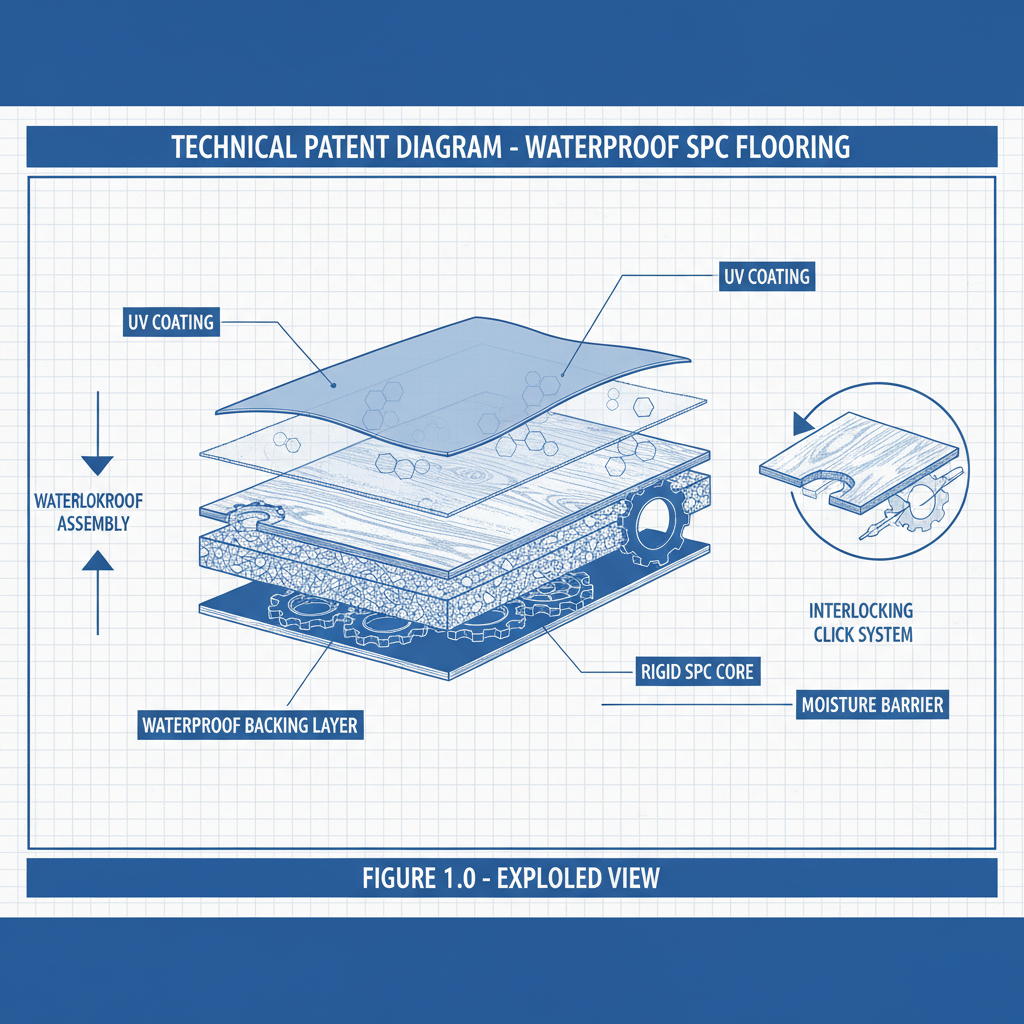 Comprehensive Guide to Waterproof SPC Flooring Durability and InstallationChoosing the right flooring for your home or business is a significant decision. Waterproof SPC flooring has emerged as a popular option due to its durability, affordability, and ease of installation. This article provides an in-depth look at waterproof SPC flooring, covering its benefits, installation process, maintenance, and comparisons with other flooring types. Understanding these aspects will help you determine if SPC flooring is the right choice for your project.Read More >
Apr 07 2026
-
 Discover the Durability and Style of Vinyl SPC Rigid Flooring SolutionsLooking for a durable, waterproof, and stylish flooring solution? Vinyl SPC rigid flooring is quickly becoming the go-to choice for homeowners and businesses alike. This article provides a comprehensive overview of this innovative flooring type, covering its benefits, installation, maintenance, and more. We’ll help you determine if SPC rigid vinyl flooring is the right fit for your project.Read More >
Apr 04 2026
-
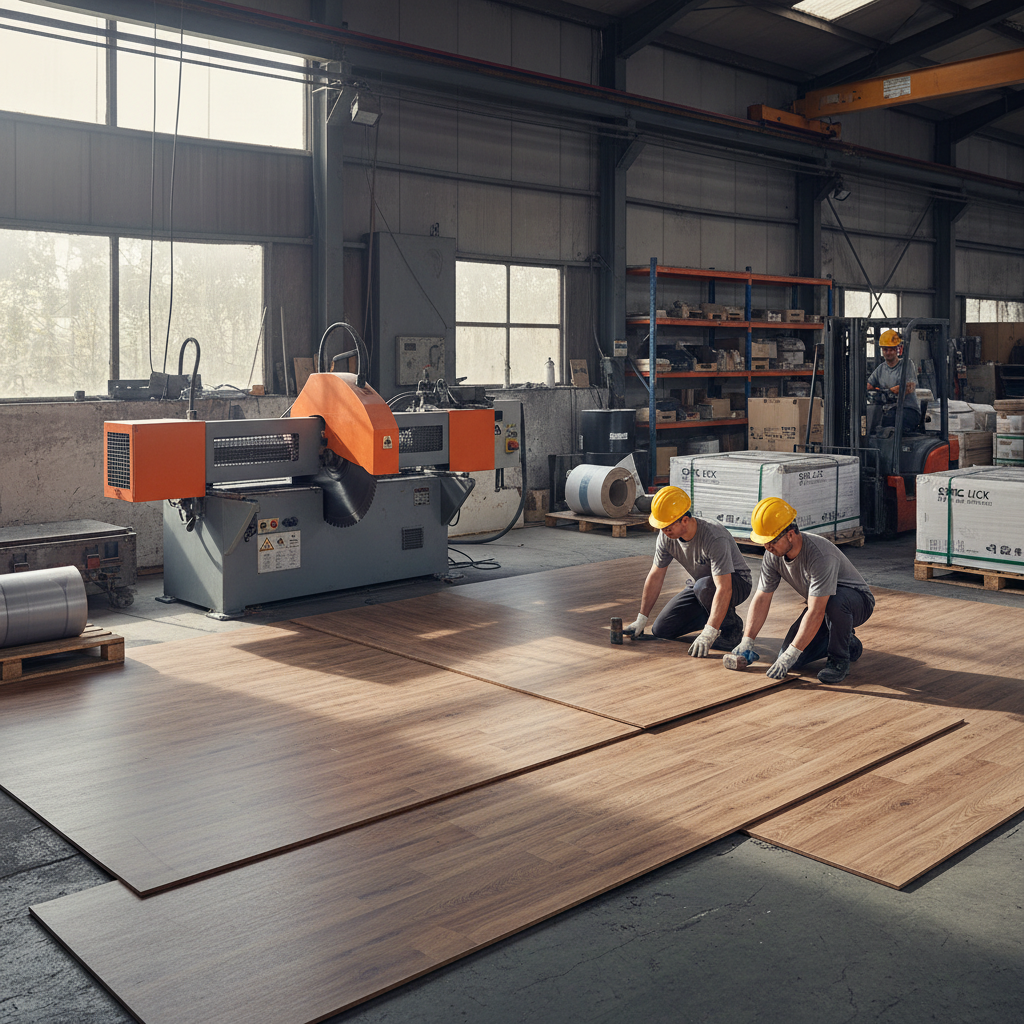 Comprehensive Guide to Durable Vinyl SPC Click Flooring Options and BenefitsChoosing the right flooring for your home or business is a significant decision. Vinyl SPC click flooring has emerged as a popular and durable option, offering a blend of aesthetic appeal and practical benefits. This article will explore the key features, advantages, installation process, and applications of SPC flooring, helping you determine if it's the right choice for your project. From its waterproof nature to its ease of installation, we'll cover everything you need to know.Read More >
Mar 31 2026
 +86 31185293045
  qian@ss711.com

Shijiazhuang Sothink trading Co., LTD.
Our company focuses on product development, production, sales and other all-round services, and is committed to providing customers with high-performance products and high-quality services.