



SPC Flooring Wholesale - Shijiazhuang Sothink Trading Co., Ltd.|Durable Water-Resistant Eco-Friendly
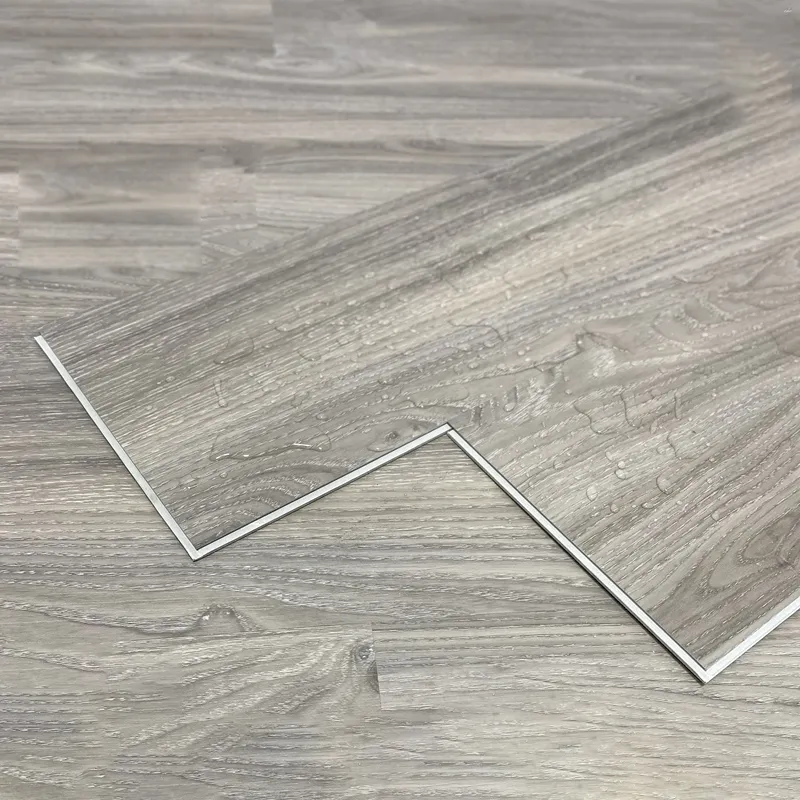
SPC Flooring has revolutionized the flooring industry with its unique combination of durability, aesthetics, and eco-friendliness. This article explores the features, benefits, and applications of SPC flooring, as well as the company behind this innovative product.
Product Introduction
Stone Plastic Composite (SPC) flooring is a modern flooring solution that combines the strength of natural limestone with the flexibility of polyvinyl chloride (PVC). This composite material is engineered to offer exceptional durability, water resistance, and ease of installation. According to the official product page, SPC flooring is ideal for both residential and commercial spaces.
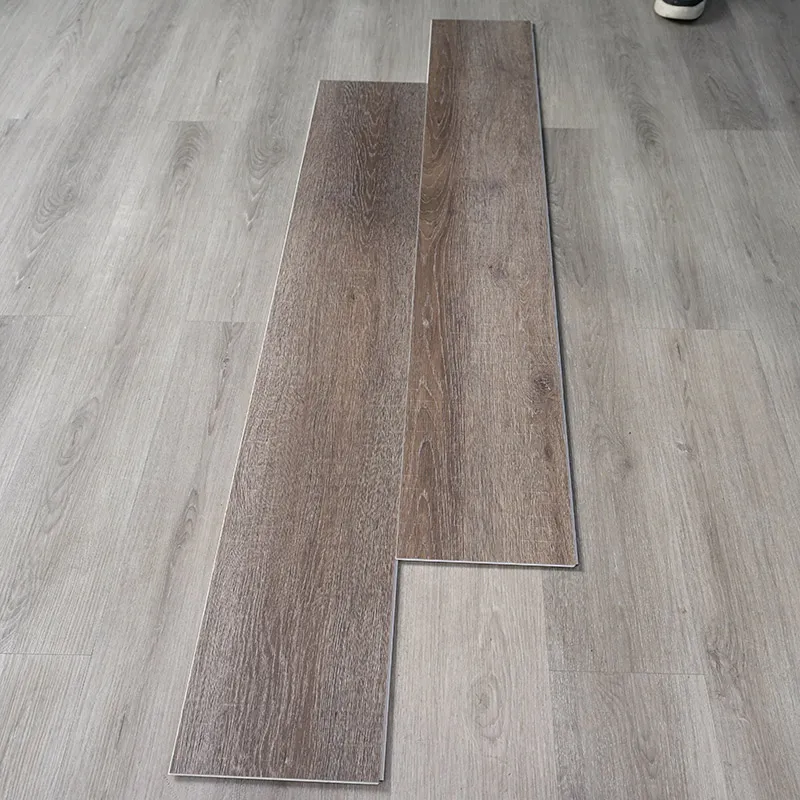
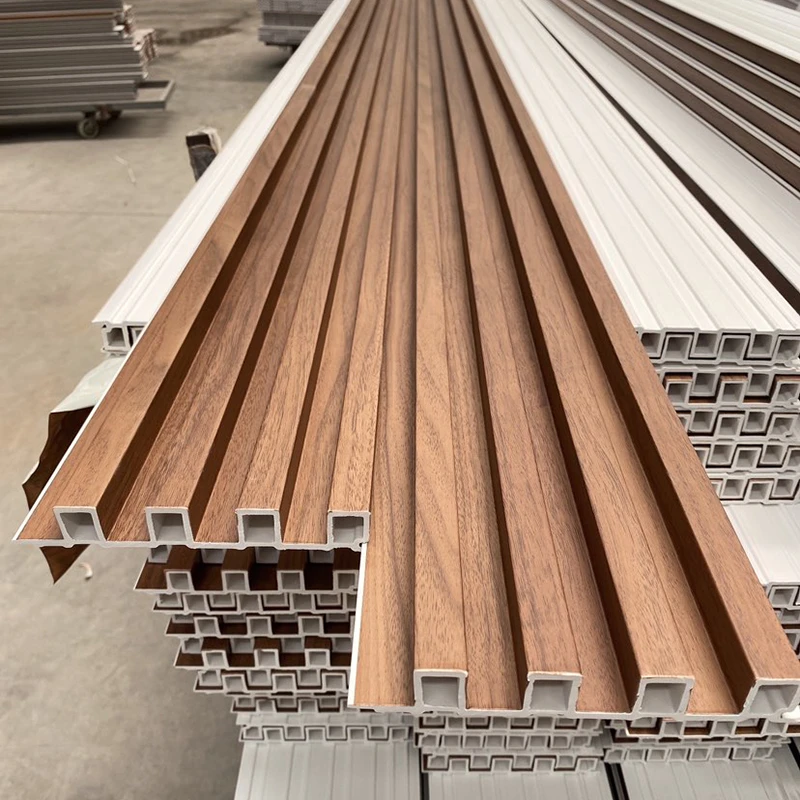
The SPC Flooring product is available in various designs, including tile, plank, and herringbone patterns, making it a versatile choice for different interior styles. Its click-lock installation system allows for quick and easy setup, eliminating the need for adhesives. This feature is particularly beneficial for DIY enthusiasts and professionals alike.
Key Features and Advantages
Durability and Strength
One of the standout features of SPC flooring is its durability. The core layer, composed of limestone powder, PVC, and stabilizers, provides a robust structure that can withstand heavy foot traffic. This makes it an excellent choice for high-traffic areas such as offices, schools, and hospitals.
Water Resistance
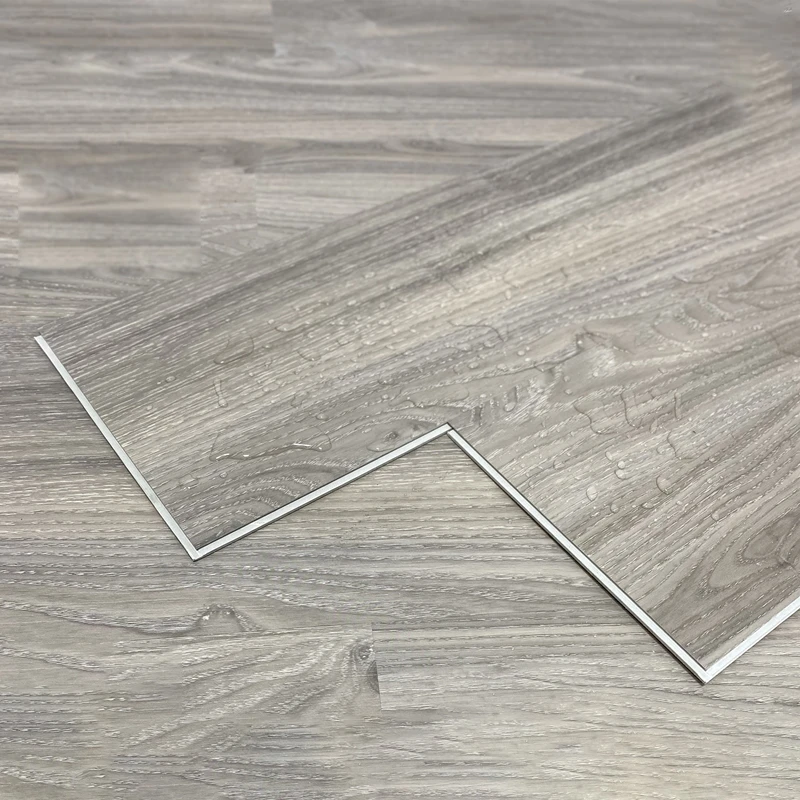
SPC flooring is inherently waterproof, thanks to its non-porous surface. This characteristic makes it suitable for environments prone to moisture, such as kitchens and bathrooms. Unlike traditional hardwood or laminate flooring, SPC does not warp or swell when exposed to water, ensuring long-term performance.
Easy Maintenance
Regular maintenance of SPC flooring is minimal. A simple sweep or vacuum to remove dust and dirt, combined with occasional mopping using a mild detergent, is usually sufficient to keep the floors looking pristine. This low-maintenance requirement is a significant advantage for busy households and commercial spaces.
Eco-Friendly Manufacturing
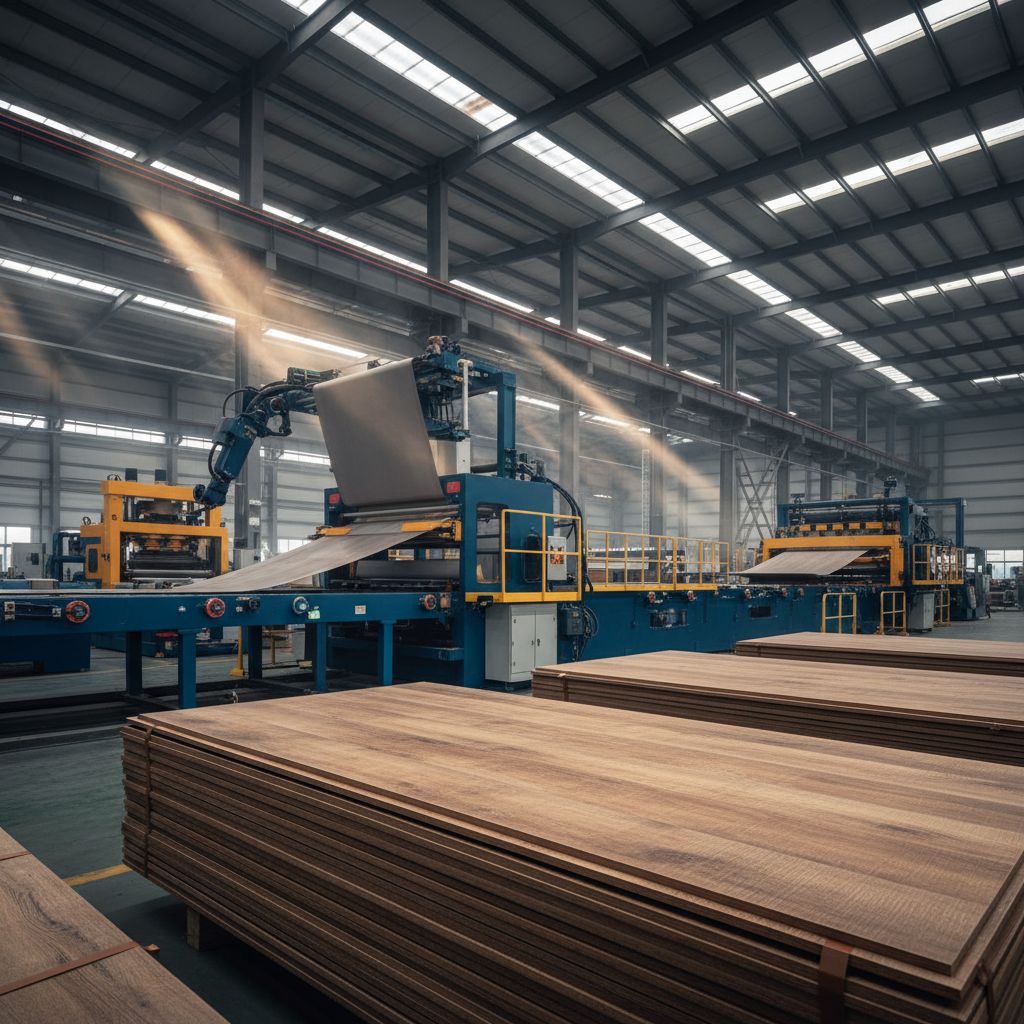
Manufacturers of SPC flooring often incorporate recycled materials into their production processes, reducing waste and environmental impact. This eco-friendly approach appeals to environmentally conscious consumers who prioritize sustainability in their purchasing decisions.
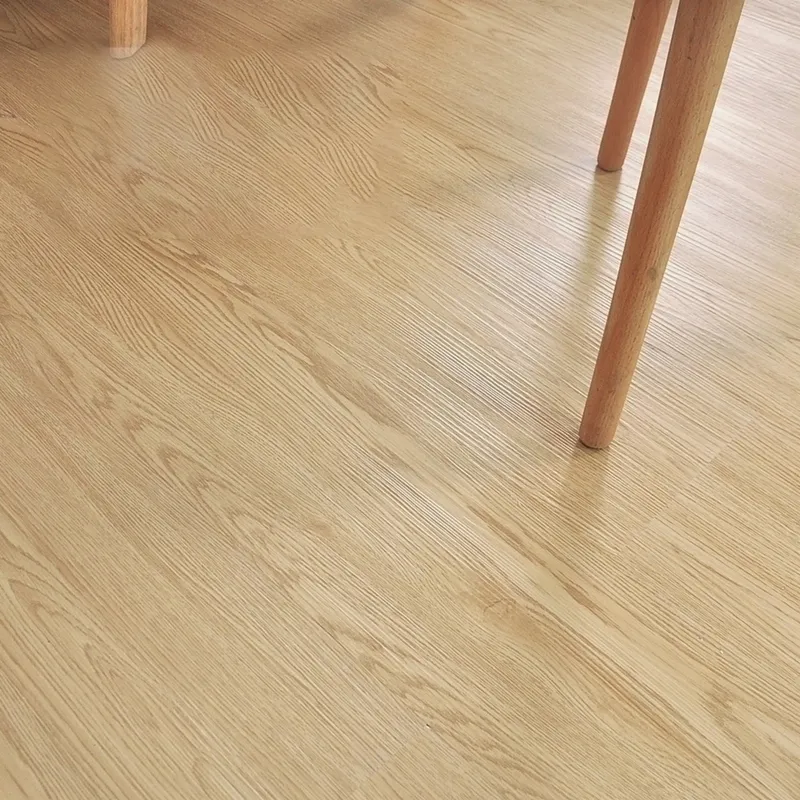
The SPC Flooring product is not only durable but also aesthetically pleasing. Its ability to mimic the look of natural wood or stone makes it a popular choice for those seeking the beauty of traditional flooring without the associated maintenance.
Technical Specifications
| Feature | Specification |
|---|---|
| Core Material | Stone Plastic Composite (Limestone Powder, PVC, Stabilizers) |
| Surface Finish | Wear-Resistant Layer |
| Installation Type | Click-Lock System (No Adhesive Required) |
| Water Resistance | Highly Waterproof |
| Dimensions | Varies by Design (Plank, Tile, Herringbone) |
| Environmental Impact | Recycled Materials Used |
Applications and Use Cases
SPC flooring is suitable for a wide range of environments. Its versatility allows it to be used in:
- Residential Spaces: Living rooms, kitchens, and bathrooms benefit from SPC flooring's water resistance and ease of maintenance.
- Commercial Spaces: Offices, retail stores, and restaurants can take advantage of SPC flooring's durability and aesthetic appeal.
- Public Institutions: Schools, hospitals, and government buildings often choose SPC flooring for its low maintenance and long lifespan.
The SPC Flooring product's adaptability makes it a popular choice for various settings, as highlighted in the product documentation.
Company Background
Shijiazhuang Sothink Trading Co., Ltd. is a leading manufacturer and supplier of SPC flooring. With a commitment to quality and innovation, the company has established itself as a trusted name in the flooring industry. Their products are designed to meet the needs of both residential and commercial customers, offering a blend of functionality and style.
For more information about the company, visit their official website.
Conclusion
SPC flooring represents a significant advancement in flooring technology, combining durability, water resistance, and eco-friendliness. Its ease of installation and low maintenance requirements make it an attractive option for a wide range of applications. As the demand for sustainable and efficient building materials continues to grow, SPC flooring is poised to remain a popular choice in the market.
References
For more information on standards and measurements, refer to the National Institute of Standards and Technology (NIST). While specific references to SPC flooring may not be available, NIST's work in developing standards for materials and measurement provides a foundation for understanding the importance of quality and innovation in manufacturing.
-
 Ultimate Guide to Durable Waterproof SPC Vinyl Flooring StyleWhen renovating a modern home or commercial space, the flooring choice often defines the entire atmosphere. waterproof spc vinyl flooring has emerged as a revolutionary solution for those who refuse to compromise between aesthetic elegance and rugged performance. Standing for Stone Plastic Composite, SPC flooring is engineered to withstand the toughest environments, from moisture-prone bathrooms to high-traffic living rooms. In this comprehensive guide, we will explore why this material is dominating the interior design market and how it can transform your space into a sanctuary of style and resilience.Read More >
Apr 16 2026
-
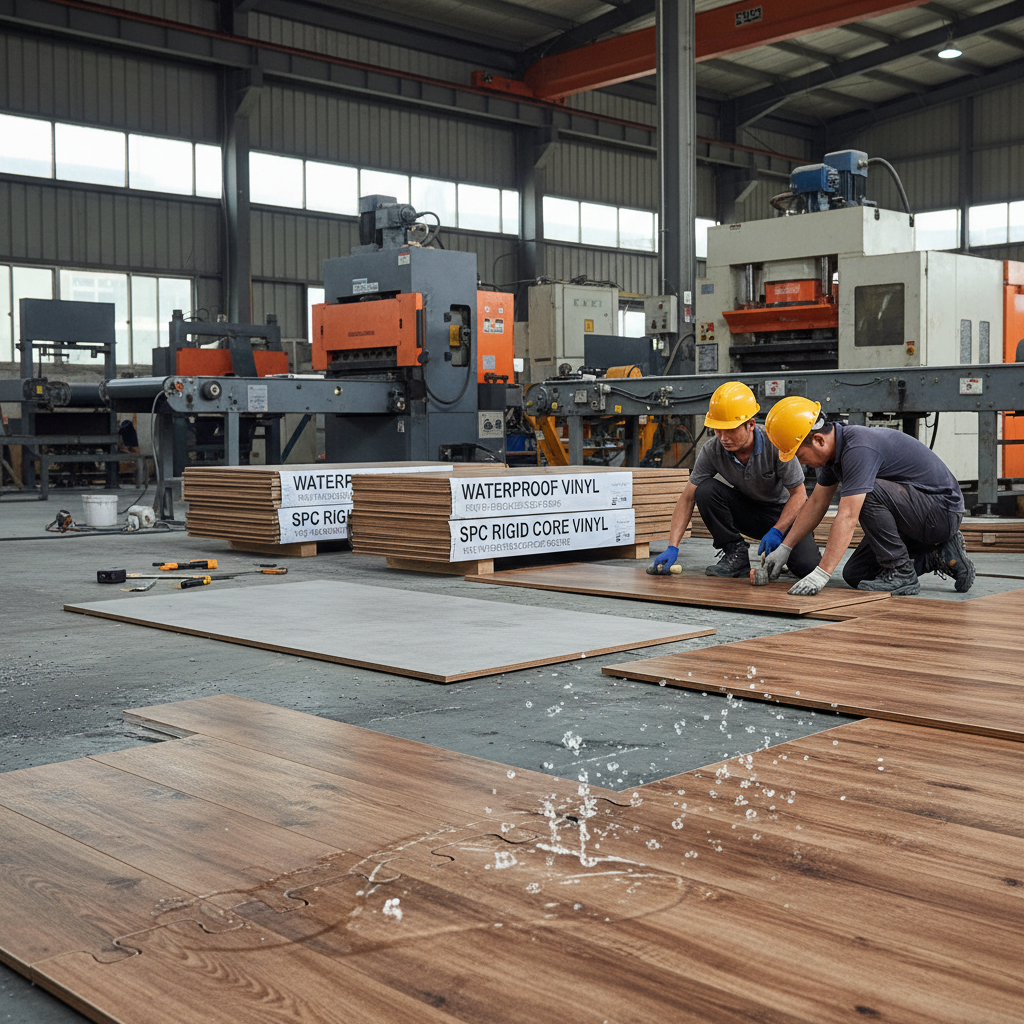 Ultimate Guide to Durable Waterproof SPC Rigid Core Vinyl FlooringChoosing the right flooring for a modern home or commercial space requires a balance between aesthetics and endurance. waterproof spc rigid core vinyl has emerged as a game-changer in the interior design world, offering the timeless look of hardwood with the unmatched resilience of stone polymer composite. Whether you are dealing with high-traffic hallways, moisture-prone bathrooms, or pet-friendly living rooms, this flooring solution provides a stable, waterproof, and scratch-resistant surface. In this comprehensive guide, we will explore why this innovative material is replacing traditional laminate and luxury vinyl planks in contemporary construction.Read More >
Apr 09 2026
-
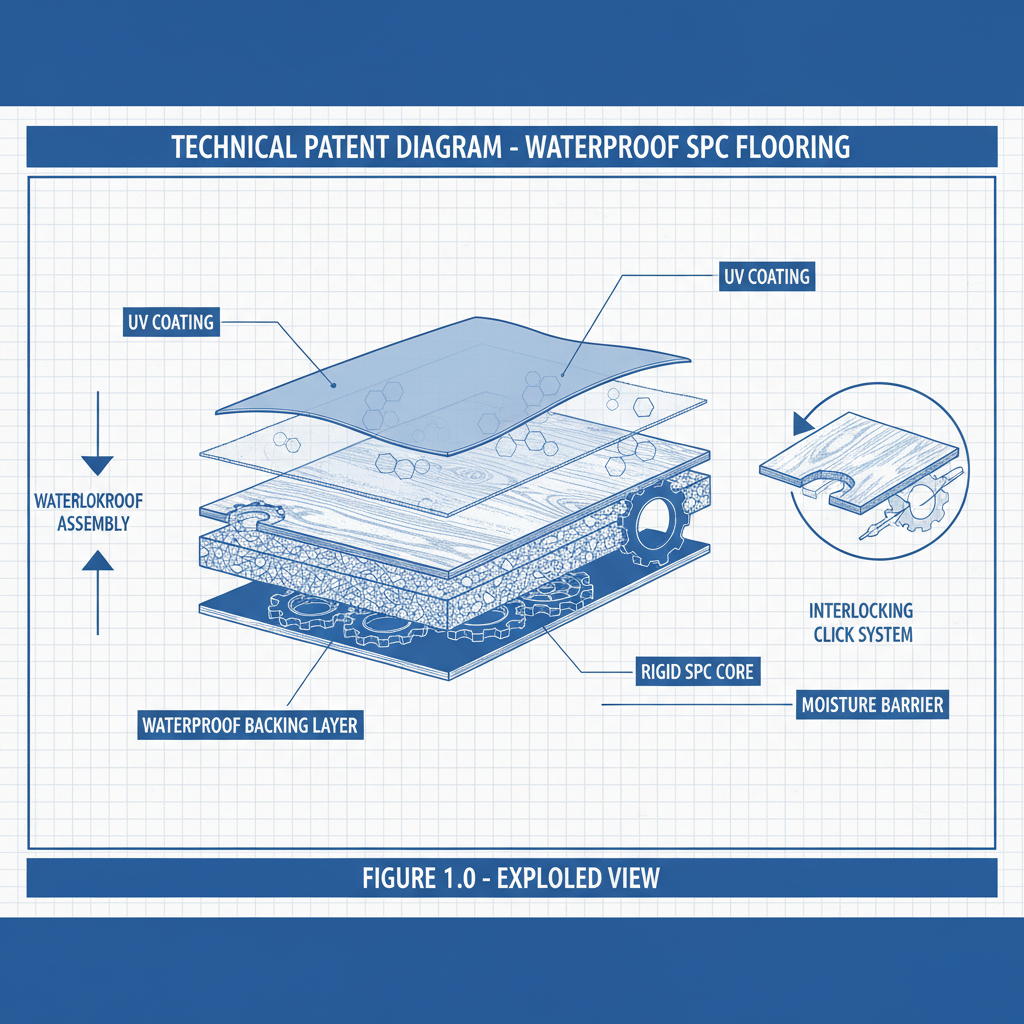 Comprehensive Guide to Waterproof SPC Flooring Durability and InstallationChoosing the right flooring for your home or business is a significant decision. Waterproof SPC flooring has emerged as a popular option due to its durability, affordability, and ease of installation. This article provides an in-depth look at waterproof SPC flooring, covering its benefits, installation process, maintenance, and comparisons with other flooring types. Understanding these aspects will help you determine if SPC flooring is the right choice for your project.Read More >
Apr 07 2026
-
 Discover the Durability and Style of Vinyl SPC Rigid Flooring SolutionsLooking for a durable, waterproof, and stylish flooring solution? Vinyl SPC rigid flooring is quickly becoming the go-to choice for homeowners and businesses alike. This article provides a comprehensive overview of this innovative flooring type, covering its benefits, installation, maintenance, and more. We’ll help you determine if SPC rigid vinyl flooring is the right fit for your project.Read More >
Apr 04 2026
-
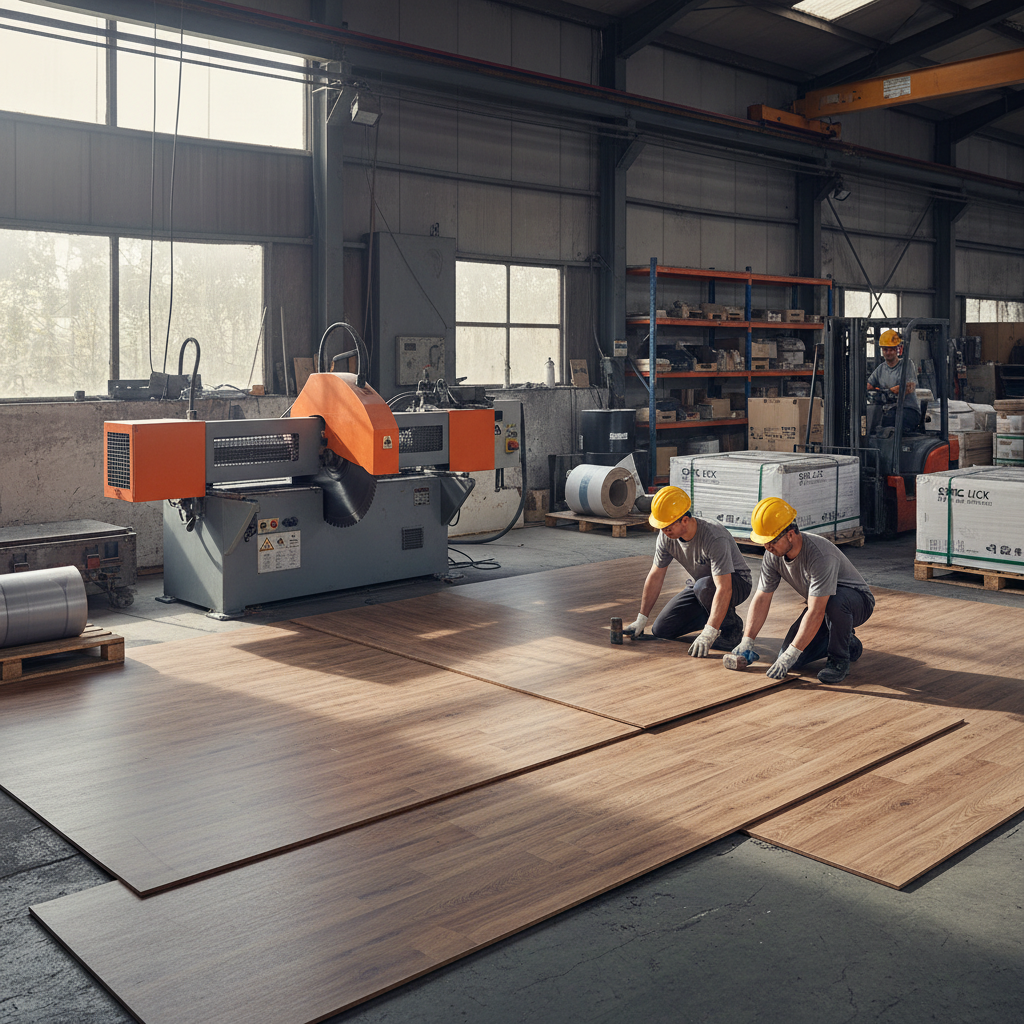 Comprehensive Guide to Durable Vinyl SPC Click Flooring Options and BenefitsChoosing the right flooring for your home or business is a significant decision. Vinyl SPC click flooring has emerged as a popular and durable option, offering a blend of aesthetic appeal and practical benefits. This article will explore the key features, advantages, installation process, and applications of SPC flooring, helping you determine if it's the right choice for your project. From its waterproof nature to its ease of installation, we'll cover everything you need to know.Read More >
Mar 31 2026
 +86 31185293045
  qian@ss711.com

Shijiazhuang Sothink trading Co., LTD.
Our company focuses on product development, production, sales and other all-round services, and is committed to providing customers with high-performance products and high-quality services.