



SPC Vinyl Plank Flooring: Durable, Waterproof & Cost-Effective Solutions for Modern Interiors
Understanding SPC Vinyl Plank Flooring: The Durable Future of Flooring Solutions
SPC vinyl plank flooring might sound like just another flooring option, but given its growing worldwide demand, it's really reshaping how we think about resilient and sustainable floors. Whether in bustling urban offices, cozy family homes, or even industrial zones, this flooring type offers a mix of benefits—from water resistance to easier installation—that’s hard to beat globally.
Why SPC Vinyl Plank Flooring Matters Globally
Globally, the flooring market is anticipated to grow steadily, driven by urbanization and the demand for durable, affordable interiors. According to a recent ISO report, flooring industries focusing on sustainability and life-cycle performance are increasingly in demand. SPC (Stone Plastic Composite) vinyl plank flooring addresses several challenges: moisture, wear and tear, and fluctuating temperatures, which are common in both developed and developing regions. In post-disaster rebuilding or high-humidity climates, for example, standard hardwood often fails, but SPC vinyl holds up.
Oddly enough, many architects now prefer SPC options when specifying flooring for commercial projects, thanks to its reliable performance despite being a relatively new product category compared to traditional hardwood or ceramic. This shift signals a larger trend toward cost-efficient, long-lasting materials during global construction booms noted by the World Bank.
What Exactly is SPC Vinyl Plank Flooring?
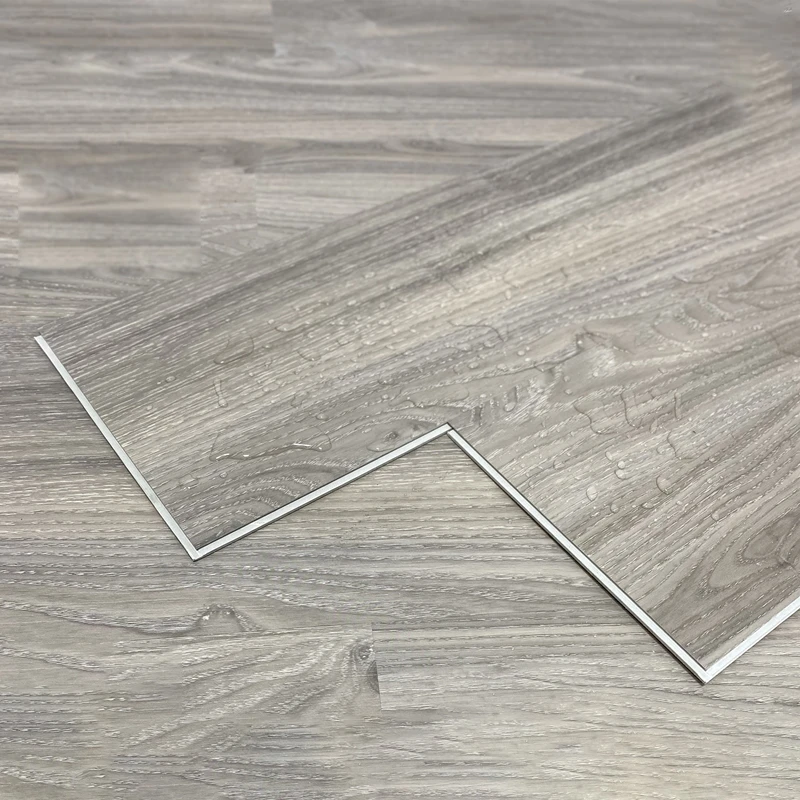
So, what does “SPC vinyl plank flooring” really mean? Simply put, it’s a composite flooring made by combining limestone powder, polyvinyl chloride (PVC), and stabilizers, resulting in a tough core material—hence the name “Stone Plastic Composite.” That rigid core is then topped with a decorative vinyl layer designed to imitate natural wood or stone looks.
In terms of modern uses, it serves industries needing floors that stay flat, resist water, and require minimal upkeep. Healthcare facilities, schools, and residential complexes all appreciate SPC’s blend of aesthetics and practicality. On a humanitarian note, organizations engaged in rapid housing construction also find it appealing for its combination of durability and fast installation.
Key Factors Behind SPC Vinyl Plank Flooring’s Popularity
Durability
One of the standout features is its durability. Unlike some soft vinyls or laminate alternatives, SPC flooring resists dents and scratches surprisingly well. Anecdotally, it endures heavy foot traffic and even impacts better than many expect.
Water Resistance
This is critical. SPC floors are typically 100% waterproof thanks to the stone plastic core, which does not swell or warp. That makes it ideal for bathrooms, kitchens, and even commercial facilities where moisture is a constant issue.
Ease of Installation
Most SPC vinyl planks come with click-lock systems, allowing a “floating floor” installation. No glue or nails needed; this reduces labor costs dramatically and lets non-professionals manage minor installations or repairs.
Cost Efficiency
Compared to traditional hardwood or natural stone, SPC offers a better upfront cost combined with lower long-term maintenance. This balance makes it appealing in budget-conscious projects, especially in schools or large-scale housing.
Design Versatility
Innovative printing technology helps mimic natural grains and textures so well it’s hard to spot the difference unless you look closely. This versatility means it fits almost any décor style.
Environmental Impact
While it’s manufactured from plastics, many SPC flooring lines now aim to incorporate recycled materials and low-VOC (Volatile Organic Compounds) certifications, addressing indoor air quality concerns.
Inline Product Specification Table
| Feature | Specification |
|---|---|
| Core Material | Stone Plastic Composite with limestone filler |
| Thickness | 4mm to 8mm typical |
| Wear Layer | 0.3mm to 0.7mm, UV treated |
| Water Resistance | 100% waterproof |
| Installation Type | Click-lock floating |
| Typical Warranty | 10 to 20 years |
Real-World Applications Across the Globe
SPC vinyl plank flooring finds itself in a pretty wide range of settings. In Europe, its waterproof properties make it a favorite in newly built residential apartments, especially in wetter climates. Meanwhile, in the United States, commercial properties and educational institutions use it to balance cost efficiency with durability. On a humanitarian front, relief organizations have used it in temporary shelters and post-disaster housing due to quick installation combined with sturdy performance.
Even some industrial zones in Asia, prone to humidity and chemical exposure, benefit from SPC’s resilience. The technology supports environments where neither hardwood nor tile could last long without costly maintenance.
Vendor Comparison Table
| Brand | Wear Layer (mm) | Waterproof | Warranty | Price Range |
|---|---|---|---|---|
| Sothink Decor | 0.5 mm | Yes | 15 years | Mid-range |
| Tarkett | 0.3 mm | Yes | 10 years | Higher-end |
| Shaw Floors | 0.6 mm | Yes | 15 years | Mid to high |
Why Choose SPC Vinyl Plank Flooring? Advantages & Long-Term Value
- Reliability: Maintains integrity over years with minimal damage.
- Eco-Conscious Production: Growing shift toward recycled materials reduces footprint.
- Emotional Benefit: Knowing your floor won't buckle under spills or heavy activity builds peace of mind.
- Innovation: Its ongoing material development aligns with industry sustainability goals.
In real terms, SPC vinyl plank flooring offers an elegant solution for anyone wanting to balance design quality with practicality. Installers like how fast it goes down; homeowners praise the easy cleanup; facility managers enjoy long warranties and cost savings.
What’s Next? Future Trends & Innovations
The flooring industry doesn’t stand still, and SPC vinyl plank flooring is evolving. You’ll see innovations such as advanced UV coatings increasing wear layer lifespan, greener manufacturing processes including more post-consumer recycled content, and digital printing techniques enhancing realism of wood or stone textures.
Automation in installation tools and supply chain digitization are also reducing lead times and errors. As smart buildings grow in popularity, we might even see SPC integrated with underfloor heating or sensors for real-time floor condition monitoring—oddly enough, that’s not too far off.
Challenges & Proposed Solutions
While SPC flooring shines in many contexts, challenges persist. For instance, its rigid core means subfloor imperfections must be addressed carefully, or you risk damage. Also, the initial cost—though often justified—can still be a hurdle in some budgets.
Expert installers suggest thorough subfloor preparation and environmental controls during installation to minimize complications. On the cost side, bulk purchasing agreements or phased installations offer financial flexibility.
FAQ: Common Questions About SPC Vinyl Plank Flooring
- Is SPC vinyl plank flooring suitable for bathrooms and kitchens?
- Absolutely. Thanks to its 100% waterproof core, SPC flooring stands up well to moisture and spills—making it a great option for wet areas where hardwood tends to fail.
- How long does SPC flooring typically last?
- Most SPC floors come with warranties ranging from 10 to 20 years. With proper maintenance, they often outlast many alternative hard surface floors.
- Can I install SPC flooring myself?
- Many SPC vinyl planks feature a click-lock design, which simplifies installation—meaning DIY is doable if you’re moderately handy and follow instructions carefully.
- Is SPC flooring eco-friendly?
- While made from plastic materials, many manufacturers now include recycled content and low-VOC certifications, improving their environmental footprint significantly.
- Where can I find quality SPC vinyl plank flooring?
- Reputable brands like Sothink Decor offer well-tested options with solid warranties and customer support.
Conclusion
All things considered, SPC vinyl plank flooring strikes a smart balance between aesthetics, durability, cost, and environmental considerations. Whether upgrading home interiors or specifying materials for commercial use, it’s become something of an industry favorite, and with continuing innovation, its role is only set to expand.
Interested in exploring SPC vinyl plank flooring options in more detail? Visit our website: https://www.sothinkdecor.com to find comprehensive product info, pricing, and expert advice.
Quick takeaway: SPC vinyl plank flooring isn’t just a fad — it’s a practical solution built for diverse, demanding environments, poised to offer long-term value and style. I suppose in a world demanding more sustainable construction, that’s quite the win.
References
-
 Ultimate Guide to Durable Waterproof SPC Vinyl Flooring StyleWhen renovating a modern home or commercial space, the flooring choice often defines the entire atmosphere. waterproof spc vinyl flooring has emerged as a revolutionary solution for those who refuse to compromise between aesthetic elegance and rugged performance. Standing for Stone Plastic Composite, SPC flooring is engineered to withstand the toughest environments, from moisture-prone bathrooms to high-traffic living rooms. In this comprehensive guide, we will explore why this material is dominating the interior design market and how it can transform your space into a sanctuary of style and resilience.Read More >
Apr 16 2026
-
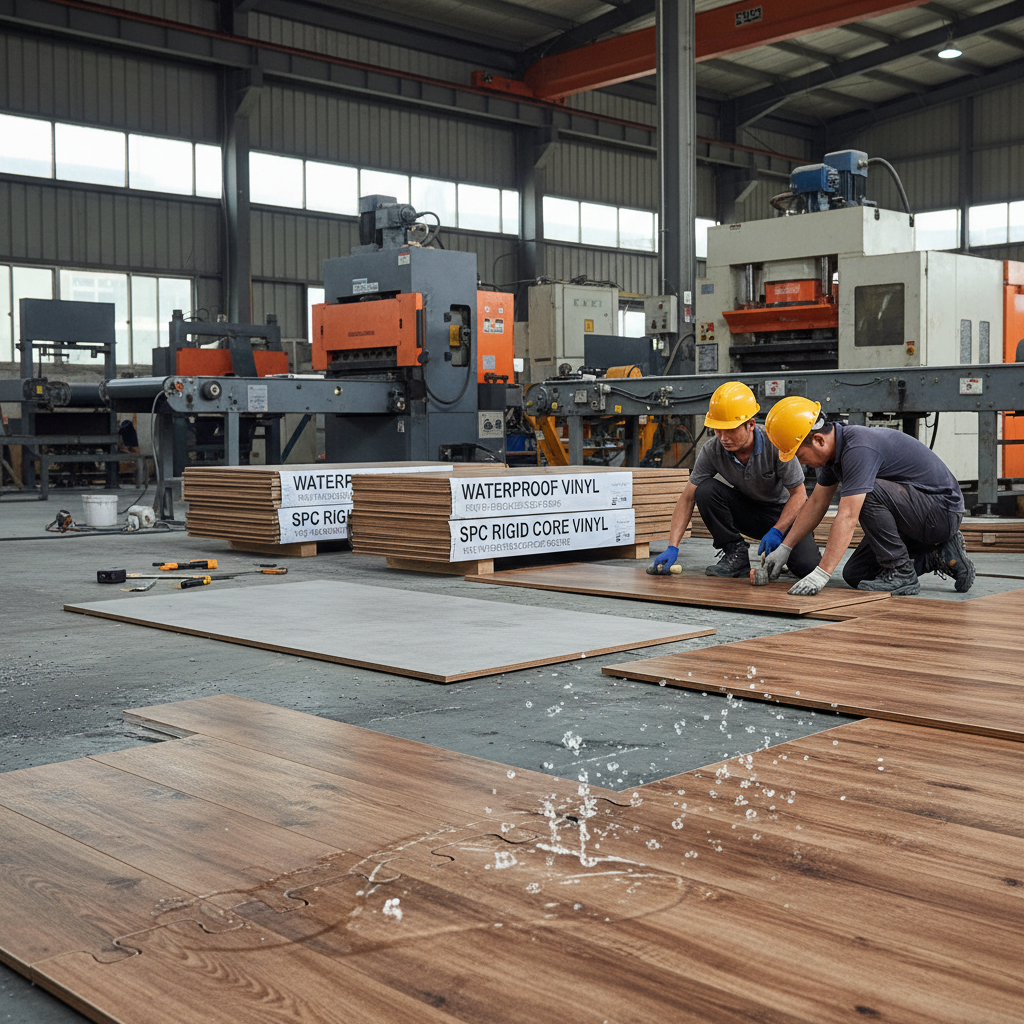 Ultimate Guide to Durable Waterproof SPC Rigid Core Vinyl FlooringChoosing the right flooring for a modern home or commercial space requires a balance between aesthetics and endurance. waterproof spc rigid core vinyl has emerged as a game-changer in the interior design world, offering the timeless look of hardwood with the unmatched resilience of stone polymer composite. Whether you are dealing with high-traffic hallways, moisture-prone bathrooms, or pet-friendly living rooms, this flooring solution provides a stable, waterproof, and scratch-resistant surface. In this comprehensive guide, we will explore why this innovative material is replacing traditional laminate and luxury vinyl planks in contemporary construction.Read More >
Apr 09 2026
-
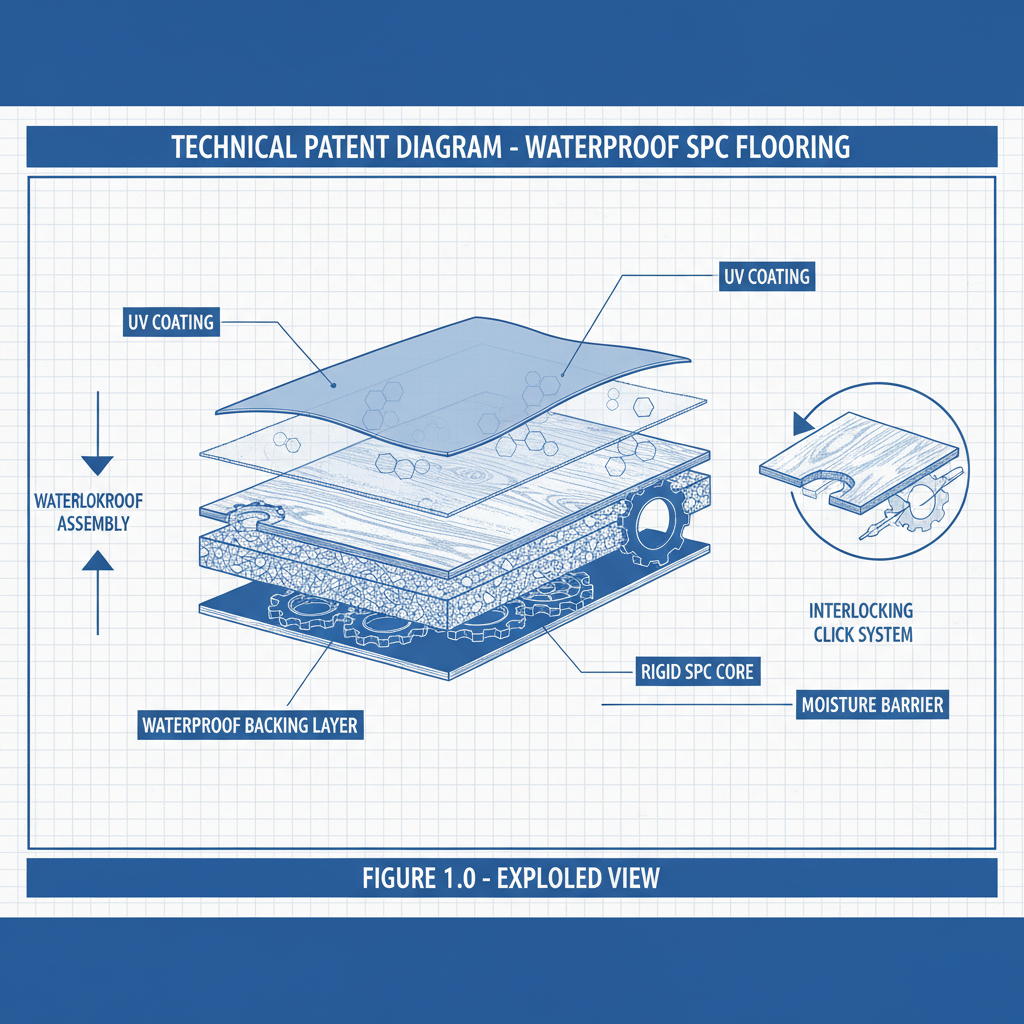 Comprehensive Guide to Waterproof SPC Flooring Durability and InstallationChoosing the right flooring for your home or business is a significant decision. Waterproof SPC flooring has emerged as a popular option due to its durability, affordability, and ease of installation. This article provides an in-depth look at waterproof SPC flooring, covering its benefits, installation process, maintenance, and comparisons with other flooring types. Understanding these aspects will help you determine if SPC flooring is the right choice for your project.Read More >
Apr 07 2026
-
 Discover the Durability and Style of Vinyl SPC Rigid Flooring SolutionsLooking for a durable, waterproof, and stylish flooring solution? Vinyl SPC rigid flooring is quickly becoming the go-to choice for homeowners and businesses alike. This article provides a comprehensive overview of this innovative flooring type, covering its benefits, installation, maintenance, and more. We’ll help you determine if SPC rigid vinyl flooring is the right fit for your project.Read More >
Apr 04 2026
-
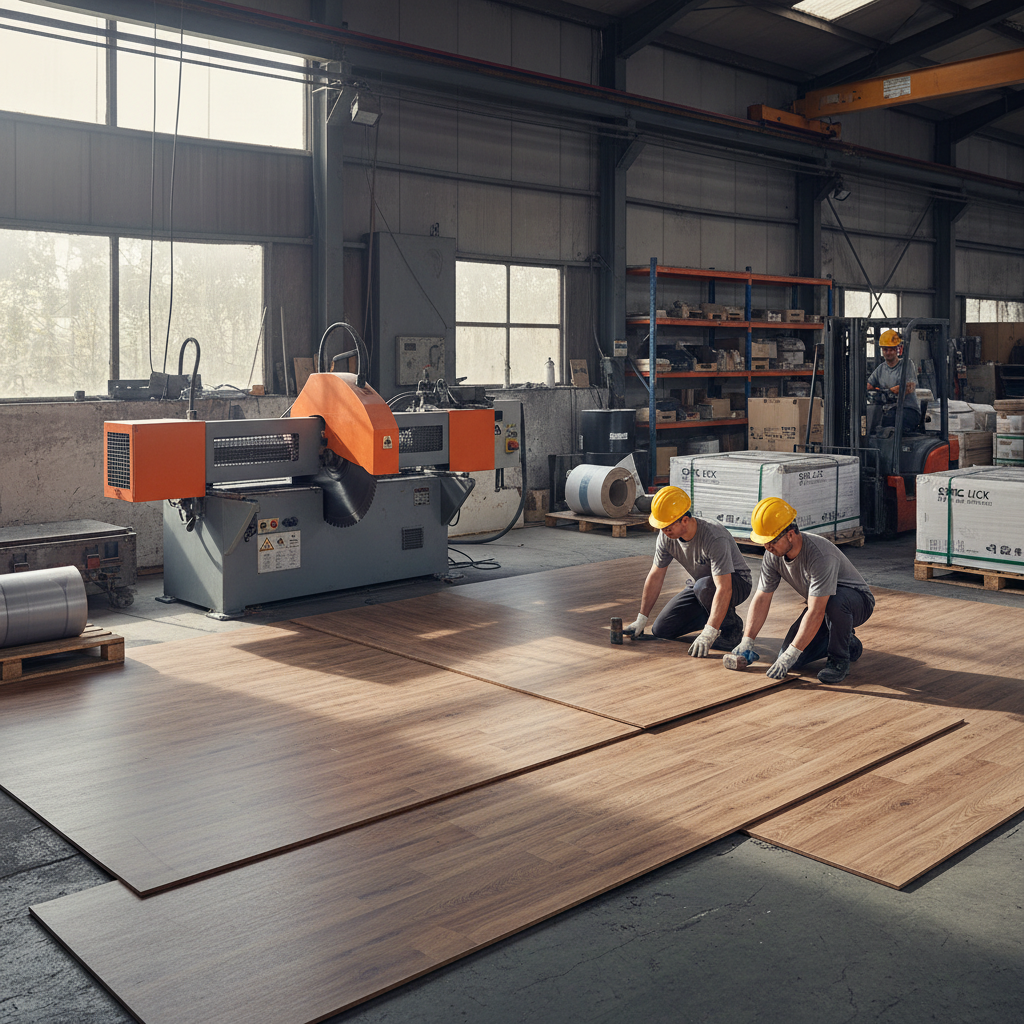 Comprehensive Guide to Durable Vinyl SPC Click Flooring Options and BenefitsChoosing the right flooring for your home or business is a significant decision. Vinyl SPC click flooring has emerged as a popular and durable option, offering a blend of aesthetic appeal and practical benefits. This article will explore the key features, advantages, installation process, and applications of SPC flooring, helping you determine if it's the right choice for your project. From its waterproof nature to its ease of installation, we'll cover everything you need to know.Read More >
Mar 31 2026
 +86 31185293045
  qian@ss711.com

Shijiazhuang Sothink trading Co., LTD.
Our company focuses on product development, production, sales and other all-round services, and is committed to providing customers with high-performance products and high-quality services.