



Stone Plastic Composite: Durable, Sustainable Material Transforming Industry Applications
Stone Plastic Composite: The Durable Eco-Material Reshaping Industries
If you’ve ever walked along modern decking, peeked at advanced packaging, or spotted new-age furniture, you might have brushed past something called stone plastic composite. Frankly, it’s one of those clever materials quietly gaining ground worldwide, combining the toughness of stone with the flexibility of plastic. Understanding it isn’t some niche technical exercise — it matters globally because it’s helping industries reduce waste, increase longevity, and create sustainable solutions that could ease environmental burdens.
Why Stone Plastic Composite Matters Globally
The global plastic pollution crisis is well documented; according to United Nations Environment Programme, only about 9% of plastic waste is effectively recycled. Meanwhile, construction and manufacturing sectors crave materials that last longer and are greener. Stone plastic composite (SPC) fits this bill: it’s made by infusing crushed stone or mineral fillers into a plastic matrix, yielding a robust hybrid that outperforms many traditional composites.
Industries ranging from outdoor decking manufacturers to packaging producers and even medical device suppliers are investing heavily in SPC products. Particularly in countries like the USA, China, and across Europe, where environmental standards are tightening, SPC’s rise is no coincidence. This material helps address long-term durability issues without relying solely on virgin plastics.
What Exactly Is Stone Plastic Composite?
At its simplest, stone plastic composite is an engineered material blending finely crushed stone (typically calcium carbonate) with thermoplastic resins such as polyethylene or polypropylene. Think of it as stone particles hardening the plastic's otherwise flexible structure. This creates a product that’s not only sturdier and more weather-resistant but often recyclable — a win-win for function and the environment.
It’s a material that has exploded in popularity because it meets the rising demand for performance and sustainability. For many industries, using SPC means producing lighter, more durable components or surfaces that hold up to wear without chipping, cracking, or degrading as fast as other composites.
Core Components & Key Factors of Stone Plastic Composite
1. Durability
SPC products resist UV rays, moisture, and temperature swings better than pure plastics. For instance, decks made from SPC don’t warp or rot, which is why they're increasingly favored over wood or vinyl alternatives.
2. Cost Efficiency
While SPC sometimes costs more upfront than basic plastic, the extended lifespan and low maintenance often translate into significant savings. It resists physical damage, reducing replacement frequency.
3. Sustainability
SPC utilizes mineral fillers from waste byproducts (like quarry dust), reducing the need for new raw plastic. Many manufacturers also include recycled plastics, aligning with circular economy principles.
4. Scalability & Versatility
This material is adaptable — usable in planks, sheets, molded parts, or even pellets for extruding various shapes. Its flexibility provides manufacturers with more freedom to innovate.
5. Aesthetic Appeal
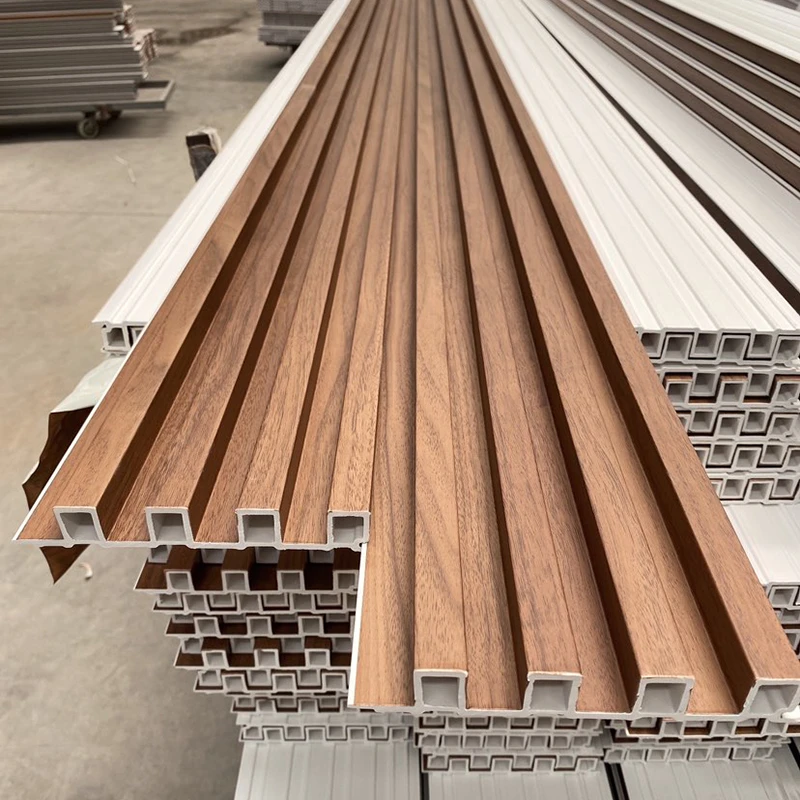
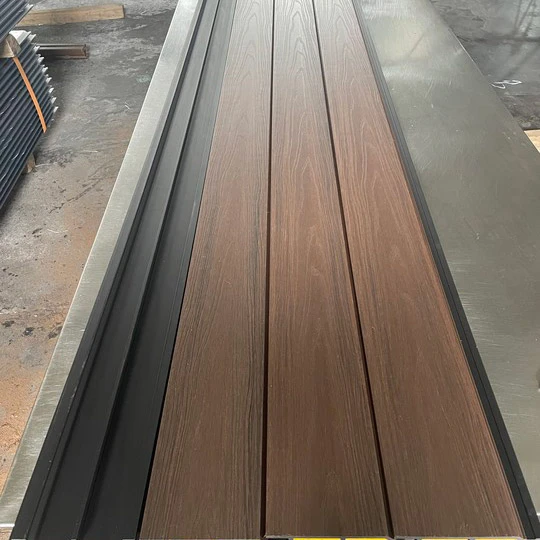
SPC can imitate natural textures like wood grain while offering consistent color and less cracking — which matters a lot for consumer-facing products.
Stone Plastic Composite Product Specifications
| Specification | Typical Value | Units |
|---|---|---|
| Stone Content | 50–70% | Weight% |
| Density | 1.2–1.8 | g/cm³ |
| Tensile Strength | 20–40 | MPa |
| Thermal Expansion | 30–50 | ×10⁻⁶ /°C |
| UV Resistance | Excellent | Qualitative |
Who’s Leading the SPC Market? Vendor Comparison
| Vendor | Stone Content | Recycled Plastics Use | Primary Markets | Price Range |
|---|---|---|---|---|
| Vendor A | 65% | Yes (30%) | Building & Decking | $$$ |
| Vendor B | 50% | No | Packaging & Industrial | $$ |
| Vendor C | 70% | Yes (45%) | Outdoor Furniture | $$$$ |
Global Applications & Use Cases of Stone Plastic Composite
- Building & Construction: SPC decking and wall panels are widely popular in the USA and Europe, prized for resiliency against rot and insects.
- Packaging: Especially in Asia, SPC is used to create durable, lightweight packaging solutions for electronics and fragile goods.
- Post-Disaster Relief: SPC panels form rapid-deployment shelters thanks to their lightweight but tough properties.
- Furniture Manufacturing: Some brands in northern Europe now exclusively use SPC for outdoor furniture, combining weather resistance with style.
Indeed, different regions apply SPC based on their specific challenges — moisture levels, supply chain logistics, and environmental regulations, for example.
Advantages & Long-Term Value
When you drill down, stone plastic composite offers more than just “another material.” It boosts sustainability by reducing virgin plastic use, improves safety by resisting fire and rot, and brings peace of mind with longer lifespans. For users, whether homeowners or manufacturers, it’s about innovation that lasts rather than throwaway solutions.
Many engineers I’ve talked to mention how SPC’s consistent quality reduces variability on production lines, cutting defects and costly delays. On the emotional side, it feels good to say your products or home use materials that are less likely to contribute to landfill waste.
Emerging Trends & Innovations
The next wave in SPC involves integrating bio-based plastics and smart additives — making composites even lighter and smarter. Automation and digital manufacturing techniques will allow bespoke SPC profiles tailored to niche markets, from aerospace parts to medical devices.
Sustainability remains key. We’re seeing efforts to bring 100% recyclable SPC boards to market, combining stone with fully bio-sourced polymers. This aligns with global directives like the EU Green Deal pushing for circular materials.
Challenges & How Industry is Overcoming Them
Of course, SPC isn’t perfect. Processing challenges like mixer wear, uneven stone dispersion, or limited color range can complicate production. Some plastics used aren’t biodegradable, raising end-of-life questions.
However, experts are inventing better coupling agents and surface treatments to improve plastic-stone bonding, vastly enhancing longevity and appearance. Additionally, research into chemical recycling and design-for-disassembly promises more sustainable SPC cycles.
FAQ: Frequently Asked Questions About Stone Plastic Composite
- Q1: How does stone plastic composite compare to traditional wood for outdoor use?
- A1: Unlike wood, SPC resists rot, moisture, and insects. It requires less maintenance and doesn’t splinter, making it a preferred choice for decks and siding, especially in humid or extreme climates.
- Q2: Is stone plastic composite eco-friendly?
- A2: SPC often incorporates recycled plastics and quarry waste, reducing virgin material needs. Though not biodegradable, its longevity reduces replacement frequency and overall resource use, making it more sustainable than many alternatives.
- Q3: How long can SPC products last?
- A3: With proper installation, SPC decking and panels can last 25+ years, often backed by warranties. Their durable nature minimizes weathering and mechanical damage over time.
- Q4: Can SPC be customized in color and texture?
- A4: Absolutely. Through additive formulations and surface treatments, manufacturers produce SPC with a variety of textures and colors, including natural wood resemblance or bespoke finishes.
- Q5: How do I source stone plastic composite materials internationally?
- A5: Many vendors provide logistical support for global shipping. Consult with experienced suppliers who comply with international standards and understand import regulations to streamline cross-border procurement.
Conclusion
To wrap up, stone plastic composite is not just another building block — it’s an intersection of performance, sustainability, and future-ready design. In a world where materials count more than ever, SPC’s growing adoption reflects how industries can innovate while caring for our planet. For anyone interested in this versatile composite, digging deeper might reveal untapped opportunities.
Ready to explore stone plastic composite options? Visit our website: https://www.sothinkdecor.com
A takeaway? SPC feels like the silent champion of sustainable materials, quietly getting stronger and smarter every day.
References:
1. Wikipedia: Composite Material
2. United Nations: Climate Change
3. ISO Standards for Composite Materials
-
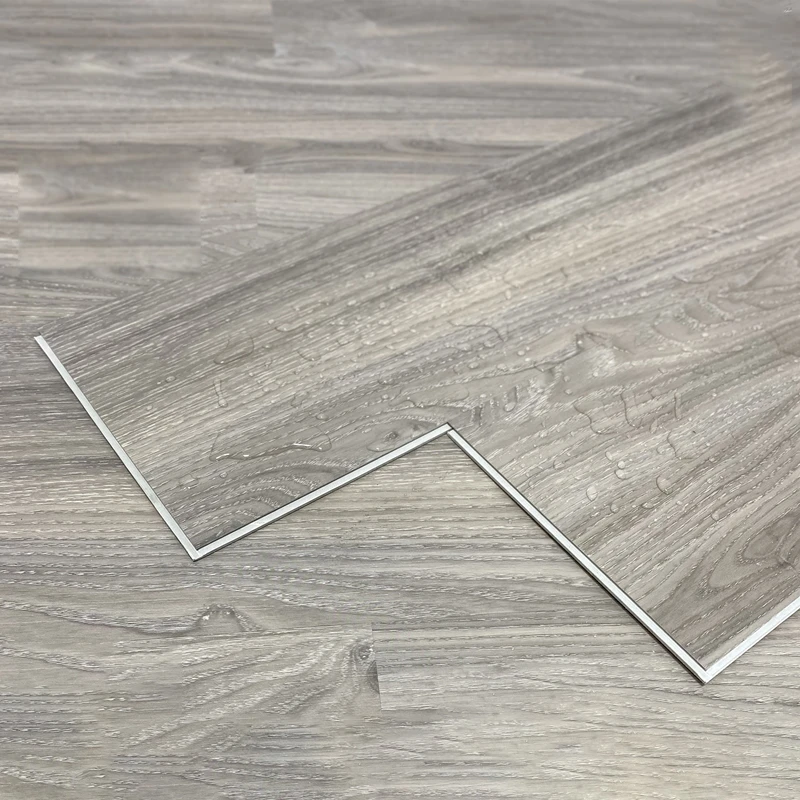
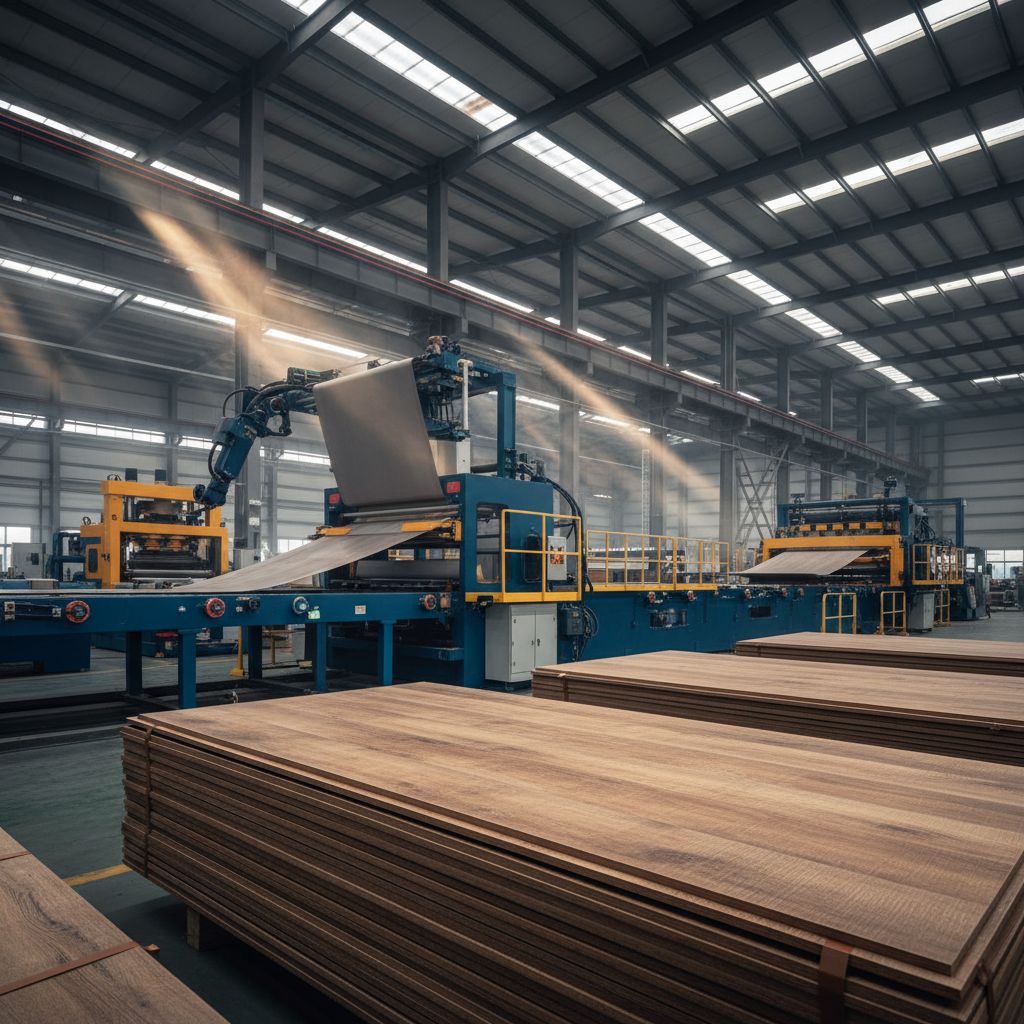 Ultimate Guide to Durable Waterproof SPC Vinyl Flooring StyleWhen renovating a modern home or commercial space, the flooring choice often defines the entire atmosphere. waterproof spc vinyl flooring has emerged as a revolutionary solution for those who refuse to compromise between aesthetic elegance and rugged performance. Standing for Stone Plastic Composite, SPC flooring is engineered to withstand the toughest environments, from moisture-prone bathrooms to high-traffic living rooms. In this comprehensive guide, we will explore why this material is dominating the interior design market and how it can transform your space into a sanctuary of style and resilience.Read More >
Apr 16 2026
-
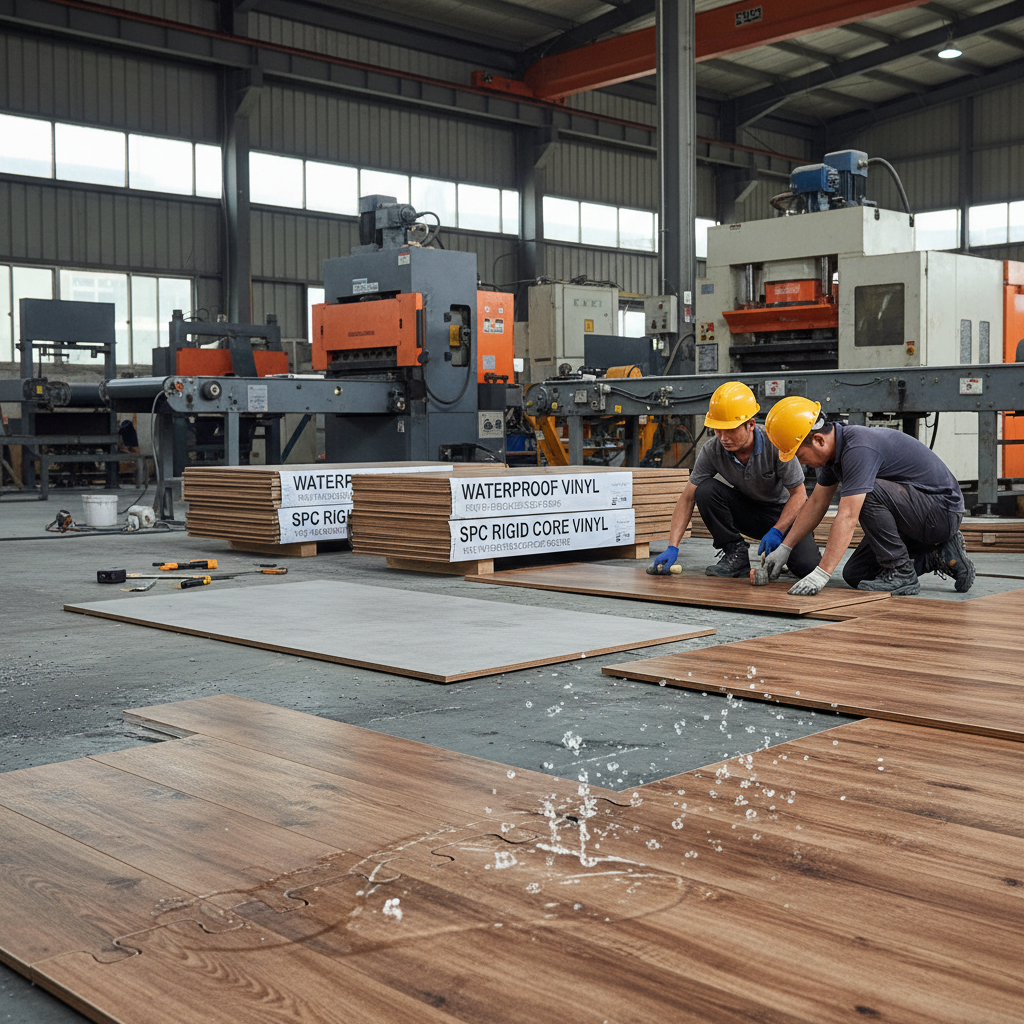 Ultimate Guide to Durable Waterproof SPC Rigid Core Vinyl FlooringChoosing the right flooring for a modern home or commercial space requires a balance between aesthetics and endurance. waterproof spc rigid core vinyl has emerged as a game-changer in the interior design world, offering the timeless look of hardwood with the unmatched resilience of stone polymer composite. Whether you are dealing with high-traffic hallways, moisture-prone bathrooms, or pet-friendly living rooms, this flooring solution provides a stable, waterproof, and scratch-resistant surface. In this comprehensive guide, we will explore why this innovative material is replacing traditional laminate and luxury vinyl planks in contemporary construction.Read More >
Apr 09 2026
-
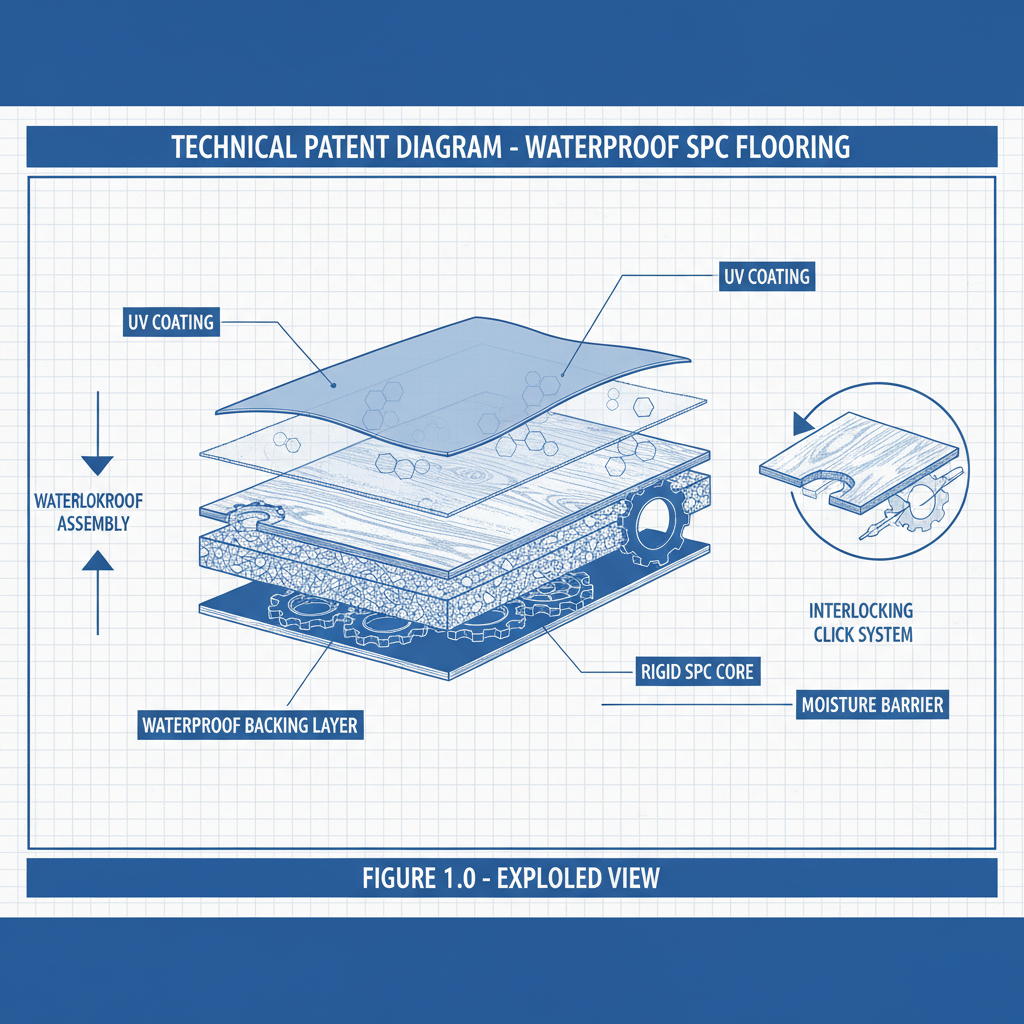 Comprehensive Guide to Waterproof SPC Flooring Durability and InstallationChoosing the right flooring for your home or business is a significant decision. Waterproof SPC flooring has emerged as a popular option due to its durability, affordability, and ease of installation. This article provides an in-depth look at waterproof SPC flooring, covering its benefits, installation process, maintenance, and comparisons with other flooring types. Understanding these aspects will help you determine if SPC flooring is the right choice for your project.Read More >
Apr 07 2026
-
 Discover the Durability and Style of Vinyl SPC Rigid Flooring SolutionsLooking for a durable, waterproof, and stylish flooring solution? Vinyl SPC rigid flooring is quickly becoming the go-to choice for homeowners and businesses alike. This article provides a comprehensive overview of this innovative flooring type, covering its benefits, installation, maintenance, and more. We’ll help you determine if SPC rigid vinyl flooring is the right fit for your project.Read More >
Apr 04 2026
-
 Comprehensive Guide to Durable Vinyl SPC Click Flooring Options and BenefitsChoosing the right flooring for your home or business is a significant decision. Vinyl SPC click flooring has emerged as a popular and durable option, offering a blend of aesthetic appeal and practical benefits. This article will explore the key features, advantages, installation process, and applications of SPC flooring, helping you determine if it's the right choice for your project. From its waterproof nature to its ease of installation, we'll cover everything you need to know.Read More >
Mar 31 2026
 +86 31185293045
  qian@ss711.com

Shijiazhuang Sothink trading Co., LTD.
Our company focuses on product development, production, sales and other all-round services, and is committed to providing customers with high-performance products and high-quality services.