


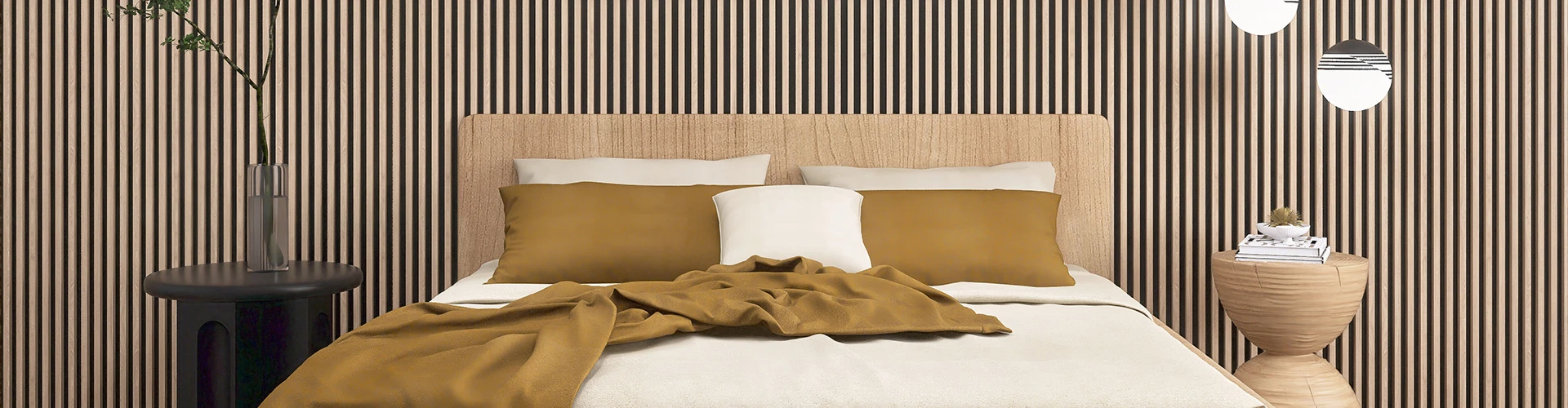
Understanding Wall Art Natural Materials: Sustainable, Durable, and Beautiful Decor
Exploring Wall Art Natural Materials: Durable Beauty with Sustainable Roots
Wall art natural materials have been quietly transforming interior and architectural design worldwide. Why does this matter? Well, as we grow increasingly conscious about sustainability, aesthetics, and healthier living environments, these natural resources offer a meaningful antidote to synthetic decor—blending beauty with earth-friendly benefits. Understanding the role of such materials helps industries adapt to eco-conscious demands while embracing creativity rooted in nature. Oddly enough, something as simple as choosing wood, stone, or plant fibers for wall art can ripple through cultural trends, environmental impact, and economic factors.
Introduction: The Global Importance of Wall Art Natural Materials
The global market for sustainable interior design has surged in recent years, with studies estimating it could grow by over 7% annually through 2030 (source: ISO sustainability reports). In this context, wall art created from natural materials comes into sharp focus—not only for its aesthetic appeal but for its ability to reduce pollution and carbon footprints right in our living spaces. However, challenges remain: sourcing materials responsibly, maintaining durability, and balancing cost make it a dynamic, evolving field.
Essentially, wall art natural materials answers a pressing modern concern: how do we decorate meaningfully without compromising our planet's future?
What Are Wall Art Natural Materials?
To ground ourselves, wall art natural materials simply refer to any decorative piece or installation designed for walls, primarily made from organic or earth-derived substances—think wood, bamboo, cork, stone, wool, jute, or dried foliage. Unlike plastic or synthetic art, these materials resonate with natural texture and warmth, often connected to artisan traditions or eco-friendly manufacturing. In modern industry and humanitarian needs, such materials aid in creating spaces that feel both safe and sustainable—for example, in community housing projects or environmentally sensitive developments.
Key Factors of Wall Art Natural Materials
Durability: Lasting Through Time and Trends
Many folks assume natural equals fragile, but that’s not quite fair. Hardy wood species or treated cork can outlast some plastics if cared for. The challenge is accounting for environmental exposure: humidity, sunlight, pests. Designers and engineers often seal or finish these materials to boost resilience without losing their organic feel.
Sustainability: The Heart of the Matter
This is where wall art natural materials truly shine. Using renewable, biodegradable resources reduces landfill waste and energy consumption. Plus, many materials—like bamboo or reclaimed wood—regenerate quickly or reuse existing stocks, making them ideal for circular economies.
Cost Efficiency: Balancing Price and Quality
Paradoxically, some natural materials can be more affordable when locally sourced but pricier when rare or imported. Bulk production versus handcrafted units also swings the pricing needle. The key insight: investment in quality pays off long-term because these pieces maintain charm and function for decades.
Customization & Aesthetic Versatility
From rustic cork mosaics to polished marble bas-reliefs, the range of textures and finishes in natural materials allows artists and designers to tailor pieces for any taste. Plus, natural irregularities add unique character—no two panels are identical.
Installation & Maintenance
While natural materials often need gentle handling, advances in mounting techniques and finishes have made installation easier. Proper ventilation and occasional cleaning ensure longevity, although it does require a bit more attention than mass-produced synthetic art.
Global Applications & Real-World Use
Wall art made of natural elements thrives in diverse settings—from boutique hotels in Scandinavia to cultural centers in Japan, to community spaces in sub-Saharan Africa. In fact, NGOs working in post-disaster zones often use natural fiber wall hangings to provide a touch of home and psychological comfort to displaced families. In industrial urban lofts, reclaimed wood panels add warmth amidst concrete jungles. North American designers increasingly favor these materials to comply with LEED certifications and green building standards.
Advantages & Long-Term Value of Natural Wall Art
- Sustainability Impact: Reduces environmental footprint while supporting responsible forestry and farming.
- Emotional & Social: Brings a sense of grounding, safety, and cultural authenticity.
- Economic: Creates jobs in craft sectors and sustains local economies.
- Health Benefits: Improves indoor air quality and offers non-toxic décor options.
Product Specification Table: Popular Wall Art Natural Materials
| Material | Durability | Cost Approx. | Sustainability | Maintenance |
|---|---|---|---|---|
| Reclaimed Wood | High | Medium | Excellent | Low (periodic sealing) |
| Cork | Medium | Low | Very High (renewable) | Medium (avoid moisture) |
| Stone (Marble, Slate) | Very High | High | Moderate (mining impact) | Low (cleaning only) |
| Jute & Hemp Fibers | Medium | Low | Very High | Careful (avoid moisture) |
Vendor Comparison Table
| Vendor | Material Range | Sustainability Certifications | Customization Options | Average Lead Time |
|---|---|---|---|---|
| EcoArtisans Ltd. | Wood, Jute, Hemp | FSC, GOTS | Full Custom Design | 3–5 Weeks |
| NaturalWall Creations | Stone, Cork | ISO 14001 | Standard & Custom Sizes | 4–6 Weeks |
| GreenSpirit Decor | Bamboo, Reclaimed Wood | LEED, FSC | Limited Customization | 2–4 Weeks |
Future Trends & Innovations in Wall Art Natural Materials
I’ve noticed a rising interest in bio-based composites that merge natural fibers with recyclable resins, creating super-strong but still eco-friendly wall decor. Digital fabrication methods like CNC machining and 3D printing also allow highly intricate, repeatable natural patterns at scale, a neat fusion of craftsmanship and tech. Environmental policies encouraging carbon-neutral design spur innovations, too, pushing vendors to incorporate green energy and circular resource models. Frankly, the future feels bright for these natural materials—always evolving but never losing their authentic connection to the earth.
Challenges & Solutions
Naturally, there are hurdles. Fluctuating raw material availability, questions around fire resistance, and vulnerability to pests sometimes plague the industry. Plus, educating consumers and designers about proper maintenance is essential but often overlooked. Yet creative solutions abound: treatments that preserve natural textures while enhancing protection, modular panels for easy replacement, and transparent supply chains bolstering buyer confidence. I suppose it’s a dance between preserving natural integrity and meeting modern standards.
FAQ: Common Questions About Wall Art Natural Materials
-
Q: How do natural wall art materials compare in durability to synthetic ones?
A: Natural materials can often match synthetic durability if properly treated and maintained, but they may require more care to prevent moisture damage or pest issues. Choosing the right finish and installation method is key. -
Q: Is wall art made from natural materials suitable for humid climates?
A: Some, like cork or certain treated woods, perform well in mild humidity, but others might warp or degrade without proper sealing. Ventilation and climate considerations are essential in selecting materials. -
Q: Can natural wall art materials be integrated into commercial projects?
A: Absolutely — many hospitality and office spaces incorporate natural art to add warmth and green credentials. It often helps meet sustainability certifications like LEED. -
Q: Where can I find vendors that supply eco-certified natural wall art?
A: Vendors like EcoArtisans Ltd. or GreenSpirit Decor offer certified products with customization options, balancing sustainability and design innovation.
Conclusion: Embracing the Natural Elegance of Sustainable Wall Art
In real terms, wall art natural materials marry environmental stewardship with aesthetic richness. They bring spaces to life in ways artificial materials can’t quite replicate—offering texture, story, and authenticity. As demand for green design accelerates, these materials will become not just a niche choice, but a mainstream standard for thoughtful interiors. Wondering where to start? Visit our website: https://www.sothinkdecor.com, where craftsmanship meets conscious living.
Mini Takeaway: By choosing wall art natural materials, you're investing in decor that tells a story, respects the planet, and stands the test of time.
References:
1. ISO Sustainable Development Goals
2. Wikipedia: Sustainable Design
3. World Bank Environment Overview
-
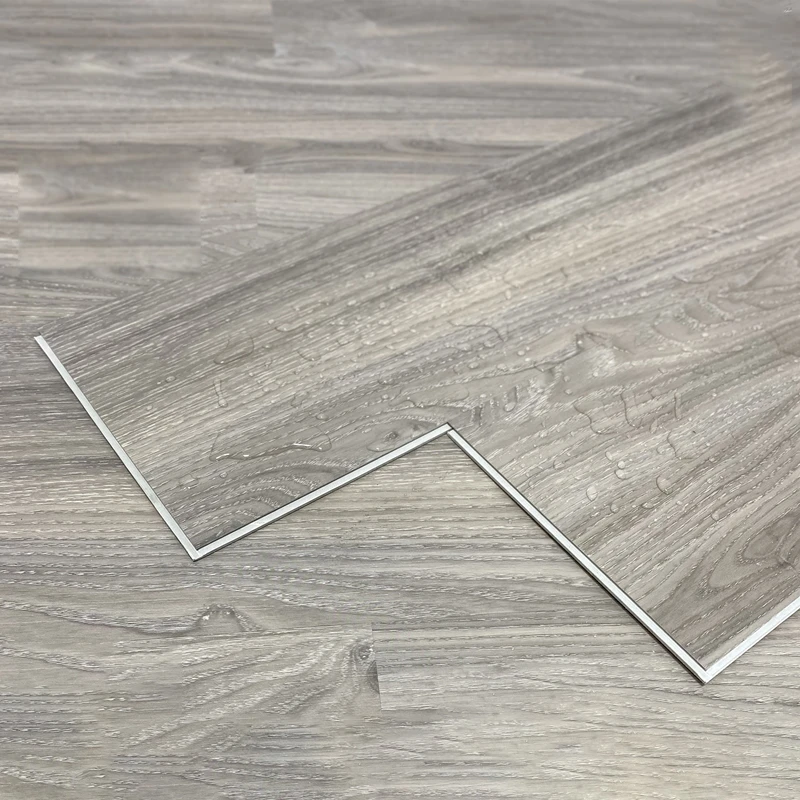
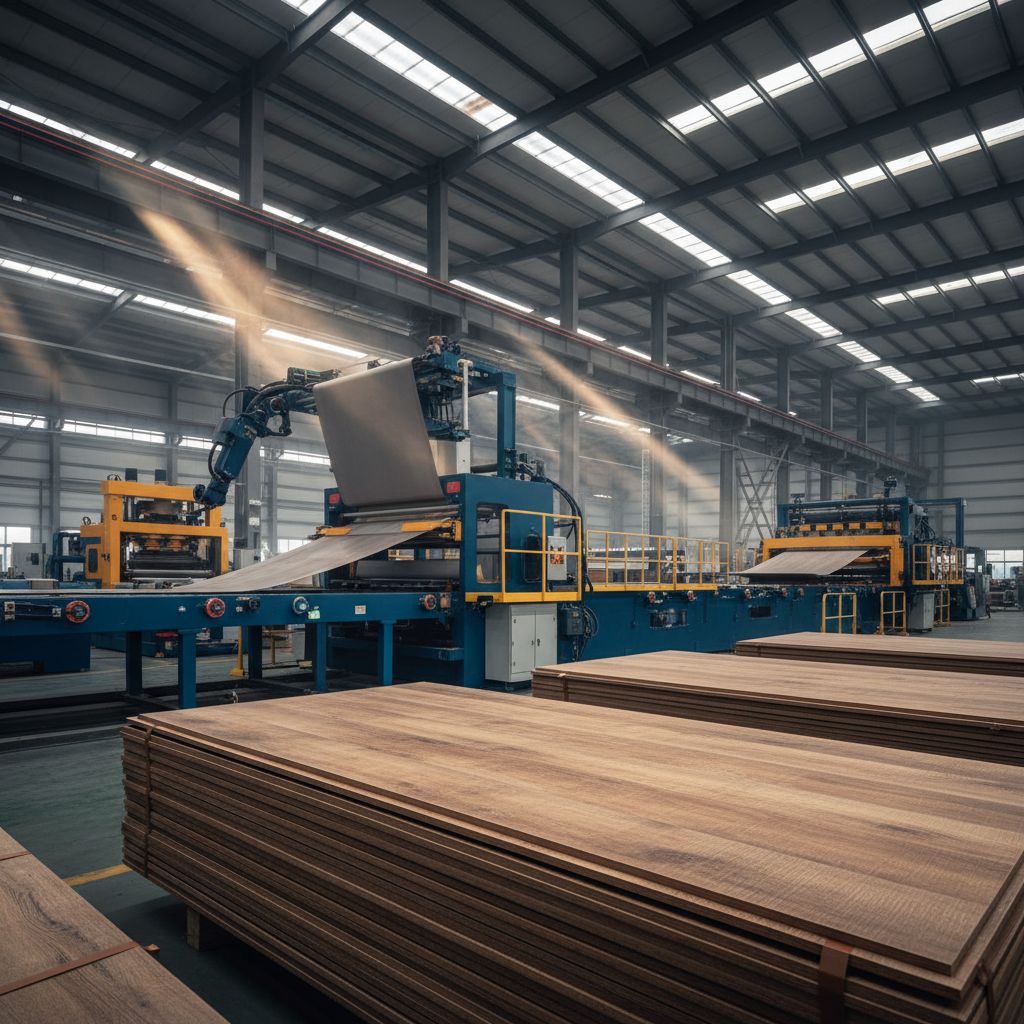 Ultimate Guide to Durable Waterproof SPC Vinyl Flooring StyleWhen renovating a modern home or commercial space, the flooring choice often defines the entire atmosphere. waterproof spc vinyl flooring has emerged as a revolutionary solution for those who refuse to compromise between aesthetic elegance and rugged performance. Standing for Stone Plastic Composite, SPC flooring is engineered to withstand the toughest environments, from moisture-prone bathrooms to high-traffic living rooms. In this comprehensive guide, we will explore why this material is dominating the interior design market and how it can transform your space into a sanctuary of style and resilience.Read More >
Apr 16 2026
-
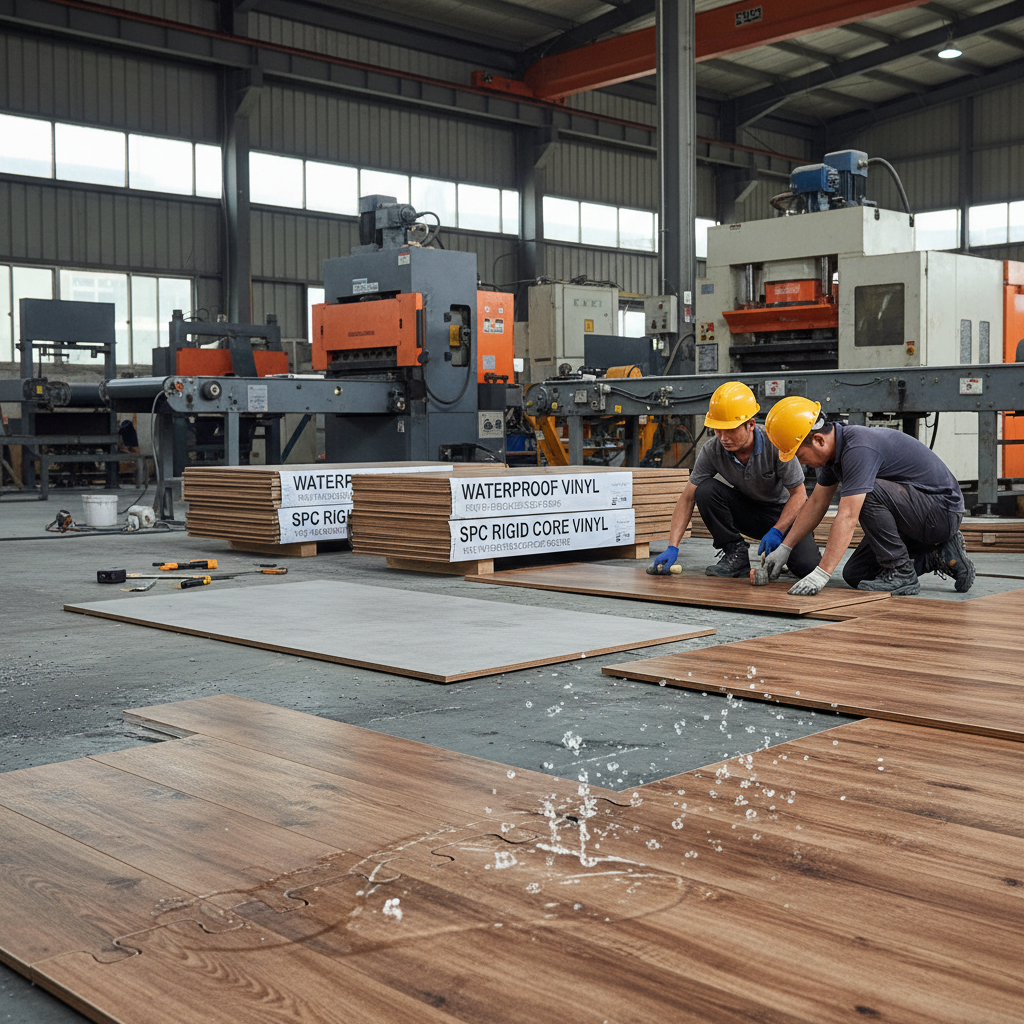 Ultimate Guide to Durable Waterproof SPC Rigid Core Vinyl FlooringChoosing the right flooring for a modern home or commercial space requires a balance between aesthetics and endurance. waterproof spc rigid core vinyl has emerged as a game-changer in the interior design world, offering the timeless look of hardwood with the unmatched resilience of stone polymer composite. Whether you are dealing with high-traffic hallways, moisture-prone bathrooms, or pet-friendly living rooms, this flooring solution provides a stable, waterproof, and scratch-resistant surface. In this comprehensive guide, we will explore why this innovative material is replacing traditional laminate and luxury vinyl planks in contemporary construction.Read More >
Apr 09 2026
-
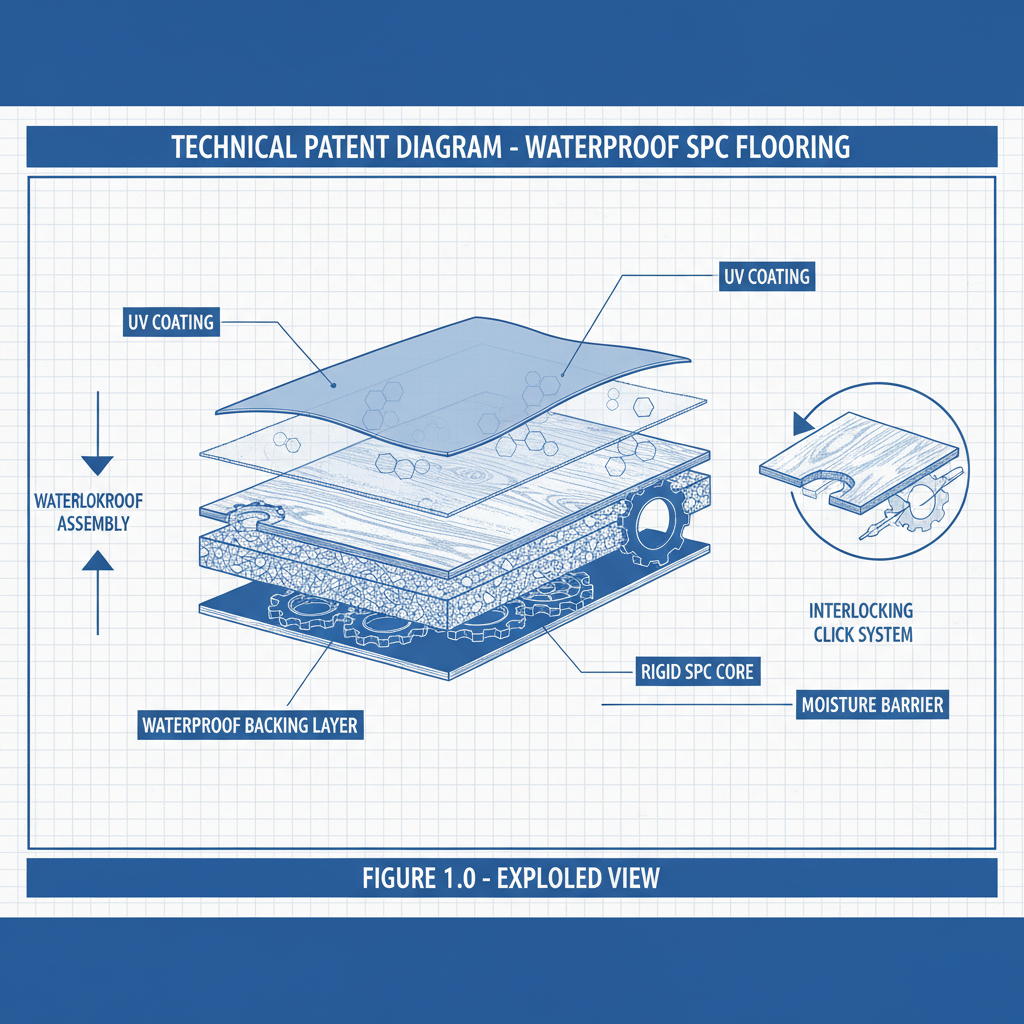 Comprehensive Guide to Waterproof SPC Flooring Durability and InstallationChoosing the right flooring for your home or business is a significant decision. Waterproof SPC flooring has emerged as a popular option due to its durability, affordability, and ease of installation. This article provides an in-depth look at waterproof SPC flooring, covering its benefits, installation process, maintenance, and comparisons with other flooring types. Understanding these aspects will help you determine if SPC flooring is the right choice for your project.Read More >
Apr 07 2026
-
 Discover the Durability and Style of Vinyl SPC Rigid Flooring SolutionsLooking for a durable, waterproof, and stylish flooring solution? Vinyl SPC rigid flooring is quickly becoming the go-to choice for homeowners and businesses alike. This article provides a comprehensive overview of this innovative flooring type, covering its benefits, installation, maintenance, and more. We’ll help you determine if SPC rigid vinyl flooring is the right fit for your project.Read More >
Apr 04 2026
-
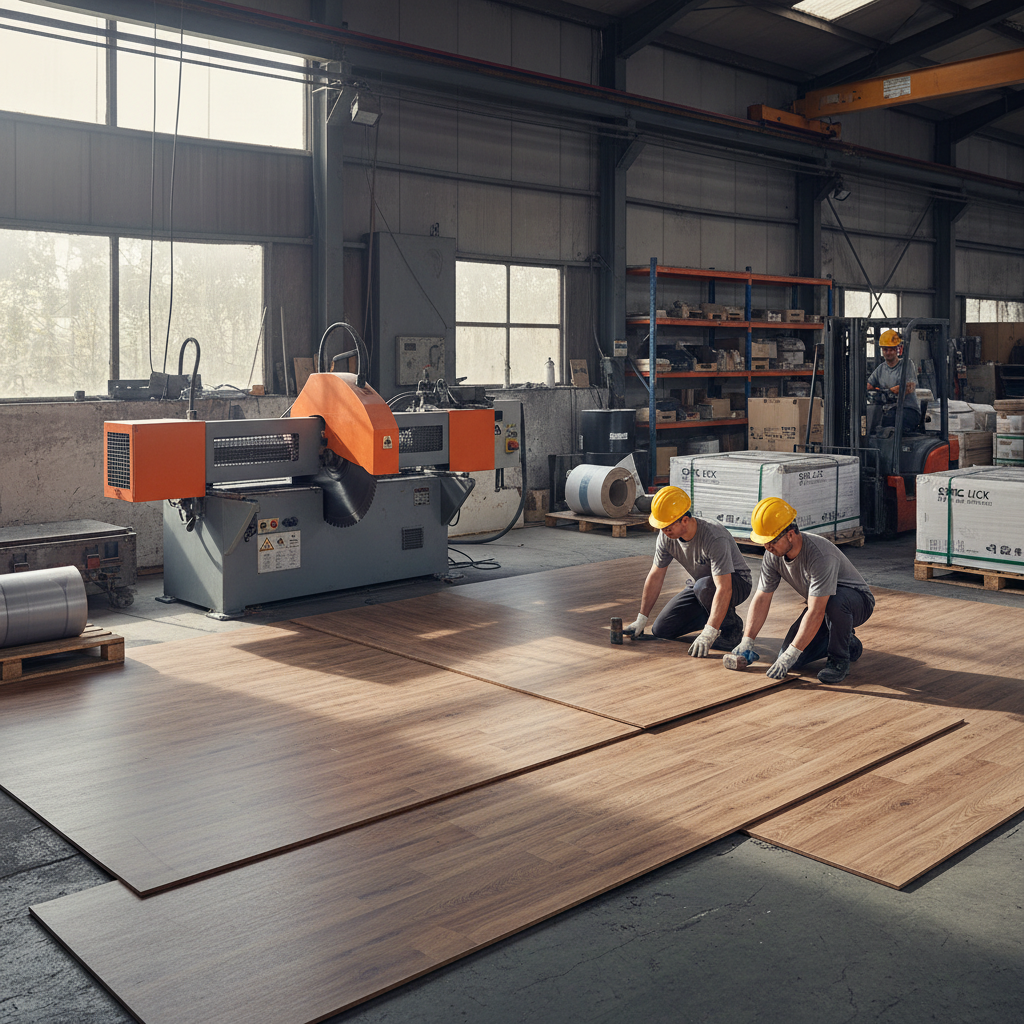 Comprehensive Guide to Durable Vinyl SPC Click Flooring Options and BenefitsChoosing the right flooring for your home or business is a significant decision. Vinyl SPC click flooring has emerged as a popular and durable option, offering a blend of aesthetic appeal and practical benefits. This article will explore the key features, advantages, installation process, and applications of SPC flooring, helping you determine if it's the right choice for your project. From its waterproof nature to its ease of installation, we'll cover everything you need to know.Read More >
Mar 31 2026
 +86 31185293045
  qian@ss711.com

Shijiazhuang Sothink trading Co., LTD.
Our company focuses on product development, production, sales and other all-round services, and is committed to providing customers with high-performance products and high-quality services.