


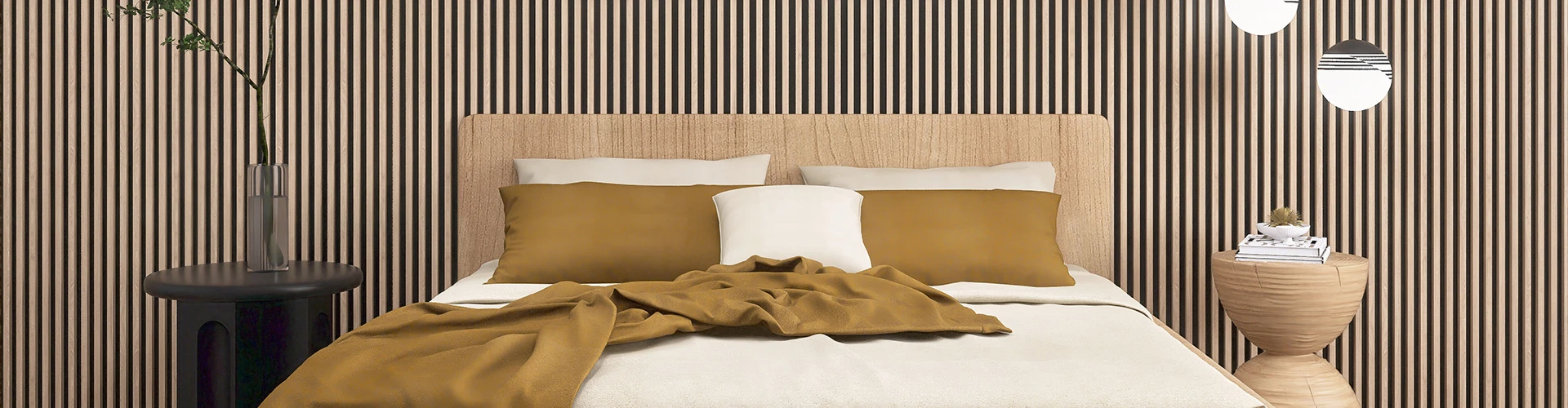
What is SPC Vinyl? Durable, Waterproof Flooring Solutions Explained
Understanding SPC Vinyl: A Durable Flooring Revolution
In the world of modern flooring, SPC vinyl has quietly but surely risen to prominence as a game-changer. If you’ve ever wondered what makes certain floors remarkably sturdy, waterproof, and visually appealing at a relatively affordable cost, then SPC vinyl is worth your attention. Globally, the demand for durable yet sustainable flooring solutions is soaring—driven by rapid urbanization, climate concerns, and evolving construction standards. Today, understanding why SPC vinyl matters isn’t just good for flooring pros; it’s increasingly important for architects, homeowners, and even humanitarian projects worldwide.
Introduction: SPC Vinyl in Global Perspective
The global luxury vinyl flooring (LVF) market, including SPC (Stone Plastic Composite), recently topped valuations north of $20 billion, and it’s expected to grow steadily over the next decade. This growth isn’t random; it reflects real challenges that SPC vinyl helps address. Urban construction demands durability coupled with sustainability — and traditional flooring materials like hardwood or ceramic tiles often fall short due to cost, installation complexity, or vulnerability to moisture. According to ISO standards on indoor environmental quality, moisture-resistant materials are essential in many building types.
Oddly enough, SPC vinyl is stepping in as a versatile solution, particularly where resilience and simplicity are necessary. For example, in flood-prone or high-humidity areas, the waterproof nature of SPC vinyl is a clear advantage over traditional flooring.
Mini Takeaway: SPC vinyl’s relevance is heightened by urbanization and sustainability mandates, making it a vital material in modern construction globally.
What Exactly is SPC Vinyl?
Put simply, SPC vinyl stands for Stone Plastic Composite vinyl, sometimes called rigid core vinyl flooring. Its core is made of limestone powder, polyvinyl chloride (PVC), and stabilizers, creating a rigid yet lightweight board with a vinyl top layer. This design marries the strength of stone and the flexibility of plastic.
This material’s qualities have made it a favorite in both industry and humanitarian installations — like temporary housing in disaster zones — where quick installs, durability, and low maintenance are key.
Mini Takeaway: SPC vinyl is essentially a composite flooring with a hard limestone-based core and a protective vinyl surface, designed for maximum durability and waterproof performance.
Core Components of SPC Vinyl Flooring
Durability
At its heart, SPC vinyl is designed to resist dents, scratches, and wear — something that users practically swear by. Its high-density core provides consistent stability against heavy foot traffic and furniture weight.
Water Resistance
Thanks to the stone composite core and impervious vinyl top, SPC flooring is almost completely waterproof. This makes it a go-to choice for kitchens, bathrooms, and commercial settings where moisture is a common issue.
Cost Efficiency
While not the cheapest on the market, SPC vinyl offers excellent value over time. Installation costs tend to be lower due to click-lock designs, and there's less need for repairs or replacement.
Ease of Installation
The interlocking plank system makes installation straightforward, even for DIY enthusiasts. Compared to hardwood or stone tile, SPC flooring is far more forgiving.
Visual Appeal and Variety
It’s remarkable how lifelike SPC vinyl looks — everything from natural wood grains to stone effects. Manufacturers often employ advanced printing and texturing, meaning the aesthetics can rival real hardwood or ceramic surfaces without the fragility.
| Feature | Specification |
|---|---|
| Core Thickness | 4-8 mm |
| Wear Layer | 0.3-0.7 mm (UV coated) |
| Width & Length | 6-9 inches wide, 36-54 inches long |
| Installation | Click-lock floating |
| Water Resistance | 100% waterproof |
Global Applications & Use Cases
SPC vinyl’s versatility means it pops up in many unexpected places. Urban apartments in Asia, commercial retail spaces in Europe, and even modular classrooms in North America all benefit from its properties. In flood-prone regions — think parts of Southeast Asia or the Gulf Coast of the U.S. — waterproof flooring is almost a necessity.
Humanitarian organizations occasionally specify SPC vinyl in temporary shelters after disasters. Its quick installation and sturdy surface provide safety, comfort, and dignity to displaced populations, which is critical in unstable environments.
Mini Takeaway: The strength, waterproof nature, and ease of installation make SPC vinyl suited for commercial, residential, and humanitarian uses worldwide.
Advantages & Long-Term Value
- Cost-effective longevity: SPC floors tend to last decades with minimal upkeep.
- Environmentally safer options: Many brands now focus on low-VOC emissions and recyclable content.
- Improved indoor air quality: Compliant with ISO standards for low-emission building materials.
- Design flexibility: Homeowners can customize looks without sacrificing performance.
- Emotional reassurance: Knowing your floor won’t warp during rainy seasons or heavy spills is a real peace of mind.
Future Trends & Innovations
Environmental sustainability and digital innovation will steer SPC vinyl’s future. Green chemistry improvements minimize plasticizers, and manufacturers increasingly use recycled content to reduce carbon footprints. Plus, IoT-enabled flooring sensors embedded under SPC products promise smart monitoring of wear and environmental hazards, an oddly satisfying mix of design and tech.
Challenges & Solutions
While SPC vinyl is sturdy, it isn’t indestructible. It can dent under very heavy point loads or harsh impact. Also, some early versions had poor UV resistance, though this has improved with better coatings. The key is choosing reputable products and ensuring proper subfloor preparation to avoid issues like uneven surfaces or moisture underneath the flooring.
| Vendor | Wear Layer (mm) | Eco-Friendly Certification | Warranty (Years) | Price Range (per sq.ft) |
|---|---|---|---|---|
| AlphaFloors | 0.55 | FloorScore Certified | 15 | $3.50 - $5.00 |
| StoneCore Inc. | 0.7 | GREENGUARD Gold | 20 | $4.00 - $6.00 |
| VinylCraft | 0.4 | No Certification | 10 | $2.75 - $4.25 |
FAQ: Frequently Asked Questions About SPC Vinyl
What makes SPC vinyl flooring better than other vinyl types?
SPC vinyl's rigid limestone core offers superior stability and durability compared to traditional flexible vinyl. It’s waterproof, resists dents and scratches, and performs well in varied climates—making it ideal for busy households or commercial spaces.
Is SPC vinyl suitable for installation over radiant heating systems?
Yes, SPC vinyl generally works well over radiant heat if the temperature is controlled to prevent overheating. Most manufacturers specify maximum temperature limits to ensure the flooring’s longevity.
How long does SPC vinyl flooring typically last?
With normal wear and care, quality SPC vinyl can last anywhere from 15 to 25 years. Its tough wear layers and waterproof core extend usability beyond many conventional flooring materials.
Can SPC vinyl be recycled after its service life?
Recycling SPC vinyl is possible but depends on local programs and manufacturing processes. Increasingly, brands are adopting take-back and recycling policies to reduce landfill waste.
Is SPC vinyl flooring eco-friendly?
SPC vinyl’s eco-friendliness depends on production methods and certifications. Many vendors now offer low-VOC products certified by GREENGUARD or FloorScore, indicating safer indoor air quality and reduced environmental impact.
Conclusion
SPC vinyl represents a remarkable blend of durability, design flexibility, and cost-effectiveness, proving itself across climates and sectors worldwide. Whether for a home renovation or large commercial project, it delivers long-term value that’s hard to beat. For those intrigued by this next-level flooring option, exploring variations and reliable suppliers can unlock significant benefits.
Ready to upgrade your space with SPC vinyl? Visit our website: https://www.sothinkdecor.com to learn more and find tailored solutions.
A solid floor beneath our feet often goes unnoticed — but SPC vinyl makes sure it won’t be a problem anytime soon.
- ISO 16000-9:2006 – Indoor air quality standards (https://www.iso.org/standard/37112.html)
- Global Market Report on Luxury Vinyl Flooring – Market Watch, 2023
- United Nations Urbanization Prospects Report 2022 (https://population.un.org/wup/)
-
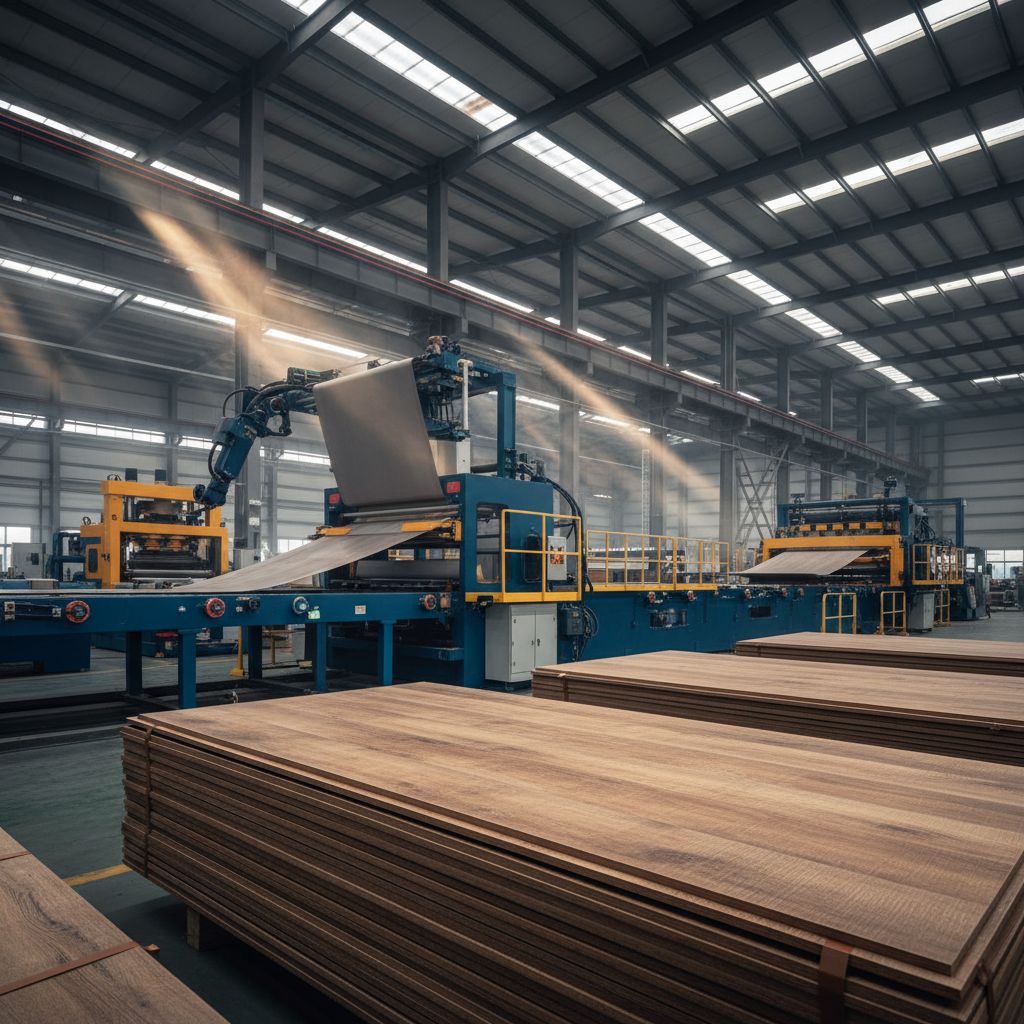 Ultimate Guide to Durable Waterproof SPC Vinyl Flooring StyleWhen renovating a modern home or commercial space, the flooring choice often defines the entire atmosphere. waterproof spc vinyl flooring has emerged as a revolutionary solution for those who refuse to compromise between aesthetic elegance and rugged performance. Standing for Stone Plastic Composite, SPC flooring is engineered to withstand the toughest environments, from moisture-prone bathrooms to high-traffic living rooms. In this comprehensive guide, we will explore why this material is dominating the interior design market and how it can transform your space into a sanctuary of style and resilience.Read More >
Apr 16 2026
-
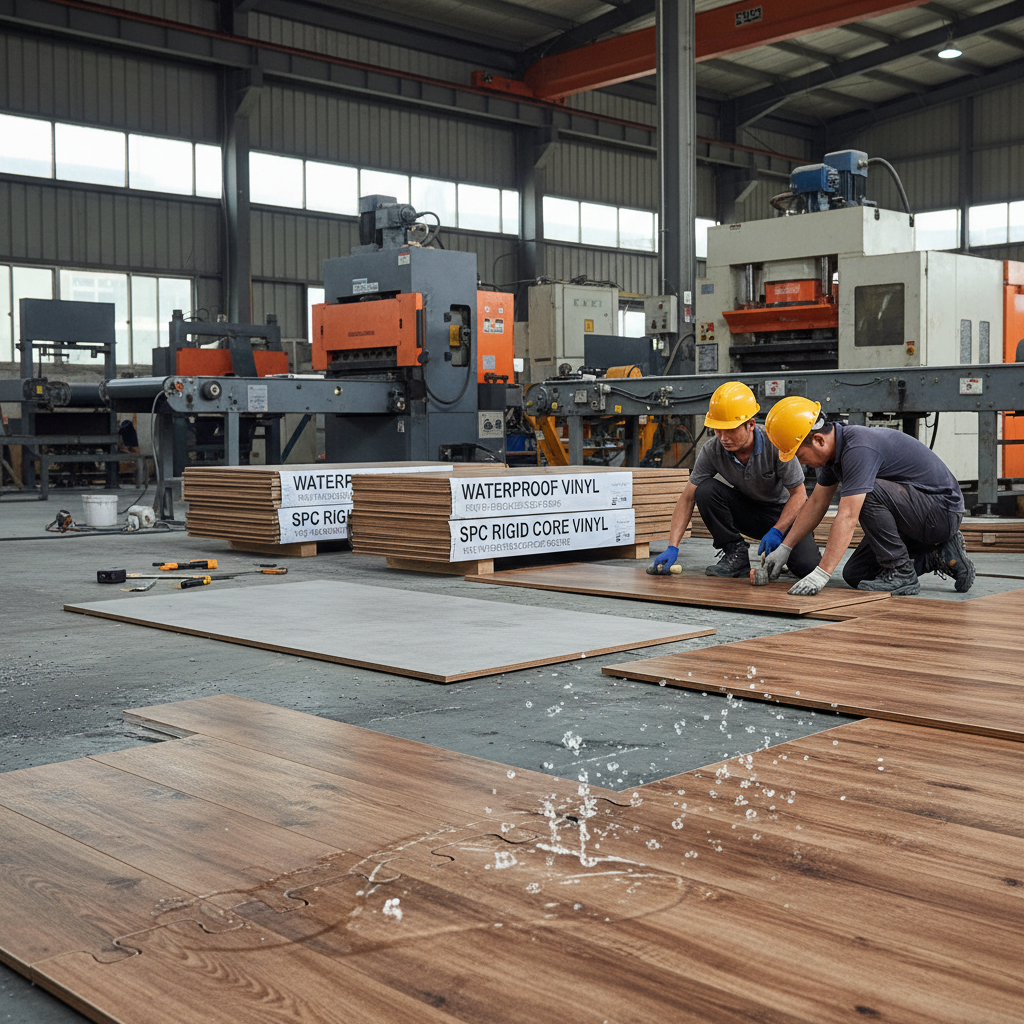 Ultimate Guide to Durable Waterproof SPC Rigid Core Vinyl FlooringChoosing the right flooring for a modern home or commercial space requires a balance between aesthetics and endurance. waterproof spc rigid core vinyl has emerged as a game-changer in the interior design world, offering the timeless look of hardwood with the unmatched resilience of stone polymer composite. Whether you are dealing with high-traffic hallways, moisture-prone bathrooms, or pet-friendly living rooms, this flooring solution provides a stable, waterproof, and scratch-resistant surface. In this comprehensive guide, we will explore why this innovative material is replacing traditional laminate and luxury vinyl planks in contemporary construction.Read More >
Apr 09 2026
-
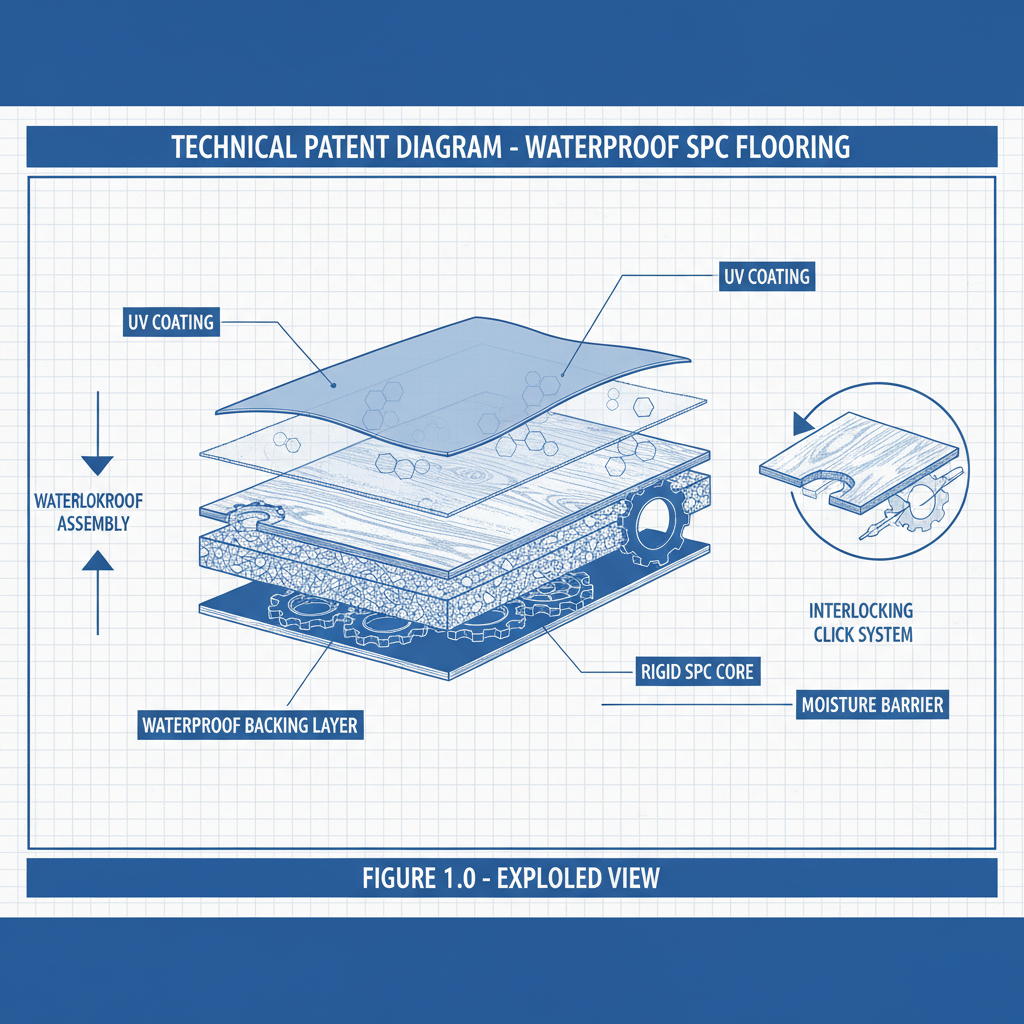 Comprehensive Guide to Waterproof SPC Flooring Durability and InstallationChoosing the right flooring for your home or business is a significant decision. Waterproof SPC flooring has emerged as a popular option due to its durability, affordability, and ease of installation. This article provides an in-depth look at waterproof SPC flooring, covering its benefits, installation process, maintenance, and comparisons with other flooring types. Understanding these aspects will help you determine if SPC flooring is the right choice for your project.Read More >
Apr 07 2026
-
 Discover the Durability and Style of Vinyl SPC Rigid Flooring SolutionsLooking for a durable, waterproof, and stylish flooring solution? Vinyl SPC rigid flooring is quickly becoming the go-to choice for homeowners and businesses alike. This article provides a comprehensive overview of this innovative flooring type, covering its benefits, installation, maintenance, and more. We’ll help you determine if SPC rigid vinyl flooring is the right fit for your project.Read More >
Apr 04 2026
-
 Comprehensive Guide to Durable Vinyl SPC Click Flooring Options and BenefitsChoosing the right flooring for your home or business is a significant decision. Vinyl SPC click flooring has emerged as a popular and durable option, offering a blend of aesthetic appeal and practical benefits. This article will explore the key features, advantages, installation process, and applications of SPC flooring, helping you determine if it's the right choice for your project. From its waterproof nature to its ease of installation, we'll cover everything you need to know.Read More >
Mar 31 2026
 +86 31185293045
  qian@ss711.com

Shijiazhuang Sothink trading Co., LTD.
Our company focuses on product development, production, sales and other all-round services, and is committed to providing customers with high-performance products and high-quality services.