


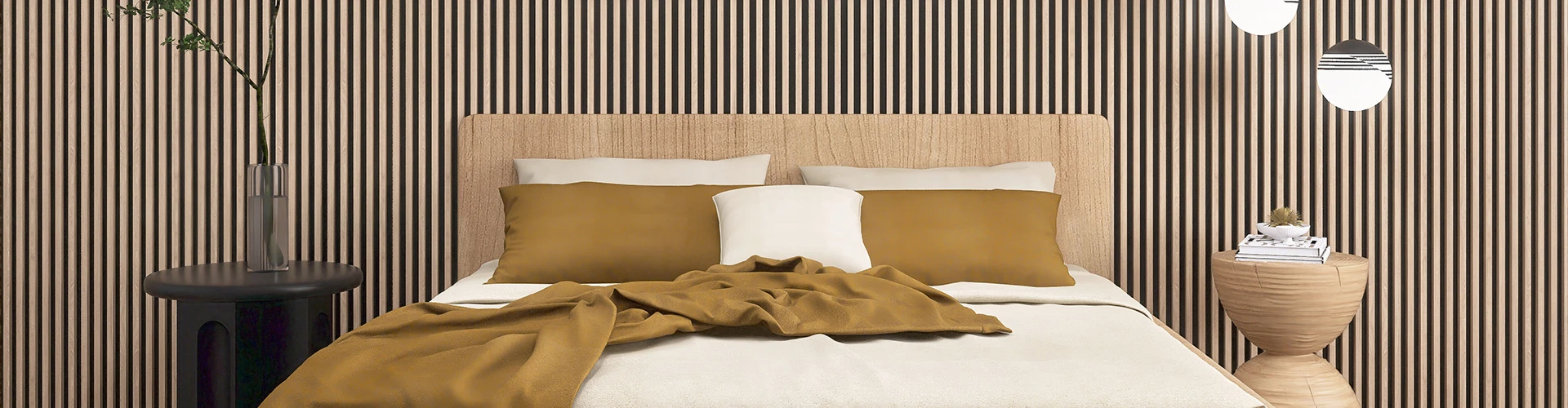
WPC Exterior Wall Cladding | Durable, Weatherproof Panels
Field Notes on Modern Facades: WPC Exterior Wall Cladding
I spent last month pulling apart samples of Wpc Exterior Wall Cladding in a lab and—more importantly—walking real jobsites where contractors live with the material every day. The short version: WPC cladding is having a moment. It mixes recycled wood flour with high‑density polyethylene and additives, so you get that warm, timber-like facade without the yearly sanding and staining saga. Actually, homeowners love that part.
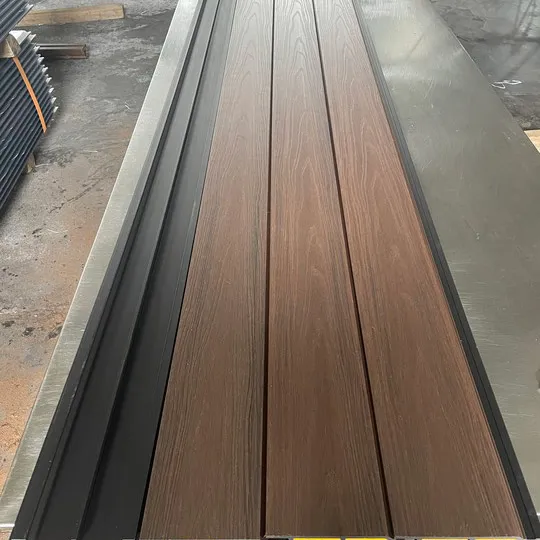
Industry trends and where this is going
The market’s consolidating around co‑extruded caps (often ASA or modified PE) for fade resistance and lower water uptake. Architects are pushing larger profiles and concealed fasteners, while owners ask for EPDs, RoHS compliance, and documented fire behavior (think EN 13501-1 classifications). To be honest, five years ago you’d see more swelling complaints; modern formulations feel tighter and more predictable.
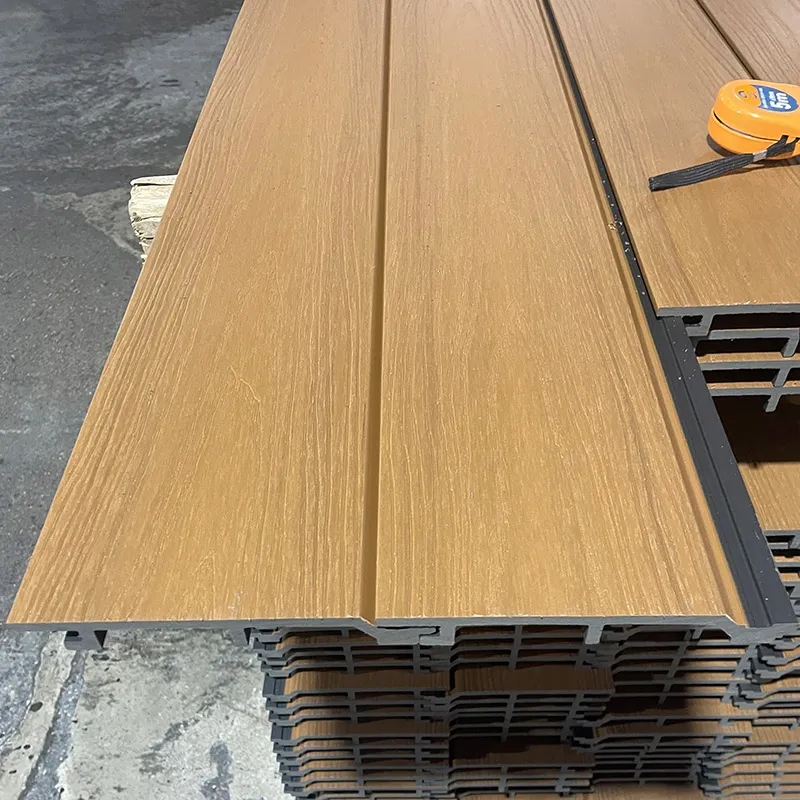
Key specifications (typical)
| Parameter | Spec (≈ / typical) | Notes |
|---|---|---|
| Core composition | 55% wood flour, 35% HDPE, 10% additives | UV stabilizers, coupling agents |
| Density | ≈1.25 g/cm³ | May vary by color/cap |
| Profiles (examples) | 156×21 mm, 219×26 mm | Hollow or solid |
| Thermal expansion | ≈3.5×10⁻⁵ /°C | Plan for expansion gaps |
| Water absorption | Per EN/ASTM methods | |
| UV color change | ΔE ≤ 4 after 2,000 h | ISO 4892 xenon arc |
| Fire behavior | Target B‑s2,d0 | EN 13501‑1 classification |
| Service life | 15–25 years | Real‑world use may vary |
How it’s made and tested
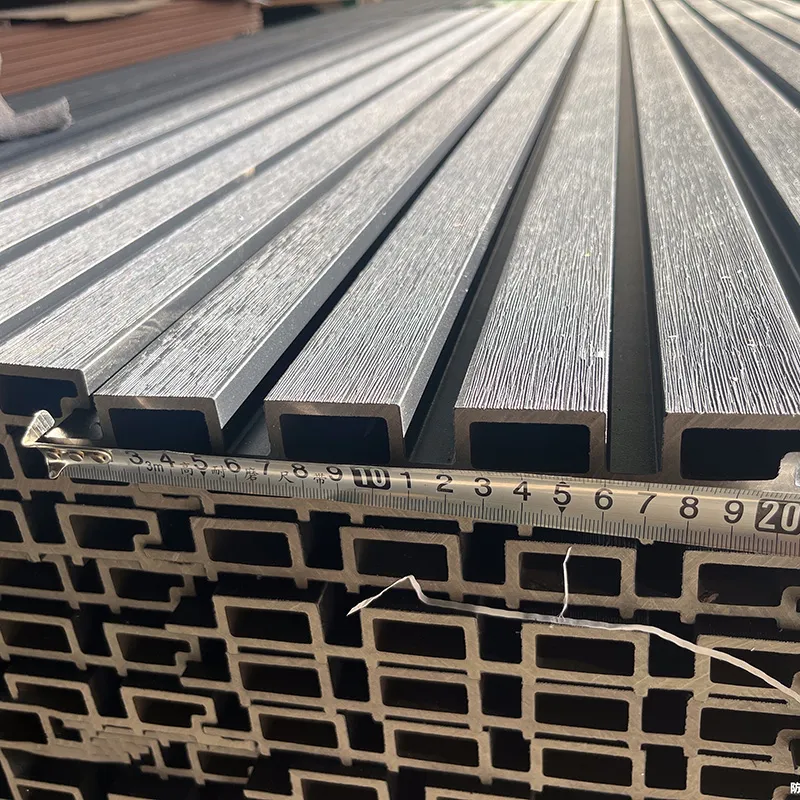
Process flow: screened wood flour + HDPE + additives → twin‑screw compounding → co‑extrusion with cap layer → embossing/brushing → cutting → QC.
QC and standards: EN 15534 series (mechanical/physical), ASTM D7032 (WPC performance guidance), ISO 4892 (UV), ISO 9227 (salt spray for coastal), and fire testing to EN 13501‑1. Typical test snapshots we saw: impact strength >5 kJ/m², screw withdrawal ≥1,500 N, linear expansion ≈0.03% per 10°C. To be honest, installers care most about stable gaps and consistent clips; the lab numbers only matter if the facade stays straight in August.
Where it works best
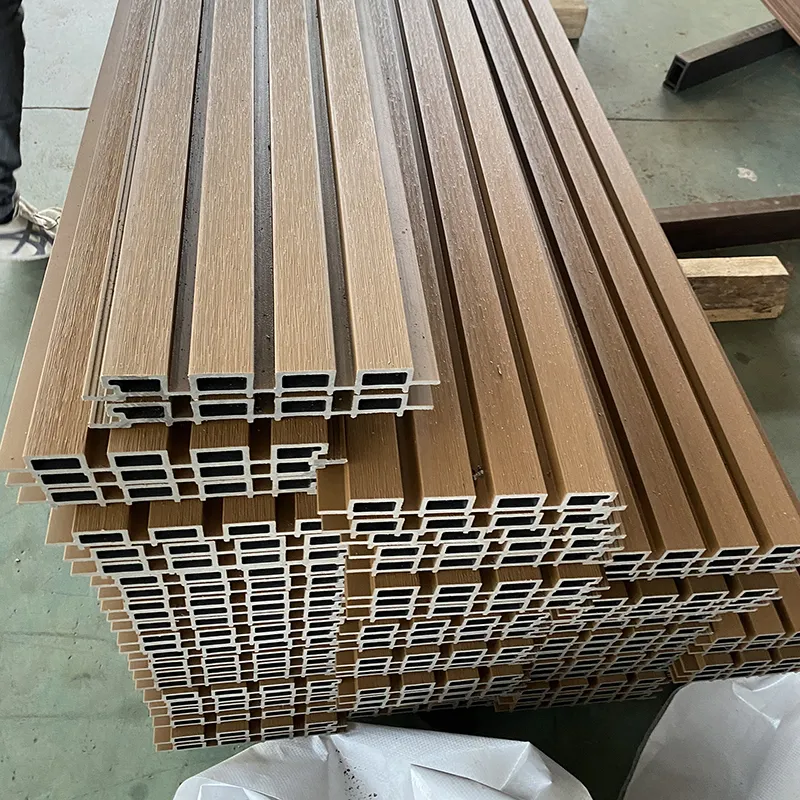
- Residential villas and townhouses needing low‑maintenance warmth
- Hotels, schools, and healthcare—consistent color and easy cleaning
- Coastal cafés and marinas—salt‑spray resilience is a plus
- Transit hubs and retail pods—fast install with concealed clips
Advantages owners mention: no repainting, concealed fixings, consistent batches, and fewer callbacks. Some contractors still pre‑drill at corners—old habits—but it helps in very cold installs.
Vendor snapshot
| Vendor | Cap Layer | Fire Option | Lead Time | Warranty |
|---|---|---|---|---|
| SothinkDecor (Wpc Exterior Wall Cladding) | Co‑extruded ASA/PE | B‑s2,d0 option | 4–6 weeks | 15‑year fade/structure |
| Brand A | PE cap | C‑s2,d0 | 6–8 weeks | 10 years |
| Brand B | Acrylic cap | B‑s3,d0 | 5–7 weeks | 15 years |
Customization and practical notes
Colors: teak, walnut, charcoal, sand; textures: deep emboss, wire‑brush; lengths up to 3.6 m. Custom RALs are feasible but expect MOQ. For façades over 15 m, allow for movement joints—sounds obvious, yet that’s where most callbacks happen. Many customers say concealed clips speed install by ~20% on straight runs.
Case snippets and feedback
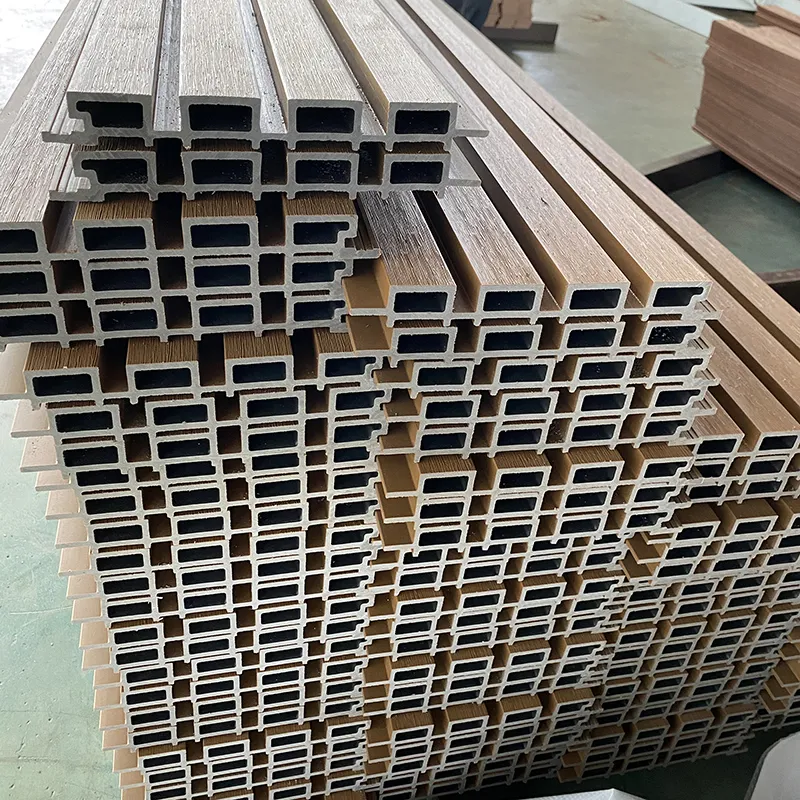
Coastal café retrofit (Southeast Asia): after 18 months, ΔE ≈ 2.8; no clip failures; a few end‑cap replacements after a typhoon—acceptable outcome. Urban school extension (Europe): faster cleaning versus painted timber; caretakers liked the scuff resistance. Installer note: “It behaves like a calm hardwood—just give it the gaps it wants.”
Origin and logistics: Room 709, Gelan Business Building, Xisanzhuang Street, Shijiazhuang City, Hebei Province, China. Shipments typically palletized with corner protection and film wrap; site storage off the ground and shaded, please.
Bottom line: if you want the wood look without the weekend maintenance, Wpc Exterior Wall Cladding is a solid, standards‑backed bet—especially with the newer co‑extruded caps and proper detailing.
Authoritative citations
- EN 15534 (Composites made from cellulose-based materials and thermoplastics). CEN/BSI overview: https://www.bsigroup.com
- ASTM D7032 – Standard for Establishing Performance Ratings for WPC Products: https://www.astm.org/d7032
- ISO 4892-2 – Plastics, Methods of Exposure to Laboratory Light Sources: https://www.iso.org/standard/61092.html
- EN 13501-1 – Fire classification of construction products and building elements: https://standards.cen.eu
- GB/T 24508-2009 – Wood-Plastic Composites: https://www.chinesestandard.net/PDF/English.aspx/GBT24508-2009
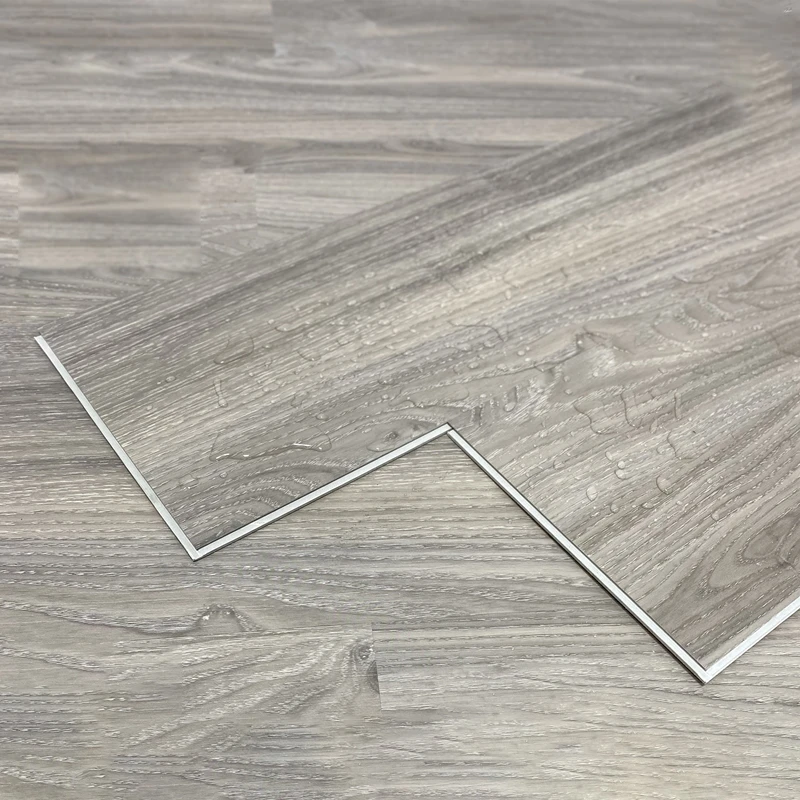
-
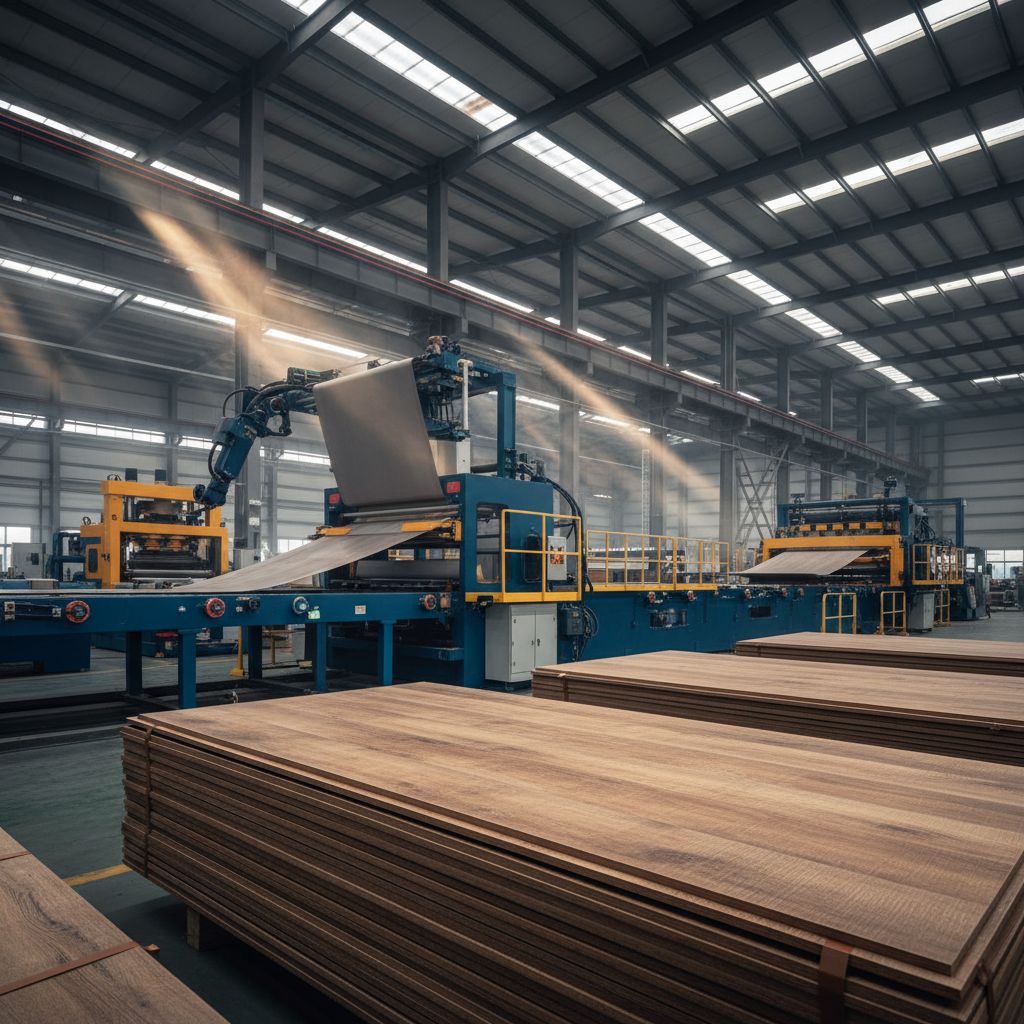 Ultimate Guide to Durable Waterproof SPC Vinyl Flooring StyleWhen renovating a modern home or commercial space, the flooring choice often defines the entire atmosphere. waterproof spc vinyl flooring has emerged as a revolutionary solution for those who refuse to compromise between aesthetic elegance and rugged performance. Standing for Stone Plastic Composite, SPC flooring is engineered to withstand the toughest environments, from moisture-prone bathrooms to high-traffic living rooms. In this comprehensive guide, we will explore why this material is dominating the interior design market and how it can transform your space into a sanctuary of style and resilience.Read More >
Apr 16 2026
-
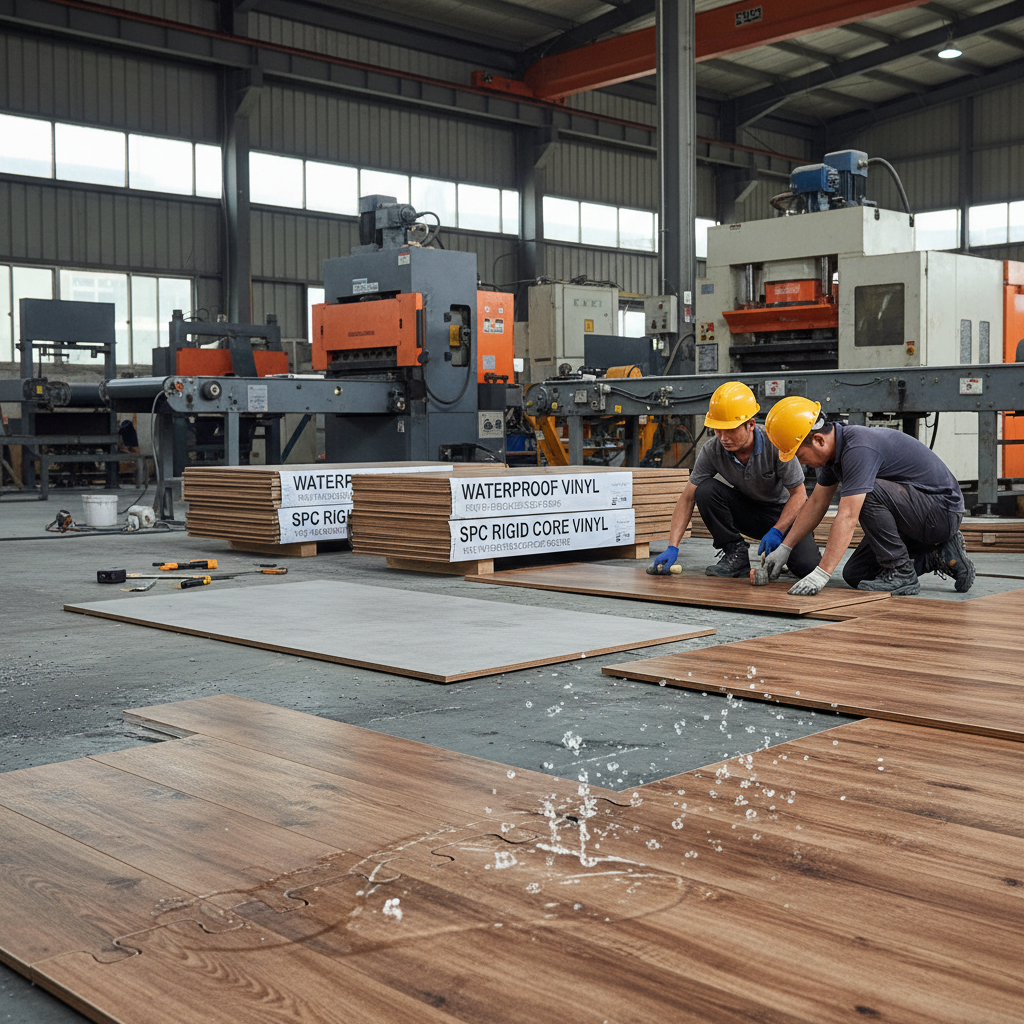 Ultimate Guide to Durable Waterproof SPC Rigid Core Vinyl FlooringChoosing the right flooring for a modern home or commercial space requires a balance between aesthetics and endurance. waterproof spc rigid core vinyl has emerged as a game-changer in the interior design world, offering the timeless look of hardwood with the unmatched resilience of stone polymer composite. Whether you are dealing with high-traffic hallways, moisture-prone bathrooms, or pet-friendly living rooms, this flooring solution provides a stable, waterproof, and scratch-resistant surface. In this comprehensive guide, we will explore why this innovative material is replacing traditional laminate and luxury vinyl planks in contemporary construction.Read More >
Apr 09 2026
-
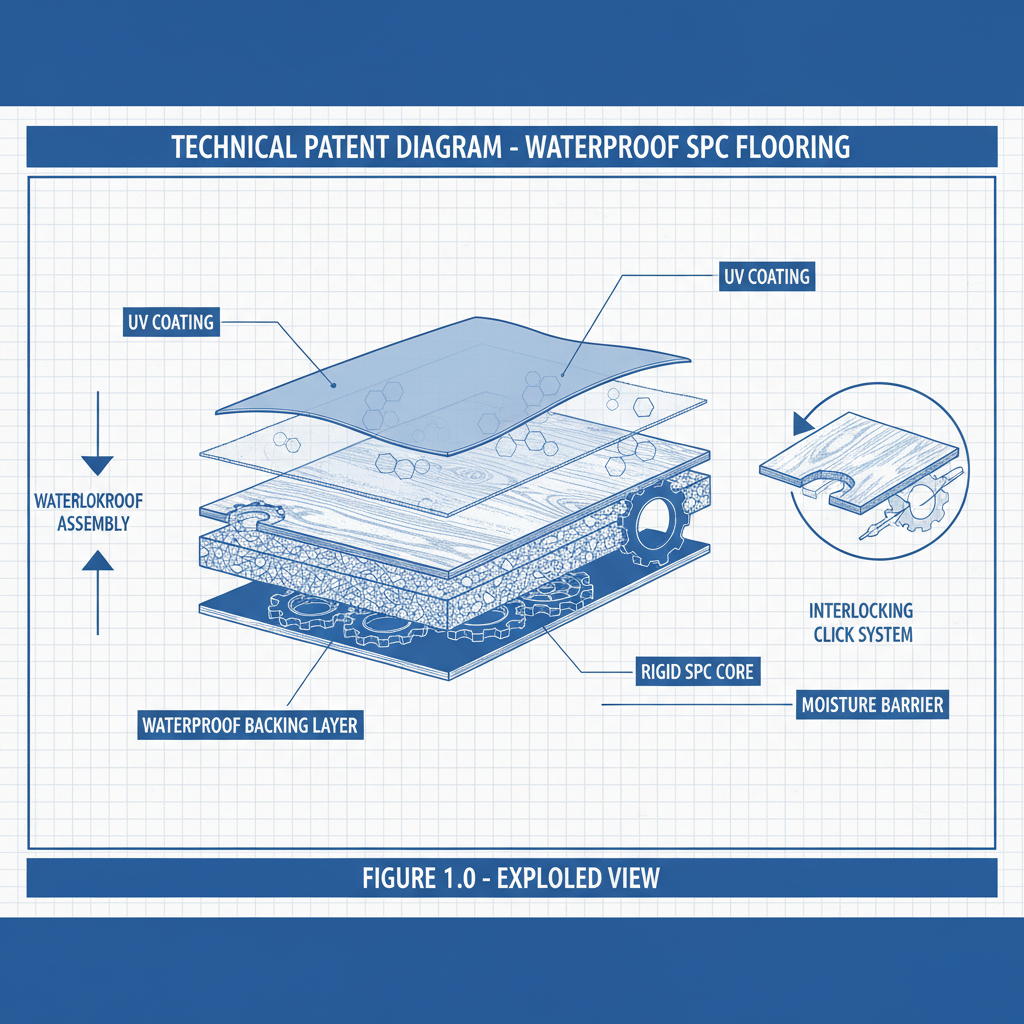 Comprehensive Guide to Waterproof SPC Flooring Durability and InstallationChoosing the right flooring for your home or business is a significant decision. Waterproof SPC flooring has emerged as a popular option due to its durability, affordability, and ease of installation. This article provides an in-depth look at waterproof SPC flooring, covering its benefits, installation process, maintenance, and comparisons with other flooring types. Understanding these aspects will help you determine if SPC flooring is the right choice for your project.Read More >
Apr 07 2026
-
 Discover the Durability and Style of Vinyl SPC Rigid Flooring SolutionsLooking for a durable, waterproof, and stylish flooring solution? Vinyl SPC rigid flooring is quickly becoming the go-to choice for homeowners and businesses alike. This article provides a comprehensive overview of this innovative flooring type, covering its benefits, installation, maintenance, and more. We’ll help you determine if SPC rigid vinyl flooring is the right fit for your project.Read More >
Apr 04 2026
-
 Comprehensive Guide to Durable Vinyl SPC Click Flooring Options and BenefitsChoosing the right flooring for your home or business is a significant decision. Vinyl SPC click flooring has emerged as a popular and durable option, offering a blend of aesthetic appeal and practical benefits. This article will explore the key features, advantages, installation process, and applications of SPC flooring, helping you determine if it's the right choice for your project. From its waterproof nature to its ease of installation, we'll cover everything you need to know.Read More >
Mar 31 2026
 +86 31185293045
  qian@ss711.com

Shijiazhuang Sothink trading Co., LTD.
Our company focuses on product development, production, sales and other all-round services, and is committed to providing customers with high-performance products and high-quality services.