


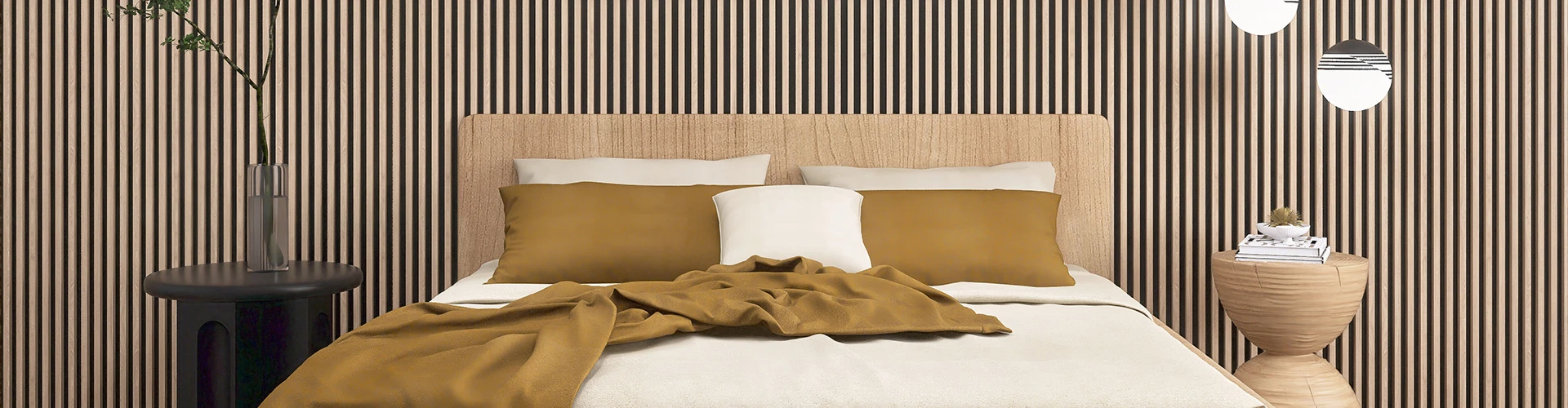
Core Floor WPC Waterproof Flooring – Durable, Stylish & Eco-Friendly Solution
What Is Core Floor WPC Waterproof Flooring and Why It Matters Globally
When you first hear “core floor WPC waterproof flooring,” it might sound like a mouthful—and honestly, it’s a bit of a technical beast. But dive deeper and you’ll find a smart, practical solution for modern floors that can handle the real world: moisture, heavy foot traffic, and simple wear and tear. This kind of flooring is making waves globally, especially in construction, commercial spaces, and even humanitarian projects where durability and water resistance aren't negotiable.
The global push for sustainable, long-lasting building materials combined with the challenges of diverse climates and rising urbanization means innovations like WPC flooring (Wood Plastic Composite) are becoming essential. In practical terms? Less water damage, less maintenance, and floors that last longer. It’s a small phrase, but it belongs to a growing movement towards resilient, smart construction materials.
Global Perspective: Why WPC Waterproof Flooring Is a Growing Industry Force
According to the United Nations' reports on sustainable urban development, over half the world’s population now lives in cities—a number projected to rise sharply by 2050. This urban explosion demands construction that is faster, cheaper, and more efficient, without sacrificing quality or sustainability. Meanwhile, the World Bank points out that flooding and water damage are a top cause of property degradation in both emerging and developed economies.
Traditional wood flooring simply falters under these conditions—swelling, warping, rotting. For builders and architects, especially in tropical and flood-prone areas, that means constant replacements and headaches. Enter core floor WPC waterproof flooring. It addresses these challenges by combining the best of wood's aesthetic appeal with plastics’ water resistance and durability. There’s no question it’s becoming a must-have in many regions, from Asia’s growing residential complexes to Europe’s eco-conscious commercial projects.
Defining Core Floor WPC Waterproof Flooring: What Does It Actually Mean?
Core floor WPC waterproof flooring is a type of engineered floor composed of wood fibers or sawdust mixed with thermoplastic materials like PVC or PE. This composite forms a dense, waterproof core layer that sits between the decorative top wear layer and the backing layer.
To put it simply, it’s a floor that looks and feels like wood but is way better at resisting water damage. Its design solves problems for places where moisture is a constant threat — think kitchens, bathrooms, or even outdoor patios. Beyond aesthetics and functionality, WPC flooring reflects modern demands for sustainability and adaptability in construction.
Core Components That Make WPC Flooring a Game-Changer
1. Durability
The core concept is resistance: to water, dents, and scratches. The plastic-wood composite means it doesn’t swell like real wood, which is critical in damp environments.
2. Waterproofing
The waterproof core layer keeps moisture out, preventing mold and mildew growth — a problem that can plague traditional wood floors. This saves time, money, and health headaches.
3. Comfort & Thermal Insulation
The core’s density also lends some insulation and softness underfoot, making it more comfortable than stone or ceramic tiles for long periods of standing.
4. Eco-Friendly Materials
Many manufacturers incorporate recycled wood and plastic, supporting circular economy goals aligned with international sustainability standards.
5. Ease of Installation
Most WPC floors click into place with a floating installation system, reducing costly adhesives and labor time on site.
Mini takeaway: The smart combo of wood and plastic allows WPC flooring to avoid many pitfalls of traditional floors, all while offering practical benefits for both builders and end-users.
Global Applications: Where and Who Benefits From WPC Flooring?
Look around and you’ll find core floor WPC waterproof flooring cropping up in a surprising range of situations:
- Urban Housing Developments: In cities with humid climates, developers favor WPC floors because they cope better with moisture and fluctuating temperatures.
- Commercial Spaces: Offices and retail stores benefit from their wear resistance and easy maintenance.
- Hospitality Industry: Hotels and resorts especially near coasts appreciate WPC’s combination of waterproofing and elegant wood look.
- Post-Disaster Housing: NGOs and relief agencies use modular buildings equipped with WPC flooring where swift deployment, durability, and sanitation are key.
- Industrial Zones: Manufacturing plants prone to spills and moisture prefer flooring that can endure harsh conditions without breaking down.
Oddly enough, some creative architects are even using WPC flooring outdoors, in shaded patios and commercial walkways — a space where traditional hardwood just wouldn’t last.
Product Specification Table: Core Floor WPC Waterproof Flooring
| Specification | Typical Value | Details/Notes |
|---|---|---|
| Core Material | Wood Powder + PVC | Composite blend for durability and waterproofing |
| Water Absorption Rate | Classified as waterproof | |
| Thickness | 4–8 mm | Varies by brand/model |
| Wear Layer | 0.3–0.7 mm Transparent Urethane | Protects surface from scratches |
| Installation Type | Click-lock / Floating | Glue-free, faster installations |
Advantages and Long-Term Value of WPC Flooring
Honestly, it’s the blend of tangible cost savings and intangible peace of mind that sells WPC flooring. Here’s how engineers and architects sum it up:
- Cost Efficiency: Lower maintenance and less frequent replacement mean fewer headaches down the road.
- Environmental Sensibility: Recycled materials and longer lifespan translate to less waste and carbon footprint.
- Improved Safety: Waterproof cores reduce mold risk, a major health plus in indoor spaces.
- Versatility: Works in areas where hardwood or laminate would just never survive.
- Comfort: Its thermal properties feel warmer and softer underfoot compared to stone or tile.
And there’s an emotional angle, too: landlords and homeowners alike tell me it’s reassuring to have a floor that won’t buckle or warble the moment a pipe leaks or humidity spikes. That trust in a building’s components goes a long way.
Future Trends and Innovations in Core Floor WPC Waterproof Flooring
Looking ahead, the stripes of innovation are clear:
- Greener Materials: Expect bigger pushes for bio-based plastics replacing PVC to enhance recyclability.
- Enhanced Digital Texturing: Advances in surface printing produce even more realistic wood grains, making it harder to tell WPC from real wood.
- Smart Integration: Surfaces embedded with sensors for wear monitoring or environmental data.
- Stricter Sustainability Policies: International building codes increasingly favor waterproof, low-emission flooring.
Frankly, advancements are moving fast — enough that in just a few years, the standard of “waterproof wood look” will seem outdated.
Common Challenges and How to Address Them
No product is perfect. For WPC flooring, common issues include:
- Heat Sensitivity: The plastic core can expand if exposed to extreme heat, so installation in direct sunlight needs care.
- Cost Premium: It tends to cost more upfront than basic laminate or vinyl options.
- Recycling Limitations: Not all WPC materials can be easily recycled yet, though this is improving.
Experts suggest proper acclimatization before installation, choosing reputable suppliers, and advocating for greener material research to overcome these. I guess it’s a reminder that evolving technology always carries its own set of growing pains.
Vendor Comparison: Leading Core Floor WPC Waterproof Flooring Brands
| Brand | Price Range (per m²) | Warranty | Eco Features | Unique Selling Point |
|---|---|---|---|---|
| SothinkDecor | $20–$35 | 15 years | Uses recycled wood & plastics | High waterproof performance, quick installation |
| GreenFloor Solutions | $18–$30 | 10 years | Bio-based PVC alternative core | Eco-friendly production process |
| UrbanPlast Timber | $25–$40 | 12 years | Reclaimed wood fibers | Premium wood grain realism |
FAQ: Your Practical Questions About Core Floor WPC Waterproof Flooring
Q1: Is WPC flooring truly waterproof, or just water-resistant?
WPC flooring has a core made from composite wood-plastic materials that are nearly impervious to moisture, making it effectively waterproof. Unlike laminate floors that absorb water and swell, WPC floors maintain their integrity even with spills or damp environments, though prolonged submersion isn’t recommended.
Q2: How long does a typical WPC floor installation last?
With proper care, WPC floors can last 15–25 years or more. Factors like traffic volume, sunlight exposure, and maintenance routines influence longevity. Many manufacturers offer warranties ranging from 10 to 20 years, so it’s considered a long-term flooring investment.
Q3: Can WPC flooring be installed in outdoor spaces?
While primarily designed for indoor use, specific WPC products with UV protection and anti-slip surfaces are suitable for covered outdoor patios or semi-exposed areas. However, direct exposure to extreme weather can reduce lifespan, so choose products rated for outdoor durability.
Q4: How does WPC flooring compare environmentally to solid wood?
WPC flooring often uses recycled wood fibers and plastics, reducing deforestation impact. Also, its longer lifespan leads to less frequent replacements. However, the plastic component poses recycling challenges, so choosing brands with eco-friendly materials is key.
Q5: Where can I find high-quality WPC waterproof flooring?
Reputable manufacturers like SothinkDecor offer industry-standard waterproof WPC floors with good warranties and environmental credentials. It’s smart to compare supplier certifications and ask for samples before purchase.
Wrapping Up: Why Core Floor WPC Waterproof Flooring Is Worth Considering
It’s easy to overlook the floor beneath your feet — until water damage or wear forces you to pay attention. Core floor WPC waterproof flooring solves a lot of headaches that traditional wood or laminate floors can’t. From cost efficiency and durability to environmental responsibility, it ticks more boxes for modern construction needs.
If you're looking for flooring that can take the pressure of humid climates, heavy use, and the odd spill while still looking good, it deserves a spot on your shortlist.
Want to explore further? Visit our website: core floor wpc waterproof flooring and browse solutions designed for your project.
References
-
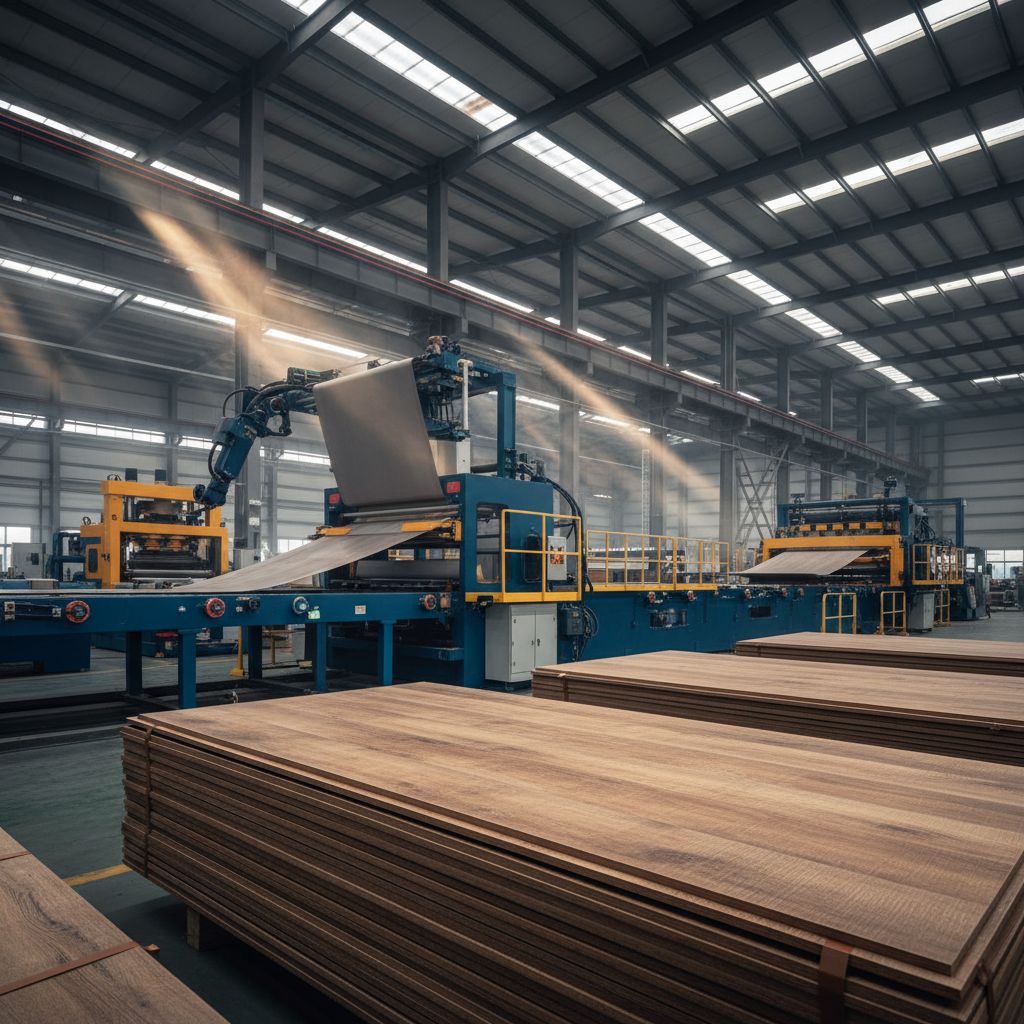 Ultimate Guide to Durable Waterproof SPC Vinyl Flooring StyleWhen renovating a modern home or commercial space, the flooring choice often defines the entire atmosphere. waterproof spc vinyl flooring has emerged as a revolutionary solution for those who refuse to compromise between aesthetic elegance and rugged performance. Standing for Stone Plastic Composite, SPC flooring is engineered to withstand the toughest environments, from moisture-prone bathrooms to high-traffic living rooms. In this comprehensive guide, we will explore why this material is dominating the interior design market and how it can transform your space into a sanctuary of style and resilience.Read More >
Apr 16 2026
-
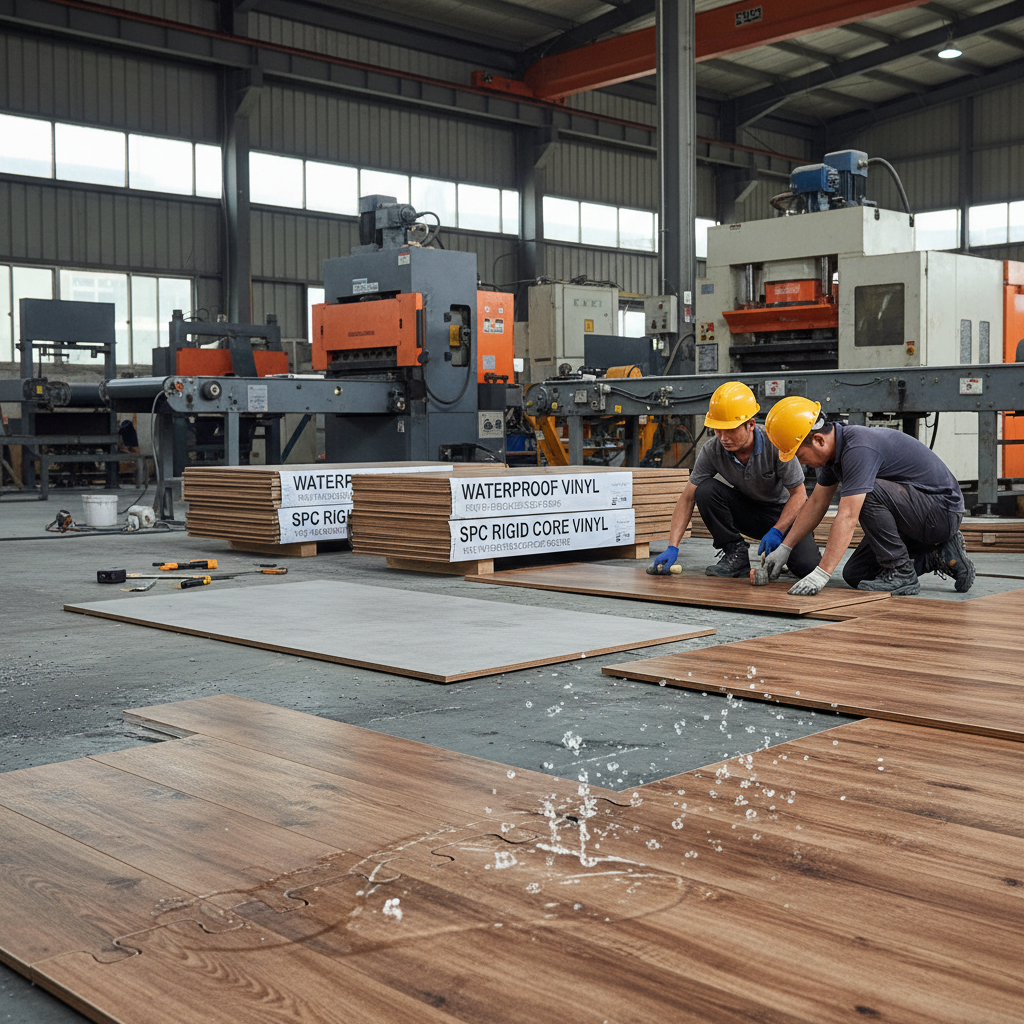 Ultimate Guide to Durable Waterproof SPC Rigid Core Vinyl FlooringChoosing the right flooring for a modern home or commercial space requires a balance between aesthetics and endurance. waterproof spc rigid core vinyl has emerged as a game-changer in the interior design world, offering the timeless look of hardwood with the unmatched resilience of stone polymer composite. Whether you are dealing with high-traffic hallways, moisture-prone bathrooms, or pet-friendly living rooms, this flooring solution provides a stable, waterproof, and scratch-resistant surface. In this comprehensive guide, we will explore why this innovative material is replacing traditional laminate and luxury vinyl planks in contemporary construction.Read More >
Apr 09 2026
-
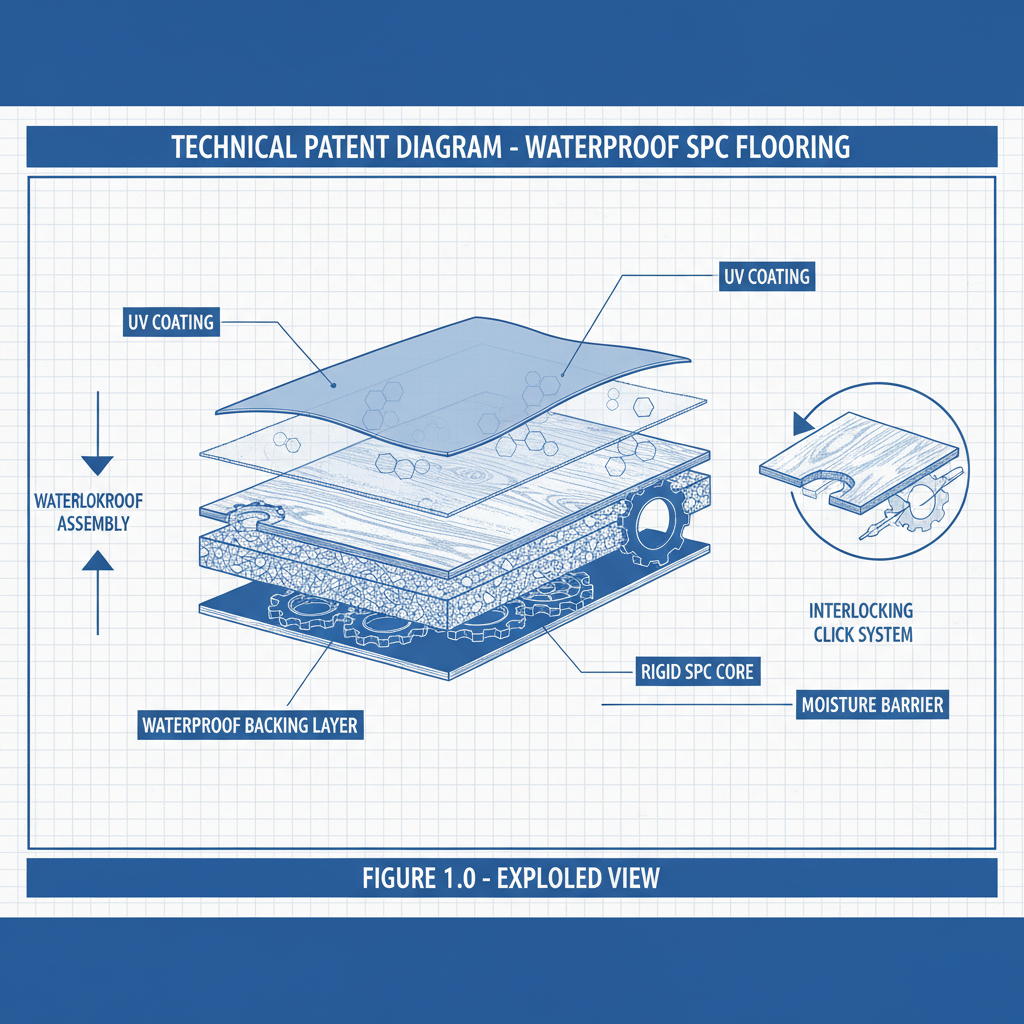 Comprehensive Guide to Waterproof SPC Flooring Durability and InstallationChoosing the right flooring for your home or business is a significant decision. Waterproof SPC flooring has emerged as a popular option due to its durability, affordability, and ease of installation. This article provides an in-depth look at waterproof SPC flooring, covering its benefits, installation process, maintenance, and comparisons with other flooring types. Understanding these aspects will help you determine if SPC flooring is the right choice for your project.Read More >
Apr 07 2026
-
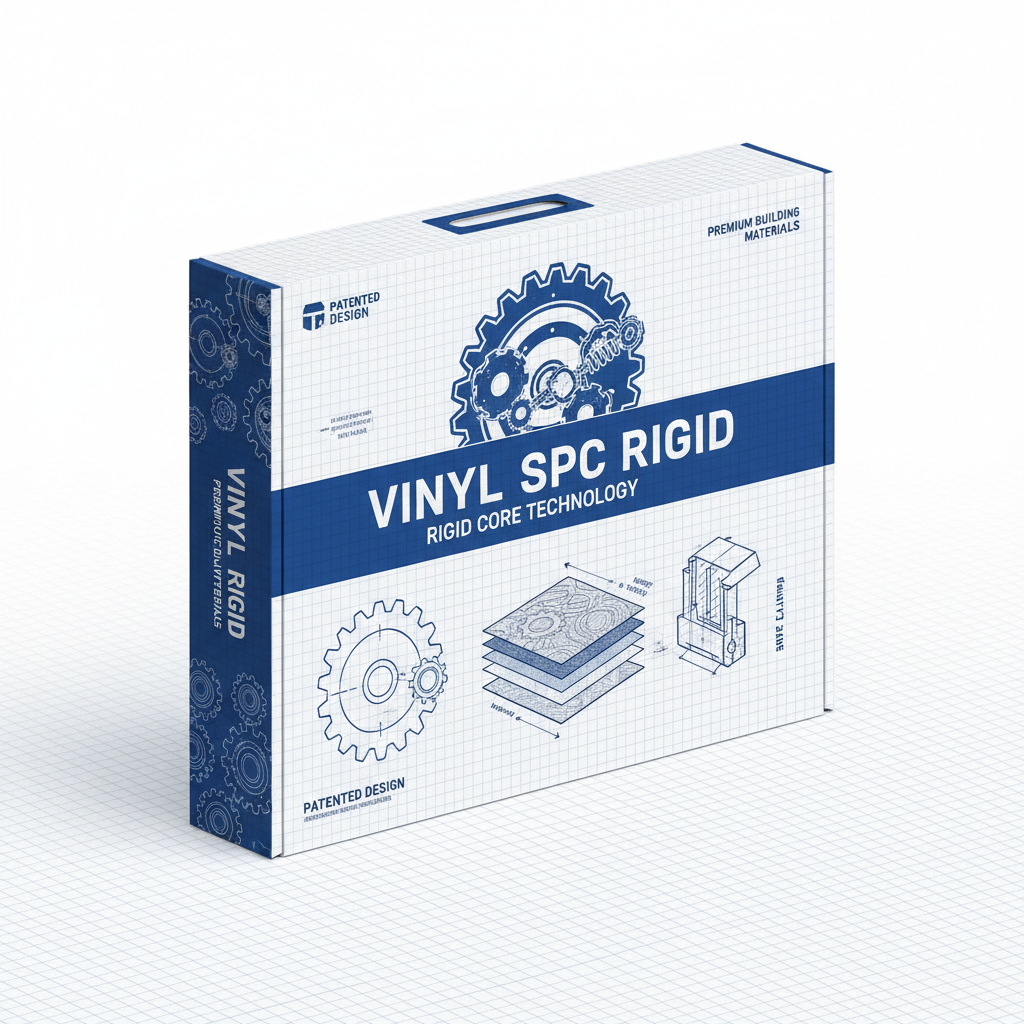 Discover the Durability and Style of Vinyl SPC Rigid Flooring SolutionsLooking for a durable, waterproof, and stylish flooring solution? Vinyl SPC rigid flooring is quickly becoming the go-to choice for homeowners and businesses alike. This article provides a comprehensive overview of this innovative flooring type, covering its benefits, installation, maintenance, and more. We’ll help you determine if SPC rigid vinyl flooring is the right fit for your project.Read More >
Apr 04 2026
-
 Comprehensive Guide to Durable Vinyl SPC Click Flooring Options and BenefitsChoosing the right flooring for your home or business is a significant decision. Vinyl SPC click flooring has emerged as a popular and durable option, offering a blend of aesthetic appeal and practical benefits. This article will explore the key features, advantages, installation process, and applications of SPC flooring, helping you determine if it's the right choice for your project. From its waterproof nature to its ease of installation, we'll cover everything you need to know.Read More >
Mar 31 2026
 +86 31185293045
  qian@ss711.com

Shijiazhuang Sothink trading Co., LTD.
Our company focuses on product development, production, sales and other all-round services, and is committed to providing customers with high-performance products and high-quality services.