



Expert Guide to Cutting SPC Flooring – Tips, Trends & Tools Explained
Understanding Cutting SPC Flooring: A Modern Solution with Global Impacts
If you've ever renovated a home or worked in commercial flooring, you might have encountered SPC flooring — short for Stone Plastic Composite flooring. Now, when we talk about cutting SPC flooring, it’s not just about slicing through rigid panels. This process is central to how installers shape and fit these resilient floors, shaping modern interiors worldwide. But why does this matter? Well, as global urbanization grows and sustainable materials rise in demand, knowing the ins and outs of cutting and installing SPC flooring helps us build spaces that last longer, look better, and support environmental goals all at once.
A Global Step Forward: Why Cutting SPC Flooring Has Industry-wide Relevance
According to the International Organization for Standardization (ISO), SPC flooring is gaining traction because of its durability and water resistance – qualities increasingly important in regions with high humidity or fluctuating climates. The World Bank estimates urban populations will hit 68% by 2050, plus a surge in commercial infrastructures. This means the flooring industry faces pressure to deliver solutions that are efficient in installation and long-lasting.
Cutting SPC flooring tackles one of the most persistent challenges in construction: fit and precision. Many installers struggle with cutting these dense, composite boards without chipping or damaging edges, which can lead to waste and increased costs. Thus, improving cutting techniques directly helps reduce material waste, making projects more cost-effective and eco-friendly.
Defining Cutting SPC Flooring: What It Really Means
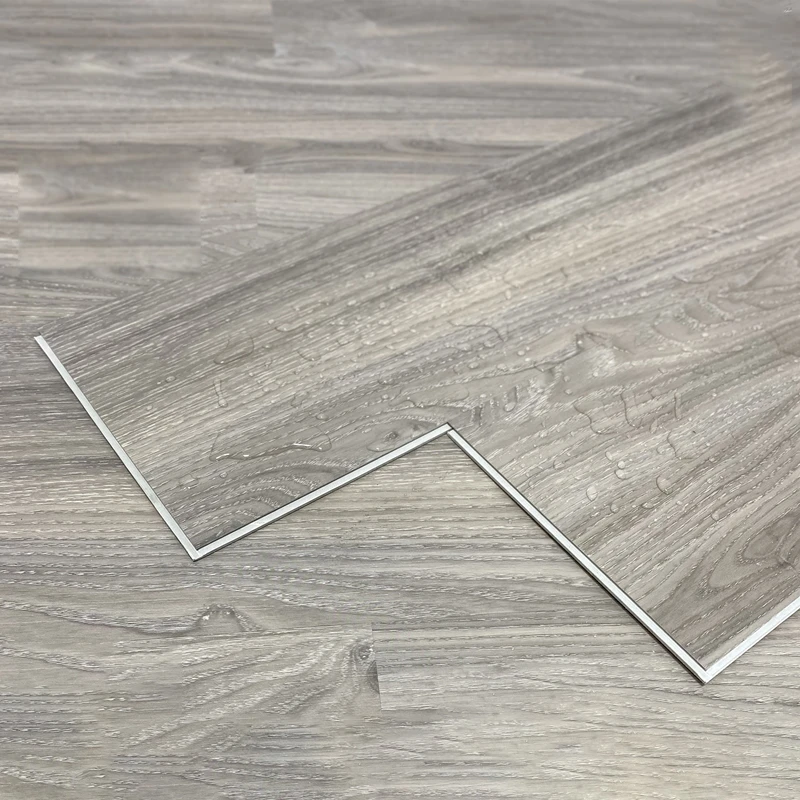
Cutting SPC flooring involves trimming or shaping stone plastic composite panels to size, ensuring they perfectly fit the designated space during installation. SPC flooring combines limestone powder with PVC and stabilizers to create super-dense, rigid planks. This composition makes them tougher to cut than typical vinyl or laminate floors but also grants enhanced stability and moisture resistance.
In real terms, cutting SPC flooring is a craft and science combined — from choosing the right tools to mastering angle cuts and edge finishing. This connects closely with modern building demands for fast, clean results without compromising the material’s integrity.
Key Factors When Cutting SPC Flooring
Durability
SPC’s dense core means cuts need to be smooth to avoid cracking. Many installers prefer carbide blades designed specifically for SPC to protect the panel during cuts.
Precision & Scalability
Whether it’s a small apartment or a sprawling commercial complex, the ability to cut SPC flooring efficiently allows for scalable installations without holding back project timelines.
Cost Efficiency
Reducing errors in cutting reduces waste. Since SPC panels aren’t cheap, a single missed cut can turn into expensive losses — so solution-driven cutting techniques pay for themselves over time.
Tool Compatibility
Not all cutting tools handle SPC well. Circular saws, jigsaws, or specialized SPC cutters require careful calibration to get clean edges without dulling quickly.
Environmental Considerations
Cutting SPC flooring waste can be recycled or repurposed in some cases, aligning with growing green building standards worldwide.
Global Applications and Real-World Use of Cutting SPC Flooring
To put this into context, think about emergency housing projects in Southeast Asia, where rapid deployment is critical and floors must resist moisture and wear. Here, cutting SPC flooring to fit quickly becomes life-saving for installation teams working against time. Similarly, in European retail spaces, intricate commercial layouts demand precise cuts enabling custom flooring patterns — something only achievable with the right skills and tools.
In North America, I’ve seen a surprising number of facility managers in industrial zones prefer SPC because it holds up under heavy machinery but still allows easy modification for expansions or repairs, thanks to straightforward cutting techniques.
Mini Takeaway:
Cutting SPC flooring isn’t just a step in installation — it’s a gateway to applying a hard-wearing, adaptable material that meets varied needs across industries and regions.
Advantages and Long-Term Value of SPC Flooring
- Cost Savings: Less waste and lower maintenance costs over time.
- Durability: Resistant to moisture, scratches, and wear.
- Environmentally Friendly: Many SPC floors have recycled content and improved life cycles compared to traditional flooring.
- Consistent Quality: Hard, stable surface means longevity.
- Emotional Peace of Mind: Installers and homeowners alike appreciate the trust and durability—feeling safe, stable, and proud of their choices.
Cutting SPC Flooring: Specification Table
| Specification | Typical Range/Value | Notes |
|---|---|---|
| Panel Thickness | 4mm - 8mm | Varies by brand and product line |
| Cutting Tools | Carbide-tipped saw blades, Jigsaw blades | Proper tool choice critical for neat cuts |
| Cutting Speed | Variable, 2000–4000 RPM | Speed affects edge quality and blade life |
| Waste Generated | Typically under 5% | Lower with skilled cutting and planning |
| Installation Time (per 100 sqm) | 8-12 hours | Depends on cutting complexity and worker experience |
Comparison of Leading SPC Flooring Providers
| Vendor | Material Quality | Cutting Support | Price Range (USD/sqm) | Warranty |
|---|---|---|---|---|
| StoneFloor Pro | Very High (99% Limestone) | Offers cutting tools and tutorials | $25 - $35 | 15 years |
| EcoSPC Flooring | High (75% Recycled Content) | Online cutting guides, limited tools | $20 - $30 | 10 years |
| Duracore SPC | Medium (Limestone + PVC Blend) | Basic cutting tips included | $18 - $28 | 12 years |
Future Trends & Innovations in Cutting SPC Flooring
What’s fascinating is the steady integration of digital tools like laser cutters and CNC machines into flooring installation workflows. While still niche, these technologies promise ultra-precise cuts, minimal waste, and faster project completion. Plus, manufacturers are experimenting with greener additives to SPC, hoping to lower the environmental footprint without sacrificing performance.
Another trend is the combination of SPC with smart flooring technologies — think embedded sensors for climate control or wear detection. Consequently, cutting methods will need to adapt for these advanced panels, evolving beyond saw blades into digital-ready fabrication.
Challenges & Solutions
Here’s the scoop: cutting SPC can produce dust that irritates installers, and poorer quality blades may cause cracking or chipping. In response, experts recommend water-cooled cutting or vacuum attachments to minimize dust and prolong blade life. Training also plays a huge role; many companies now offer workshops or online courses tailored to cutting spc flooring, something I personally find super helpful because practice truly makes perfect.
FAQ: Frequently Asked Questions About Cutting SPC Flooring
- Q: What tools are best for cutting SPC flooring at home?
- A: Carbide-tipped circular saw blades or jigsaws with fine-tooth blades work best. Make sure to cut slowly to avoid chipping edges.
- Q: How do I avoid dust when cutting SPC flooring during installation?
- Using vacuum attachments or water-assisted cutting methods greatly reduce airborne dust, protecting health and keeping workspaces cleaner.
- Q: Can incorrect cutting damage my SPC flooring warranty?
- Yes, improper cuts resulting in cracked or broken edges may void the warranty. Always follow the manufacturer’s cutting guidelines closely.
- Q: Is cutting SPC flooring difficult for beginners?
- It has a learning curve due to the density and rigidity. However, with the right tools and patience, DIYers can achieve professional results.
Wrapping Up: Why Cutting SPC Flooring Matters More Than You Think
In the big picture, mastering cutting SPC flooring is a small but critical piece in building sustainable, durable, and beautiful environments worldwide. It reflects a broader shift towards smarter materials and more thoughtful craftsmanship in construction. Next time you’re specifying floors or simply wondering about the ‘how’ behind those flawless installations, remember this rarely spotlighted step that makes it all possible.
If you want to dive deeper or shop trusted products, check out our curated options here: cutting spc flooring.
References
-
 Ultimate Guide to Durable Waterproof SPC Vinyl Flooring StyleWhen renovating a modern home or commercial space, the flooring choice often defines the entire atmosphere. waterproof spc vinyl flooring has emerged as a revolutionary solution for those who refuse to compromise between aesthetic elegance and rugged performance. Standing for Stone Plastic Composite, SPC flooring is engineered to withstand the toughest environments, from moisture-prone bathrooms to high-traffic living rooms. In this comprehensive guide, we will explore why this material is dominating the interior design market and how it can transform your space into a sanctuary of style and resilience.Read More >
Apr 16 2026
-
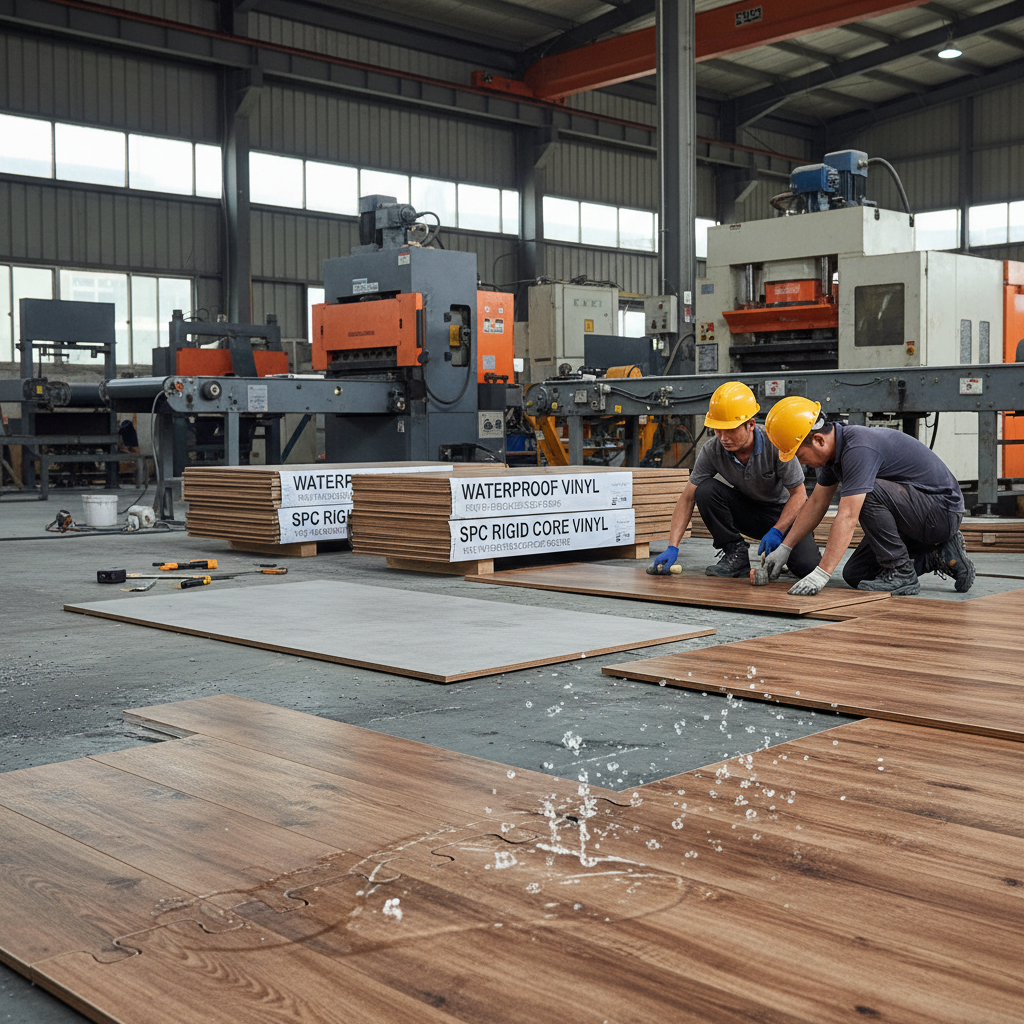 Ultimate Guide to Durable Waterproof SPC Rigid Core Vinyl FlooringChoosing the right flooring for a modern home or commercial space requires a balance between aesthetics and endurance. waterproof spc rigid core vinyl has emerged as a game-changer in the interior design world, offering the timeless look of hardwood with the unmatched resilience of stone polymer composite. Whether you are dealing with high-traffic hallways, moisture-prone bathrooms, or pet-friendly living rooms, this flooring solution provides a stable, waterproof, and scratch-resistant surface. In this comprehensive guide, we will explore why this innovative material is replacing traditional laminate and luxury vinyl planks in contemporary construction.Read More >
Apr 09 2026
-
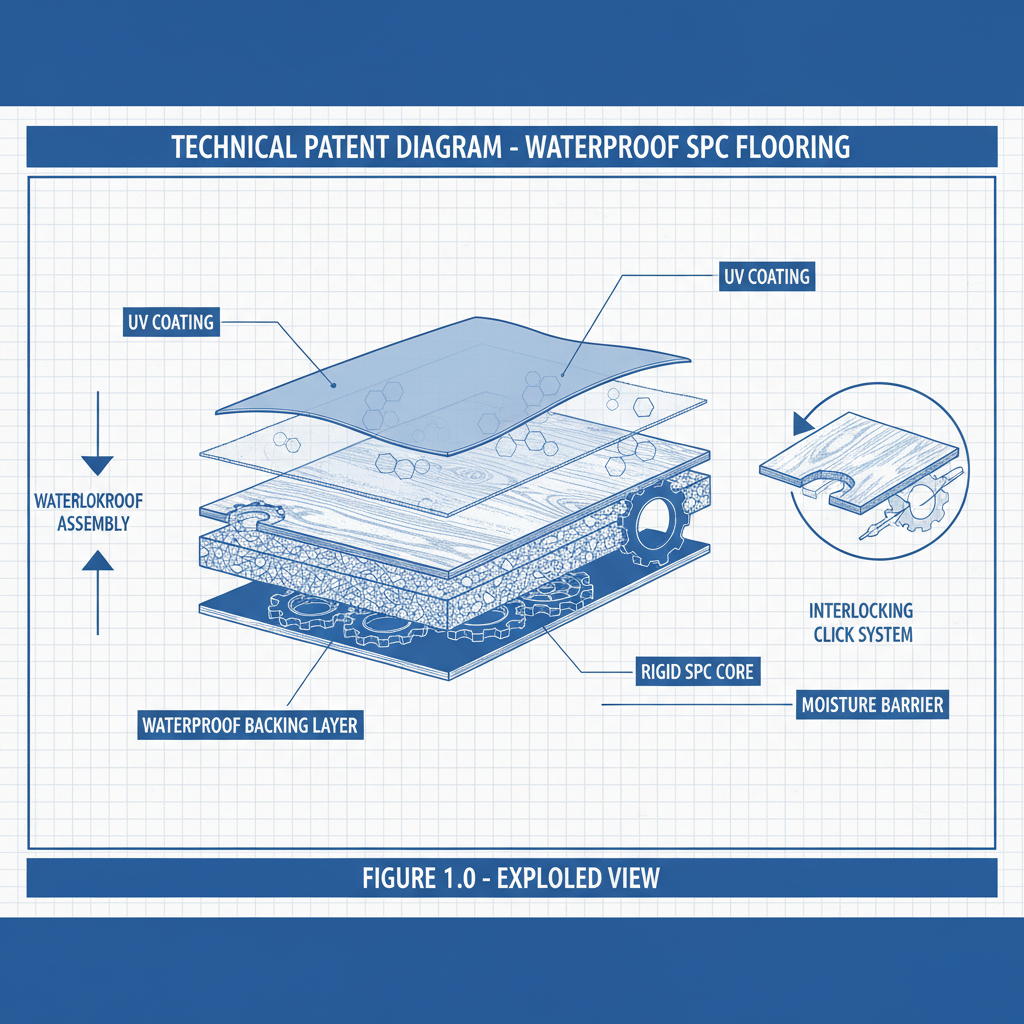 Comprehensive Guide to Waterproof SPC Flooring Durability and InstallationChoosing the right flooring for your home or business is a significant decision. Waterproof SPC flooring has emerged as a popular option due to its durability, affordability, and ease of installation. This article provides an in-depth look at waterproof SPC flooring, covering its benefits, installation process, maintenance, and comparisons with other flooring types. Understanding these aspects will help you determine if SPC flooring is the right choice for your project.Read More >
Apr 07 2026
-
 Discover the Durability and Style of Vinyl SPC Rigid Flooring SolutionsLooking for a durable, waterproof, and stylish flooring solution? Vinyl SPC rigid flooring is quickly becoming the go-to choice for homeowners and businesses alike. This article provides a comprehensive overview of this innovative flooring type, covering its benefits, installation, maintenance, and more. We’ll help you determine if SPC rigid vinyl flooring is the right fit for your project.Read More >
Apr 04 2026
-
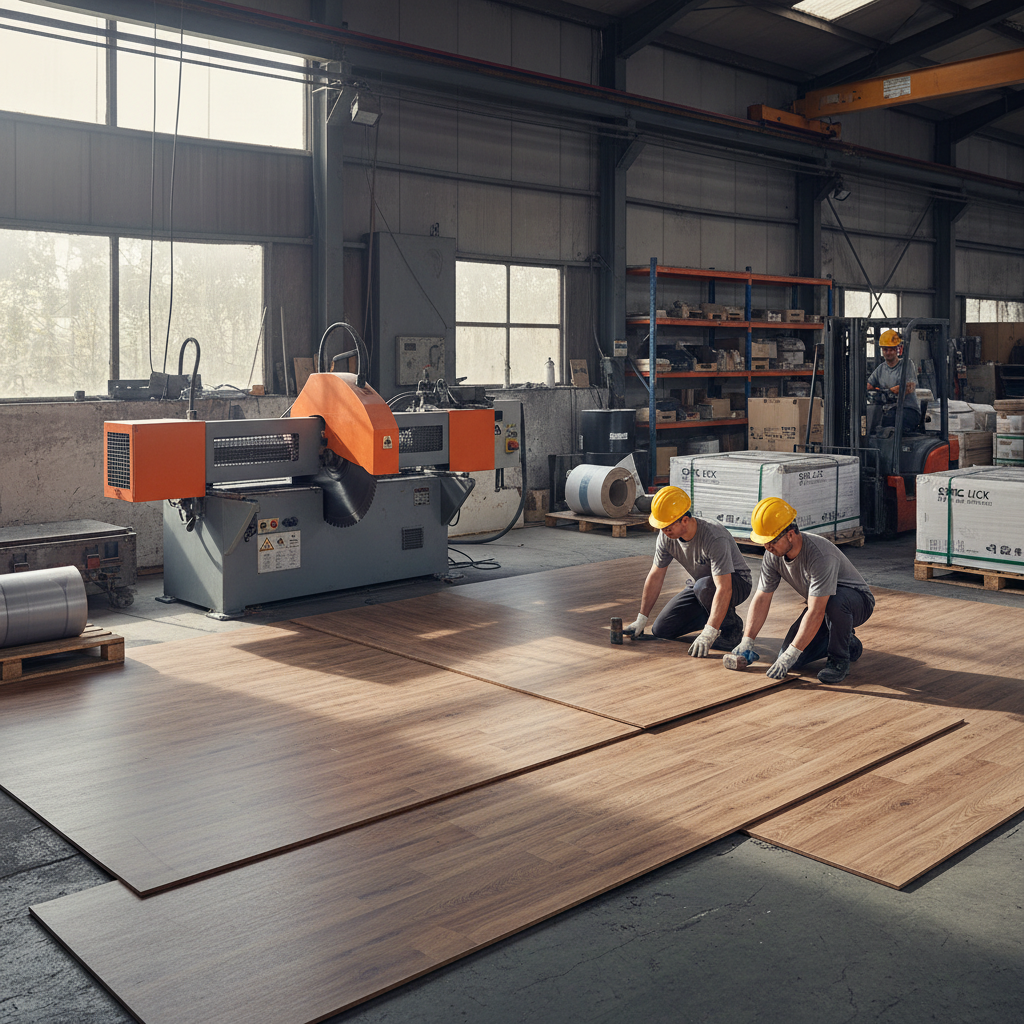 Comprehensive Guide to Durable Vinyl SPC Click Flooring Options and BenefitsChoosing the right flooring for your home or business is a significant decision. Vinyl SPC click flooring has emerged as a popular and durable option, offering a blend of aesthetic appeal and practical benefits. This article will explore the key features, advantages, installation process, and applications of SPC flooring, helping you determine if it's the right choice for your project. From its waterproof nature to its ease of installation, we'll cover everything you need to know.Read More >
Mar 31 2026
 +86 31185293045
  qian@ss711.com

Shijiazhuang Sothink trading Co., LTD.
Our company focuses on product development, production, sales and other all-round services, and is committed to providing customers with high-performance products and high-quality services.