



Essential Guide to Cutting SPC Vinyl Flooring – Tips, Tools & Trends
Understanding Cutting SPC Vinyl Flooring: Why It Matters in Today’s Industry
If you’ve ever pondered how vinyl flooring gets that precise, seamless look — especially the rugged, sturdy SPC (Stone Plastic Composite) variety — you’re basically asking about cutting SPC vinyl flooring. It’s a process that might sound mundane at first glance, but it’s a crucial step in delivering durable, sleek floors for homes, commercial spaces, and even industrial environments worldwide.
Globally, the vinyl flooring market is booming, with forecasts estimating growth rates of around 6% annually (source: Statista). That’s partly because consumers and businesses want flooring that’s affordable, resilient, and visually appealing. Cutting SPC vinyl flooring precisely is what makes installation not only look professional but last for decades.
Understanding this process is key for manufacturers, installers, architects, and anyone interested in sustainable construction solutions. So, before you roll out another floor, take a moment to digest why this seemingly small step holds so much value.
The Global Context: Why Cutting SPC Vinyl Flooring Is More Than Just Trimming Material
On a global scale, SPC vinyl flooring is favored in residential buildings, commercial properties, and even emergency shelter projects because of its water resistance, hardness, and ease of installation. According to reports by ISO and construction industry bodies, one bottleneck has been the efficiency and precision of cutting methods that affect waste, fit, and longevity.
Consider that the flooring industry often grapples with sourcing sustainable materials and reducing waste. Efficient, clean cuts reduce offcuts — meaning less environmental footprint and cost savings. Frankly, you’d be surprised how much a clean, intelligent cut contributes to a project’s overall sustainability goals. Yet, despite advances in material science, some regions still rely on outdated cutting techniques, leading to higher waste and longer installation times.
Industry experts suggest that improving cutting technology and training installers directly impacts global efforts to promote sustainable construction (e.g., UN Sustainable Development Goals related to sustainable cities and communities).
What Does Cutting SPC Vinyl Flooring Really Mean?
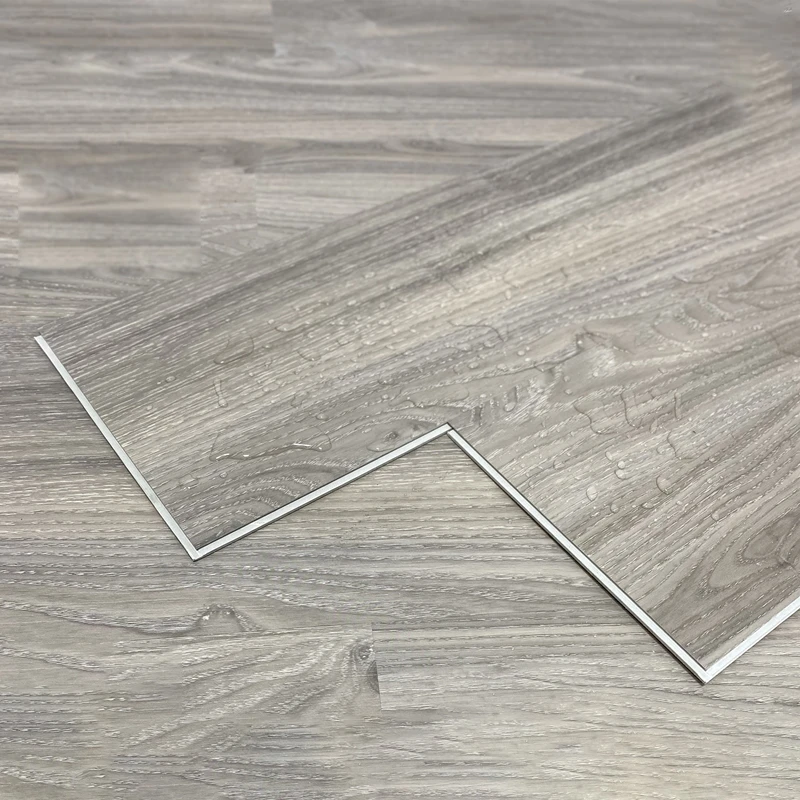
At its simplest, cutting SPC vinyl flooring means trimming these rigid vinyl planks to fit precise room dimensions, patterns, or edging requirements. SPC flooring integrates limestone powder and stabilizers into a durable core, making it tougher than traditional vinyl. Cutting methods must therefore accommodate this toughness without cracking or splintering the flooring.
Cutting is connected to modern industry needs in numerous ways:
- Speed: Projects demand fast turnaround times.
- Precision: Floors must fit tightly to avoid gaps.
- Customization: Every room’s layout and shape varies.
- Waste Reduction: Efficient cuts minimize material loss.
In humanitarian contexts, like temporary housing or rapid shelter construction, being able to cut and fit SPC flooring quickly ensures safe, clean floors for displaced populations – a seemingly small detail that carries dignity.
Core Aspects of Cutting SPC Vinyl Flooring
Durability and Material Toughness
Because SPC vinyl has a stone-plastic composite core, it’s quite resistant to wear and tear. But this also means ordinary cutting tools — scissors, dull blades — can cause chipping or cracking. Specialized blades and techniques are needed to ensure clean edges.
Precision Tools and Techniques
Use of carbide blades, high-speed rotary cutters, or even CNC-machines can result in cuts that perfectly fit corners and transitions. Many professional installers swear by using saws designed for SPC material rather than generic vinyl cutters.
Waste and Cost Efficiency
Every bit of cut material that doesn’t end up being used is wasted money and resources. Proper measurement, planning, and cutting methods reduce this waste significantly — which in large projects can mean thousands of dollars saved.
Installation Time and Labor
Faster, safer cutting translates to quicker installation. On job sites, this reduces labor costs and project duration. It also keeps client satisfaction levels high — because no one likes delays or uneven floors.
Customization and Design Flexibility
Custom cuts allow creative patterns, borders, and layouts that rise beyond the usual plank-by-plank approach. This flexibility sparks designer creativity and opens doors for high-end finishes.
Real-World Applications: Where Cutting SPC Vinyl Flooring Makes a Difference
The global adoption of SPC vinyl flooring spans continents. Here are some real contexts where cutting precision truly counts:
- Residential Buildings in North America: Homeowners expect smooth, seamless floors that withstand pets, kids, and spills.
- European Commercial Real Estate: Retail outlets and offices demand swift installation with minimal disruption.
- Industrial Zones in Asia: Factories and warehouses need robust floors tailored to machinery layouts.
- Post-Disaster Relief Shelters in Africa and Southeast Asia: Quick-cut and install flooring helps maintain health and hygiene in temporary housing.
For example, one NGO in Southeast Asia recently adopted CNC cutting machines to prep SPC flooring for emergency clinics — cutting down installation time by nearly 40%. This means patients accessed safer environments sooner, a real-life impact beyond the technical.
Advantages and Long-Term Value of Precision Cutting
There’s a lot to gain from mastering the art of cutting SPC vinyl flooring well:
- Cost Savings: Less waste, less rework, fewer replacement parts.
- Environmental Sustainability: Reduced material loss helps lower production footprints.
- Durability: Properly cut planks stave off wear at edges, improving lifespan.
- Installation Confidence: Clean cuts mean fidelity to architectural plans, boosting trust for installers and end users alike.
- Emotional Satisfaction: Nothing beats walking on clean, flawless floors — it just feels like home.
Product Specification Example for SPC Vinyl Flooring Cutting Tools
| Feature | Specification | Notes |
|---|---|---|
| Blade Type | Carbide-tipped rotary blade | Provides clean cuts, reduces chipping |
| Cutting Speed | Up to 3000 RPM (rotary tool) | Balances speed and control |
| Max Thickness | Up to 8mm | Suitable for typical SPC plank thickness |
| Power Source | Rechargeable battery or corded electric | Versatile for on-site or workshop use |
| Safety Features | Blade guard, anti-slip grip | Essential for worker safety |
Comparing Top Vendors for SPC Vinyl Flooring Cutting Solutions
| Vendor | Tool Types | Price Range (USD) | Customer Support | Notable Features |
|---|---|---|---|---|
| CutMaster Pro | Rotary cutters, precision saws | $150 - $400 | 24/7 online, phone support | Modular blades, ergonomic design |
| TrimEdge Solutions | Electric saws, handheld cutters | $200 - $500 | Regional offices, online tutorials | Dust reduction, safety-focused |
| VinylTrim Tech | CNC machines, rotary cutters | $500 - $1200 | Comprehensive training, live chat | Automation-ready, software included |
Looking Ahead: Trends and Innovations Shaping SPC Vinyl Flooring Cutting
It’s fascinating how the industry is evolving. Cutting SPC vinyl flooring isn’t just about sharp blades anymore. New developments are combining digital design and automation with cutting tools — CNC cutters that interpret CAD plans bring extreme precision to the table.
Sustainability is pressing the envelope too. Some companies experiment with biodegradable protective coatings and low-emission cutting tools that lower carbon footprints. And as floors become smarter with embedded sensors, cutting will have to adapt — think pre-routing holes or channels during the cutting process. Oddly enough, I hadn’t thought about that until recently.
Common Challenges Around Cutting SPC Vinyl Flooring and How To Beat Them
Despite improvements, installers face hurdles:
- Cracking or chipping edges — often due to blunt blades or improper technique.
- Inefficient cuts causing waste — primarily from poor layout planning or rushed measuring.
- Safety concerns — sharp tools without proper gear lead to injuries.
- Resistance to adopting new tech — some prefer “the old way,” slowing innovation.
Experts advise investing in quality blades, ongoing training, and leveraging digital planning tools. It’s a small investment that pays dividends in quality and speed.
FAQ: Answers to Your Burning Questions About Cutting SPC Vinyl Flooring
Q1: What tools are best for cutting SPC vinyl flooring at home?
A: For DIYers, a carbide-tipped utility knife or a fine tooth saw blade works well. Just make sure the blade is sharp to avoid cracking. Always use a straight edge for guides and wear safety gloves.
Q2: How can I reduce material waste when cutting SPC vinyl flooring?
A: Careful measuring before cutting is key. Sketch a detailed floor plan, plan cuts around edges and corners, and reuse leftover pieces for transitions or borders.
Q3: Is technical training necessary to cut SPC vinyl flooring professionally?
A: Yes, even small skills matter. Professional courses or manufacturer-provided tutorials help learn proper techniques and tool handling, which improves finish and safety.
Q4: Can precut SPC vinyl planks save installation time?
A: Absolutely. Precut planks tailored to the room’s dimensions reduce on-site cutting and speed up labor, though measure twice and buy once!
Wrapping Up: Why Smart Cutting Matters in SPC Vinyl Flooring
Ultimately, cutting SPC vinyl flooring well affects the whole project — from cost and installation speed to durability and sustainability. A good cut means less waste, better looks, and longer-lasting floors that people can trust. Whether you’re a manufacturer, installer, or just a curious enthusiast, investing time and care in cutting techniques is never wasted.
For hands-on solutions, industry-leading tools, and expert support, feel free to explore more at https://www.sothinkdecor.com. Sometimes, the right tool makes all the difference.
Mini Takeaway:
Cutting SPC vinyl flooring is a small yet vital part of a larger sustainability and durability puzzle in modern flooring solutions. Precision, technology, and care define the difference between a good floor and a great one.
References:
-
 Ultimate Guide to Durable Waterproof SPC Vinyl Flooring StyleWhen renovating a modern home or commercial space, the flooring choice often defines the entire atmosphere. waterproof spc vinyl flooring has emerged as a revolutionary solution for those who refuse to compromise between aesthetic elegance and rugged performance. Standing for Stone Plastic Composite, SPC flooring is engineered to withstand the toughest environments, from moisture-prone bathrooms to high-traffic living rooms. In this comprehensive guide, we will explore why this material is dominating the interior design market and how it can transform your space into a sanctuary of style and resilience.Read More >
Apr 16 2026
-
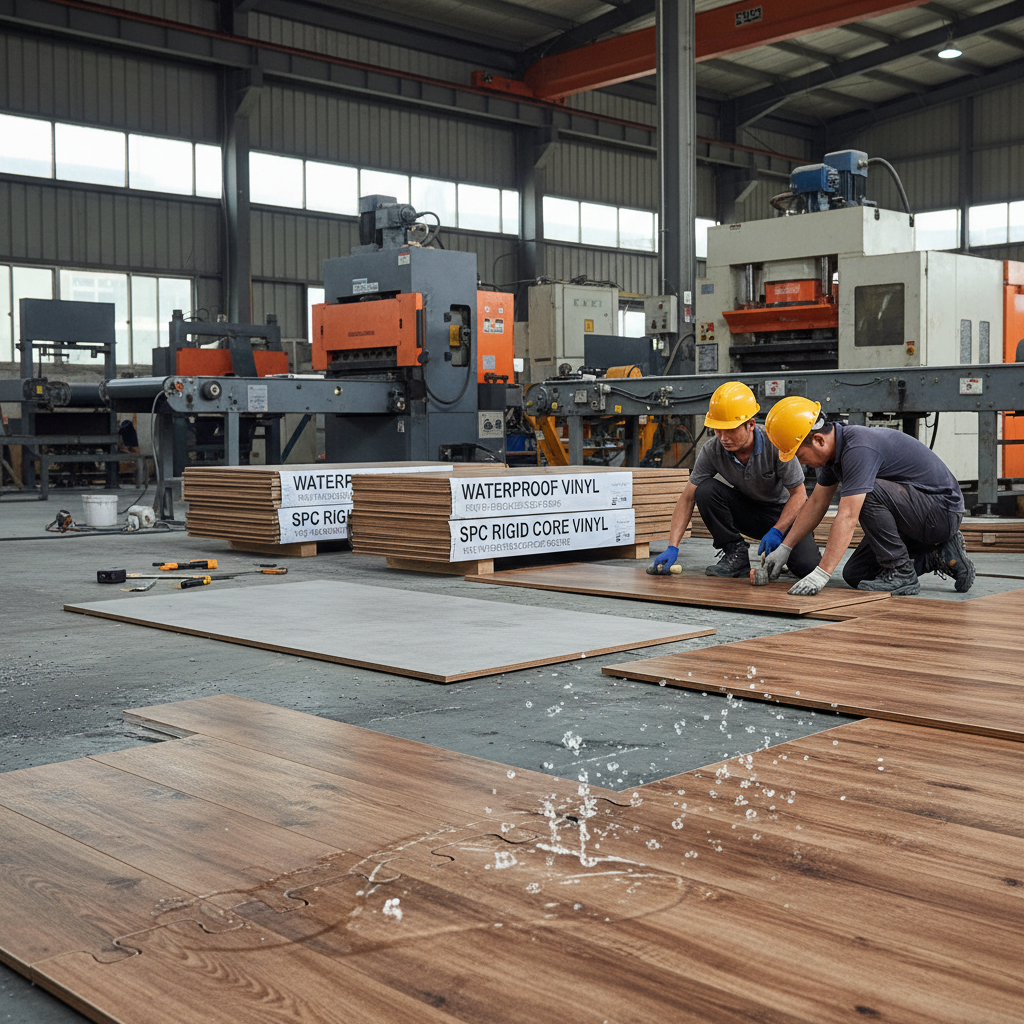 Ultimate Guide to Durable Waterproof SPC Rigid Core Vinyl FlooringChoosing the right flooring for a modern home or commercial space requires a balance between aesthetics and endurance. waterproof spc rigid core vinyl has emerged as a game-changer in the interior design world, offering the timeless look of hardwood with the unmatched resilience of stone polymer composite. Whether you are dealing with high-traffic hallways, moisture-prone bathrooms, or pet-friendly living rooms, this flooring solution provides a stable, waterproof, and scratch-resistant surface. In this comprehensive guide, we will explore why this innovative material is replacing traditional laminate and luxury vinyl planks in contemporary construction.Read More >
Apr 09 2026
-
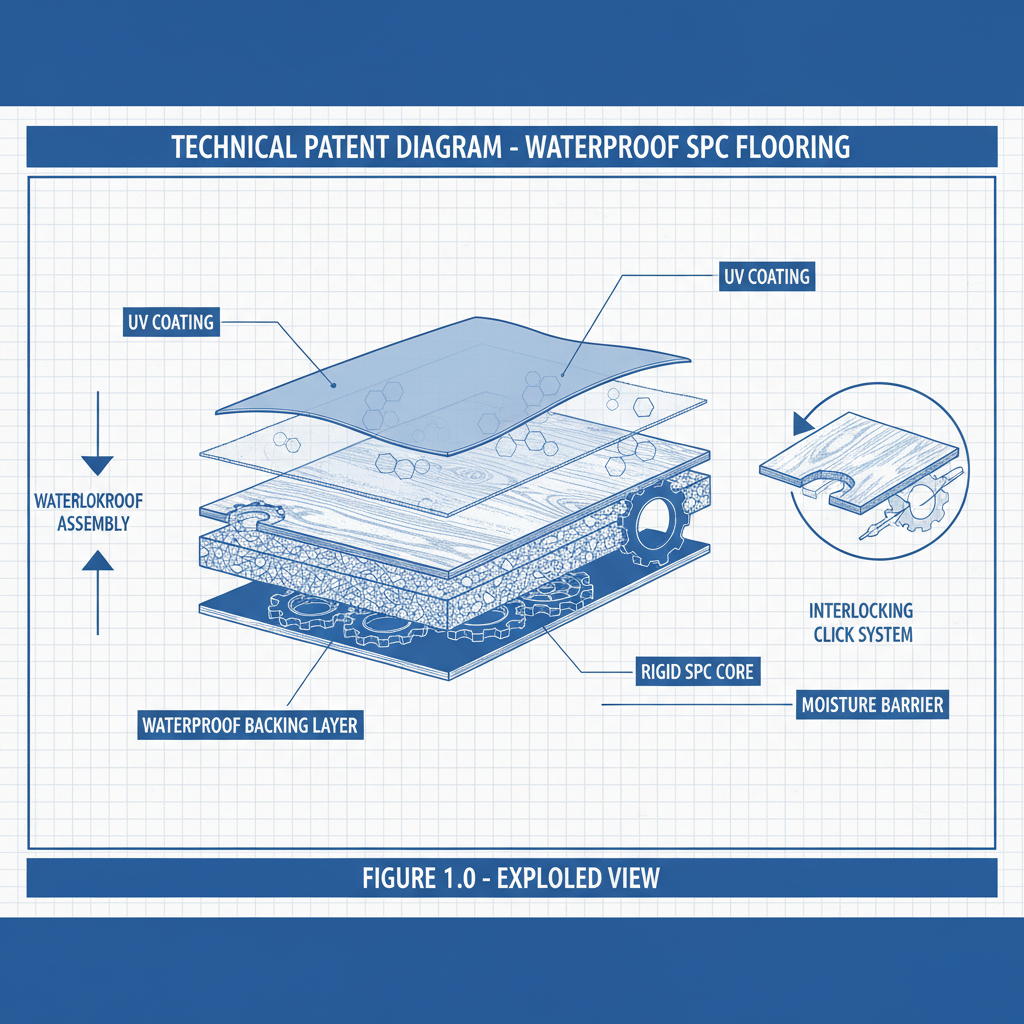 Comprehensive Guide to Waterproof SPC Flooring Durability and InstallationChoosing the right flooring for your home or business is a significant decision. Waterproof SPC flooring has emerged as a popular option due to its durability, affordability, and ease of installation. This article provides an in-depth look at waterproof SPC flooring, covering its benefits, installation process, maintenance, and comparisons with other flooring types. Understanding these aspects will help you determine if SPC flooring is the right choice for your project.Read More >
Apr 07 2026
-
 Discover the Durability and Style of Vinyl SPC Rigid Flooring SolutionsLooking for a durable, waterproof, and stylish flooring solution? Vinyl SPC rigid flooring is quickly becoming the go-to choice for homeowners and businesses alike. This article provides a comprehensive overview of this innovative flooring type, covering its benefits, installation, maintenance, and more. We’ll help you determine if SPC rigid vinyl flooring is the right fit for your project.Read More >
Apr 04 2026
-
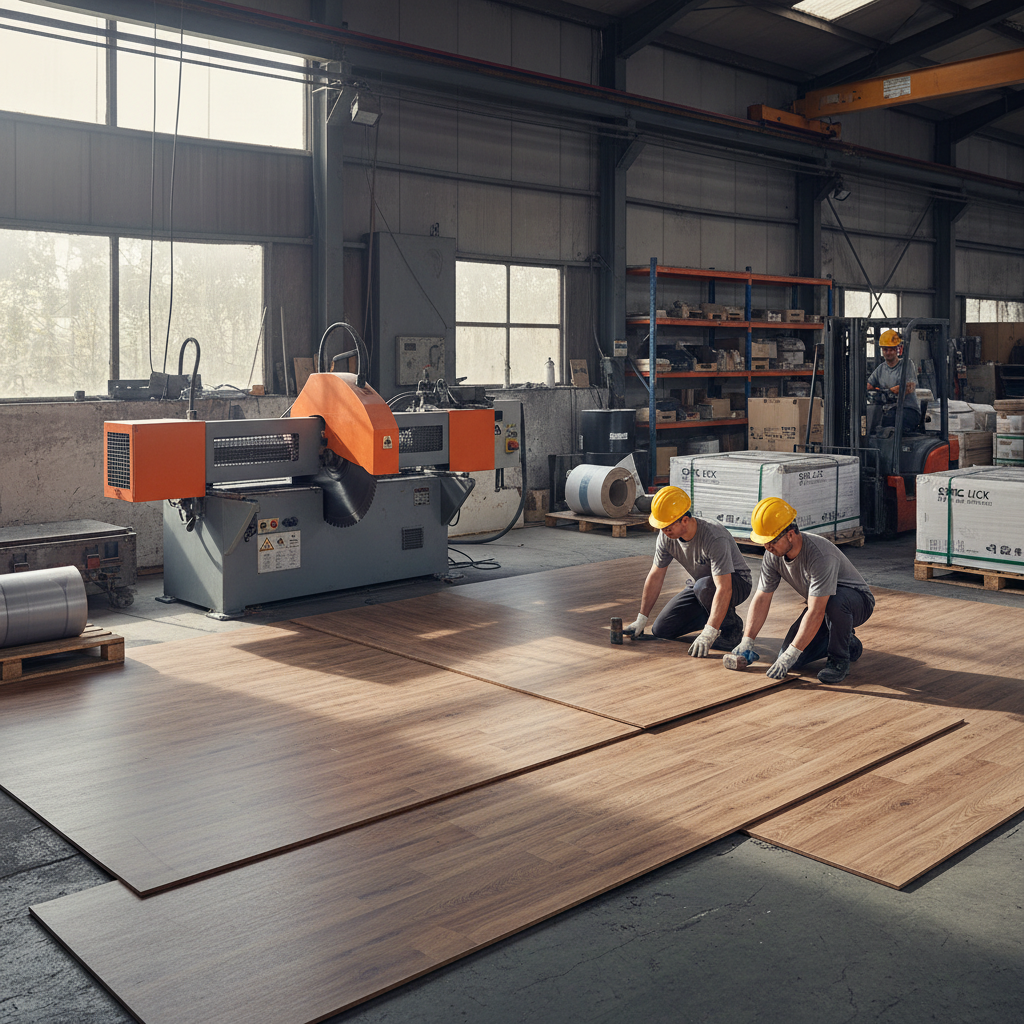 Comprehensive Guide to Durable Vinyl SPC Click Flooring Options and BenefitsChoosing the right flooring for your home or business is a significant decision. Vinyl SPC click flooring has emerged as a popular and durable option, offering a blend of aesthetic appeal and practical benefits. This article will explore the key features, advantages, installation process, and applications of SPC flooring, helping you determine if it's the right choice for your project. From its waterproof nature to its ease of installation, we'll cover everything you need to know.Read More >
Mar 31 2026
 +86 31185293045
  qian@ss711.com

Shijiazhuang Sothink trading Co., LTD.
Our company focuses on product development, production, sales and other all-round services, and is committed to providing customers with high-performance products and high-quality services.