


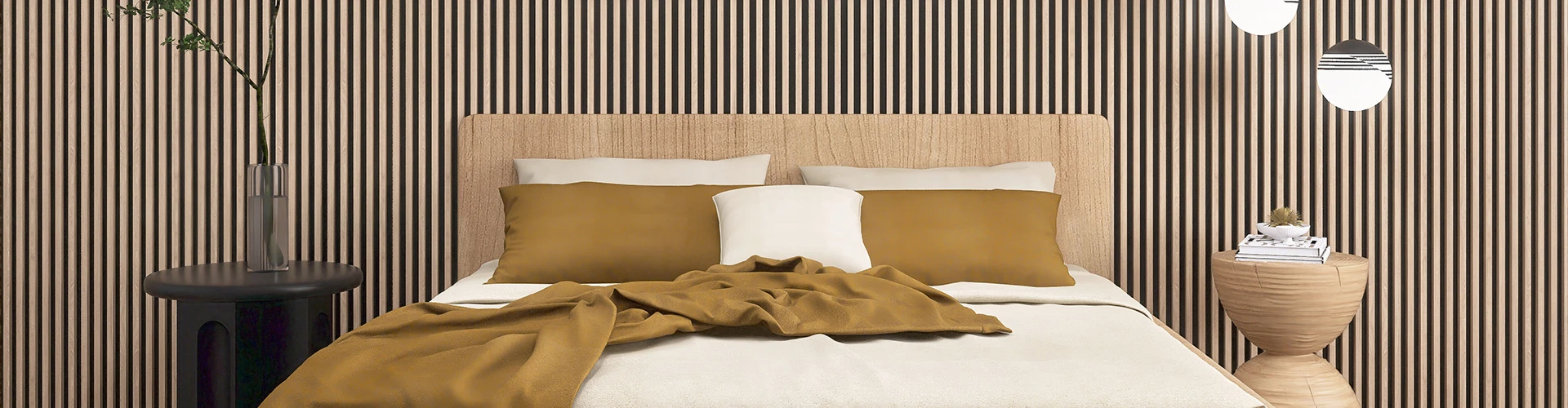
Discover Durable and Stylish SPC Flooring Stone Look Options | Sothinkdecor
An Introduction to SPC Flooring Stone Look: Why It Matters Worldwide
If you’ve ever wandered through a showroom or skimmed home improvement blogs, you might have bumped into SPC flooring stone look options—a solid, modern flooring style mimicking natural stone textures but with built-in resilience. On a global scale, this flooring is more than just an aesthetic choice; it’s a response to growing needs for durable, cost-effective, and eco-conscious construction materials.
With global urbanization increasing rapidly—according to the United Nations, over 68% of the world population is projected to live in urban areas by 2050—the demand for innovative building materials like SPC flooring is soaring. Why? Because it offers industrial flexibility and enhances the longevity of infrastructures, making it a pragmatic solution for both developed and developing markets.
So before you think it’s just another flooring design fad, here’s a mini takeaway: SPC flooring stone look combines beauty with toughness and global adaptability, making it a smart pick for industry and households alike.
SPC Flooring Stone Look: What Exactly Does It Mean?
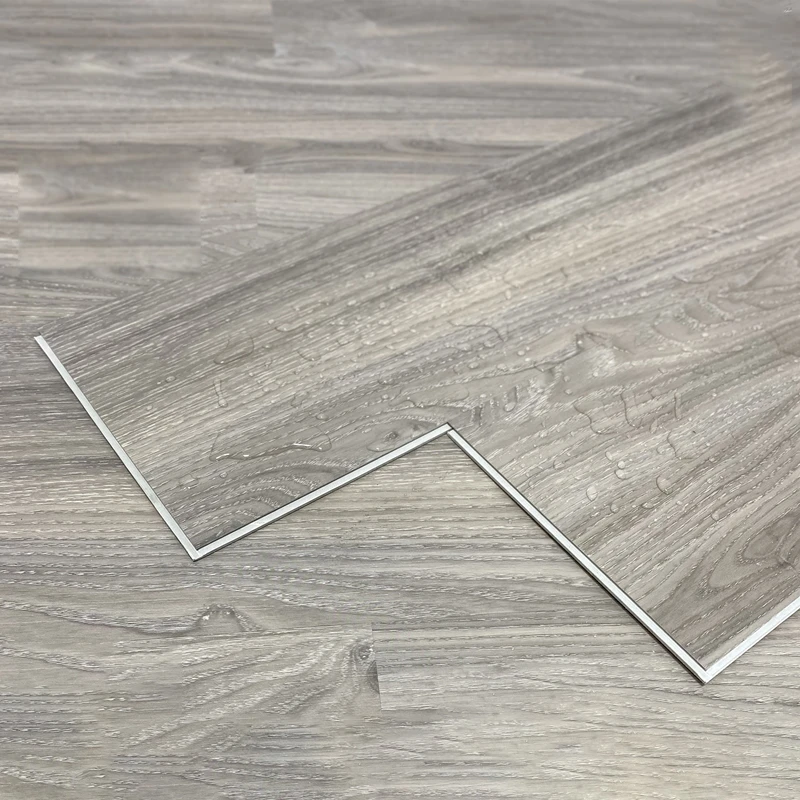
In simple terms, SPC stands for "Stone Plastic Composite," a type of rigid core vinyl flooring that merges crushed limestone with PVC stabilizers to form a dense, hard surface. The “stone look” part? That’s the visual layer—the design film—that replicates the feel and appearance of natural stone tiles like marble or slate, offering a premium finish without the hefty price or fragility of real stone.
Its connection to modern industry and humanitarian use lies in durability and ease of installation. For organizations building quick, reliable housing or commercial spaces—think disaster relief centers or pop-up clinics—the ability to swiftly lay down flooring that doesn't buckle under tough conditions is a game changer.
Key Components That Make SPC Flooring Stone Look Work
1. Durability That Lasts
The rigid stone plastic composite core resists dents, impacts, and daily wear, which is why many engineers favor it for high-traffic commercial zones. Unlike traditional vinyl, SPC doesn’t warp with humidity or temperature shifts—a must for unpredictable climates.
2. Cost Efficiency Without Compromise
While stone or ceramic flooring commands a higher upfront cost and installation process, SPC provides a lightweight alternative that’s easier and cheaper to install, largely because it’s click-lock and usually requires no adhesive.
3. Realistic Aesthetic Appeal
Manufacturers paint or print high-res stone textures on the surface layer—sometimes so realistic that it fools even trained eyes. This combination of form and function lures homeowners and businesses who want luxury at a practical price.
4. Water and Chemical Resistance
This layer of protection makes SPC extremely popular in kitchens, bathrooms, and hospitals where moisture and spills could ruin less resistant flooring materials.
5. Easy Maintenance
Just a mop or vacuum keeps the floor looking pristine, which saves time in commercial cleaning schedules or busy households.
| Feature | Specification |
|---|---|
| Thickness | 4mm – 8mm |
| Wear Layer | 0.3mm – 0.7mm (UV coated) |
| Core Material | Stone Plastic Composite (Limestone + PVC) |
| Installation | Click-lock (Floating) |
| Water Resistance | 100% Waterproof |
| Fire Rating | B1 Fire Resistant (ASTM E84) |
Mini takeaway: SPC flooring stone look is engineered to merge strong performance with classy stone visuals—cheap to manage, tough to stop.
How SPC Flooring Stone Look Is Making Waves Across the Globe
SPC flooring is widely embraced across architecture, construction, and humanitarian sectors. In the US and Europe, commercial buildings prefer SPC for its low maintenance. Meanwhile, emerging markets in Asia and Africa see it as a cost-effective means to upgrade urban housing and communal infrastructure.
For instance, in Southeast Asia’s humid, tropical environment, SPC floors hold up far better than traditional laminates. Meanwhile, NGOs involved in rebuilding homes after floods in India swear by spc flooring stone look solutions because they’re fast to deploy, resilient, and enhance living dignity.
The Advantages and Long-Term Payoff of SPC Stone Look Flooring
- Cost Savings over Time: Less replacement and repair.
- Sustainability: Uses recycled limestone, reducing environmental impact.
- Design Flexibility: A wide variety of stone patterns to fit any aesthetic.
- Health & Comfort: SPC flooring is less cold than real stone and can include underfloor heating compatibility.
- Resiliency in Use: No worries over moisture, pests, or warping.
Beyond the practical stuff, there’s emotional peace of mind. People feel safer and prouder in spaces that look good and last well. It’s the kind of trust that builds community trust in infrastructure — sometimes overlooked but crucial.
Looking Ahead: Trends and Innovations in SPC Flooring Stone Look
Technology keeps pushing this market forward. Expect to see green innovations like bio-based PVCs reducing plastic footprints, and smart flooring integrating sensors for HVAC and security systems. Digitally printed stone patterns will become even more realistic, frankly making it harder to distinguish from natural stone.
Manufacturers are also exploring ultra-thin SPC planks for renovations and modular construction to meet global housing shortages with speed and style. The incorporation of antimicrobial coatings is another promising development, particularly relevant post-pandemic.
Facing Challenges in SPC Flooring Adoption—And How to Get Past Them
No product’s perfect—SPC flooring isn’t immune. It can be heavier than traditional vinyl, sometimes tricky to repair if damaged, and quality varies substantially by vendor. Thankfully, expert installers recommend keeping spare planks for replacements, and new “click” technologies make DIY repairs less daunting.
Quick FAQs About SPC Flooring Stone Look
- Q: Is SPC stone look flooring suitable for outdoor use?
A: Generally, SPC flooring is designed for indoor environments; UV exposure and extreme weather can degrade it. However, some manufacturers offer specially treated options for semi-outdoor use. - Q: How long does SPC flooring last in commercial spaces?
A: With proper maintenance, SPC floors can last 10 to 20 years, sometimes more. Their durability against scratches and moisture is a big factor here. - Q: Can SPC flooring be installed over existing floors?
A: Yes, SPC’s floating click system means it can often be installed directly on top of concrete, wood, or tile, provided the surface is flat and dry. - Q: What makes SPC flooring stone look eco-friendly?
A: It uses abundant limestone, often with recycled content, requires less energy-intensive production than natural stone quarrying, and can be fully recycled at end-of-life depending on local facilities.
In Closing: Why SPC Flooring Stone Look Is More Than Just a Trend
Summing up: the beauty of spc flooring stone look lies in marrying industrial pragmatism with aesthetic desire—a tough floor that feels like stone but costs less, installs faster, and sustains longer. It answers key global challenges around urban housing, commercial durability, and sustainable design.
If you want to explore how these floors can transform your project, visit our website for a gallery of options and expert advice. Truth be told, it could be just the upgrade your space has been waiting for.
| Vendor | Price Range (per sqm) | Warranty | Key Strengths | Distribution Regions |
|---|---|---|---|---|
| StoneLux | $25–$35 | 20 years | High UV resistance, luxury textures | North America, Europe |
| EcoStone SPC | $18–$28 | 15 years | Recycled content, strong waterproof layer | Asia, Africa |
| StoneCraft Pro | $30–$40 | 25 years | Advanced wear layers, wide style range | Global |
Mini takeaway: Choosing the right vendor can be as crucial as the product specs themselves when considering long-term outcomes.
References:
-
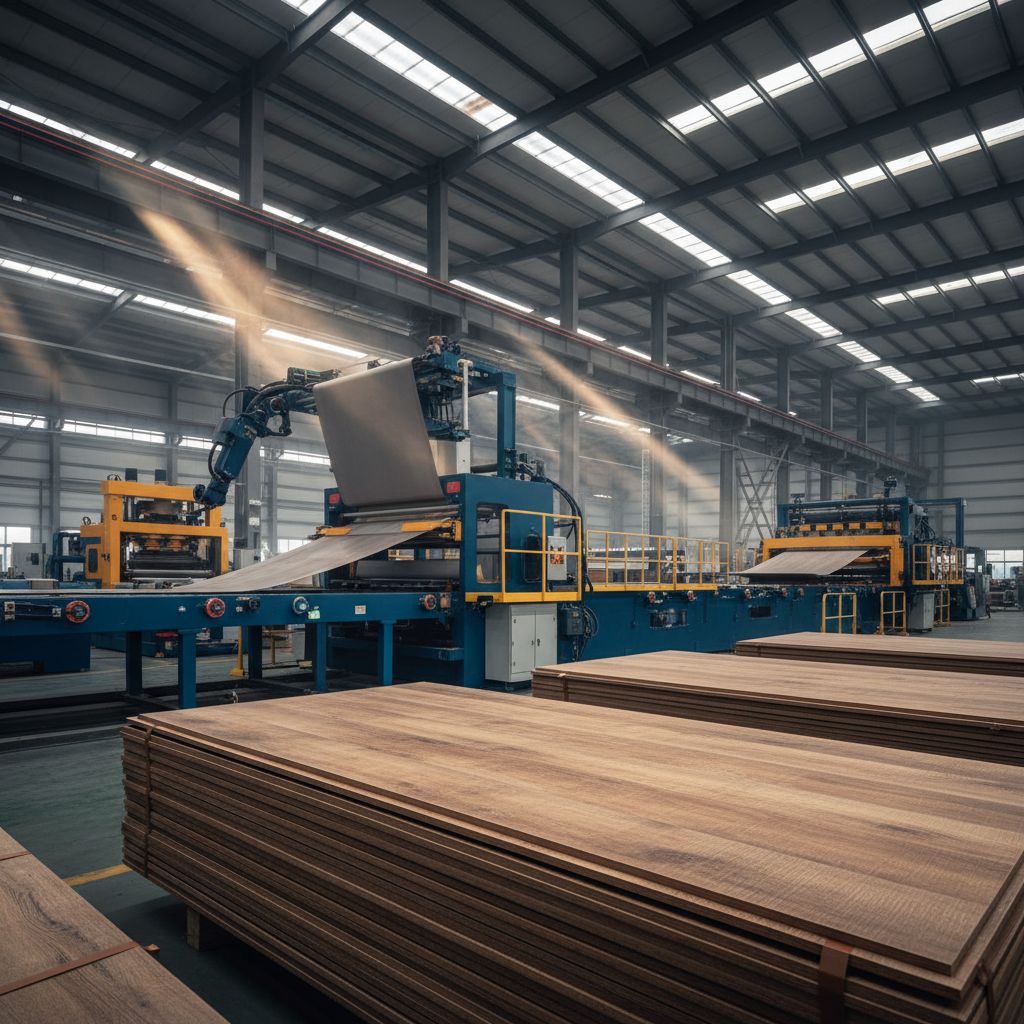 Ultimate Guide to Durable Waterproof SPC Vinyl Flooring StyleWhen renovating a modern home or commercial space, the flooring choice often defines the entire atmosphere. waterproof spc vinyl flooring has emerged as a revolutionary solution for those who refuse to compromise between aesthetic elegance and rugged performance. Standing for Stone Plastic Composite, SPC flooring is engineered to withstand the toughest environments, from moisture-prone bathrooms to high-traffic living rooms. In this comprehensive guide, we will explore why this material is dominating the interior design market and how it can transform your space into a sanctuary of style and resilience.Read More >
Apr 16 2026
-
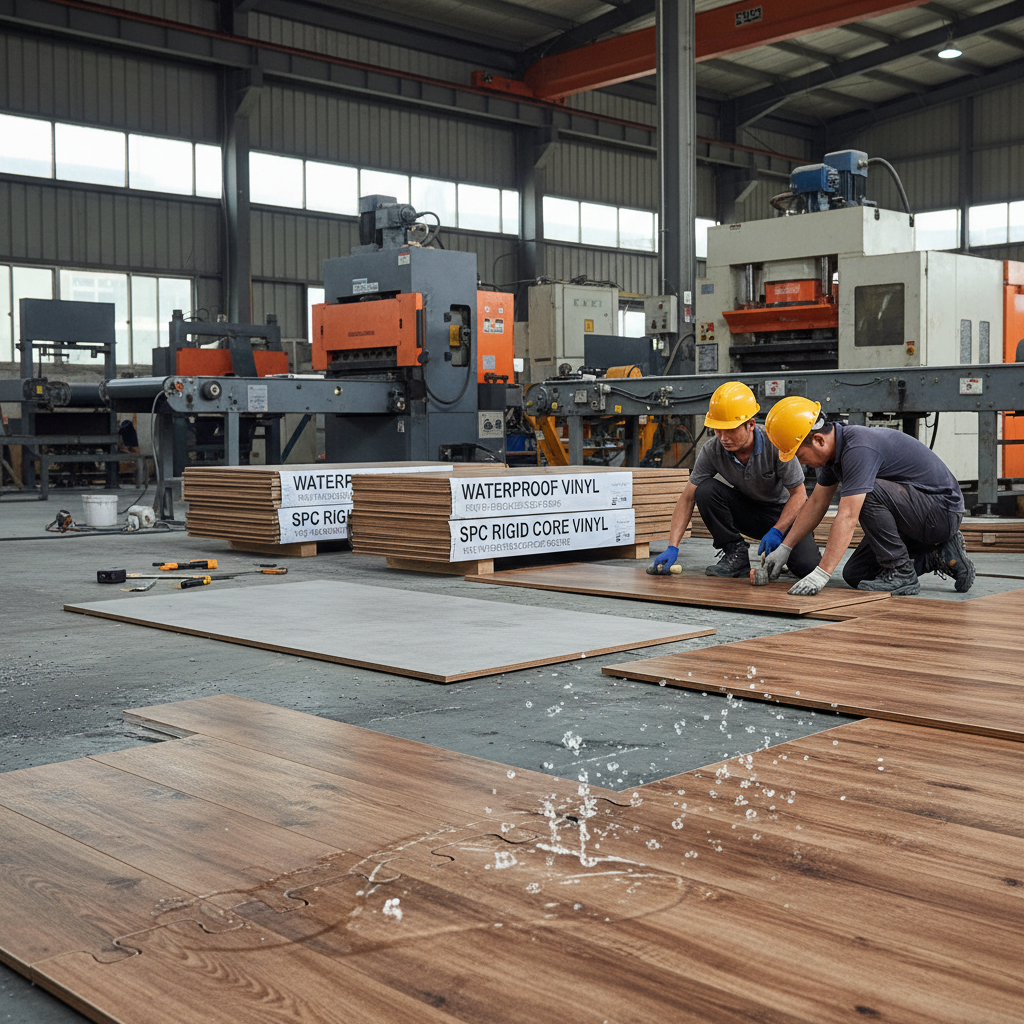 Ultimate Guide to Durable Waterproof SPC Rigid Core Vinyl FlooringChoosing the right flooring for a modern home or commercial space requires a balance between aesthetics and endurance. waterproof spc rigid core vinyl has emerged as a game-changer in the interior design world, offering the timeless look of hardwood with the unmatched resilience of stone polymer composite. Whether you are dealing with high-traffic hallways, moisture-prone bathrooms, or pet-friendly living rooms, this flooring solution provides a stable, waterproof, and scratch-resistant surface. In this comprehensive guide, we will explore why this innovative material is replacing traditional laminate and luxury vinyl planks in contemporary construction.Read More >
Apr 09 2026
-
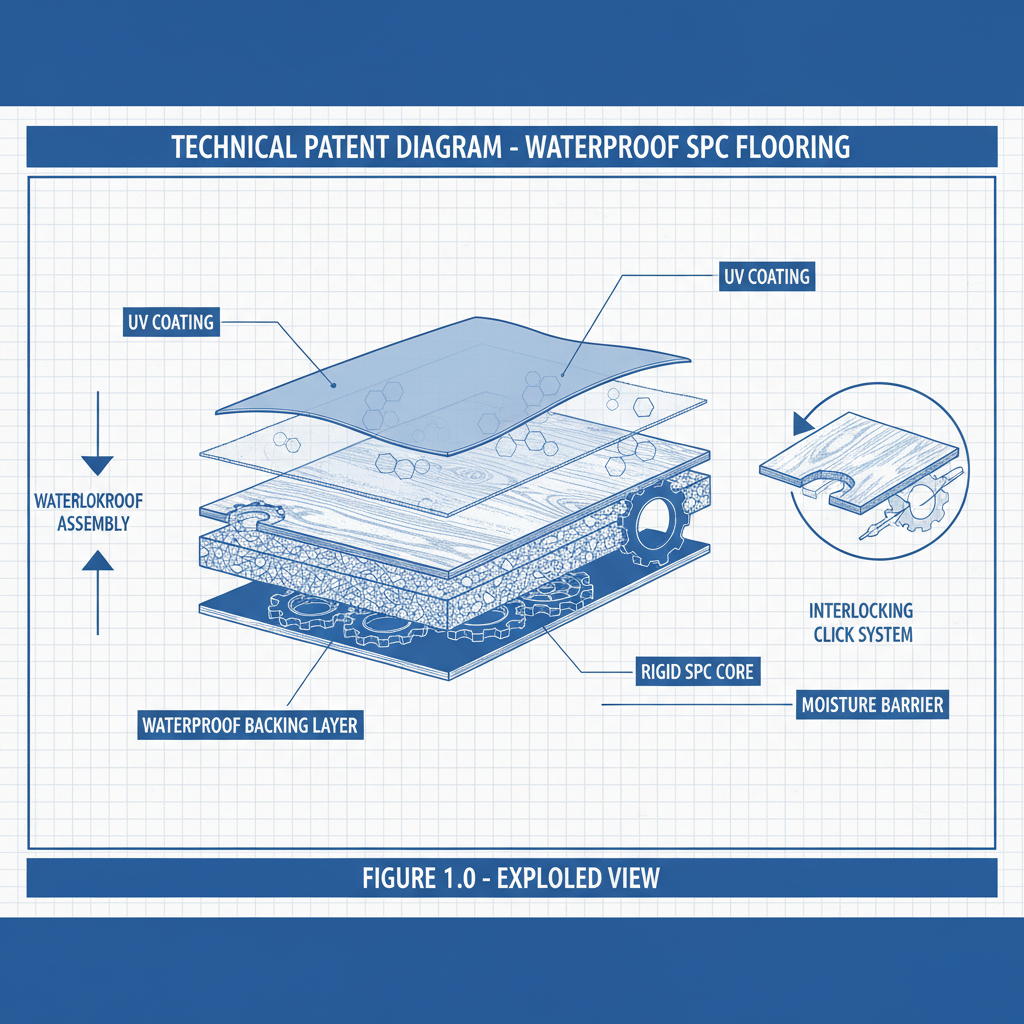 Comprehensive Guide to Waterproof SPC Flooring Durability and InstallationChoosing the right flooring for your home or business is a significant decision. Waterproof SPC flooring has emerged as a popular option due to its durability, affordability, and ease of installation. This article provides an in-depth look at waterproof SPC flooring, covering its benefits, installation process, maintenance, and comparisons with other flooring types. Understanding these aspects will help you determine if SPC flooring is the right choice for your project.Read More >
Apr 07 2026
-
 Discover the Durability and Style of Vinyl SPC Rigid Flooring SolutionsLooking for a durable, waterproof, and stylish flooring solution? Vinyl SPC rigid flooring is quickly becoming the go-to choice for homeowners and businesses alike. This article provides a comprehensive overview of this innovative flooring type, covering its benefits, installation, maintenance, and more. We’ll help you determine if SPC rigid vinyl flooring is the right fit for your project.Read More >
Apr 04 2026
-
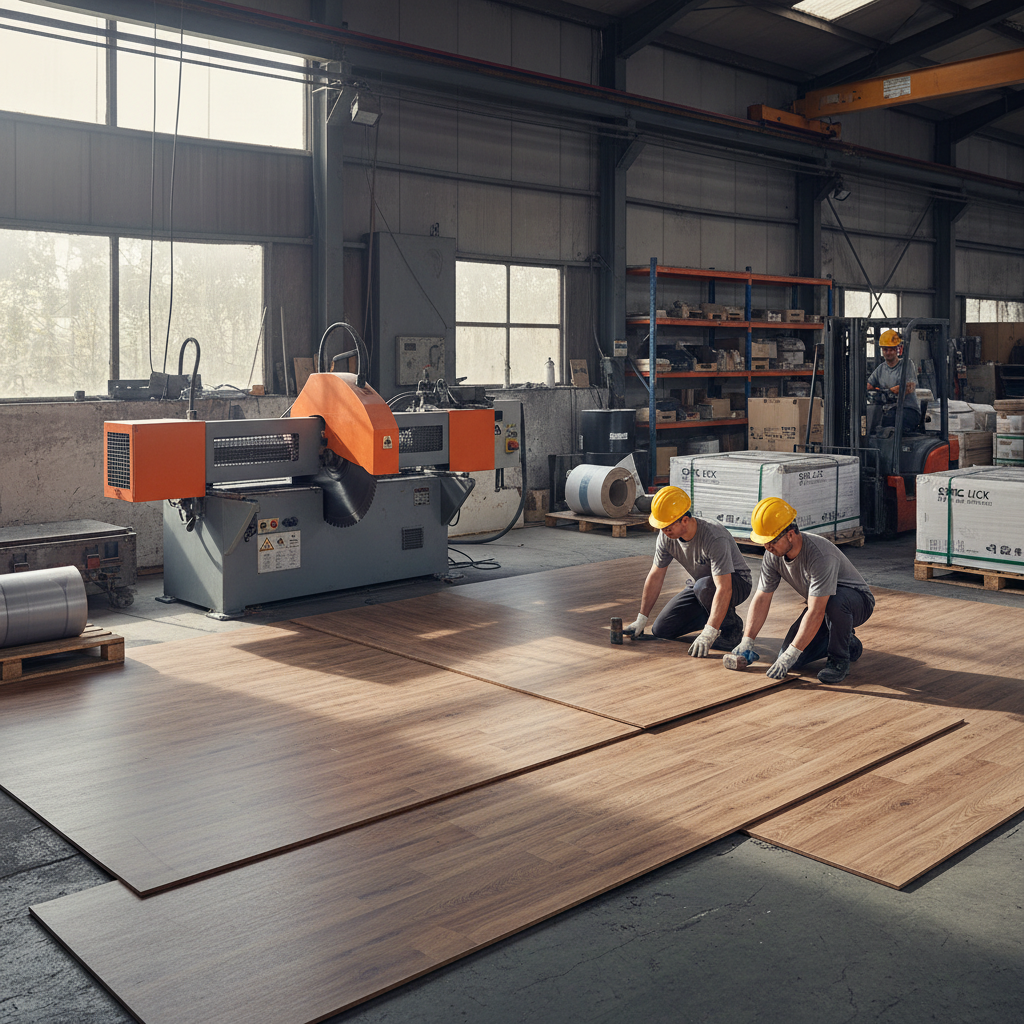 Comprehensive Guide to Durable Vinyl SPC Click Flooring Options and BenefitsChoosing the right flooring for your home or business is a significant decision. Vinyl SPC click flooring has emerged as a popular and durable option, offering a blend of aesthetic appeal and practical benefits. This article will explore the key features, advantages, installation process, and applications of SPC flooring, helping you determine if it's the right choice for your project. From its waterproof nature to its ease of installation, we'll cover everything you need to know.Read More >
Mar 31 2026
 +86 31185293045
  qian@ss711.com

Shijiazhuang Sothink trading Co., LTD.
Our company focuses on product development, production, sales and other all-round services, and is committed to providing customers with high-performance products and high-quality services.