


SPC Flooring: Durable, Sustainable, and Ready for Modern Spaces
Discovering the Global Significance of SPC Flooring
If you’ve ever pondered what keeps modern floors both durable and stylish, chances are you've brushed up against SPC flooring—a marvel quietly reshaping residential and commercial spaces worldwide. In an era hungry for sustainability, cost efficiency, and ease of installation, SPC (Stone Plastic Composite) flooring isn’t just a product, it’s a practical solution to several global industry challenges.
Why does it matter on a global scale? Picture this: billions of square feet of floors laid each year worldwide, according to UNO data on urbanization and construction growth. With such vast demand, options like SPC flooring pave the way for smarter, eco-friendlier building practices that address issues like durability in diverse climates and rising material costs.
The Worldwide Impact of SPC Flooring
Globally, the flooring industry must tackle significant hurdles—ranging from resource depletion to rising labor costs and climate resilience. ISO standards increasingly promote sustainable materials and methods, and SPC flooring hits many checkboxes.
- According to the World Bank, urban areas are expanding at a rate of 2.5% per year, boosting demand for reliable flooring solutions.
- The flooring segment is under regulatory scrutiny for emissions; SPC offers low VOC (volatile organic compounds) emissions, which is great news for indoor air quality worldwide.
- Disaster-resilient construction is gaining importance, and SPC’s waterproof, wear-resistant features provide practical answers here.
Frankly, SPC flooring feels like one of those tech evolutions that quietly solves both economic and environmental problems.
What Exactly Is SPC Flooring?
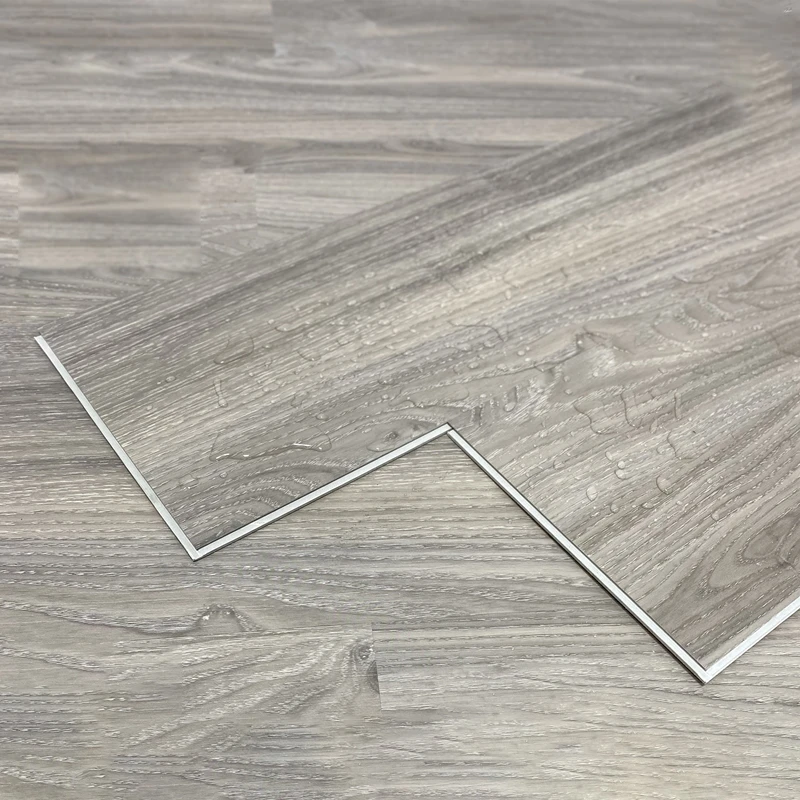
In simplest terms, SPC flooring is a rigid core vinyl floor built from a mix of natural limestone powder, polyvinyl chloride, and stabilizers. Think of it as a hybrid—that stone composite core lends stunning durability while vinyl enables flexibility and design versatility.
Unlike traditional hardwood or laminate options, SPC is waterproof, easier to maintain, and better suited for high-traffic or moisture-prone areas. It's gained traction not only in homes but also in humanitarian and industrial settings needing fast, reliable flooring that holds up.
Key Components That Set SPC Flooring Apart
Durability and Rigidity
The stone composite core is the real workhorse, providing hardness that resists dents, scratches, and heavy foot traffic. Many engineers say it rivals ceramic tile strength but without the coldness underfoot.
Water Resistance
Thanks to its dense core, SPC flooring is fully waterproof—no warping, swelling, or damage in wet conditions. You’ll find it in kitchens, hospitals, and even locker rooms.
Ease of Installation
With snap-lock systems, SPC boards click together quickly. Unlike traditional flooring, it doesn’t demand glue or nails, making installation faster, less messy, and more DIY-friendly.
Cost Efficiency
Though initial costs might be mildly higher than standard vinyl, longer lifespan and minimal upkeep save money long-term. Plus, it can be installed over many existing flooring types, reducing demolition waste.
Eco-Friendly Credentials
SPC flooring tends to have low emissions and many manufacturers now prioritize recycled content. It fits more comfortably within green building standards like LEED or BREEAM.
Real-World Applications of SPC Flooring
From upscale apartments in London to hospitals rebuilding after natural disasters in Southeast Asia, SPC flooring is cropping up everywhere. Oddly enough, it’s particularly favored in places requiring quick turnaround but high durability.
For example:
- Post-disaster relief shelters in hurricane zones use SPC flooring for easy cleanup and long-lasting wear.
- Remote industrial camps choose it for both residential and functional spaces due to waterproof and sturdy nature.
- Modern offices incorporate SPC to balance aesthetics, maintenance ease, and employee comfort.
- Education centers benefit from its sound-dampening capacities and resistance to wear from hundreds of daily footsteps.
Mini takeaway:
SPC flooring is no longer niche—it’s a standard-bearer for resilient, green, and practical interior solutions across continents.
The Many Advantages of SPC Flooring
Let’s break down the real value:
- Longevity: It lasts more than 20 years in many cases, minimizing replacement cycles.
- Safety and Comfort: Offers warmth underfoot and slip resistance, ensuring safer environments—especially in homes or healthcare zones.
- Sustainability: Lower VOC emissions and potential to incorporate recycled materials align with global environmental goals.
- Affordability: Lower total cost of ownership compared to hardwood or tile, especially considering upkeep.
Emotionally speaking, adopting SPC means choosing floors that silently support safety and dignity every single day—without demanding constant babysitting or costly repairs.
Product Specification Table for Popular SPC Flooring Model
| Specification | Details |
|---|---|
| Core Material | Stabilized Limestone & PVC Composite |
| Thickness | 4.5 mm |
| Wear Layer | 0.5 mm UV Coated |
| Waterproof | Yes |
| Installation | Click-Lock, Floating |
| Warranty | 25 years residential |
Comparing Top SPC Flooring Brands
| Brand | Core Thickness (mm) | Price per sqm (USD) | Warranty | Unique Feature |
|---|---|---|---|---|
| StoneFlex | 5.0 | 28.50 | 30 years | Enhanced UV protection |
| EcoStone | 4.5 | 25.00 | 25 years | Recycled content 30% |
| Duraboard | 4.0 | 23.75 | 20 years | Rigid core with click-lock system |
Looking Ahead: The Future of SPC Flooring
Innovation in SPC flooring isn’t standing still. With sustainability front and center, manufacturers are advancing bio-based composite materials within SPC cores to further shrink carbon footprints. There’s also talk about integrating digital sensors beneath flooring surfaces for smart building management—temperature, moisture alerts, even foot traffic tracking.
Automation in production lines means faster, more consistent quality, while eco-certifications are becoming a baseline expectation, not a bonus.
Challenges and How We Overcome Them
No product is perfect, and SPC flooring is no exception:
- Thickness variability: Some cheaper SPC products have inconsistent thickness, tough to install perfectly.
- Coldness underfoot: Although warmer than tile, SPC can feel cooler compared to wood, which can be tackled with underfloor heating.
- Complex recycling: Composite materials can be harder to recycle, but new take-back programs and innovations in circular economy models are promising.
Many experts recommend validating product specs before purchasing and teaming up with vendors prioritizing sustainability.
FAQ: Answers to Your Top Questions About SPC Flooring
- Q: How does SPC flooring compare to laminate flooring?
A: SPC flooring’s stone composite core makes it more rigid, waterproof, and durable than laminate. It's especially suited for moisture-prone areas where laminate might warp or swell. - Q: Can I install SPC flooring myself?
A: Absolutely. Most SPC boards use a click-lock system that’s designed for DIY installation without glue, nails, or special tools—but make sure the subfloor is clean and level. - Q: Is SPC flooring eco-friendly?
A: Many brands use recycled content and low-emission formulas, which aligns well with green building certifications—though it depends on manufacturer transparency. - Q: What maintenance does SPC flooring require?
A: Basic regular sweeping and occasional damp mopping suffice since it’s waterproof and stain-resistant. Avoid harsh chemicals to keep that UV-coated surface shining.
Wrapping It Up: Why SPC Flooring Holds Its Ground
In real terms, SPC flooring is more than just flooring. It’s a blend of durability, eco-conscious design, and user-friendly application that answers the growing needs of modern construction worldwide. Whether you’re upgrading your office, designing disaster-resilient shelters, or simply refreshing your home, this flooring ticks boxes others struggle with.
Interested in diving deeper? Explore our range of SPC flooring solutions and discover how you can bring resilience and style to your floors.
References:
-
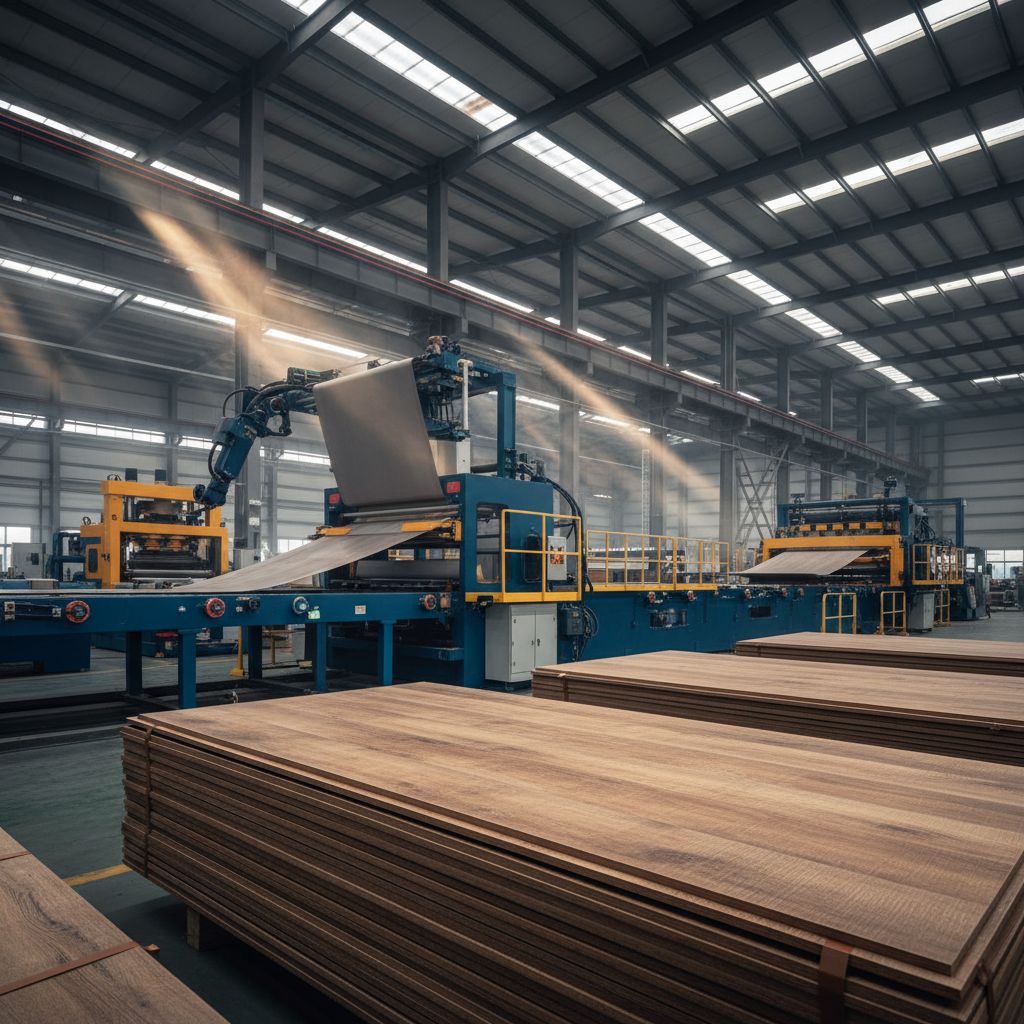 Ultimate Guide to Durable Waterproof SPC Vinyl Flooring StyleWhen renovating a modern home or commercial space, the flooring choice often defines the entire atmosphere. waterproof spc vinyl flooring has emerged as a revolutionary solution for those who refuse to compromise between aesthetic elegance and rugged performance. Standing for Stone Plastic Composite, SPC flooring is engineered to withstand the toughest environments, from moisture-prone bathrooms to high-traffic living rooms. In this comprehensive guide, we will explore why this material is dominating the interior design market and how it can transform your space into a sanctuary of style and resilience.Read More >
Apr 16 2026
-
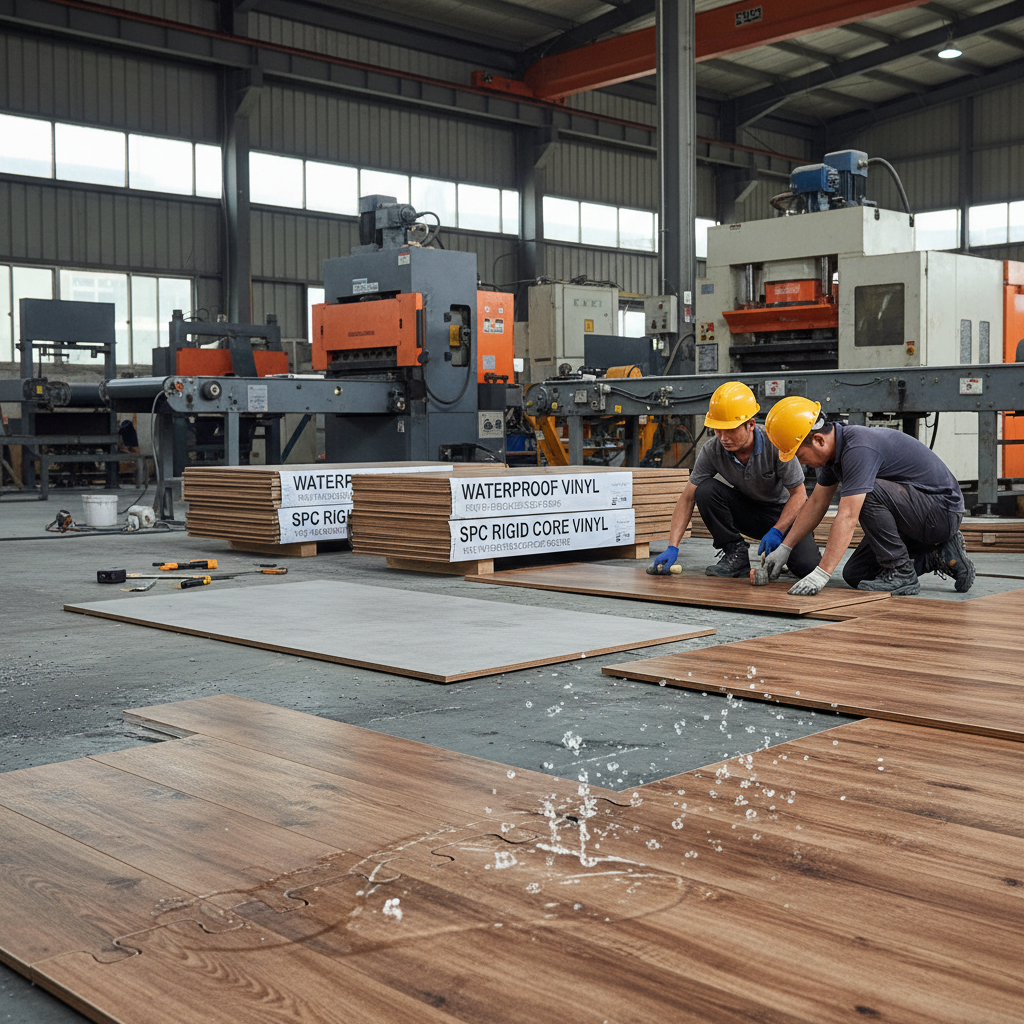 Ultimate Guide to Durable Waterproof SPC Rigid Core Vinyl FlooringChoosing the right flooring for a modern home or commercial space requires a balance between aesthetics and endurance. waterproof spc rigid core vinyl has emerged as a game-changer in the interior design world, offering the timeless look of hardwood with the unmatched resilience of stone polymer composite. Whether you are dealing with high-traffic hallways, moisture-prone bathrooms, or pet-friendly living rooms, this flooring solution provides a stable, waterproof, and scratch-resistant surface. In this comprehensive guide, we will explore why this innovative material is replacing traditional laminate and luxury vinyl planks in contemporary construction.Read More >
Apr 09 2026
-
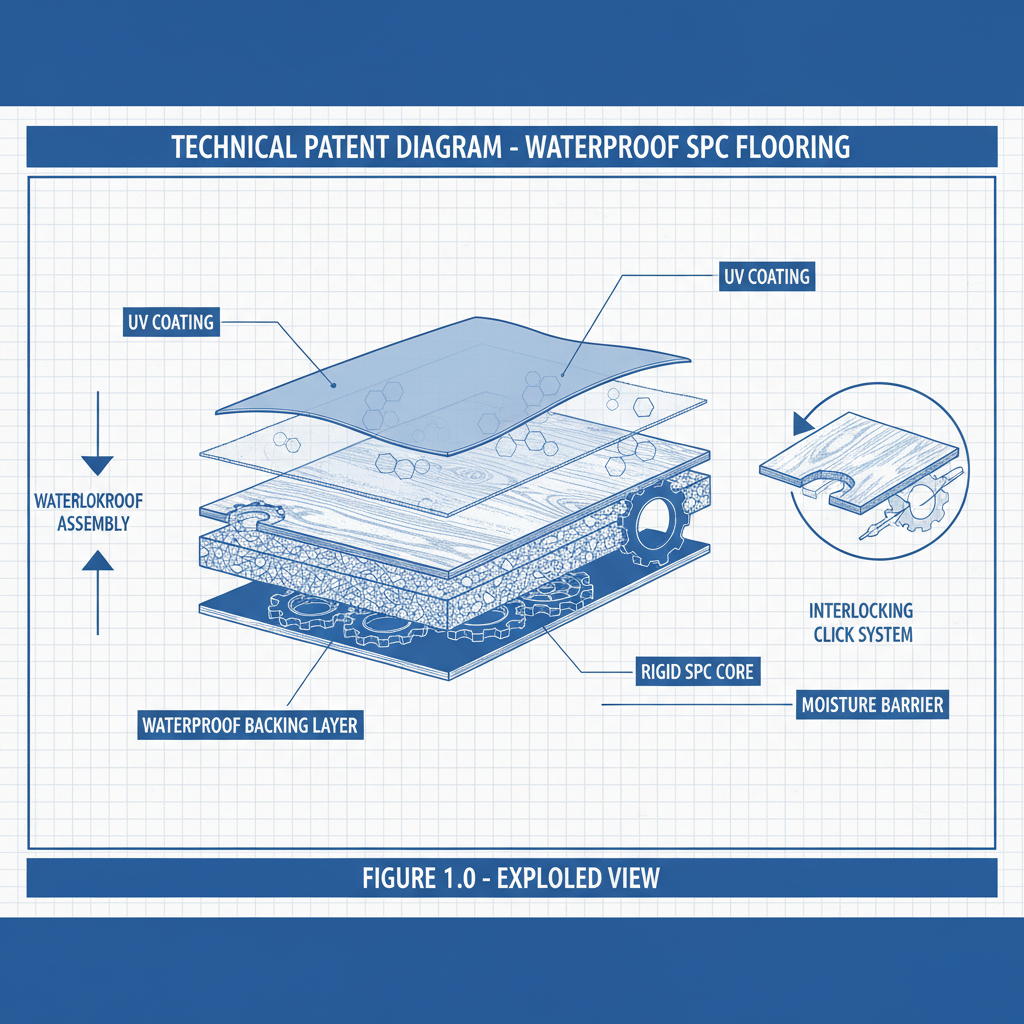 Comprehensive Guide to Waterproof SPC Flooring Durability and InstallationChoosing the right flooring for your home or business is a significant decision. Waterproof SPC flooring has emerged as a popular option due to its durability, affordability, and ease of installation. This article provides an in-depth look at waterproof SPC flooring, covering its benefits, installation process, maintenance, and comparisons with other flooring types. Understanding these aspects will help you determine if SPC flooring is the right choice for your project.Read More >
Apr 07 2026
-
 Discover the Durability and Style of Vinyl SPC Rigid Flooring SolutionsLooking for a durable, waterproof, and stylish flooring solution? Vinyl SPC rigid flooring is quickly becoming the go-to choice for homeowners and businesses alike. This article provides a comprehensive overview of this innovative flooring type, covering its benefits, installation, maintenance, and more. We’ll help you determine if SPC rigid vinyl flooring is the right fit for your project.Read More >
Apr 04 2026
-
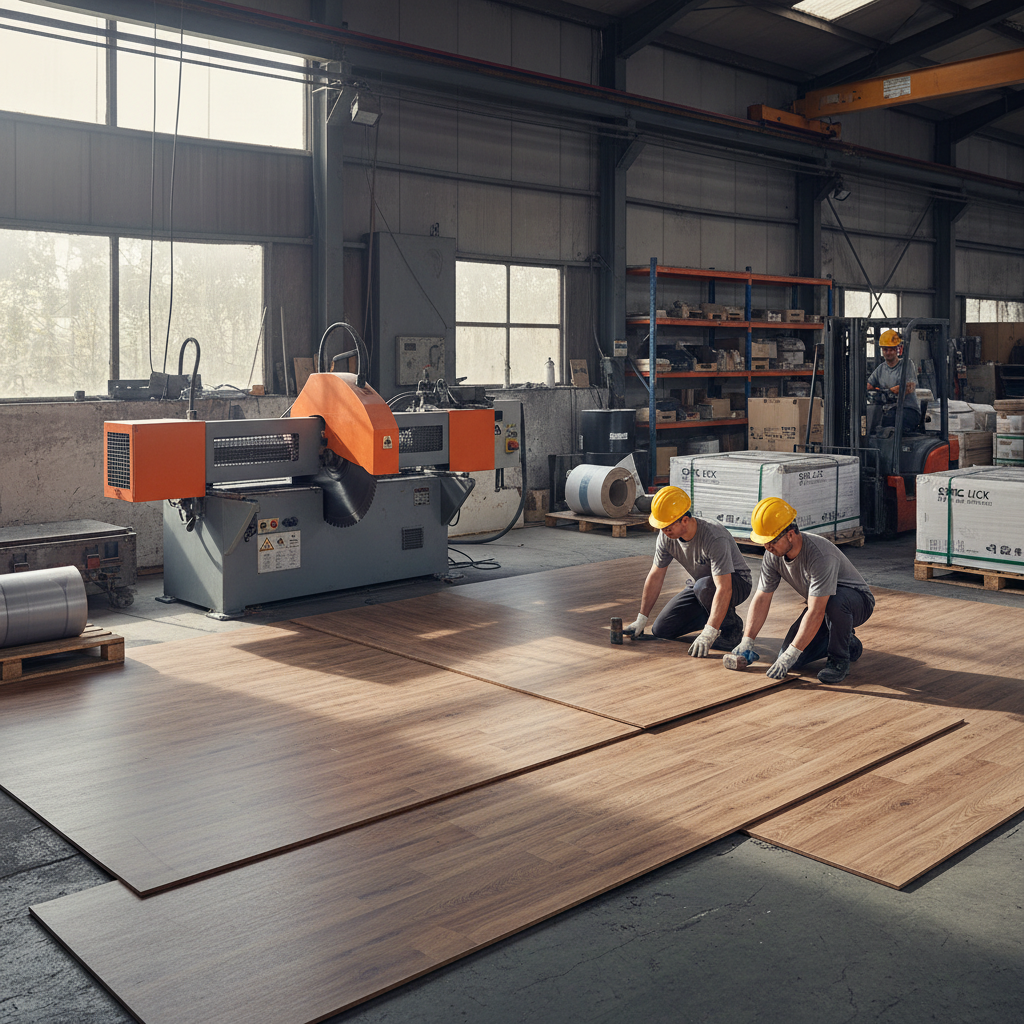 Comprehensive Guide to Durable Vinyl SPC Click Flooring Options and BenefitsChoosing the right flooring for your home or business is a significant decision. Vinyl SPC click flooring has emerged as a popular and durable option, offering a blend of aesthetic appeal and practical benefits. This article will explore the key features, advantages, installation process, and applications of SPC flooring, helping you determine if it's the right choice for your project. From its waterproof nature to its ease of installation, we'll cover everything you need to know.Read More >
Mar 31 2026
 +86 31185293045
  qian@ss711.com

Shijiazhuang Sothink trading Co., LTD.
Our company focuses on product development, production, sales and other all-round services, and is committed to providing customers with high-performance products and high-quality services.