


Durable and Sustainable SPC Floor Tiles for Modern Spaces | SothinkDecor
SPC Floor Tiles: The Backbone of Modern, Durable Flooring
In a world where residential and commercial construction impulsively chase sustainability, aesthetics, and cost efficiency, spc floor tiles have quietly emerged as game-changers. These resilient flooring solutions combine technology, design, and practicality—answering challenges that global industries face daily. But what makes them so vital on a planetary scale? Why does it matter to builders, businesses, and homeowners alike?
Understanding the Global Influence of SPC Floor Tiles
According to the International Organization for Standardization (ISO 10582), SPC (Stone Plastic Composite) flooring is gaining worldwide recognition for its superior properties and environmental benefits. The global market for SPC flooring is projected to grow steadily, influenced by rising demand in Asia-Pacific and Europe, where sustainability standards have tightened significantly. The United Nations Environment Programme also emphasizes the construction sector as responsible for nearly 40% of global energy consumption and emissions. Thus, materials like spc floor tiles which combine durability with greener profiles, become critical in lowering carbon footprints.
But beyond numbers, there lies a real challenge: affordable, long-lasting, and water-resistant flooring that can serve diverse environments—from flood-prone urban apartments to sprawling commercial spaces in humid climates. SPC floor tiles address these needs remarkably well.
What Exactly Are SPC Floor Tiles?
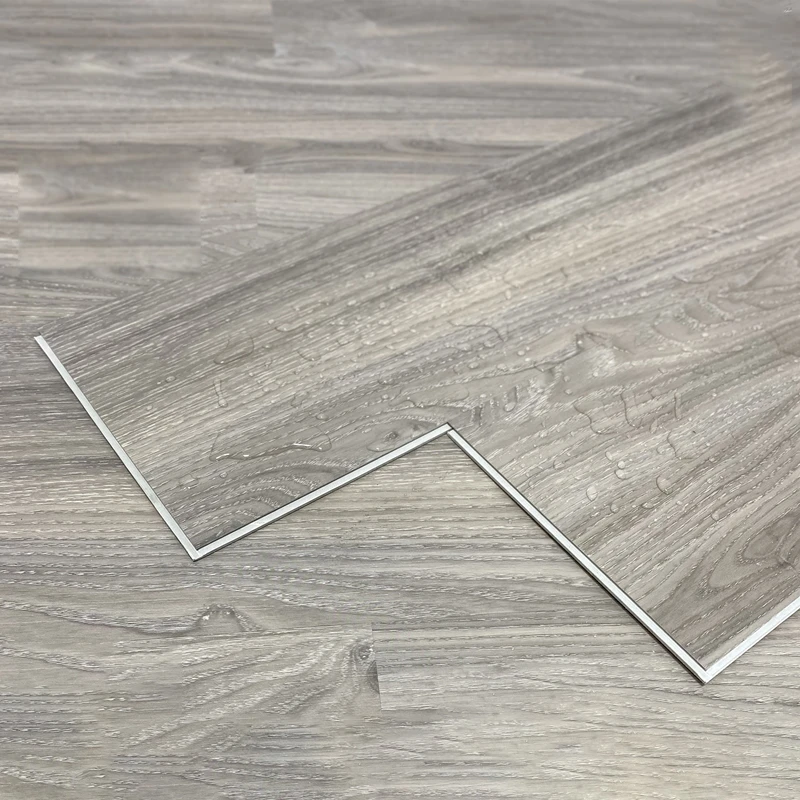
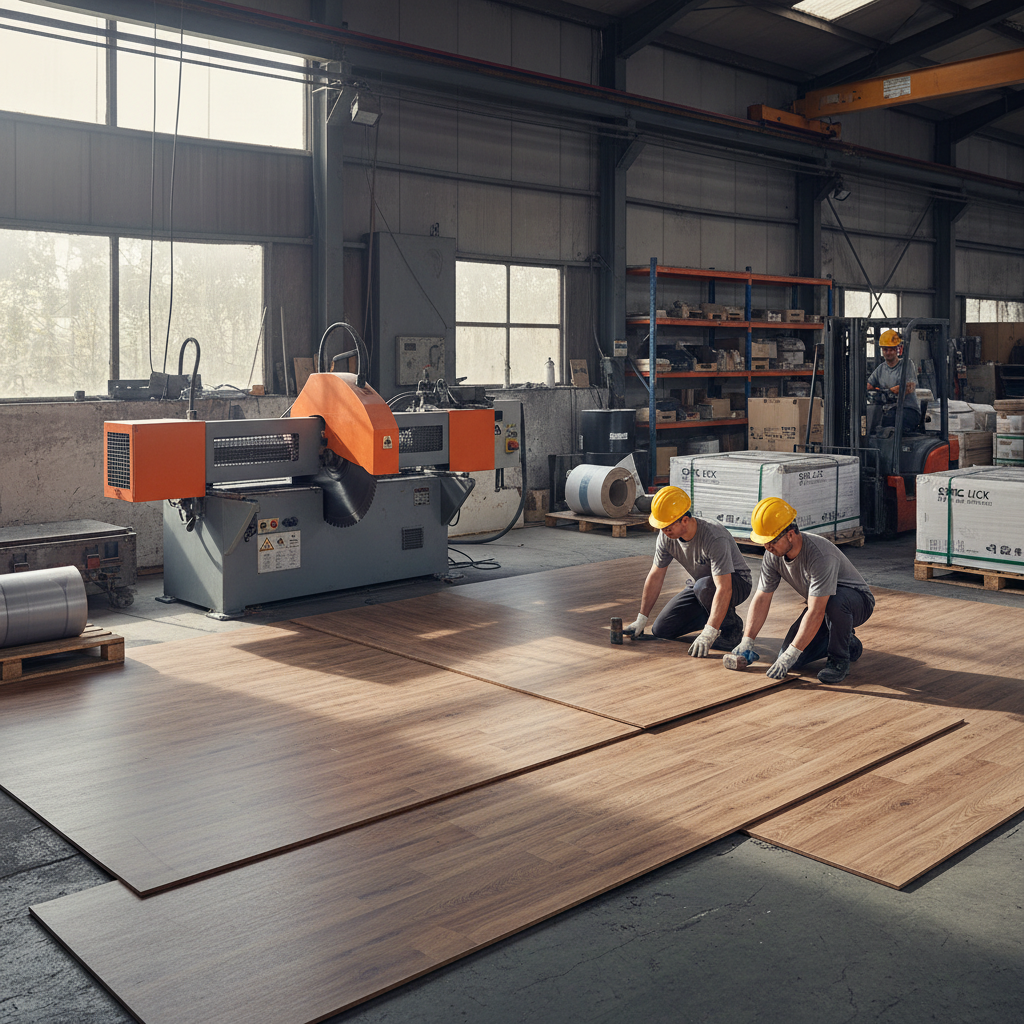
If you’ve ever wondered how modern floors combine flexibility with toughness, the answer lies in SPC floor tiles. In straightforward terms, SPC tiles are a type of rigid vinyl flooring composed primarily of a limestone composite core. This core combines natural stone powder with stabilizers and PVC, creating a dense, rigid, and completely waterproof base. Wrapped above this is a printed decorative vinyl layer and a protective wear layer, giving the tiles their distinctive patterns and colors, as well as resistance to scratches and stains.
In many ways, these tiles bridge the gap between luxury vinyl and traditional hardwood or tile, offering both realism and resilience. Their relevance extends beyond aesthetics—they’re major allies in humanitarian construction projects where sustainability and resilience are not luxuries but necessities.
Key Attributes That Define SPC Floor Tiles
Durability: Withstanding Life’s Hustle
One of the first things engineers and designers note about SPC floor tiles is their incredible durability. Thanks to a rigid composite core, these floors resist impacts, heavy traffic, and moisture far better than traditional wood or laminate.
Water Resistance: Made for Moisture
You could spill coffee or face a flooded basement; SPC tiles won’t warp or swell. Their 100% waterproof nature makes them valuable in bathrooms, kitchens, and commercial spaces that require easy cleanups.
Cost Efficiency: Lux Without the Luxury Price
Installation and maintenance costs stay reasonable, which appeals to contractors managing tight budgets. The quick snap-lock installation means less downtime—especially crucial in commercial settings.
Environmental Impact: A Step Toward Green Building
SPC tiles often incorporate recycled materials, and their energy footprint over the lifecycle is relatively low. Organizations like the US Green Building Council highlight such materials when awarding LEED credits.
Design Versatility: The Look of Choice
Variety is impressive—think wood grains, stones, even abstract patterns. Architects can leverage this to deliver custom, high-end looks without sacrificing performance.
Ease of Maintenance: Time is Money
SPC floors require minimal upkeep—just a mop and mild cleaner, skipping the waxing or refinishing that traditional floors demand.
Mini takeaway: SPC floor tiles successfully combine performance and lifestyle needs in one package, making them increasingly popular worldwide.
Real-World Applications of SPC Floor Tiles Around the Globe
SPC flooring isn’t just a fancy domestic option; it’s chosen for diverse industrial, humanitarian, and commercial uses. In the US and Europe, they’re staples in retail outlets and healthcare facilities, where cleanliness and durability are key. In Asia, rapid urbanization means millions of apartments and offices demand affordable yet long-lasting floors — a perfect match for SPC tiles. NGOs working in post-disaster relief also utilize SPC floors in temporary shelters because they withstand heavy foot traffic and moisture—plus their swift installation is a lifesaver.
Remote industrial zones, such as mining camps or offshore facilities, prefer them for their fire resistance and ease of cleaning, boosting worker safety and hygiene.
Advantages & Lasting Value of SPC Flooring Solutions
- Cost Savings: Lower lifecycle cost than hardwood or ceramic, factoring in durability and easy maintenance.
- Environmental Benefits: Reduction in material waste and energy usage aligns with global sustainability goals.
- Health & Safety: Hypoallergenic, antimicrobial wear layers protect indoor air quality.
- Psychological Impact: Offering safe, attractive flooring boosts occupants’ comfort and productivity.
- Reliability: Even in challenging climates, SPC floors maintain strength—helping build owner confidence.
Many architects say it’s rare to find flooring so well rounded—meeting emotional and practical needs simultaneously. I suppose that’s why it resonates so well across multiple sectors.
Product Specification Snapshot
| Feature | Specification | Typical Value |
|---|---|---|
| Core Material | Limestone + PVC composite | 65-85% Mineral Content |
| Thickness | Total (Wear layer + Core) | 4 - 8 mm (varies by model) |
| Wear Layer Thickness | Protective coating | 0.3 - 0.7 mm |
| Water Resistance | 100% waterproof core | No swelling or warping |
| Installation | Click Lock System | Floating Floor Method |
Vendor Comparison
| Brand | Durability Rating | Price Range (per m²) | Eco Certification | Design Variety |
|---|---|---|---|---|
| StoneLux SPC | 9.2/10 | $25 - $35 | FSC & GreenGuard | 50+ patterns |
| EcoBuild Floors | 8.8/10 | $20 - $30 | LEED & ISO 14001 | 30+ patterns |
| Global Tiles Co. | 9.0/10 | $22 - $32 | BREEAM compliant | 40+ patterns |
Looking Ahead: Emerging Trends in SPC Flooring
I find the mix of innovation in SPC floor tiles fascinating. From bio-based binders reducing PVC content to integrating antimicrobial coatings for hospitals, the next frontier is exciting. Automation in manufacturing is trimming costs, while digital printing enhances surface realism. There's also growing attention on circular economy principles—some SPC tiles are designed for easy disassembly and recycling, which is admittedly a win-win for consumers and the planet.
Challenges & How Innovators Are Tackling Them
Despite all their perks, SPC tiles have limitations. The rigidity means subfloor imperfections can sometimes telegraph through. Also, extreme temperature variations might cause minor expansion issues. Producers are now developing enhanced locking mechanisms and flexible underlayers to mitigate these drawbacks, ensuring long-term floor stability. Keen improvements in installation training and quality control are equally important—seemingly small steps that matter a great deal.
FAQs About SPC Floor Tiles
Q: Are SPC floor tiles suitable for underfloor heating systems?
A: Yes, most SPC floor tiles are compatible with radiant heating because their composite core conducts heat efficiently without warping. However, always check manufacturer specifications for max temperature limits and proper installation guidelines to avoid warranty issues.
Q: How long do SPC floor tiles typically last in commercial settings?
A: When properly installed and maintained, SPC floor tiles can last 10-20 years in commercial environments, depending on wear layer thickness and traffic intensity. Their scratch and water resistance contribute significantly to longevity.
Q: Can SPC floor tiles be installed over existing floors?
A: Generally, yes. Due to their floating installation system, SPC tiles can go over concrete, plywood, and even some vinyl floors, provided the substrate is level and clean. Proper preparation is crucial for a flawless finish.
Q: Are SPC floor tiles eco-friendly compared to other options?
A: While SPC tiles contain PVC, advancements in manufacturing include recycled content and reduced chemical emissions. Their long lifespan and low maintenance also contribute to lower environmental impact. Look for products with formal eco-certifications for assurance.
Q: How can international NGOs source SPC floor tiles for disaster relief projects?
A: NGOs can work with certified vendors who specialize in bulk shipments and fast deployment solutions. Coordination with customs and import authorities, plus transparent documentation, facilitates smooth international logistics. Some suppliers also offer modular SPC flooring kits designed for rapid setup in field conditions.
Wrapping It Up
So, why does understanding and investing in spc floor tiles make sense? They’re more than just flooring options—they’re durable, cost-effective solutions aligned with global sustainability and safety needs. This blend of practicality and innovation fits the modern world’s demands for smart building materials. For anyone looking for flooring that performs in both routine and challenging environments, SPC tiles earn their spotlight.
Ready to explore your options? Visit https://www.sothinkdecor.com to dive deeper and find the perfect SPC flooring solutions for your projects.
Mini takeaway: SPC floor tiles are here to stay, and understanding their benefits unlocks smarter building choices that stand the test of time (and spillages).
References
-
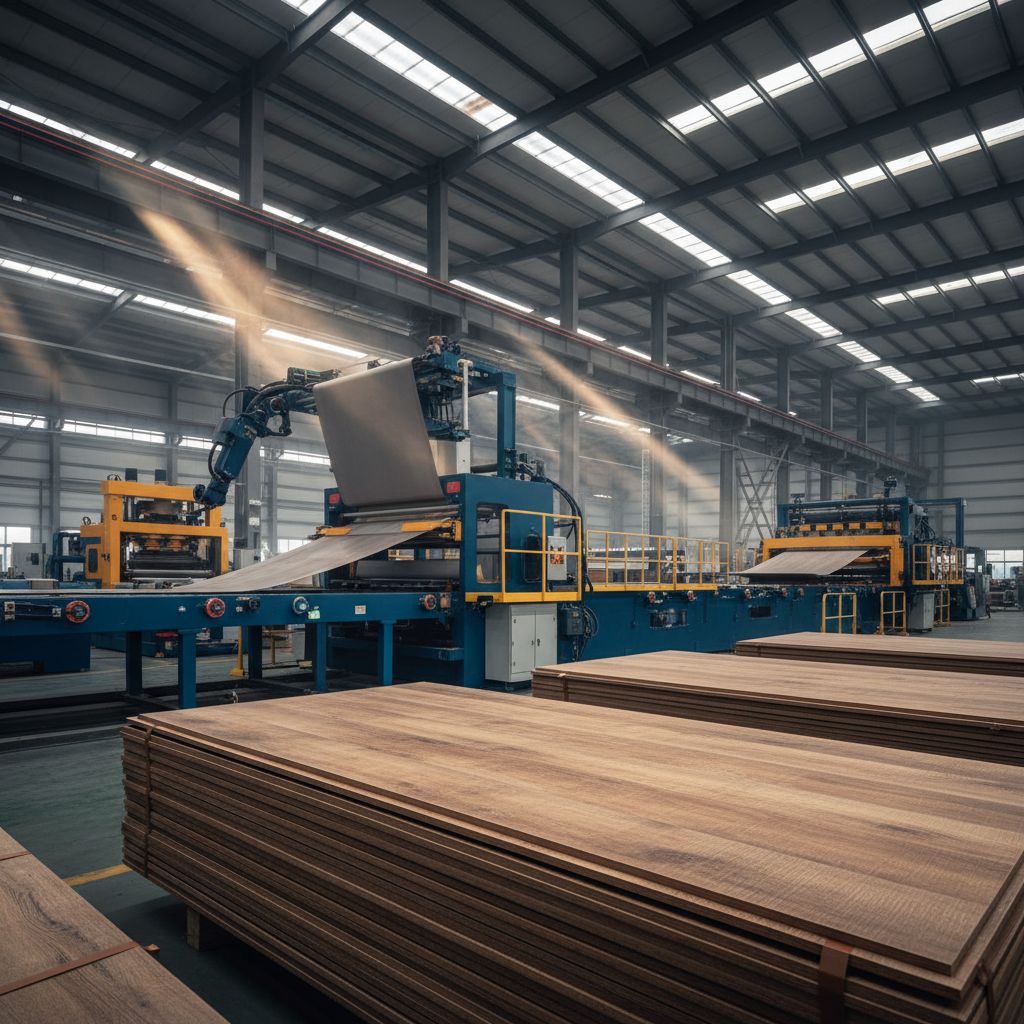 Ultimate Guide to Durable Waterproof SPC Vinyl Flooring StyleWhen renovating a modern home or commercial space, the flooring choice often defines the entire atmosphere. waterproof spc vinyl flooring has emerged as a revolutionary solution for those who refuse to compromise between aesthetic elegance and rugged performance. Standing for Stone Plastic Composite, SPC flooring is engineered to withstand the toughest environments, from moisture-prone bathrooms to high-traffic living rooms. In this comprehensive guide, we will explore why this material is dominating the interior design market and how it can transform your space into a sanctuary of style and resilience.Read More >
Apr 16 2026
-
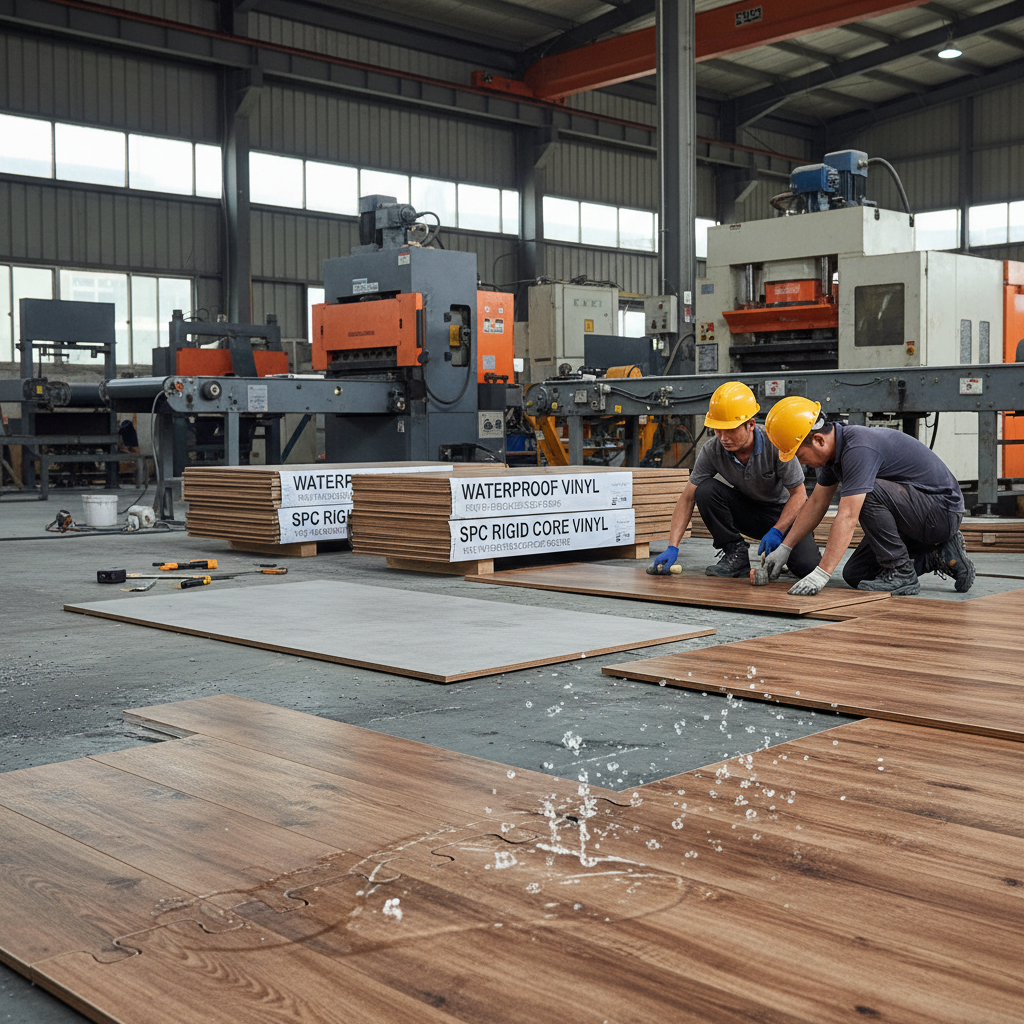 Ultimate Guide to Durable Waterproof SPC Rigid Core Vinyl FlooringChoosing the right flooring for a modern home or commercial space requires a balance between aesthetics and endurance. waterproof spc rigid core vinyl has emerged as a game-changer in the interior design world, offering the timeless look of hardwood with the unmatched resilience of stone polymer composite. Whether you are dealing with high-traffic hallways, moisture-prone bathrooms, or pet-friendly living rooms, this flooring solution provides a stable, waterproof, and scratch-resistant surface. In this comprehensive guide, we will explore why this innovative material is replacing traditional laminate and luxury vinyl planks in contemporary construction.Read More >
Apr 09 2026
-
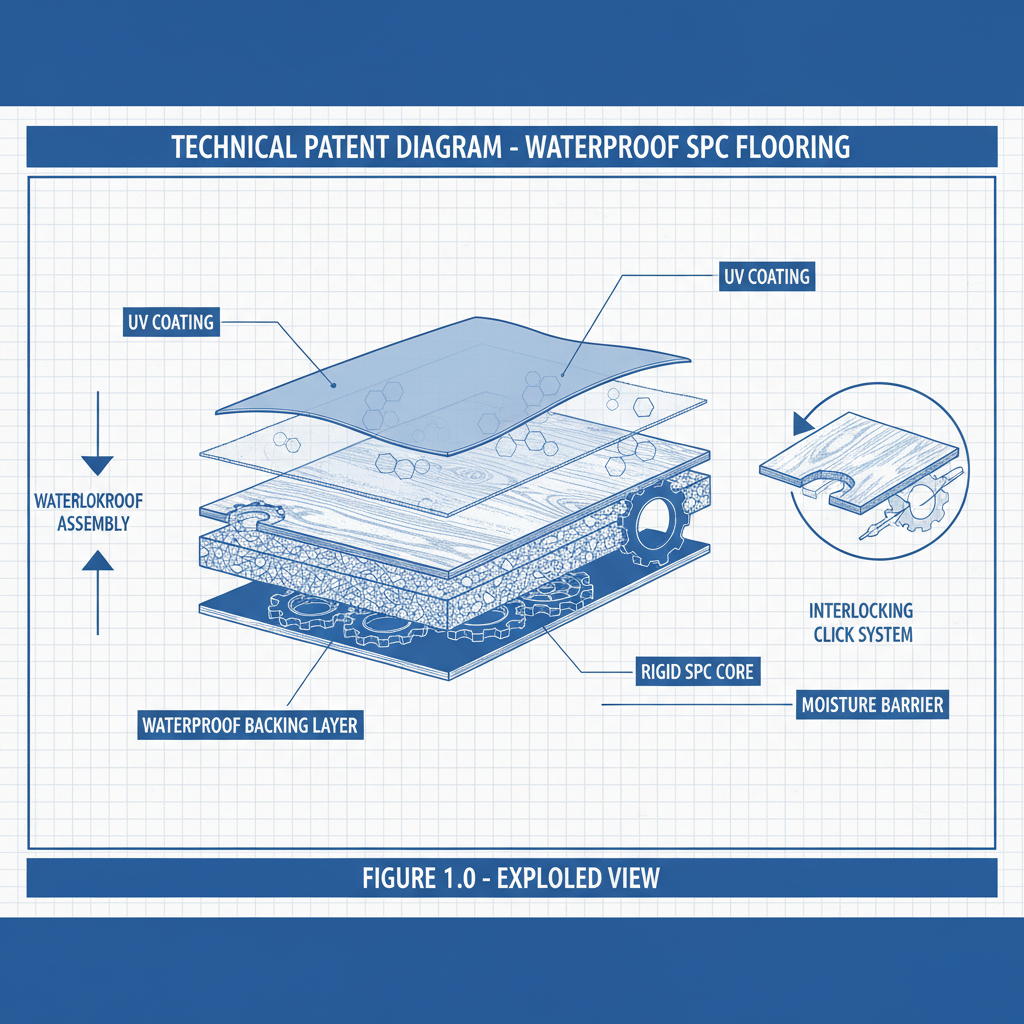 Comprehensive Guide to Waterproof SPC Flooring Durability and InstallationChoosing the right flooring for your home or business is a significant decision. Waterproof SPC flooring has emerged as a popular option due to its durability, affordability, and ease of installation. This article provides an in-depth look at waterproof SPC flooring, covering its benefits, installation process, maintenance, and comparisons with other flooring types. Understanding these aspects will help you determine if SPC flooring is the right choice for your project.Read More >
Apr 07 2026
-
 Discover the Durability and Style of Vinyl SPC Rigid Flooring SolutionsLooking for a durable, waterproof, and stylish flooring solution? Vinyl SPC rigid flooring is quickly becoming the go-to choice for homeowners and businesses alike. This article provides a comprehensive overview of this innovative flooring type, covering its benefits, installation, maintenance, and more. We’ll help you determine if SPC rigid vinyl flooring is the right fit for your project.Read More >
Apr 04 2026
-
 Comprehensive Guide to Durable Vinyl SPC Click Flooring Options and BenefitsChoosing the right flooring for your home or business is a significant decision. Vinyl SPC click flooring has emerged as a popular and durable option, offering a blend of aesthetic appeal and practical benefits. This article will explore the key features, advantages, installation process, and applications of SPC flooring, helping you determine if it's the right choice for your project. From its waterproof nature to its ease of installation, we'll cover everything you need to know.Read More >
Mar 31 2026
 +86 31185293045
  qian@ss711.com

Shijiazhuang Sothink trading Co., LTD.
Our company focuses on product development, production, sales and other all-round services, and is committed to providing customers with high-performance products and high-quality services.