


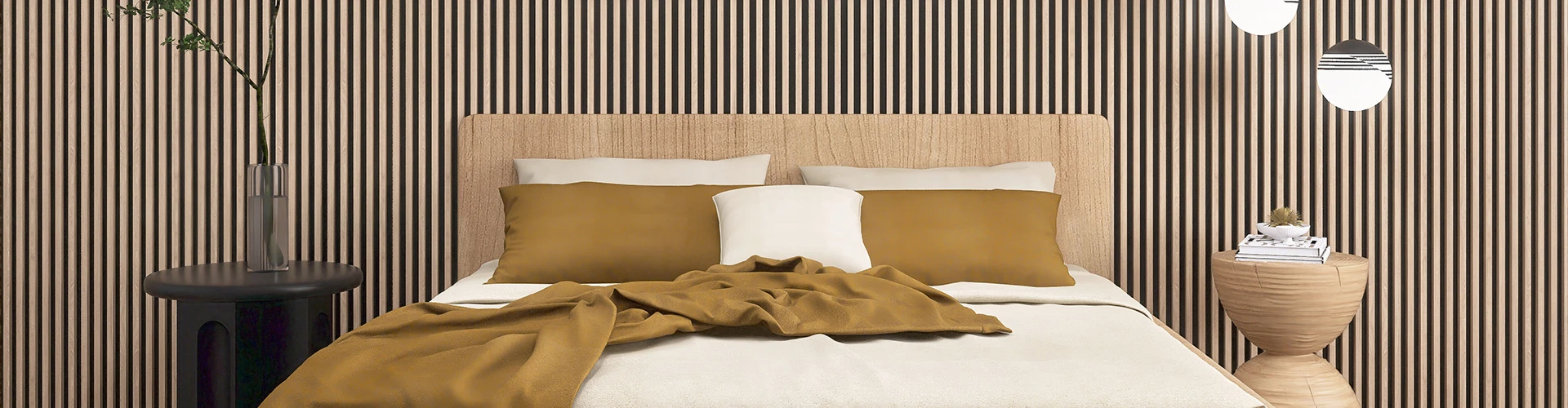
Discover PVC Panel Marble – Durable, Stylish & Affordable Decorative Panels
Exploring PVC Panel Marble: A Durable and Stylish Solution
What is PVC Panel Marble and Why It Matters Globally
If you haven't noticed, interior design, especially in commercial and residential spaces, has steadily favored materials that are cost-efficient yet visually impactful. That’s where pvc panel marble steps in. It's a synthetic alternative mimicking the luxury and appearance of marble but without the hefty price tag or environmental downsides linked to quarrying natural stone. Globally, as the construction and interior decorating industries look to reduce costs and minimize carbon footprints, pvc panel marble represents a tangible answer.
Its value goes beyond just aesthetics, too. By providing an easier-to-install, lightweight, and maintenance-friendly material, it meshes well with rapid urban development and the need for resource-conscious building solutions.
Mini takeaway: PVC panel marble blends affordability, style, and sustainability — a real triple-threat in today’s evolving building market.
The Global Context: Why PVC Panel Marble is Rising in Popularity
Data from the United Nations Department of Economic and Social Affairs tells us that urbanization is accelerating, with over 68% of the world’s population expected to live in urban areas by 2050. That rapid growth fuels demand for new construction materials that are fast to install, durable, and environmentally friendly. The market for decorative panels, including pvc panel marble, is projected to grow by 7.5% annually through 2027 according to ISO standards on indoor environmental quality.
However, traditional marble has significant issues: environmental impact due to mining, expensive transport, and brittleness during installation. PVC panel marble addresses these problems by being lightweight, resilient in humid or variable climates, and simpler to handle.
Mini takeaway: Growth in urban spaces and environmental concerns mean pvc panel marble is not just a trend but a practical necessity.
Understanding PVC Panel Marble: What It Really Means
Put simply, pvc panel marble is composed of polyvinyl chloride polymers molded or laminated to replicate the surface, veining, and texture of natural marble. Often used for wall and ceiling decoration, these panels offer resistance to moisture and stains — qualities natural stone doesn't always provide by itself. Whenever you see a room boasting a marble-like shimmer without the cold heft, it might be thanks to this marvel of manufacturing.
Industries from residential homes to commercial spaces and even humanitarian shelters benefit. It meets the increasingly sophisticated needs of both design professionals and practical builders looking for quick, durable, and appealing finishes.
Key Features of PVC Panel Marble Worth Noting
Durability and Water Resistance
Unlike real marble, which can be prone to chipping and requires sealing, pvc panel marble handles moisture and daily wear gracefully. This quality is invaluable in areas exposed to humidity, such as bathrooms, kitchens, and even some industrial environments.
Cost-Effectiveness
Yes, it’s not quite the same as genuine marble in terms of prestige (and resale value), but its initial price and installation costs are considerably lower. This is a game-changer for large projects or budget-sensitive renovations.
Lightweight and Easy Installation
These panels typically weigh a fraction of real stone, making them easier to transport and coexist with lighter structural supports — a brilliant perk for retrofits in older buildings or modular construction.
Design Variety and Customization
Manufacturers offer numerous finishes, textures, and color variations that sometimes go beyond natural marble’s palette, helping designers break free from traditional material boundaries.
Environmentally Friendlier Footprint
Though PVC production isn’t perfect in ecological terms, pvc panel marble still sidesteps the extraction footprint of mining quarry stones — a balance that often tips in favor of synthetic options for many developers focusing on sustainability.
Maintenance Ease
A quick wipe-down is often all that’s needed to keep the panels looking fresh, meaning less use of harsh chemicals and expensive cleaning routines over time.
Mini takeaway: The blend of durability, simplicity, and eco-awareness places pvc panel marble in a unique sweet spot for modern design demands.
Product Specifications at a Glance
| Specification | Details |
|---|---|
| Material Composition | PVC Polymer with marble-pattern lamination |
| Typical Panel Size | 1220 mm x 2440 mm |
| Thickness | 6 mm - 10 mm |
| Weight | ~1.5 - 3 kg/m² (varies by thickness) |
| Fire Resistance | Class B2 (flame retardant) |
| Moisture Absorption | Less than 0.1% |
Where and How PVC Panel Marble is Used Worldwide
Its versatility means pvc panel marble is cropping up in all kinds of places. In Asia’s booming real estate markets, it often appears in hotel lobbies and apartment interiors because it offers the luxury look without overblowing budgets. European commercial developments value it for its sustainability credentials and ease of customization.
Oddly enough, even industrial zones and temporary housing solutions like those in remote mining sites or post-disaster areas sometimes use pvc panel marble because they need materials that resist moisture and are easy to clean — factors often overlooked in emergency constructions.
And of course, DIY home renovators love it for bathroom and kitchen upgrades, thanks to that marble feel minus the hassle.
Mini takeaway: PVC panel marble crosses industry and geography — from elegant hotels in Dubai to rugged industrial facilities in Australia.
Comparing Popular PVC Panel Marble Vendors
| Vendor | Range of Designs | Price/㎡ | Lead Time | Sustainability Features |
|---|---|---|---|---|
| Sothink Decor | 35+ marble patterns | $15–$22 | 7–10 days | Low VOC, recyclable packaging |
| LuxMarble Panels | 20 classic veining styles | $18–$25 | 10–12 days | Renewable energy use |
| EcoStone Co. | 15 eco-focused finishes | $20–$28 | 14 days | 100% recyclable panels, zero-emission process |
Advantages and Why They Matter Over Time
- Cost savings: Reducing upfront and maintenance expenses makes it attractive for developers and homeowners alike.
- Sustainability: Less quarry mining, reduced heavy material transport, and recyclable components appeal to eco-conscious markets.
- Design freedom: Customizable patterns and finishes mean continued relevance even as tastes evolve.
- Safety and hygiene: Flame-retardant features and moisture resistance add practical benefits that protect occupants.
It’s also worth noting the emotional impact: spaces feel luxurious without feeling like a financial burden. There’s a subtle confidence in knowing the finish won’t quickly degrade or stain, lending dignity especially in public or commercial settings.
Emerging Trends in PVC Panel Marble for a Greener, Smarter Future
The industry isn’t standing still. Recent innovations include integration with digital printing technologies to allow truly unique veining patterns that were inconceivable a few years ago. On the sustainability front, advancements in developing bio-based PVC compounds aim to cut down fossil fuel dependency — albeit this is still early stage.
The automation of panel cutting and finishing is speeding up production and reducing waste, which sort of loops back into cost savings and environmentally friendlier processes.
Some manufacturers are also experimenting with embedded antimicrobial surfaces, making pvc panel marble even more appealing for healthcare environments.
Challenges and Practical Solutions
Of course, pvc panel marble isn’t without its hurdles. The environmental impact of PVC production raises concerns for regulators and green-conscious consumers. There’s also sensitivity around disposal and recycling; despite progress, many panels end up in waste streams.
Pragmatically, installation still requires careful surface preparation and expert fitting to avoid bubbles or peels — no material miracle there, unfortunately.
Market-wise, educating consumers about the differences between high-quality pvc panel marble and cheaper imitations can be tricky. That's why reliable vendors and clear product specifications—like those listed above—make such a big difference.
FAQ: Common Questions About PVC Panel Marble
1. How does pvc panel marble compare to natural marble in durability?
While natural marble is prone to cracking and requires sealing, pvc panel marble is highly resistant to moisture, impact, and stains. It won’t chip or crack easily, making it very practical, especially in high-traffic or humid environments.
2. Is pvc panel marble suitable for exterior use?
Generally, pvc panel marble is designed for interior applications. Exposure to UV rays and extreme weather can degrade the material over time. Specialized panels with UV coatings exist but verify specifications with your vendor.
3. Can I install pvc panel marble myself?
DIY installation is possible for handy homeowners, but proper surface prep and joining techniques are essential for a seamless finish. For larger or commercial projects, professional installation is recommended.
4. How eco-friendly is pvc panel marble?
Although pvc panel marble avoids quarry depletion, PVC is a plastic derived from fossil fuels. Look for vendors focusing on recycling programs and low-VOC emissions to mitigate environmental impact.
5. Where can I find a trusted supplier of pvc panel marble?
Reputable manufacturers like Sothink Decor offer certified, high-quality options with reliable shipping and support — always check reviews and request samples before large purchases.
Bringing It All Together: The Last Word on PVC Panel Marble
Ultimately, pvc panel marble ticks many boxes for modern building and design needs. It’s cost-effective, visually appealing, and easier to work with than natural stone. For anyone looking toward sustainable, stylish, and pragmatic alternatives, it’s an option worth serious consideration.
If you're curious and want to see quality options first-hand, why not visit our website for pvc panel marble? You might just find the perfect fit for your next project.
References:
-
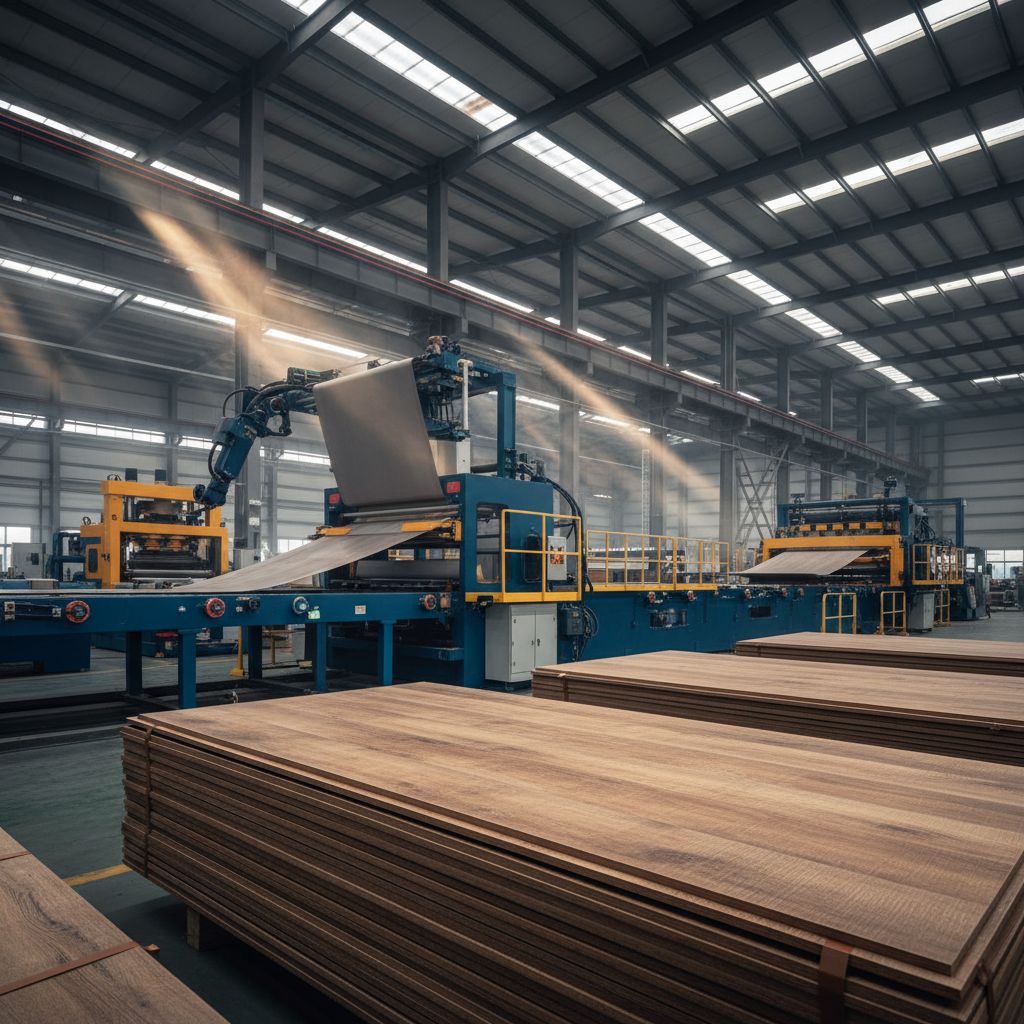 Ultimate Guide to Durable Waterproof SPC Vinyl Flooring StyleWhen renovating a modern home or commercial space, the flooring choice often defines the entire atmosphere. waterproof spc vinyl flooring has emerged as a revolutionary solution for those who refuse to compromise between aesthetic elegance and rugged performance. Standing for Stone Plastic Composite, SPC flooring is engineered to withstand the toughest environments, from moisture-prone bathrooms to high-traffic living rooms. In this comprehensive guide, we will explore why this material is dominating the interior design market and how it can transform your space into a sanctuary of style and resilience.Read More >
Apr 16 2026
-
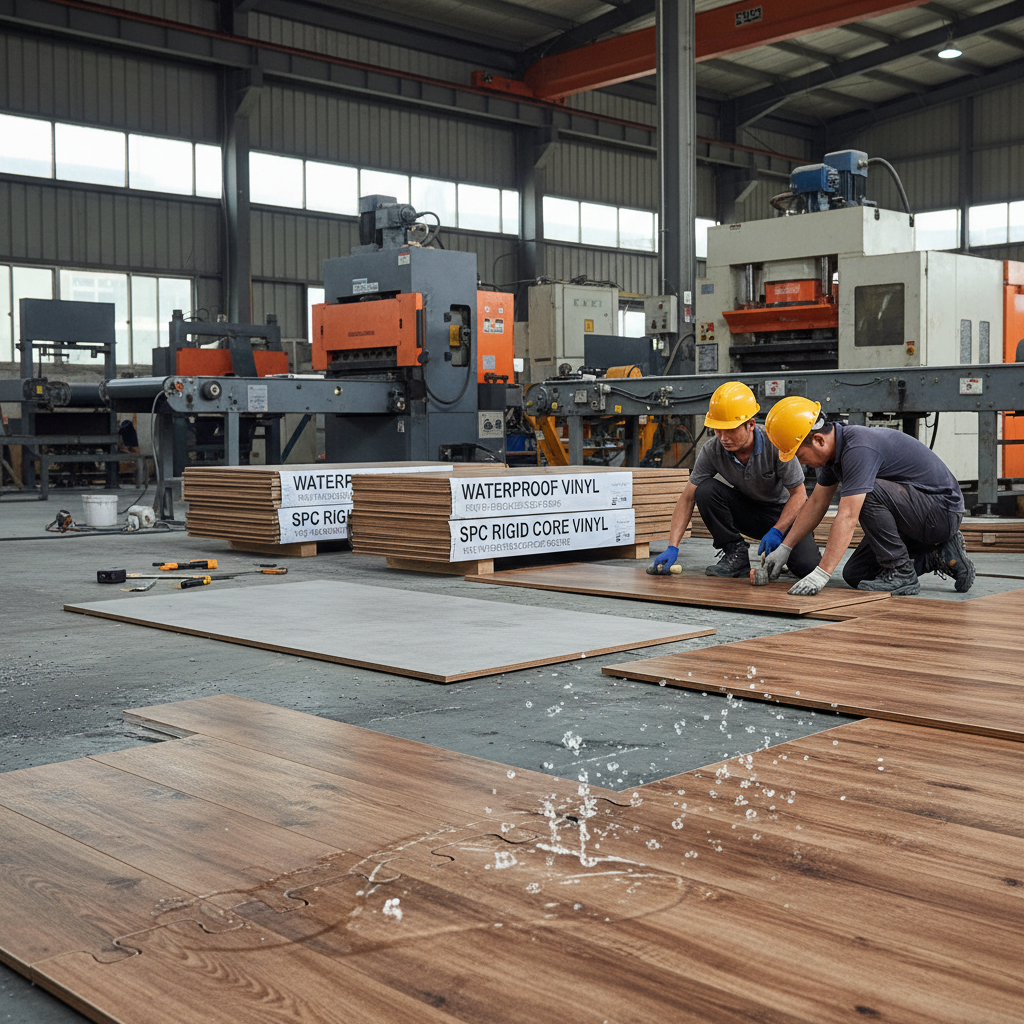 Ultimate Guide to Durable Waterproof SPC Rigid Core Vinyl FlooringChoosing the right flooring for a modern home or commercial space requires a balance between aesthetics and endurance. waterproof spc rigid core vinyl has emerged as a game-changer in the interior design world, offering the timeless look of hardwood with the unmatched resilience of stone polymer composite. Whether you are dealing with high-traffic hallways, moisture-prone bathrooms, or pet-friendly living rooms, this flooring solution provides a stable, waterproof, and scratch-resistant surface. In this comprehensive guide, we will explore why this innovative material is replacing traditional laminate and luxury vinyl planks in contemporary construction.Read More >
Apr 09 2026
-
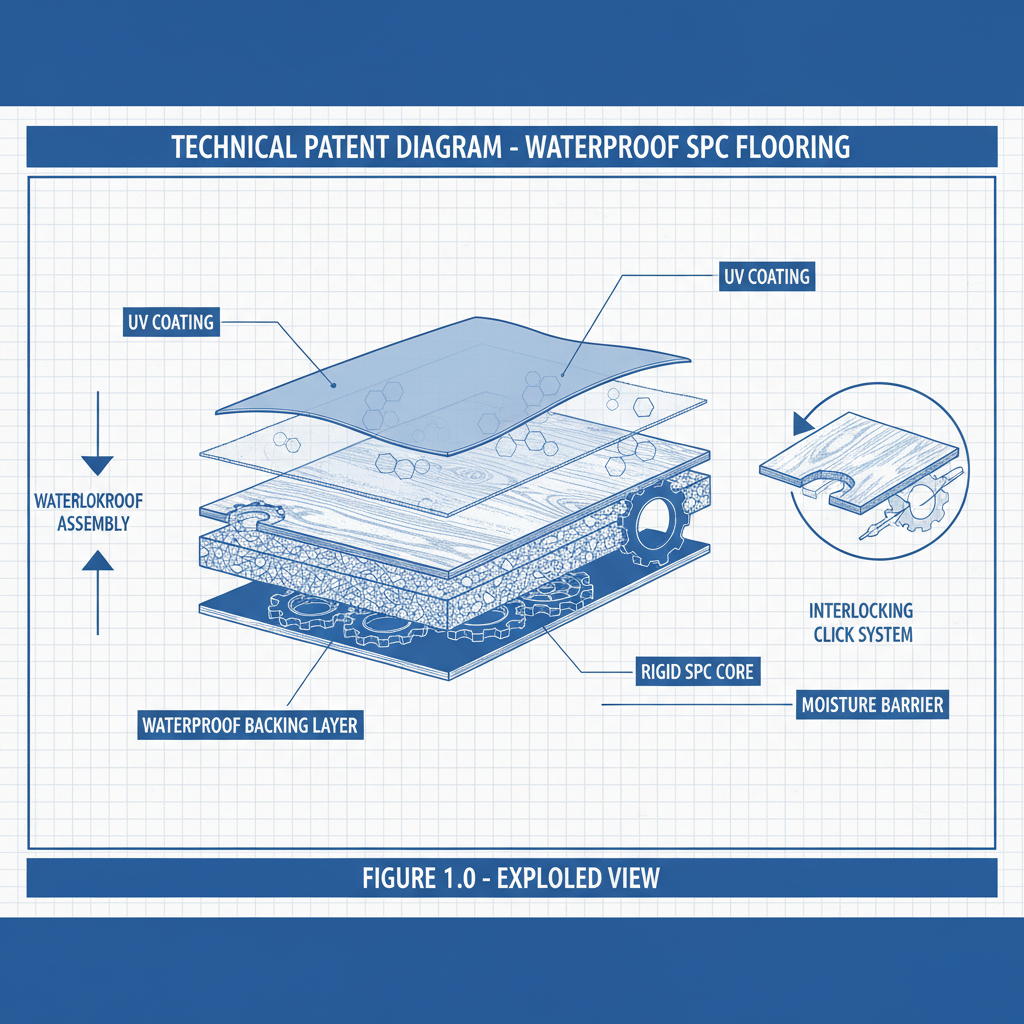 Comprehensive Guide to Waterproof SPC Flooring Durability and InstallationChoosing the right flooring for your home or business is a significant decision. Waterproof SPC flooring has emerged as a popular option due to its durability, affordability, and ease of installation. This article provides an in-depth look at waterproof SPC flooring, covering its benefits, installation process, maintenance, and comparisons with other flooring types. Understanding these aspects will help you determine if SPC flooring is the right choice for your project.Read More >
Apr 07 2026
-
 Discover the Durability and Style of Vinyl SPC Rigid Flooring SolutionsLooking for a durable, waterproof, and stylish flooring solution? Vinyl SPC rigid flooring is quickly becoming the go-to choice for homeowners and businesses alike. This article provides a comprehensive overview of this innovative flooring type, covering its benefits, installation, maintenance, and more. We’ll help you determine if SPC rigid vinyl flooring is the right fit for your project.Read More >
Apr 04 2026
-
 Comprehensive Guide to Durable Vinyl SPC Click Flooring Options and BenefitsChoosing the right flooring for your home or business is a significant decision. Vinyl SPC click flooring has emerged as a popular and durable option, offering a blend of aesthetic appeal and practical benefits. This article will explore the key features, advantages, installation process, and applications of SPC flooring, helping you determine if it's the right choice for your project. From its waterproof nature to its ease of installation, we'll cover everything you need to know.Read More >
Mar 31 2026
 +86 31185293045
  qian@ss711.com

Shijiazhuang Sothink trading Co., LTD.
Our company focuses on product development, production, sales and other all-round services, and is committed to providing customers with high-performance products and high-quality services.