


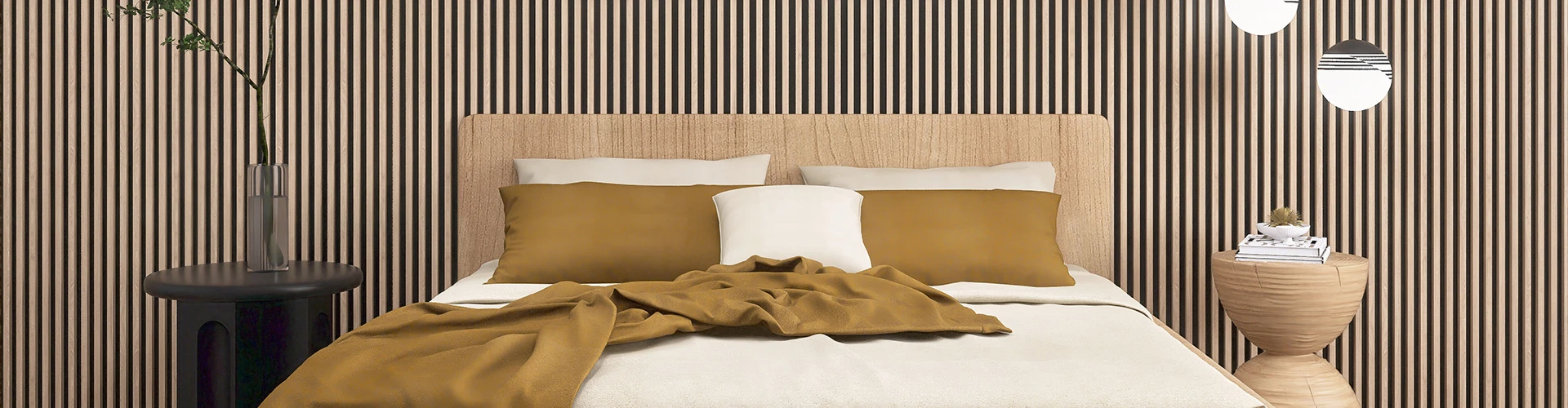
PVC Marble Wall Panels – Durable, Affordable & Eco-Friendly Interior Solutions
Understanding PVC Marble Wall Panels: A Modern Material Revolution
You might’ve walked past them without noticing: those smooth, glossy surfaces that look like marble but don’t quite weigh a ton. PVC marble wall panels are quietly transforming how interiors are designed worldwide. Why does this matter? Beyond their aesthetics, these panels tap into a global push for affordable, durable, and eco-friendlier building materials — and that’s a big deal when you consider the building boom in developing economies and the drive for sustainable urbanization.
Grasping what PVC marble wall panels bring to the table isn’t just about style. It’s about rethinking construction, maintenance, and even humanitarian shelter design on a global scale. From climate resilience to cost efficiencies, these panels tick a lot of boxes.
The Global Context: Why PVC Marble Wall Panels Are More Relevant Than Ever
Construction is a $10+ trillion global industry, demanding innovations that lower carbon footprints while keeping prices in check (World Bank, 2022). As urban populations swell — the UN projects nearly 70% urbanization by 2050 — materials that combine durability with ease of installation are vital. PVC marble wall panels answer those calls. They’re lightweight yet robust, waterproof, and extremely low-maintenance, making them suitable for rapidly evolving urban landscapes.
But here’s the kicker: they also shine in disaster-prone or resource-strapped regions where traditional stone or tile walls aren't practical. The global challenge? How to build homes and public spaces fast, safe, and sustainable without breaking local budgets or complicating supply chains.
What Exactly Are PVC Marble Wall Panels?
Put simply: these are composite wall panels made primarily from polyvinyl chloride (PVC), designed to mimic real marble’s luxurious aesthetic without the hefty price or weight. Their core is usually PVC resin mixed with additives for strength and fire resistance, topped with a decorative film layer that carries the marble pattern. Think of it as the lovechild of plastic’s flexibility and marble’s timeless elegance.
They’re a marvel of modern manufacturing, perfectly suited for interior walls, wet areas like bathrooms and kitchens, and even commercial spaces. Modern industry, eager to combine efficiency with style, favors these panels. Humanitarian architects also lean on them because their installation requires less skilled labor and less infrastructure than stone masonry.
Key Characteristics of PVC Marble Wall Panels
1. Durability and Water Resistance
Thanks to PVC’s natural water-repellent properties, these panels excel in humid, wet environments. Unlike traditional tiles, they don’t crack or mildew easily. So, in coastal regions or busy commercial kitchens, they hold up surprisingly well.
2. Installation and Scalability
Panels come in standardized sizes (usually 8 ft by 4 ft or smaller) and are lightweight. This dramatically reduces installation time and cost. Scalability is smooth; contractors can cover vast areas quickly, which is a boon in post-disaster rebuilding or rapid urban developments.
3. Cost Efficiency
Because they use synthetic materials and require no grout or heavy labor, they typically come in at 40-60% less than marble or tile alternatives. Plus, they cut ongoing maintenance expenses — fewer cleaning chemicals, less damage repair.
4. Environmental Impact
While PVC is a plastic, advances in recycling and formulations with non-toxic stabilizers are making these panels greener than they used to be. Lightweight shipping also reduces carbon emissions compared to stone alternatives. This is still an area for improvement but it’s headed in the right direction.
5. Aesthetic Flexibility
Modern printing techniques allow astonishingly realistic marble veins and textures that suit classics or modern interiors. Custom patterns and finishes are growing in popularity.
| Specification | Typical Value | Notes |
|---|---|---|
| Panel Dimensions | 2440mm x 1220mm (8'x4') | Standard size for easy shipping |
| Thickness | 5-8 mm | Varies by manufacturer |
| Weight | ~1.8 - 2.0 kg/m² | Much lighter than natural marble |
| Fire Rating | Class B1 (flame-retardant) | Complies with building safety standards |
| Water Absorption | Excellent for moist environments |
Real-World Applications: Where PVC Marble Wall Panels Shine
Across Asia’s booming urban centers, developers are installing these panels in new apartment towers at a rapid rate. The Middle East finds them perfect for hotel lobbies where the luxury look is needed without the capital costs of marble. Even remote healthcare clinics in Africa embrace PVC marble wall panels for their low maintenance and quick installation — a lifesaver when skilled labor isn’t available and hygiene standards must be high.
In post-disaster relief, the quick fix nature of these panels helps rebuild dignified shelters that resist rain and mold without heavy foundations.
In fact, I recently read about a Nigerian hospital expansion — they swapped heavy tiles for PVC panels on interior walls, cutting costs by nearly 50% while speeding up construction. It’s a small win but tells a bigger story about how materials innovation meets social needs.
Advantages & Long-Term Value That Often Get Overlooked
- Cost Savings: Beyond initial purchase, lower transport weight and faster installation save real dollars.
- Sustainability: Fewer raw materials and long lifespan reduce environmental burden.
- Safety: Fire-resistant and easy to clean, they promote healthier indoor spaces.
- Aesthetic Appeal: Trust me, many architects rave about their polish — marble beauty minus marble headaches.
- Social Impact: Used in affordable housing, they help uplift livelihoods.
Emotionally speaking, people feel proud when their spaces look elegant but know they’re saving resources too. The trust factor for builders and end-users alike is quietly powerful.
Emerging Trends and Innovations in PVC Marble Wall Panels
The future? It’s about smarter, greener materials. Some manufacturers now integrate recycled PVC post-industrial waste, lowering environmental footprints dramatically. Digital printing is pushing custom patterns beyond marble — wood grain, abstract art, even branding logos.
There’s also talk of antimicrobial coatings to make these panels invaluable in hospitals or schools battling infections. The rise in modular construction means pvc marble wall panels will be a top choice — their lightweight, durable nature fits perfectly with factory-built units.
Challenges & How Industry Leaders Are Tackling Them
No material is perfect, of course. PVC still faces criticism over fossil fuel use and end-of-life disposal. Fragility under heavy impacts and UV degradation in exterior use can be problematic.
Innovative approaches include:
- Developing bio-based PVC alternatives.
- Using multi-layer coatings to enhance impact and UV resistance.
- Designing take-back programs for recycling old panels.
Many engineers say it’s a case of choosing the right panel for the right context, avoiding ‘one size fits all’ approaches.
| Vendor | Material Quality | Customization Options | Sustainability Efforts | Price Range |
|---|---|---|---|---|
| PanelLux | High-grade PVC with fire retardants | Marble, wood, custom prints | Uses recycled PVC, take-back program | $$$ (mid-high) |
| EcoWall Panels | Bio-PVC blends, UV resistant | Limited to neutral marble textures | Certified low VOC emissions | $$ (mid-range) |
| Global Decor Panels | Standard PVC, flame retardant | Wide marble and art prints | Recycling optional, no program yet | $ (budget) |
Frequently Asked Questions About PVC Marble Wall Panels
Q1: How long do PVC marble wall panels last compared to real marble?
A: Generally, PVC panels last 10-15 years under normal indoor conditions, sometimes longer with good care. Real marble can last decades but requires more maintenance. PVC excels in moisture-prone areas where marble might stain or crack.
Q2: Are these panels easy to repair if damaged?
A: Yes, one advantage is that damaged panels can be swapped out individually without disrupting whole walls—much easier than natural stone repairs.
Q3: Can PVC marble wall panels be used outdoors?
A: Usually no — standard panels degrade with sun exposure and temperature swings. However, UV-resistant variants exist for semi-protected exteriors.
Q4: Are PVC marble panels environmentally friendly?
A: They’re better than pure plastic sheets due to longer life and recyclability, but still rely on fossil fuels. Look for vendors offering recycled content and take-back schemes for greener choices.
Q5: How quickly can these panels be installed?
A: Skilled installers can cover around 100 square meters per day, much faster than tile or stone masonry — great for fast-track projects.
Final Thoughts: Why PVC Marble Wall Panels Deserve a Spot in Your Next Project
In the fast-evolving world of construction materials, PVC marble wall panels offer a compelling blend of beauty, affordability, and practicality. They meet global challenges head-on — from urban housing crises to environmental concerns — without compromising on design or durability. If you’re hunting for a versatile wall solution, they’re definitely worth considering.
If this piques your interest, I suggest you explore more options and innovations at pvc marble wall panels. It’s an exciting space with something for every designer and builder.
So next time you step into a crisp, shiny lobby or a chic bathroom, take a closer look — chances are, there’s more than marble beneath that luster.
References
-
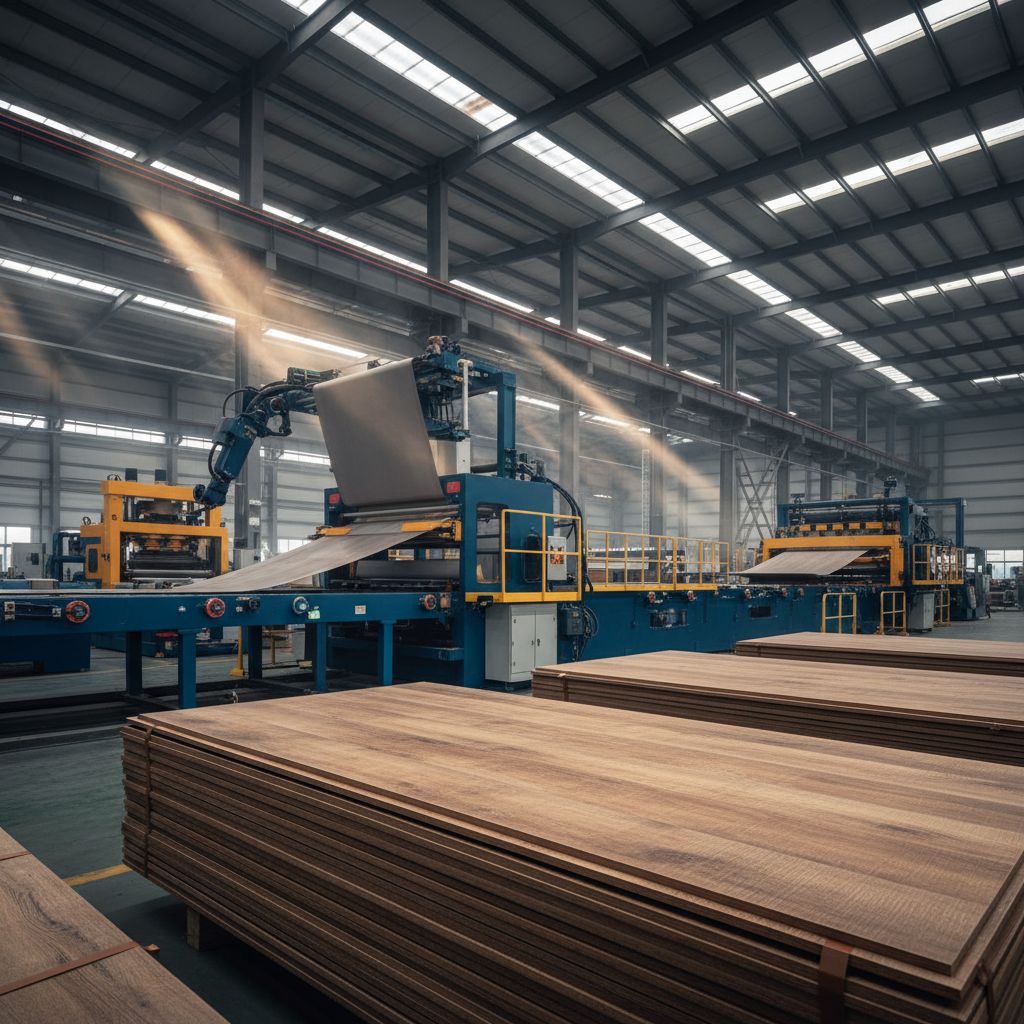 Ultimate Guide to Durable Waterproof SPC Vinyl Flooring StyleWhen renovating a modern home or commercial space, the flooring choice often defines the entire atmosphere. waterproof spc vinyl flooring has emerged as a revolutionary solution for those who refuse to compromise between aesthetic elegance and rugged performance. Standing for Stone Plastic Composite, SPC flooring is engineered to withstand the toughest environments, from moisture-prone bathrooms to high-traffic living rooms. In this comprehensive guide, we will explore why this material is dominating the interior design market and how it can transform your space into a sanctuary of style and resilience.Read More >
Apr 16 2026
-
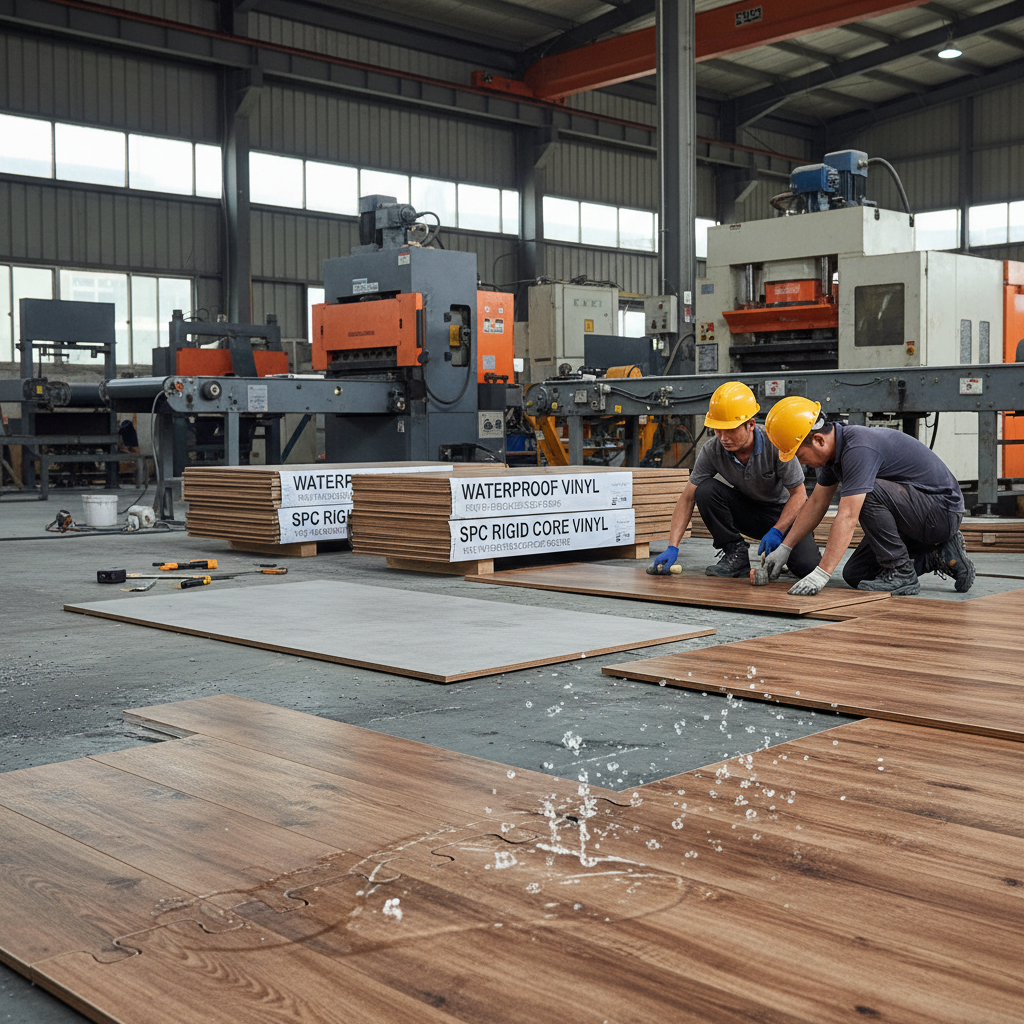 Ultimate Guide to Durable Waterproof SPC Rigid Core Vinyl FlooringChoosing the right flooring for a modern home or commercial space requires a balance between aesthetics and endurance. waterproof spc rigid core vinyl has emerged as a game-changer in the interior design world, offering the timeless look of hardwood with the unmatched resilience of stone polymer composite. Whether you are dealing with high-traffic hallways, moisture-prone bathrooms, or pet-friendly living rooms, this flooring solution provides a stable, waterproof, and scratch-resistant surface. In this comprehensive guide, we will explore why this innovative material is replacing traditional laminate and luxury vinyl planks in contemporary construction.Read More >
Apr 09 2026
-
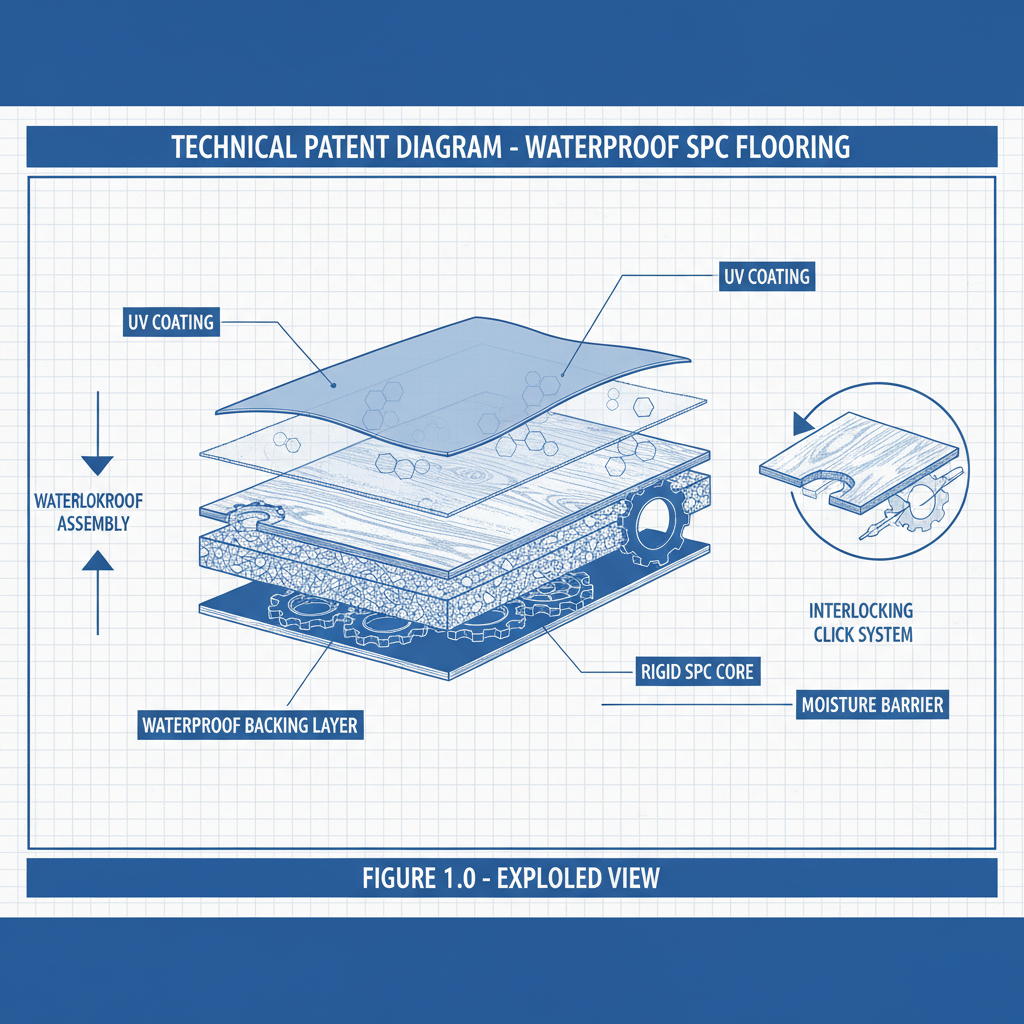 Comprehensive Guide to Waterproof SPC Flooring Durability and InstallationChoosing the right flooring for your home or business is a significant decision. Waterproof SPC flooring has emerged as a popular option due to its durability, affordability, and ease of installation. This article provides an in-depth look at waterproof SPC flooring, covering its benefits, installation process, maintenance, and comparisons with other flooring types. Understanding these aspects will help you determine if SPC flooring is the right choice for your project.Read More >
Apr 07 2026
-
 Discover the Durability and Style of Vinyl SPC Rigid Flooring SolutionsLooking for a durable, waterproof, and stylish flooring solution? Vinyl SPC rigid flooring is quickly becoming the go-to choice for homeowners and businesses alike. This article provides a comprehensive overview of this innovative flooring type, covering its benefits, installation, maintenance, and more. We’ll help you determine if SPC rigid vinyl flooring is the right fit for your project.Read More >
Apr 04 2026
-
 Comprehensive Guide to Durable Vinyl SPC Click Flooring Options and BenefitsChoosing the right flooring for your home or business is a significant decision. Vinyl SPC click flooring has emerged as a popular and durable option, offering a blend of aesthetic appeal and practical benefits. This article will explore the key features, advantages, installation process, and applications of SPC flooring, helping you determine if it's the right choice for your project. From its waterproof nature to its ease of installation, we'll cover everything you need to know.Read More >
Mar 31 2026
 +86 31185293045
  qian@ss711.com

Shijiazhuang Sothink trading Co., LTD.
Our company focuses on product development, production, sales and other all-round services, and is committed to providing customers with high-performance products and high-quality services.