


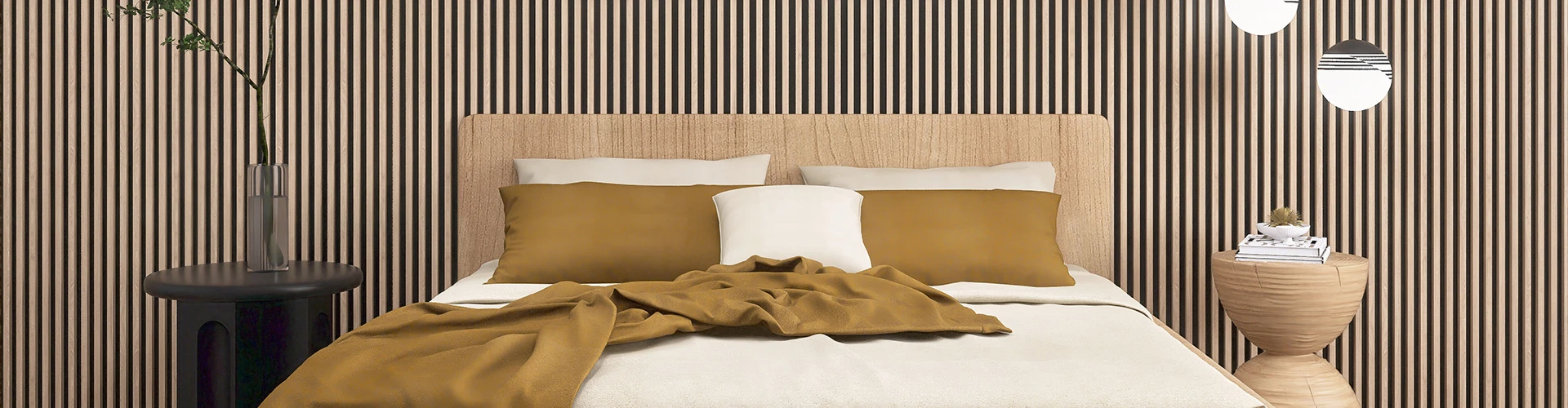
Discover the Benefits and Applications of Hardcore Rigid SPC Flooring | Durable & Eco-Friendly Solutions
The Growing Importance of Hardcore Rigid SPC Flooring
In today’s fast-evolving construction and interior design landscape, hardcore rigid SPC flooring has surfaced as a game-changer—quite literally the backbone beneath our feet. But why does it matter, especially on a global scale? For starters, this material addresses both durability and sustainability challenges—two pressing concerns intensified by rapid urban growth and environmental awareness worldwide.
Think about it: from sprawling commercial hubs in Europe to post-disaster rebuilding efforts in Asia, having a flooring solution that ticks all the boxes—durability, water resistance, ease of maintenance—can’t be understated. Understanding the benefits and uses of hardcore rigid SPC flooring not only helps industry players make informed choices but also subtly enhances living and working conditions everywhere.
Mini takeaway: Hardcore rigid SPC flooring is much more than a fancy buzzword. It’s a practical answer to global demands for resilient, eco-friendly flooring solutions.
Understanding the Global Context
The global flooring market is booming, expected to cross $400 billion by 2027, according to industry forecasts, driven by urbanization and rising construction standards. But here’s a hiccup: traditional flooring options often succumb to moisture, wear, or installation headaches.
Hardcore rigid SPC flooring (Stone Plastic Composite) steps in to solve these problems with its hybrid blend of limestone and PVC—offering a robust surface that’s both waterproof and impressively solid. ISO data on indoor environmental quality emphasizes that such flooring also contributes to healthier living spaces, which is increasingly critical as urban density climbs.
Industries ranging from hospitality to healthcare face ongoing challenges with wear-and-tear, hygiene, and cost pressures—problems that SPC flooring is uniquely poised to alleviate. Plus, in disaster-stricken or high-moisture zones, traditional wood or laminate flooring often fails quickly. Enter SPC floors with their steadfast resistance.
Mini takeaway: Hardcore rigid SPC flooring meets global construction challenges head-on, making it indispensable in modern building projects from tropical climates to cold, humid regions.
What Exactly Is Hardcore Rigid SPC Flooring?
Put simply: hardcore rigid SPC flooring is a type of vinyl floor made from a stone plastic composite core. The "hardcore" refers to the tough limestone core that provides rigidity, while "SPC" denotes the composite material structure. Essentially, it blends together limestone powder, polyvinyl chloride, and stabilizers to create a platform that’s both flexible and rock-solid.
This flooring type is often seen as an evolution of luxury vinyl tile (LVT), but with an ultra-dense core that reduces lippage and increases dimensional stability. It’s extensively used in commercial setups, showrooms, schools, and increasingly, residential spaces that demand long-lasting, water-resistant floors without the maintenance fuss.
Readers often wonder about humanitarian links here—well, the product’s resilience makes it an excellent fit for temporary housing and clinics in disaster-hit zones where reliable materials are scarce but necessary for occupant health and dignity.
Key Features That Make It Different
1. Durability That Endures
Engineers rave about the hardness and scratch resistance SPC flooring offers. It withstands foot traffic, pet claws, and even wheeled chairs without scuffing up. Contrary to some wooden or laminate counterparts, it doesn’t swell or warp in moist conditions—a crucial trait for basements, kitchens, and commercial spaces.
2. Water and Moisture Resistance
Unlike hardwood, SPC flooring is virtually waterproof. This feature allows its use in bathrooms, healthcare centers, and even outdoor-covered areas, where moisture typically demands caution with other flooring types.
3. Cost Efficiency Over Time
While the upfront costs can be moderately higher than some laminates, the lifespan and low maintenance of hardcore rigid SPC flooring mean fewer replacements, less cleaning expense, and so on—making it highly cost-effective in the long run.
4. Ease of Installation
Many SPC products offer click-lock systems for DIY-friendly installation—cutting down labor hours, which is a boon for both commercial contractors and homeowners aiming for swift upgrades.
5. Design Versatility
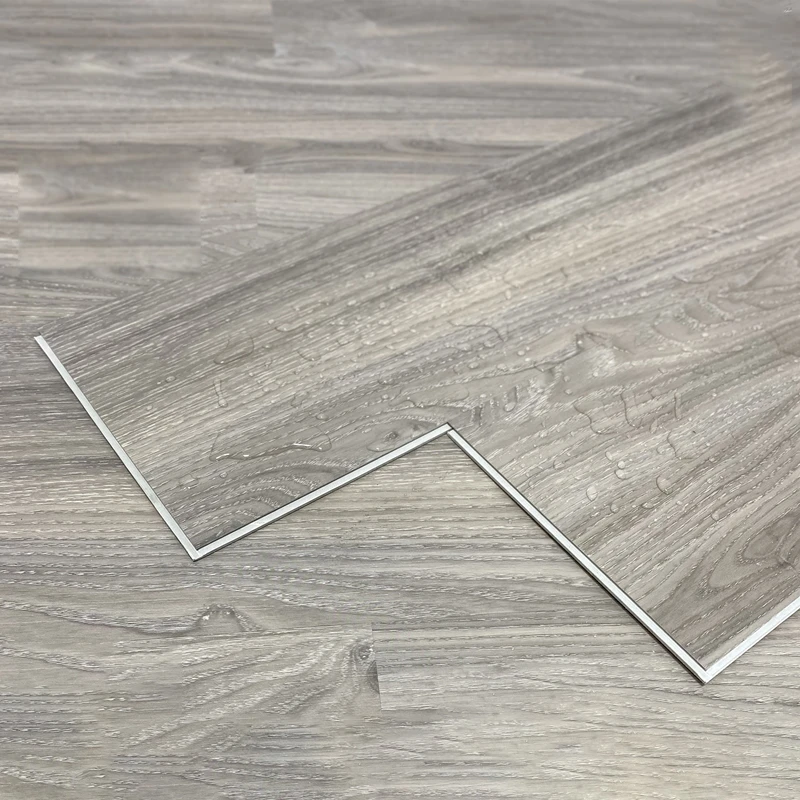
Today’s SPC flooring comes in myriad finishes—from ultra-realistic wood grains to stone effects—so designers aren’t stuck with one aesthetic, helping blend durability with visual appeal.
Mini takeaway:
Four main pillars—durability, water resistance, cost-efficiency, and installation ease—cement SPC flooring as a top option for diverse projects.
Applications Around the World
Hardcore rigid SPC flooring isn’t just for posh urban condos or business suites. It’s a real workhorse globally. In Southeast Asia’s flood-prone zones, many hospitals now fit SPC floors to combat water intrusion and maintain cleanliness. In Northern Europe, where winters wreak havoc on building materials, SPC's dimensional stability shines.
Even NGOs working in disaster relief appreciate SPC floors’ fast, sturdy deployments in temporary shelters, providing refugees safer, cleaner grounds. Logistic warehouses, schools, and retail outlets also increasingly favor SPC for its robustness without bulk maintenance.
| Specification | Typical Value | Notes |
|---|---|---|
| Thickness | 4-8 mm | Varies by brand and use-case |
| Waterproof | 100% | Fully waterproof core |
| Wear Layer Thickness | 0.3-0.7 mm | Impacts scratch resistance |
| Dimensions (Plank Size) | 1220 x 180 mm (typical) | Standard plank size |
| Installation | Click-lock system | DIY-friendly |
Comparing Top Vendors of Hardcore Rigid SPC Flooring
| Vendor | Price Range (per m²) | Certifications | Warranty | Unique Selling Point |
|---|---|---|---|---|
| Sothink Decor | $20 - $35 | ISO 9001, FloorScore | 15 years | High durability & eco-conscious materials |
| QuickPlank | $18 - $30 | Greenguard Certified | 12 years | Superior click-lock tech for easy install |
| Duraplast | $22 - $38 | ISO 14001 Environmental | 20 years | Focus on sustainable production |
Why Choose Hardcore Rigid SPC Flooring? Advantages & Value
- Longevity: Many users report 15+ years with minimal wear. This is roughly double some laminate floors.
- Environmentally Friendly: Contains recycled materials and can be recycled again later. Manufactures like Sothink Decor lead here.
- Maintenance: A simple mop or wipe is often enough—no waxing or polishing required.
- Safety: Low VOC emissions enhance indoor air quality, crucial in schools and medical facilities.
- Comfort & Aesthetics: Injecting warmth and style without sacrificing toughness—it can make even a garage feel inviting.
Oddly enough, in many ways hardcore rigid spc flooring mixes the best of both worlds: innovation and tradition, technology and design, durability and beauty.
The Future: Innovations on the Horizon
Looking ahead, SPC flooring isn’t sitting still. Expect advancements like:
- Enhanced Green Materials: More bio-based binders and mineral fillers reducing plastic content.
- Smart Integration: Embedded sensors monitoring indoor humidity or wear levels.
- Automation in Manufacturing: Using AI for consistent quality control and faster production cycles.
- Improved Recycling: Circular economy models where old SPC planks re-enter the supply chain.
Incorporating digital tools and greener policies will no doubt raise the bar for SPC flooring, supporting sustainable architecture dreams globally.
Common Challenges & How They’re Solved
Sure, no product is perfect. Some challenges with SPC flooring include:
- Temperature Sensitivity: Extreme heat may cause minor expansion; manufacturers now release acclimation guidelines to prevent installation issues.
- Sound Transmission: The rigid core can sometimes produce a hollow sound underfoot—addressed by enhanced underlayments.
- Cost Perception: Higher initial price tag compared to cheaper options; but, as covered earlier, lifetime cost tends to favor SPC.
Industry experts emphasize proper installation and vendor choice—like picking certified suppliers—to avoid common pitfalls.
FAQ: Your SPC Flooring Questions Answered
Q1: Is hardcore rigid SPC flooring suitable for humid climates?
Absolutely. Its limestone core and waterproof qualities make it ideal for regions with high humidity or frequent rainfall.
Q2: How does SPC flooring compare to hardwood in terms of maintenance?
SPC flooring requires far less upkeep—no sanding or refinishing needed. Wiping with a damp mop is often sufficient.
Q3: Can I install SPC flooring myself or should I hire a pro?
Many brands offer click-lock systems designed for DIY installation but skills with leveling the subfloor still matter.
Q4: Is SPC flooring eco-friendly?
Many SPC flooring products use recycled materials and are recyclable themselves. Certifications like FloorScore confirm low emissions.
Q5: How long will SPC flooring last?
With proper care, 15-20 years is common—some industrial grade products can last even longer.
Wrapping It Up: Why Hardcore Rigid SPC Flooring Deserves Your Attention
In a world striving for resilient, sustainable, and beautiful building materials, hardcore rigid SPC flooring is a standout. It’s more than a smart design choice—it’s a practical solution syncing with economic, environmental, and aesthetic needs worldwide.
If you’re part of this global momentum, exploring SPC flooring options sooner rather than later might be wise. Curious to see what cutting-edge options are available? Visit our website to explore top models and expert advice.
Because at the end of the day, the floors beneath you do a lot more than just carry your steps—they shape the way spaces feel, last, and respond to the future.
References:
-
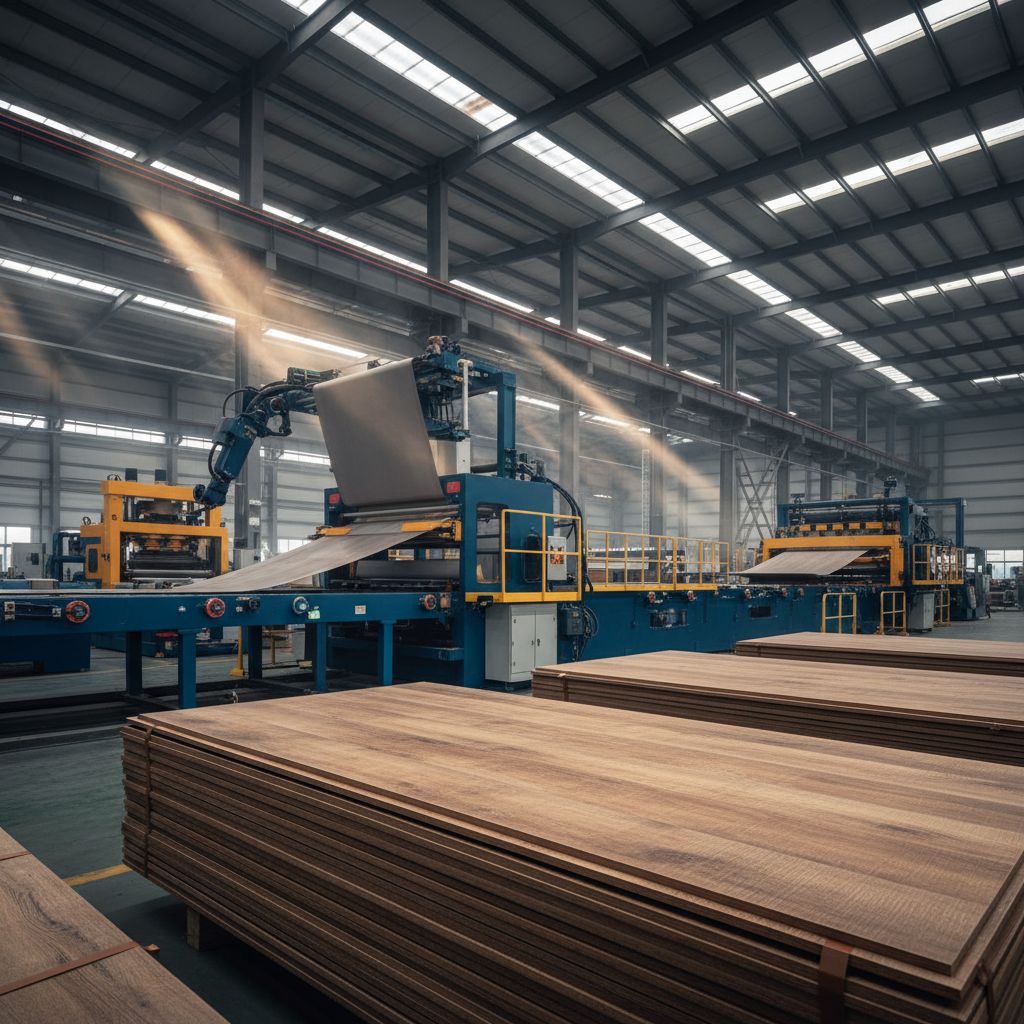 Ultimate Guide to Durable Waterproof SPC Vinyl Flooring StyleWhen renovating a modern home or commercial space, the flooring choice often defines the entire atmosphere. waterproof spc vinyl flooring has emerged as a revolutionary solution for those who refuse to compromise between aesthetic elegance and rugged performance. Standing for Stone Plastic Composite, SPC flooring is engineered to withstand the toughest environments, from moisture-prone bathrooms to high-traffic living rooms. In this comprehensive guide, we will explore why this material is dominating the interior design market and how it can transform your space into a sanctuary of style and resilience.Read More >
Apr 16 2026
-
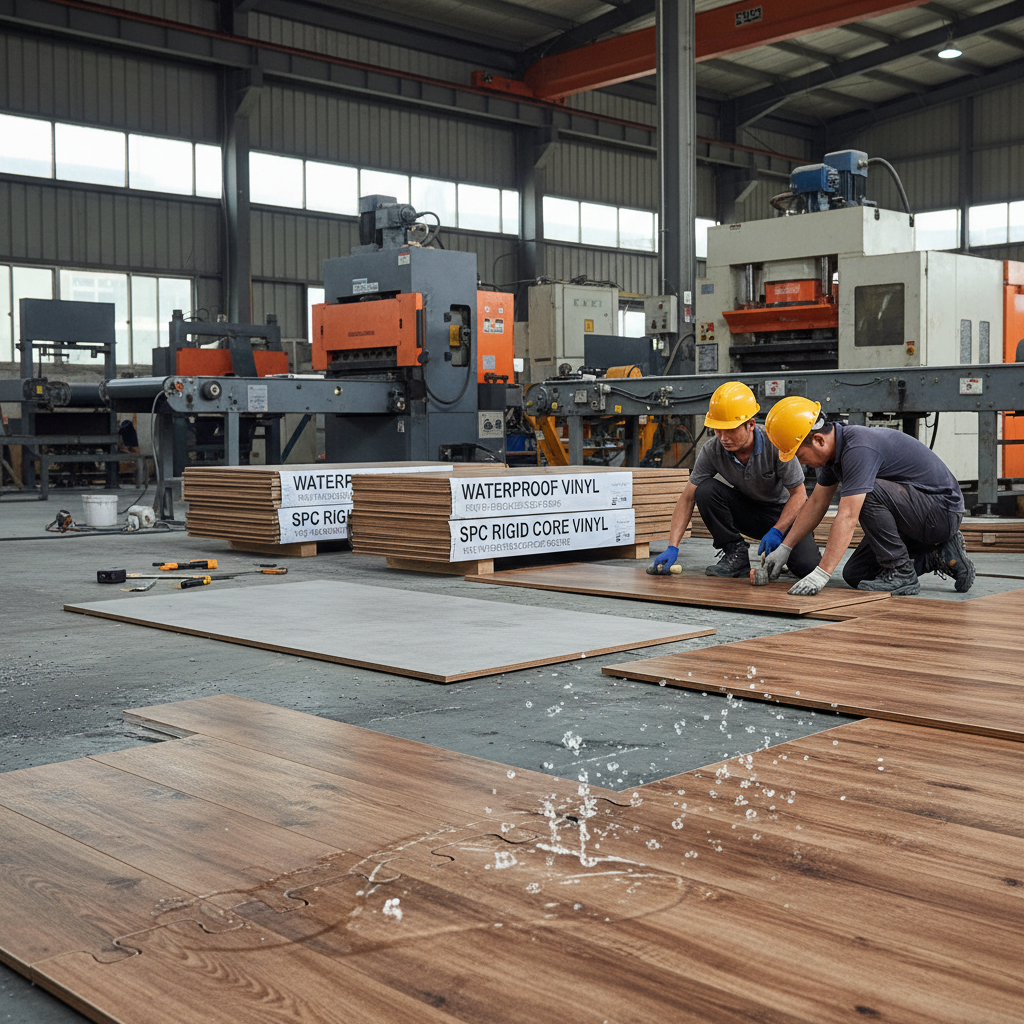 Ultimate Guide to Durable Waterproof SPC Rigid Core Vinyl FlooringChoosing the right flooring for a modern home or commercial space requires a balance between aesthetics and endurance. waterproof spc rigid core vinyl has emerged as a game-changer in the interior design world, offering the timeless look of hardwood with the unmatched resilience of stone polymer composite. Whether you are dealing with high-traffic hallways, moisture-prone bathrooms, or pet-friendly living rooms, this flooring solution provides a stable, waterproof, and scratch-resistant surface. In this comprehensive guide, we will explore why this innovative material is replacing traditional laminate and luxury vinyl planks in contemporary construction.Read More >
Apr 09 2026
-
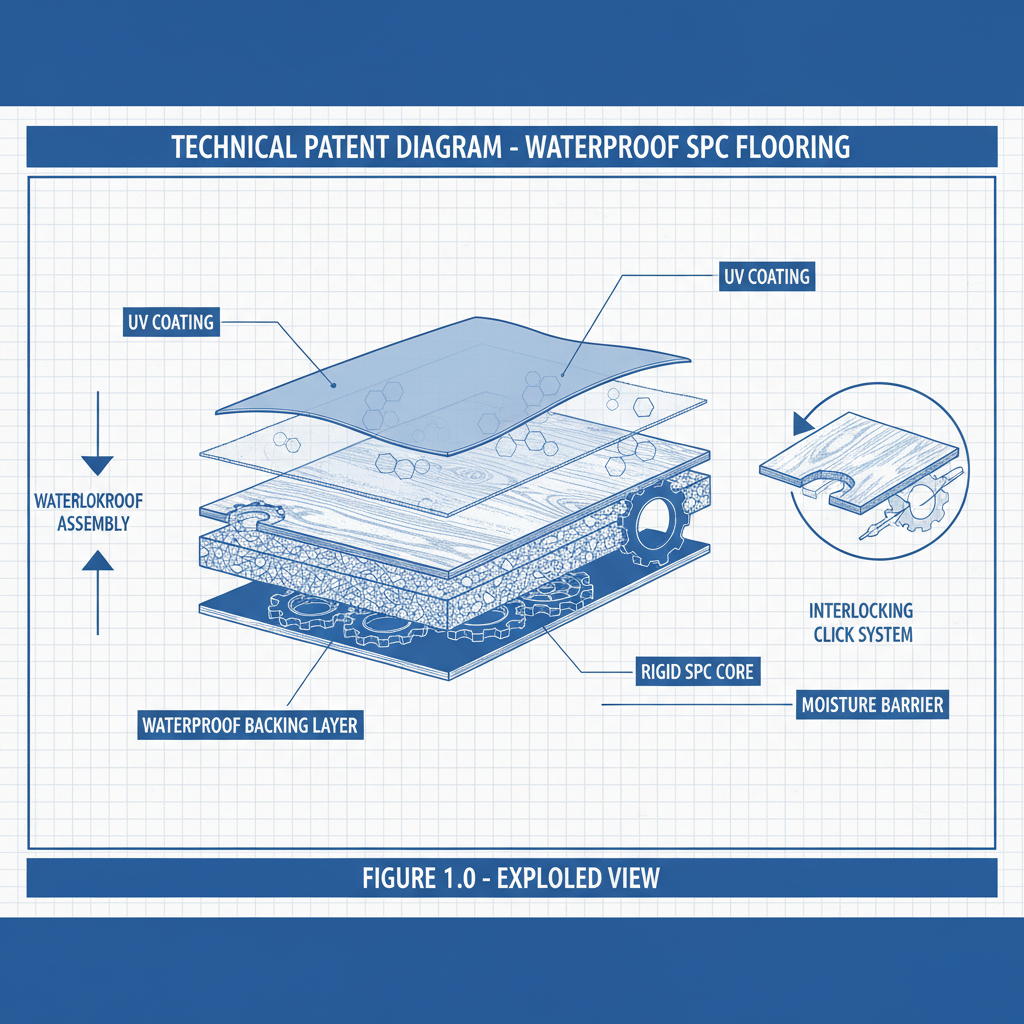 Comprehensive Guide to Waterproof SPC Flooring Durability and InstallationChoosing the right flooring for your home or business is a significant decision. Waterproof SPC flooring has emerged as a popular option due to its durability, affordability, and ease of installation. This article provides an in-depth look at waterproof SPC flooring, covering its benefits, installation process, maintenance, and comparisons with other flooring types. Understanding these aspects will help you determine if SPC flooring is the right choice for your project.Read More >
Apr 07 2026
-
 Discover the Durability and Style of Vinyl SPC Rigid Flooring SolutionsLooking for a durable, waterproof, and stylish flooring solution? Vinyl SPC rigid flooring is quickly becoming the go-to choice for homeowners and businesses alike. This article provides a comprehensive overview of this innovative flooring type, covering its benefits, installation, maintenance, and more. We’ll help you determine if SPC rigid vinyl flooring is the right fit for your project.Read More >
Apr 04 2026
-
 Comprehensive Guide to Durable Vinyl SPC Click Flooring Options and BenefitsChoosing the right flooring for your home or business is a significant decision. Vinyl SPC click flooring has emerged as a popular and durable option, offering a blend of aesthetic appeal and practical benefits. This article will explore the key features, advantages, installation process, and applications of SPC flooring, helping you determine if it's the right choice for your project. From its waterproof nature to its ease of installation, we'll cover everything you need to know.Read More >
Mar 31 2026
 +86 31185293045
  qian@ss711.com

Shijiazhuang Sothink trading Co., LTD.
Our company focuses on product development, production, sales and other all-round services, and is committed to providing customers with high-performance products and high-quality services.