


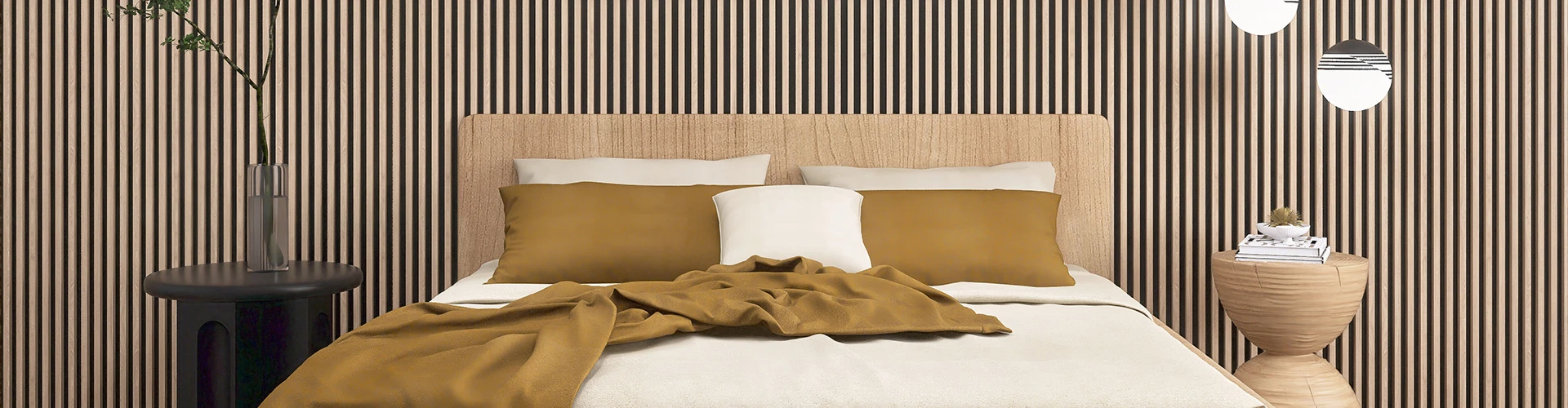
High Quality SPC Flooring – Durable, Waterproof & Sustainable Flooring Solutions
Understanding High Quality SPC Flooring: A Global Perspective
When you hear “high quality SPC flooring,” you might think just another type of floor covering. But in reality, it’s a solution that’s reshaping how we think about durable, cost-effective, and sustainable flooring worldwide. As cities grow and industries expand, the demand for reliable flooring that’s both user-friendly and environmentally smart continues to soar. SPC — or Stone Plastic Composite — flooring fits this bill perfectly.
Globally, flooring solutions account for billions in construction and renovation budgets annually, and choosing the right product not only impacts aesthetics but long-term maintenance costs, environmental footprint, and occupant safety. So understanding what makes high quality SPC flooring tick becomes more than just trivia; it’s crucial for architects, builders, and facility managers everywhere.
Why High Quality SPC Flooring Matters Globally
Globally, the construction sector is a massive contributor to resource use and carbon emissions. According to ISO, sustainable building materials have become essential targets in reducing environmental impact. Flooring — often overlooked — represents a significant portion of those materials.
SPC flooring addresses key challenges: it’s waterproof, highly durable, and kind of like a chameleon, able to fit design needs while being easy on wallets over time. The World Bank estimates urban populations will continue rising, meaning the infrastructure demand will skyrocket — and so will the need for reliable flooring solutions that stand the test of time and climate.
What Exactly Is High Quality SPC Flooring?
SPC stands for Stone Plastic Composite, a type of rigid core flooring crafted from limestone (stone powder), polyvinyl chloride (PVC), and stabilizers. High quality SPC flooring means the product meets stringent standards for durability, thickness, wear resistance, and environmental safety — more than just a few cheap layers pressed together.
Think of it as the aircraft-grade version of vinyl floors; engineered for strength and longevity. Its industrial backbone makes it ideal for places needing resistance against daily wear, water spills, and temperature changes — connecting nicely with modern construction and even humanitarian projects where durability and hygiene are vital.
Key Components and Why They Matter
1. Durability
SPC’s rigid core provides incredible resistance to dents and scratches. Unlike traditional vinyl, it doesn’t flex easily, maintaining a flat surface longer.
2. Waterproofing
Thanks to its stone composite core, it’s highly resistant to moisture infiltration — making it perfect for bathrooms, kitchens, or even industrial sites where spills happen.
3. Easy Installation
Many high quality SPC floors use click-lock systems, allowing for quick, glue-free installation. This saves labor costs and downtime, especially at scale.
4. Design Versatility
SPC can replicate wood, stone, or tile with a very realistic printed surface layer, satisfying aesthetics demands without sacrificing function.
5. Cost Efficiency
While initial costs may be higher than low-end vinyl, life-cycle costs turn favorable because of its long lifespan and low maintenance.
Typical Specifications of a High Quality SPC Flooring Panel
| Specification | Typical Value | Notes |
|---|---|---|
| Thickness | 4 - 7 mm | Thicker means better dimensional stability |
| Wear Layer | 0.3 - 0.7 mm (PU coated) | Higher wear layer increases lifespan |
| Water Absorption Rate | Essential for wet areas | |
| Fire Rating | Bfl-s1 | Complies with European fire safety standards |
| Dimensions per Plank | 1215 x 180 mm | Standard size for easy layout |
Where High Quality SPC Flooring Finds Its Footing
SPC flooring isn’t just for fancy residential interiors — it’s a workhorse across the globe.
- Urban Residential Projects: High-rises in Asia and Europe increasingly rely on SPC for noise reduction and moisture resistance.
- Healthcare Facilities: Hospitals, clinics, and labs love SPC’s hygiene-friendly, easy-to-clean surfaces.
- Remote Industrial Zones: Oil rigs and mining camps in Australia and Canada use it for resilience against tough conditions.
- Post-Disaster Relief Housing: NGOs deploy modular buildings with robust SPC flooring for quick, safe shelter.
For instance, after the 2019 floods in Southeast Asia, relief organizations opted for modular homes outfitted with waterproof and durable SPC floors — minimizing repairs and improving overall living conditions.
The Advantage of Going High Quality: More Than Just Floor
Okay, so why specifically insist on “high quality” when it comes to SPC flooring? The difference isn’t trivial:
- Cost Savings Over Time: Durable materials mean fewer replacements and repairs — a real boon for facilities managers.
- Sustainability: Some manufacturers now source recycled limestone and use low-emission production processes cutting carbon footprints.
- Comfort and Safety: High quality SPC often features enhanced underlayment compatibility and anti-slip surfaces, crucial for homes and workplaces.
- Peace of Mind: Certifications from ISO or similar bodies ensure the product meets environmental and safety requirements — critical for public buildings.
It’s a blend of emotion and logic — you want a safe, attractive home or workspace, but you also want to invest in something that protects the planet and your wallet. SPC ticks many of those boxes.
Comparing Top Vendors of High Quality SPC Flooring
| Vendor | Thickness Range (mm) | Wear Layer (mm) | Warranty | Notable Features |
|---|---|---|---|---|
| Sothink Decor | 4 - 7 | 0.3 - 0.7 | 15 Years | Eco-friendly materials, high quality spc flooring certified |
| FloorTech Pro | 5 - 6 | 0.4 - 0.5 | 10 Years | Premium waterproof core, anti-bacterial coating |
| GlobalPlank | 4 - 6.5 | 0.3 - 0.6 | 12 Years | Fire resistant options, wide color range |
Emerging Trends in SPC Flooring
The industry isn’t sitting still. Biodegradable components, digital printing enhancements for ultra-realistic textures, and integration with smart home floors that monitor wear are just some avenues being explored.
Producers are increasingly applying ISO’s sustainability guidelines, and there’s a clear push towards mixing recycled content without decreasing quality. Automated installation robotics—oddly enough—are also on the horizon, which could streamline massive projects.
Common Challenges and Smart Solutions
Though robust, SPC flooring isn’t exempt from issues. Some low-end products may emit volatile organic compounds (VOCs), causing indoor air quality concerns. Installation errors can lead to peaking or gaps.
Experts recommend purchasing from certified producers with transparent material sourcing. Proper subfloor preparation and acclimatization are critical — no shortcut there! Plus, innovations in zero-VOC adhesives and click-lock improvements have helped overcome traditional drawbacks.
FAQ: Your High Quality SPC Flooring Questions Answered
- Q: How does SPC flooring compare to traditional vinyl in wet areas?
- A: SPC flooring offers superior waterproofing thanks to its mineral stone core. It won’t warp or swell like vinyl when exposed to prolonged moisture, making it ideal for bathrooms or commercial kitchens.
- Q: What’s the average lifespan of high quality SPC flooring in high-traffic spaces?
- A: With proper installation and maintenance, high quality SPC floors can last 15 to 20 years, outperforming many traditional flooring types in durability and wear resistance.
- Q: Is SPC flooring environmentally friendly?
- A: Top-tier SPC flooring includes recycled materials and meets low-VOC emission standards, contributing to greener building certifications like LEED.
- Q: Can I install SPC flooring myself?
- A: Many high quality SPC floors employ a click-lock system that’s DIY-friendly. However, ensuring a clean, flat subfloor is key to avoid issues after installation.
- Q: How do I maintain SPC flooring?
- A: Maintenance usually involves simple sweeping or mopping with non-abrasive cleaners. Avoid harsh chemicals or excessive water to prolong the floor’s wear layer.
Final Thoughts
Ultimately, choosing high quality spc flooring isn’t just a purchase; it’s an investment in a space’s durability, safety, and future adaptability. Especially as we aim for greener, longer-lasting building materials, SPC flooring offers a modern, practical solution. Whether for a sprawling urban development, a healthcare environment, or even a remote industrial camp, it stands firm, reflects good taste, and embraces sustainability.
If you’re ready to explore tailored, top-notch flooring, don’t hesitate to visit our website: https://www.sothinkdecor.com. Trust me, your floors (and feet) will thank you.
References
-
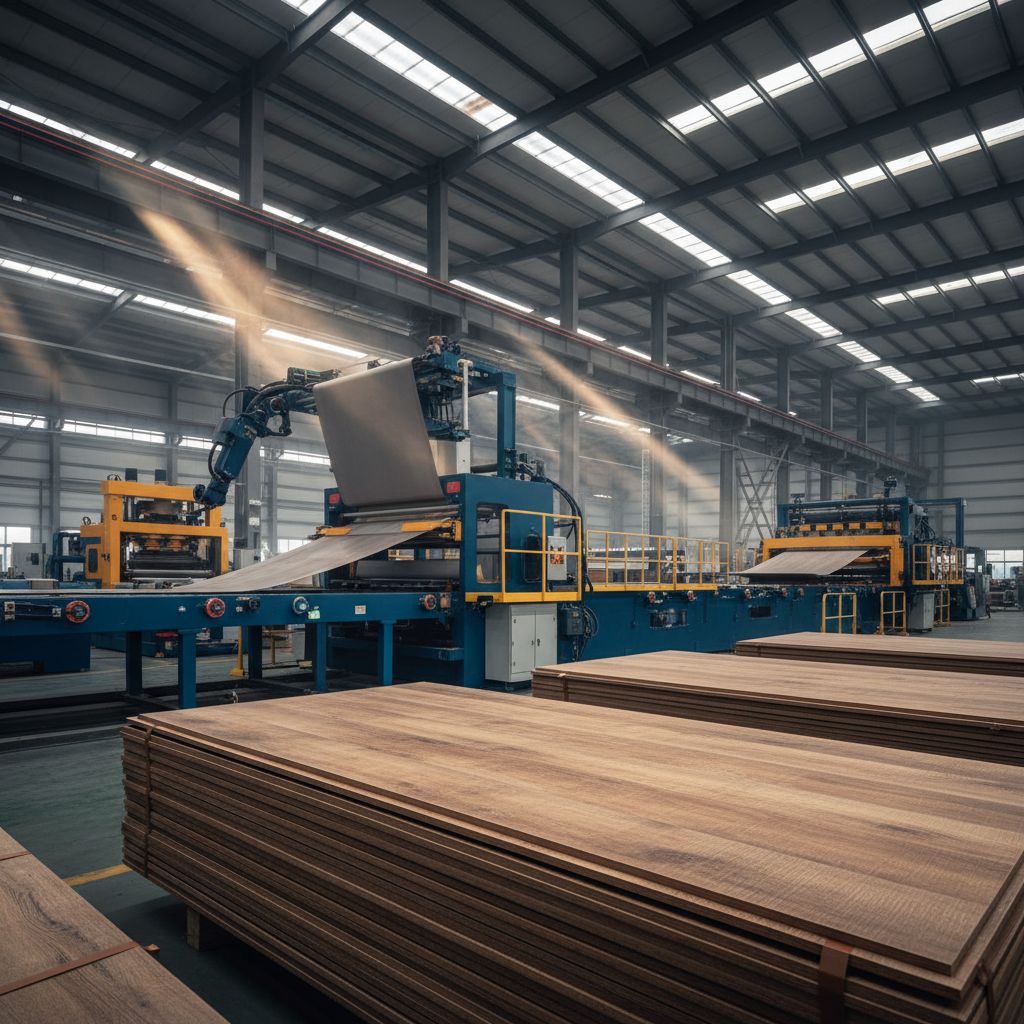 Ultimate Guide to Durable Waterproof SPC Vinyl Flooring StyleWhen renovating a modern home or commercial space, the flooring choice often defines the entire atmosphere. waterproof spc vinyl flooring has emerged as a revolutionary solution for those who refuse to compromise between aesthetic elegance and rugged performance. Standing for Stone Plastic Composite, SPC flooring is engineered to withstand the toughest environments, from moisture-prone bathrooms to high-traffic living rooms. In this comprehensive guide, we will explore why this material is dominating the interior design market and how it can transform your space into a sanctuary of style and resilience.Read More >
Apr 16 2026
-
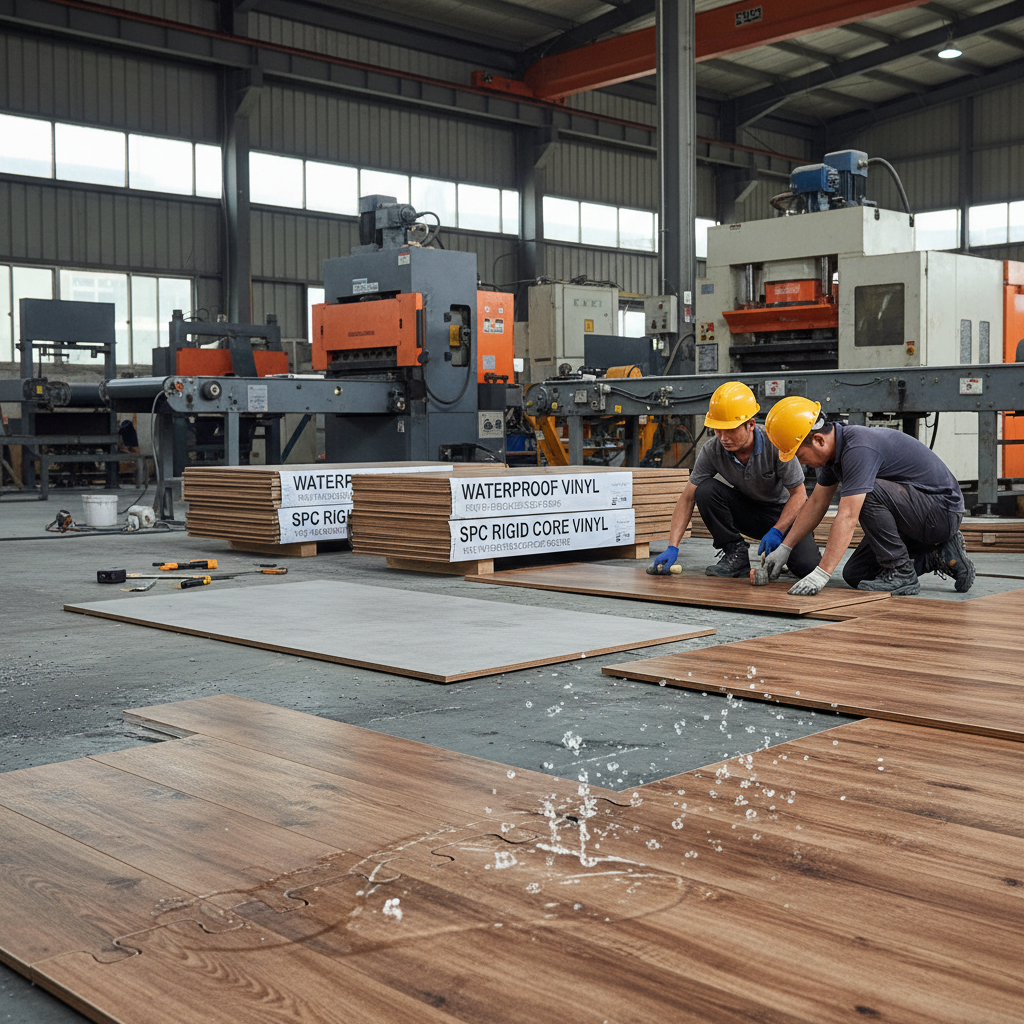 Ultimate Guide to Durable Waterproof SPC Rigid Core Vinyl FlooringChoosing the right flooring for a modern home or commercial space requires a balance between aesthetics and endurance. waterproof spc rigid core vinyl has emerged as a game-changer in the interior design world, offering the timeless look of hardwood with the unmatched resilience of stone polymer composite. Whether you are dealing with high-traffic hallways, moisture-prone bathrooms, or pet-friendly living rooms, this flooring solution provides a stable, waterproof, and scratch-resistant surface. In this comprehensive guide, we will explore why this innovative material is replacing traditional laminate and luxury vinyl planks in contemporary construction.Read More >
Apr 09 2026
-
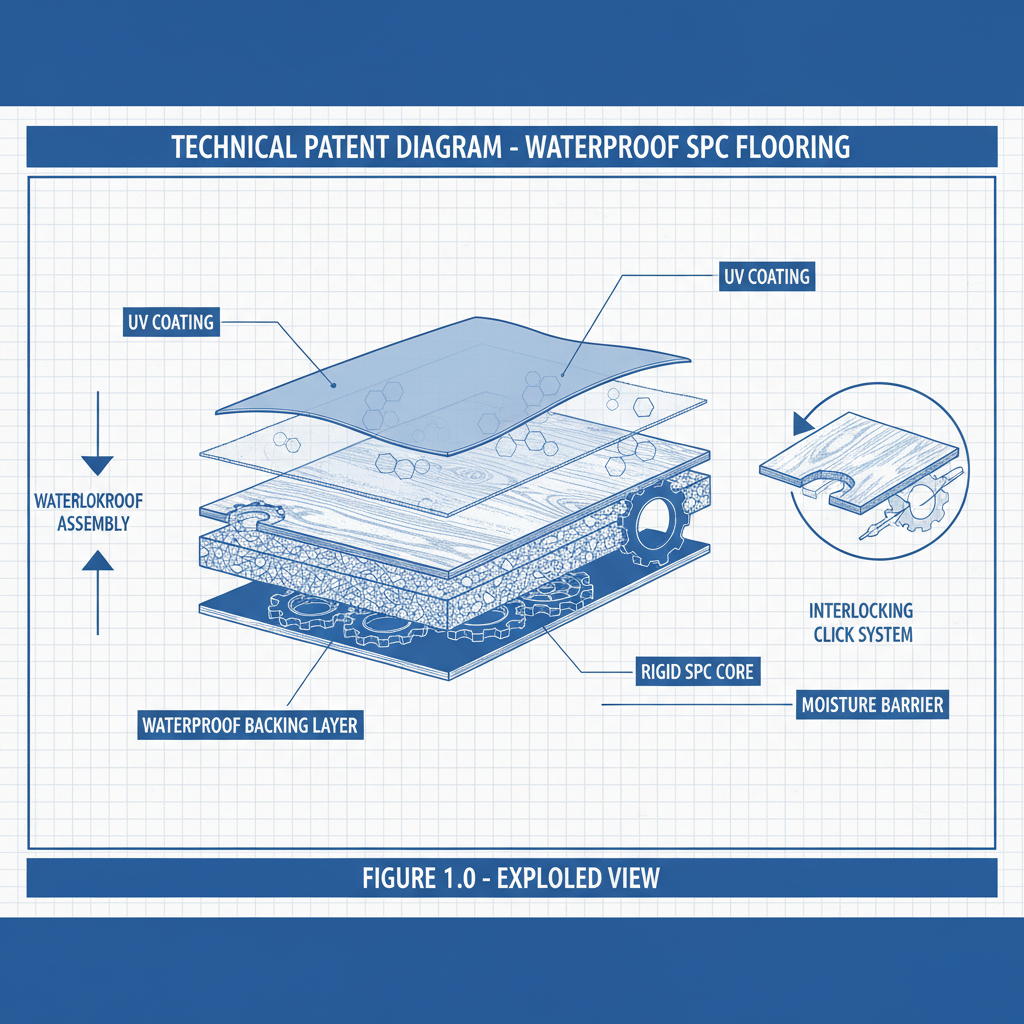 Comprehensive Guide to Waterproof SPC Flooring Durability and InstallationChoosing the right flooring for your home or business is a significant decision. Waterproof SPC flooring has emerged as a popular option due to its durability, affordability, and ease of installation. This article provides an in-depth look at waterproof SPC flooring, covering its benefits, installation process, maintenance, and comparisons with other flooring types. Understanding these aspects will help you determine if SPC flooring is the right choice for your project.Read More >
Apr 07 2026
-
 Discover the Durability and Style of Vinyl SPC Rigid Flooring SolutionsLooking for a durable, waterproof, and stylish flooring solution? Vinyl SPC rigid flooring is quickly becoming the go-to choice for homeowners and businesses alike. This article provides a comprehensive overview of this innovative flooring type, covering its benefits, installation, maintenance, and more. We’ll help you determine if SPC rigid vinyl flooring is the right fit for your project.Read More >
Apr 04 2026
-
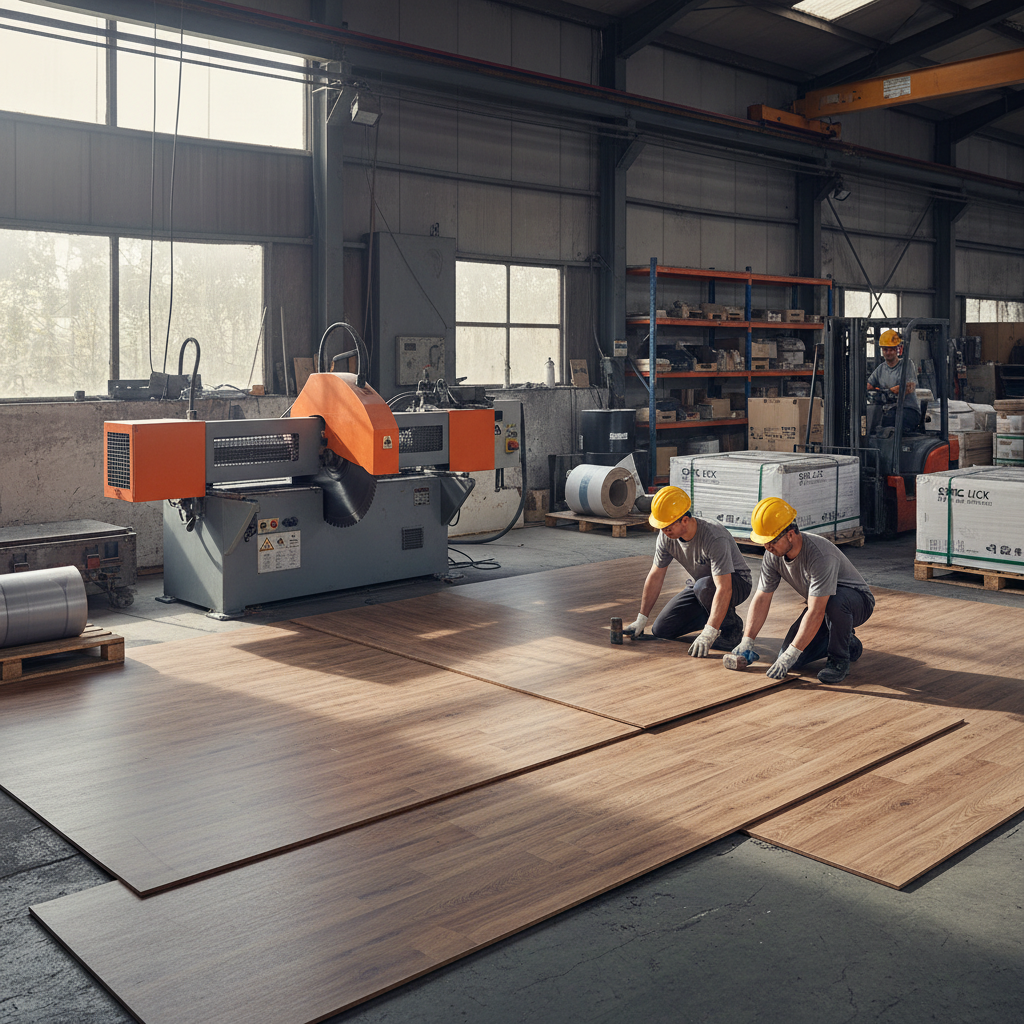 Comprehensive Guide to Durable Vinyl SPC Click Flooring Options and BenefitsChoosing the right flooring for your home or business is a significant decision. Vinyl SPC click flooring has emerged as a popular and durable option, offering a blend of aesthetic appeal and practical benefits. This article will explore the key features, advantages, installation process, and applications of SPC flooring, helping you determine if it's the right choice for your project. From its waterproof nature to its ease of installation, we'll cover everything you need to know.Read More >
Mar 31 2026
 +86 31185293045
  qian@ss711.com

Shijiazhuang Sothink trading Co., LTD.
Our company focuses on product development, production, sales and other all-round services, and is committed to providing customers with high-performance products and high-quality services.