


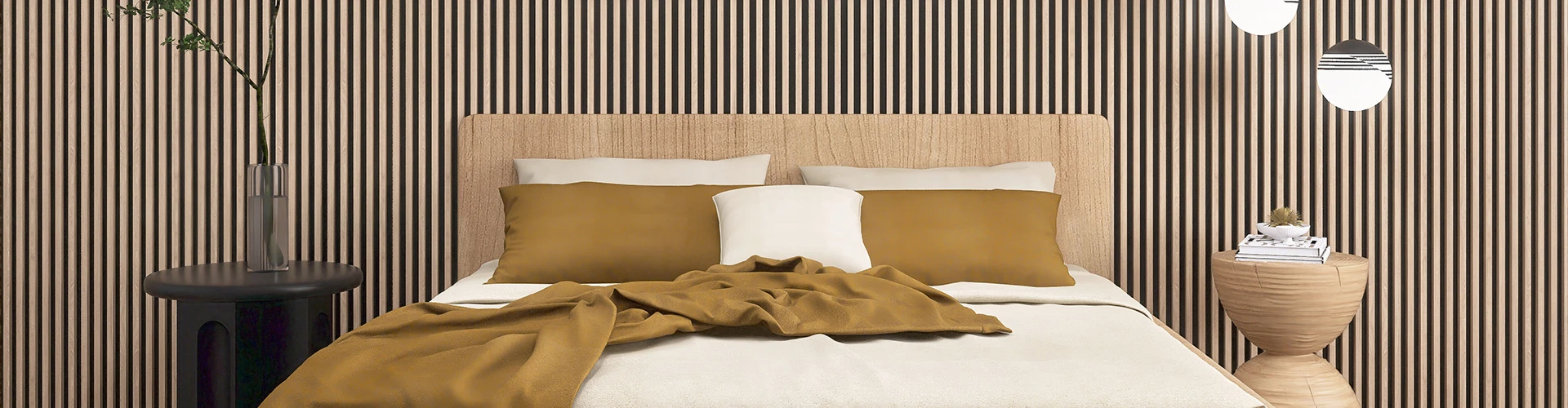
Everything You Need to Know About Installing SPC Flooring – Durable, Efficient, Sustainable
Getting to Know Installing SPC Flooring: Why It Matters Globally
If you've recently stumbled across the term installing SPC flooring, you're not alone. This modern flooring solution is quietly making waves across residential, commercial, and industrial sectors worldwide. But what’s the big deal? SPC — that’s Stone Plastic Composite — is changing how we think about durability, moisture resistance, and quick-install construction. It matters globally because, well, floors are everywhere and demand smarter materials that blend efficiency with long-term sustainability. Knowing how to install SPC flooring, not just what it is, brings real advantages: faster projects, fewer callbacks, and surfaces that keep looking great even in tough environments. ---Introduction: The Global Context Behind Installing SPC Flooring
The flooring industry, surprisingly, is an unsung hero in global infrastructure development. According to the International Organization for Standardization (ISO), resilient flooring materials like SPC have seen a 20% annual growth since 2018 — a sign that innovation is driving demand for better building solutions.1 Globally, with rising urbanization rates (UN estimates urban dwellers will constitute 68% of the population by 2050), floors must withstand heavier foot traffic, environmental fluctuations, and budget constraints.2 Installing SPC flooring addresses a key challenge: how to deliver affordable, durable floors that don’t sacrifice aesthetics or sustainability. Traditional hardwood or tile installations often require longer lead times and more maintenance. SPC flooring’s rapid installation and resistance to moisture make it a top candidate for regions facing climate unpredictability — from coastal Southeast Asia to flood-prone parts of Europe. ---Defining Installing SPC Flooring: Simple but Powerful
At its core, installing SPC flooring means placing floor panels made from a Stone Plastic Composite core — a mix of limestone and stabilizing PVC — onto prepared subfloors. The process typically involves locking together rigid, thin planks that look similar to wood or stone but resist dents, swelling, and wear. Unlike laminate or vinyl alternatives, SPC is waterproof and dimensionally stable, which means fewer problems after installation. In practical terms, installing SPC flooring fits perfectly into modern construction: modular projects, fast-track renovations, or even humanitarian housing where time and resource efficiency matter. NGOs and disaster-relief agencies increasingly rely on SPC because it combines resilience with fast deployment, raising the standard for quality in tough settings. ---Core Components One Should Know
Durability
The limestone-derived SPC core is what sets this flooring apart. It won’t warp or crack easily, even under heavy impact, making it ideal for industrial sites or bustling public spaces.Ease of Installation
SPC planks use click-lock mechanisms, which means no glue or nails. This speeds up job completion by as much as 30% compared to traditional tiles or hardwood install.Water and Moisture Resistance
Unlike wood, SPC will not absorb water or swell. Perfect for bathrooms, basements, or even outdoor covered areas.Cost Efficiency
The material cost, combined with lower labor time, balances out well — giving you long-term savings without sacrificing appearance or performance.Environmental Impact
While it’s PVC-based, many manufacturers now incorporate recycled materials and meet ISO environmental standards for low VOC emissions. Mini takeaway: Installing SPC flooring blends durable material science with installation know-how, making it a go-to solution for modern challenges. ---Global Applications and Real-World Use Cases
SPC flooring is no longer a niche product. Around the globe, builders trust it in various environments: - Southeast Asia: Frequent high humidity means many residential and hospitality projects prefer SPC for its moisture-resistant properties. - European healthcare facilities: Sterile, easy-to-clean floors are crucial. SPC flooring passes antimicrobial tests, making it a consistent choice. - North American retail stores: Fast turnover and heavy foot traffic demand resilient, easily repairable flooring. - Disaster Relief Housing: NGOs in post-hurricane zones have adopted SPC flooring for rapid setup in prefab shelters — combining speed with strong durability. For example, the NGO ShelterTech used modular huts with SPC floors in the Philippines after Typhoon Haiyan, reducing setup time and maintenance drastically. ---Advantages & Long-Term Value of Installing SPC Flooring
From a cost standpoint, SPC lowers maintenance and replacement frequency. A floor lasting 15+ years without warping or cracking is a solid investment. Emotionally, users appreciate feeling safe underfoot—no sudden slips or chipped edges. Customers often report a “peace of mind” factor because it simply performs, every day, in all conditions. Sustainability-wise, the long product life reduces waste, and many companies now recycle production scraps or use bio-based coatings to reduce VOC emissions. Pair that with easier cleaning requiring fewer chemicals, and the eco profile improves. ---Future Trends Shaping Installing SPC Flooring
The flooring world is quietly buzzing with innovation: - Smart SPC tiles with embedded sensors to track foot traffic or temperature. - New formulas reducing PVC content further to boost recyclability. - Integration with digital installation tools, like augmented reality guides for installers to speed accuracy. - Government incentives pushing for sustainable materials are sparking green certification schemes, especially in Europe and North America. I think we’ll soon see a blend of automation and environmental consciousness that’ll make SPC flooring even more attractive for projects aiming at net-zero standards. ---Challenges & Clever Solutions
Sure, no product is perfect. SPC flooring can be heavy compared to vinyl, making it a little tough for DIYers to handle. Some critics say rigid edges might feel cold or hard, but these complaints often fade when balanced against the durability benefits. Installation requires a well-leveled substrate — if the subfloor is uneven, SPC planks can flex and eventually wear through. Intelligent use of underlayment, and sometimes self-leveling compound, addresses this problem. Finally, while many SPC floors advertise zero VOCs, quality control varies, so buying from certified vendors matters a lot to avoid indoor air quality issues. ---Product Specification Table: Typical SPC Flooring Panel
| Specification | Value |
|---|---|
| Core Material | Stone Plastic Composite (Limestone + PVC) |
| Thickness | 4-8 mm |
| Wear Layer | 0.3-0.7 mm (UV-coated) |
| Installation Type | Click-lock, Glue-free |
| Water Resistance | 100% Waterproof |
| Fire Rating | Class B1 (Euro Fire Standard) |
| Warranty | 15-25 Years (Residential) |
Vendor Comparison: Leading SPC Flooring Manufacturers
| Vendor | Price Range (per sqm) | Highlights | Certifications |
|---|---|---|---|
| StoneTech | $20 - $35 | High wear layer, color-stable | ISO 14001, FloorScore |
| FlexPlank | $15 - $30 | Wide design variety, competitive pricing | GREENGUARD Gold |
| EcoFloor | $25 - $40 | Recycled content; eco-focused | LEED certified supplier |
Frequently Asked Questions About Installing SPC Flooring
Q: How long does it take to install SPC flooring compared to traditional hardwood?
A: Installing SPC flooring is roughly 30-40% faster than traditional hardwood because it uses a click-lock system rather than nails or glue. On a typical 100 sqm space, professional teams can complete installation within 1-2 days, versus several days or more for hardwood.
Q: Is SPC flooring suitable for underfloor heating?
A: Yes, SPC flooring’s dimensional stability and heat resistance make it compatible with electric or water-based underfloor heating systems. Just ensure installers follow manufacturer guidelines for temperature limits and acclimatization.
Q: What kind of maintenance does SPC flooring require?
A: Maintenance is minimal: regular sweeping or vacuuming and occasional damp mopping with non-abrasive cleaners suffice. SPC’s wear layer resists scratches, so you avoid refinishing needs common with hardwood floors.
Q: Can SPC flooring be installed over existing floors?
A: Often yes, as long as the existing floor is smooth, stable, and clean. Minor unevenness may require leveling, but SPC’s rigid core tolerates small imperfections better than laminate or vinyl.
Q: Is SPC flooring eco-friendly?
A: While SPC contains PVC, many manufacturers now use recycled materials and low-VOC top layers to meet environmental standards. Choosing certified products ensures minimal indoor air quality impact and better sustainability profiles.
---Conclusion: Why Installing SPC Flooring Is a Smart Long-Term Choice
Looking ahead, installing SPC flooring isn’t just a trendy option. It’s a sensible, future-forward solution that answers today’s global needs for durability, fast installation, cost efficiency, and sustainability. Whether you’re upgrading a hospital floor in Berlin, decking out a retail chain in Chicago, or outfitting emergency shelters in the Philippines, SPC flooring checks the boxes. Curious to level up your flooring game? Visit our website for expert guides, detailed product lines, and installation support: installing spc flooring. ---References
- ISO Standards on Resilient Flooring - iso.org
- United Nations Urbanization Statistics - population.un.org
- World Bank Infrastructure Insights - worldbank.org
-
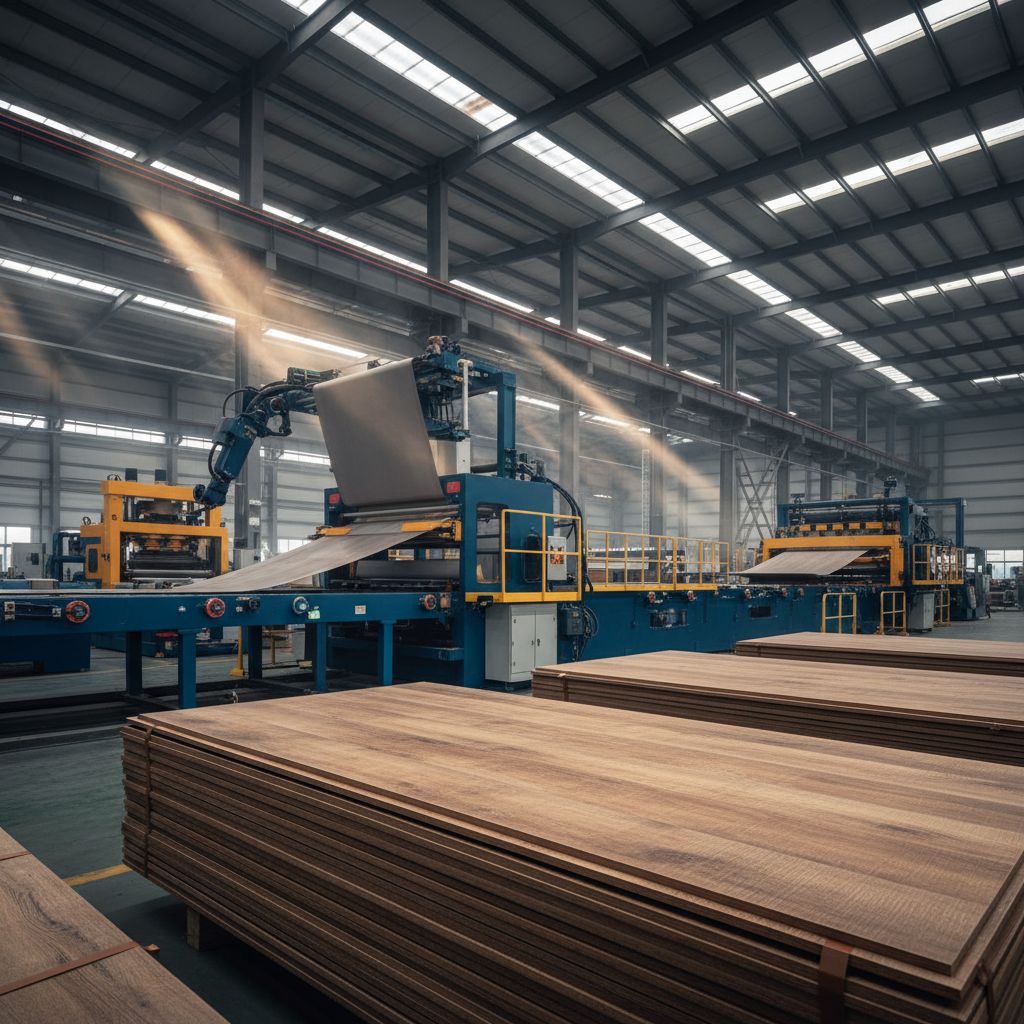 Ultimate Guide to Durable Waterproof SPC Vinyl Flooring StyleWhen renovating a modern home or commercial space, the flooring choice often defines the entire atmosphere. waterproof spc vinyl flooring has emerged as a revolutionary solution for those who refuse to compromise between aesthetic elegance and rugged performance. Standing for Stone Plastic Composite, SPC flooring is engineered to withstand the toughest environments, from moisture-prone bathrooms to high-traffic living rooms. In this comprehensive guide, we will explore why this material is dominating the interior design market and how it can transform your space into a sanctuary of style and resilience.Read More >
Apr 16 2026
-
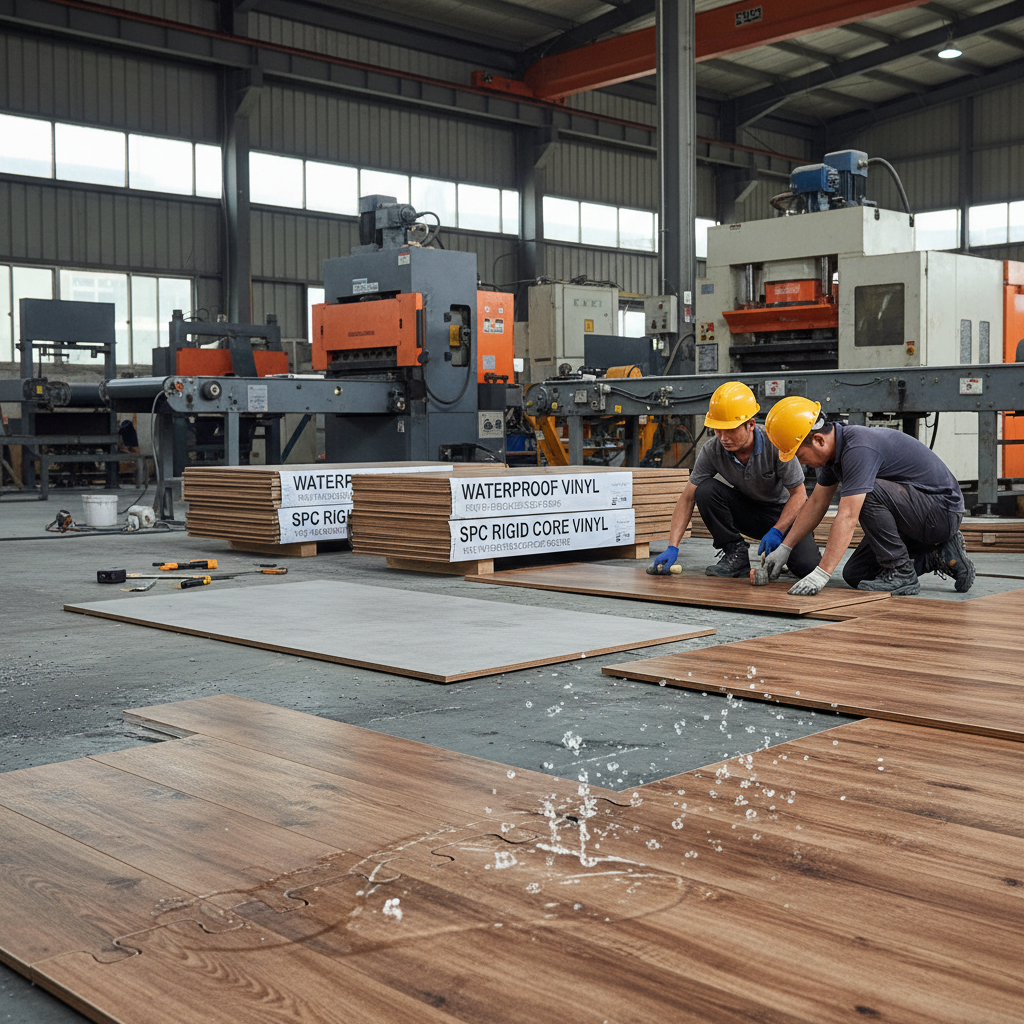 Ultimate Guide to Durable Waterproof SPC Rigid Core Vinyl FlooringChoosing the right flooring for a modern home or commercial space requires a balance between aesthetics and endurance. waterproof spc rigid core vinyl has emerged as a game-changer in the interior design world, offering the timeless look of hardwood with the unmatched resilience of stone polymer composite. Whether you are dealing with high-traffic hallways, moisture-prone bathrooms, or pet-friendly living rooms, this flooring solution provides a stable, waterproof, and scratch-resistant surface. In this comprehensive guide, we will explore why this innovative material is replacing traditional laminate and luxury vinyl planks in contemporary construction.Read More >
Apr 09 2026
-
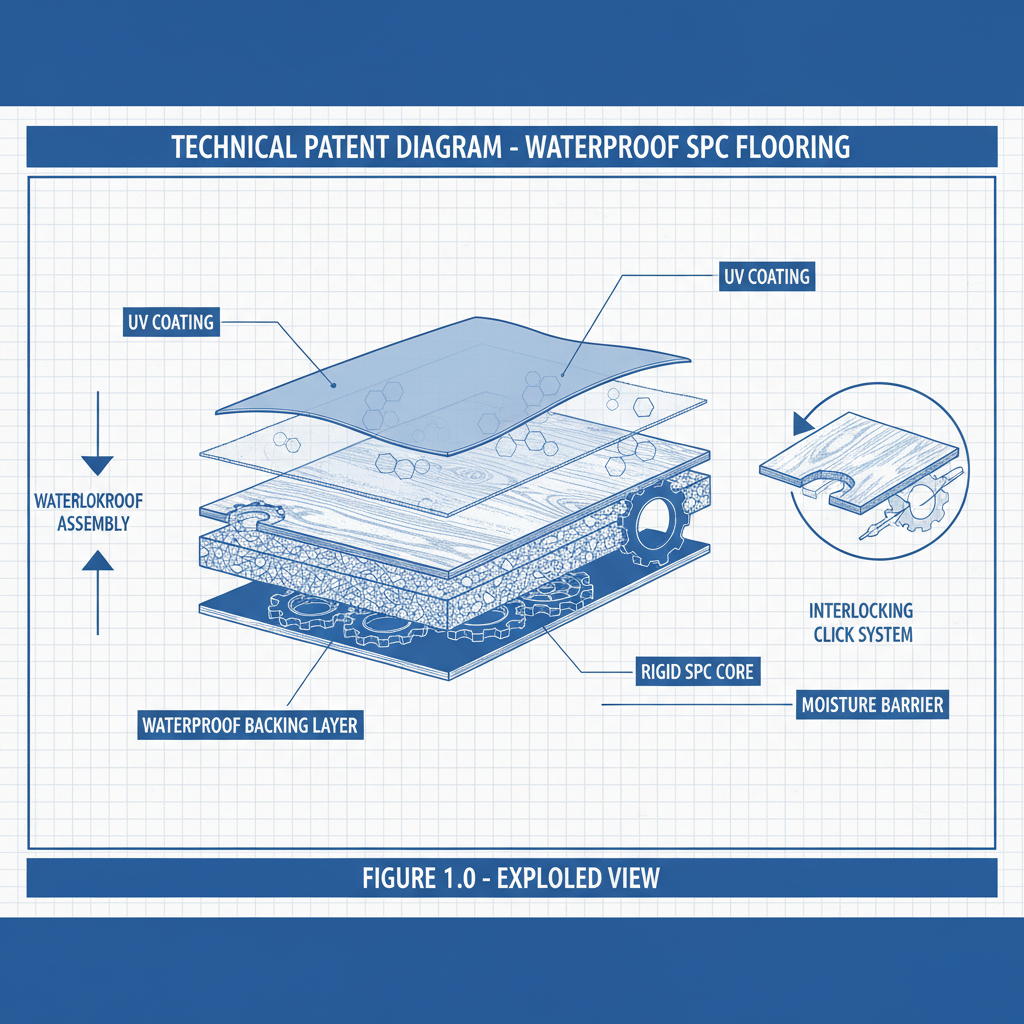 Comprehensive Guide to Waterproof SPC Flooring Durability and InstallationChoosing the right flooring for your home or business is a significant decision. Waterproof SPC flooring has emerged as a popular option due to its durability, affordability, and ease of installation. This article provides an in-depth look at waterproof SPC flooring, covering its benefits, installation process, maintenance, and comparisons with other flooring types. Understanding these aspects will help you determine if SPC flooring is the right choice for your project.Read More >
Apr 07 2026
-
 Discover the Durability and Style of Vinyl SPC Rigid Flooring SolutionsLooking for a durable, waterproof, and stylish flooring solution? Vinyl SPC rigid flooring is quickly becoming the go-to choice for homeowners and businesses alike. This article provides a comprehensive overview of this innovative flooring type, covering its benefits, installation, maintenance, and more. We’ll help you determine if SPC rigid vinyl flooring is the right fit for your project.Read More >
Apr 04 2026
-
 Comprehensive Guide to Durable Vinyl SPC Click Flooring Options and BenefitsChoosing the right flooring for your home or business is a significant decision. Vinyl SPC click flooring has emerged as a popular and durable option, offering a blend of aesthetic appeal and practical benefits. This article will explore the key features, advantages, installation process, and applications of SPC flooring, helping you determine if it's the right choice for your project. From its waterproof nature to its ease of installation, we'll cover everything you need to know.Read More >
Mar 31 2026
 +86 31185293045
  qian@ss711.com

Shijiazhuang Sothink trading Co., LTD.
Our company focuses on product development, production, sales and other all-round services, and is committed to providing customers with high-performance products and high-quality services.