



Discover Top PVC Marble Sheet Manufacturers for Durable, Elegant Interiors
Understanding PVC Marble Sheet Manufacturers: Why It Matters Now
Every day, design and construction industries worldwide demand materials that blend beauty with practicality. One such innovation is the PVC marble sheet—a versatile, lightweight alternative to traditional stone that’s changing interiors and facades alike. But beyond the shiny veneer lies a whole ecosystem of pvc marble sheet manufacturers crafting these products and driving a quiet revolution. Understanding these manufacturers isn’t just about aesthetics; it’s about grasping a growing global supply chain that impacts sustainability, cost-efficiency, and architectural creativity.
Whether you’re an architect searching for modern materials or a project manager looking for cost-effective wall cladding, the role of these manufacturers is crucial. So, before diving in, here’s a quick takeaway: recognizing what goes into production and how it translates to your projects can lead to smarter purchases, better results, and a smaller environmental footprint.
Why the World Is Watching PVC Marble Sheet Manufacturers
The global construction market is estimated to surpass $15 trillion over the next few years, and materials innovation plays a key role in shaping it. According to the World Bank, sustainable materials like PVC-based marble sheets help reduce carbon footprints compared to quarrying natural stone, which is resource-intensive.[1] Moreover, ISO standards increasingly push for eco-friendly manufacturing, meaning PVC marble sheet manufacturers have to evolve or lose relevance.
The challenge is clear: how do manufacturers balance cost, quality, and sustainability in a market hungry for both appearance and responsibility? This balance is especially vital in places like Asia-Pacific and Europe, where rapid urbanization meets strict environmental regulations.
Mini takeaway: The sustainability challenge facing manufacturers is both a pressure and an opportunity. Those who innovate here lead the market.
What Exactly Is a PVC Marble Sheet Manufacturer?
Simply put, a pvc marble sheet manufacturer produces sheets made from polyvinyl chloride (PVC) that mimic the elegance and texture of real marble. These sheets use advanced printing, embossing, and lamination technologies to replicate natural stone patterns without the weight or price.
From a broader perspective, these manufacturers serve modern demands by combining chemistry, design, and large-scale production. Their products meet not only aesthetic goals but also practical needs—weather resistance, fire retardance, and easy installation. Quite literally, they help build better interiors and exteriors across homes, offices, and public buildings.
Key Features that Define PVC Marble Sheets
Durability and Weather Resistance
PVC marble sheets withstand moisture, heat, and UV rays far better than traditional painted surfaces or certain natural stones. This means fewer repairs and a longer lasting finish, even in damp or sunny climates.
Cost Efficiency
Compared to real marble, these sheets significantly cut costs—not only in material pricing but also in installation and maintenance, since they’re lightweight and mold-resistant.
Customization and Variety
The technology behind manufacturing allows a staggering range of colors, patterns, and finishes—from high gloss to matte or textured. You can pretty much get any marble pattern you want without the frustration of sourcing quarried stone.
Sustainability
Many manufacturers are now incorporating recycled PVC or using eco-friendly additives. The sheet’s longevity also means less frequent replacement, lowering resource consumption overall.
Ease of Installation
Since the sheets are thin and flexible, installers can cut and mount them quickly, reducing labor time and costs.
Mini takeaway: PVC marble sheets aren’t just “pretty plastics.” They’re engineered solutions balancing aesthetics, durability, and economics.
Where Are These PVC Marble Sheets Making the Biggest Impact?
In the Middle East, commercial buildings favor PVC marble sheets for their ability to resist harsh desert conditions while maintaining an opulent look. In Southeast Asia, rapidly expanding urban centers rely on them for affordable yet stylish residential projects. NGOs and humanitarian organizations have even started using PVC marble surfaces in temporary shelters because they’re light, cleanable, and aesthetic enough to improve inhabitants' dignity.
Additionally, the hospitality sector—think hotels and resorts—is adopting these panels for interior walls and countertops to reduce costs without compromising on luxury. The automotive and marine industries, too, use PVC marble sheets for sleek, durable cabin finishes.
Comparing Market Leaders in PVC Marble Sheet Manufacturing
| Manufacturer | Material Thickness (mm) | Fire Rating | Eco-Credentials | Min. Order Qty |
|---|---|---|---|---|
| SothinkDecor | 1.5 - 5 | Class B1 (Fire Retardant) | Recycled PVC, Low VOC | 100 sheets |
| MarbleMax | 2 - 6 | Class B2 | Standard PVC | 50 sheets |
| EcoPlast Interiors | 1 - 4 | Class B1 | 100% Recycled PVC | 200 sheets |
Why Choosing the Right PVC Marble Sheet Manufacturer Matters
Picking a manufacturer can feel overwhelming—there are a lot of choices with varying specs. Here’s a quick spec rundown to help you parse offerings:
| Specification | Typical Range |
|---|---|
| Sheet Thickness | 1.0 - 6.0 mm |
| Fire Resistance Rating | Class B1 (Flame Retardant) |
| Weight | ~3.2 kg/m² (varies with thickness) |
| VOC Emissions | Low to Zero (Eco grades) |
| UV Stability | Up to 3,000 hrs outdoor exposure |
Looking Forward: Future Trends in PVC Marble Sheets
The future’s bright (and shiny) for PVC marble sheet manufacturers. Innovations like digital printing allow hyper-realistic patterns that rival natural stone closely. Some manufacturers experiment with bio-based PVC alternatives aiming to reduce fossil fuel dependency according to recent ISO research.[2]
Automation and AI-driven quality control also streamline production, lowering costs and ensuring consistency. Environmentally, more brands introduce recycled content and invest in cradle-to-cradle certifications, aligning with global green building codes.
At the same time, increased demand for modular, quick-install building components means these sheets will likely feature more as integrated wall and ceiling systems, combining form and function seamlessly.
Some Challenges—And How Industry Pros Tackle Them
Manufacturing quality can vary widely, so one challenge is ensuring uniformity in thickness, pattern fidelity, and flame retardancy. Since PVC is plastic-based, concerns about microplastics and end-of-life disposal loom large.
To counter this, leading manufacturers adopt closed-loop recycling, eco-friendly stabilizers, and invest in more sustainable raw materials. These efforts reduce harmful emissions during production and disposal phases.
For specifiers, ensuring that the PVC marble sheet manufacturer complies with international standards like ISO 14001 for environmental management and ASTM E84 for fire safety is crucial. Frankly, certification can mean the difference between a headache and a smooth project.
Frequently Asked Questions About PVC Marble Sheet Manufacturer
- How do PVC marble sheets compare cost-wise to natural marble?
PVC marble sheets generally cost 60-80% less than natural marble, factoring in material and installation. They are lighter, so labor and structural costs also decrease. - Are PVC marble sheets safe for outdoor use?
Yes, high-quality sheets come with UV resistance and fire retardant ratings. However, only choose manufacturers with verified outdoor performance data. - Can I order custom patterns from a PVC marble sheet manufacturer?
Most manufacturers offer customizable patterns with minimum order quantities. Digital printing tech makes personalized aesthetics easier than ever. - How do I ensure the PVC marble sheet manufacturer meets environmental standards?
Look for ISO 14001 certifications and check for low VOC emissions. Recycled content is a bonus. - What is the typical lifespan of a PVC marble sheet?
With proper installation and care, PVC marble sheets can last 10-15 years or more, especially in indoor settings.
In Conclusion: Why PVC Marble Sheet Manufacturers Are Worth Watching
The blend of innovation, sustainability, and practicality makes PVC marble sheet manufacturers key players in modern construction and design. Their products offer remarkable versatility—from luxury hotels to rapid relief housing—at a cost and environmental impact far below natural stone.
Next time you’re sourcing materials or pondering how to achieve that sleek marble look without breaking the budget (or the planet), remember the quiet but powerful role of the pvc marble sheet manufacturer. They’re the unsung heroes making your dreams of affordable elegance come true.
Explore their offerings today. It’s a bright, shiny future out there.
References:
- World Bank Group – Construction Industry & Sustainability, 2023
- International Organization for Standardization (ISO) – Environmental Management Standards
- ASTM International – Fire Safety Standards for Building Materials
-
 Ultimate Guide to Durable Waterproof SPC Vinyl Flooring StyleWhen renovating a modern home or commercial space, the flooring choice often defines the entire atmosphere. waterproof spc vinyl flooring has emerged as a revolutionary solution for those who refuse to compromise between aesthetic elegance and rugged performance. Standing for Stone Plastic Composite, SPC flooring is engineered to withstand the toughest environments, from moisture-prone bathrooms to high-traffic living rooms. In this comprehensive guide, we will explore why this material is dominating the interior design market and how it can transform your space into a sanctuary of style and resilience.Read More >
Apr 16 2026
-
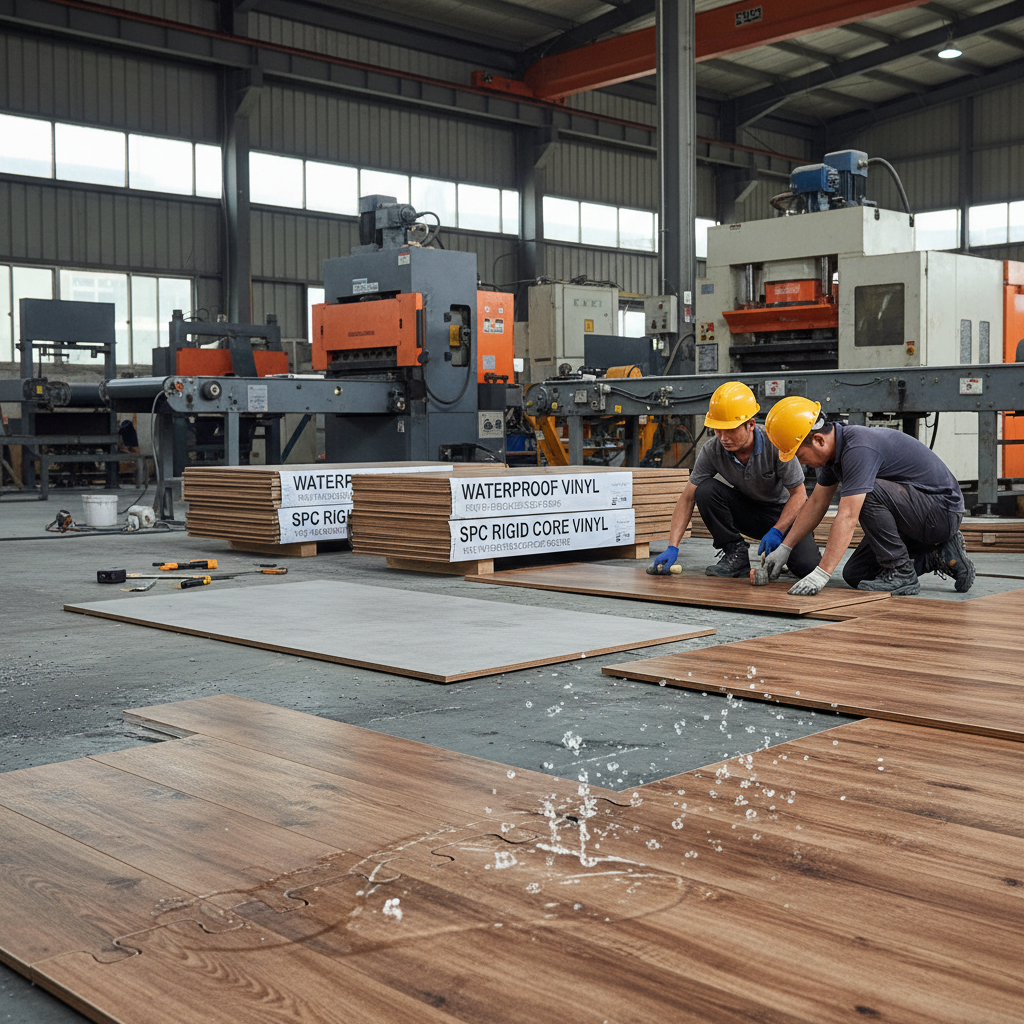 Ultimate Guide to Durable Waterproof SPC Rigid Core Vinyl FlooringChoosing the right flooring for a modern home or commercial space requires a balance between aesthetics and endurance. waterproof spc rigid core vinyl has emerged as a game-changer in the interior design world, offering the timeless look of hardwood with the unmatched resilience of stone polymer composite. Whether you are dealing with high-traffic hallways, moisture-prone bathrooms, or pet-friendly living rooms, this flooring solution provides a stable, waterproof, and scratch-resistant surface. In this comprehensive guide, we will explore why this innovative material is replacing traditional laminate and luxury vinyl planks in contemporary construction.Read More >
Apr 09 2026
-
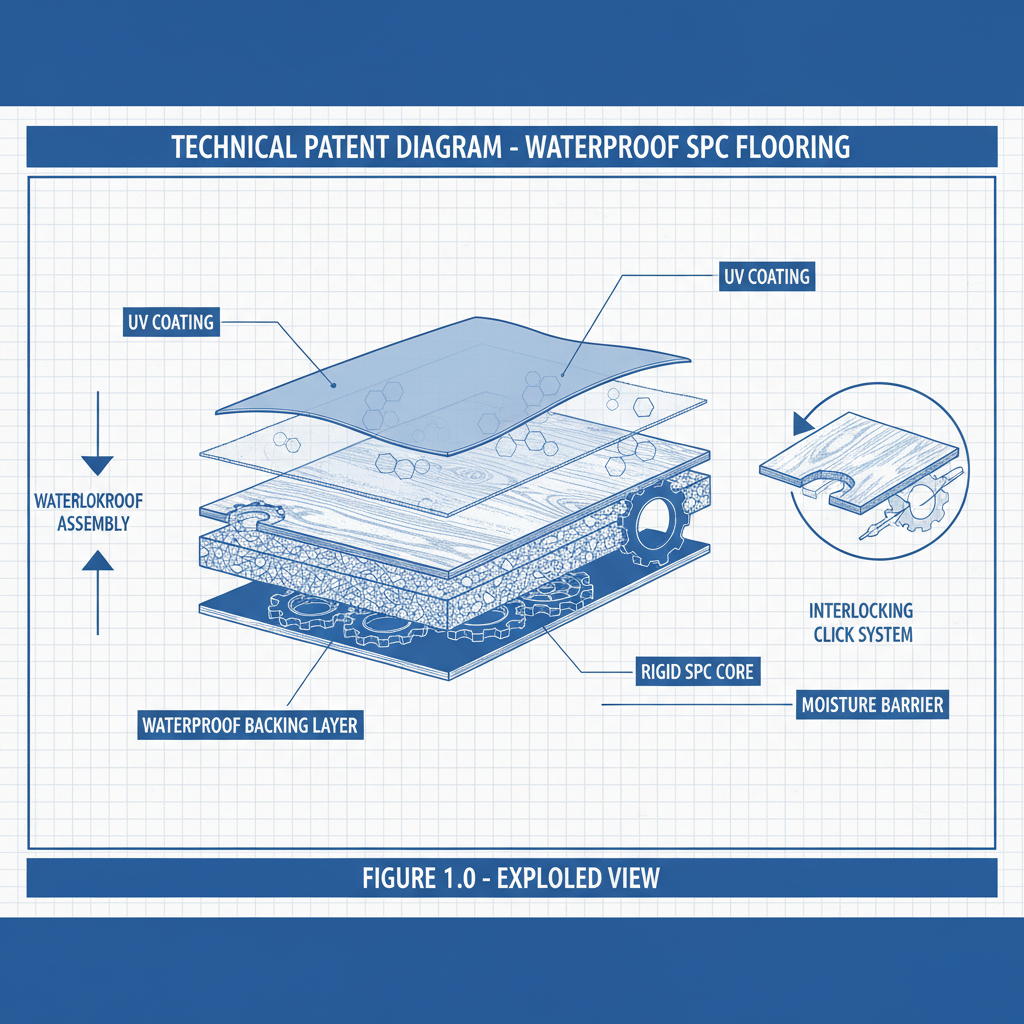 Comprehensive Guide to Waterproof SPC Flooring Durability and InstallationChoosing the right flooring for your home or business is a significant decision. Waterproof SPC flooring has emerged as a popular option due to its durability, affordability, and ease of installation. This article provides an in-depth look at waterproof SPC flooring, covering its benefits, installation process, maintenance, and comparisons with other flooring types. Understanding these aspects will help you determine if SPC flooring is the right choice for your project.Read More >
Apr 07 2026
-
 Discover the Durability and Style of Vinyl SPC Rigid Flooring SolutionsLooking for a durable, waterproof, and stylish flooring solution? Vinyl SPC rigid flooring is quickly becoming the go-to choice for homeowners and businesses alike. This article provides a comprehensive overview of this innovative flooring type, covering its benefits, installation, maintenance, and more. We’ll help you determine if SPC rigid vinyl flooring is the right fit for your project.Read More >
Apr 04 2026
-
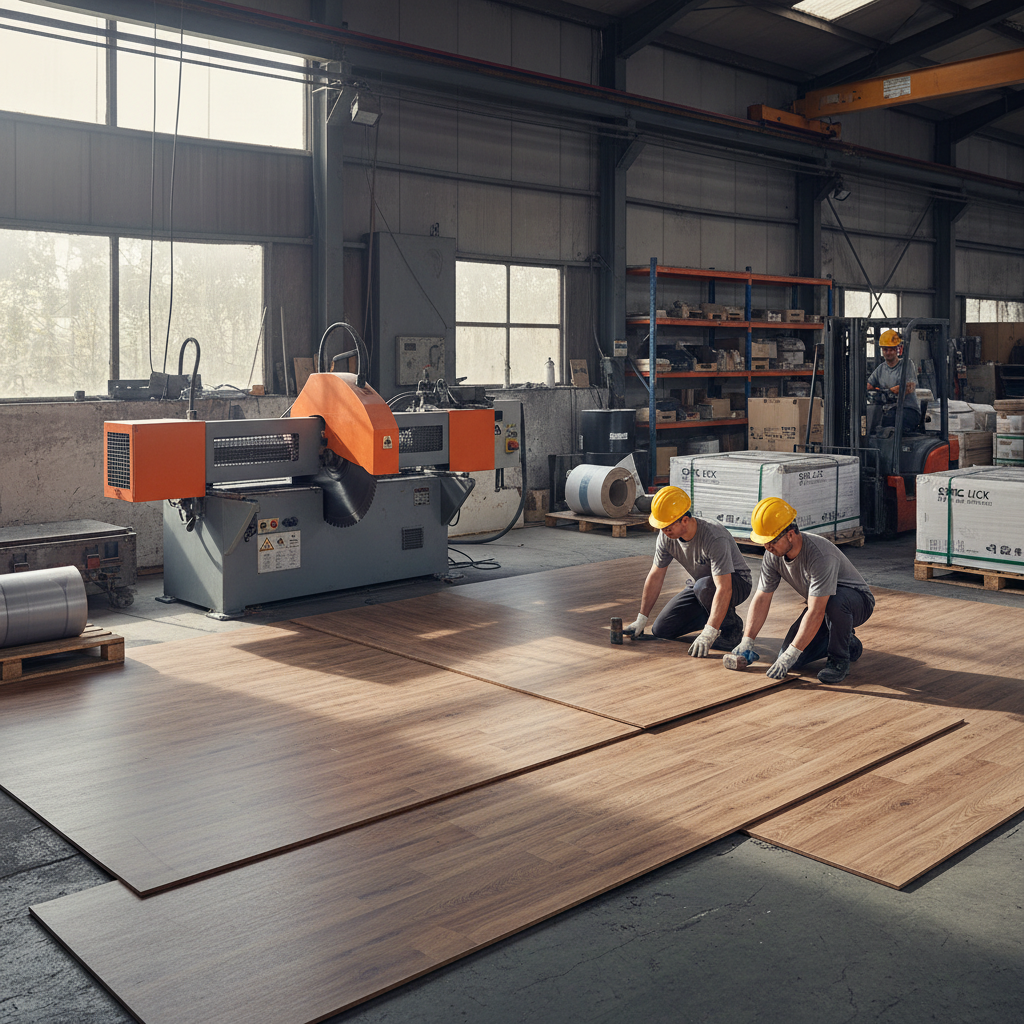 Comprehensive Guide to Durable Vinyl SPC Click Flooring Options and BenefitsChoosing the right flooring for your home or business is a significant decision. Vinyl SPC click flooring has emerged as a popular and durable option, offering a blend of aesthetic appeal and practical benefits. This article will explore the key features, advantages, installation process, and applications of SPC flooring, helping you determine if it's the right choice for your project. From its waterproof nature to its ease of installation, we'll cover everything you need to know.Read More >
Mar 31 2026
 +86 31185293045
  qian@ss711.com

Shijiazhuang Sothink trading Co., LTD.
Our company focuses on product development, production, sales and other all-round services, and is committed to providing customers with high-performance products and high-quality services.