



The Essential Guide to PVC Marble Sheet Factory – Quality, Innovation & Sustainability
The Global Landscape of PVC Marble Sheet Factory: Why It Matters
PVC marble sheets—those sleek, durable, and cost-effective coverings—have quietly become a game-changer in construction and interior design worldwide. But it’s the pvc marble sheet factory behind these products that often holds the key to innovation, affordability, and supply chain resilience. As demand surges for sustainable and versatile materials, understanding these factories is essential not just for industry insiders but for architects, developers, and even humanitarian agencies.
Globally, PVC products account for millions of tons traded annually, with the marble finish variant increasingly popular because it mimics real stone looks without the expensive cost or maintenance headaches. Plus, they support fast and clean construction methods, essential in fast urbanization and rebuilding efforts after disasters. So, why should you care about where and how these sheets are made? Because these factories dictate the material quality, environmental footprint, and scalability of solutions used from luxury malls in Dubai to remote clinics in Southeast Asia.
Understanding the PVC Marble Sheet Factory: The Backbone of Modern Decorative Surfaces
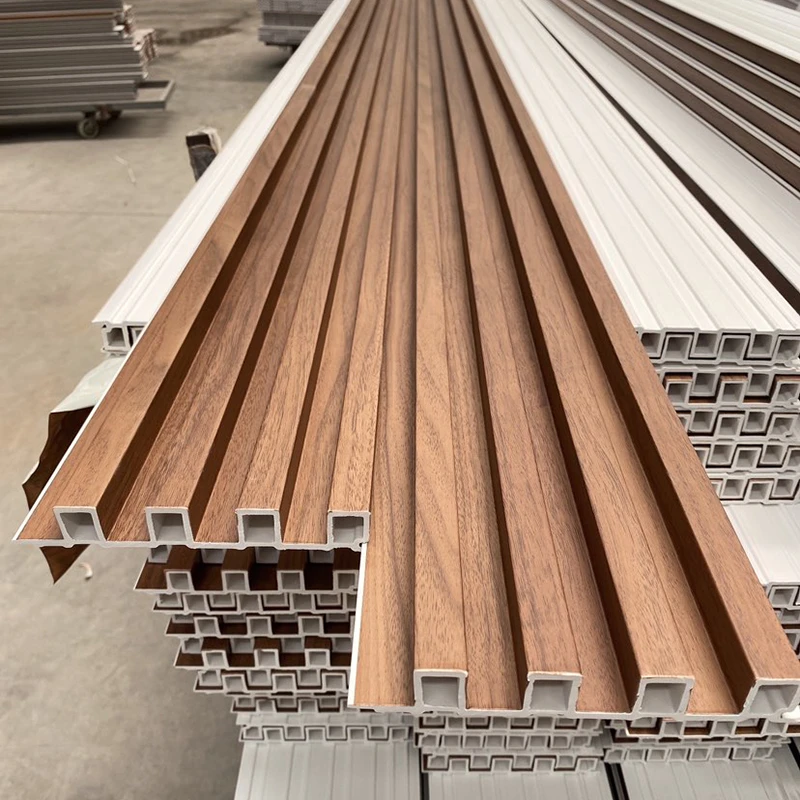
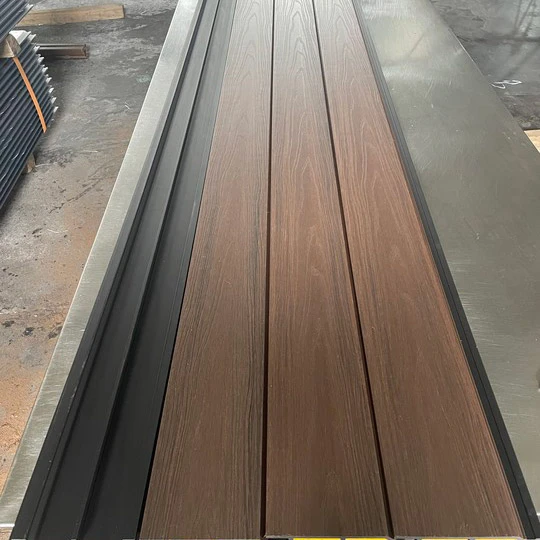
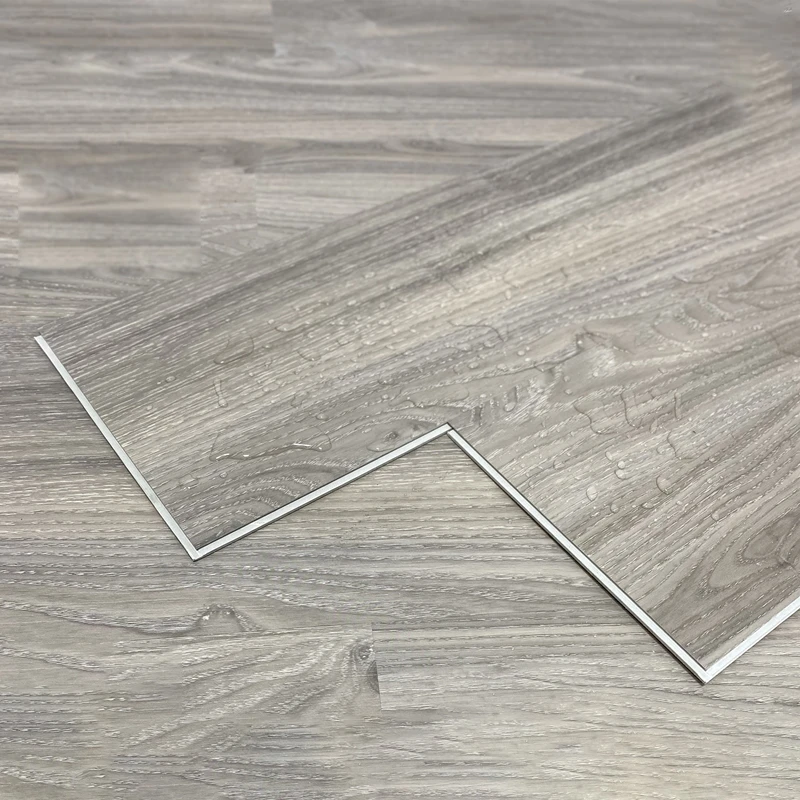
At its core, a pvc marble sheet factory is an industrial facility specializing in producing polyvinyl chloride sheets that imitate natural marble surfaces. Through a blend of plastic extrusion, lamination with decorative films, and surface embossing, these factories create sheets that are lightweight, strong, and visually appealing.
This process links to broader modern needs — like mass-produced building materials that are easy to transport, durable, and affordable. In fact, ISO standards for plastics and coatings increasingly influence factory operations to ensure product safety and environmental compliance. In humanitarian terms, these sheets offer rapid wall, ceiling, or furniture finishes that can be installed with minimal labor, making them ideal in post-disaster construction zones where speed and cost matter most.
Mini Takeaway:
Knowing what a pvc marble sheet factory does helps us appreciate the technology, sustainability, and human impact behind simple-looking plastic panels.
Core Components That Define PVC Marble Sheet Factory Excellence
1. Material Quality and Sourcing
The base PVC resin quality largely dictates the sheet’s durability and safety. Top factories tend to use virgin-grade resins and eco-friendly additives to meet international standards, such as EN 13501 for fire resistance.
2. Manufacturing Process and Automation
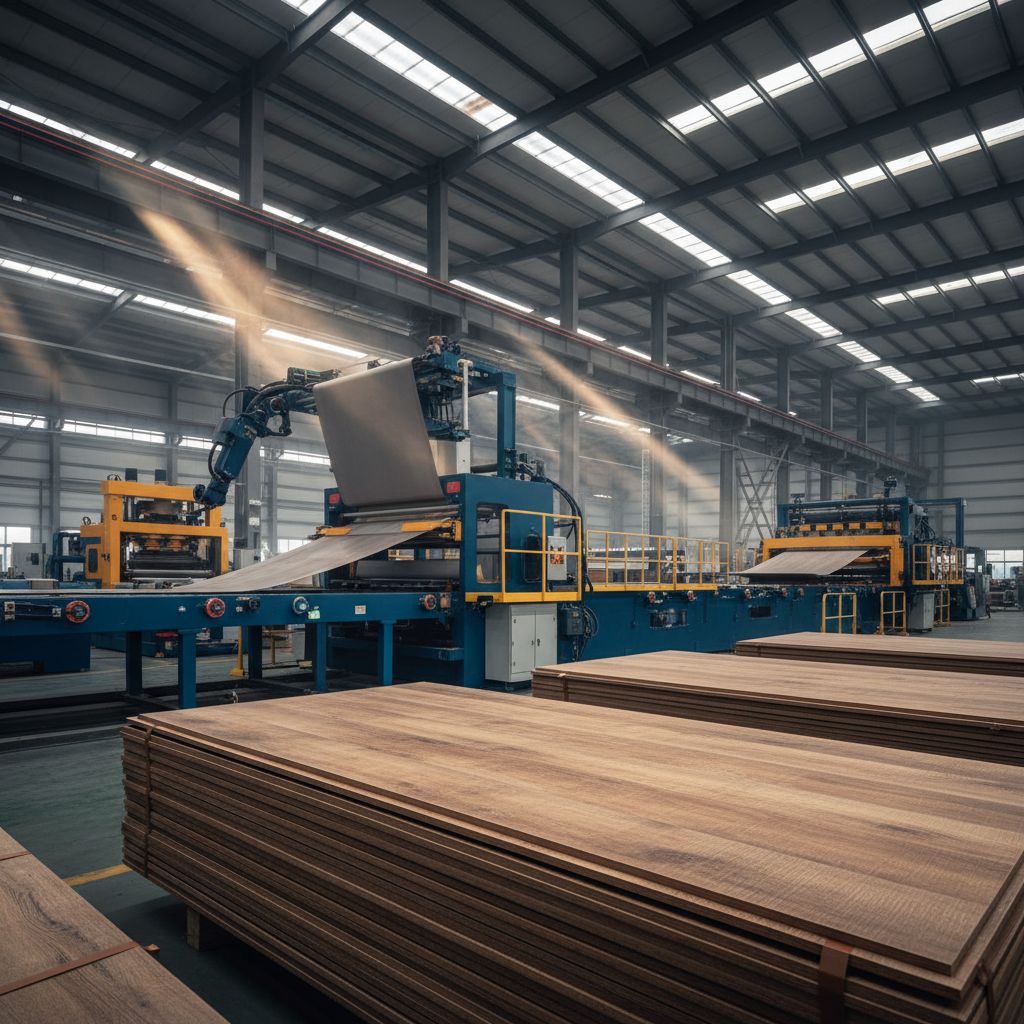
Modern factories leverage continuous extrusion lines paired with digital printing technology to ensure consistent patterns and thickness. Automation enhances scalability, reducing human error and downtime.
3. Surface Finishing Techniques
Embossing techniques give sheets their marble-like texture and gloss. Some factories incorporate UV coating or anti-scratch layers to boost longevity, crucial for high-traffic environments.
4. Environmental Management
With mounting global pressure on plastics’ environmental impact, top-tier factories implement recycling programs and waste treatment to minimize pollution and energy consumption.
5. Customization and R&D
Many excelsior factories invest in research to innovate patterns, thickness options, and even fire-retardant formulations, tailoring products for varied markets from residential to industrial.
6. Quality Assurance & Testing
Rigorous testing—impact resistance, UV stability, and chemical exposure—is a must to comply with international building codes and client expectations.
Mini Takeaway:
From raw materials to testing, the details matter in shaping pvc marble sheet factories that deliver both quality and sustainability.
How PVC Marble Sheet Factories Impact Real-World Applications Globally
Across Asia, Europe, and the Americas, these factories fuel industries ranging from residential and commercial interiors to transportation and even exhibition booths.
- In urban development: Large-scale residential projects use PVC marble sheets for cost-effective, fast wall cladding that looks premium but stays lightweight.
- Post-disaster relief: NGOs install temporary clinics where PVC marble sheets create hygienic, easy-to-clean interiors swiftly.
- Industrial applications: Warehouses and factories employ these sheets to protect walls from chemical spills or abrasive impacts.
- Green buildings: Factories supplying recycled-content sheets meet LEED certification needs, fostering circular economies.
- Export markets: Many pvc marble sheet factory vendors target overseas demand, carefully navigating logistics and compliance.
Mini Takeaway:
These factories are silent anchors supporting varied global industries—all connected by the versatility and reliability of PVC marble sheets.
Product Specifications: A Snapshot of Typical PVC Marble Sheet Characteristics
| Specification | Typical Value | Unit |
|---|---|---|
| Thickness | 1.2 – 3.5 | mm |
| Density | 1280 – 1400 | kg/m³ |
| Flexural Strength | 40 – 55 | MPa |
| Tensile Strength | 30 – 45 | MPa |
| Fire Rating | B-s1,d0 | EN 13501-1 |
| UV Resistance | >2000 | Hours (QUV Test) |
Vendor Comparison: Choosing the Right PVC Marble Sheet Factory Partner
| Feature | Factory A | Factory B | Factory C |
|---|---|---|---|
| Production Capacity | 10,000 tons/year | 7,500 tons/year | 12,000 tons/year |
| Customization Options | Wide (thickness, texture) | Limited Colors, patterns | Extensive (fire retardant, gloss) |
| Sustainability Measures | Recycling + waste reuse | Basic environmental controls | Closed loop water systems |
| Lead Time | 2-3 weeks | 3-5 weeks | 1-2 weeks |
| ISO Certifications | ISO 9001, ISO 14001 | ISO 9001 | ISO 9001, ISO 45001 |
Advantages & Long-Term Value of PVC Marble Sheet Factories
Why are these factories the unsung heroes? Because they enable materials that are lean on maintenance but heavy on aesthetics and resilience. Cost-wise, PVC marble sheets save money by cutting installation and upkeep compared to real marble or tiles. Their water resistance and anti-fungal properties support hygienic living environments, which frankly is priceless in hospitals or daycare centers.
Emotionally, these materials bring a touch of elegance and permanence that lifts morale in consumer spaces or offices. From a sustainability viewpoint, the ongoing push for recyclable and low-emission supply chains means newer factories increasingly marry innovation with environmental stewardship, ensuring that demand doesn’t come with an oversized footprint.
Emerging Trends & Innovations in PVC Marble Sheet Factories
The future looks bright—factories are exploring bio-based PVC resins to reduce petrochemical dependency. Digital printing continues advancing, allowing hyper-realistic marble patterns that fool even professionals. Automation and IoT integration within these factories streamline quality control and reduce waste, supporting the circular economy goals.
Another cool trend is incorporating antimicrobial surfaces, adding another layer of protection for healthcare and hospitality sectors. Frankly, it feels like the market is just scratching the surface on what PVC marble sheets can really do.
Challenges & Solutions Facing PVC Marble Sheet Factories
Of course, no industrial story is perfect. Challenges include the environmental concerns about plastics lifecycle, raw material price volatility, and regulatory pressures. Some factories face difficulties balancing rapid scaling and maintaining quality.
Solutions involve investing in R&D for green materials, certification for environmental management, and employing lean manufacturing. Partnerships with waste management companies and transparency with clients also help build trust. Manufacturers who embrace digital transformation tend to adapt faster and stay competitive.
FAQ: Common Questions About PVC Marble Sheet Factory
- Q: How does a PVC marble sheet differ from real marble?
A: PVC marble sheets mimic the look and feel of natural marble but are lighter, more affordable, and easier to install. They don’t require sealing and are resistant to moisture and impact, making them well-suited for modern construction. - Q: Are PVC marble sheets environmentally friendly?
A: Traditional PVC is petrochemical-based, but many factories now implement recycling programs and produce sheets with lower emissions. Innovations in bio-based PVC also aim to reduce environmental impact significantly. - Q: Can these sheets be customized for different projects?
A: Yes, most pvc marble sheet factory vendors offer customization in thickness, texture, gloss, and patterns to meet client specifications across diverse industries. - Q: How durable are PVC marble sheets in outdoor applications?
A: While mainly designed for interiors, some specially treated sheets with UV stabilizers can be used outdoors with proper installation, though longevity depends on exposure conditions. - Q: What are the typical lead times when ordering from a PVC marble sheet factory?
A: Lead times generally range from 1–5 weeks depending on customizations, factory capacity, and shipping logistics.
Conclusion: What Makes PVC Marble Sheet Factories Indispensable?
In the end, the pvc marble sheet factory stands as a quiet but vital pillar supporting modern architectural aesthetics, cost-conscious construction, and sustainability efforts. It’s not just about the sheets themselves but the innovation, quality control, and environmental thought baked into every production line. Whether you’re planning a new office build, rehabilitating post-disaster housing, or simply curious about dynamic materials, this facet of the manufacturing world is worth knowing.
Interested in seeing what these factories can offer? Visit pvc marble sheet factory for more insights and options tailored to your next project.
References:
-
 Ultimate Guide to Durable Waterproof SPC Vinyl Flooring StyleWhen renovating a modern home or commercial space, the flooring choice often defines the entire atmosphere. waterproof spc vinyl flooring has emerged as a revolutionary solution for those who refuse to compromise between aesthetic elegance and rugged performance. Standing for Stone Plastic Composite, SPC flooring is engineered to withstand the toughest environments, from moisture-prone bathrooms to high-traffic living rooms. In this comprehensive guide, we will explore why this material is dominating the interior design market and how it can transform your space into a sanctuary of style and resilience.Read More >
Apr 16 2026
-
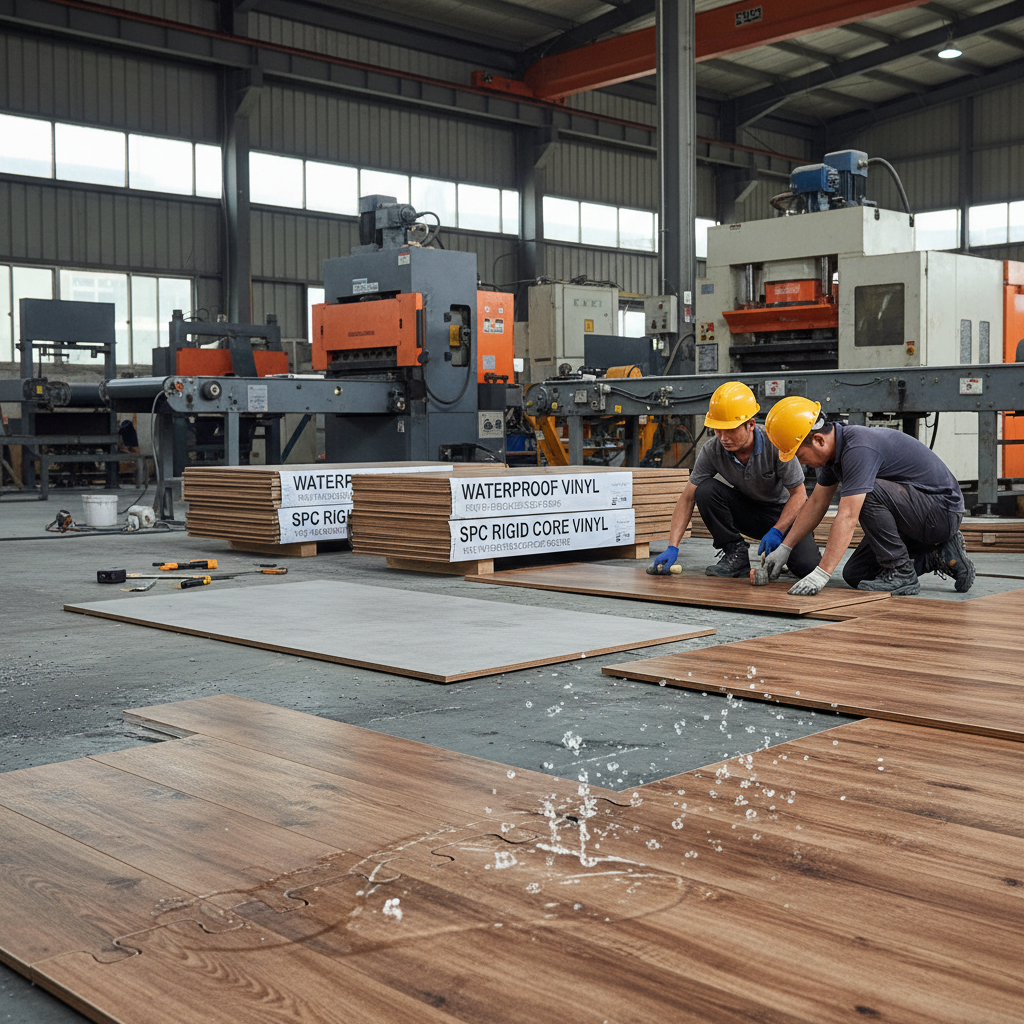 Ultimate Guide to Durable Waterproof SPC Rigid Core Vinyl FlooringChoosing the right flooring for a modern home or commercial space requires a balance between aesthetics and endurance. waterproof spc rigid core vinyl has emerged as a game-changer in the interior design world, offering the timeless look of hardwood with the unmatched resilience of stone polymer composite. Whether you are dealing with high-traffic hallways, moisture-prone bathrooms, or pet-friendly living rooms, this flooring solution provides a stable, waterproof, and scratch-resistant surface. In this comprehensive guide, we will explore why this innovative material is replacing traditional laminate and luxury vinyl planks in contemporary construction.Read More >
Apr 09 2026
-
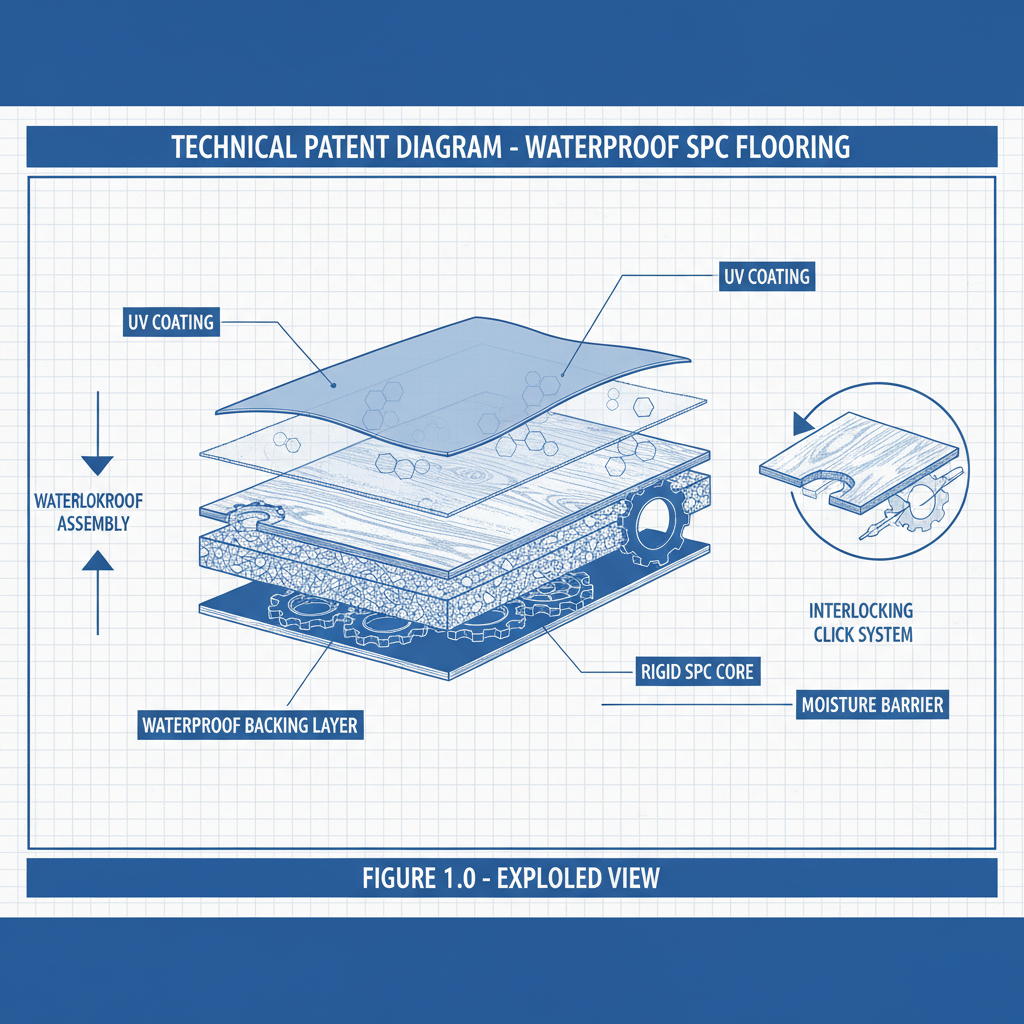 Comprehensive Guide to Waterproof SPC Flooring Durability and InstallationChoosing the right flooring for your home or business is a significant decision. Waterproof SPC flooring has emerged as a popular option due to its durability, affordability, and ease of installation. This article provides an in-depth look at waterproof SPC flooring, covering its benefits, installation process, maintenance, and comparisons with other flooring types. Understanding these aspects will help you determine if SPC flooring is the right choice for your project.Read More >
Apr 07 2026
-
 Discover the Durability and Style of Vinyl SPC Rigid Flooring SolutionsLooking for a durable, waterproof, and stylish flooring solution? Vinyl SPC rigid flooring is quickly becoming the go-to choice for homeowners and businesses alike. This article provides a comprehensive overview of this innovative flooring type, covering its benefits, installation, maintenance, and more. We’ll help you determine if SPC rigid vinyl flooring is the right fit for your project.Read More >
Apr 04 2026
-
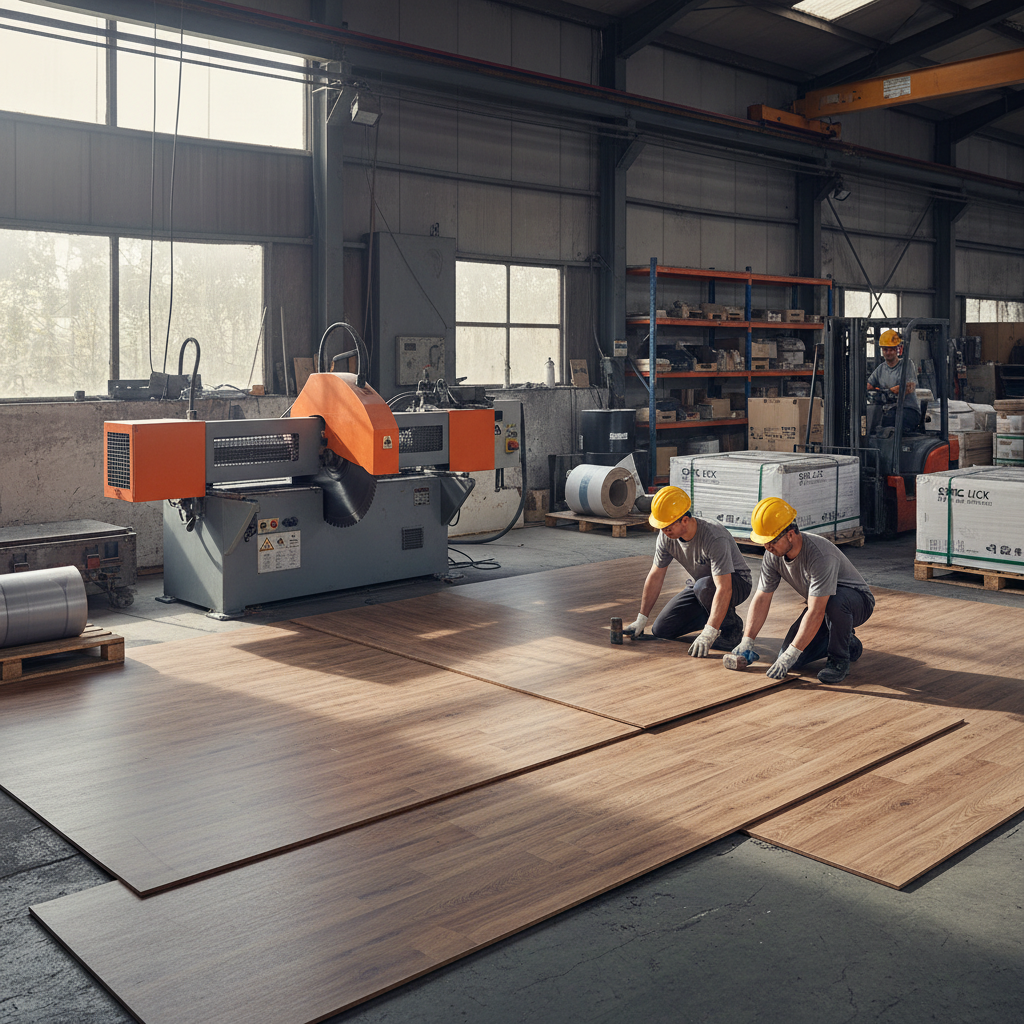 Comprehensive Guide to Durable Vinyl SPC Click Flooring Options and BenefitsChoosing the right flooring for your home or business is a significant decision. Vinyl SPC click flooring has emerged as a popular and durable option, offering a blend of aesthetic appeal and practical benefits. This article will explore the key features, advantages, installation process, and applications of SPC flooring, helping you determine if it's the right choice for your project. From its waterproof nature to its ease of installation, we'll cover everything you need to know.Read More >
Mar 31 2026
 +86 31185293045
  qian@ss711.com

Shijiazhuang Sothink trading Co., LTD.
Our company focuses on product development, production, sales and other all-round services, and is committed to providing customers with high-performance products and high-quality services.