


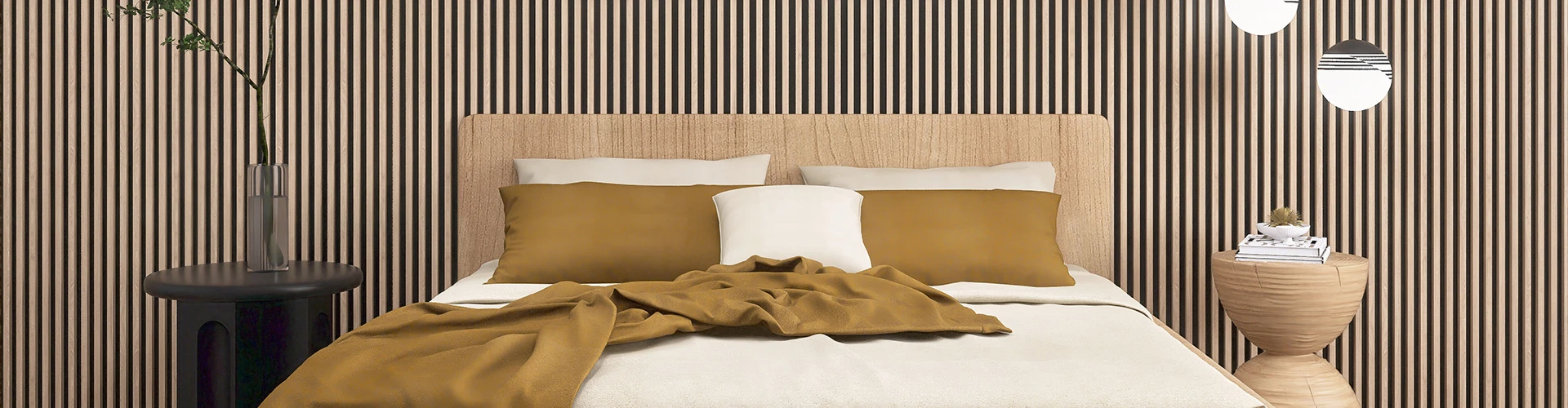
Top Marble Sheet Manufacturers: Quality, Sustainability & Innovation Explained
Understanding Marble Sheet Manufacturers: Why They Matter Globally
When we think about marble, most of us picture grand halls or museum floors — but there's a fascinating shift happening behind the scenes, thanks to marble sheet manufacturers. These businesses don't just craft luxury surfaces; they’re subtly changing industries worldwide, blending aesthetics and engineering in versatile sheets that answer modern construction and design demands.
Globally, the demand for decorative and functional stone alternatives is booming. As urbanization accelerates—with the World Bank estimates showing over 56% of the world's population living in cities—builders crave materials that are durable yet easier to handle than traditional blocks. Marble sheet manufacturers meet that call, producing lighter, thinner slabs optimized for sustainability and installation speed without sacrificing beauty. Understanding their role unlocks a better view of modern materials science meshed with global construction trends.
A Worldwide Context: The Role of Marble Sheet Manufacturers
Marble sheet manufacturing isn’t just niche artisan work; it’s integral to supply chains in regions from Europe to Asia and the Americas. According to the International Organization for Standardization (ISO), quality fabrication processes have evolved drastically, enabling global trade at scale.
Yet challenges persist. The quarrying of natural stone impacts ecosystems, and traditional heavy marble slabs can create logistical headaches—especially in fast-paced urban projects or remote locations. Marble sheet manufacturers address these by refining thin-slicing technology and innovating bonding agents to reduce waste and freight energy costs. It's the sort of problem-solving that’s quietly impactful.
Mini takeaway:
Marble sheet manufacturers connect traditional beauty to modern needs, supporting global construction sustainability and efficiency.
What Exactly Are Marble Sheet Manufacturers?
Let's get precise: marble sheet manufacturers are companies specialized in producing thin, large-format sheets of marble, usually through a slicing or pressing process, transforming bulky raw marble blocks into flat, uniform sheets suited for a variety of applications.
Unlike bulky stone slabs traditionally used in monumental architecture, these sheets can be lighter, more flexible, and easier to handle. They find their way into facades, countertops, even innovative furniture designs. In humanitarian or industrial supply circles, the sheets enable quick, elegant builds that blend durability and style — a subtle yet meaningful blend of art and functionality.
Core Components that Define Quality in Marble Sheet Manufacturing
1. Durability
Marble sheets must withstand years of wear—resisting chips, stains, and environmental changes. Manufacturers reinforce sheets with resins or backings to boost toughness without making them bulky.
2. Scalability
The ability to produce consistent quality over large volumes is crucial. Whether it’s a boutique firm needing 100 square meters or an industrial supplier eyeing thousands, reliable scale makes or breaks supplier choice.
3. Cost Efficiency
Sliced marble sheets often reduce raw material waste and lessen shipping weight—turning into direct cost savings. Some leading manufacturers leverage automated cutting tech that increases precision, drastically slashing rejects.
4. Aesthetic Consistency
Since marble is natural, color and vein uniformity can fluctuate. Top manufacturers sort and grade their sheets carefully, giving clients more confidence in matching designs.
5. Sustainability
There's a growing push for environmental responsibility across industries. Marble sheet producers adopting closed-loop water systems and eco-friendly adhesives are ahead of the curve.
Mini takeaway:
The best marble sheet manufacturers excel by balancing durability, scalable output, cost-effectiveness, aesthetic control, and sustainability.
Where You’ll Find Marble Sheet Manufacturers Making a Difference
From sleek hotel lobbies in Dubai to modern office buildings in Milan, marble sheets speak quietly of quality. Regionally, Europe and Asia-Pacific dominate production and consumption, supported by robust export trade.
- Construction Industry: For cladding, flooring, and decorative wall panels.
- Interior Design: Designers appreciate lightweight sheets for custom furniture or countertop veneers.
- Restoration Projects: Historical buildings often receive modern sheet replacements that replicate original marble without excessive weight.
- Humanitarian Architecture: In post-disaster reconstruction, modular marble panels provide quick, dignified shelter options.
Oddly enough, some remote mining operations have begun using marble sheets for durable flooring and walls in harsh environments, showing the materials' adaptability.
Advantages & Long-Term Value of Marble Sheets
Why switch to marble sheets? The immediate win is lighter weight and easier handling—cutting install times by up to 30% in some projects (engineering reports support this). Beyond logistics, marble sheets feel luxurious, offering a tactile smoothness and gloss that synthetic alternatives can’t quite match.
Emotionally, clients report a heightened sense of prestige and care when marble accents appear in offices or homes. The sustainability element is no small matter too, as many manufacturers strive to reduce quarry waste and energy use, supporting globally recognized goals like the United Nations Sustainable Development Goals.
Product Specification Table
| Specification | Standard Range | Remarks |
|---|---|---|
| Sheet Thickness | 6–12 mm | Thinner sheets enable lighter builds |
| Maximum Sheet Size | 2400 x 1200 mm | Suitable for most cladding and furniture needs |
| Surface Finish | Polished / Honed | Custom finishes available |
| Backing | Fiberglass / Resin | Enhances strength, minimizes cracking |
| Water Absorption | Ensures stain resistance |
Vendor Comparison: Leading Marble Sheet Manufacturers
| Manufacturer | Years in Business | Product Range | Sustainability Initiatives | Export Availability |
|---|---|---|---|---|
| Marbrex Corp. | 35 | Polished & Honed Marble Sheets | Water recycling systems; low VOC adhesives | Global |
| StoneWave Ltd. | 20 | Custom Marble & Composite Sheets | Carbon-neutral production by 2025 | Asia-Pacific & Europe |
| Natural Slabs Inc. | 50 | High-end Marble Veneers | Minimum quarry disruption techniques | Primarily Europe & North America |
Emerging Trends & Innovations
Okay, here’s where it gets exciting: digital fabrication technologies such as CNC cutting and laser engraving are transforming how marble sheets are customized. Additive manufacturing and hybrid material blends—marble mixed with polymers—are improving flexibility and crack resistance.
Green initiatives gain ground. Some manufacturers integrate solar-powered plants or use biodegradable bonding agents. In real terms, it’s a step away from "grab and cut" stone legacy toward conscientious production mindful of the planet.
Challenges in the Marble Sheet Industry and How They're Addressed
Let’s not pretend it’s all smooth sailing. Variability in natural marble can cause inconsistency; logistics remain tricky due to fragility; and recycling end-of-life sheets is complicated. But manufacturers respond with rigorous quality controls, reinforced backing methods, and research into reprocessing stone dust into new composites.
Many engineers I’ve spoken with highlight partnerships between quarry owners and sheet producers as key to sustainable supply chains, ensuring responsible extraction aligns with advanced manufacturing.
Frequently Asked Questions About Marble Sheet Manufacturers
- Q: How do marble sheets compare to traditional marble slabs in construction?
- A: Marble sheets are much thinner and lighter, which allows for easier installation and reduced structural load. While slabs offer a thicker, more solid feel, sheets provide versatility especially for cladding and decorative uses.
- Q: What measures ensure the durability of marble sheets?
- A: Reinforcement with fiberglass or resin backings, along with surface sealing and polishing, help marble sheets resist cracks, stains, and environmental wear effectively over many years.
- Q: Are marble sheets sustainable compared to other materials?
- A: Marble sheets reduce raw material waste through thin slicing and optimize shipping weight, which lowers carbon footprint. Sustainability improves further when manufacturers adopt water recycling and eco-friendly adhesives.
- Q: Can marble sheets be customized for specific design needs?
- A: Absolutely. Many manufacturers offer tailored sizes, finishes, and even laser etching to meet unique architectural or interior design requirements.
- Q: How can international buyers connect with reliable marble sheet manufacturers?
- A: Websites like marble sheet manufacturers provide vetted vendor listings and facilitate global trade with transparency on certifications and export terms.
Wrapping Up: The Last Word on Marble Sheet Manufacturers
In the grand scheme, marble sheet manufacturers represent a bridge between tradition and innovation — crafting products that preserve natural beauty while meeting contemporary industrial and design challenges. Over time, their focus on sustainability, precision, and customization signals not just an evolution in materials but a quiet revolution supporting better buildings and better lives.
For anyone seriously scouting quality stone solutions or just intrigued by the future of architectural materials, don’t miss out. Visit our site at https://www.sothinkdecor.com for more insights and trusted manufacturer contacts.
References
-
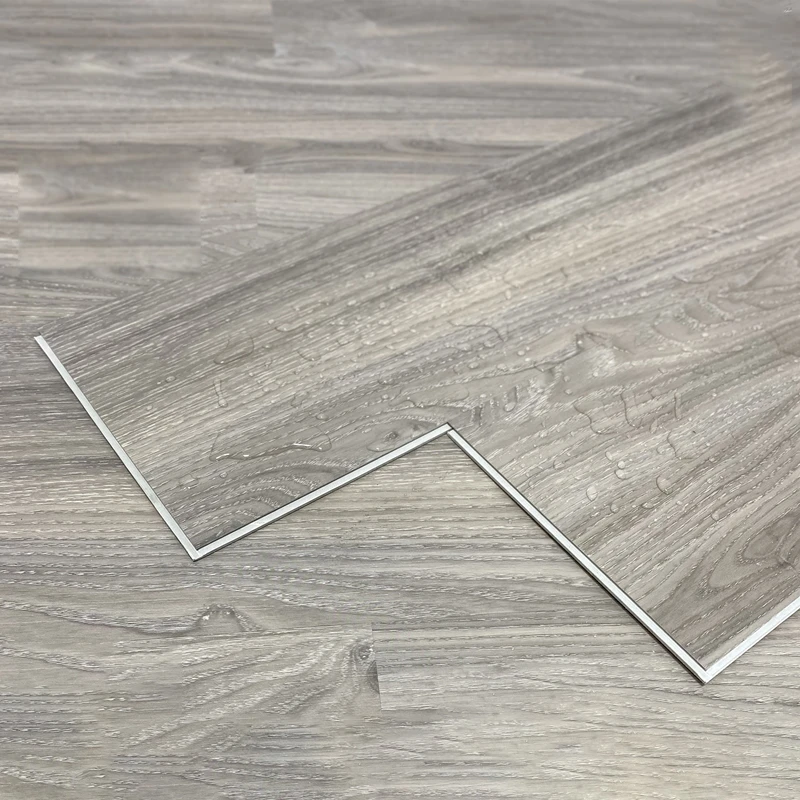
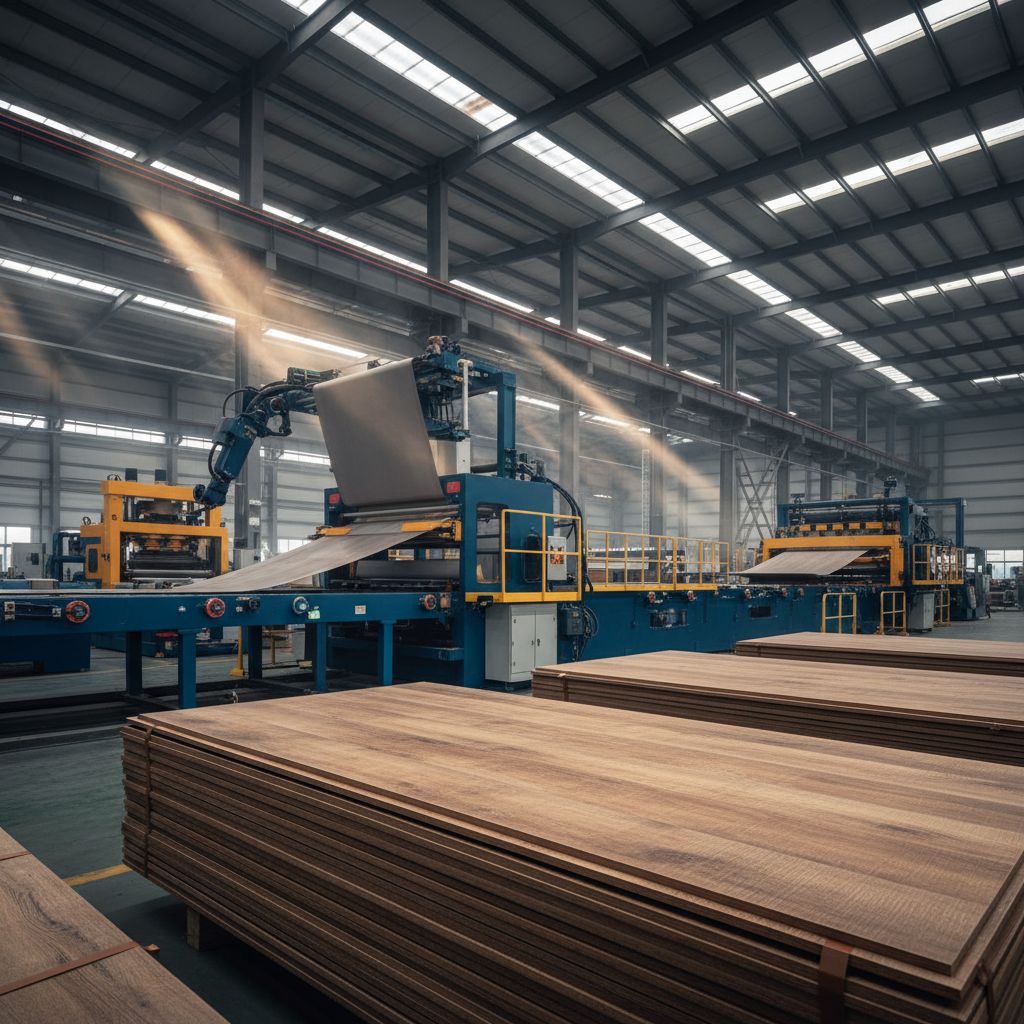 Ultimate Guide to Durable Waterproof SPC Vinyl Flooring StyleWhen renovating a modern home or commercial space, the flooring choice often defines the entire atmosphere. waterproof spc vinyl flooring has emerged as a revolutionary solution for those who refuse to compromise between aesthetic elegance and rugged performance. Standing for Stone Plastic Composite, SPC flooring is engineered to withstand the toughest environments, from moisture-prone bathrooms to high-traffic living rooms. In this comprehensive guide, we will explore why this material is dominating the interior design market and how it can transform your space into a sanctuary of style and resilience.Read More >
Apr 16 2026
-
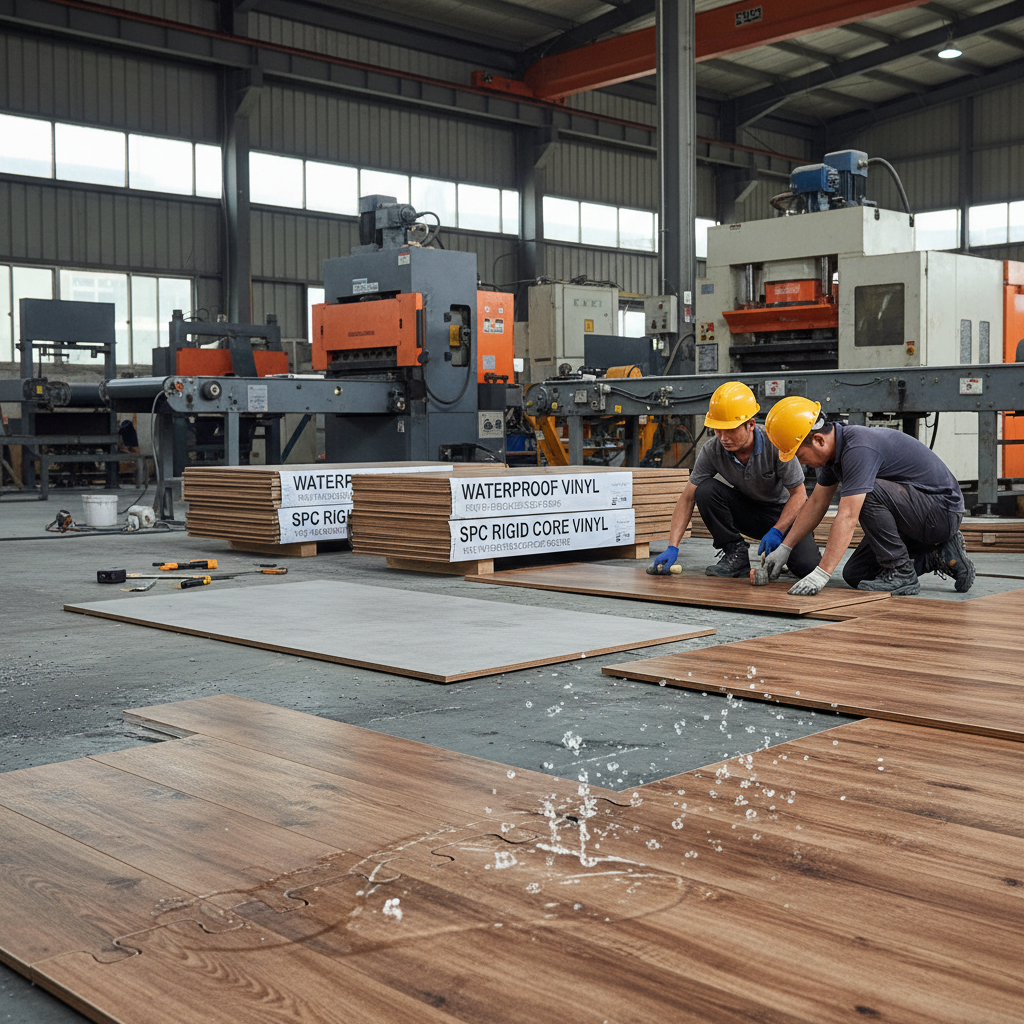 Ultimate Guide to Durable Waterproof SPC Rigid Core Vinyl FlooringChoosing the right flooring for a modern home or commercial space requires a balance between aesthetics and endurance. waterproof spc rigid core vinyl has emerged as a game-changer in the interior design world, offering the timeless look of hardwood with the unmatched resilience of stone polymer composite. Whether you are dealing with high-traffic hallways, moisture-prone bathrooms, or pet-friendly living rooms, this flooring solution provides a stable, waterproof, and scratch-resistant surface. In this comprehensive guide, we will explore why this innovative material is replacing traditional laminate and luxury vinyl planks in contemporary construction.Read More >
Apr 09 2026
-
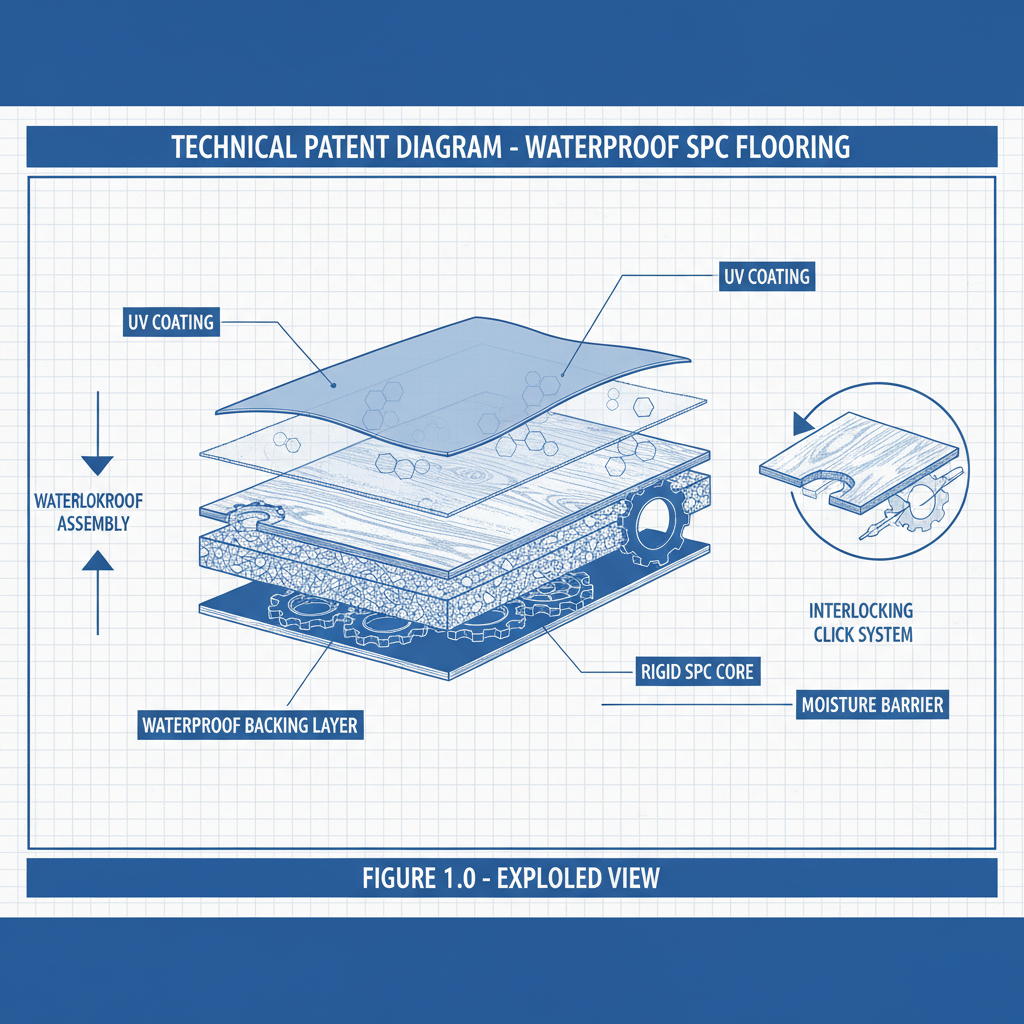 Comprehensive Guide to Waterproof SPC Flooring Durability and InstallationChoosing the right flooring for your home or business is a significant decision. Waterproof SPC flooring has emerged as a popular option due to its durability, affordability, and ease of installation. This article provides an in-depth look at waterproof SPC flooring, covering its benefits, installation process, maintenance, and comparisons with other flooring types. Understanding these aspects will help you determine if SPC flooring is the right choice for your project.Read More >
Apr 07 2026
-
 Discover the Durability and Style of Vinyl SPC Rigid Flooring SolutionsLooking for a durable, waterproof, and stylish flooring solution? Vinyl SPC rigid flooring is quickly becoming the go-to choice for homeowners and businesses alike. This article provides a comprehensive overview of this innovative flooring type, covering its benefits, installation, maintenance, and more. We’ll help you determine if SPC rigid vinyl flooring is the right fit for your project.Read More >
Apr 04 2026
-
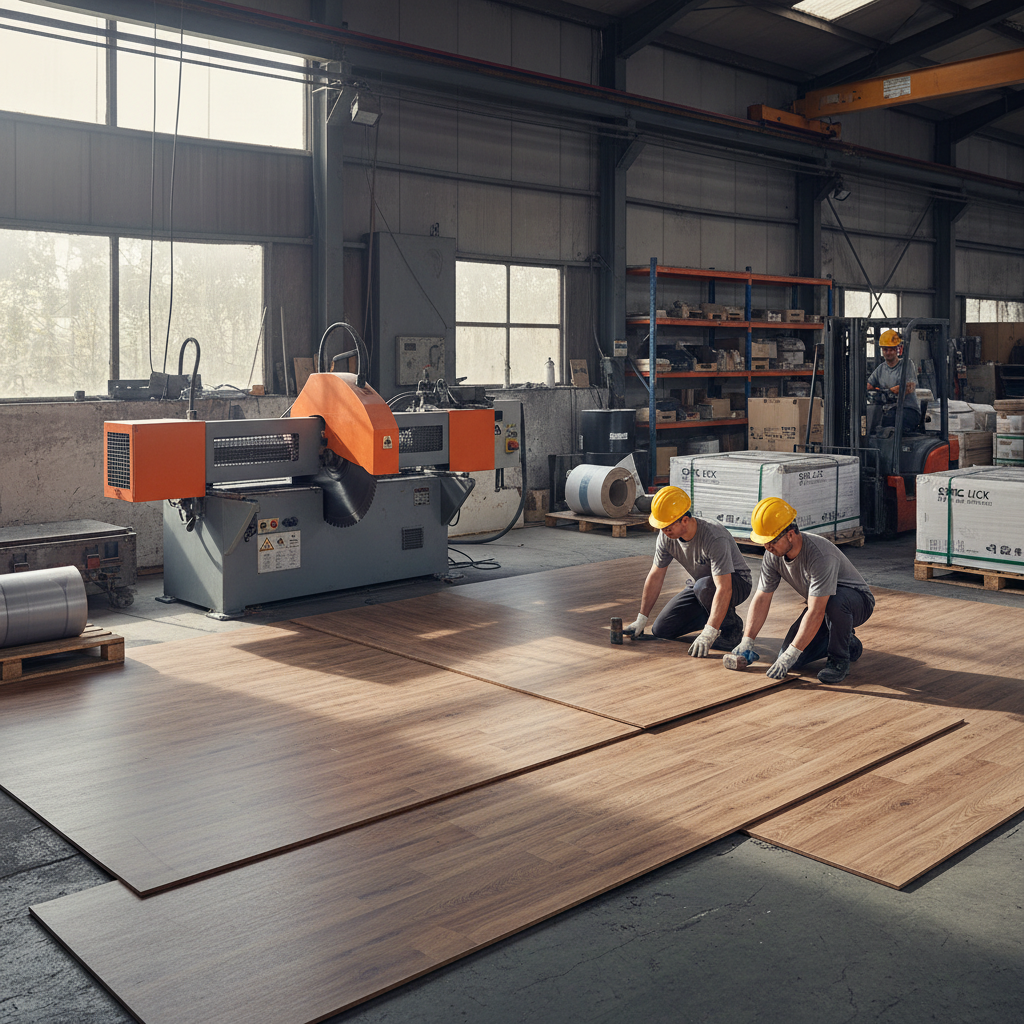 Comprehensive Guide to Durable Vinyl SPC Click Flooring Options and BenefitsChoosing the right flooring for your home or business is a significant decision. Vinyl SPC click flooring has emerged as a popular and durable option, offering a blend of aesthetic appeal and practical benefits. This article will explore the key features, advantages, installation process, and applications of SPC flooring, helping you determine if it's the right choice for your project. From its waterproof nature to its ease of installation, we'll cover everything you need to know.Read More >
Mar 31 2026
 +86 31185293045
  qian@ss711.com

Shijiazhuang Sothink trading Co., LTD.
Our company focuses on product development, production, sales and other all-round services, and is committed to providing customers with high-performance products and high-quality services.