


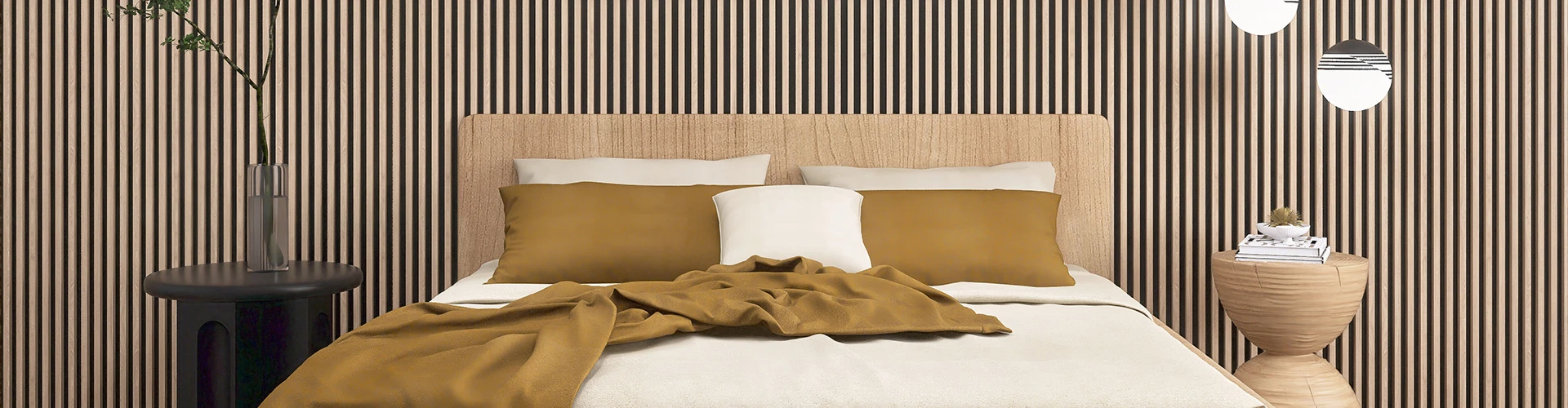
Durable and Stylish PVC Marble Panels for Modern Interiors | Sothink Decor
Understanding PVC Marble Panel: A Modern Material for Contemporary Surfaces
In today’s fast-evolving construction and interior design world, materials that combine aesthetics, durability, and affordability are prized. The pvc marble panel stands out as such a solution, merging the classic elegance of marble with modern plastics’ convenience. But why has this topic gained so much traction globally? Simply put, the demand for lightweight, cost-effective, and eco-friendly alternatives to natural stone keeps growing, especially as industries shift towards sustainability and innovation. Grasping what a pvc marble panel is and how it works helps architects, builders, and designers make smarter choices for projects big and small.
The Global Context: Why PVC Marble Panels Matter
Globally, the construction sector is responsible for a significant environmental footprint, consuming roughly 40% of earth's raw materials and generating 30% of waste worldwide according to the United Nations Environment Programme (UNEP). Alternatives to heavy natural stones like marble can cut down transportation energy, reduce waste, and allow faster building times. As urban density skyrockets and eco-conscious policies tighten, manufacturers seek solutions balancing beauty and sustainability.
Here’s an interesting statistic: the World Bank estimates that urban populations will increase by 2.5 billion by 2050, putting pressure on affordable, scalable building materials. This is where pvc marble panels come in handy—they’re lightweight, easy to install, and surprisingly robust, offering an alternative that traditional stone simply struggles with.
However, challenges like ensuring long-term durability and meeting fire safety norms can limit some applications. But, they are quickly being addressed by ongoing material innovations.
What Exactly is a PVC Marble Panel?
Put simply, a pvc marble panel is a sheet made from polyvinyl chloride (PVC) infused or printed with marble patterns that mimics the natural stone’s look. Unlike slabs of granite or marble, these panels weigh considerably less and don’t require the same level of structural support. Think of them as the laminate or vinyl flooring cousins of marble—they look premium but come with more practical benefits.
This fusion of plastic technology and design plays a critical role in modern construction. PVC marble panels are often used where the visual charm of marble is desired but natural stone’s cost, fragility, or weight is a no-go—such as in hospitals, offices, or even refugee housing. The material represents a kind of democratic design: luxurious appearance without luxury-level expense or logistical headaches.
Core Features of PVC Marble Panels
Durability and Resistance
One major reason for choosing pvc marble panels is their resilience. They withstand moisture, stains, and impact better than natural marble that can chip or crack. This makes them especially suited for kitchens, bathrooms, or commercial walls.
Lightweight and Easy Installation
Since PVC is inherently lighter than stone, these panels can be cut and installed quickly, reducing labor costs. For large projects, this can save weeks in construction time. Many builders also praise the panels’ flexibility, which adapts well to uneven surfaces.
Cost Efficiency
From the initial purchase to maintenance, pvc marble panels are generally more affordable than natural marble. There are no sealing needs, polishing, or complex repairs—just occasional cleaning.
Environmental Sustainability
Oddly enough, plastic and sustainability can sometimes conflict, but with PVC recycled content and low VOC formulations, many manufacturers are closing the gap. Plus, cutting back on quarrying natural stone reduces habitat destruction and transportation emissions.
Customization and Design Versatility
The printing technology used means any marble pattern—and even entirely new designs—can be replicated. This opens doors for architects wanting unique aesthetics on a budget.
Fire Resistance
Modern pvc marble panels meet a variety of fire safety standards, an important factor in commercial buildings and public spaces (ISO 9705 standard compliance, for example).
In brief: pvc marble panels combine strength, style, and savings in a way that’s hard to beat for certain applications.
Global Applications and Notable Use Cases
PVC marble panels aren’t just theoretical or niche. They’re widely applied across many sectors worldwide.
- Commercial office interiors: Companies wanting sleek lobbies without heavy stone costs often choose pvc marble panels for walls and partitions.
- Healthcare environments: These panels’ hygienic, easy-to-clean surfaces are perfect for hospitals and clinics.
- Residential upgrades: Homeowners use them for quick kitchen backsplashes or bathroom walls where a marble look is desired without expensive renovations.
- Disaster relief and modular housing: Lightweight and quick to install, pvc marble panels help build dignified shelters quickly.
- Retail and hospitality design: Trendy cafes or boutique stores use them for affordable elegance.
For example, in Southeast Asia, rapid urban growth combined with climate challenges has led builders to specify pvc marble panels to meet both cost and performance demands. Similarly, some NGOs involved in affordable housing projects have adopted these panels due to their ease of transport and installation.
Advantages and Long-Term Value of PVC Marble Panels
There’s a practical beauty in choosing materials that last without constant upkeep. The cost savings aren’t just upfront—over years, pvc marble panels resist stains, scratches, and moisture damage, reducing the expense and hassle of replacements.
On a human level, their lightweight nature means safer working conditions during installation (less heavy lifting, quicker work). Buildings feel brighter and more open since panels can be slimmer than slabs, letting architects design airy spaces.
One shouldn’t underestimate the emotional impact of design, either—the polished look of marble has long signified status and permanence. Now, pvc marble panels allow that dignity to reach places once too cost-prohibitive.
Product Specification Table: Typical PVC Marble Panel
| Specification | Typical Value | Unit |
|---|---|---|
| Panel Thickness | 3 - 5 | mm |
| Panel Size (L x W) | 2400 x 1200 | mm |
| Weight (per panel) | 7 - 11 | kg |
| Fire Rating | B1 (Flame Retardant) | - |
| Water Absorption | ≤ 0.01 | % |
| Surface Hardness (Mohs) | 4 - 5 | - |
Comparing Popular PVC Marble Panel Vendors
| Vendor | Pricing Range (USD/m²) | Customization Options | Eco Certification | Warranty |
|---|---|---|---|---|
| Sothink Decor | 15 - 25 | Full pattern customization | ISO 14001 | 5 years |
| Marbluxe Panels | 18 - 30 | Limited colors | No | 3 years |
| EcoStone Panels | 20 - 35 | Limited | LEED Approved | 4 years |
Looking Ahead: Future Trends in PVC Marble Panel Technology
The pvc marble panel’s evolution isn’t stopping anytime soon. Some promising developments include:
- Bio-based PVC blends: To reduce reliance on fossil fuels, bio-plastics are being tested for panel cores.
- Nanocoatings for scratch and UV resistance: Increasing longevity and colorfastness.
- Smart manufacturing: Automation and AI can deliver more exacting pattern replication and less waste.
- Recycling initiatives: Closed-loop systems to reuse offcuts and old panels.
- Enhanced safety standards: Improving fire retardancy without compromising appearance.
All these blend aesthetics with environmental responsibility, which honestly feels like the core story of pvc marble panels today.
Common Challenges and Ways Forward
Though versatile, pvc marble panels do face issues:
- UV degradation: Without proper coatings, outdoor use can fade the panels.
- Heat sensitivity: PVC can warp under excessive heat, limiting some applications.
- Perceived quality: Some clients still prefer “real” materials and hesitate due to misconceptions.
To tackle these, manufacturers are investing in advanced additives, marketing to educate users, and developing hybrid materials combining pvc marble panels with other composites.
FAQs About PVC Marble Panels
Q1: How durable are pvc marble panels compared to genuine marble?
Pvc marble panels are quite durable for interior use—in fact, they resist moisture, stains, and minor impacts better than natural marble. However, they aren’t as hard and scratch-resistant as real marble and may not be ideal for heavy-duty flooring.
Q2: Can pvc marble panels be used outdoors?
While possible, pvc marble panels require UV-protective finishes to prevent fading. They are better suited for indoor applications, but some manufacturers now offer outdoor-rated variations designed to withstand sun exposure and weather.
Q3: How do pvc marble panels contribute to sustainability?
They reduce the need for quarrying natural stone and can be manufactured with recycled materials. Some panels also offer eco-certifications like ISO 14001. Additionally, lightweight panels mean less transportation emissions.
Q4: Are these panels easy to install for DIY projects?
Yes! Their lightweight and flexible nature makes installation straightforward, often involving simple cutting tools and adhesives. However, for large surfaces or critical applications, professional installation is recommended for best results.
Q5: How do I maintain pvc marble panels?
Maintenance is minimal. Cleaning with mild soap and water is enough. Avoid abrasive cleaners or sharp tools that might damage the surface.
Wrapping Up: Why PVC Marble Panels Are Here to Stay
In real terms, the pvc marble panel offers an elegant, economical solution to a world craving versatile building materials. Their blend of style, affordability, and functionality meets evolving needs across diverse industries and geographies. As technology progresses, they’ll only get smarter, greener, and more durable.
Curious to explore premium options? Visit pvc marble panel experts at Sothink Decor, where customization and sustainable quality are top priorities.
Sometimes the perfect material is less about the rock beneath your feet and more about the panels on your walls...
References:
1. United Nations Environment Programme (UNEP) Report, 2020
2. World Bank Urban Population Data, 2023
3. ISO Standards for Fire Safety, 2022
-
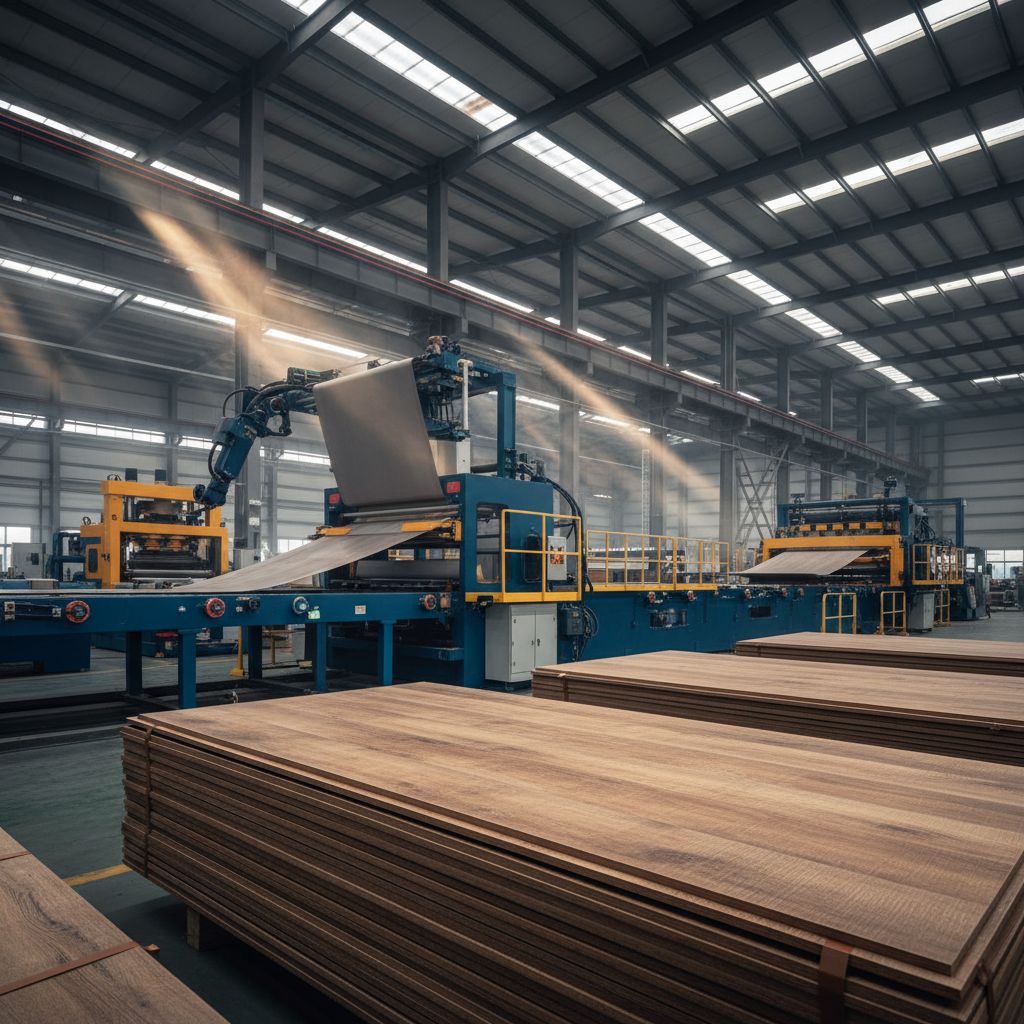 Ultimate Guide to Durable Waterproof SPC Vinyl Flooring StyleWhen renovating a modern home or commercial space, the flooring choice often defines the entire atmosphere. waterproof spc vinyl flooring has emerged as a revolutionary solution for those who refuse to compromise between aesthetic elegance and rugged performance. Standing for Stone Plastic Composite, SPC flooring is engineered to withstand the toughest environments, from moisture-prone bathrooms to high-traffic living rooms. In this comprehensive guide, we will explore why this material is dominating the interior design market and how it can transform your space into a sanctuary of style and resilience.Read More >
Apr 16 2026
-
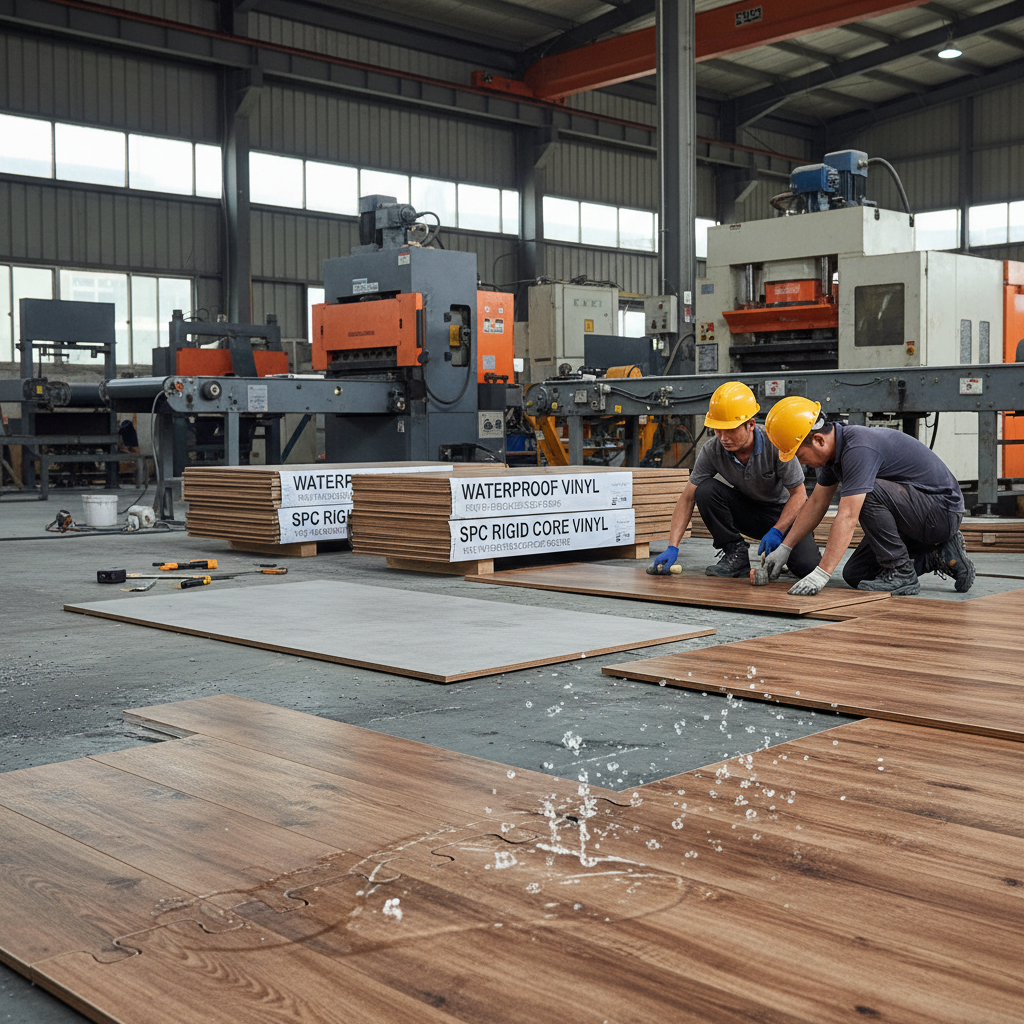 Ultimate Guide to Durable Waterproof SPC Rigid Core Vinyl FlooringChoosing the right flooring for a modern home or commercial space requires a balance between aesthetics and endurance. waterproof spc rigid core vinyl has emerged as a game-changer in the interior design world, offering the timeless look of hardwood with the unmatched resilience of stone polymer composite. Whether you are dealing with high-traffic hallways, moisture-prone bathrooms, or pet-friendly living rooms, this flooring solution provides a stable, waterproof, and scratch-resistant surface. In this comprehensive guide, we will explore why this innovative material is replacing traditional laminate and luxury vinyl planks in contemporary construction.Read More >
Apr 09 2026
-
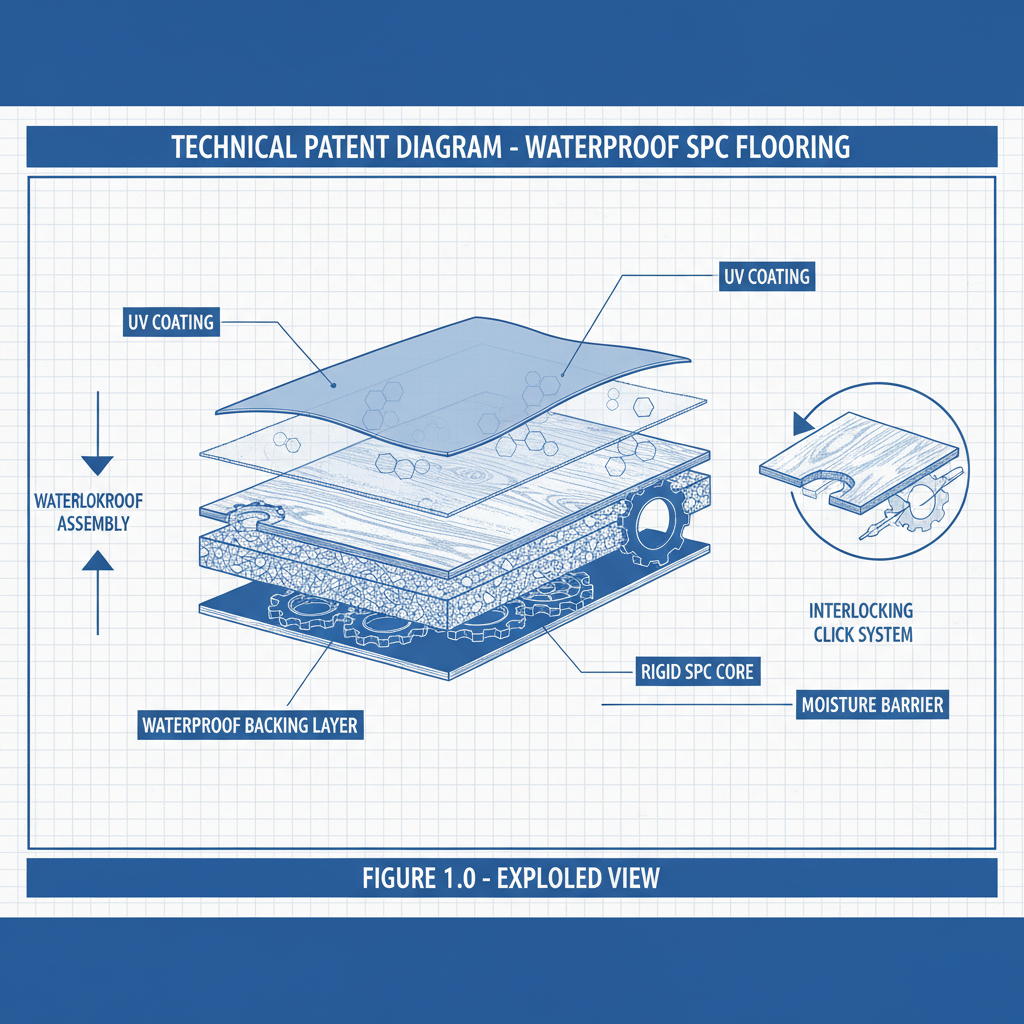 Comprehensive Guide to Waterproof SPC Flooring Durability and InstallationChoosing the right flooring for your home or business is a significant decision. Waterproof SPC flooring has emerged as a popular option due to its durability, affordability, and ease of installation. This article provides an in-depth look at waterproof SPC flooring, covering its benefits, installation process, maintenance, and comparisons with other flooring types. Understanding these aspects will help you determine if SPC flooring is the right choice for your project.Read More >
Apr 07 2026
-
 Discover the Durability and Style of Vinyl SPC Rigid Flooring SolutionsLooking for a durable, waterproof, and stylish flooring solution? Vinyl SPC rigid flooring is quickly becoming the go-to choice for homeowners and businesses alike. This article provides a comprehensive overview of this innovative flooring type, covering its benefits, installation, maintenance, and more. We’ll help you determine if SPC rigid vinyl flooring is the right fit for your project.Read More >
Apr 04 2026
-
 Comprehensive Guide to Durable Vinyl SPC Click Flooring Options and BenefitsChoosing the right flooring for your home or business is a significant decision. Vinyl SPC click flooring has emerged as a popular and durable option, offering a blend of aesthetic appeal and practical benefits. This article will explore the key features, advantages, installation process, and applications of SPC flooring, helping you determine if it's the right choice for your project. From its waterproof nature to its ease of installation, we'll cover everything you need to know.Read More >
Mar 31 2026
 +86 31185293045
  qian@ss711.com

Shijiazhuang Sothink trading Co., LTD.
Our company focuses on product development, production, sales and other all-round services, and is committed to providing customers with high-performance products and high-quality services.