


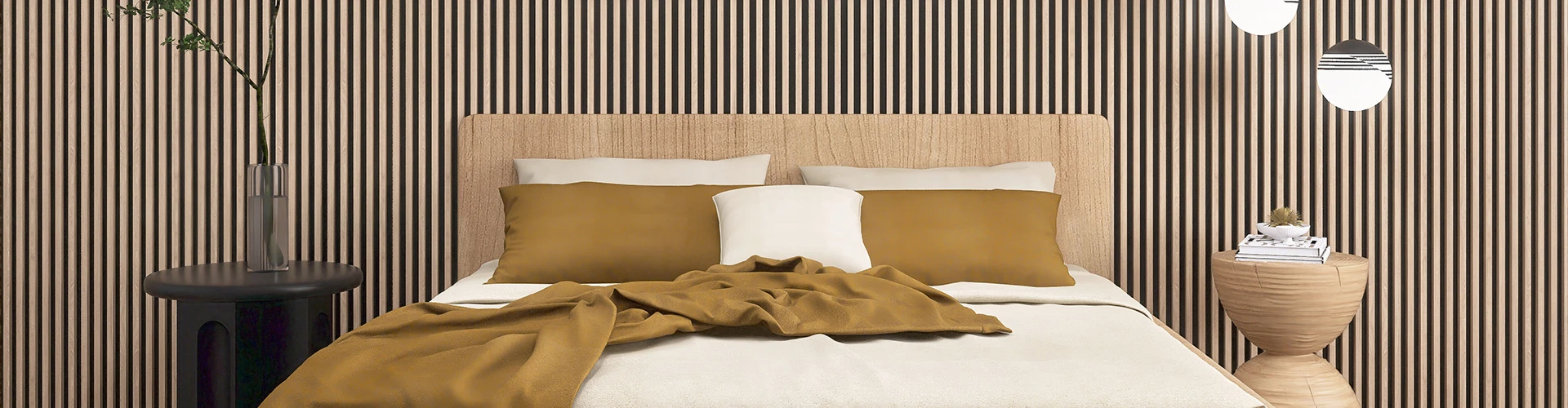
PVC Marble Board – Durable, Lightweight Stone Alternative for Modern Interiors
Understanding PVC Marble Board: A Modern Material with Global Impact
At first glance, pvc marble board might seem like just another construction or interior material, but it’s quietly reshaping industries worldwide. Essentially, it merges the durability and lightness of PVC with the aesthetic appeal of marble, offering a solution that’s both functional and visually compelling. This hybrid product is gaining traction globally for applications in architecture, furniture, advertising, and more, as it addresses cost, environmental concerns, and design flexibility all in one.
Why does this matter on a bigger scale? Global urbanization, resource scarcity, and sustainability goals have pushed industries to rethink conventional materials. PVC marble boards offer a lightweight, recyclable alternative to traditional stone, reducing carbon footprints and easing transportation challenges. So understanding this product means tapping into a trend that could redefine building practices and design innovations worldwide.
The Global Context: Why PVC Marble Board Is a Rising Star
Urban populations are ballooning — according to the UN’s 2018 urbanization report, nearly 70% of the world’s population will live in cities by 2050. This rapid growth demands flexible, affordable, and sustainable materials for construction and interiors. Additionally, supply chain disruptions and rising costs for natural stone are major headaches for industries in both developed and developing countries.
Here’s where pvc marble boards play a crucial role. They offer a synthetic alternative that reduces dependence on quarried stone and lowers transportation emissions because of their lighter weight. Plus, they’re easier to cut and shape onsite — a real boon when tight deadlines and budget controls collide on projects.
That said, conventional materials still hold sway, largely because of prestige and perceived longevity. Breaking that perception is a big challenge but one that pvc marble boards are steadily overcoming.
What Is PVC Marble Board? Breaking It Down
To put it simply, a PVC marble board is a composite panel made by laminating or printing marble patterns onto rigid polyvinyl chloride sheets. The results give you the look and feel of natural marble — veins, luster, depth — but in a much more practical and lightweight package.
It’s part of a larger wave of engineered surfaces designed for modern industries needing versatile, durable materials that don’t demand extensive maintenance. These boards are water-resistant, resistant to mildew, scratches, and impact, making them particularly useful in wet or heavy-use environments.
From humanitarian lens, think about infrastructure rebuilding after natural disasters. The easy transport and installation properties support quicker housing and facility setups, critical when resources and time are short.
Key Features of PVC Marble Boards
Durability and Resistance
Many engineers note pvc marble boards can withstand moisture, heat fluctuations, and rough handling without warping or degrading. This makes them ideal for kitchens, bathrooms, retail interiors, and exterior cladding in climates ranging from tropical to arid.
Lightweight and Easy Installation
Compared to natural marble, a typical pvc marble board weighs roughly 60-70% less. This translates to savings in shipping costs and reduces the physical strain on installation crews. Custom-cut panels speed up onsite work, enabling architects and contractors to be nimble.
Cost Efficiency
While natural stone prices can fluctuate dramatically with mining and transport challenges, pvc marble boards offer stable pricing with scalable manufacturing. For large projects, this stability is an often underappreciated advantage.
Design Versatility
Because these boards are synthetic, manufacturers can offer a wide range of marble styles and color palettes — from classic Carrara looks to bold, contemporary patterns. Some companies even mix in textured finishes or UV coatings, which further expand creative possibilities.
Eco-conscious Qualities
Certain product lines emphasize recyclable PVC content and low VOC emissions. Add to that, lighter weight reduces transportation-related emissions. While not perfect nor completely green, pvc marble boards often stack up favorably versus quarrying and cutting real stone.
| Parameter | Details |
|---|---|
| Dimensions | 2440 x 1220 mm (8' x 4') |
| Thickness | 2 mm to 10 mm |
| Weight | Around 2.5 – 8 kg per sheet (depending on thickness) |
| Water Absorption | Less than 0.5% |
| Fire Rating | Class B1 (flame retardant) |
| UV Resistance | Up to 2500 hours (varies by coating) |
| Installation | Cut with standard tools, glued or screwed |
Real-World Applications and Case Studies
Across Southeast Asia, pvc marble boards are transforming home and office interiors, particularly where traditional stone isn’t feasible either cost-wise or logistically. Countries with harsh climates like Australia and parts of the Middle East appreciate its resistance to cracking under heat.
Post-disaster housing solutions often leverage pvc marble panels for walls and furnishing — the boards can handle humidity while providing a stylish finish, which helps restore a sense of normalcy and dignity for displaced people. NGOs and governments alike have turned to these innovative materials to rebuild schools, clinics, and shelters fast.
In remote industrial zones in Africa and South America, manufacturers integrate pvc marble boards into modular building facades and interior finishes. It cuts down wait times and heavy lifting costs markedly.
Also worth mentioning: advertising and event companies increasingly use these boards as portable signage backdrops that look upscale but don't break the budget or bend easily during transit.
Advantages That Make PVC Marble Board a Smart Choice
- Cost Savings: Lower upfront and installation costs compared to natural stone.
- Environmental Benefits: Reduced quarrying impact and recyclability potential.
- Versatility: Adaptable to many design aesthetics and functional needs.
- Safety & Hygiene: Non-porous surface resists bacteria and mold, important for healthcare and food industry uses.
- Emotional Impact: The visual appeal invokes the prestige of marble but with practical reliability.
Given all this, it feels like pvc marble board is a material not just of convenience but of conscientious innovation — balancing logic and beauty, economics and ethics.
What’s Next? Trends and Innovations Shaping PVC Marble Boards
Manufacturers are now pushing boundaries by adding antibacterial coatings, integrating recycled PVC waste in production, and improving UV resistance for outdoor applications. Digital printing technologies enable finer, more customizable marble patterns, meaning bespoke design demand can be met without artisanal costs.
Moreover, regulatory pressure to reduce VOC emissions motivates eco-friendly formulations. A curious development is the production of hybrid boards that mix PVC with natural fibers to enhance eco-credentials and mechanical strength. Automation in cutting and handling is also reducing labor costs and allowing swift scaling for big projects.
Addressing Challenges and Creative Solutions
Of course, pvc marble boards aren’t without issues. Some users worry about long-term discoloration or limited heat resistance compared to stone. The flame resistance, although rated well, doesn’t match natural stone either. Additionally, market perception about “plastic looking cheap” still lingers in some circles.
To overcome those hurdles, brands invest in R&D for improved coatings that boost UV and scratch resistance and partner with leading architects to showcase premium installations that elevate public opinion. Some companies offer extended warranties, helping to build trust.
Education also plays a big role — simply getting specifiers familiar with the properties and advantages ensures more confident adoption.
Vendor Comparison (Sample Overview)
| Vendor | Price Range (per sqm) | Design Options | UV Resistance | Warranty |
|---|---|---|---|---|
| Marblix Corp | $25–35 | 15+ classic patterns | Up to 2,000 hrs UV | 5 years |
| StoneLite Ltd | $20–30 | 10+ modern finishes | Up to 2,500 hrs UV | 4 years |
| VitaPanels | $28–38 | 25+ customizable | Up to 2,200 hrs UV | 6 years |
FAQ: All Your PVC Marble Board Questions Answered
Q1: How durable is pvc marble board compared to natural marble?
While pvc marble boards don’t match the hardness of natural marble, they’re highly resistant to water, impact, and UV exposure. For most interior and light exterior applications, they provide ample durability with the added benefit of being lighter and easier to handle.
Q2: Can pvc marble boards be used outdoors?
Yes, especially those with UV-resistant coatings. However, exposure to extreme heat or prolonged direct sunlight might cause some discoloration over many years. It's best to choose products specifically rated for outdoor use and consider overhangs or shading.
Q3: Are pvc marble boards eco-friendly?
They are more eco-conscious than quarrying natural marble because they reduce stone extraction and transportation-related emissions. Some manufacturers incorporate recycled PVC content and low-VOC finishes, but it’s important to check certifications or ask your vendor.
Q4: How is installation different from regular stone?
Installation is generally easier and faster. The boards can be cut with basic tools (like saws or routers), glued, nailed, or screwed into place. This reduces labor costs and construction time significantly.
Q5: Where can I buy quality pvc marble boards internationally?
You can source them from specialized suppliers or manufacturers with export capabilities. Consider checking pvc marble board providers that offer international shipping and product certifications to ensure quality and compliance.
Wrapping Up: Why PVC Marble Board Could Be Your Next Go-To Material
In the grand sweep of materials shaping our built environment, pvc marble boards stand out as a sensible, innovative choice. They answer real-world needs with a practical blend of style, performance, and sustainability. Whether you’re an architect aiming to deliver cost-effective, beautiful interiors or a developer addressing urgent rebuilding projects, these boards offer a compelling toolkit.
If you’re curious to explore the latest options and varieties, do take a moment to visit our trusted pvc marble board resource. There, you’ll find technical details, inspirational galleries, and vendor listings to get your project started on the right foot.
So next time you're pondering materials that walk the line between elegance and economy, pvc marble boards might just quietly surprise you with how much they deliver.
References:
-
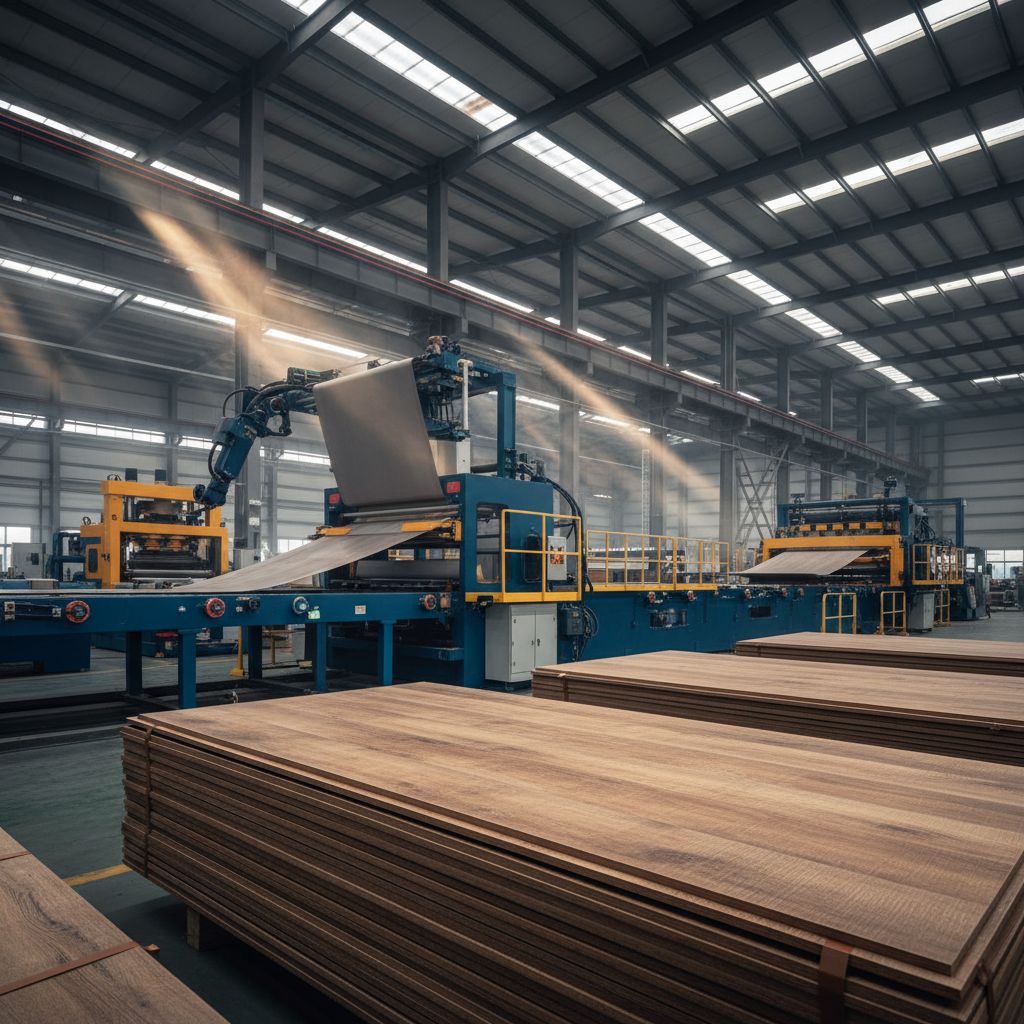 Ultimate Guide to Durable Waterproof SPC Vinyl Flooring StyleWhen renovating a modern home or commercial space, the flooring choice often defines the entire atmosphere. waterproof spc vinyl flooring has emerged as a revolutionary solution for those who refuse to compromise between aesthetic elegance and rugged performance. Standing for Stone Plastic Composite, SPC flooring is engineered to withstand the toughest environments, from moisture-prone bathrooms to high-traffic living rooms. In this comprehensive guide, we will explore why this material is dominating the interior design market and how it can transform your space into a sanctuary of style and resilience.Read More >
Apr 16 2026
-
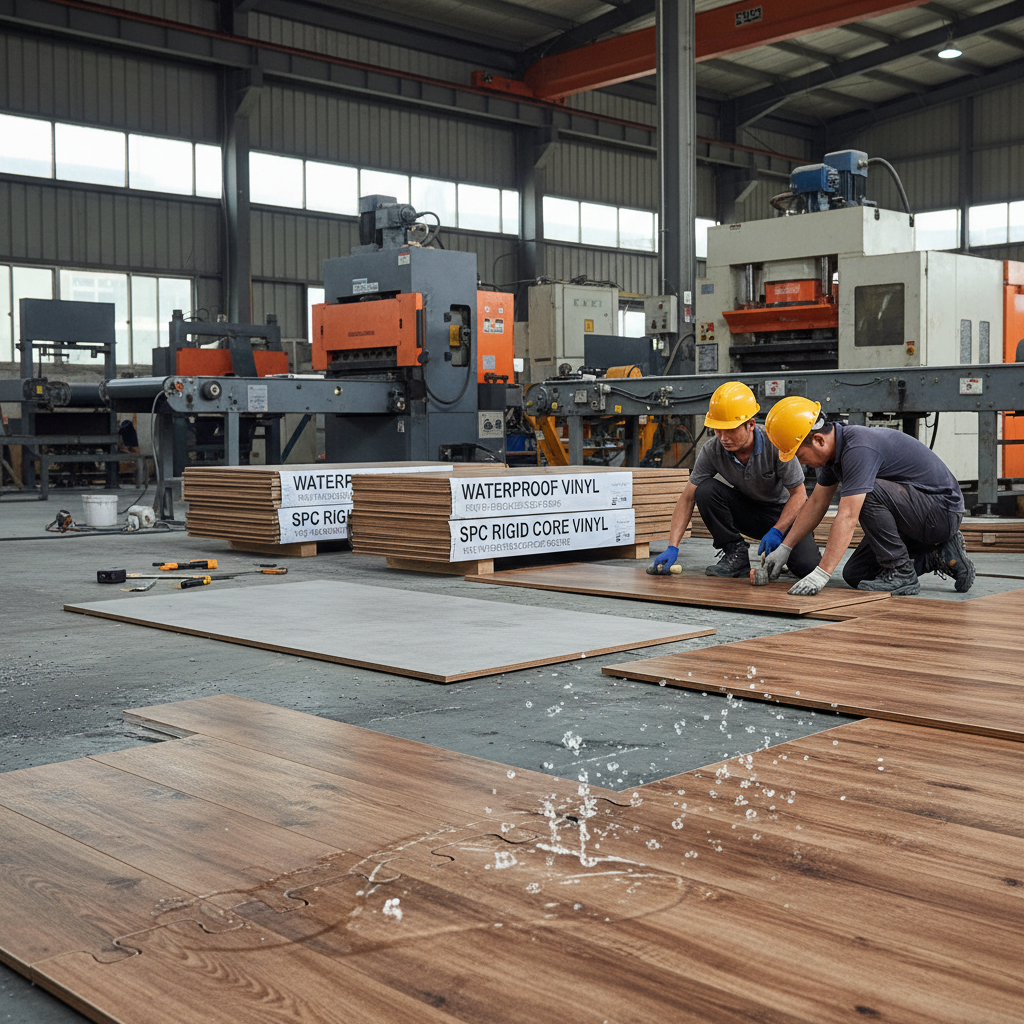 Ultimate Guide to Durable Waterproof SPC Rigid Core Vinyl FlooringChoosing the right flooring for a modern home or commercial space requires a balance between aesthetics and endurance. waterproof spc rigid core vinyl has emerged as a game-changer in the interior design world, offering the timeless look of hardwood with the unmatched resilience of stone polymer composite. Whether you are dealing with high-traffic hallways, moisture-prone bathrooms, or pet-friendly living rooms, this flooring solution provides a stable, waterproof, and scratch-resistant surface. In this comprehensive guide, we will explore why this innovative material is replacing traditional laminate and luxury vinyl planks in contemporary construction.Read More >
Apr 09 2026
-
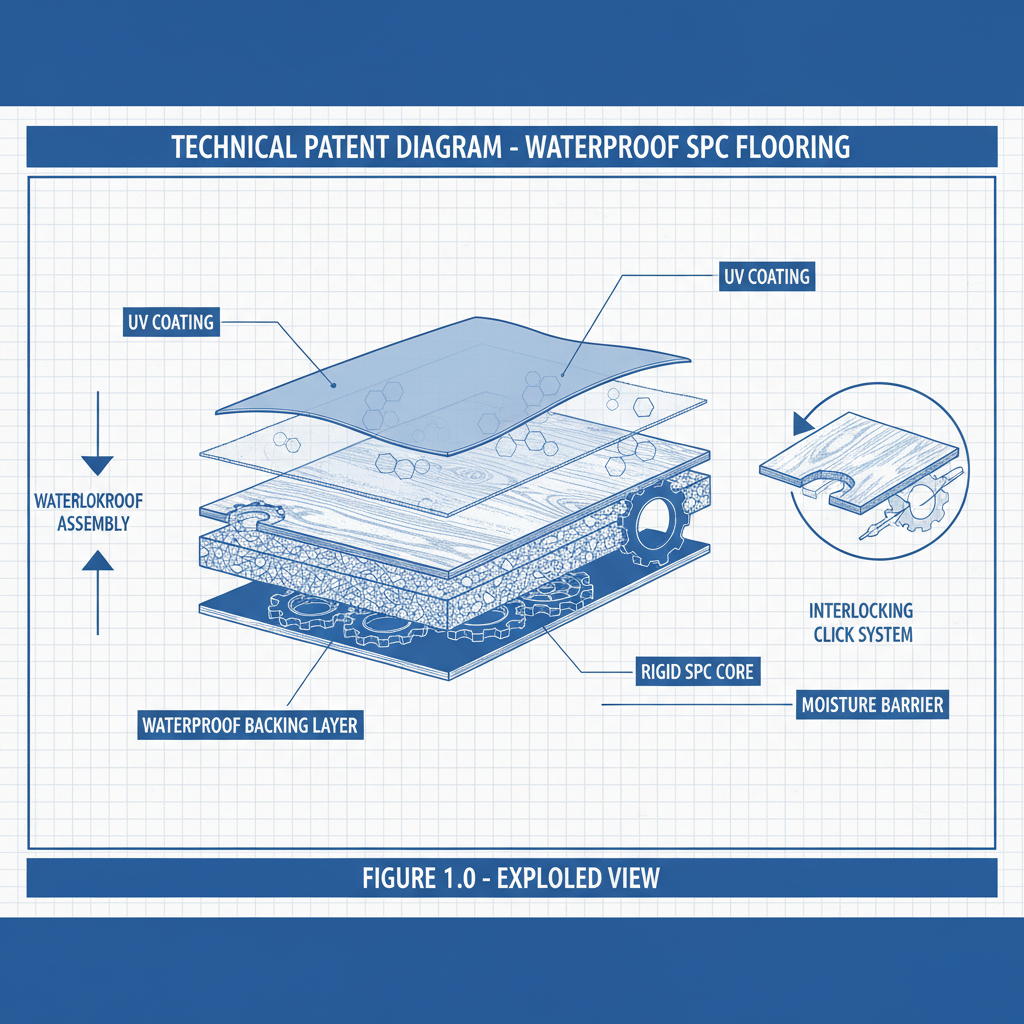 Comprehensive Guide to Waterproof SPC Flooring Durability and InstallationChoosing the right flooring for your home or business is a significant decision. Waterproof SPC flooring has emerged as a popular option due to its durability, affordability, and ease of installation. This article provides an in-depth look at waterproof SPC flooring, covering its benefits, installation process, maintenance, and comparisons with other flooring types. Understanding these aspects will help you determine if SPC flooring is the right choice for your project.Read More >
Apr 07 2026
-
 Discover the Durability and Style of Vinyl SPC Rigid Flooring SolutionsLooking for a durable, waterproof, and stylish flooring solution? Vinyl SPC rigid flooring is quickly becoming the go-to choice for homeowners and businesses alike. This article provides a comprehensive overview of this innovative flooring type, covering its benefits, installation, maintenance, and more. We’ll help you determine if SPC rigid vinyl flooring is the right fit for your project.Read More >
Apr 04 2026
-
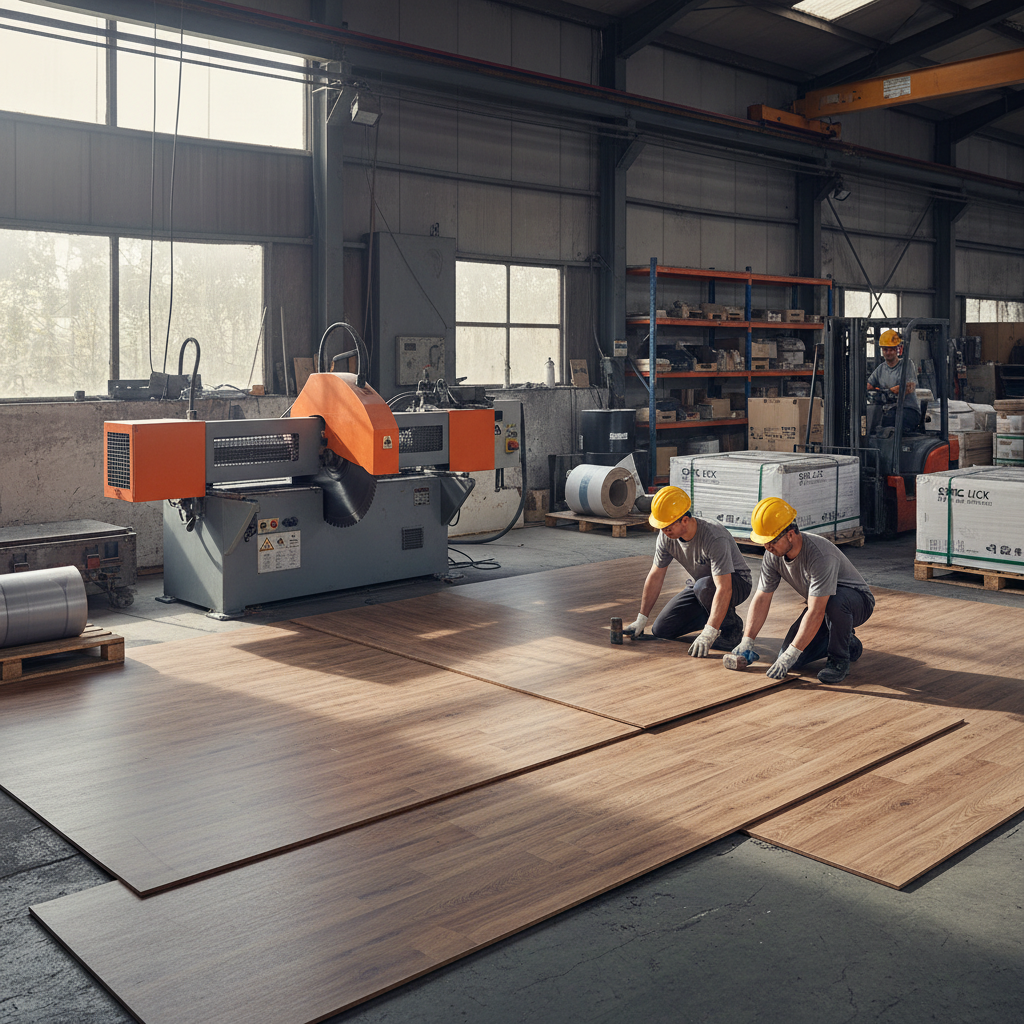 Comprehensive Guide to Durable Vinyl SPC Click Flooring Options and BenefitsChoosing the right flooring for your home or business is a significant decision. Vinyl SPC click flooring has emerged as a popular and durable option, offering a blend of aesthetic appeal and practical benefits. This article will explore the key features, advantages, installation process, and applications of SPC flooring, helping you determine if it's the right choice for your project. From its waterproof nature to its ease of installation, we'll cover everything you need to know.Read More >
Mar 31 2026
 +86 31185293045
  qian@ss711.com

Shijiazhuang Sothink trading Co., LTD.
Our company focuses on product development, production, sales and other all-round services, and is committed to providing customers with high-performance products and high-quality services.