



PVC Marble: Durable, Affordable & Stylish Building Panels for Global Use
Understanding PVC Marble: A Modern Material with Global Impact
Ever wondered what makes pvc marble such a buzzword in construction and interior design circles? It’s one of those clever materials quietly transforming how we think about aesthetics, durability, and cost—especially worldwide. From affordable housing in growing urban hubs to luxury renovations in eco-conscious homes, pvc marble is proving to be a global game-changer.
In a world chasing sustainability without compromising style or budget, understanding pvc marble’s benefits is no small thing. This article dives into what pvc marble really is, why it’s growing globally, and exactly why it could be the next smart buy for your project.
The Global Stage: Why PVC Marble Matters More Than You Think
Globally, the construction industry accounts for nearly 39% of carbon emissions, according to the International Energy Agency (IEA, 2023). With urban populations expected to hit 68% by 2050 (UN DESA), demand for affordable, sustainable building materials is skyrocketing. Here’s where pvc marble enters the picture—not just another decorative option, but a smart composite solution that aligns with planetary goals and budgets.
While natural marble can be prohibitively expensive and environmentally draining to quarry, pvc marble provides a lighter, more versatile alternative that still captures that classic look. In fact, markets from Southeast Asia to Europe are embracing it for everything from public infrastructure to upscale retail interiors.
For stakeholders clamoring for resilient, low-impact materials—and honestly, who isn’t?—pvc marble offers practical answers to these challenges.
What Exactly Is PVC Marble?
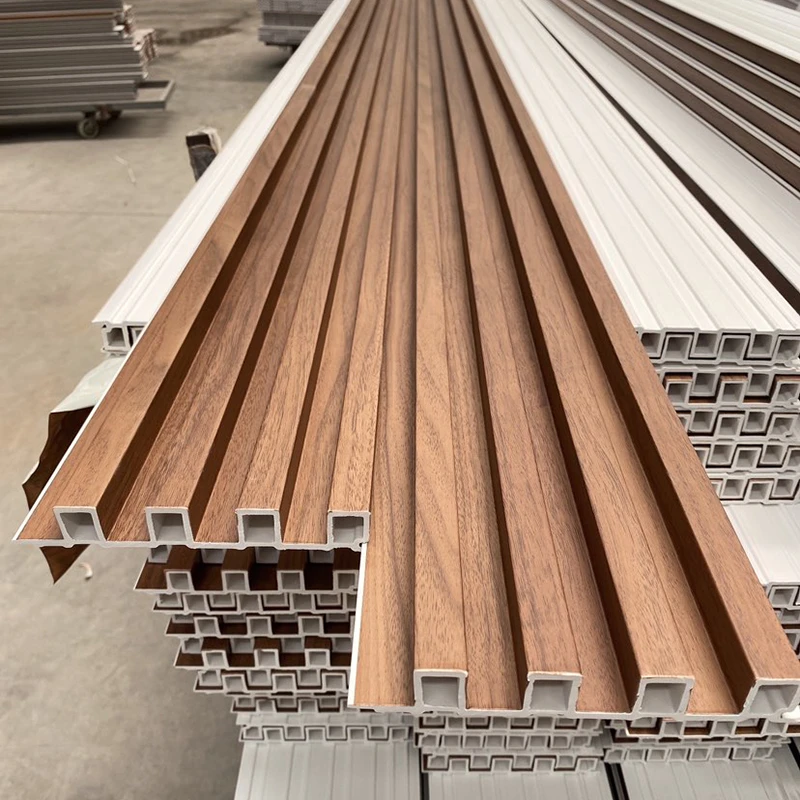
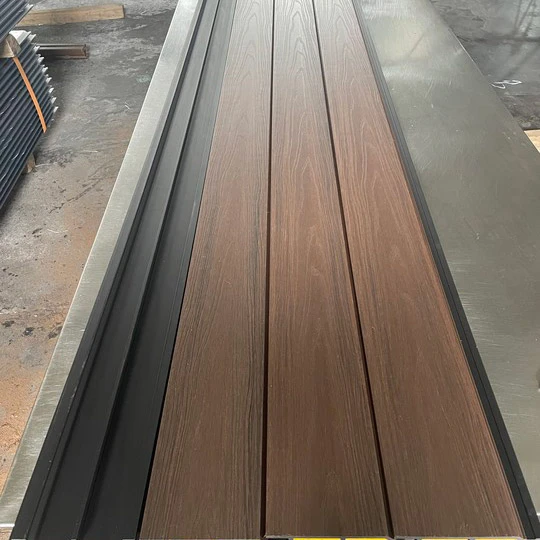
Simply put, pvc marble is a type of engineered panel made primarily from polyvinyl chloride (PVC) combined with other additives and printed decor layers that mimic natural marble’s veining and texture. It’s lightweight, waterproof, and fairly impact resistant—qualities that make it popular for wall cladding, flooring, countertops, and more.
Unlike natural stone, pvc marble comes ready to install, requiring less labor and no heavy cutting tools. From humanitarian housing projects requiring fast, durable finishes to large retail stores seeking fashionable yet budget-conscious decor, pvc marble meets surprisingly diverse needs.
Key Characteristics of PVC Marble
Durability and Waterproof Performance
Thanks to the PVC base, these panels handle moisture—think bathrooms, kitchens, humid climates—with far less risk of warping or cracking than wood or real stone. Many manufacturers rate pvc marble as scratch- and stain-resistant, making it a practical pick where wear-and-tear is a daily reality.
Cost Efficiency
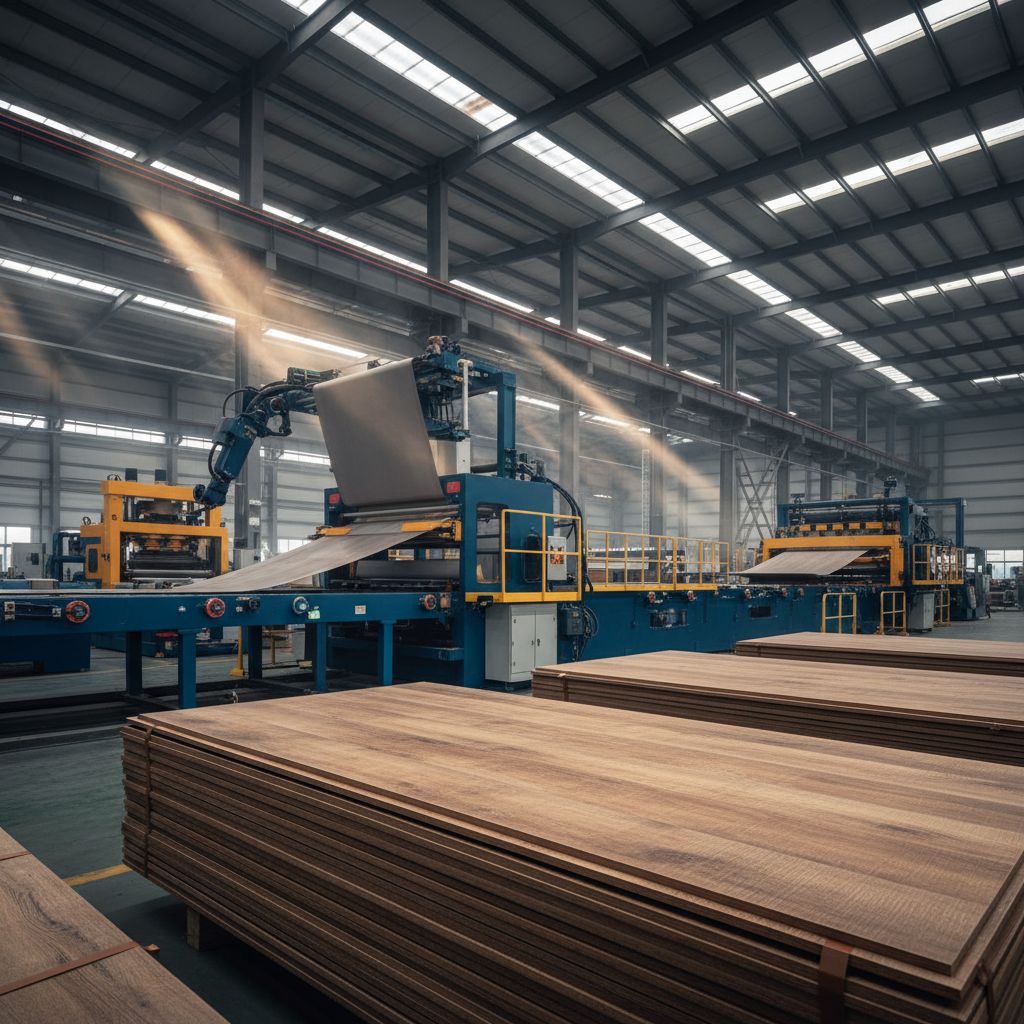
Natural marble prices are notorious for soaring unpredictably worldwide. PVC marble’s manufacturing process enables mass production and streamlined supply chains, keeping costs stable and often less than half that of quarried stone, once you factor in installation.
Easy Maintenance and Installation
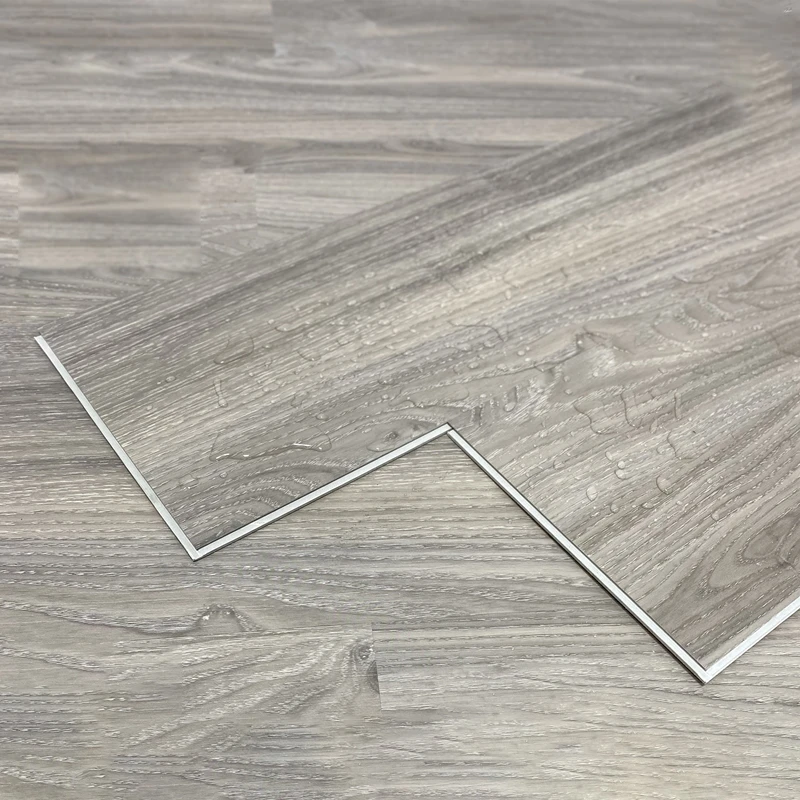
Panels are lightweight and often come with snap or tongue-and-groove connections, allowing even non-specialist installers to put them in place with minimal tools. Cleaning? A quick wipe with mild detergent usually does the trick.
Eco-Friendly Potential
While PVC has a rather mixed reputation environmentally, innovations in recycled content and non-toxic additives are improving sustainability metrics. Some manufacturers now offer pvc marble products compliant with ISO 14001 environmental management standards.
Aesthetic Flexibility
High-resolution printing technology allows pvc marble to replicate a variety of marble types, from Carrara’s soft whites to the dramatic blacks of Nero Marquina, often with custom colors and finishes tailored to client tastes.
Global Applications: Where PVC Marble Finds Its Purpose
- Housing & Affordable Living: Rapidly growing cities in Asia and Africa use pvc marble in modular housing, thanks to its affordability and fast installation.
- Hospitality & Retail: Hotels and shops in Europe favor pvc marble for easy-to-renovate, high-impact design statements.
- Healthcare Facilities: PVC’s antimicrobial surface coatings make it suitable for clinics and hospitals.
- Disaster Relief & Remote Locations: Quick-deploy shelters and temporary clinics use pvc marble wall panels to ensure weather resistance and easy maintenance.
One standout example: after flood devastation in parts of Southeast Asia, NGOs used pvc marble to help retrofit community centers—reducing costs while increasing durability.
Advantages & Long-Term Value of PVC Marble
It might sound too good to be true, but pvc marble brings both logic and feeling to the table. On a practical note, it lowers upkeep and refurbishment expenses—a boon for commercial properties juggling budgets.
- Reducing waste: Less breakage and offcuts mean fewer trips to landfill.
- Less environmental disruption: Mining for natural marble comes with ecosystem damage; pvc production, done right, can be cleaner and faster.
- Emotional impact: For families rebuilding under financial and emotional strain, having durable, lovely surfaces helps restore dignity.
The peace of mind from knowing surfaces can withstand busy household life or rough foot traffic creates a kind of trust between users and materials that only few products achieve.
Looking Ahead: Innovations Shaping PVC Marble’s Future
That never-ending push for sustainability is driving research into bio-based PVC and recyclable composites. Some players are also embedding antimicrobial nanocoatings and self-cleaning surfaces, which could redefine maintenance altogether.
Then there’s digital smart printing, allowing customers to create fully personalized veining or textures. Imagine a seamless blend where nature and design meet the advantages of Industry 4.0.
Product Specification Table
| Specification | Typical Value/Range | Unit |
|---|---|---|
| Thickness | 3 – 6 | mm |
| Weight | 6 – 9 | kg/m² |
| Water Absorption | % | |
| Scratch Resistance | High | N/A |
| Fire Rating | Class B1 | EN 13501-1 |
Vendor Comparison Table
| Feature/Brand | MarbleTex Co. | EcoStone Panels | PVC Art Marble |
|---|---|---|---|
| Recycled Content | 30% | 45% | 20% |
| Design Variety | 20+ Patterns | 15+ Patterns | 25+ Patterns |
| Lead Time | 2 weeks | 3 weeks | 1.5 weeks |
| Price Range (USD/m²) | $18 - $24 | $20 - $26 | $15 - $22 |
| Warranty | 7 years | 5 years | 10 years |
Common Challenges & How Industry Players Are Tackling Them
Like any material, pvc marble isn’t perfect. For starters, some brands struggle with discoloration under prolonged UV exposure, making outdoor use a bit dicey without special coatings. Then there’s the environmental concern about PVC production’s carbon footprint.
To address these, manufacturers are refining UV-resistant films and promoting circular economy approaches, such as take-back schemes and recycling pipelines. More customers are demanding transparency on chemical use, pushing innovations in non-toxic plasticizers and additives.
One interesting trend is hybrid panels combining pvc marble with natural fiber reinforcements, which might someday deliver even better strength and eco-friendliness.
FAQs About PVC Marble
Is PVC marble suitable for kitchen countertops?
Yes, pvc marble panels are water-resistant and can tolerate typical kitchen conditions. However, avoid placing hot pans directly on them, as extreme heat may damage the surface. Using cutting boards is recommended.
Can PVC marble be installed outdoors?
Though primarily designed for indoor use, PVC marble with UV-resistant coating can be used in covered outdoor areas. Continuous direct sunlight may cause color fading over time.
How does PVC marble compare in cost to natural marble?
PVC marble is typically 40-60% less expensive upfront and cheaper to install due to lower weight and easier handling. Long-term maintenance costs are also generally lower.
Is PVC marble environmentally friendly?
While PVC production has environmental impacts, advances in recycled content, improved formulations, and longer product lifecycles contribute to a more sustainable profile compared to natural marble mining.
Where can I buy quality pvc marble panels?
Manufacturers like those listed above offer direct sales and distributor networks globally. For a reliable source, consider visiting pvc marble suppliers with ISO certifications and verifiable sustainability reports.
Wrapping Up & Next Steps
At the crossroads of innovation, sustainability, and affordability stands pvc marble—a material that’s more than just a pretty face. Its versatility, combined with evolving eco-conscious manufacturing, means it’s here to stay, helping shape smart building practices worldwide.
If you’re intrigued and thinking of taking the plunge in your next project, why not explore more? Visit pvc marble suppliers for detailed options and support that speak your language—and your space.
References
-
 Ultimate Guide to Durable Waterproof SPC Vinyl Flooring StyleWhen renovating a modern home or commercial space, the flooring choice often defines the entire atmosphere. waterproof spc vinyl flooring has emerged as a revolutionary solution for those who refuse to compromise between aesthetic elegance and rugged performance. Standing for Stone Plastic Composite, SPC flooring is engineered to withstand the toughest environments, from moisture-prone bathrooms to high-traffic living rooms. In this comprehensive guide, we will explore why this material is dominating the interior design market and how it can transform your space into a sanctuary of style and resilience.Read More >
Apr 16 2026
-
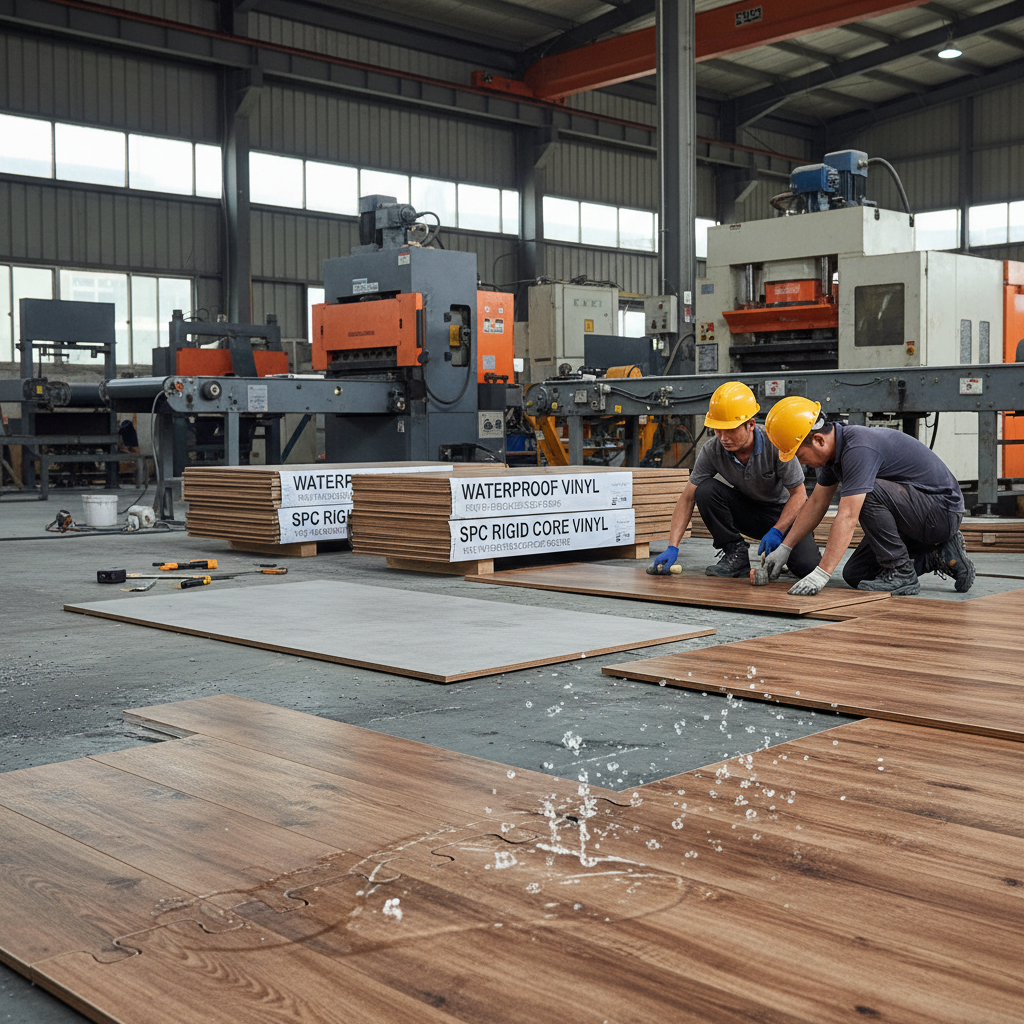 Ultimate Guide to Durable Waterproof SPC Rigid Core Vinyl FlooringChoosing the right flooring for a modern home or commercial space requires a balance between aesthetics and endurance. waterproof spc rigid core vinyl has emerged as a game-changer in the interior design world, offering the timeless look of hardwood with the unmatched resilience of stone polymer composite. Whether you are dealing with high-traffic hallways, moisture-prone bathrooms, or pet-friendly living rooms, this flooring solution provides a stable, waterproof, and scratch-resistant surface. In this comprehensive guide, we will explore why this innovative material is replacing traditional laminate and luxury vinyl planks in contemporary construction.Read More >
Apr 09 2026
-
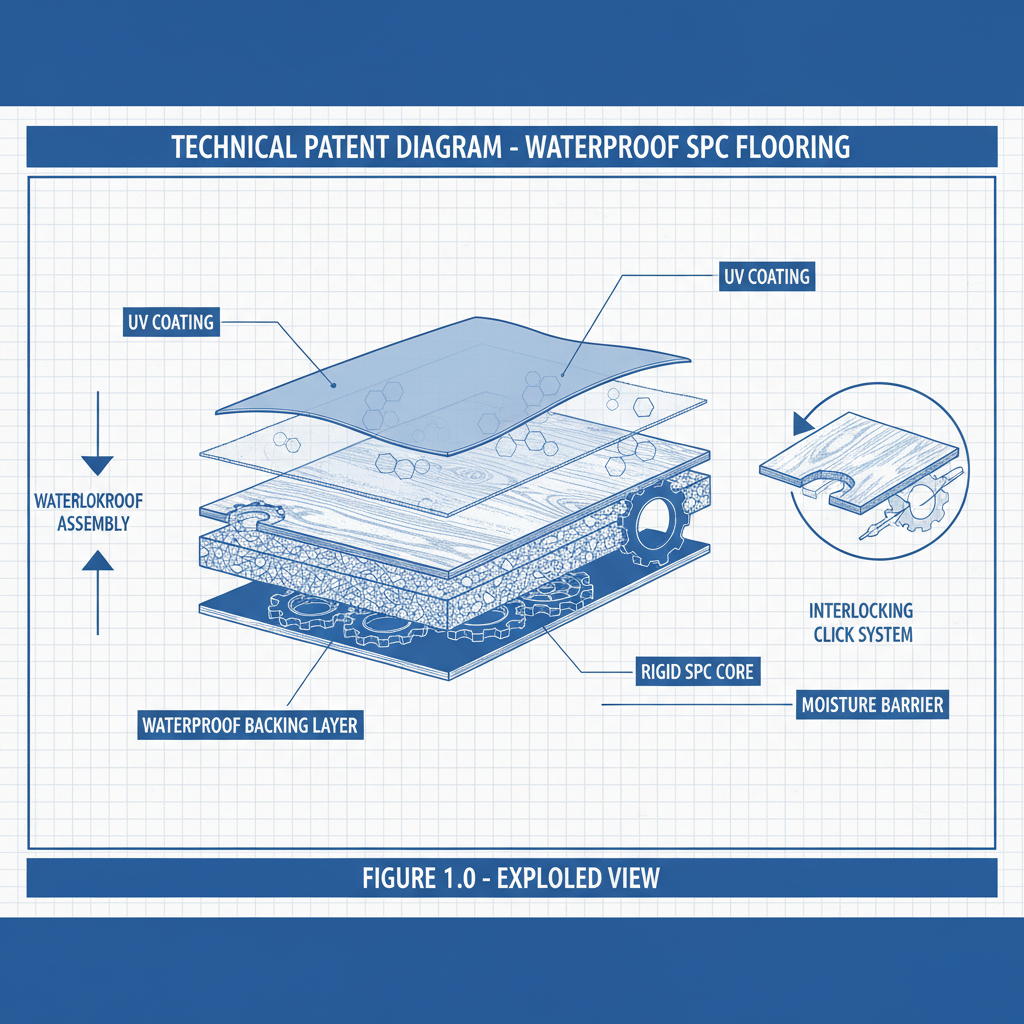 Comprehensive Guide to Waterproof SPC Flooring Durability and InstallationChoosing the right flooring for your home or business is a significant decision. Waterproof SPC flooring has emerged as a popular option due to its durability, affordability, and ease of installation. This article provides an in-depth look at waterproof SPC flooring, covering its benefits, installation process, maintenance, and comparisons with other flooring types. Understanding these aspects will help you determine if SPC flooring is the right choice for your project.Read More >
Apr 07 2026
-
 Discover the Durability and Style of Vinyl SPC Rigid Flooring SolutionsLooking for a durable, waterproof, and stylish flooring solution? Vinyl SPC rigid flooring is quickly becoming the go-to choice for homeowners and businesses alike. This article provides a comprehensive overview of this innovative flooring type, covering its benefits, installation, maintenance, and more. We’ll help you determine if SPC rigid vinyl flooring is the right fit for your project.Read More >
Apr 04 2026
-
 Comprehensive Guide to Durable Vinyl SPC Click Flooring Options and BenefitsChoosing the right flooring for your home or business is a significant decision. Vinyl SPC click flooring has emerged as a popular and durable option, offering a blend of aesthetic appeal and practical benefits. This article will explore the key features, advantages, installation process, and applications of SPC flooring, helping you determine if it's the right choice for your project. From its waterproof nature to its ease of installation, we'll cover everything you need to know.Read More >
Mar 31 2026
 +86 31185293045
  qian@ss711.com

Shijiazhuang Sothink trading Co., LTD.
Our company focuses on product development, production, sales and other all-round services, and is committed to providing customers with high-performance products and high-quality services.