


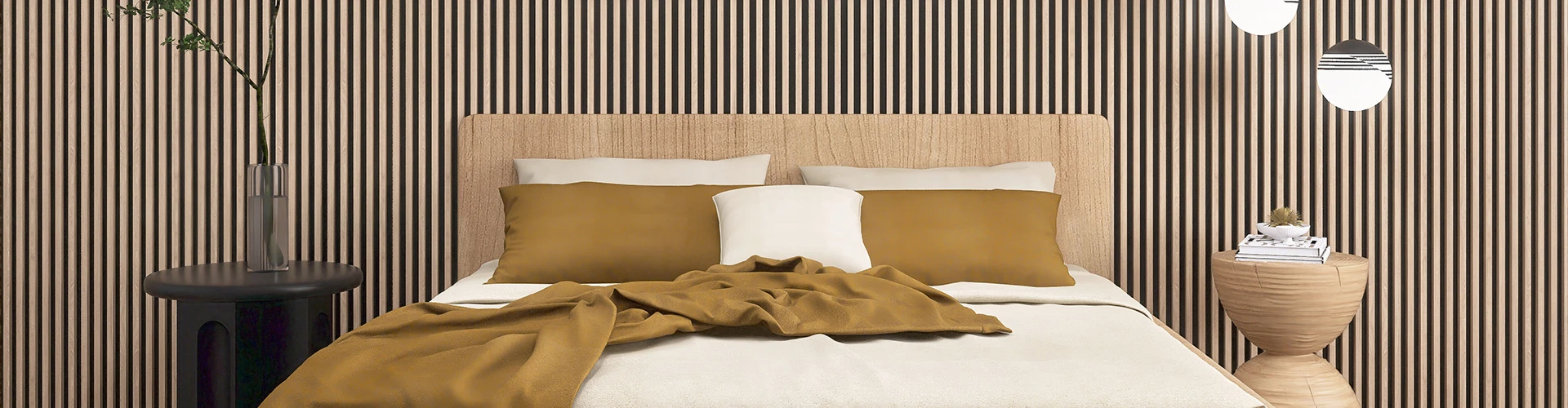
Plastic Marble Wall Panels – Durable, Eco-Friendly Alternatives to Natural Marble
Understanding Plastic Marble Wall Panels: The Modern Take on Classic Elegance
If you've ever admired the timeless charm of marble interiors but cringed at the hefty price tag or the heavy maintenance, then plastic marble wall panels might just be your new best friend. This rising star in construction and interior design combines the sophistication of marble with the versatility and economy of modern plastics. Globally, they are shifting how we think about aesthetic value, sustainability, and practicality — something worth exploring deeply, especially as urbanization and eco-consciousness grow hand in hand.
Why Plastic Marble Wall Panels Matter in Today's World
Worldwide construction and renovation markets are booming. According to the World Bank, sustainable construction practices are not just trends but necessities as cities swell and resources strain. Marble, while luxurious, isn’t always sustainable or accessible. Plastic marble wall panels come in to fill this gap, offering a lightweight yet durable alternative that reduces environmental impact. Plastic marble wall panels help address not only cost and supply issues but also accelerate faster, less disruptive build times — a crucial factor in disaster response and developing regions.
The challenge? Traditional marble slabs contribute to carbon emissions due to quarrying and transportation, and they limit design flexibility. Plastic marble panels, made from engineered polymers with marble-like finishes, overcome many of these hurdles — and yes, they’re eye-friendly too.
What Exactly Are Plastic Marble Wall Panels?
In simple terms, these panels are composite sheets typically made from PVC or other plastic materials molded or coated to mimic the appearance of natural marble. Think of them as the cheeky cousin of authentic marble: they flaunt the look without the weight or the cost.
Their connection to modern building practices is significant — they provide a practical way for builders and designers to achieve high-end looks in commercial, residential, and humanitarian projects (think emergency shelters or temporary clinics) without sacrificing speed or environmental concerns.
Core Aspects of Plastic Marble Wall Panels
Durability
Despite their lightness, these panels are shock-resistant, moisture-proof, and often fire-retardant. Unlike real marble, which can chip and stain, plastic marble wall panels withstand daily wear and tear superbly.
Cost Efficiency
The cost savings can be huge. Raw marble requires skilled labor for installation and frequent maintenance. The plastic alternatives, in contrast, are easier to install (often tongue-and-groove or adhesive-backed) and much more affordable, both in upfront costs and upkeep.
Design Flexibility
Manufacturers can tailor finishes, colors, thickness, and even embed lighting elements. This adaptability makes these panels suitable for both sleek corporate lobbies and warm, homely vibes.
Environmental Impact
Plastic marble panels often incorporate recycled materials and reduce quarrying. While they are plastics, many are recyclable or made from eco-conscious compounds, tipping the scales favorably against traditional stone.
Lightweight and Scalability
This is a logistical dream — panels can be shipped and installed without heavy equipment, enabling projects in remote, disaster-affected, or infrastructure-poor regions.
Mini takeaway: The blend of durability and design versatility makes plastic marble wall panels a go-to solution for modern and responsible construction.
Real-World Applications of Plastic Marble Wall Panels
In Asia's fast-growing megacities, these panels are being rapidly adopted in residential high-rises to bring upscale aesthetics without breaking the bank or schedule. Europe’s green building certifications increasingly favor such composites for their reduced carbon footprint.
More intriguingly, NGOs use plastic marble wall panels in post-disaster relief operations, quickly converting temporary shelters into dignified, comfortable spaces. In remote industrial zones, these panels line walls to protect structures from moisture and wear, extending lifespans and reducing maintenance stops.
Case in point:
A shelter project in the Philippines after typhoon Haiyan successfully integrated plastic marble wall panels, providing homeowners with durable and attractive interiors under a tight budget and timeline.
Advantages & Long-Term Value of Choosing Plastic Marble Panels
- Cost-Effective: Less upfront cost, simpler installation.
- Sustainability: Less quarrying, recyclable options available.
- Safety & Hygiene: Mold-resistant and easy to clean.
- Emotional Impact: Offering users dignity and pride with premium looks.
- Reliability: Proven durability in harsh environments.
It’s not just about saving money — it’s about creating spaces that inspire trust and comfort. After all, the walls around us do more than hold up a roof; they frame our daily lives.
Plastic Marble Wall Panels: Product Specifications
| Specification | Typical Value / Range | Notes |
|---|---|---|
| Material | PVC / Polypropylene Composite | Varies by manufacturer |
| Thickness | 3mm - 8mm | Custom sizes available |
| Panel Size | 1220mm x 2440mm (standard) | Other dimensions on request |
| Weight | 4-7 kg per panel | Much lighter than natural marble |
| Fire Resistance | Class B1 (flame retardant) | Varies with additives |
| Surface Finish | Glossy / Matte / Textured | Customizable |
Leading Vendors of Plastic Marble Wall Panels Compared
| Vendor | Price Range (per panel) | Customization Options | Lead Time | Sustainability Certifications |
|---|---|---|---|---|
| MarbleTech Co. | $50 - $80 | Color, Thickness, Finishes | 2-3 weeks | ISO 14001 |
| EcoMarble Solutions | $45 - $70 | Recycled Materials, Custom Prints | 3-4 weeks | LEED & GreenGuard |
| VitaPanels | $55 - $85 | Embedded LEDs, Fire-Resistant Coating | 1-2 weeks | BREEAM Compliant |
The Future of Plastic Marble Wall Panels: Where Are We Headed?
Innovation in materials science means plastic panels will get lighter, tougher, and greener. Bioplastics and graphene-infused composites are already on the horizon, promising even better fire resistance and lifespan.
Plus, the digital transformation in construction — BIM (Building Information Modeling) and 3D printing — is speeding up how these panels are customized and integrated. Oddly enough, while seemingly “fake” marble, these panels are evolving into smart materials, capable of temperature regulation and energy savings.
Challenges & How the Industry Is Addressing Them
Of course, some challenges remain. Plastic waste is a concern, as is panel disposal after their lifecycle. Fortunately, a number of manufacturers are partnering with recycling firms and investing in circular economy programs to make products more reusable.
Another issue is perception. Many still see plastic panels as “cheap knockoffs.” Marketing and education initiatives (like clean certification labels and long-term durability studies) are slowly shifting this mindset.
FAQ: Your Questions About Plastic Marble Wall Panels
- Are plastic marble wall panels suitable for high-moisture areas like bathrooms?
- Yes, their moisture resistance makes them ideal for bathrooms and kitchens. Unlike real marble, which can stain and erode, plastic panels remain unaffected by humidity and are easy to clean.
- How long do these panels typically last compared to natural marble?
- Plastic marble wall panels generally last 10-20 years depending on care, which is less than natural marble but sufficient for many commercial and residential applications, especially considering their ease of replacement.
- Are these panels environmentally friendly?
- Many manufacturers utilize recycled plastics and sustainable production methods, plus some products are recyclable themselves. This reduces quarrying and waste, though they still are plastic-based.
- Can I easily install plastic marble panels myself?
- Many panels are designed for simple DIY installation with tongue-and-groove systems or adhesive backing, but larger or more complex jobs may require professional help.
- Where can I find trusted suppliers or distributors?
- It's best to source from manufacturers with sustainability certifications and solid lead times. Check out reputable companies like those reviewed here or visit https://www.sothinkdecor.com.
Wrapping It Up: Why Plastic Marble Wall Panels Make Sense Long-Term
To sum it up — plastic marble wall panels offer a practical, sustainable, and stylish alternative to traditional stone cladding. They address economic and environmental challenges simultaneously, opening design possibilities without forcing compromises on quality or appearance.
Curious to explore more or ready to choose your perfect marble panel alternative? Visit https://www.sothinkdecor.com for detailed catalogs, innovative solutions, and expert advice tailored just for you.
Embrace smart, responsible interiors that blend form, function, and future-ready thinking — is there a better trio?
References and further reading:
-
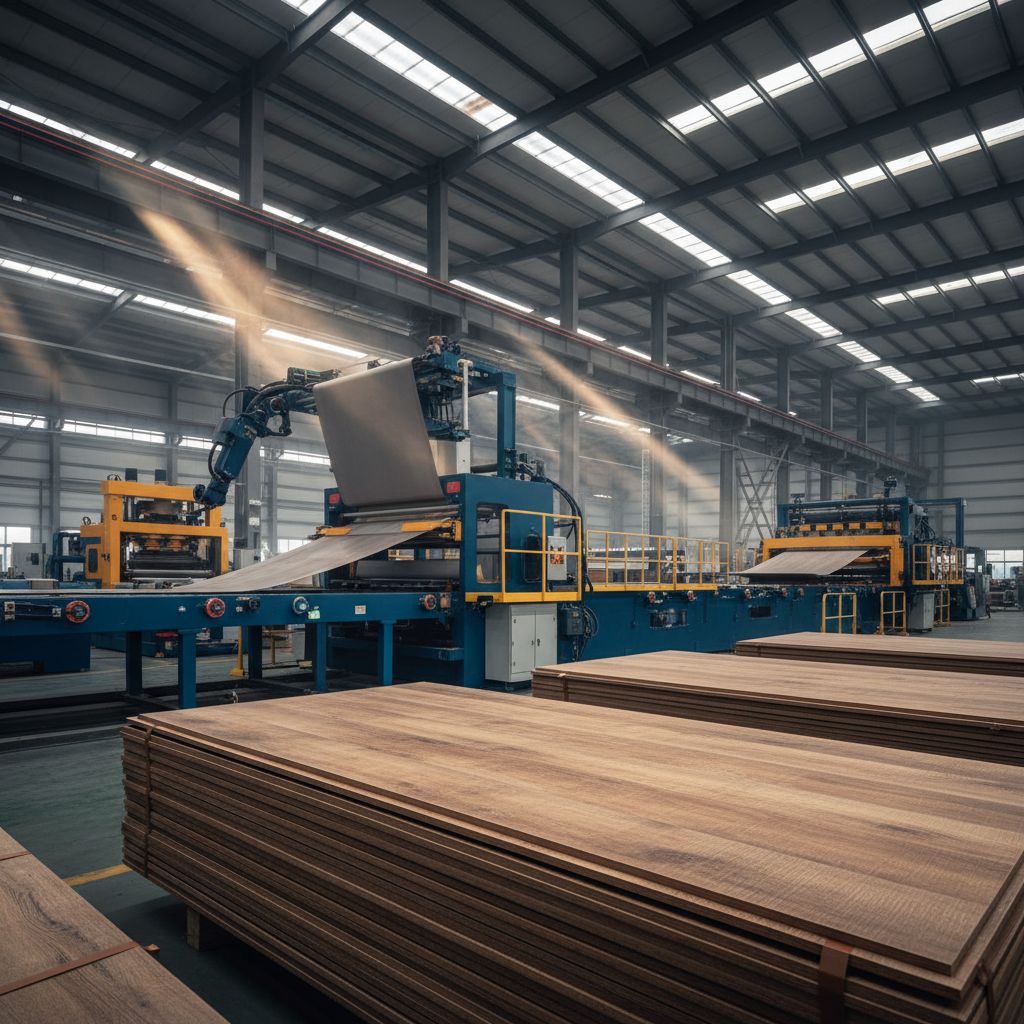 Ultimate Guide to Durable Waterproof SPC Vinyl Flooring StyleWhen renovating a modern home or commercial space, the flooring choice often defines the entire atmosphere. waterproof spc vinyl flooring has emerged as a revolutionary solution for those who refuse to compromise between aesthetic elegance and rugged performance. Standing for Stone Plastic Composite, SPC flooring is engineered to withstand the toughest environments, from moisture-prone bathrooms to high-traffic living rooms. In this comprehensive guide, we will explore why this material is dominating the interior design market and how it can transform your space into a sanctuary of style and resilience.Read More >
Apr 16 2026
-
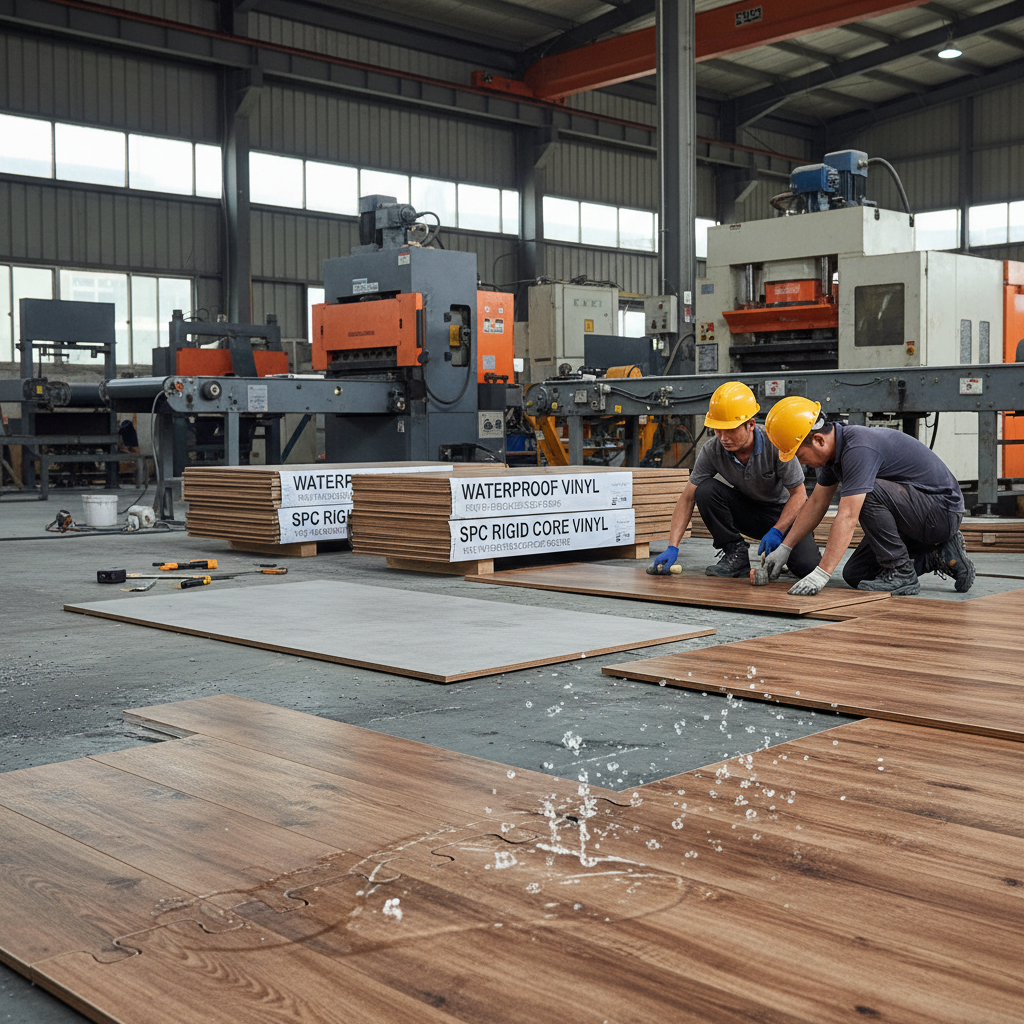 Ultimate Guide to Durable Waterproof SPC Rigid Core Vinyl FlooringChoosing the right flooring for a modern home or commercial space requires a balance between aesthetics and endurance. waterproof spc rigid core vinyl has emerged as a game-changer in the interior design world, offering the timeless look of hardwood with the unmatched resilience of stone polymer composite. Whether you are dealing with high-traffic hallways, moisture-prone bathrooms, or pet-friendly living rooms, this flooring solution provides a stable, waterproof, and scratch-resistant surface. In this comprehensive guide, we will explore why this innovative material is replacing traditional laminate and luxury vinyl planks in contemporary construction.Read More >
Apr 09 2026
-
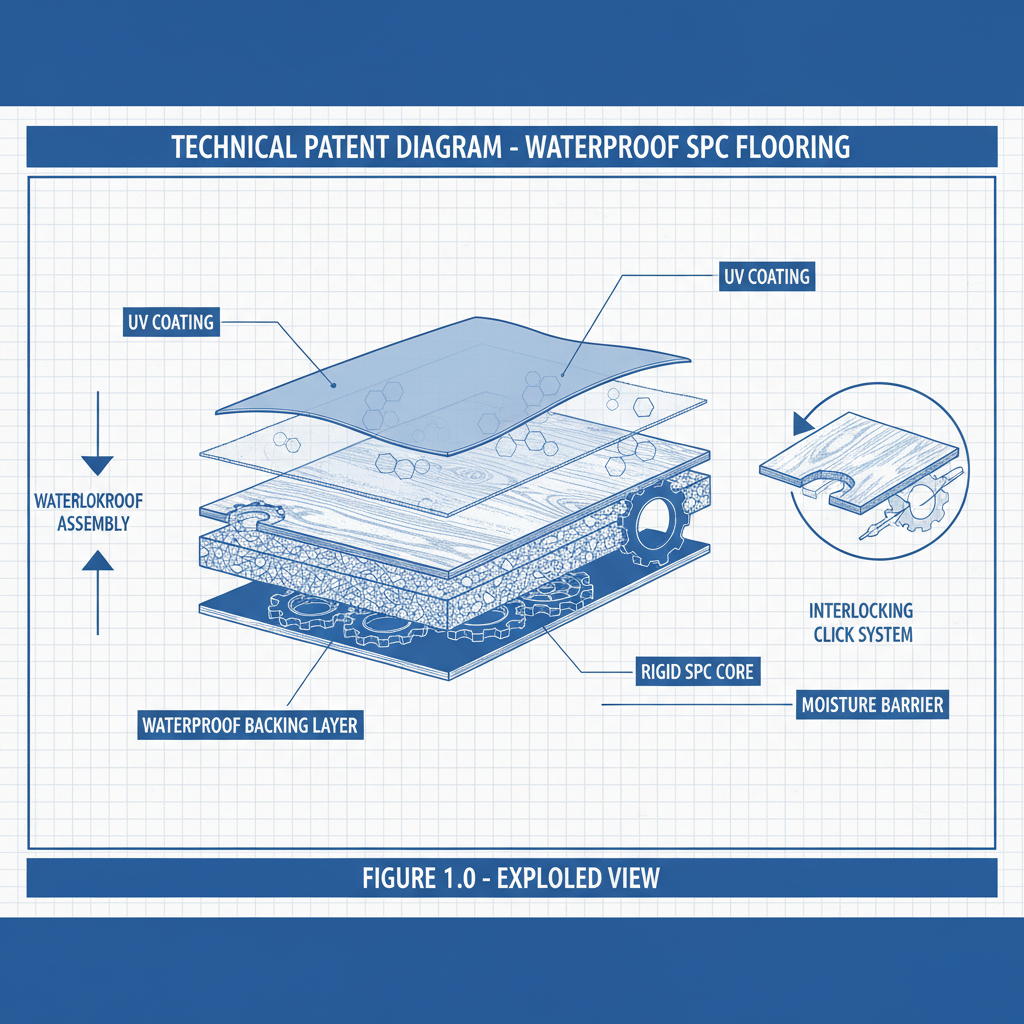 Comprehensive Guide to Waterproof SPC Flooring Durability and InstallationChoosing the right flooring for your home or business is a significant decision. Waterproof SPC flooring has emerged as a popular option due to its durability, affordability, and ease of installation. This article provides an in-depth look at waterproof SPC flooring, covering its benefits, installation process, maintenance, and comparisons with other flooring types. Understanding these aspects will help you determine if SPC flooring is the right choice for your project.Read More >
Apr 07 2026
-
 Discover the Durability and Style of Vinyl SPC Rigid Flooring SolutionsLooking for a durable, waterproof, and stylish flooring solution? Vinyl SPC rigid flooring is quickly becoming the go-to choice for homeowners and businesses alike. This article provides a comprehensive overview of this innovative flooring type, covering its benefits, installation, maintenance, and more. We’ll help you determine if SPC rigid vinyl flooring is the right fit for your project.Read More >
Apr 04 2026
-
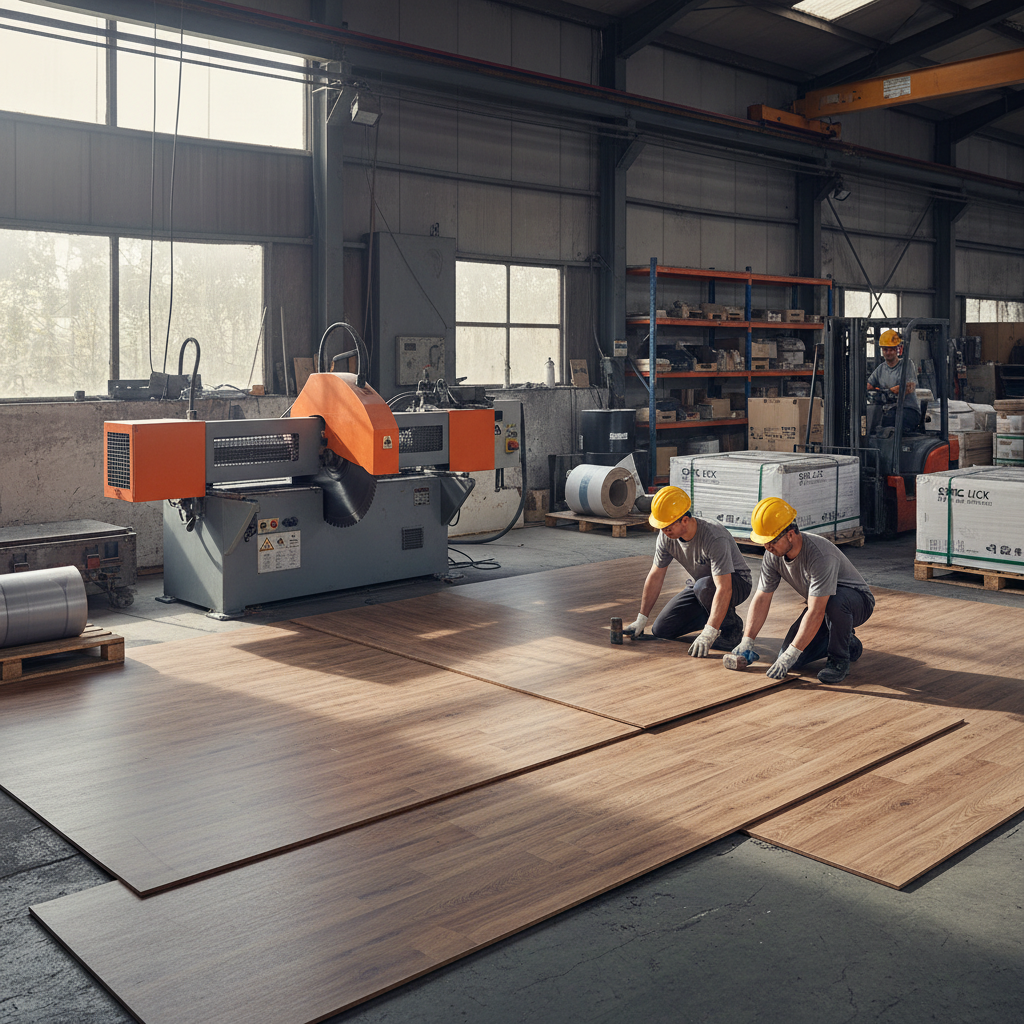 Comprehensive Guide to Durable Vinyl SPC Click Flooring Options and BenefitsChoosing the right flooring for your home or business is a significant decision. Vinyl SPC click flooring has emerged as a popular and durable option, offering a blend of aesthetic appeal and practical benefits. This article will explore the key features, advantages, installation process, and applications of SPC flooring, helping you determine if it's the right choice for your project. From its waterproof nature to its ease of installation, we'll cover everything you need to know.Read More >
Mar 31 2026
 +86 31185293045
  qian@ss711.com

Shijiazhuang Sothink trading Co., LTD.
Our company focuses on product development, production, sales and other all-round services, and is committed to providing customers with high-performance products and high-quality services.