



Durable WPC Interior Wall Cladding for Industrial Spaces | SothinkDecor
Why WPC interior wall cladding is Gaining Ground in Industrial Spaces
Having spent close to two decades in the industrial equipment sector, I’ve seen materials come and go in popularity. Wood-plastic composite (WPC) interior wall cladding is one of those modern innovations that’s been quietly gaining traction, and frankly, it’s about time. Back in the day, most wall cladding options were either purely traditional wood (which demands a lot of upkeep) or painted concrete – which can feel cold and lifeless.
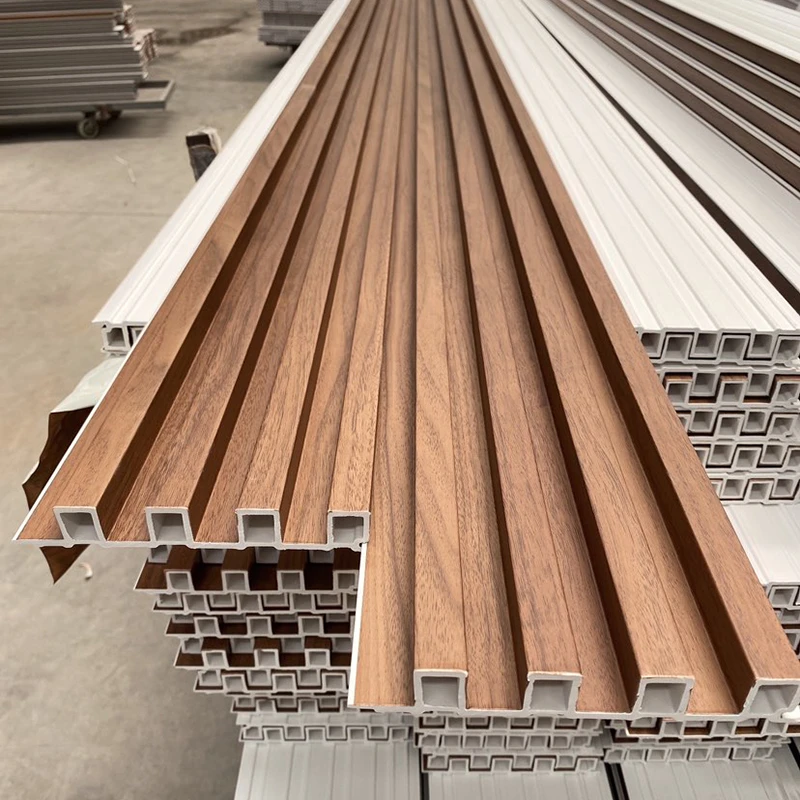
WPC offers a kind of middle ground, combining the warmth and texture of wood with the durability and low maintenance of plastics. I remember visiting a large warehouse retrofitted with WPC panels a few years ago. The cleaner look, ease of installation, and resistance to common industrial wear and tear really stood out. Oddly enough, despite the name, the installation wasn’t some complicated plastic procedure but quite familiar to anyone used to carpentry.
The key to WPC’s appeal lies in its blend of materials—usually recycled wood fibers mixed with thermoplastics like polyethylene or PVC. This combo is more than just a cost-saving measure; it creates a product that doesn’t warp, crack, or rot like traditional wood. In industrial settings, where moisture, temperature swings, and occasional chemical exposure are par for the course, this kind of resilience can save companies headaches down the line.
| Specification | Details |
|---|---|
| Material Composition | 60% Wood fibers, 40% Polymer (HDPE or PVC) |
| Panel Size | 1200mm x 200mm x 10-12mm thickness |
| Weight | ~8 kg per panel |
| Fire Rating | Class B1 - flame retardant |
| Water Resistance | Excellent - no swelling or warping |
| Installation | Tongue & Groove or Concealed clips |
| Maintenance | Low - occasional cleaning with soap & water |
One thing many industrial engineers often ask is how WPC compliance stacks up. Frankly, the answer’s solid when you choose suppliers who adhere to ISO and ASTM standards. Some panels even boast fire-resistant additives, which is a nice bonus for compliance-heavy environments.
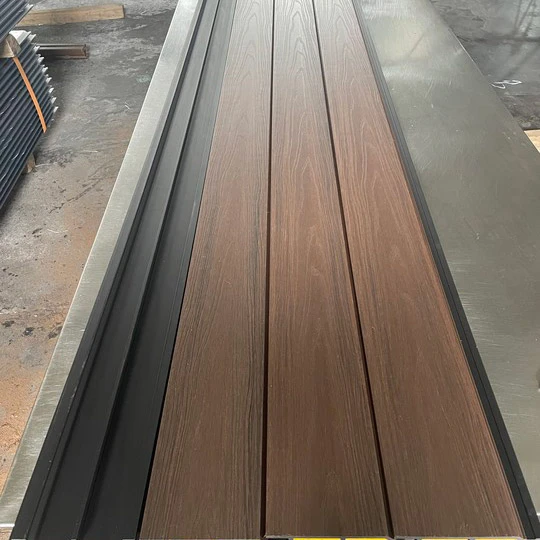
Customization can’t be ignored either. Want a specific panel color or surface texture? WPC tends to be very adaptable. Manufacturers often offer wood grain finishes or painted surface options that can mimic exotic woods—without the hefty price or the sustainability guilt. That’s increasingly important in today’s eco-conscious industrial sectors. I recall a client who insisted on a “dark walnut” look to match their office aesthetic; the WPC panels delivered that in spades, with none of the splinters or fading after a year.
| Feature | SothinkDecor | Vendor A | Vendor B |
|---|---|---|---|
| Material Quality | Premium grade recycled composites | Standard HDPE-based | Mixed quality sourced wood fibers |
| Fire Safety Rating | Class B1 certified | Class C | N/A |
| Customization Options | Wide palette & surface finishes | Limited colors | Custom runs >1000 panels only |
| Lead Time | 2-3 weeks | 4-6 weeks | 3-5 weeks |
| Price/Unit | $$ (mid-range) | $ (budget) | $$$ (premium) |
For anyone on the fence, here’s a little industry insider’s tip: pay attention to the installation method. I’ve often seen projects delayed because teams underestimated the importance of concealed clip systems for a clean finish. WPC panels that come with pre-designed installation accessories make life so much easier for contractors – and wiser clients who want the job done right the first time.
Sure, WPC isn't the answer for every single industrial wall need—if you’re facing extreme heat or direct flame, it’s best to consult fire safety regulations thoroughly. But for typical plant interiors, clean rooms, or even office breakout spaces inside factories, it feels like a genuine step up from the old guard.
And if you want to explore options that marry good engineering with aesthetic appeal – do check out WPC interior wall cladding from trusted providers. Honestly, blending durability with design used to be a tough juggling act, but this stuff handles it pretty well.
End of the day, decades in the field have taught me that materials that promise low maintenance and long lifespan end up saving way more money than just the sticker price implies. In that sense, WPC cladding is kind of a no-brainer for industrial interiors that need style without sacrifice.
References:
- ASTM International, Composite Materials Standards, 2023.
- ISO 9001 Quality Management Systems, Manufacturer Certifications.
- Industrial Interior Design Quarterly, “Sustainable Cladding Solutions,” 2022.
-
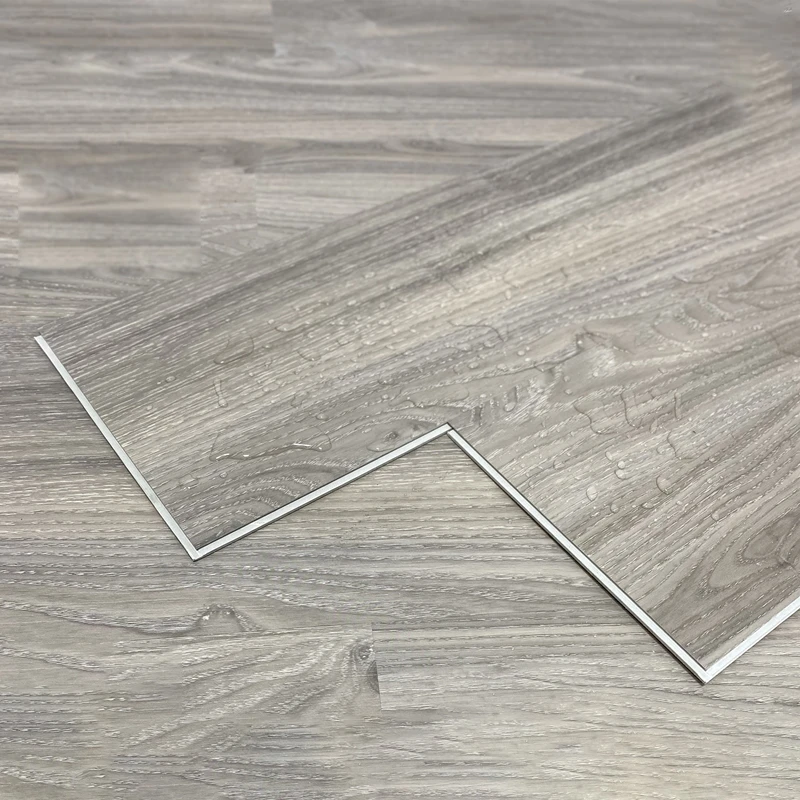
 Ultimate Guide to Durable Waterproof SPC Vinyl Flooring StyleWhen renovating a modern home or commercial space, the flooring choice often defines the entire atmosphere. waterproof spc vinyl flooring has emerged as a revolutionary solution for those who refuse to compromise between aesthetic elegance and rugged performance. Standing for Stone Plastic Composite, SPC flooring is engineered to withstand the toughest environments, from moisture-prone bathrooms to high-traffic living rooms. In this comprehensive guide, we will explore why this material is dominating the interior design market and how it can transform your space into a sanctuary of style and resilience.Read More >
Apr 16 2026
-
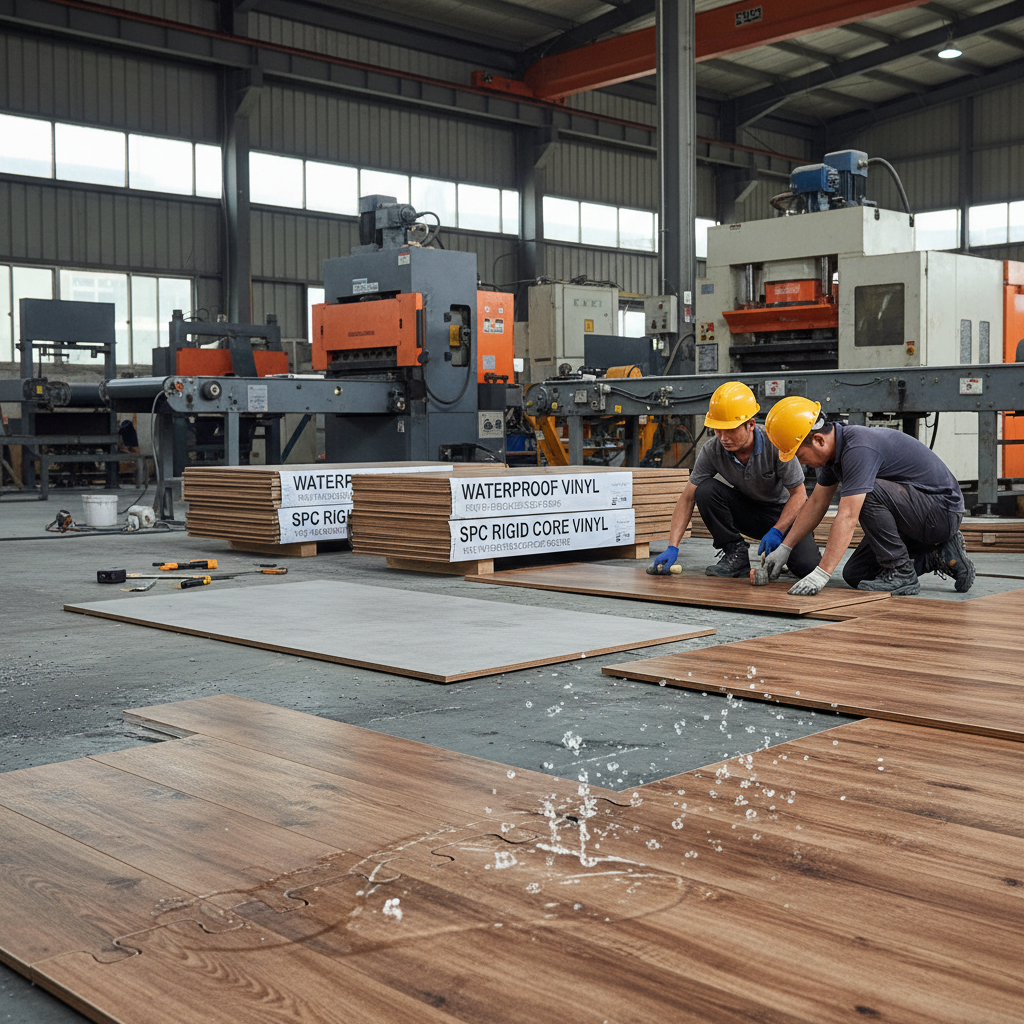 Ultimate Guide to Durable Waterproof SPC Rigid Core Vinyl FlooringChoosing the right flooring for a modern home or commercial space requires a balance between aesthetics and endurance. waterproof spc rigid core vinyl has emerged as a game-changer in the interior design world, offering the timeless look of hardwood with the unmatched resilience of stone polymer composite. Whether you are dealing with high-traffic hallways, moisture-prone bathrooms, or pet-friendly living rooms, this flooring solution provides a stable, waterproof, and scratch-resistant surface. In this comprehensive guide, we will explore why this innovative material is replacing traditional laminate and luxury vinyl planks in contemporary construction.Read More >
Apr 09 2026
-
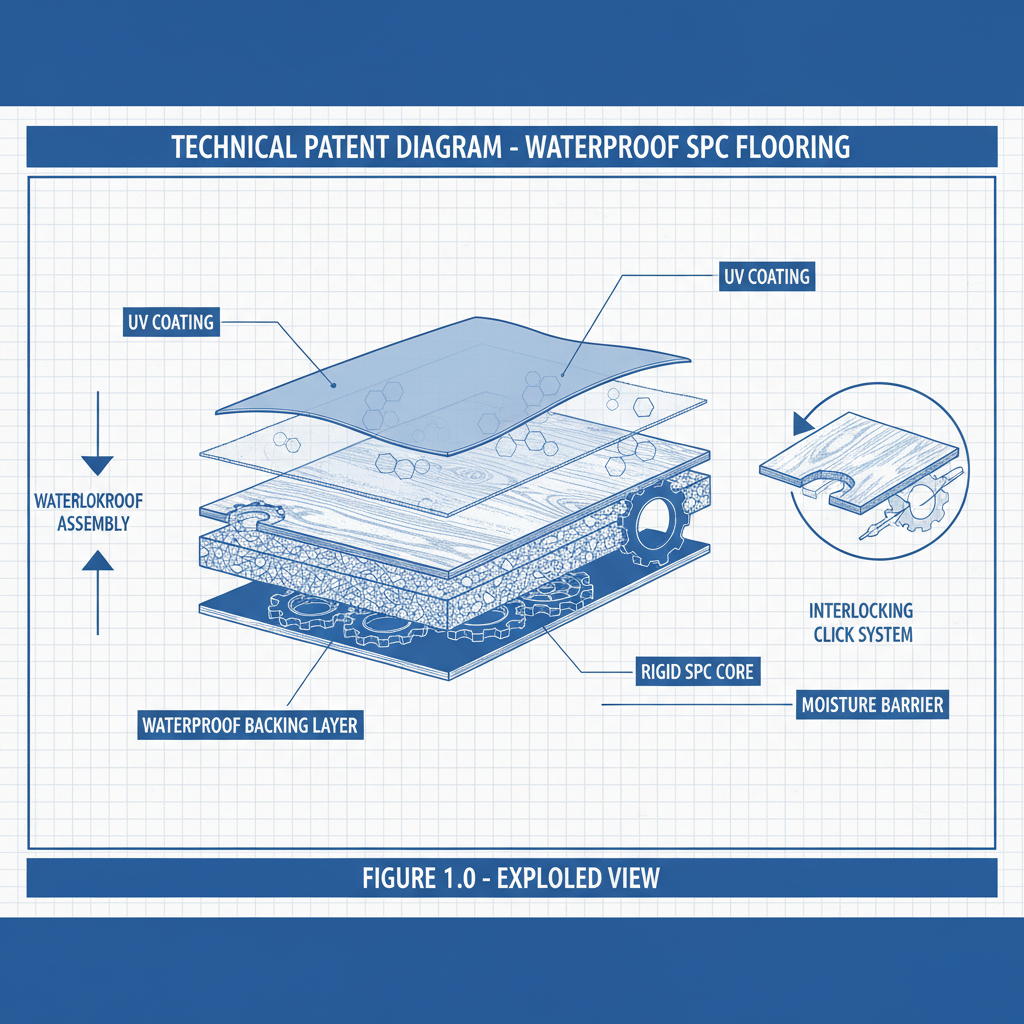 Comprehensive Guide to Waterproof SPC Flooring Durability and InstallationChoosing the right flooring for your home or business is a significant decision. Waterproof SPC flooring has emerged as a popular option due to its durability, affordability, and ease of installation. This article provides an in-depth look at waterproof SPC flooring, covering its benefits, installation process, maintenance, and comparisons with other flooring types. Understanding these aspects will help you determine if SPC flooring is the right choice for your project.Read More >
Apr 07 2026
-
 Discover the Durability and Style of Vinyl SPC Rigid Flooring SolutionsLooking for a durable, waterproof, and stylish flooring solution? Vinyl SPC rigid flooring is quickly becoming the go-to choice for homeowners and businesses alike. This article provides a comprehensive overview of this innovative flooring type, covering its benefits, installation, maintenance, and more. We’ll help you determine if SPC rigid vinyl flooring is the right fit for your project.Read More >
Apr 04 2026
-
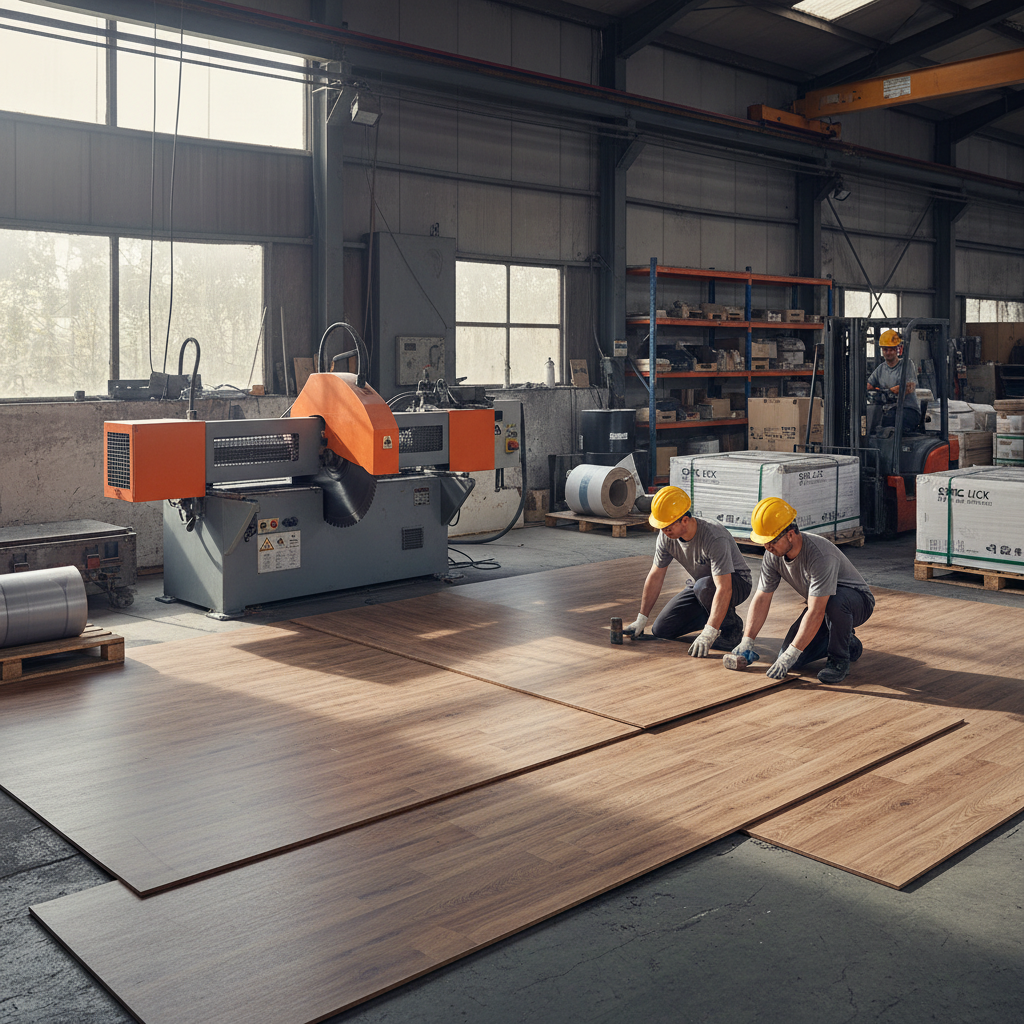 Comprehensive Guide to Durable Vinyl SPC Click Flooring Options and BenefitsChoosing the right flooring for your home or business is a significant decision. Vinyl SPC click flooring has emerged as a popular and durable option, offering a blend of aesthetic appeal and practical benefits. This article will explore the key features, advantages, installation process, and applications of SPC flooring, helping you determine if it's the right choice for your project. From its waterproof nature to its ease of installation, we'll cover everything you need to know.Read More >
Mar 31 2026
 +86 31185293045
  qian@ss711.com

Shijiazhuang Sothink trading Co., LTD.
Our company focuses on product development, production, sales and other all-round services, and is committed to providing customers with high-performance products and high-quality services.