


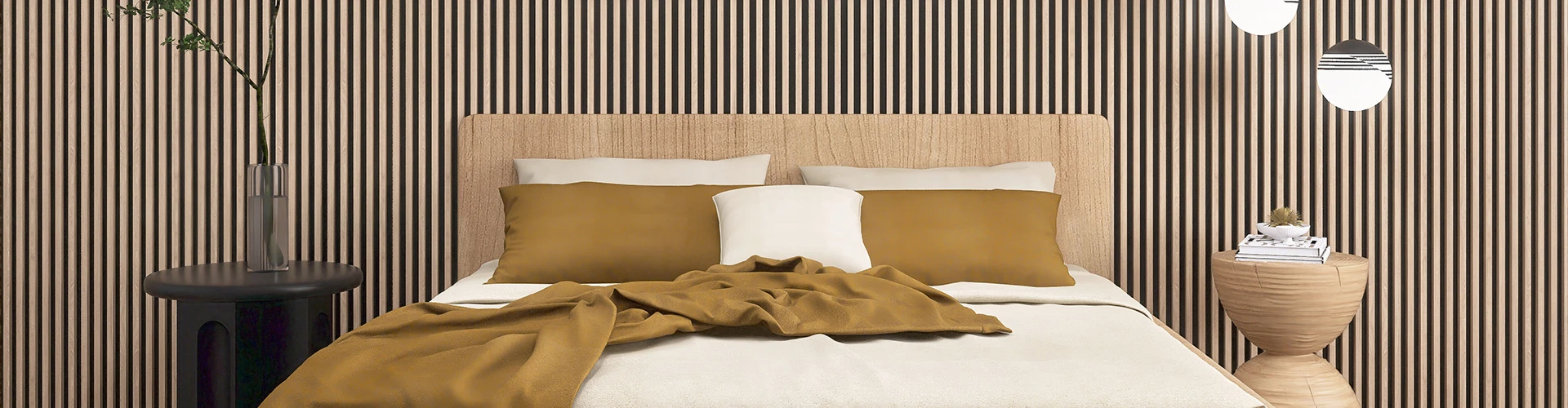
Durable & Stylish WPC Decorative Wall Panel Solutions | Sothinkdecor
Understanding the Practical Appeal of WPC Decorative Wall Panel
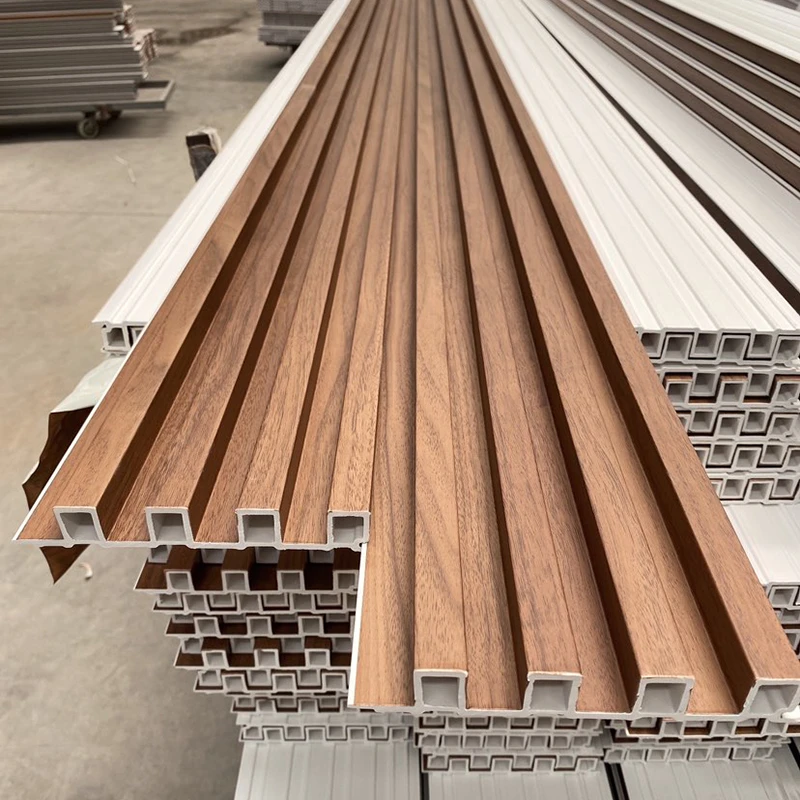
Having spent a good chunk of my career slogging through the nitty-gritty of industrial materials and equipment, I can tell you this: the world of wall panels has quietly gotten much more interesting. Now, if you told me a few years ago that WPC decorative wall panel materials would become a hotspot in commercial and residential interiors, I might have raised an eyebrow. But honestly, the mix of wood-plastic composites (that’s what WPC stands for, by the way) has proven itself in ways that engineers and designers alike appreciate.
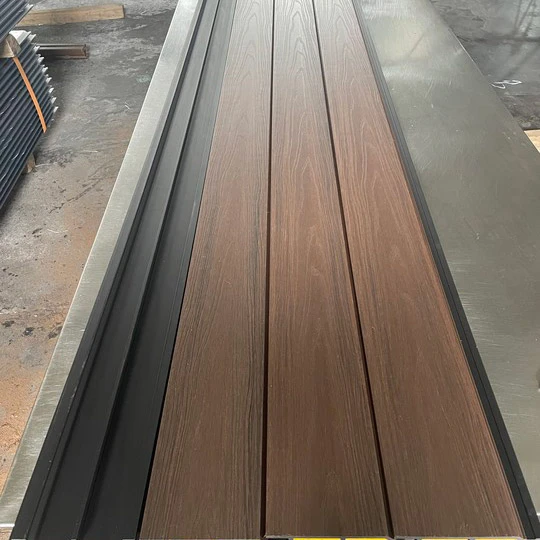
Here’s the thing: traditional wooden wall panels have their charm but also come with a slew of limitations. They can warp, rot, or just plain refuse to stand up to moisture and pests. WPC panels, on the other hand, cleverly blend the natural texture of wood fibers with the resilience of plastic. It’s like getting the best of both worlds » durability and aesthetics rolled into one.
From my experience, these panels are not just about looks. Many industrial projects require materials that can hold up to variable temperature, humidity, and sometimes rather unforgiving handling. WPC panels deliver on that front—they resist cracking, don’t swell with water, and need far less maintenance than pure wood. I remember a refurb project for a coastal resort where traditional wood was out of the question. We instead installed WPC colorful decorative panels that looked stunning and survived the salty air without complaint.
So, how do these panels stack up on the specs side? Let me share a straightforward breakdown:
| Specification | Details |
|---|---|
| Material Composition | Wood fibers + Polyethylene/Polypropylene |
| Dimensions | 1200mm x 2400mm standard sheets |
| Thickness | 8mm to 12mm |
| Surface Finish Options | Matte, Glossy, Textured wood grain |
| Water Resistance | High (non-absorbent) |
| Fire Resistance | Class B1 (flame retardant options available) |
| Installation | Tongue and groove / Adhesive mounting |
Now, where it gets slightly intriguing is the variety of vendors on the market. I’ve dealt with a few in my years, and odd as it sounds, the differences go beyond just price or lead time. It’s about consistency in quality, color matching, and sometimes even service (which is, frankly, gold). Here’s a little comparison I put together:
| Vendor | Material Quality | Design Variety | Price Range | Lead Time |
|---|---|---|---|---|
| Sothinkdecor | Excellent - premium composites | Wide (multiple textures & colors) | $$$ | 2-3 weeks |
| Vendor B | Good - basic composites | Limited (mostly plain finishes) | $$ | 1-2 weeks |
| Vendor C | Fair - mixed materials | Moderate (some custom work) | $ | 3-4 weeks |
Some engineers I’ve talked to swear by the reliability of Sothinkdecor panels, particularly in high-humidity regions. Their products just seem to tick the boxes for both aesthetic needs and demanding physical conditions. Frankly, I saw one office project where their panels held up for over five years near a steam room without any degradation – that’s no small feat.
Customization is another interesting angle. Manufacturers like Sothinkdecor are increasingly open to tweaking designs — whether it’s adding color accents, varying thickness, or even embedding subtle patterns. It’s kind of refreshing to see such flexibility in an industrial product, where the tendency usually leans toward “one size fits all.”
But, I suppose, no product is perfect. WPC panels still aren’t the best for extreme fire hazards unless specially treated, and cutting or shaping them requires the right tools – standard woodworking equipment can sometimes chip the edges if you’re not careful. Still, for most routine commercial and residential needs, these panels strike an excellent balance.
So if you’re considering a decorative solution that can marry style with substance, WPC decorative wall panel is definitely worth a peek. Oddly enough, these panels are increasingly what I recommend to clients who want durability without sacrificing the warm feel that wood imparts.
In real terms: they make an investment in the long-term health and appearance of interiors, which honestly, is what industrial quality should be about.
Quick takeaway: WPC decorative wall panels blend the charm of wood with modern durability — making them practical, beautiful, and increasingly popular in diverse environments.
References:
- Wood-Plastic Composite Market Insights, Global Industry Report, 2023
- Case studies on WPC applications in high-humidity zones, Industrial Materials Journal, 2022
- Vendor reliability surveys and customer reviews, Sothinkdecor, 2021-2024
-
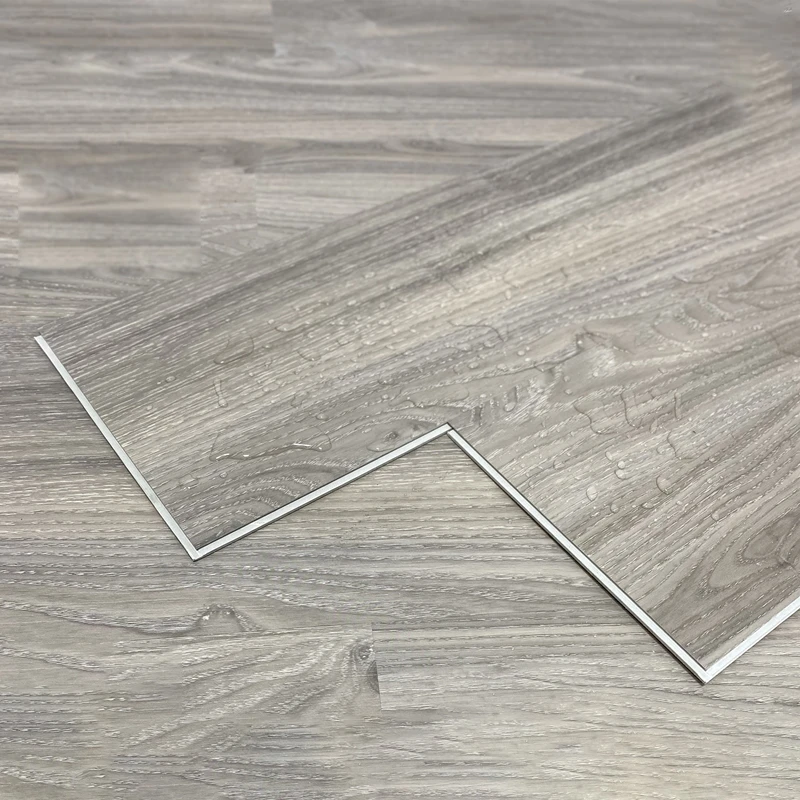
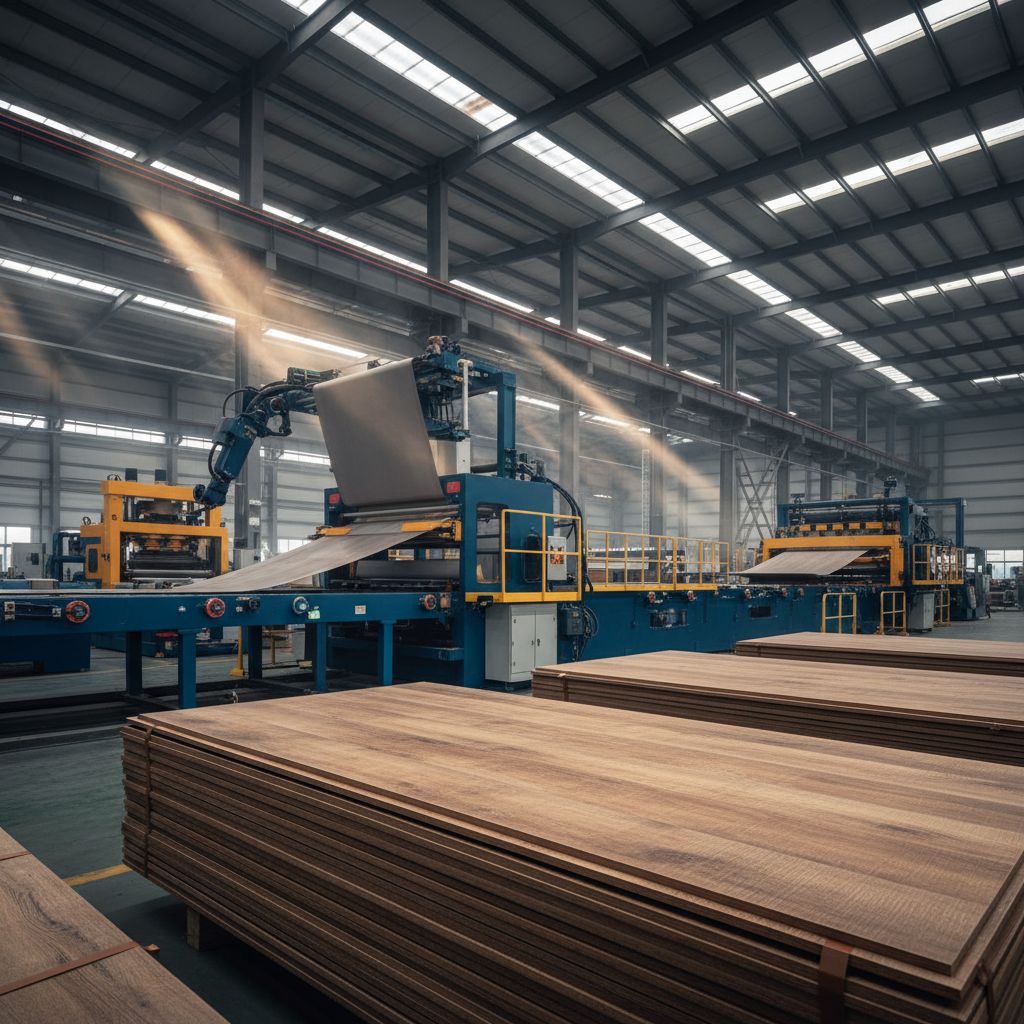 Ultimate Guide to Durable Waterproof SPC Vinyl Flooring StyleWhen renovating a modern home or commercial space, the flooring choice often defines the entire atmosphere. waterproof spc vinyl flooring has emerged as a revolutionary solution for those who refuse to compromise between aesthetic elegance and rugged performance. Standing for Stone Plastic Composite, SPC flooring is engineered to withstand the toughest environments, from moisture-prone bathrooms to high-traffic living rooms. In this comprehensive guide, we will explore why this material is dominating the interior design market and how it can transform your space into a sanctuary of style and resilience.Read More >
Apr 16 2026
-
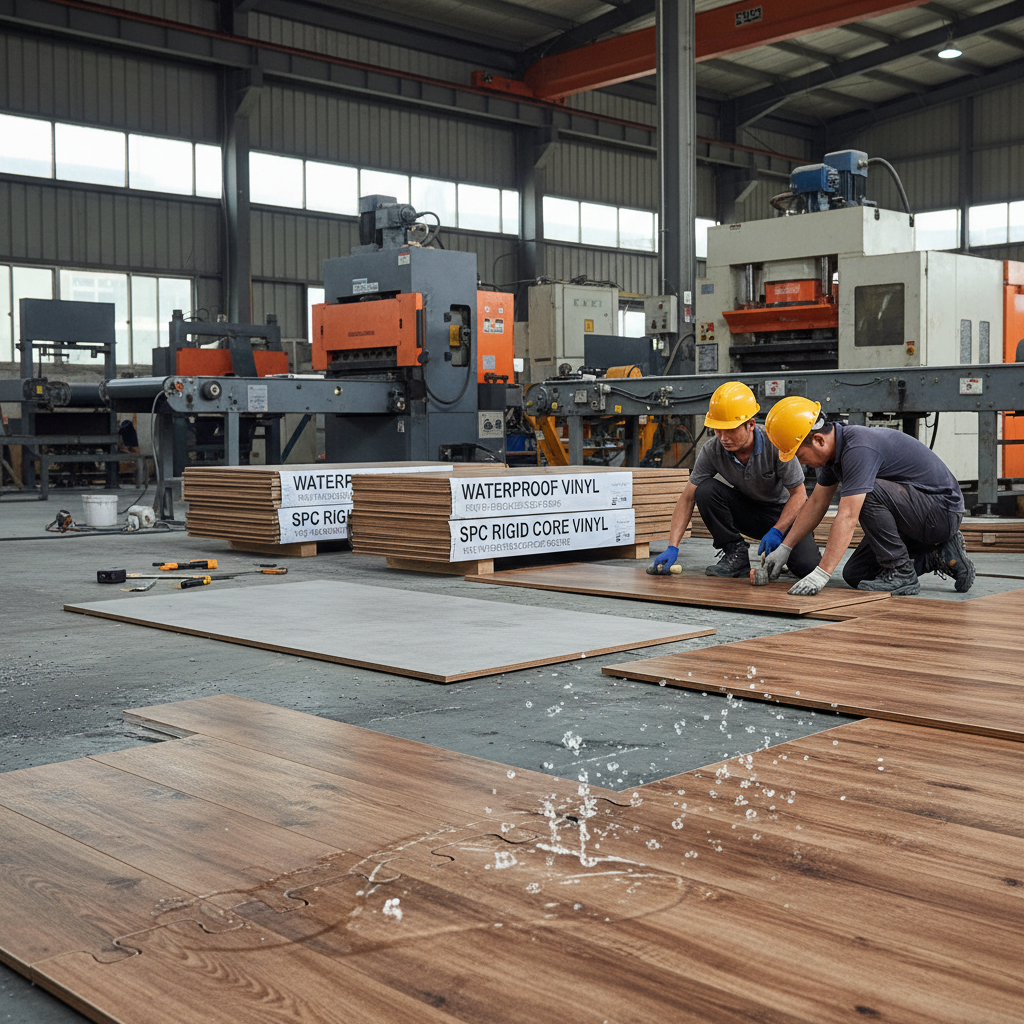 Ultimate Guide to Durable Waterproof SPC Rigid Core Vinyl FlooringChoosing the right flooring for a modern home or commercial space requires a balance between aesthetics and endurance. waterproof spc rigid core vinyl has emerged as a game-changer in the interior design world, offering the timeless look of hardwood with the unmatched resilience of stone polymer composite. Whether you are dealing with high-traffic hallways, moisture-prone bathrooms, or pet-friendly living rooms, this flooring solution provides a stable, waterproof, and scratch-resistant surface. In this comprehensive guide, we will explore why this innovative material is replacing traditional laminate and luxury vinyl planks in contemporary construction.Read More >
Apr 09 2026
-
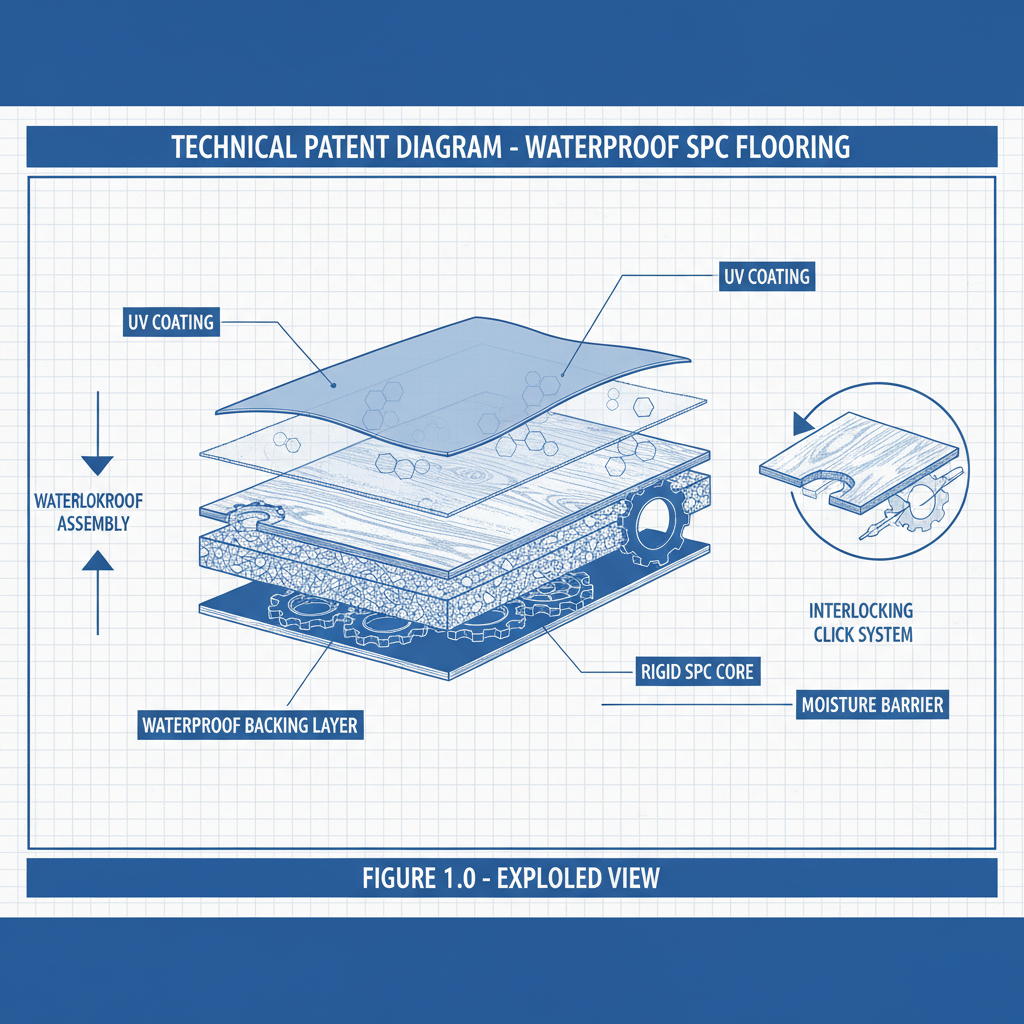 Comprehensive Guide to Waterproof SPC Flooring Durability and InstallationChoosing the right flooring for your home or business is a significant decision. Waterproof SPC flooring has emerged as a popular option due to its durability, affordability, and ease of installation. This article provides an in-depth look at waterproof SPC flooring, covering its benefits, installation process, maintenance, and comparisons with other flooring types. Understanding these aspects will help you determine if SPC flooring is the right choice for your project.Read More >
Apr 07 2026
-
 Discover the Durability and Style of Vinyl SPC Rigid Flooring SolutionsLooking for a durable, waterproof, and stylish flooring solution? Vinyl SPC rigid flooring is quickly becoming the go-to choice for homeowners and businesses alike. This article provides a comprehensive overview of this innovative flooring type, covering its benefits, installation, maintenance, and more. We’ll help you determine if SPC rigid vinyl flooring is the right fit for your project.Read More >
Apr 04 2026
-
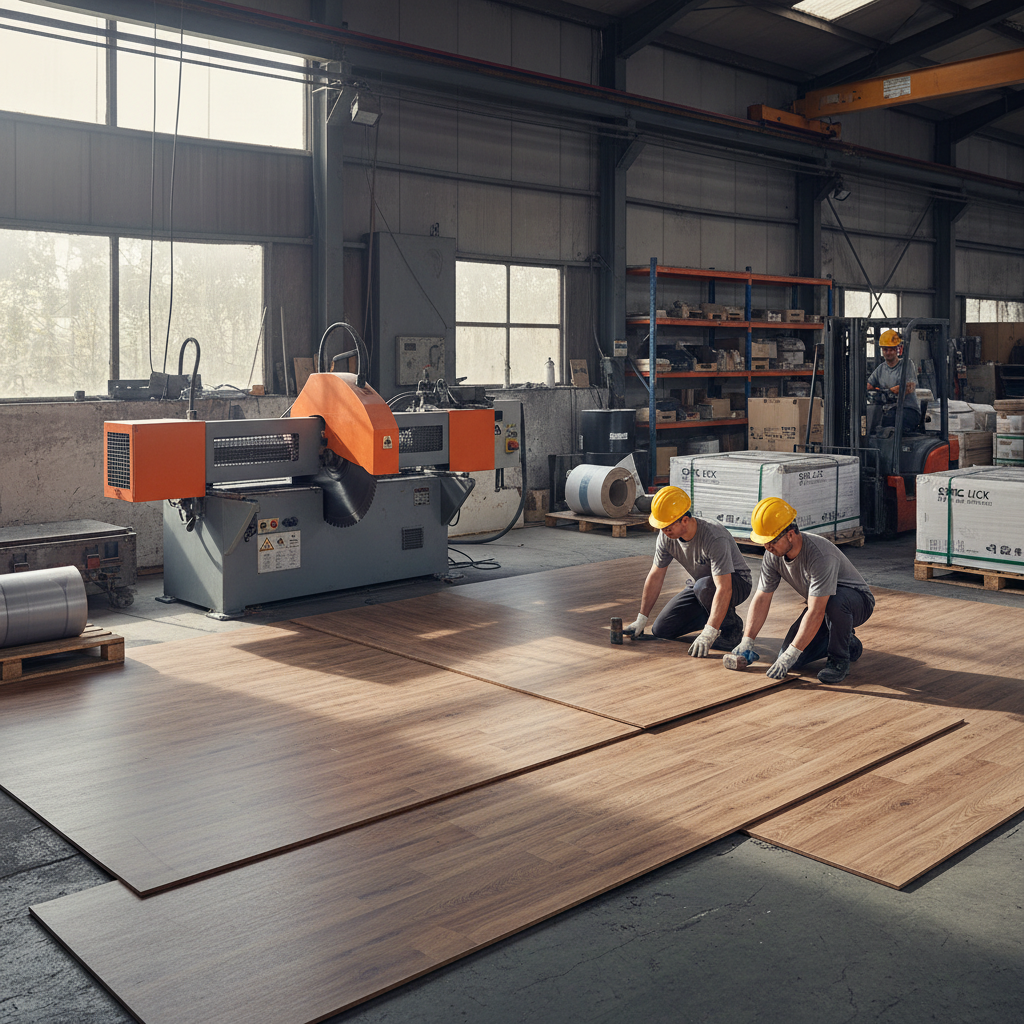 Comprehensive Guide to Durable Vinyl SPC Click Flooring Options and BenefitsChoosing the right flooring for your home or business is a significant decision. Vinyl SPC click flooring has emerged as a popular and durable option, offering a blend of aesthetic appeal and practical benefits. This article will explore the key features, advantages, installation process, and applications of SPC flooring, helping you determine if it's the right choice for your project. From its waterproof nature to its ease of installation, we'll cover everything you need to know.Read More >
Mar 31 2026
 +86 31185293045
  qian@ss711.com

Shijiazhuang Sothink trading Co., LTD.
Our company focuses on product development, production, sales and other all-round services, and is committed to providing customers with high-performance products and high-quality services.