



Durable WPC Cladding Panels for Industrial & Commercial Use
WPC Cladding Panels: Durable, Versatile, and Industry-Ready
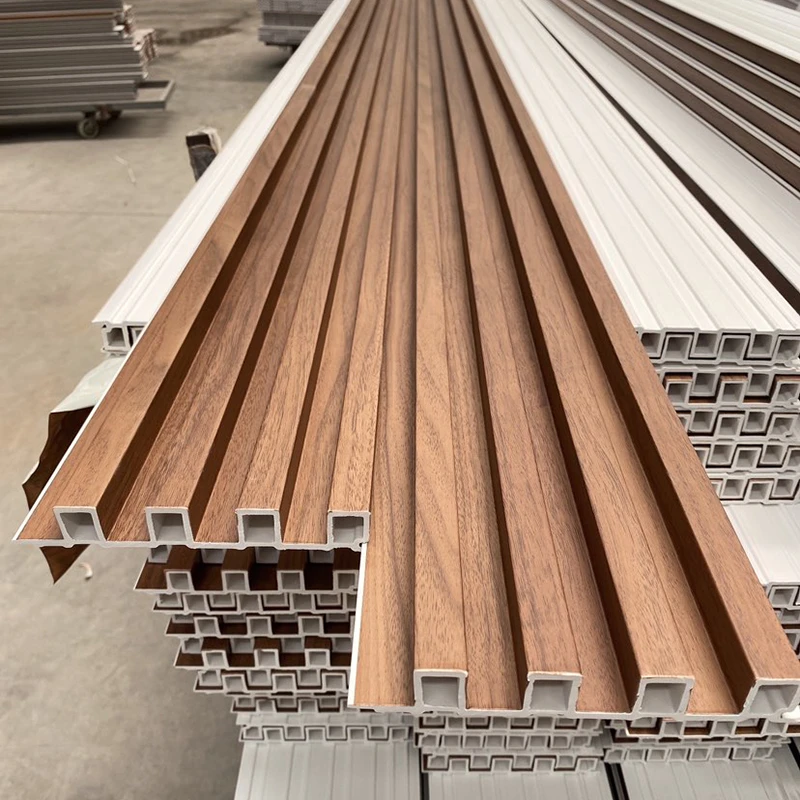
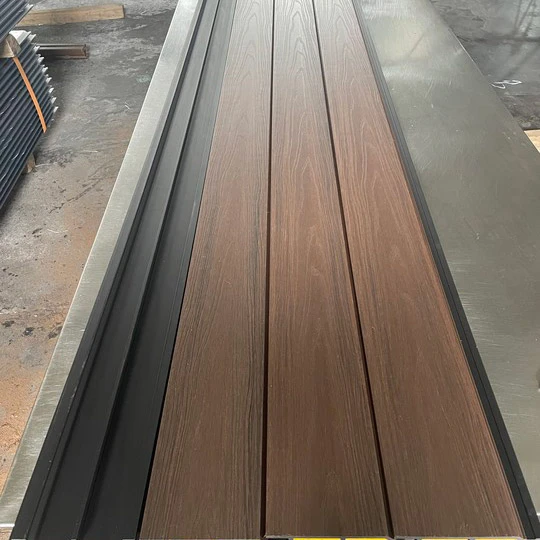
Having spent well over a decade in the industrial equipment sector, I’ve seen plenty of products come and go, but WPC cladding panels have carved out a solid reputation for good reasons. Wood Plastic Composite (WPC) isn’t just a fancy name—it’s a carefully engineered blend of wood fibers and plastic polymers that gives you the best of both worlds: the natural look and feel of wood paired with plastic’s durability and resistance.
Oddly enough, these panels have surprised me more than once. I recall a project where we replaced traditional timber cladding on a workshop with WPC panels — not only did the installation go smoother due to the panels’ uniformity, but the reduced maintenance over a couple of seasons really impressed site managers. It feels like the kind of product that quietly proves itself over time rather than making loud promises upfront.
Why are WPC panels gaining traction in every industrial and commercial cladding application? Well, for starters, their resistance to moisture and UV rays means they don’t warp, rot, or fade like untreated wood. This makes them ideal for exposed warehouse walls, office facades, and even enclosure panelling near heavy machinery where harsh conditions are the norm.
Material Composition and Testing
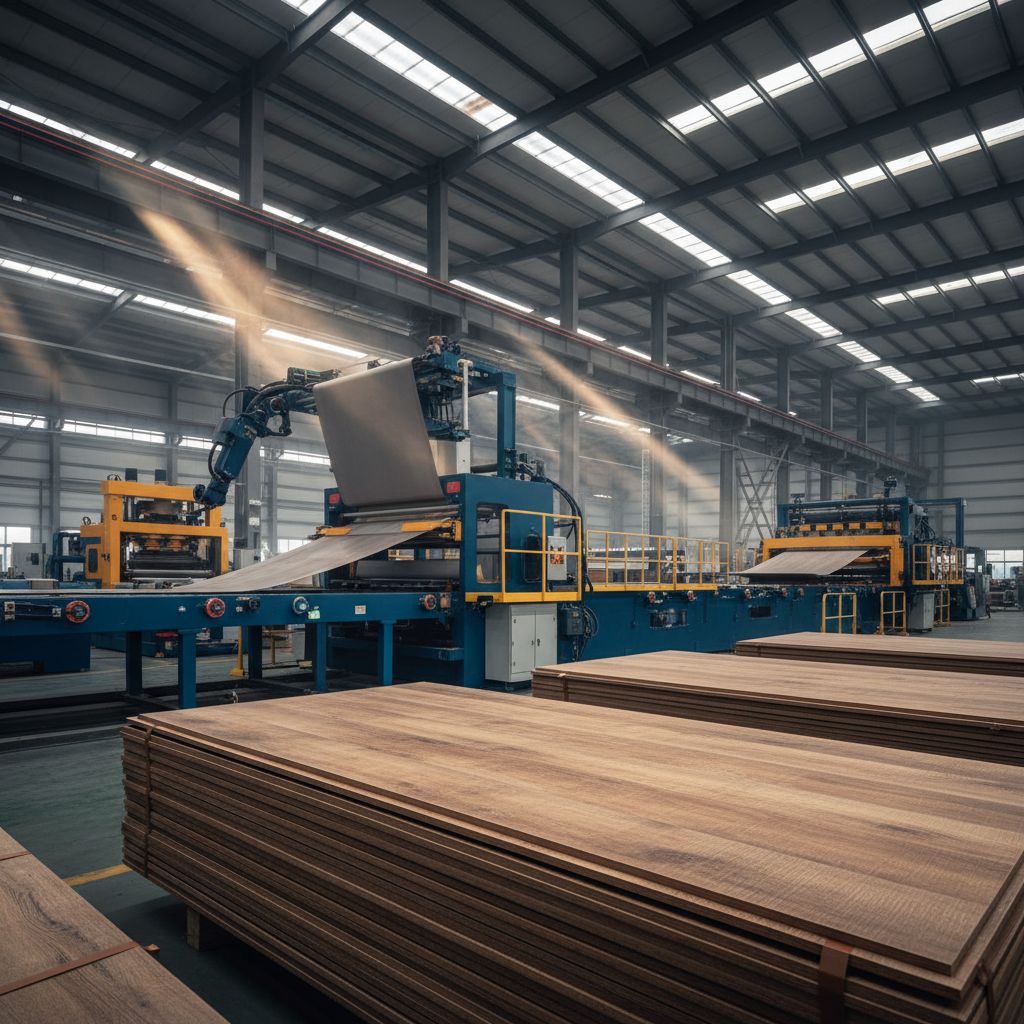
WPC panels are typically made by blending sawdust or wood fibers with high-density polyethylene (HDPE), polyvinyl chloride (PVC), or polypropylene (PP), sometimes with added UV stabilizers and fungicides. This composite is then extruded into boards or panels, which can be routed, milled, or grooved for easier installation. From my experience, panels with HDPE bases tend to deliver better weather resistance, though they might feel a bit heavier on-site.
Testing standards for WPC cladding often include checks for impact resistance, water absorption rates, and flame retardance – critical for many industrial settings. I’ve seen third-party lab results showing water uptake under 2%, which is impressive compared to natural wood that soaks up moisture like a sponge. This level of resistance dramatically cuts down maintenance cycles – a huge win when downtime is measured in dollars.
Typical Specifications for WPC Cladding Panels
| Specification | Details |
|---|---|
| Material Composition | Wood fibers + HDPE/PP/PVC + Additives |
| Panel Dimensions | Length: 2400mm - 6000mm, Width: 100-300mm, Thickness: 8-25mm |
| Weight | Approximately 1.3–1.8 kg per linear meter |
| Water Absorption | Less than 2% |
| Fire Rating | Class B2 (DIN 4102) or equivalent |
| UV Resistance | Excellent, with additives for long-term color stability |
Comparing Popular WPC Cladding Vendors
| Vendor | Material Base | Customization | Typical Lead Time | Average Price (USD/m²) |
|---|---|---|---|---|
| SothinkDecor | HDPE + Wood Fiber + UV Additives | Color, Size, Grooves | 2-3 Weeks | $25 - $30 |
| GreenBoard Co. | PVC + Wood Fiber | Limited Colors | 3-4 Weeks | $22 - $28 |
| WoodTech Panels | PP + Recycled Wood Fibers | Standard Sizes Only | 1-2 Weeks | $20 - $25 |
Practical Considerations and Installation Tips
For anyone thinking about using WPC cladding, I’d say preparation is crucial, just as with wood. You want to check your substructure integrity and ensure proper ventilation behind the panels. Because WPC doesn’t absorb moisture, it tends to expand slightly with heat, so securing the panels using the correct clips and leaving proper gaps can prevent warping or buckling down the line.
The ease of machining WPC is a pleasant surprise. In some jobs, I’ve routed panels to create secret fixings or even installed quick clips without any visible screws—a nice aesthetic touch that clients appreciate. Oddly enough, the panels have a certain heft to them, reminding you that these aren’t some lightweight plastics thrown together, but engineered composites made to last.
Why Choose WPC Cladding?
In real terms, if you’re balancing upfront cost with long-term performance, WPC panels stand out as a smart middle ground between raw timber and non-wood plastics. They reduce the need for periodic repainting or wood treatments, environmentally feel better than many pure plastics, and tend to weather industrial environments with grace.
One particular client I worked with in the food processing industry switched to WPC for their external panels after suffering recurrent moisture damage to wood cladding. A few years later, they found the panels still looking sharp despite constant cleaning with industrial detergents.
So, if you want cladding that’s both resilient and attractive, WPC cladding panels might just be your quiet industrial ally.
References:
1. ASTM D570 - Standard Test Method for Water Absorption of Plastics
2. DIN 4102 - Fire Behavior of Building Materials and Components
3. Industry case notes & field project data (personal archive)
-
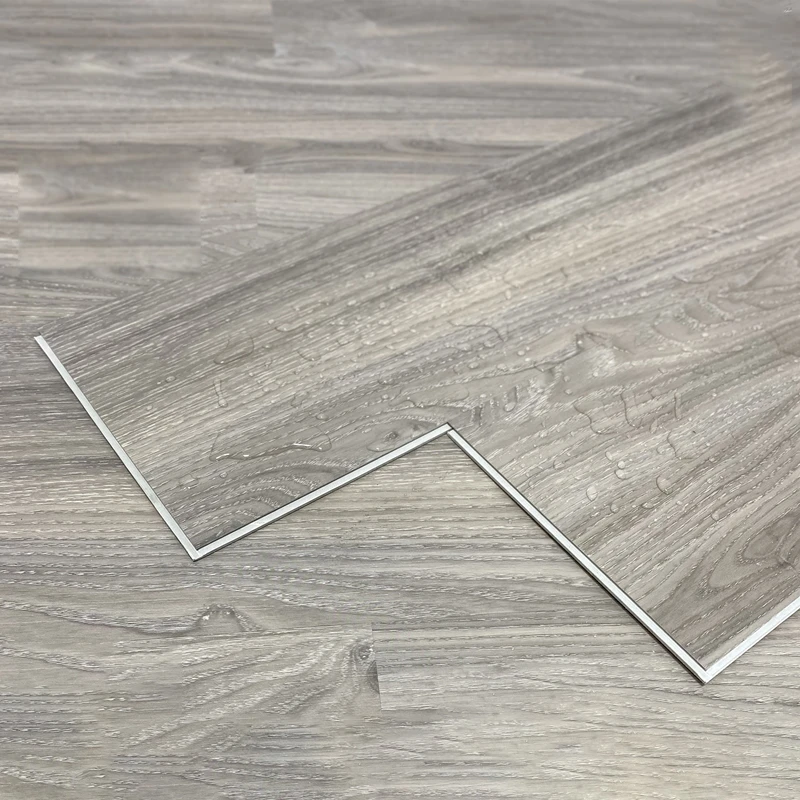
 Ultimate Guide to Durable Waterproof SPC Vinyl Flooring StyleWhen renovating a modern home or commercial space, the flooring choice often defines the entire atmosphere. waterproof spc vinyl flooring has emerged as a revolutionary solution for those who refuse to compromise between aesthetic elegance and rugged performance. Standing for Stone Plastic Composite, SPC flooring is engineered to withstand the toughest environments, from moisture-prone bathrooms to high-traffic living rooms. In this comprehensive guide, we will explore why this material is dominating the interior design market and how it can transform your space into a sanctuary of style and resilience.Read More >
Apr 16 2026
-
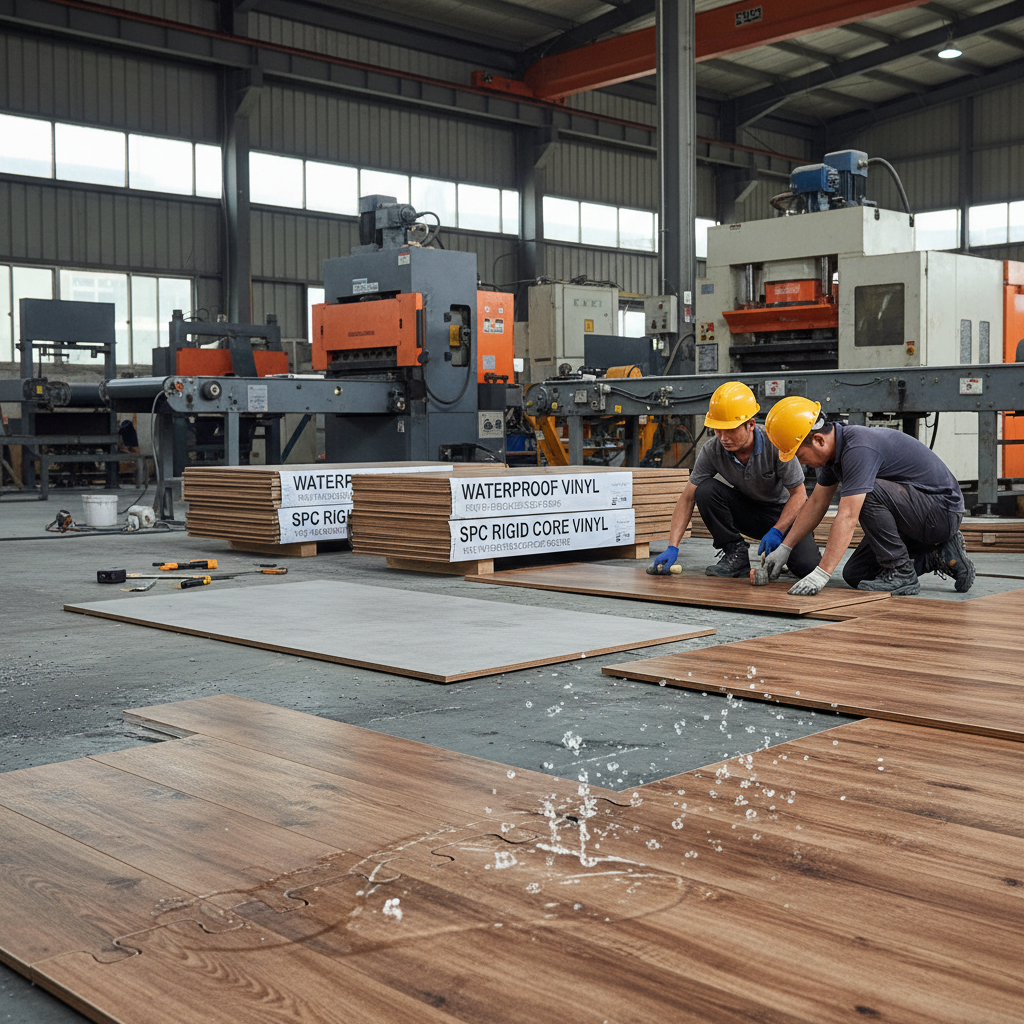 Ultimate Guide to Durable Waterproof SPC Rigid Core Vinyl FlooringChoosing the right flooring for a modern home or commercial space requires a balance between aesthetics and endurance. waterproof spc rigid core vinyl has emerged as a game-changer in the interior design world, offering the timeless look of hardwood with the unmatched resilience of stone polymer composite. Whether you are dealing with high-traffic hallways, moisture-prone bathrooms, or pet-friendly living rooms, this flooring solution provides a stable, waterproof, and scratch-resistant surface. In this comprehensive guide, we will explore why this innovative material is replacing traditional laminate and luxury vinyl planks in contemporary construction.Read More >
Apr 09 2026
-
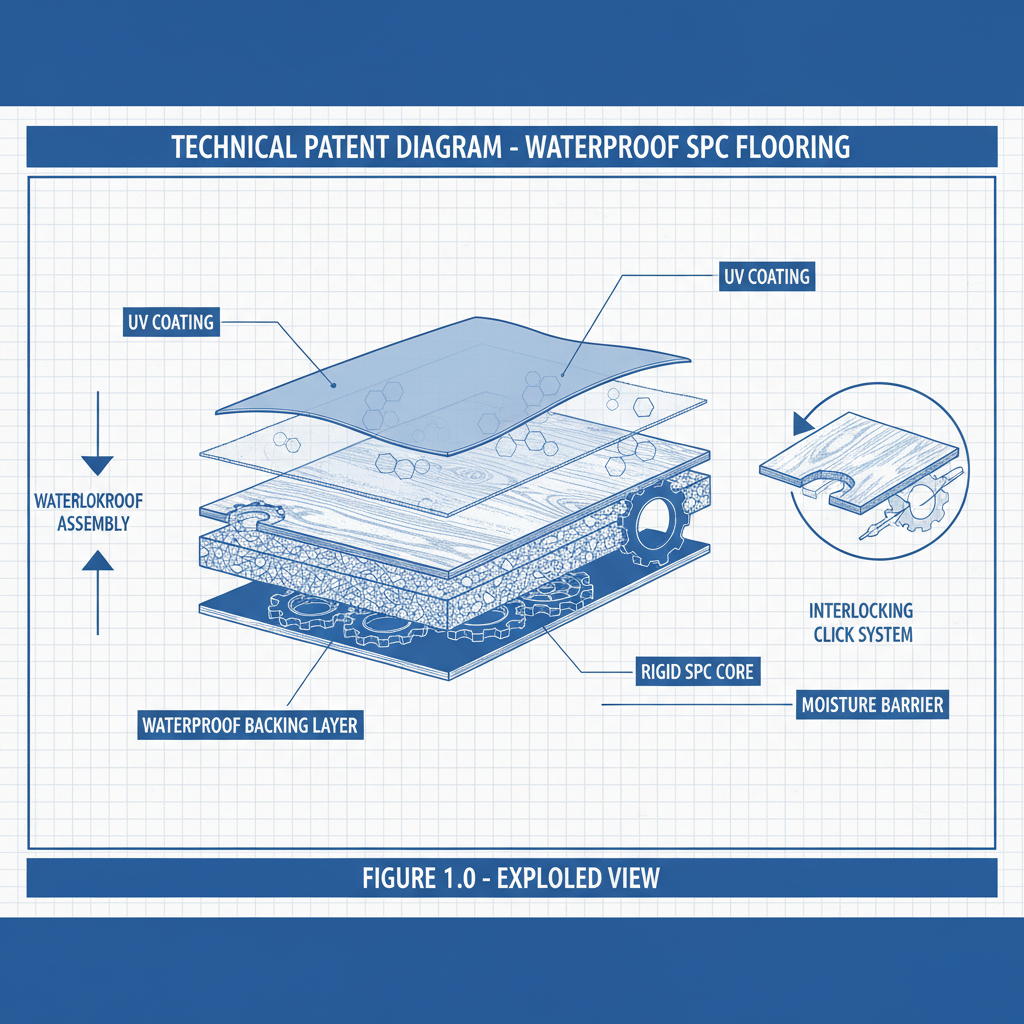 Comprehensive Guide to Waterproof SPC Flooring Durability and InstallationChoosing the right flooring for your home or business is a significant decision. Waterproof SPC flooring has emerged as a popular option due to its durability, affordability, and ease of installation. This article provides an in-depth look at waterproof SPC flooring, covering its benefits, installation process, maintenance, and comparisons with other flooring types. Understanding these aspects will help you determine if SPC flooring is the right choice for your project.Read More >
Apr 07 2026
-
 Discover the Durability and Style of Vinyl SPC Rigid Flooring SolutionsLooking for a durable, waterproof, and stylish flooring solution? Vinyl SPC rigid flooring is quickly becoming the go-to choice for homeowners and businesses alike. This article provides a comprehensive overview of this innovative flooring type, covering its benefits, installation, maintenance, and more. We’ll help you determine if SPC rigid vinyl flooring is the right fit for your project.Read More >
Apr 04 2026
-
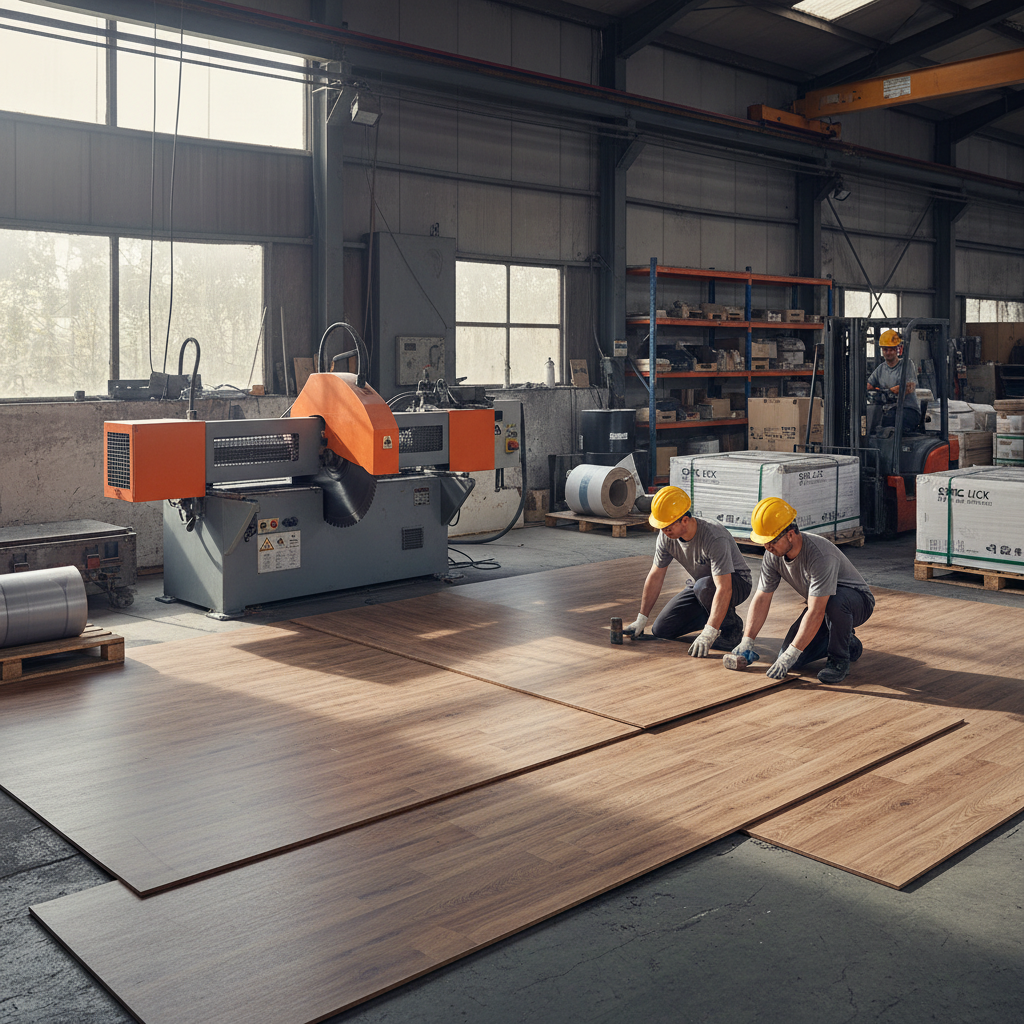 Comprehensive Guide to Durable Vinyl SPC Click Flooring Options and BenefitsChoosing the right flooring for your home or business is a significant decision. Vinyl SPC click flooring has emerged as a popular and durable option, offering a blend of aesthetic appeal and practical benefits. This article will explore the key features, advantages, installation process, and applications of SPC flooring, helping you determine if it's the right choice for your project. From its waterproof nature to its ease of installation, we'll cover everything you need to know.Read More >
Mar 31 2026
 +86 31185293045
  qian@ss711.com

Shijiazhuang Sothink trading Co., LTD.
Our company focuses on product development, production, sales and other all-round services, and is committed to providing customers with high-performance products and high-quality services.