


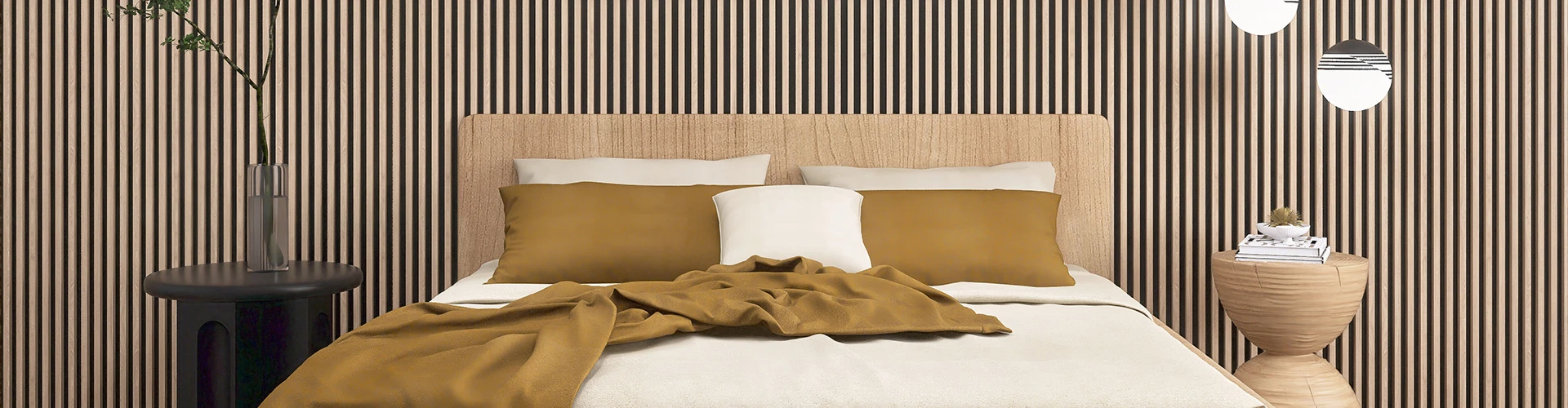
Wall PVC Ceiling Design – Durable, Cost-Efficient, and Sustainable Interior Solutions
Understanding Wall PVC Ceiling Design: Durability Meets Practical Aesthetics
Wall PVC ceiling design might sound like a niche term, but in reality, it’s a fast-growing segment changing how architects, builders, and interior designers approach both residential and commercial spaces globally. At its core, this design principle merges functionality and style through the use of polyvinyl chloride (PVC) materials to create durable, moisture-resistant ceilings and wall finishes that can be installed quickly and maintained almost effortlessly.
Why does it matter so much? The modern built environment demands materials that can withstand environmental challenges—including humidity, pests, and fluctuations in temperature—while still providing appealing finishes that contribute to overall structural health and aesthetic appeal. Knowing about wall PVC ceiling design unlocks key benefits: improved longevity, cost efficiency, and an eco-friendlier footprint compared to traditional materials.
Global Context & Importance
The demand for efficient interior wall and ceiling materials is booming worldwide. According to the International Organization for Standardization (ISO), building material innovations that prioritize sustainability and cost-effectiveness are essential to meet the goals set by the UN Sustainable Development Goals (SDGs), particularly SDG 11 for sustainable cities and communities.
Frankly, the construction industry faces a challenge: how to cater to fast urbanization while reducing waste and ensuring buildings remain healthy environments. Wall PVC ceilings help address this challenge—they offer a lightweight, water-resistant alternative that’s much easier to install in humid or disaster-prone areas. Oddly enough, this design approach is becoming common not just in upscale developments but also in humanitarian housing solutions, industrial facilities, and even remote healthcare centers.
Defining Wall PVC Ceiling Design
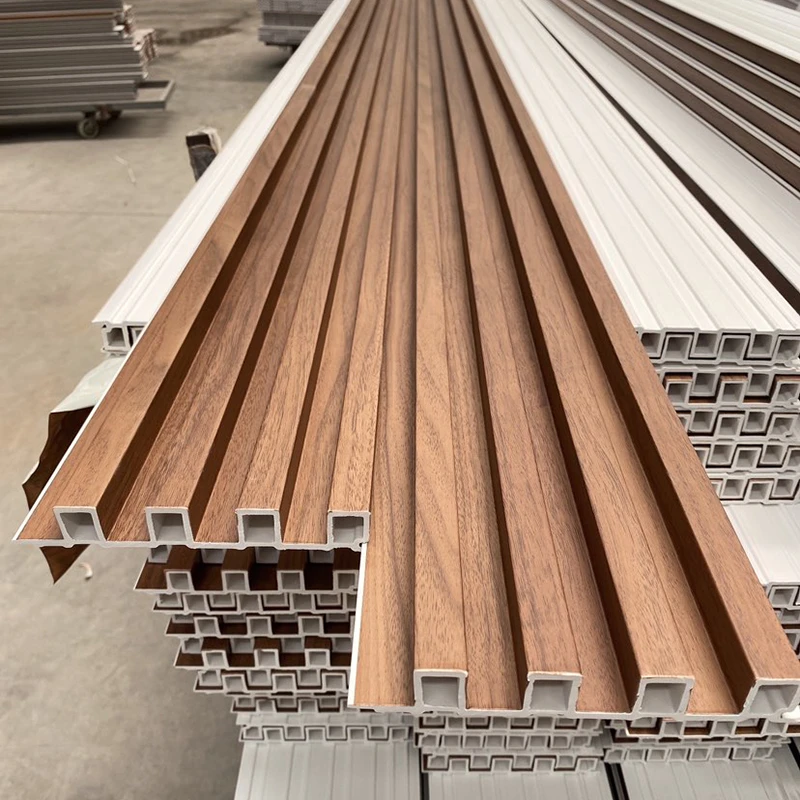
Put simply, wall PVC ceiling design refers to the use of PVC panels or sheets to finish interior walls and ceilings. These panels are usually interlocking or come with snap-fit edges to facilitate quicker installation with minimal mess. They’re prized for their resistance to moisture, fire retardancy, and low maintenance requirements.
This approach has evolved beyond just decorative appeal—it links closely to modern standards of building safety, energy efficiency, and hygiene, making it especially relevant in industries where cleanliness and durability are paramount, such as hospitals, food processing plants, and classrooms.
Key Features of Wall PVC Ceiling Design
Durability
PVC walls and ceilings can withstand impacts, resist corrosion from moisture, and even repel pests better than conventional drywall. This longevity translates into fewer repairs and replacements, which is a big win on project budgets.
Cost Efficiency
While the initial cost can sometimes be slightly more than basic plasterboard systems, the speed of installation and lifecycle savings usually offset the upfront investment. Labor costs drop, fewer materials are wasted, and energy efficiency improves thanks to PVC’s thermal properties.
Customization and Scalability
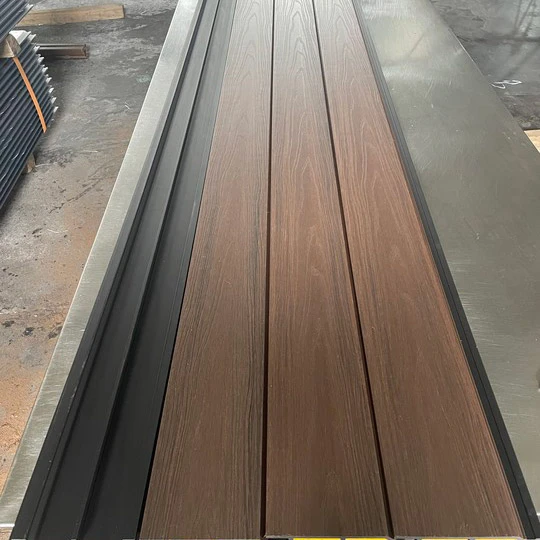
Available in various colors, finishes, and textures, PVC ceiling panels can be tailored to match virtually any design scheme. For large commercial projects, the ability to scale quickly with ready-to-install modules is a game-changer.
Sustainability
Modern PVC panels increasingly incorporate recycled materials, and because of their durability, they contribute to less frequent building renovations—a significant environmental benefit from a whole-life-cycle perspective.
Product Specification Table
| Feature | Typical Value | Benefit |
|---|---|---|
| Material | High-grade PVC, UV-stabilized | Longevity and color retention |
| Panel Size | Up to 600mm x 6000mm | Easy installation, fewer joints |
| Fire Rating | Class B-s1,d0 (EN 13501) | Improved safety compliance |
| Moisture Resistance | 100% waterproof | Ideal for high-humidity spaces |
| Weight | Approx. 850 g/m² | Light enough for retrofit projects |
Global Applications & Use Cases
Wall PVC ceiling design finds utility across sectors and continents. For example, post-disaster housing in Southeast Asia relies heavily on fast-installation PVC panels to rebuild homes quickly after floods or typhoons. In Europe and North America, commercial kitchens and healthcare facilities specify PVC ceilings for their antimicrobial qualities and easy maintenance. Industrial zones in the Middle East utilize PVC wall finishes to cope with harsh desert climates, where traditional paints might blister or peel.
Even education institutions in emerging urban areas benefit by combining aesthetics with durable, budget-friendly ceiling systems to foster better learning environments.
Vendor Comparison Table
| Vendor | Product Line | Price Range (per m²) | USP |
|---|---|---|---|
| PVCPro Solutions | EcoPanel Series | $15 – $25 | Environmentally recycled content |
| CeilGuard | UltraShield Line | $20 – $30 | Superior fire retardancy |
| BuildSmart PVC | RapidFit Panels | $12 – $22 | Fast interlocking system |
Advantages & Long-Term Value of Wall PVC Ceiling Design
Beyond just resisting moisture or fire, the emotional peace of mind from using materials that contribute to safer, cleaner environments can’t be overstated. It feels reassuring to know your ceilings aren’t going to crumble or foster mold growth in a few years. Moreover, the ease of cleaning and maintaining aesthetics brings dignity to spaces that might otherwise degrade quickly.
From an investment standpoint, stakeholders can appreciate the cost savings in lifecycle maintenance. This longevity means fewer disruptions, less waste, and in many cases, a sensible choice aligned with corporate social responsibility initiatives.
Future Trends and Innovations
Looking ahead, wall PVC ceiling design is leaning toward even greener and smarter materials. Incorporating bio-based plastics or enhanced thermal insulation is on the rise. Some manufacturers experiment with embedded LED lighting systems and sensor technology for air quality monitoring.
Digital design tools now allow architects to simulate these panels under various environmental conditions before installation, optimizing performance more than ever. Eventually, combined with sustainable manufacturing, these advances may set new standards in green building certifications worldwide.
Common Challenges & Expert Solutions
PVC materials occasionally raise environmental concerns, mainly regarding disposal or potential VOC emissions. Experts recommend sourcing panels certified by bodies like GREENGUARD or those compliant with ISO 14001 environmental management standards.
Installation in extremely cold climates can sometimes pose brittleness issues, but specialized formulations and flexible joint designs have addressed this effectively.
FAQ: Frequently Asked Questions About Wall PVC Ceiling Design
- Q1: How long does a PVC ceiling installation typically last?
A: With proper maintenance, PVC ceiling systems can last 15 to 25 years, significantly longer than traditional drywall in moist environments. - Q2: Are wall PVC ceilings suitable for humid tropical climates?
A: Absolutely. Their water resistance and anti-microbial properties make them ideal for preventing mold and degradation in such climates. - Q3: Can wall PVC ceiling design be applied in industrial settings?
A: Yes, many factories and warehouses use PVC panels for walls and ceilings, benefiting from their resistance to chemicals and ease of cleaning. - Q4: Is PVC environmentally friendly?
A: Modern products increasingly include recycled content and showcase lifecycle benefits due to durability, but disposal and production impacts remain topics for ongoing improvement. - Q5: How does wall PVC ceiling design improve energy efficiency?
A: PVC panels provide an additional insulation layer, reducing heat transfer, which lowers cooling/heating energy needs.
Conclusion & Call to Action
To sum up, wall PVC ceiling design stands out as a practical, aesthetically flexible, and increasingly sustainable choice for modern construction needs. Whether you’re fighting humidity, aiming for cost savings, or upgrading a fast-paced commercial project, PVC ceilings deliver on multiple fronts. Curious to see how this could transform your next venture? Visit our website: wall pvc ceiling design for more inspiration and solutions.
Mini takeaway: Embracing wall PVC ceiling design means investing in longevity, flexibility, and evolving sustainability—qualities every future-ready building deserves.
References:
1. International Organization for Standardization (ISO)
2. UN Sustainable Development Goals
3. Wikipedia: Polyvinyl chloride
-
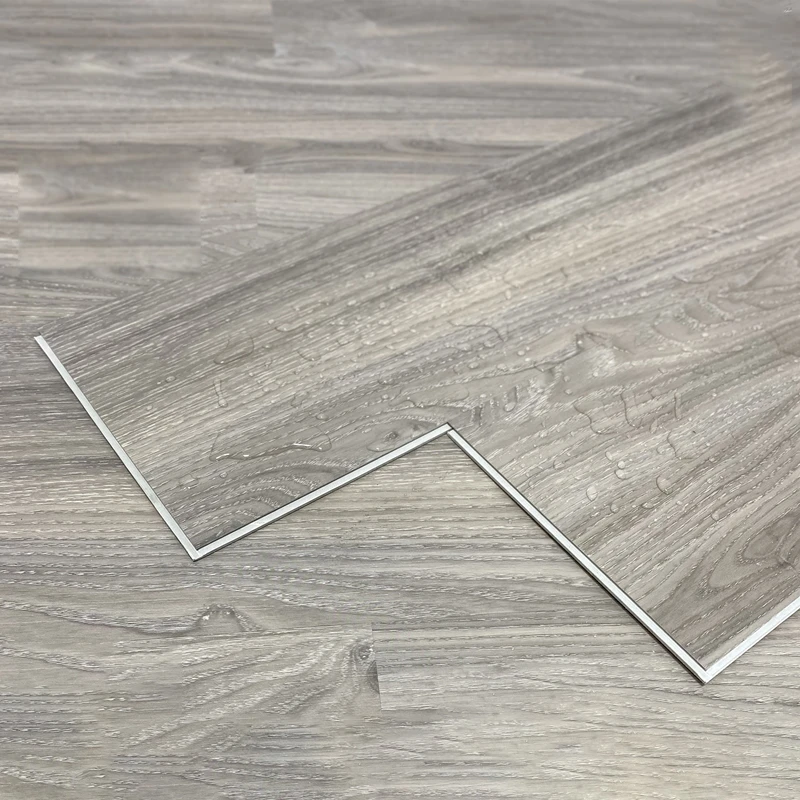
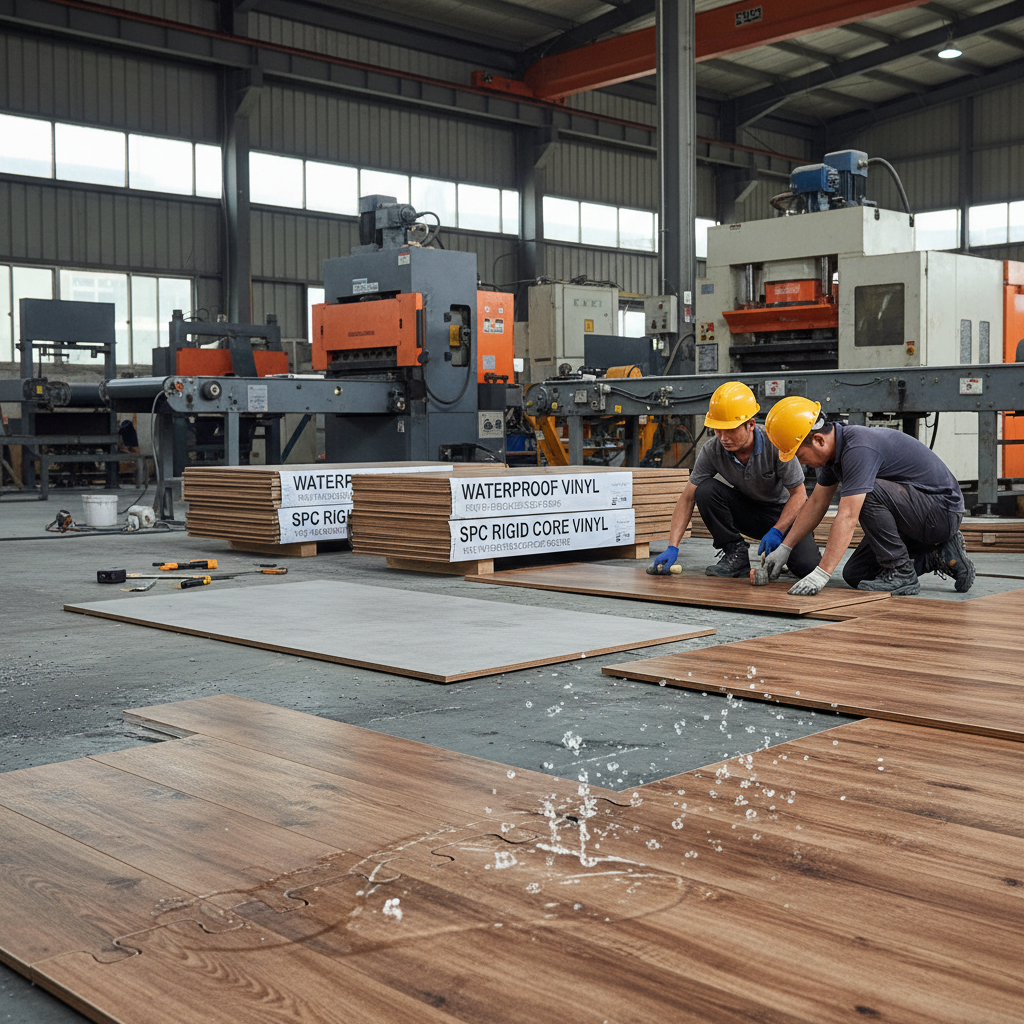 Ultimate Guide to Durable Waterproof SPC Rigid Core Vinyl FlooringChoosing the right flooring for a modern home or commercial space requires a balance between aesthetics and endurance. waterproof spc rigid core vinyl has emerged as a game-changer in the interior design world, offering the timeless look of hardwood with the unmatched resilience of stone polymer composite. Whether you are dealing with high-traffic hallways, moisture-prone bathrooms, or pet-friendly living rooms, this flooring solution provides a stable, waterproof, and scratch-resistant surface. In this comprehensive guide, we will explore why this innovative material is replacing traditional laminate and luxury vinyl planks in contemporary construction.Read More >
Apr 09 2026
-
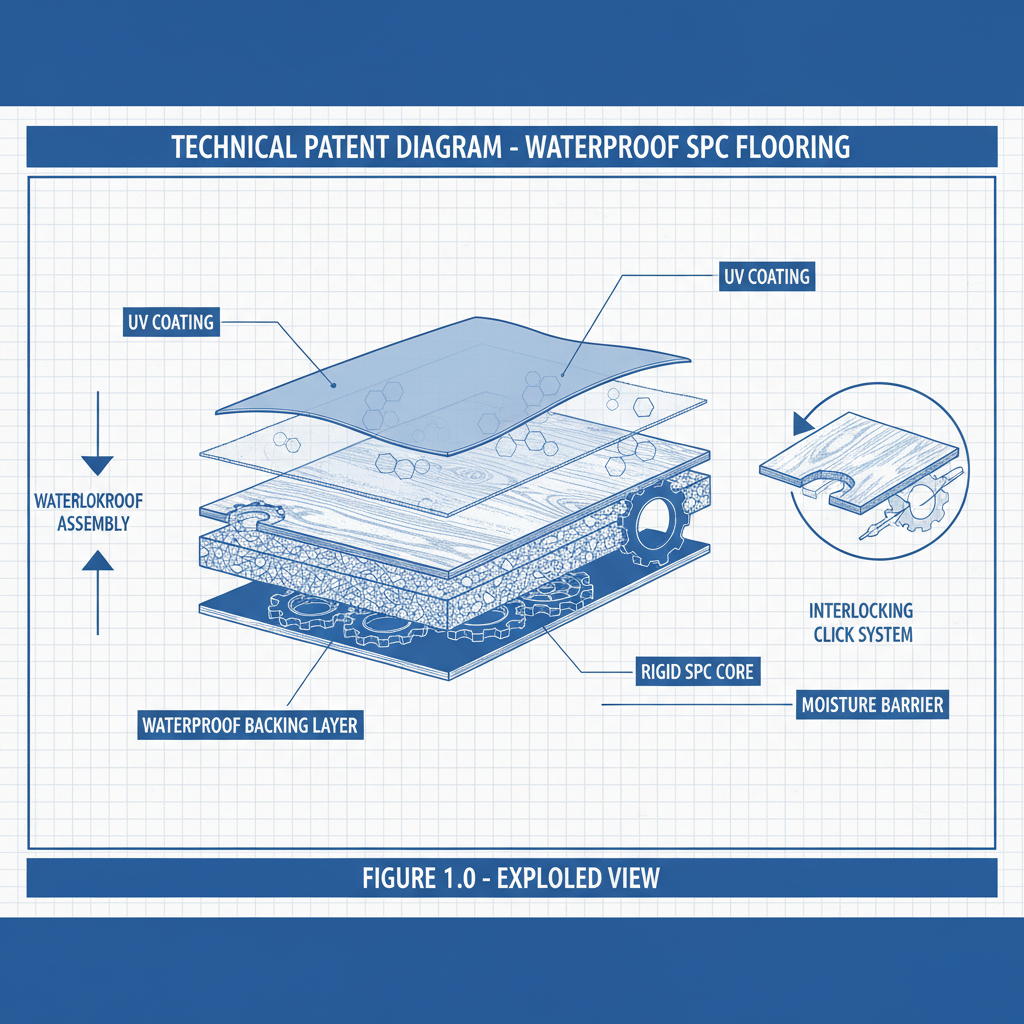 Comprehensive Guide to Waterproof SPC Flooring Durability and InstallationChoosing the right flooring for your home or business is a significant decision. Waterproof SPC flooring has emerged as a popular option due to its durability, affordability, and ease of installation. This article provides an in-depth look at waterproof SPC flooring, covering its benefits, installation process, maintenance, and comparisons with other flooring types. Understanding these aspects will help you determine if SPC flooring is the right choice for your project.Read More >
Apr 07 2026
-
 Discover the Durability and Style of Vinyl SPC Rigid Flooring SolutionsLooking for a durable, waterproof, and stylish flooring solution? Vinyl SPC rigid flooring is quickly becoming the go-to choice for homeowners and businesses alike. This article provides a comprehensive overview of this innovative flooring type, covering its benefits, installation, maintenance, and more. We’ll help you determine if SPC rigid vinyl flooring is the right fit for your project.Read More >
Apr 04 2026
-
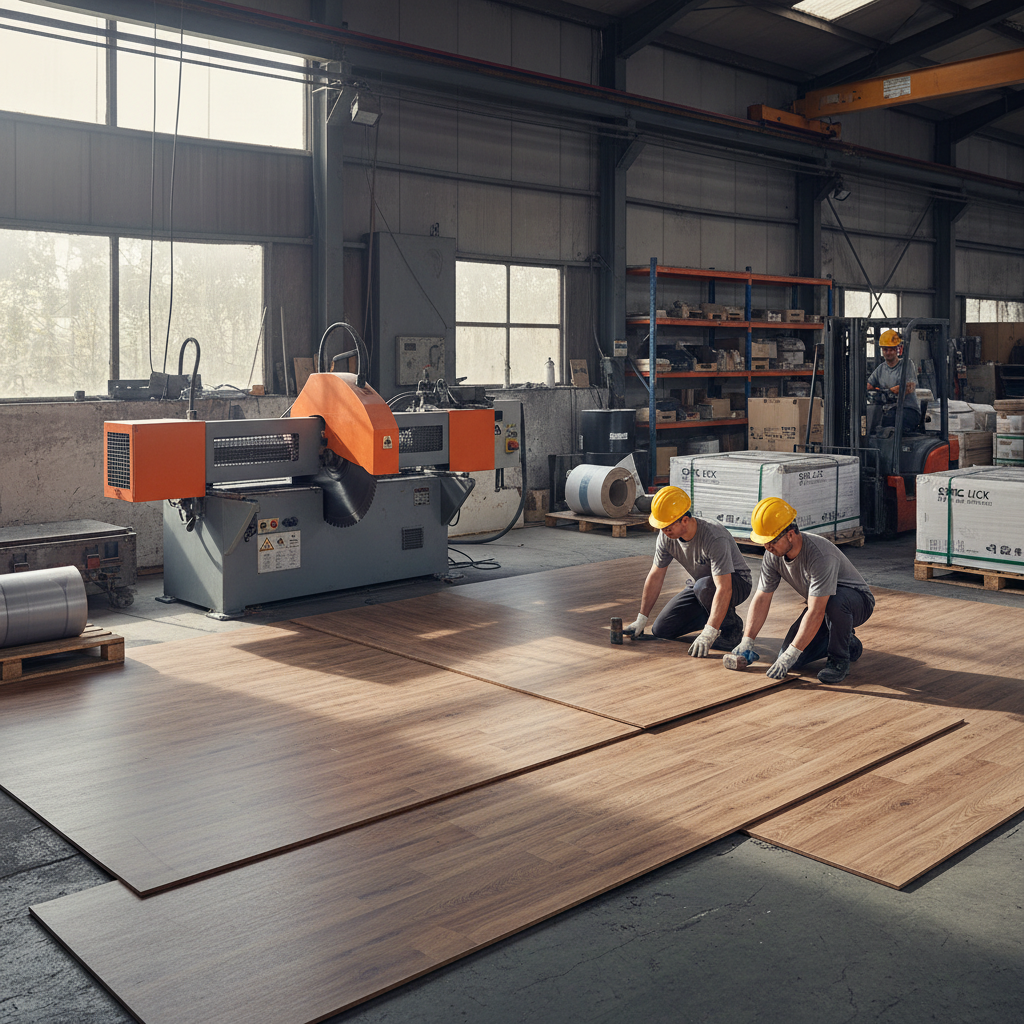 Comprehensive Guide to Durable Vinyl SPC Click Flooring Options and BenefitsChoosing the right flooring for your home or business is a significant decision. Vinyl SPC click flooring has emerged as a popular and durable option, offering a blend of aesthetic appeal and practical benefits. This article will explore the key features, advantages, installation process, and applications of SPC flooring, helping you determine if it's the right choice for your project. From its waterproof nature to its ease of installation, we'll cover everything you need to know.Read More >
Mar 31 2026
-
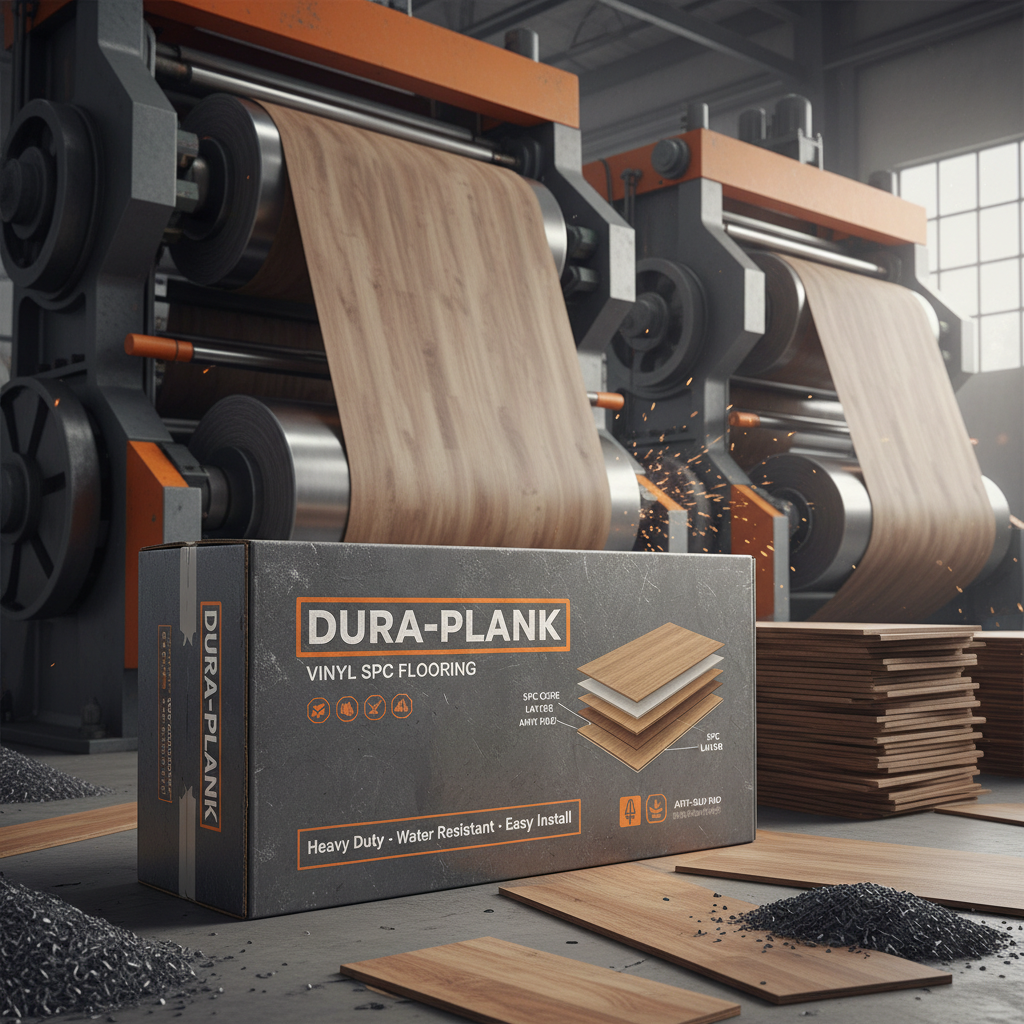 Comprehensive Guide to Durable and Waterproof Vinyl SPC Flooring SolutionsVinyl SPC (Stone Polymer Composite) flooring is rapidly gaining popularity as a durable, waterproof, and aesthetically pleasing flooring option. Ideal for both residential and commercial spaces, it offers a compelling alternative to traditional hardwood, laminate, and tile. This article provides a deep dive into the benefits, installation, maintenance, and potential applications of vinyl SPC flooring, helping you make an informed decision for your flooring needs. We’ll cover everything from understanding the core composition to comparing it with other flooring types.Read More >
Mar 28 2026
 +86 31185293045
  qian@ss711.com

Shijiazhuang Sothink trading Co., LTD.
Our company focuses on product development, production, sales and other all-round services, and is committed to providing customers with high-performance products and high-quality services.