


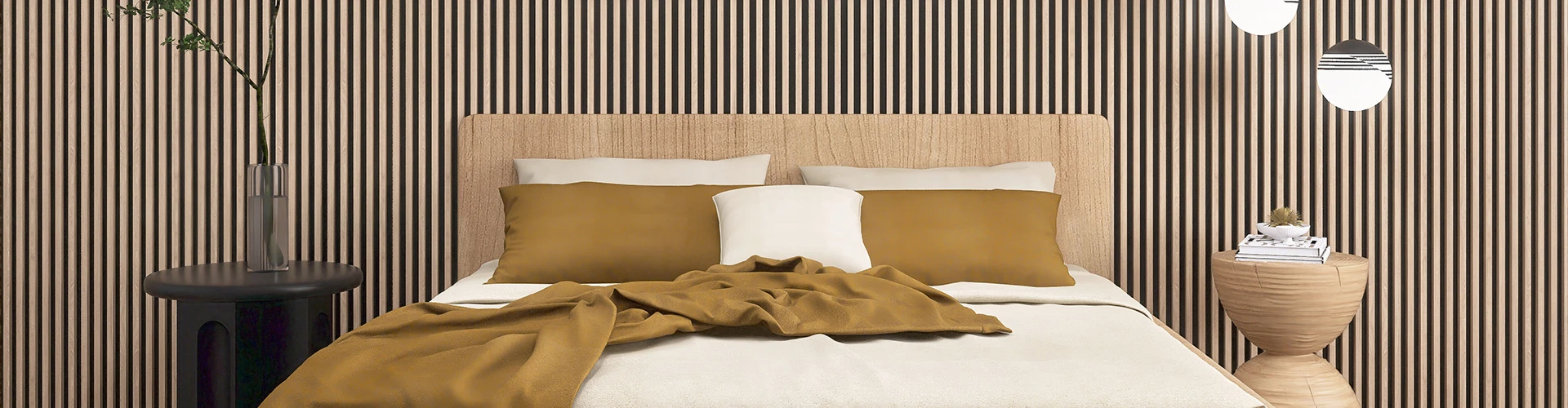
Enhancing Interiors with Style and Strength
In modern architectural design, ceilings are no longer an afterthought. They play a crucial role in shaping the atmosphere and functionality of a space. Among the most popular innovations in this realm are decorative ceiling boards, which merge aesthetics with structural utility. Whether used in residential, commercial, or industrial interiors, these materials offer a versatile, durable, and visually appealing solution to ceiling design challenges.
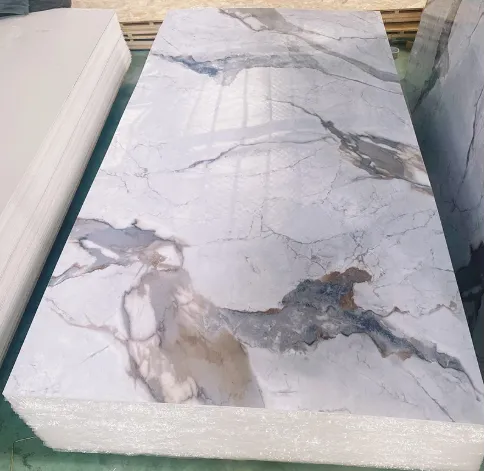
Why Decorative Ceiling Boards Matter
The ceiling is often referred to as the "fifth wall" of a room, and rightly so. A well-designed ceiling adds dimension, light reflection, and personality to any space. Decorative ceiling boards allow designers and property owners to create visual intrigue, manage acoustics, and improve energy efficiency with ease. These panels come in a wide array of textures, finishes, and structural compositions, each tailored to meet different aesthetic and performance expectations. By incorporating such materials, interiors can achieve both modern elegance and practical functionality, making them an ideal choice for projects that value both form and function.
Materials that Combine Utility and Elegance
Contemporary decorative ceiling boards are produced from a range of materials including gypsum, mineral fiber, PVC, and wood composites. Gypsum-based boards are praised for their fire resistance and thermal insulation, making them suitable for office buildings and residential complexes. Mineral fiber boards offer excellent sound-absorbing properties, particularly beneficial in conference halls or schools. PVC variants are lightweight, moisture-resistant, and easy to maintain, making them ideal for kitchens, bathrooms, and commercial facilities. Wood-composite panels add warmth and a natural finish to interiors, catering to both rustic and upscale aesthetics. Each material contributes to the overall performance of the space while meeting rigorous safety and durability standards.
Applications Across Diverse Interior Settings
The beauty of decorative ceiling boards lies in their adaptability. In luxury hotels, 3D patterned ceiling plates can provide dramatic focal points in lobbies and ballrooms. In corporate offices, perforated acoustic ceiling tiles help reduce noise levels, creating a more focused work environment. In residential spaces, textured PVC ceiling covers can elevate living rooms or bedrooms without extensive renovation. Additionally, these boards are widely used in retail and hospitality spaces where visual appeal and practical performance must align. They’re also compatible with integrated lighting, ventilation, and sprinkler systems, ensuring safety and ease of use in both new construction and retrofitting projects.
The Shift Toward Sustainable Design and Manufacturing
As global design trends move toward sustainability, so does the production of decorative ceiling boards. Many manufacturers are now incorporating recycled materials and low-VOC components into their boards. Some even use biodegradable resins and responsibly sourced wood pulp to minimize environmental impact. These innovations not only reduce carbon footprints but also contribute to healthier indoor air quality. Customers and contractors increasingly prefer suppliers who offer transparency about sourcing and manufacturing processes. As green building certifications such as LEED and BREEAM gain prominence, using eco-conscious ceiling solutions can offer a competitive edge in commercial projects.
Decorative Ceiling Boards FAQs
What materials are commonly used in decorative ceiling boards?
Most decorative ceiling boards are made from gypsum, mineral fiber, PVC, or wood composites. Gypsum is known for its fire-resistance, mineral fiber for acoustic performance, PVC for moisture resistance, and wood for a natural, warm finish. Each material serves different design and functional purposes based on the project's needs.
Can decorative ceiling boards be used in wet areas like bathrooms and kitchens?
Yes, PVC-based decorative ceiling boards are especially suitable for high-humidity environments. They resist mold, mildew, and warping, making them an ideal choice for bathrooms, kitchens, or commercial food preparation areas. Proper installation also enhances their performance and durability.
Are there fire-rated options for commercial applications?
Absolutely. Gypsum-based decorative ceiling boards often come with fire-resistance ratings, making them compliant with building codes for schools, offices, and public spaces. These boards are designed to contain and slow the spread of fire, providing valuable time for evacuation and fire control.
How do decorative ceiling boards improve room acoustics?
Mineral fiber and perforated acoustic boards help absorb sound, reducing echo and background noise. This makes decorative ceiling boards an essential component in auditoriums, classrooms, and open-plan offices where noise management is critical to occupant comfort and productivity.
Can ceiling boards support lighting and HVAC integrations?
Yes, most decorative ceiling boards are designed to accommodate integrated systems such as recessed lighting, HVAC vents, and sprinkler heads. They are lightweight yet structurally capable, ensuring easy installation and long-term performance without compromising safety or aesthetics.
-
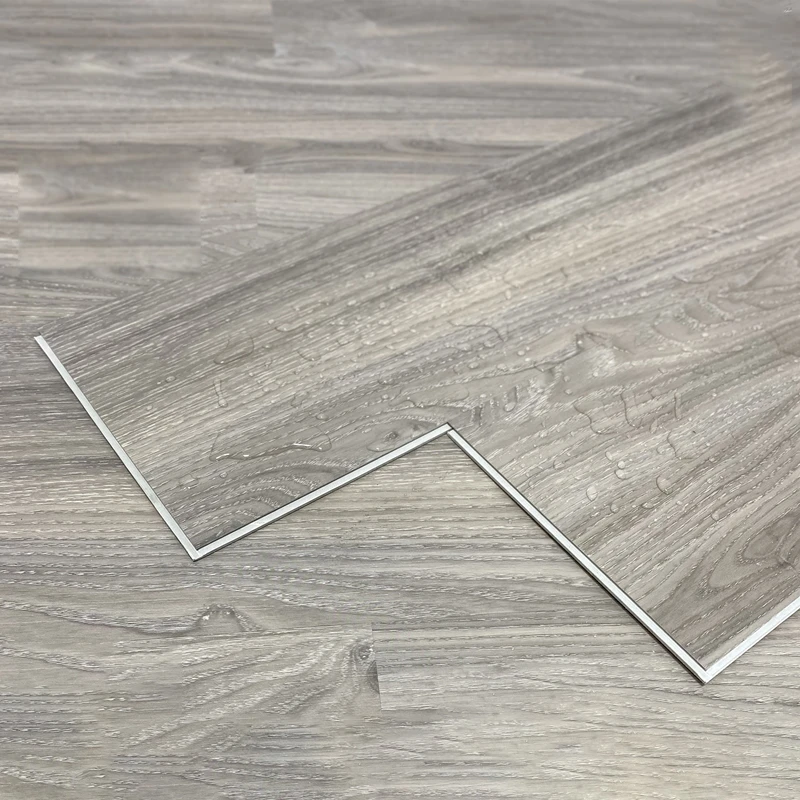
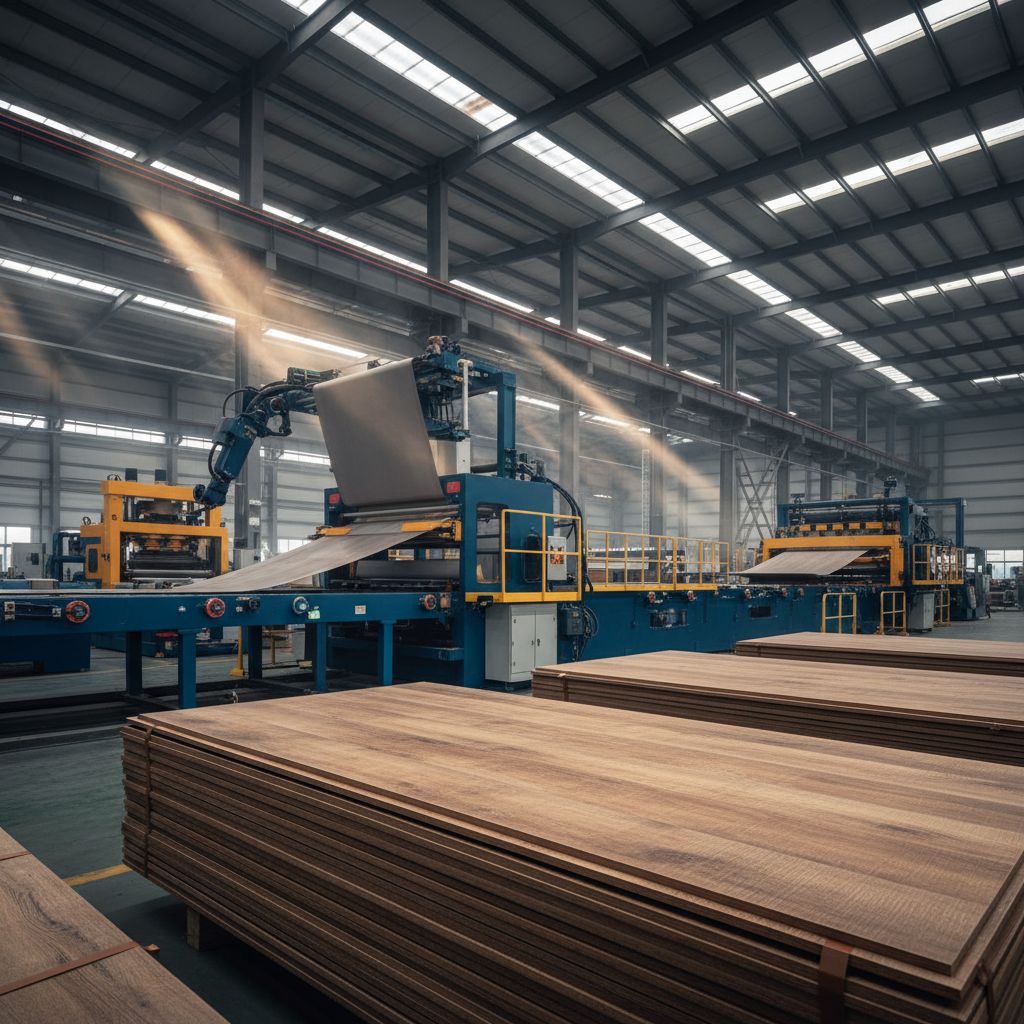 Ultimate Guide to Durable Waterproof SPC Vinyl Flooring StyleWhen renovating a modern home or commercial space, the flooring choice often defines the entire atmosphere. waterproof spc vinyl flooring has emerged as a revolutionary solution for those who refuse to compromise between aesthetic elegance and rugged performance. Standing for Stone Plastic Composite, SPC flooring is engineered to withstand the toughest environments, from moisture-prone bathrooms to high-traffic living rooms. In this comprehensive guide, we will explore why this material is dominating the interior design market and how it can transform your space into a sanctuary of style and resilience.Read More >
Apr 16 2026
-
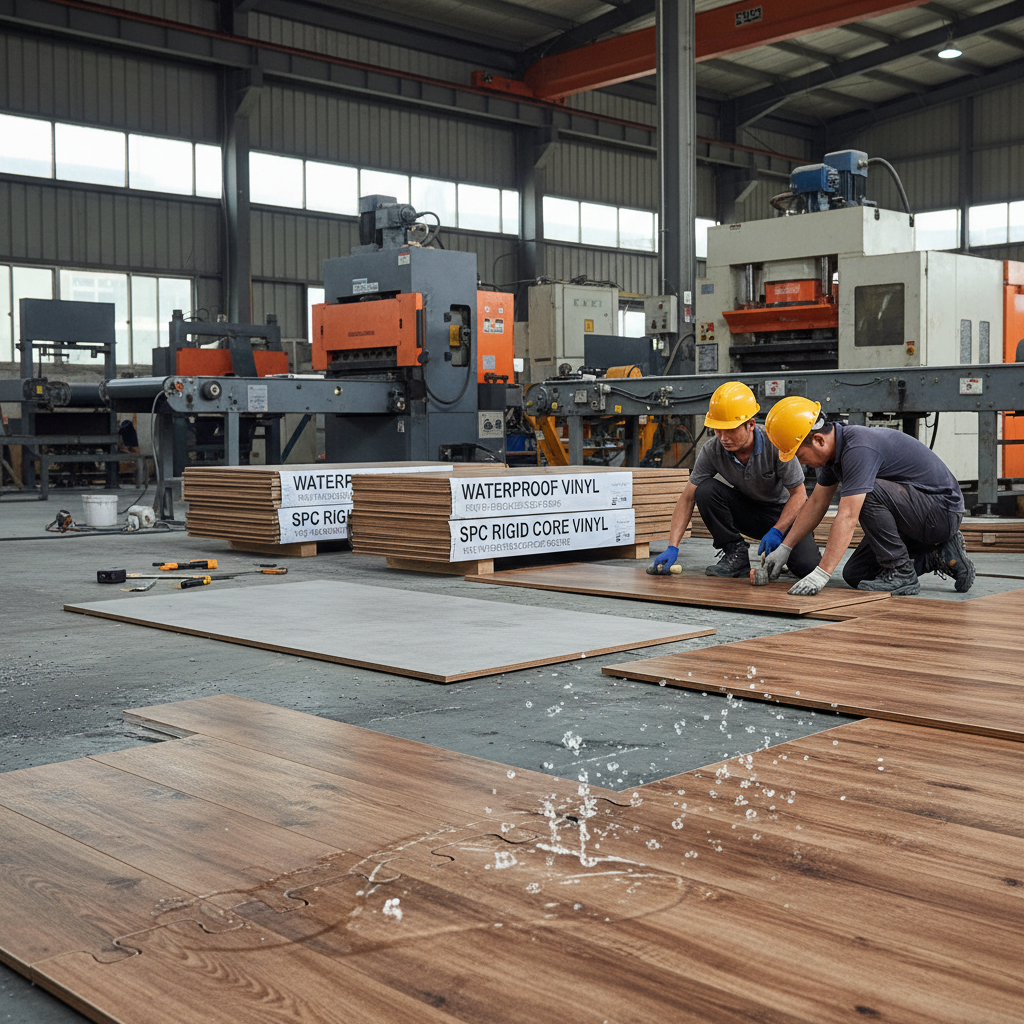 Ultimate Guide to Durable Waterproof SPC Rigid Core Vinyl FlooringChoosing the right flooring for a modern home or commercial space requires a balance between aesthetics and endurance. waterproof spc rigid core vinyl has emerged as a game-changer in the interior design world, offering the timeless look of hardwood with the unmatched resilience of stone polymer composite. Whether you are dealing with high-traffic hallways, moisture-prone bathrooms, or pet-friendly living rooms, this flooring solution provides a stable, waterproof, and scratch-resistant surface. In this comprehensive guide, we will explore why this innovative material is replacing traditional laminate and luxury vinyl planks in contemporary construction.Read More >
Apr 09 2026
-
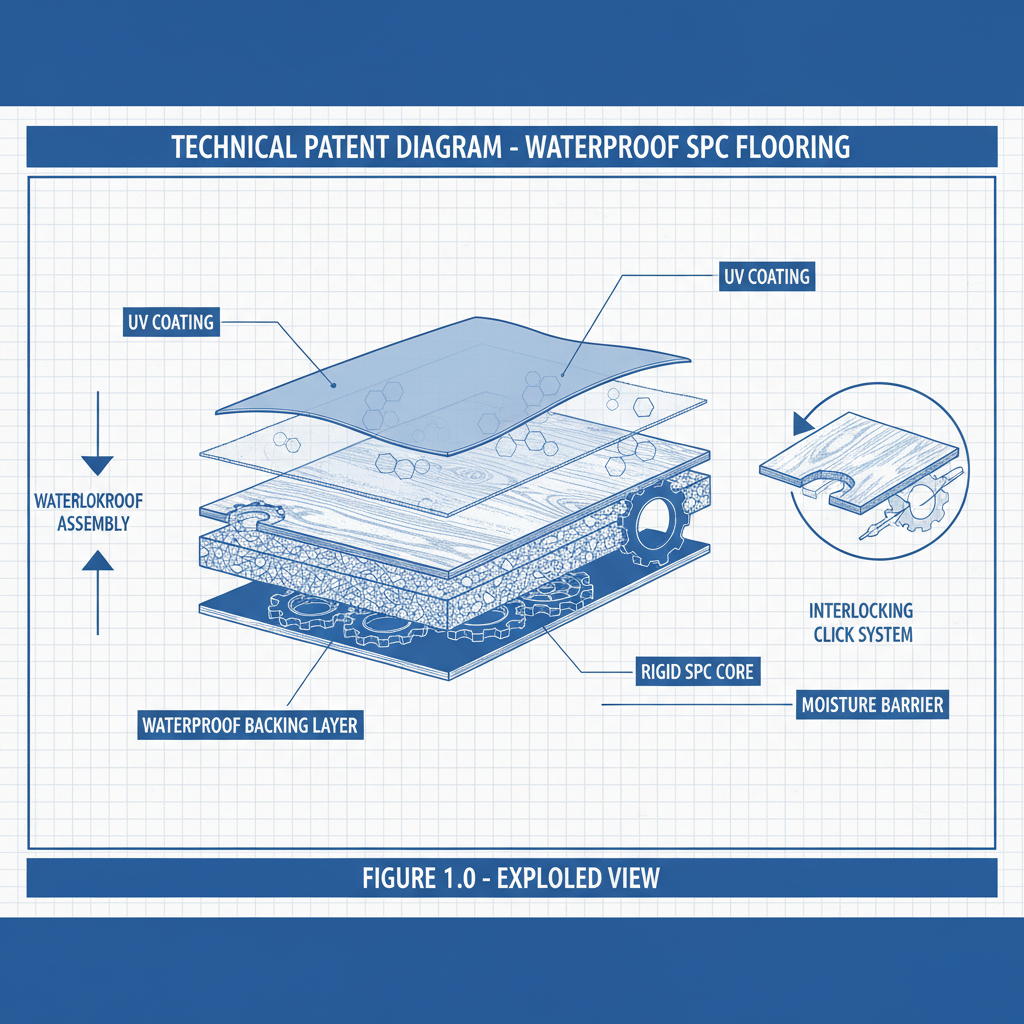 Comprehensive Guide to Waterproof SPC Flooring Durability and InstallationChoosing the right flooring for your home or business is a significant decision. Waterproof SPC flooring has emerged as a popular option due to its durability, affordability, and ease of installation. This article provides an in-depth look at waterproof SPC flooring, covering its benefits, installation process, maintenance, and comparisons with other flooring types. Understanding these aspects will help you determine if SPC flooring is the right choice for your project.Read More >
Apr 07 2026
-
 Discover the Durability and Style of Vinyl SPC Rigid Flooring SolutionsLooking for a durable, waterproof, and stylish flooring solution? Vinyl SPC rigid flooring is quickly becoming the go-to choice for homeowners and businesses alike. This article provides a comprehensive overview of this innovative flooring type, covering its benefits, installation, maintenance, and more. We’ll help you determine if SPC rigid vinyl flooring is the right fit for your project.Read More >
Apr 04 2026
-
 Comprehensive Guide to Durable Vinyl SPC Click Flooring Options and BenefitsChoosing the right flooring for your home or business is a significant decision. Vinyl SPC click flooring has emerged as a popular and durable option, offering a blend of aesthetic appeal and practical benefits. This article will explore the key features, advantages, installation process, and applications of SPC flooring, helping you determine if it's the right choice for your project. From its waterproof nature to its ease of installation, we'll cover everything you need to know.Read More >
Mar 31 2026
 +86 31185293045
  qian@ss711.com

Shijiazhuang Sothink trading Co., LTD.
Our company focuses on product development, production, sales and other all-round services, and is committed to providing customers with high-performance products and high-quality services.