


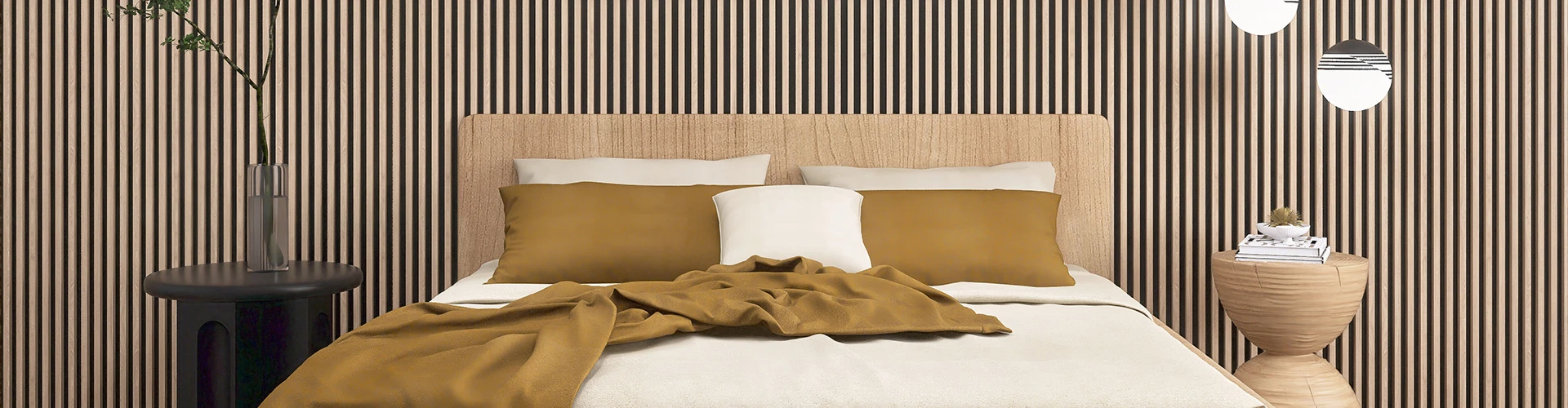
Marble PVC Panel: Durable, Stylish, and Sustainable Building Solutions
What’s the Deal with Marble PVC Panels and Why Should We Care?
At first glance, a marble PVC panel might seem like just another building material. But where you’d normally expect heavy slabs of natural stone, these lightweight, versatile panels are quietly reshaping aspects of construction, interior design, and even humanitarian aid worldwide. The idea is simple yet powerful: get the luxurious look of marble without the weight, fragility, or cost. Globally, as urbanization accelerates and sustainability considerations mount, this product taps into a clear market need.
Understanding the benefits and evolving applications of marble PVC panels could mean smarter, faster, and more affordable building solutions, whether you’re renovating a posh hotel lobby or outfitting a disaster relief shelter. Oddly enough, these panels stand at the crossroads of beauty, practicality, and environmental responsibility — a rare sweet spot.
Setting the Scene: Marble PVC Panels in a Global Context
Construction accounts for nearly 38% of global carbon emissions, according to the International Energy Agency[1]. Natural marble extraction is energy-intensive and costly, so alternatives like marble PVC panels — which combine polyvinyl chloride’s flexibility with the visual elegance of marble — have captured international attention.
With urban populations predicted to swell to 68% by 2050 (UN DESA[2]), the demand for affordable, efficient, and stylish materials that also align with sustainability targets has never been higher. Yet, conventional materials struggle to keep pace with fast build timelines and budget constraints, especially in rapidly developing economies.
This is the problem marble PVC panels address: offering a balance of cost, aesthetics, and durability that meets the world’s evolving architectural and social needs.
What Exactly Is a Marble PVC Panel?
Put simply, a marble PVC panel is a decorative construction material produced by coating or laminating a thin layer resembling natural marble onto PVC substrate sheets. This fusion produces panels that visually mimic marble’s veined surface and shine, while being remarkably light and resilient.
Used widely in wall cladding, ceilings, furniture overlays, and partitions, these panels reduce the weight burden on foundations and framing without sacrificing style. They’re also water-resistant, low maintenance, and flexible in installation compared to traditional stone or tiles.
For areas where resources are tight or speed is necessary — think NGOs working in flood-hit regions or burgeoning real estate markets — they provide a realistic, affordable marble effect with a fraction of the hassle.
Core Features That Make Marble PVC Panels Stand Out
1. Durability & Water Resistance
Thanks to the PVC base, these panels repel water and resist common hazards like mold or mildew. Many engineers I’ve spoken to say this longevity factor is pivotal, especially in humid or coastal climates where natural marble might deteriorate rapidly.
2. Lightweight Yet Sturdy
Where a slab of marble weighs in excess of 2700 kg/m³, marble PVC panels float closer to 1.3–1.6 kg/m² depending on thickness. This difference means easier handling, lower transport costs, and faster installation — critical in fast-paced construction or emergency deployment.
3. Cost Efficiency
Roughly 40–60% cheaper than genuine marble, these panels reduce both material and labor expenses. You don’t sacrifice the premium look but benefit from a dramatically lower price point.
4. Ease of Installation & Customization
Available in a wide range of designs, sizes, and finishes, clients can specify panels tailored to their project needs. The sheets cut cleanly with standard tools, allowing on-site adjustments. This adaptability’s a boon for architects and installers alike.
5. Sustainability Considerations
By minimizing quarrying and heavy stone transport, marble PVC panels contribute to lower carbon emissions. Plus, many manufacturers today emphasize recyclable or bio-based additives in their PVC blends — a step toward greener building materials.
Mini takeaway: Marble PVC panels cleverly merge aesthetic appeal with practical benefits — they’re lightweight, durable, affordable, and increasingly eco-friendly.
How Marble PVC Panels Are Changing Global Practices
From luxury hotels in Dubai opting for rapid interior makeovers to refugee camps outfitted with durable showers and partition walls, marble PVC panels have gained traction across diverse sectors.
- Construction & Interior Design: Residential and commercial projects use these panels for wall cladding, false ceilings, and kitchen backsplashes, especially where weight constraints matter (high-rises, modular homes).
- Disaster Relief and Temporary Housing: NGOs utilize waterproof panels to build hygienic, dignified living spaces that are quick to assemble and dismantle.
- Marine and Industrial Installations: Shipbuilders and factories favor them for their water resistance and chemical inertness inside cabins or control rooms.
In regions like Southeast Asia, where humidity wrecks traditional marble finishes, replacing these with marble PVC panels has saved considerable maintenance headaches and budget overruns.
Marble PVC Panel Specification Table
| Specification | Typical Range | Notes |
|---|---|---|
| Panel Thickness | 3mm - 6mm | Varies by use (wall, ceiling) |
| Weight | 1.3 - 1.6 kg/m² | Much lighter than natural marble |
| Water Absorption | Excellent for humid climates | |
| Impact Strength | >15 kJ/m² | Resists cracking better than stone |
| Fire Resistance | Class B1 (flame retardant) | Depends on additives |
Choosing the Right Supplier: Vendor Comparison
| Vendor | Pricing | Customization Options | Sustainability Practices | Lead Time |
|---|---|---|---|---|
| MarbleDeco Ltd. | Mid-range | High (custom colors, shapes) | Recyclable PVC, low VOCs | 3 - 4 weeks |
| StoneLook Panels | Premium | Medium (limited finishes) | Standard PVC, no green certs yet | 2 - 3 weeks |
| EcoPanel Corp. | Budget friendly | Basic | Bio-PVC blends, recycled content | 4-6 weeks |
What’s In It For You? Advantages & Long-Term Value
Think about replacing heavy marble tiles on a high-rise façade. The structural savings alone are huge — less steel reinforcement, thinner framing, cheaper shipping. Then factor in installation speed: installers can screw or glue PVC panels within days, sometimes hours. For project managers, that sort of efficiency compounds on timelines and budgets.
Emotionally, there’s something reassuring about a panel that won’t crack easily or stain, maintaining the dignity of a space over years — be it a hospital waiting room or a stately office reception. The innovation embedded in these materials builds trust with occupants who expect durability alongside elegance.
And, frankly, it’s a greener choice. Less quarry dust, less energy burned. While no material is perfectly “green,” the trend is shifting as manufacturers explore post-consumer recycled PVC and water-based coatings.
On the Horizon: Future Trends in Marble PVC Panels
Innovations are trickling in from multiple fronts. Some producers now focus on nanotechnology coatings that boost scratch resistance and self-cleaning properties. Others experiment with phthalate-free or bio-attributed plasticizers to improve environmental safety.
Digitally, CNC cutting and printing mean increasingly precise bespoke patterns that can mimic everything from rare marble types to expressive artistic designs. Integration with smart building tech — say, embedding sensors between panels — isn’t far off either.
Policy-wise, tighter building codes globally enforce improved fire safety and VOC limits, pushing product R&D toward safer, more sustainable composites.
Challenges and How Industry Pros Tackles Them
No product is flawless. Marble PVC panels can still be vulnerable to prolonged high heat, and inferior products may discolor over time or emit odors. Poor installation can cause peeling or bubbling.
Tackling these issues requires:
- Stringent quality control — ensuring raw materials meet durability and safety benchmarks.
- Proper training for installers to prevent application errors.
- Innovative material blends that enhance UV and thermal stability.
Companies investing in R&D and transparent certifications can typically outpace these hurdles, delivering lasting value.
FAQ: Your Marble PVC Panel Questions Answered
What makes marble PVC panels better than traditional marble slabs?
Unlike heavy natural marble, marble PVC panels are lightweight, easier to install, and less costly while retaining the aesthetic appeal. Plus, they’re resistant to water and cracking, requiring less maintenance.
How long can marble PVC panels last in humid or coastal areas?
Typically, high-quality panels last 10–15 years or more in these conditions, thanks to their water resistance and mold-inhibiting properties, assuming proper installation.
Are marble PVC panels suitable for both indoor and outdoor use?
While primarily designed for indoor applications, some specially treated panels can be used outdoors but may require UV-protective coatings to prevent fading.
Can I get custom colors and sizes?
Yes, many manufacturers offer customized panels to suit your specific project requirements, such as unique marble patterns, sizes, or finishes.
How do NGOs import or deploy marble PVC panels internationally in emergencies?
These panels’ light weight and compact size simplify shipping logistics. NGOs usually partner with suppliers that can manage export regulations, often leveraging bulk shipments to disaster-prone regions.
Wrapping It Up: Why Marble PVC Panels Are Here to Stay
The rise of marble PVC panels represents a quiet revolution in building materials. They strike a compelling balance between elegance, durability, and practicality — backed by innovations that keep improving their footprint and performance. For architects, builders, and relief organizations alike, they offer a smart, sustainable choice that adapts well to the changing demands of the global landscape.
If you’re looking to embrace this trend or explore custom options, visit our website: marble pvc panel. Take that step towards smarter, more beautiful spaces.
References:
-
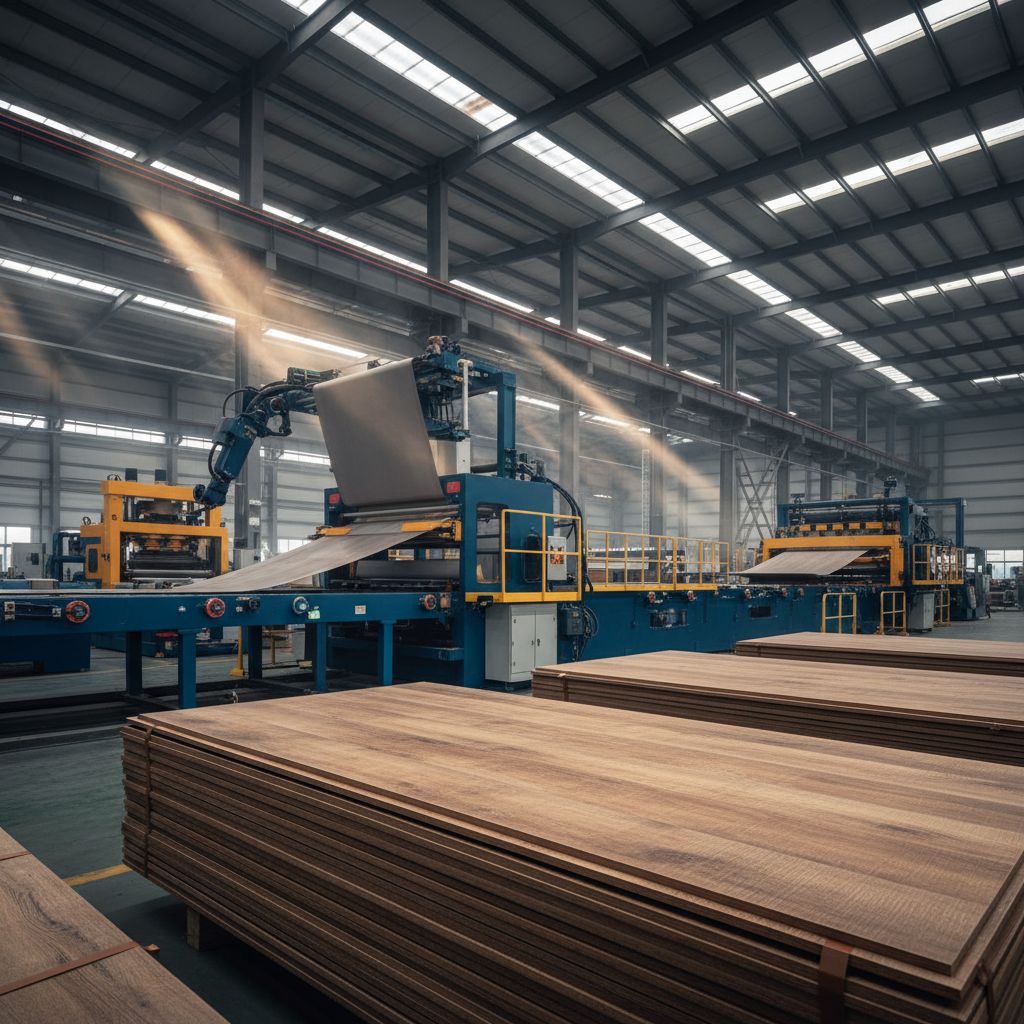 Ultimate Guide to Durable Waterproof SPC Vinyl Flooring StyleWhen renovating a modern home or commercial space, the flooring choice often defines the entire atmosphere. waterproof spc vinyl flooring has emerged as a revolutionary solution for those who refuse to compromise between aesthetic elegance and rugged performance. Standing for Stone Plastic Composite, SPC flooring is engineered to withstand the toughest environments, from moisture-prone bathrooms to high-traffic living rooms. In this comprehensive guide, we will explore why this material is dominating the interior design market and how it can transform your space into a sanctuary of style and resilience.Read More >
Apr 16 2026
-
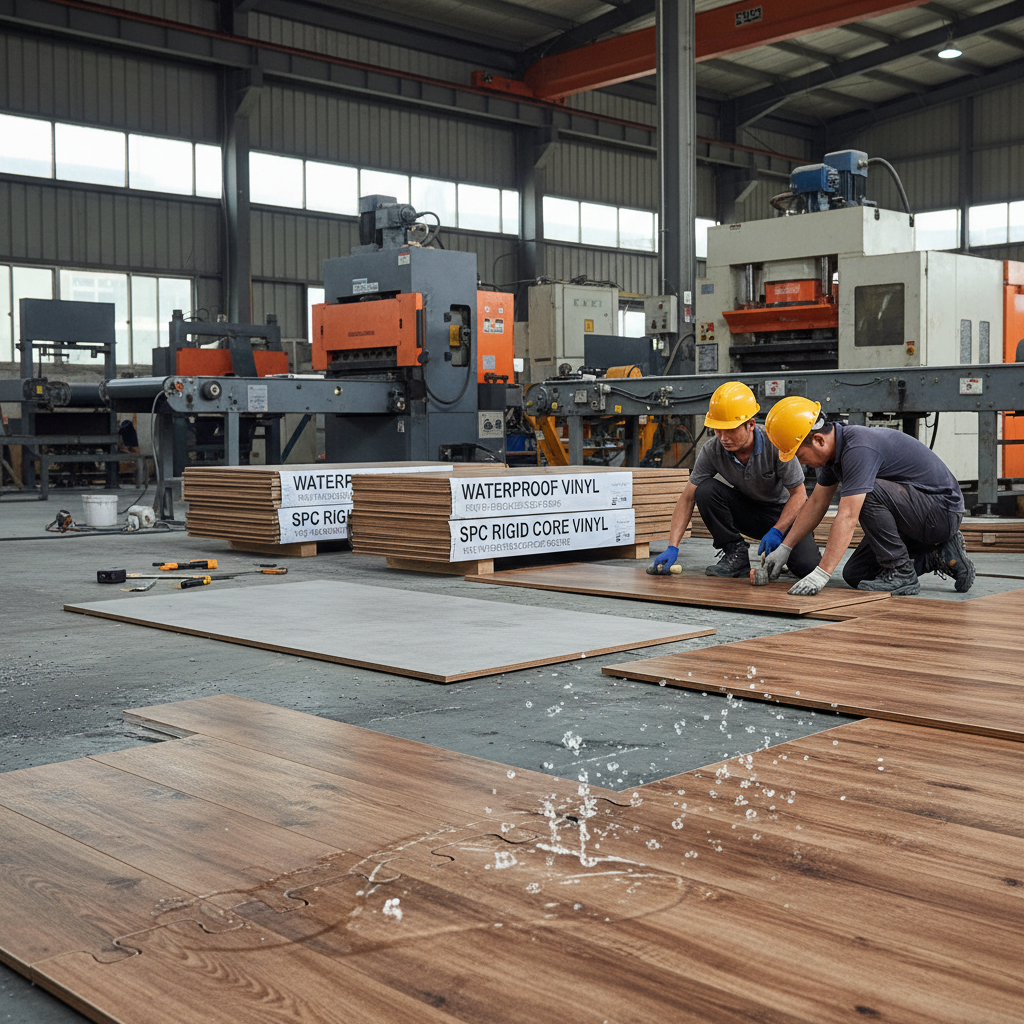 Ultimate Guide to Durable Waterproof SPC Rigid Core Vinyl FlooringChoosing the right flooring for a modern home or commercial space requires a balance between aesthetics and endurance. waterproof spc rigid core vinyl has emerged as a game-changer in the interior design world, offering the timeless look of hardwood with the unmatched resilience of stone polymer composite. Whether you are dealing with high-traffic hallways, moisture-prone bathrooms, or pet-friendly living rooms, this flooring solution provides a stable, waterproof, and scratch-resistant surface. In this comprehensive guide, we will explore why this innovative material is replacing traditional laminate and luxury vinyl planks in contemporary construction.Read More >
Apr 09 2026
-
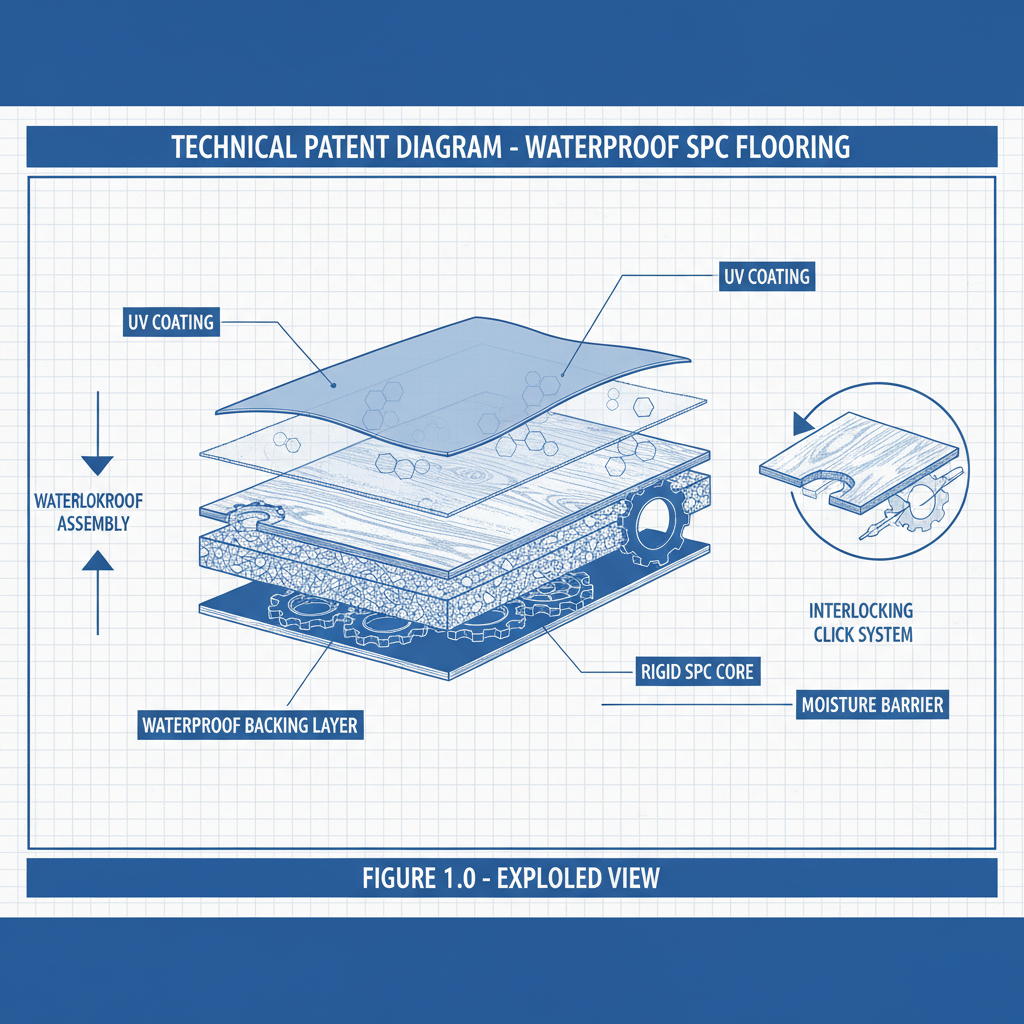 Comprehensive Guide to Waterproof SPC Flooring Durability and InstallationChoosing the right flooring for your home or business is a significant decision. Waterproof SPC flooring has emerged as a popular option due to its durability, affordability, and ease of installation. This article provides an in-depth look at waterproof SPC flooring, covering its benefits, installation process, maintenance, and comparisons with other flooring types. Understanding these aspects will help you determine if SPC flooring is the right choice for your project.Read More >
Apr 07 2026
-
 Discover the Durability and Style of Vinyl SPC Rigid Flooring SolutionsLooking for a durable, waterproof, and stylish flooring solution? Vinyl SPC rigid flooring is quickly becoming the go-to choice for homeowners and businesses alike. This article provides a comprehensive overview of this innovative flooring type, covering its benefits, installation, maintenance, and more. We’ll help you determine if SPC rigid vinyl flooring is the right fit for your project.Read More >
Apr 04 2026
-
 Comprehensive Guide to Durable Vinyl SPC Click Flooring Options and BenefitsChoosing the right flooring for your home or business is a significant decision. Vinyl SPC click flooring has emerged as a popular and durable option, offering a blend of aesthetic appeal and practical benefits. This article will explore the key features, advantages, installation process, and applications of SPC flooring, helping you determine if it's the right choice for your project. From its waterproof nature to its ease of installation, we'll cover everything you need to know.Read More >
Mar 31 2026
 +86 31185293045
  qian@ss711.com

Shijiazhuang Sothink trading Co., LTD.
Our company focuses on product development, production, sales and other all-round services, and is committed to providing customers with high-performance products and high-quality services.