


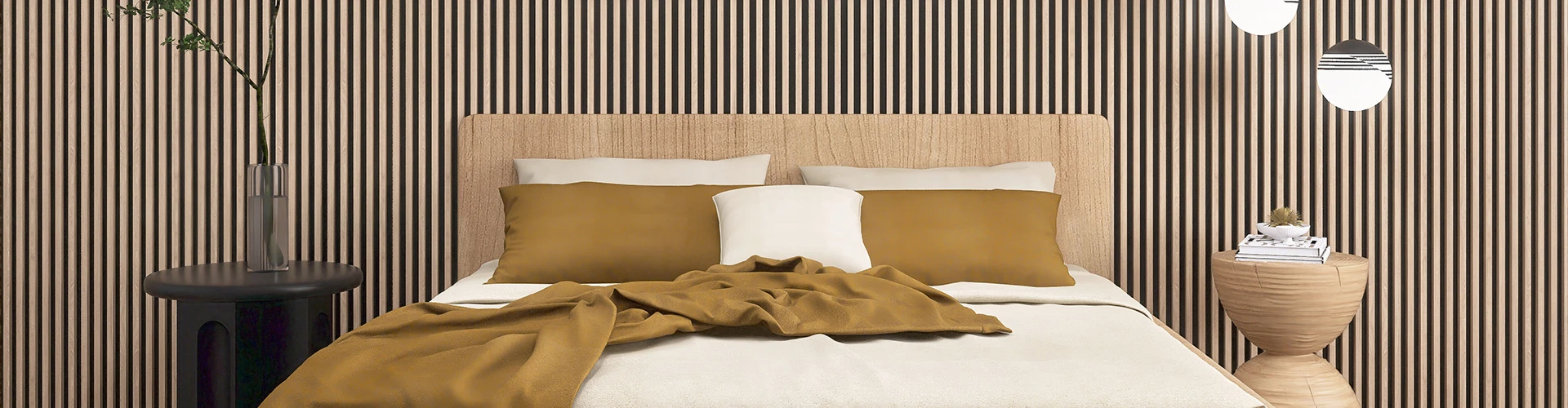
Marble PVC Sheet: Durable, Stylish & Cost-Effective Interior Solutions
Understanding Marble PVC Sheet: A Modern Solution for Durable Interiors
In an age where design, durability, and cost-efficiency all collide, the marble PVC sheet emerges as a contemporary answer that many industries are embracing. But what exactly is a marble pvc sheet, why does it matter globally, and what makes it so deceptively versatile? Let’s unpack these questions together, exploring how this material impacts everything from construction sites to humanitarian aid projects worldwide.
The Global Context: Why Marble PVC Sheet Matters
Globally, the need for sustainable, attractive, and affordable building materials is skyrocketing. According to the International Organization for Standardization (ISO), the construction sector is responsible for nearly 40% of global CO2 emissions — a staggering figure pushing industries to rethink raw materials and manufacturing processes. Enter marble PVC sheets: lightweight, cost-effective, and surprisingly resilient. Whether in Europe’s burgeoning renovation projects or rapidly urbanizing Asian cities, these sheets help reduce environmental impact and accelerate construction timelines.
Still, challenges remain. Natural marble, while exquisite, is heavy, expensive, and environmentally taxing to quarry. Marble PVC sheets blend aesthetic appeal with those practical considerations better suited to a fast-paced, sustainable economy.
What Exactly Is a Marble PVC Sheet?
Laying it out simply—marble PVC sheet is a plastic panel designed to mimic the luxurious appearance of natural marble. Made primarily from polyvinyl chloride (PVC), enhanced with marble-like designs embedded in or printed on its surface, it manages to marry the beauty of stone with the flexibility and weather resistance of synthetic material.
In a way, it's like giving designers and builders a kind of "best of both worlds": the look of marble without its weight or cost. And thanks to modern technology, these sheets can also incorporate antimicrobial layers, scratch resistance, and UV protection.
Key Factors That Make Marble PVC Sheets Stand Out
1. Durability
One might not expect a plastic sheet to endure as long as marble or even laminates, but many marble PVC sheets are incredibly robust. Resistant to moisture, stains, and impact, they’re ideal in kitchens, bathrooms, and commercial spaces that endure heavy foot traffic. In fact, the waterproof nature means no warping or mold growth — a huge plus in tropical or damp environments.
2. Design Flexibility
Manufacturers can produce these sheets in a dazzling array of colors and vein patterns — even replicating rare types of marble that would otherwise be prohibitively expensive. This means architects gain freedom to experiment, clients get bespoke luxury looks, and the environment avoids extreme quarrying.
3. Cost Efficiency
Compared to natural marble, the price per square foot is significantly lower, not to mention installation costs. Marble PVC sheets are lightweight, simplifying transport and fitting, which saves on labor time and expenses. For many commercial projects, this balance is key.
4. Ease of Maintenance
Unlike real marble, which can stain or require special sealants, these sheets just need a regular wipe-down with mild soap and water. No fuss, no risk of etching from acids common in household cleaners.
5. Environmental Impact
While PVC production isn’t perfect environmentally, the overall lifecycle carbon footprint of marble PVC sheets tends to be lower than quarried marble. Some manufacturers add recycled materials or adopt greener production practices, nudging the product even further toward sustainability.
6. Versatility in Application
From wall cladding and ceiling panels to furniture facades and retail displays, marble PVC sheets are proving their mettle across diverse environments.
Where Marble PVC Sheets Are Shaping Real-World Spaces
It’s not just theoretical — these sheets are widely used:
- Residential renovations: Homeowners wanting a marble look without the hassle prefer them for walls and kitchen backsplashes.
- Commercial interiors: Malls, hotels, and restaurants utilize them to produce high-end finishes at affordable costs, often with quick turnaround demands.
- Healthcare facilities: Their antimicrobial variants find use where hygiene is paramount.
- Disaster relief and remote zones: Rapid-install shelters and modular homes benefit from marble PVC sheets because they’re easy to handle and weather-resistant.
In countries like India, Brazil, and parts of Africa, where construction growth is rapid but budgets tight, the access to these kinds of durable, attractive materials helps uplift standards without breaking the bank.
Advantages and Long-Term Benefits
When I talk to engineers and designers, they often cite these advantages:
- Cost Saving: Lower initial and ongoing maintenance expenses.
- Sustainability: Reduced quarrying and lighter carbon footprint.
- Safety & Hygiene: Mold resistance and antimicrobial options.
- Longevity: Maintains appearance over time without costly refinishing.
And beyond logic, there’s a kind of psychological comfort for clients: the confidence that their space looks elegant and fresh with minimal effort. Innovation like this fosters trust and satisfaction.
Looking Ahead: Future Trends and Innovations
Marble PVC sheets won’t just stay static. Here’s what’s coming:
- Eco-friendly additives: Biodegradable plastics and recycled marbles incorporated into sheets.
- Smart coatings: Self-cleaning or UV-reactive surfaces that adjust color or maintain clarity.
- 3D texture printing: Adding realistic tactile surfaces mimicking marble’s cool-to-touch feel.
- Automation in production: More consistent quality with reducing waste.
Challenges and Expert Solutions
Of course, it's not perfect. Marble PVC sheets sometimes get tagged as “less authentic” or questioned on longevity compared to stone. They can also suffer from chemical vulnerability if exposed to harsh solvents.
Innovators suggest pre-treatment and protective layering to extend life. Educating markets to choose by application type also helps — not every project needs real marble, but they do need well-understood solutions.
Product Specification Table: Typical Marble PVC Sheet Characteristics
| Specification | Typical Value |
|---|---|
| Material | PVC (polyvinyl chloride) with printed marble texture |
| Thickness | 1.5mm - 5mm |
| Weight | ~1.5 kg per m² (varies by thickness) |
| Water Resistance | 100% waterproof |
| Surface Finish | Matte, Glossy, or Textured |
| Fire Rating | Class B1 (flame retardant) |
| Installation | Adhesive, Screws, or Clips |
Vendor Comparison: Top Marble PVC Sheet Providers
| Vendor | Product Range | Price Range (per m²) | Sustainability Features | Lead Time |
|---|---|---|---|---|
| SothinkDecor | 10+ marble patterns, custom printing | $15 - $30 | Recycled content, low-VOC coatings | 2-4 weeks |
| MarbaTech | Standard marble sheet textures | $18 - $35 | Limited eco options | 3-5 weeks |
| EcoStone PVC | Marble, granite, and custom textures | $20 - $40 | High recycled polymer content | 4-6 weeks |
FAQs About Marble PVC Sheet
Q1: How does marble PVC sheet compare to real marble in durability?
Marble PVC sheets are quite durable in everyday indoor settings where moisture and impact resistance are key. However, they won’t withstand heavy outdoor abrasion or extreme weather like natural marble can. For most residential or commercial interiors, they are a practical and long-lasting alternative.
Q2: Is marble PVC sheet suitable for wet areas like bathrooms or kitchens?
Absolutely. Being waterproof, marble PVC sheets resist mold and warping, making them excellent for bathrooms, kitchen splashbacks, and even laundry rooms. Their easy maintenance is a bonus in these moisture-prone areas.
Q3: Can marble PVC sheets be installed over existing walls?
Yes. Because they’re lightweight, they can be directly mounted over smooth, dry surfaces using adhesives or mechanical fixings, speeding up renovations and minimizing mess.
Q4: Are marble PVC sheets environmentally friendly?
While PVC itself is synthetic, manufacturers are integrating recycled content and low-VOC coatings to improve sustainability. Compared to quarried marble, the production impact is generally lower, but it’s still wise to choose vendors with green certifications.
Q5: Can these sheets be customized for specific architectural projects?
Many suppliers offer custom print runs and sizes, letting architects and designers tailor patterns, thickness, and finishes to suit unique project needs. This flexibility is one key reason marble PVC sheets are growing in popularity.
Wrapping It Up: Why Marble PVC Sheet Is a Smart Choice
To sum it up — marble PVC sheets blend fashion and function in the building materials world, offering a smart balance between aesthetics, durability, and cost-effectiveness. They’re not about replacing marble stone entirely but provide a versatile, sustainable option for many uses, especially in fast-moving or budget-sensitive projects.
If you’re exploring material options for your next project, I’d definitely encourage checking out a range of marble pvc sheet options. You’ll find it’s not just about style — it’s about future-proofing your builds too.
Feel free to dive deeper with the references below to explore the global importance and technical merits of these materials.
References
-
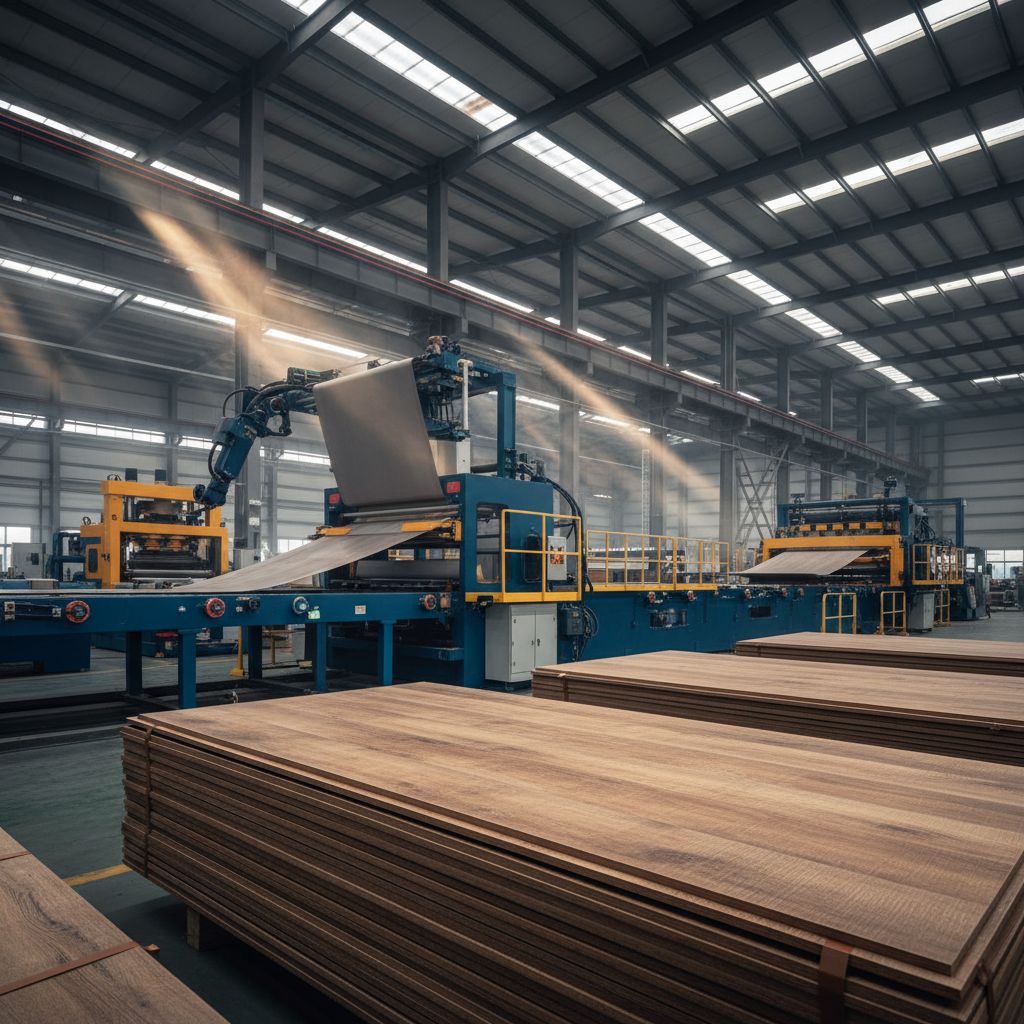 Ultimate Guide to Durable Waterproof SPC Vinyl Flooring StyleWhen renovating a modern home or commercial space, the flooring choice often defines the entire atmosphere. waterproof spc vinyl flooring has emerged as a revolutionary solution for those who refuse to compromise between aesthetic elegance and rugged performance. Standing for Stone Plastic Composite, SPC flooring is engineered to withstand the toughest environments, from moisture-prone bathrooms to high-traffic living rooms. In this comprehensive guide, we will explore why this material is dominating the interior design market and how it can transform your space into a sanctuary of style and resilience.Read More >
Apr 16 2026
-
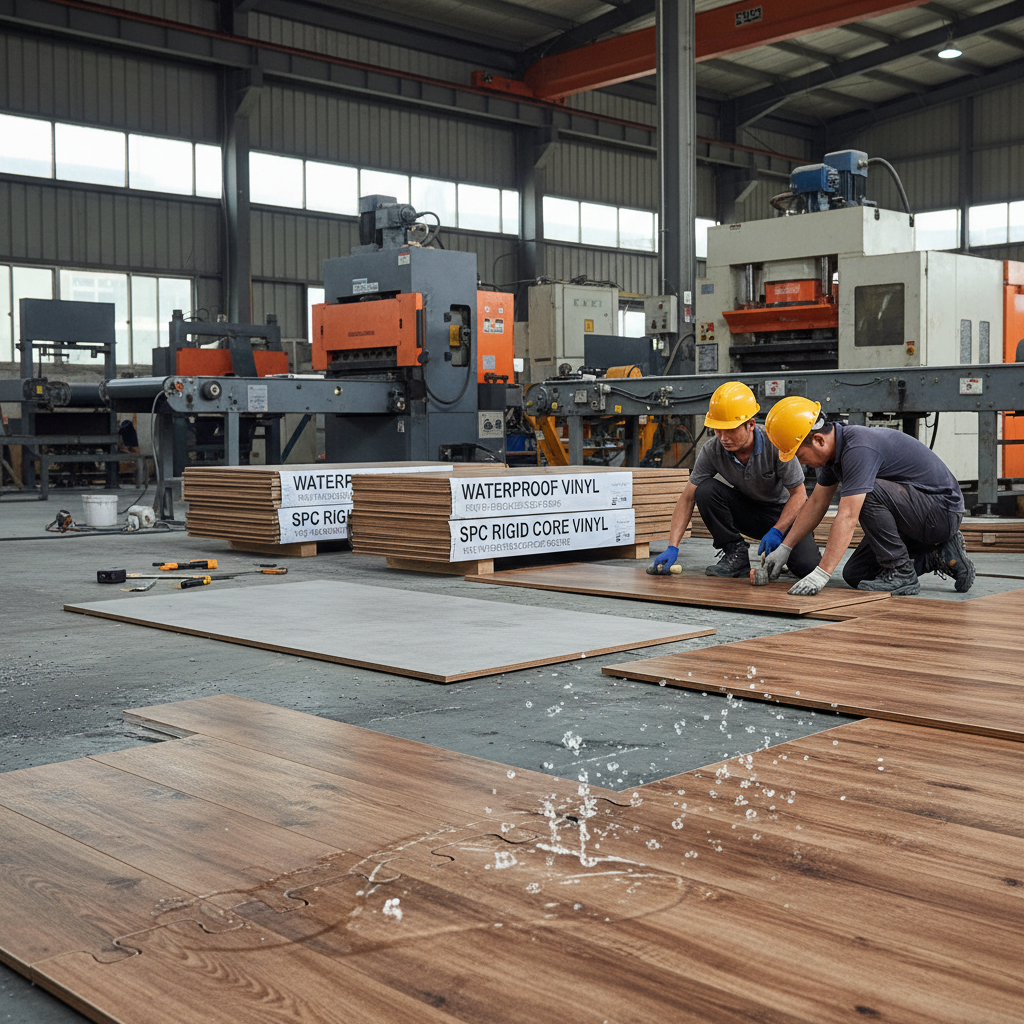 Ultimate Guide to Durable Waterproof SPC Rigid Core Vinyl FlooringChoosing the right flooring for a modern home or commercial space requires a balance between aesthetics and endurance. waterproof spc rigid core vinyl has emerged as a game-changer in the interior design world, offering the timeless look of hardwood with the unmatched resilience of stone polymer composite. Whether you are dealing with high-traffic hallways, moisture-prone bathrooms, or pet-friendly living rooms, this flooring solution provides a stable, waterproof, and scratch-resistant surface. In this comprehensive guide, we will explore why this innovative material is replacing traditional laminate and luxury vinyl planks in contemporary construction.Read More >
Apr 09 2026
-
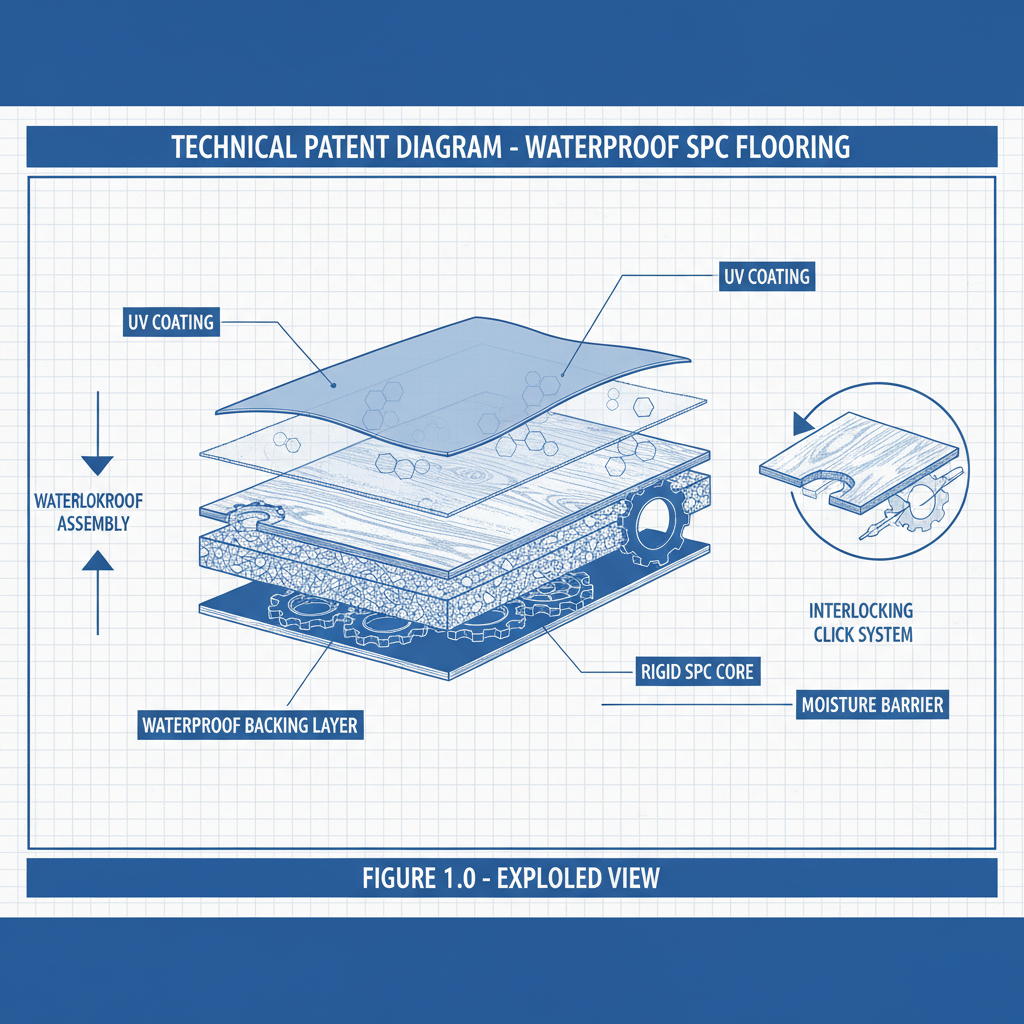 Comprehensive Guide to Waterproof SPC Flooring Durability and InstallationChoosing the right flooring for your home or business is a significant decision. Waterproof SPC flooring has emerged as a popular option due to its durability, affordability, and ease of installation. This article provides an in-depth look at waterproof SPC flooring, covering its benefits, installation process, maintenance, and comparisons with other flooring types. Understanding these aspects will help you determine if SPC flooring is the right choice for your project.Read More >
Apr 07 2026
-
 Discover the Durability and Style of Vinyl SPC Rigid Flooring SolutionsLooking for a durable, waterproof, and stylish flooring solution? Vinyl SPC rigid flooring is quickly becoming the go-to choice for homeowners and businesses alike. This article provides a comprehensive overview of this innovative flooring type, covering its benefits, installation, maintenance, and more. We’ll help you determine if SPC rigid vinyl flooring is the right fit for your project.Read More >
Apr 04 2026
-
 Comprehensive Guide to Durable Vinyl SPC Click Flooring Options and BenefitsChoosing the right flooring for your home or business is a significant decision. Vinyl SPC click flooring has emerged as a popular and durable option, offering a blend of aesthetic appeal and practical benefits. This article will explore the key features, advantages, installation process, and applications of SPC flooring, helping you determine if it's the right choice for your project. From its waterproof nature to its ease of installation, we'll cover everything you need to know.Read More >
Mar 31 2026
 +86 31185293045
  qian@ss711.com

Shijiazhuang Sothink trading Co., LTD.
Our company focuses on product development, production, sales and other all-round services, and is committed to providing customers with high-performance products and high-quality services.