


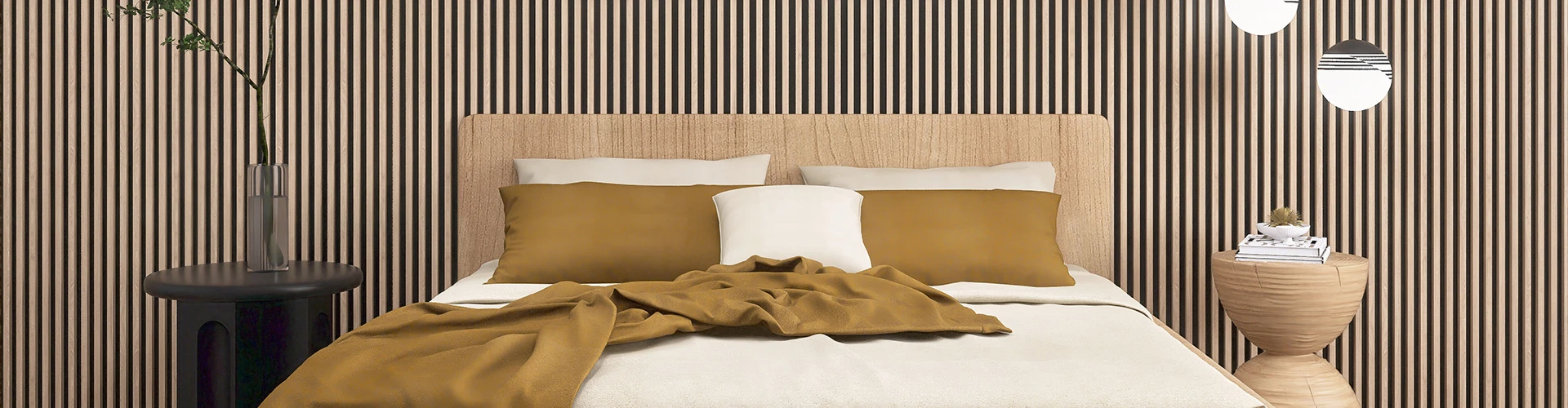
Marble SPC Flooring: Durable, Elegant, and Sustainable Flooring Solutions
What Is Marble SPC Flooring and Why Does It Matter?
Marble SPC flooring might sound like a paradox at first — combining the timeless luxury of marble with the rugged practicality of Stone Plastic Composite (SPC) — but it’s exactly this fusion that’s rewriting flooring standards worldwide. In a world increasingly obsessed with sustainable building solutions, durability, and aesthetics, understanding how marble spc flooring fits in is critical. It offers a premium look without the typical downsides of natural stone, like weight and maintenance, and does so with technical precision.
Globally, construction and renovation markets are booming — the UN estimates the global construction sector accounts for nearly 13% of economic output. Flooring materials that combine resilience and style are in high demand, especially in commercial and residential high-traffic zones. Marble SPC flooring answers this call, blending beauty, practicality, and efficient manufacturing methods that help lower environmental footprints.
The Global Context: Why Marble SPC Flooring Is Gaining Ground
Worldwide, more than 10 billion square meters of flooring are installed annually, with vinyl and composite materials edging out traditional hardwood and stone in certain sectors. According to ISO standards in sustainability and material performance, innovations like marble spc flooring represent a significant leap. These floors serve high-traffic areas prone to wear, moisture, and occasional abuse without losing their appeal.
One main challenge the flooring industry faces is balancing cost, durability, and environmental impact. Natural marble floors, while stunning, are heavy, expensive, and prone to chipping or staining. Conversely, cheaper vinyl options may lack longevity or that ‘wow’ factor. Marble SPC flooring bridges that divide with engineered elegance.
Defining Marble SPC Flooring
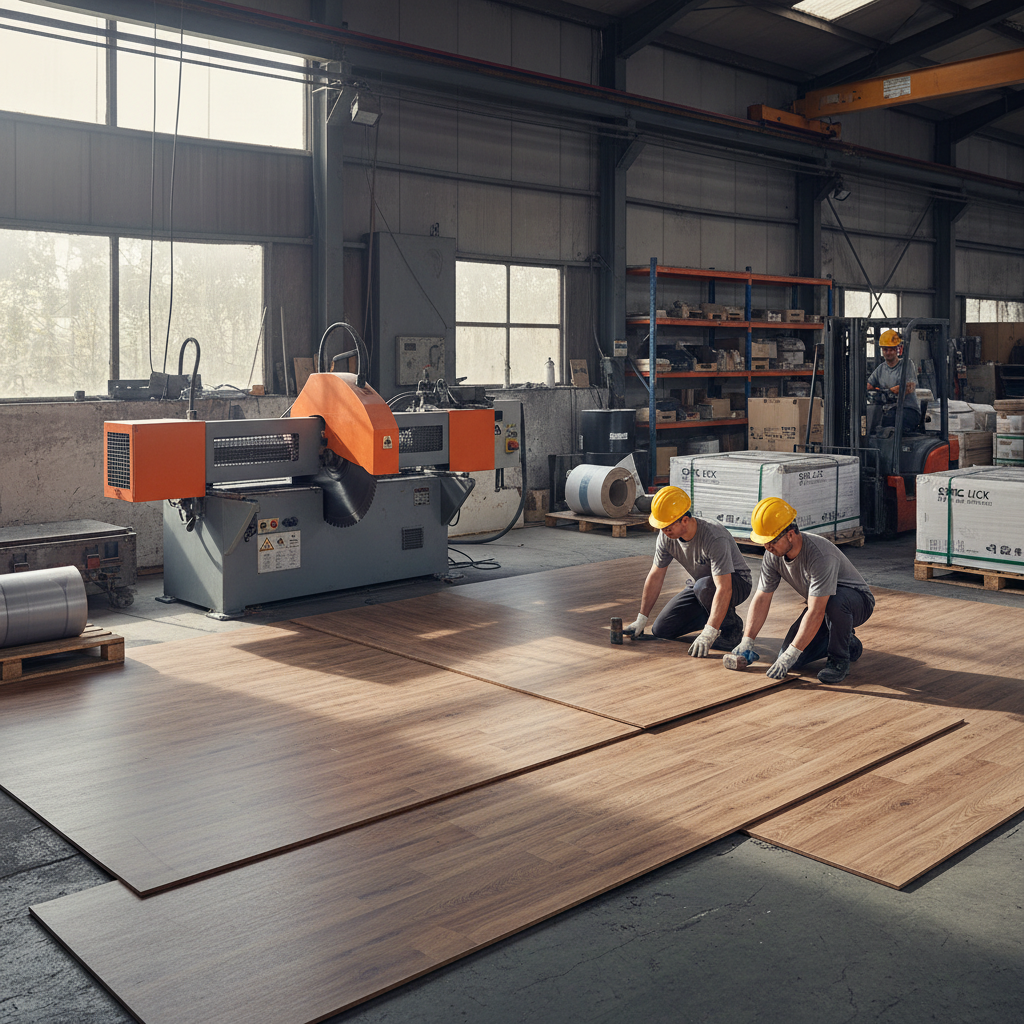
So, what exactly is it? Marble SPC flooring is a type of rigid core flooring made from Stone Plastic Composite — essentially a durable blend of limestone powder and stabilizers mixed with virgin vinyl. What sets it apart is the printed surface layer mimicking natural marble's veining and texture. Unlike real marble slabs, it’s lightweight, moisture-resistant, and installs seamlessly.
This flooring caters not only to interior designers craving a chic finish but also facility managers needing practical, cost-effective solutions that don’t compromise style. Hospitals, hotels, airports — you name it — many sectors worldwide find marble SPC flooring meets both aesthetic and functional demands.
Key Features Driving Marble SPC Flooring's Popularity
Durability That Goes the Distance
The SPC core makes this flooring practically impervious to dents and cracks, even under heavy foot traffic or rolling loads. Unlike traditional marble, which can fracture or chip, the composite core absorbs impacts gracefully.
Water & Moisture Resistance
Thanks to its waterproof core, marble spc flooring works beautifully in kitchens, bathrooms, or even commercial spaces exposed to spills or humidity. This opens doors where natural stone would struggle or require sealing and upkeep.
Cost Efficiency Without Skimping on Style
Natural marble is pricey and requires expert installation. Marble SPC flooring cuts those costs dramatically. Its click-lock installation system reduces labor time, and the raw materials are more abundant and eco-friendly.
Easy Maintenance & Hygiene
A quick mop or sweep keeps marble SPC looking fresh. This makes it appealing to healthcare or hospitality sectors that prioritize cleanliness and infection control.
Thermal & Acoustic Comfort
Oddly enough, the composite core helps insulate floors against cold and noise — often a surprise for those used to stone’s chill. This adds comfort to both homes and commercial spaces.
Eco-Friendliness & Sustainability
Many brands embrace recycled content and low-VOC (volatile organic compound) adhesives, supporting environmentally conscious construction — essential for modern building certifications.
Mini takeaway: Marble SPC flooring uniquely balances the beauty of marble with composite innovation, proving invaluable across durability, maintenance, cost, and sustainability.
Where Marble SPC Flooring Makes The Biggest Impact
This product is finding favor in diverse environments across the globe. In Europe, it adorns boutique hotels and historical renovations where weight limits prevent authentic stone use. In Asia, fast-growing urban centers deploy it in commercial hubs requiring quick, durable installations. North American healthcare facilities choose it for infection-resistant properties.
For example, a hospital wing in Canada replaced traditional tile with marble SPC flooring and reported a 30% decline in floor-related maintenance downtime. Similarly, in Dubai’s hospitality sector, premium hotels favor marble SPC for its water resistance amidst humid climates.
Product Specification Table: Common Marble SPC Flooring Attributes
| Specification | Typical Value | Notes |
|---|---|---|
| Core Composition | Limestone + PVC | SPC (Stone Plastic Composite) |
| Thickness | 4-6 mm | Includes surface and core layers |
| Wear Layer | 0.3-0.5 mm | Protects printed design |
| Water Resistance | 100% Waterproof | Suitable for wet areas |
| Installation | Click-lock system | Glue-free, floating floor |
| Dimensions (Plank Size) | 1220 x 180 mm | Standard size, varies by vendor |
Comparing Top Marble SPC Flooring Vendors
| Vendor | Core Material Quality | Design Variety | Eco Standards | Warranty |
|---|---|---|---|---|
| StoneLux SPC | Premium limestone + PVC | 50+ marble patterns | ISO 14001 certified | 15 years |
| MarblePro Floors | Standard blend | 30+ marble designs | Partial recycled content | 10 years |
| EliteStone SPC | Enhanced rigidity formula | 40+ exclusive patterns | Low-VOC certified | 20 years |
Why Choose Marble SPC Flooring? Advantages and Value
- Economic Value: Lower upfront and maintenance costs compared to natural stone.
- Sustainability: Many manufacturers incorporate recycled materials reducing environmental burden.
- Visual Appeal: Realistic marble aesthetics without the weight and fragility.
- Safety and Hygiene: Waterproof and easy to clean, reducing mold and bacteria growth.
- Reliability: Stands up to wear, impacting long-term building maintenance budgets.
It might seem odd, but the emotional reassurance of a floor that won’t crack or stain under your feet speaks volumes. Many building owners express pride, not just in looks, but in knowing their investment is solid.
Emerging Trends and Innovations in Marble SPC Flooring
The future looks exciting. Manufacturers are embracing marble spc flooring products with even greater recycled content and bio-based stabilizers. Digitally printed surfaces are becoming more intricate and customizable, imitating rare marble varieties. Additionally, integration with smart home sensors and floor heating systems is on the rise.
Also, sustainability initiatives are influential: ISO 14001 certifications and LEED credits pushed by global standards encourage eco-conscious buyer decisions. And automation in production lines means better consistency, less waste, and faster delivery times.
Challenges and Practical Solutions
While marble SPC flooring has many perks, it isn’t perfect. Some users report difficulty matching transitions to other floor types or occasional surface scratches in extremely abrasive industrial environments. Also, low-end products with thinner wear layers tend to fade quicker.
Experts recommend sourcing from verified vendors with comprehensive warranties and consulting professionals for installation to manage these risks. The click-lock mechanisms must be flawless — otherwise, moisture might creep below in wet locations.
FAQ: Frequently Asked Questions About Marble SPC Flooring
1. Is marble SPC flooring suitable for outdoor use?
Typically, marble SPC flooring is designed for indoor environments because UV rays and weather elements can degrade the surface over time. For outdoor applications, you might want specialized outdoor composites or natural stone options.
2. How does marble SPC flooring compare to traditional marble in price and installation?
Marble SPC is considerably more affordable — roughly 30-50% less expensive — and can be installed more quickly thanks to its click-lock system. It requires no sealing or professional stone cutting, which lowers labor costs.
3. Can marble SPC flooring be installed over existing floors?
Yes! Its floating installation system often allows it to be laid over many flat surfaces like tile or concrete without adhesive, making renovations much faster and less invasive.
4. Are there environmental certifications to look for when choosing marble SPC flooring?
Look for ISO 14001 certification, FloorScore or GREENGUARD certifications which indicate low VOC emissions, and check for recycled content percentages to ensure eco-conscious credentials.
Wrapping It Up: Why Marble SPC Flooring Is Worth Looking Into
Marble spc flooring strikes a unique balance of elegance, durability, and smart manufacturing. It’s not just a fleeting trend but a substantial, practical approach to modern flooring needs — be it commercial, residential, or industrial. It’s especially appealing in contexts where long-term value, environmental awareness, and aesthetics converge.
Curious to see more about how marble SPC flooring can transform your spaces? Visit our website: marble spc flooring for product showcase, specs, and expert advice.
References
-
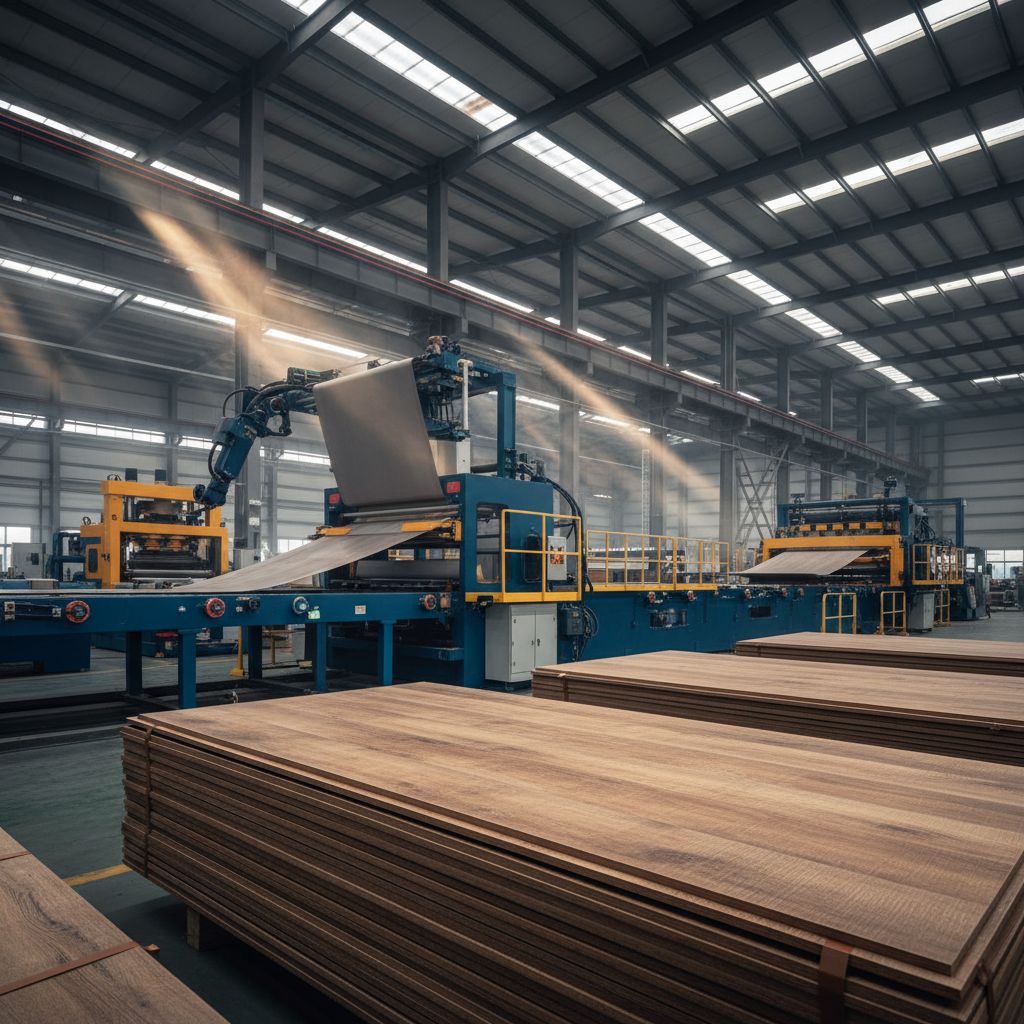 Ultimate Guide to Durable Waterproof SPC Vinyl Flooring StyleWhen renovating a modern home or commercial space, the flooring choice often defines the entire atmosphere. waterproof spc vinyl flooring has emerged as a revolutionary solution for those who refuse to compromise between aesthetic elegance and rugged performance. Standing for Stone Plastic Composite, SPC flooring is engineered to withstand the toughest environments, from moisture-prone bathrooms to high-traffic living rooms. In this comprehensive guide, we will explore why this material is dominating the interior design market and how it can transform your space into a sanctuary of style and resilience.Read More >
Apr 16 2026
-
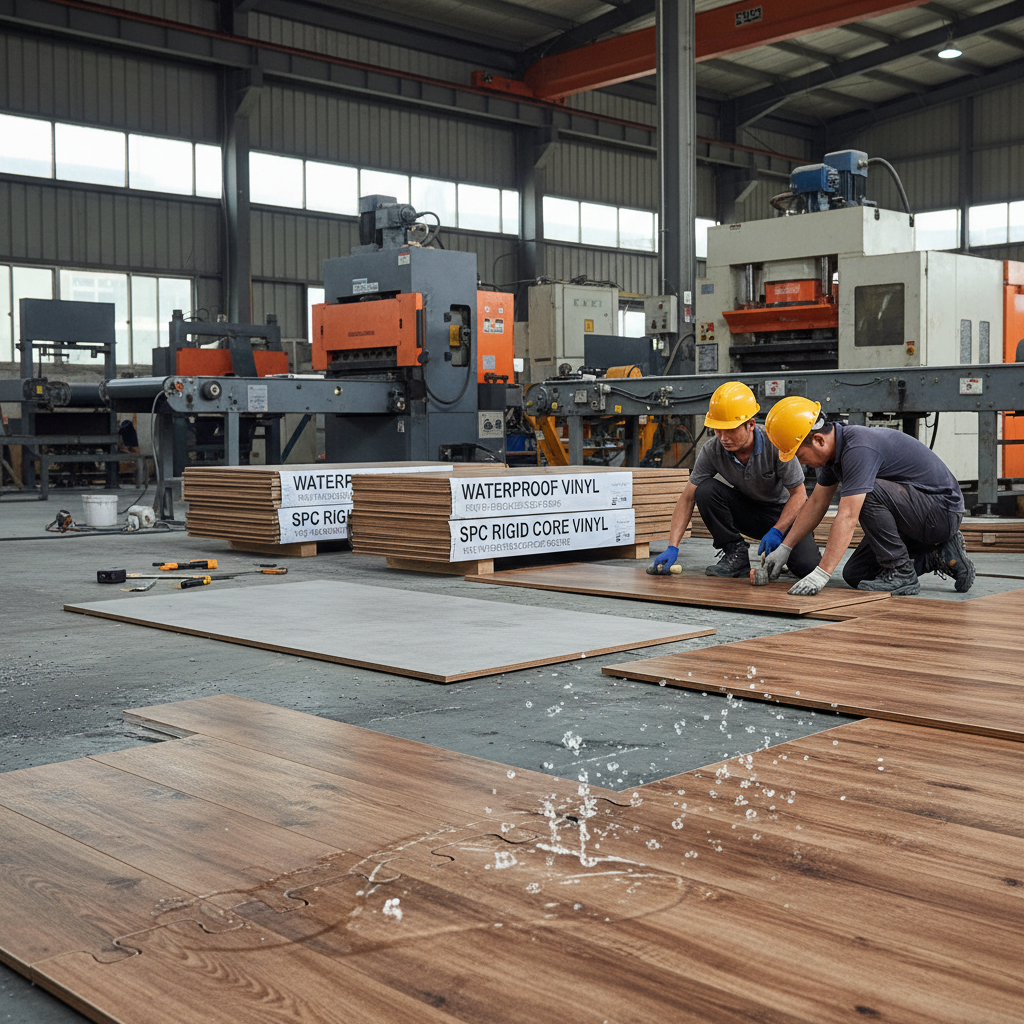 Ultimate Guide to Durable Waterproof SPC Rigid Core Vinyl FlooringChoosing the right flooring for a modern home or commercial space requires a balance between aesthetics and endurance. waterproof spc rigid core vinyl has emerged as a game-changer in the interior design world, offering the timeless look of hardwood with the unmatched resilience of stone polymer composite. Whether you are dealing with high-traffic hallways, moisture-prone bathrooms, or pet-friendly living rooms, this flooring solution provides a stable, waterproof, and scratch-resistant surface. In this comprehensive guide, we will explore why this innovative material is replacing traditional laminate and luxury vinyl planks in contemporary construction.Read More >
Apr 09 2026
-
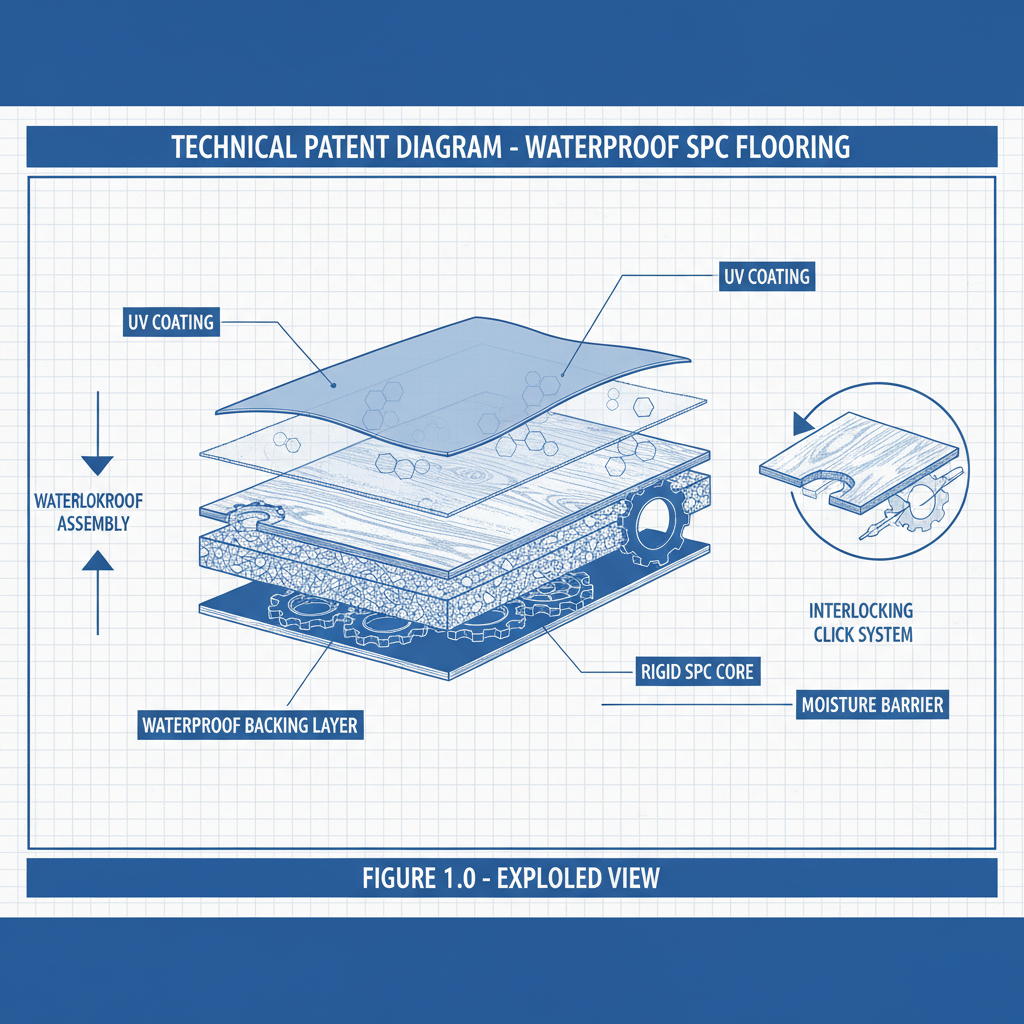 Comprehensive Guide to Waterproof SPC Flooring Durability and InstallationChoosing the right flooring for your home or business is a significant decision. Waterproof SPC flooring has emerged as a popular option due to its durability, affordability, and ease of installation. This article provides an in-depth look at waterproof SPC flooring, covering its benefits, installation process, maintenance, and comparisons with other flooring types. Understanding these aspects will help you determine if SPC flooring is the right choice for your project.Read More >
Apr 07 2026
-
 Discover the Durability and Style of Vinyl SPC Rigid Flooring SolutionsLooking for a durable, waterproof, and stylish flooring solution? Vinyl SPC rigid flooring is quickly becoming the go-to choice for homeowners and businesses alike. This article provides a comprehensive overview of this innovative flooring type, covering its benefits, installation, maintenance, and more. We’ll help you determine if SPC rigid vinyl flooring is the right fit for your project.Read More >
Apr 04 2026
-
 Comprehensive Guide to Durable Vinyl SPC Click Flooring Options and BenefitsChoosing the right flooring for your home or business is a significant decision. Vinyl SPC click flooring has emerged as a popular and durable option, offering a blend of aesthetic appeal and practical benefits. This article will explore the key features, advantages, installation process, and applications of SPC flooring, helping you determine if it's the right choice for your project. From its waterproof nature to its ease of installation, we'll cover everything you need to know.Read More >
Mar 31 2026
 +86 31185293045
  qian@ss711.com

Shijiazhuang Sothink trading Co., LTD.
Our company focuses on product development, production, sales and other all-round services, and is committed to providing customers with high-performance products and high-quality services.