


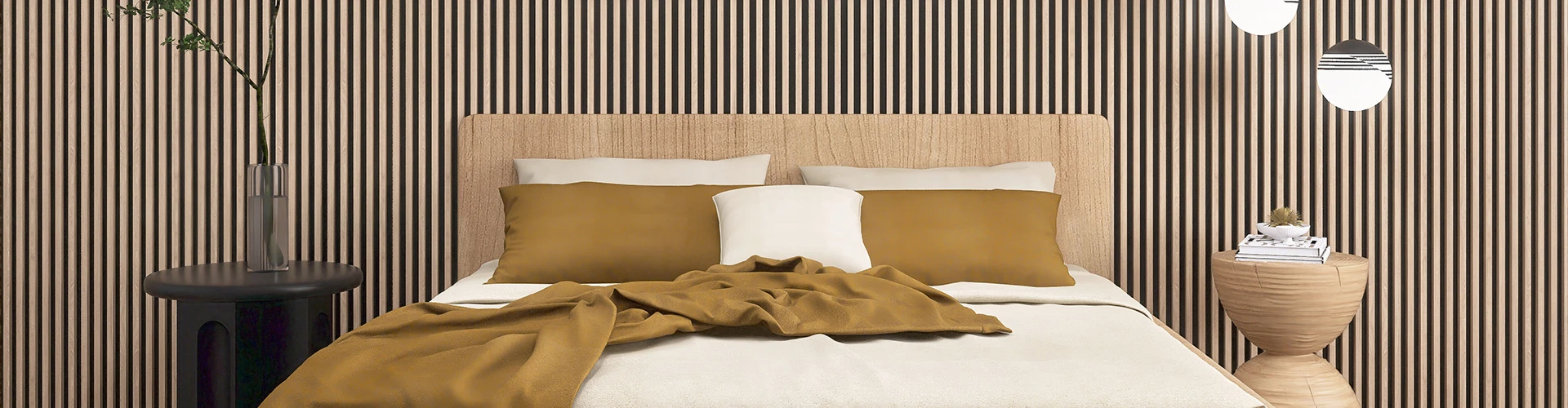
Durable & Eco-Friendly SPC Click Plank Flooring | Fast Installation Solutions
What Is SPC Click Plank Flooring and Why It Matters Today
In a world rapidly shifting towards sustainable and durable building solutions, SPC click plank flooring is quietly revolutionizing interiors everywhere—from bustling urban apartments to remote industrial sites. But what exactly is it, and why should any homeowner, architect, or contractor care? At its core, this flooring type offers a smart, cost-efficient alternative to traditional hardwood or tile floors, combining ease of installation with resilience that few other materials can match.
Understanding SPC flooring isn’t just a niche concern. Globally, urban populations are expanding, construction demands are rising, and sustainability standards are tightening. This flooring option addresses those realities by delivering a product that’s waterproof, durable, and eco-friendly—qualities that matter on both a personal and planetary scale.
Mini takeaway: SPC click plank flooring is a modern flooring innovation designed to meet the durability and eco-conscious needs of today's building projects worldwide.The Global Context: Why SPC Flooring Is Gaining Ground
Globally, the flooring market is evolving. According to ISO standards and construction trends tracked by the World Bank, demand for waterproof, low-maintenance, and cost-effective flooring solutions is accelerating. For example, emerging markets in Asia-Pacific and the Middle East are seeing rapid urbanization—leading to a surge in new homes and commercial spaces that need fast, reliable flooring.
Traditional flooring options like hardwood or natural stone, while beautiful, often come with high maintenance costs and environmental concerns. Meanwhile, rapid construction schedules in developing regions can’t always accommodate wet trades like tiling or crude wooden floor laying.
SPC click plank flooring addresses all this by offering a plug-and-play solution that lasts without the headaches.
Mini takeaway: The growth of construction worldwide coupled with sustainability pressures are core reasons behind SPC flooring’s rising popularity.SPC Click Plank Flooring Explained: The Basics
SPC stands for Stone Plastic Composite, a dense core material made primarily from limestone andPVC powder — a sort of marriage between natural mineral and synthetic polymer for the best of both worlds. The “click plank” aspect refers to its installation method where individual flooring planks lock together via a patented click system—no glue or nails required.
This design is key to its rapid deployment in new builds or renovations. Instead of waiting days or weeks, installers can literally snap floors into place within hours, cutting downtime. It has become a favorite for projects that require resilience—like high-traffic offices or healthcare facilities—because it can withstand impacts, moisture, and temperature changes that would destroy traditional wood.
Mini takeaway: SPC click plank flooring is a composite product combining a stone-plastic core with easy-click installation for waterproof and durable flooring.Key Features That Make SPC Click Plank Flooring Stand Out
1. Durability and Moisture Resistance
Thanks to its stone plastic composite core, SPC flooring doesn’t swell, warp, or buckle when exposed to water—unlike hardwood or laminates. This makes it ideal for kitchens, bathrooms, and even basements in flood-prone areas.
2. Quick and Easy Installation
The click-lock mechanism is surprisingly forgiving, allowing DIY enthusiasts and professionals alike to install it over existing floors or uneven subfloors with minimal prep.
3. Cost Efficiency
While it looks like luxury vinyl or hardwood, SPC plank flooring often costs less upfront and reduces labor expenses through faster installation times—saving weeks on project timelines.
4. Eco-Friendliness
The stability and lifespan reduce waste associated with floor replacements. Plus, many manufacturers now use recycled materials in the composite core to minimize environmental impact.
5. Design Versatility
Available in an ever-expanding range of textures, colors, and plank sizes, SPC flooring suits everything from traditional oak looks to modern stone or concrete finishes.
Mini takeaway: Durability, fast installation, affordability, sustainability, and aesthetic options are core pillars shaping the value of SPC click plank flooring.Global Use Cases: Where and How SPC Flooring Shines
SPC click plank flooring’s strengths shine across many sectors. For instance:
- Residential Buildings: In flood-prone regions like parts of Florida or Southeast Asia, it offers a water-safe alternative that keeps homes comfortable and stylish.
- Commercial Spaces: Retail stores and office buildings appreciate its ability to endure heavy foot traffic without showing wear.
- Healthcare Facilities: Waterproof and hygienic surfaces are critical in hospitals, where easy cleaning is a must.
- Remote Industrial Zones: In places like mining camps or oil rigs, quick installation and resilience to harsh conditions reduce downtime immensely.
- Post-Disaster Relief: NGOs are increasingly deploying SPC flooring solutions in rebuilt shelters due to speed and sanitation benefits.
Advantages and Long-Term Value of SPC Click Plank Flooring
So why settle for anything else? Many buyers tout not only its waterproof and scratch-proof rating but also the peace of mind that comes with a product designed to last decades. The emotional comfort of knowing your floors won’t cause problems or require constant fixes is underrated.
Financially, the upfront savings combined with reduced maintenance translate to better lifecycle cost management. Environmentally conscious customers also find reassurance in materials sourced and manufactured under evolving sustainable processes.
Frankly, it’s a rare combination of practical durability and design flexibility that offers long-term value. The trust many contractors develop with repeat SPC projects is evidence of this.
Future Trends: What’s Next for SPC Flooring?
Looking ahead, innovations in raw materials—like bio-based resins—promise to reduce the carbon footprint even further. Digitally enhanced surface textures created with AI-driven design software allow hyper-realistic wood grains and stone effects.
Automation in manufacturing coupled with IoT-enabled quality controls means production quality will become consistently higher with fewer defects. Additionally, as green building certifications gain importance, SPC flooring’s eco-credentials will likely improve and integrate with circular economy principles.
Challenges and Smart Solutions in SPC Flooring Adoption
No product is perfect. A few common hitches include concerns over VOC (volatile organic compound) emissions, limited thickness ranges when compared to hardwood, and difficulties recycling composite layers because of mixed materials.
Industry leaders solve these by developing low-VOC formulas, thicker plank options, and exploring chemical recycling techniques. Education around correct installation practices is also key to preventing moisture trapping or subfloor damage.
Common Questions About SPC Click Plank Flooring
1. How does SPC flooring differ from regular vinyl flooring?
While both can have vinyl surfaces, SPC features a limestone composite core that makes it more rigid, durable, and waterproof, whereas traditional vinyl may be more flexible but less robust over time.
2. Can SPC flooring be installed over existing floors?
Yes, one of SPC’s core advantages is easy installation over many surfaces, including concrete, wood, or tile—provided the existing floor is level and clean.
3. Is SPC flooring suitable for underfloor heating?
Absolutely. Due to its dense core, SPC flooring conducts heat efficiently and is often recommended with radiant heating systems.
4. How long does SPC flooring typically last?
With proper care, SPC floors can last 15 to 25 years or more, making them a long-term investment for busy homes or commercial sites.
5. Are there environmental concerns with SPC flooring?
Modern SPC products use recycled content and low-emission manufacturing processes, but recycling the composite at end-of-life remains challenging. Manufacturers are innovating to improve this continuously.
Comparing Popular SPC Click Plank Flooring Products
| Feature | Brand A | Brand B | Brand C |
|---|---|---|---|
| Core Thickness | 5.5 mm | 4.0 mm | 6.0 mm |
| Wear Layer | 0.5 mm | 0.3 mm | 0.7 mm |
| Waterproof | Yes | Yes | Yes |
| Installation | Click-lock | Glue-down option also | Click-lock |
| Price per m² | $25 | $22 | $28 |
Vendor Comparison for SPC Click Plank Flooring
| Vendor | Lead Time | MOQ (m²) | Certifications | Support |
|---|---|---|---|---|
| Sothink Decor | 2–3 weeks | 100 | ISO 9001, FloorScore | 24/7 tech & sales support |
| FloorMasters Inc. | 4–6 weeks | 150 | ISO 14001 | Business hours only |
| GreenStep Floors | 3–5 weeks | 200 | FloorScore, LEED | Email support |
In Closing: A Flooring Choice That Fits the Future
All things considered, SPC click plank flooring emerges not just as a new product but as a solution meeting today’s challenges of durability, speed, cost, and sustainability. Whether for a new apartment or an industrial complex halfway across the globe, it provides the kind of long-lasting, stylish resilience that modern spaces demand.
So next time you’re faced with a flooring decision, perhaps consider this versatile composite material. It’s more than a fad— it’s where practicality meets modern living.
Visit our website to explore more: https://www.sothinkdecor.com
References
-
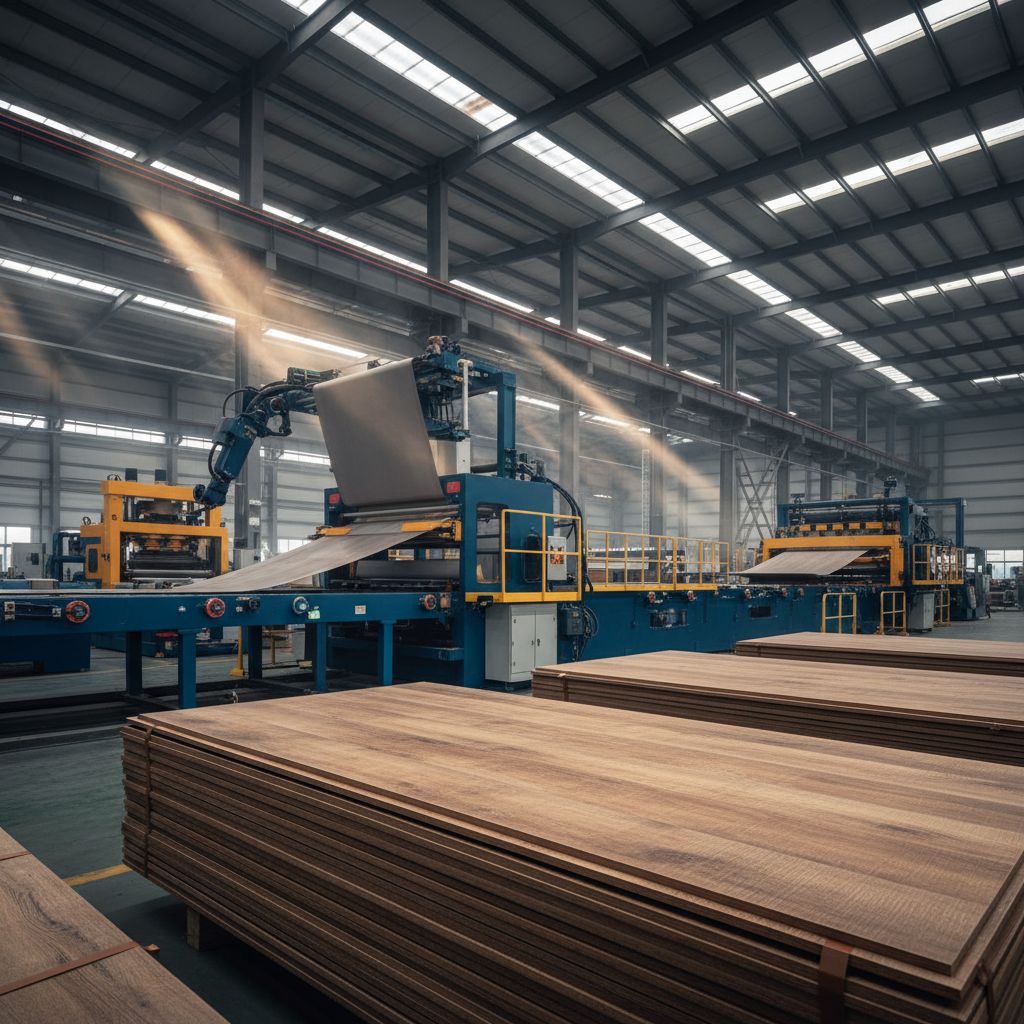 Ultimate Guide to Durable Waterproof SPC Vinyl Flooring StyleWhen renovating a modern home or commercial space, the flooring choice often defines the entire atmosphere. waterproof spc vinyl flooring has emerged as a revolutionary solution for those who refuse to compromise between aesthetic elegance and rugged performance. Standing for Stone Plastic Composite, SPC flooring is engineered to withstand the toughest environments, from moisture-prone bathrooms to high-traffic living rooms. In this comprehensive guide, we will explore why this material is dominating the interior design market and how it can transform your space into a sanctuary of style and resilience.Read More >
Apr 16 2026
-
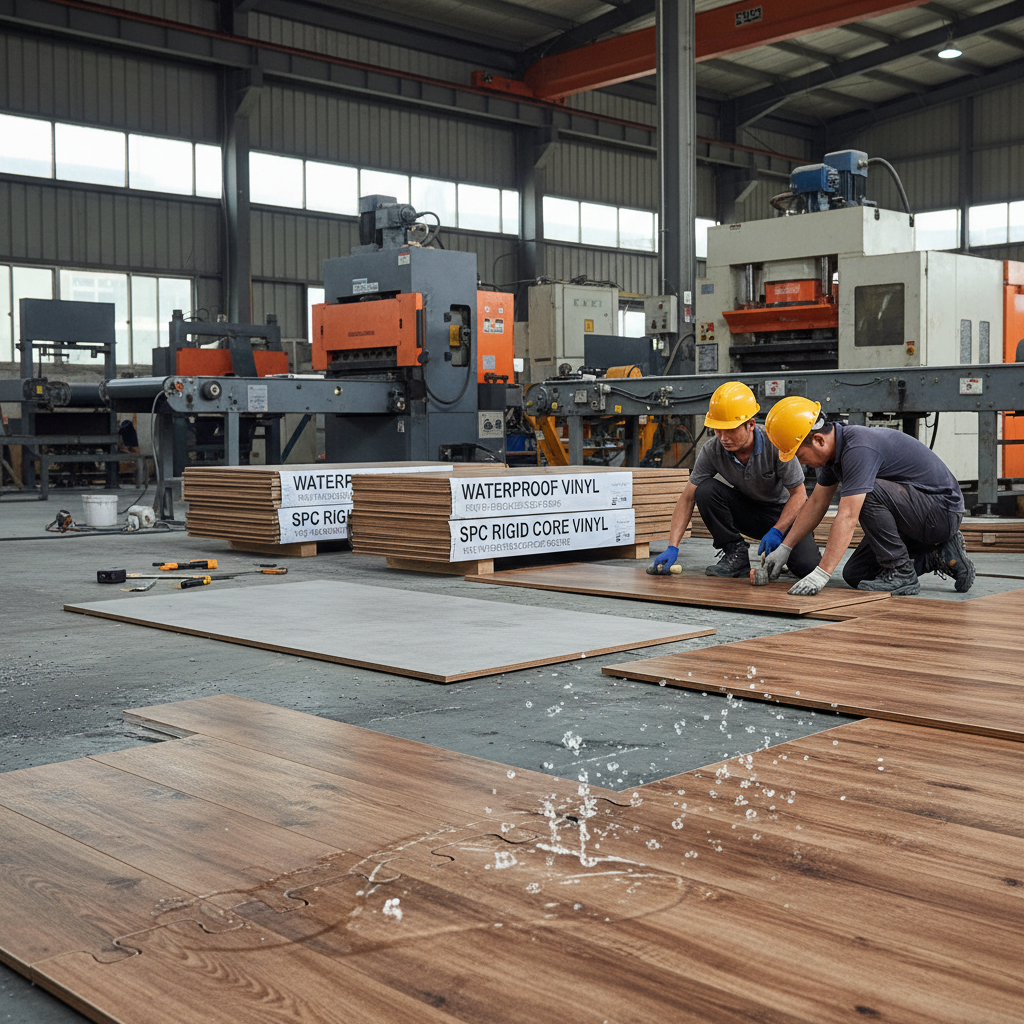 Ultimate Guide to Durable Waterproof SPC Rigid Core Vinyl FlooringChoosing the right flooring for a modern home or commercial space requires a balance between aesthetics and endurance. waterproof spc rigid core vinyl has emerged as a game-changer in the interior design world, offering the timeless look of hardwood with the unmatched resilience of stone polymer composite. Whether you are dealing with high-traffic hallways, moisture-prone bathrooms, or pet-friendly living rooms, this flooring solution provides a stable, waterproof, and scratch-resistant surface. In this comprehensive guide, we will explore why this innovative material is replacing traditional laminate and luxury vinyl planks in contemporary construction.Read More >
Apr 09 2026
-
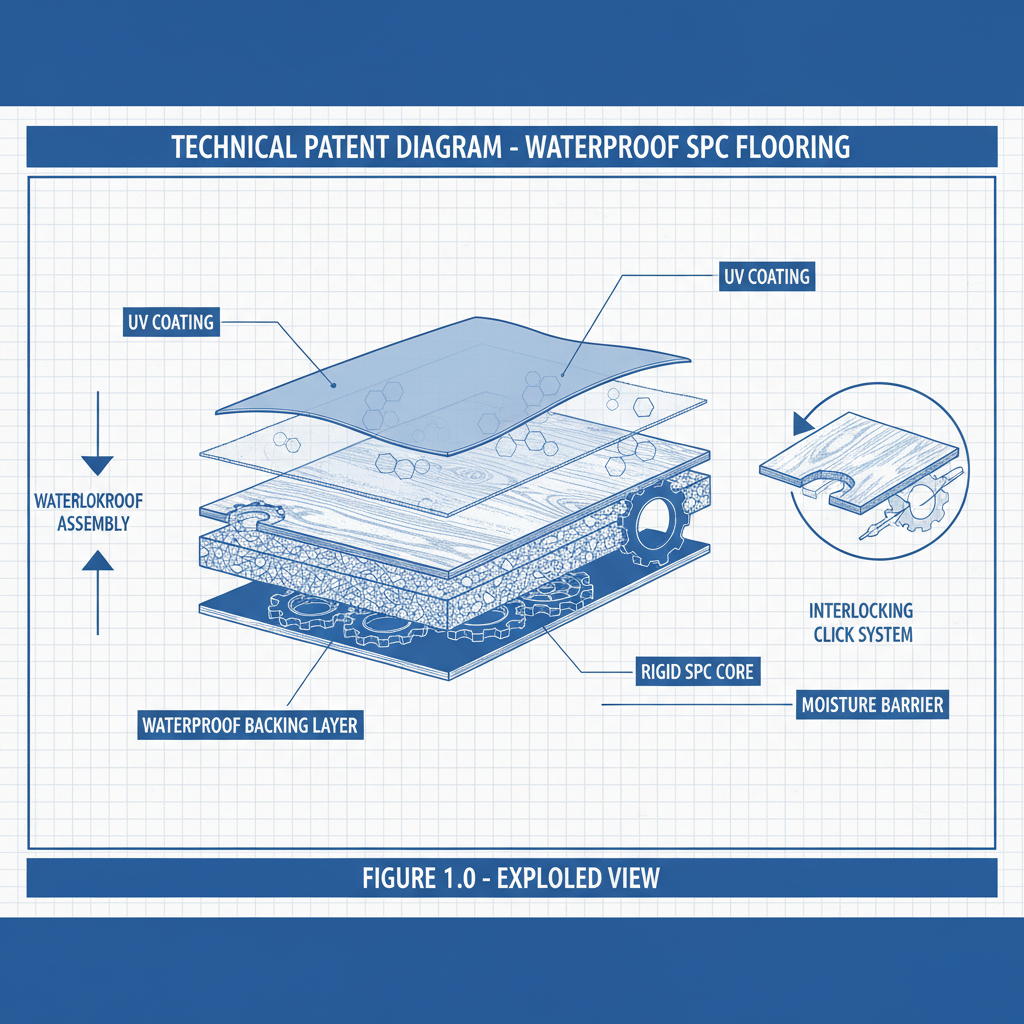 Comprehensive Guide to Waterproof SPC Flooring Durability and InstallationChoosing the right flooring for your home or business is a significant decision. Waterproof SPC flooring has emerged as a popular option due to its durability, affordability, and ease of installation. This article provides an in-depth look at waterproof SPC flooring, covering its benefits, installation process, maintenance, and comparisons with other flooring types. Understanding these aspects will help you determine if SPC flooring is the right choice for your project.Read More >
Apr 07 2026
-
 Discover the Durability and Style of Vinyl SPC Rigid Flooring SolutionsLooking for a durable, waterproof, and stylish flooring solution? Vinyl SPC rigid flooring is quickly becoming the go-to choice for homeowners and businesses alike. This article provides a comprehensive overview of this innovative flooring type, covering its benefits, installation, maintenance, and more. We’ll help you determine if SPC rigid vinyl flooring is the right fit for your project.Read More >
Apr 04 2026
-
 Comprehensive Guide to Durable Vinyl SPC Click Flooring Options and BenefitsChoosing the right flooring for your home or business is a significant decision. Vinyl SPC click flooring has emerged as a popular and durable option, offering a blend of aesthetic appeal and practical benefits. This article will explore the key features, advantages, installation process, and applications of SPC flooring, helping you determine if it's the right choice for your project. From its waterproof nature to its ease of installation, we'll cover everything you need to know.Read More >
Mar 31 2026
 +86 31185293045
  qian@ss711.com

Shijiazhuang Sothink trading Co., LTD.
Our company focuses on product development, production, sales and other all-round services, and is committed to providing customers with high-performance products and high-quality services.